
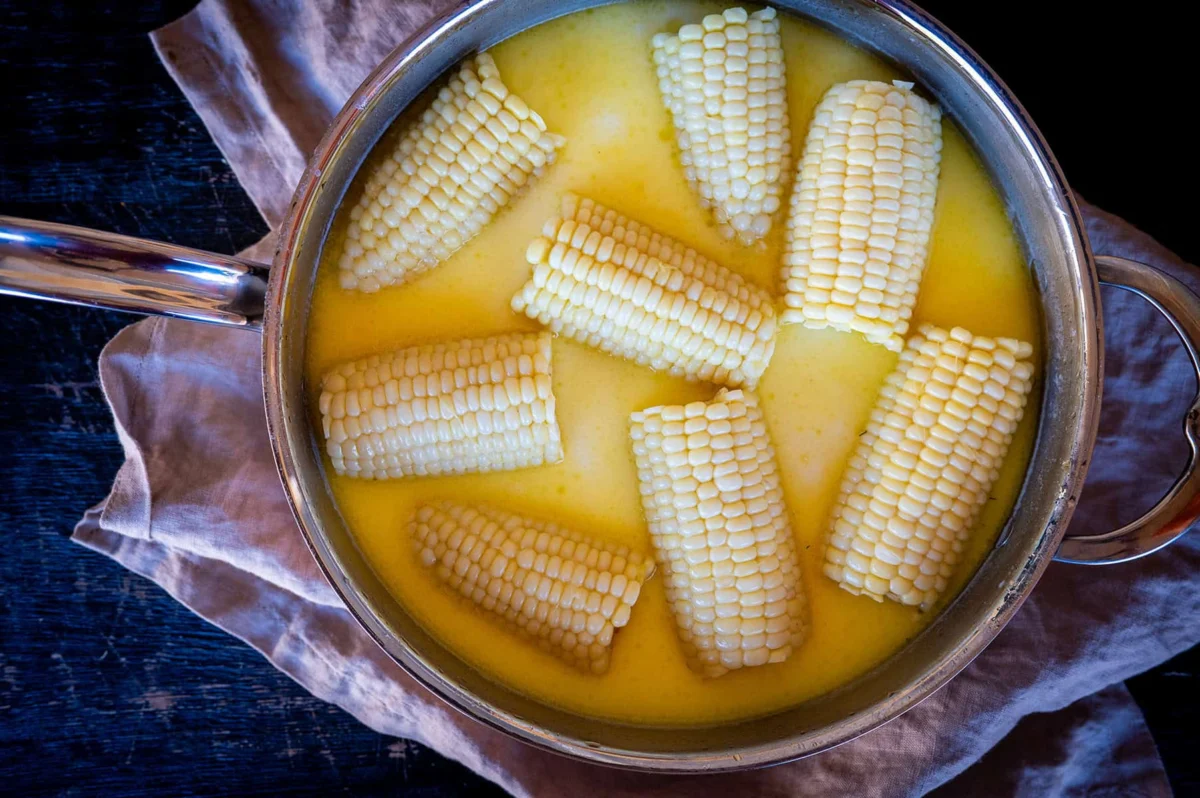
For home cooks accustomed to the simple ritual of boiling corn in salted water, a culinary revelation awaits. A subtle yet profoundly impactful shift in technique – poaching corn in a rich bath of milk, butter, and sugar – promises a dramatically more flavorful and tender result. This method, distinct from a vigorous boil, maintains a gentle simmer, allowing each kernel to absorb the luscious sweetness and creamy notes of the dairy and sugar without the risk of scorching or curdling. The outcome is a corn on the cob that transcends its humble origins, offering a richer, sweeter, and more tender bite with every mouthful, a stark contrast to corn that merely tastes of the water it was boiled in.
This elevated approach to preparing a summer staple is championed by seasoned culinary experts, including competitive pitmasters who have spent years refining outdoor cooking techniques. The simple act of poaching in milk, rather than boiling in water, transforms the corn’s flavor profile. This technique ensures that the corn’s natural sugars are enhanced and infused, creating a decadent sweetness that water alone cannot impart. The gentle simmering action of poaching is crucial; it prevents the milk from breaking down or burning, a common pitfall with direct boiling. This careful temperature control allows the corn to slowly and thoroughly absorb the rich, buttery, and sugary liquid, resulting in a more complex and satisfying taste experience.
A Culinary Journey: From Military Mess Halls to Competition Que
The appreciation for this refined corn preparation method often stems from a deep-seated connection to classic comfort foods and a lifetime dedicated to culinary exploration. For many, corn on the cob represents a ubiquitous element of summer gatherings, a dish that has graced tables across diverse settings, from the varied locales of military families to the competitive barbecue circuits. This enduring presence underscores corn’s role as a beloved and versatile ingredient, adaptable to numerous cooking styles.
The journey from standard boiling to the nuanced art of poaching is often illuminated by extensive experience. Years spent developing recipes for professional barbecue competitions, a domain where flavor intensity and texture perfection are paramount, have led many chefs to discover and embrace the transformative power of poaching corn in milk. This method stands out as a preferred technique for those seeking to unlock the corn’s inherent sweetness and achieve a superior texture. It’s a testament to how even a seemingly simple ingredient can be elevated through thoughtful culinary application, turning a familiar dish into a memorable experience.
Understanding the Art of Milk Poaching
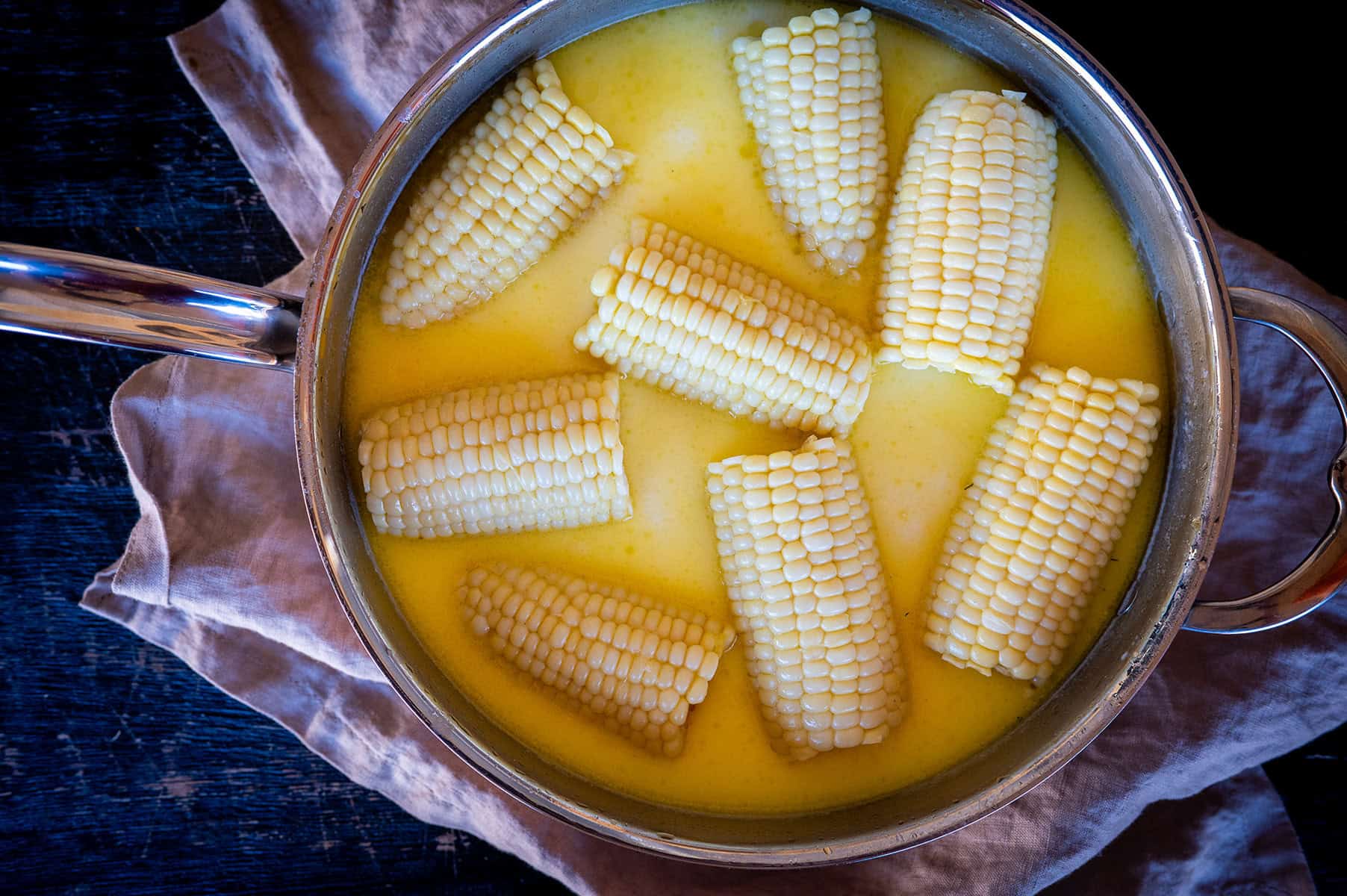
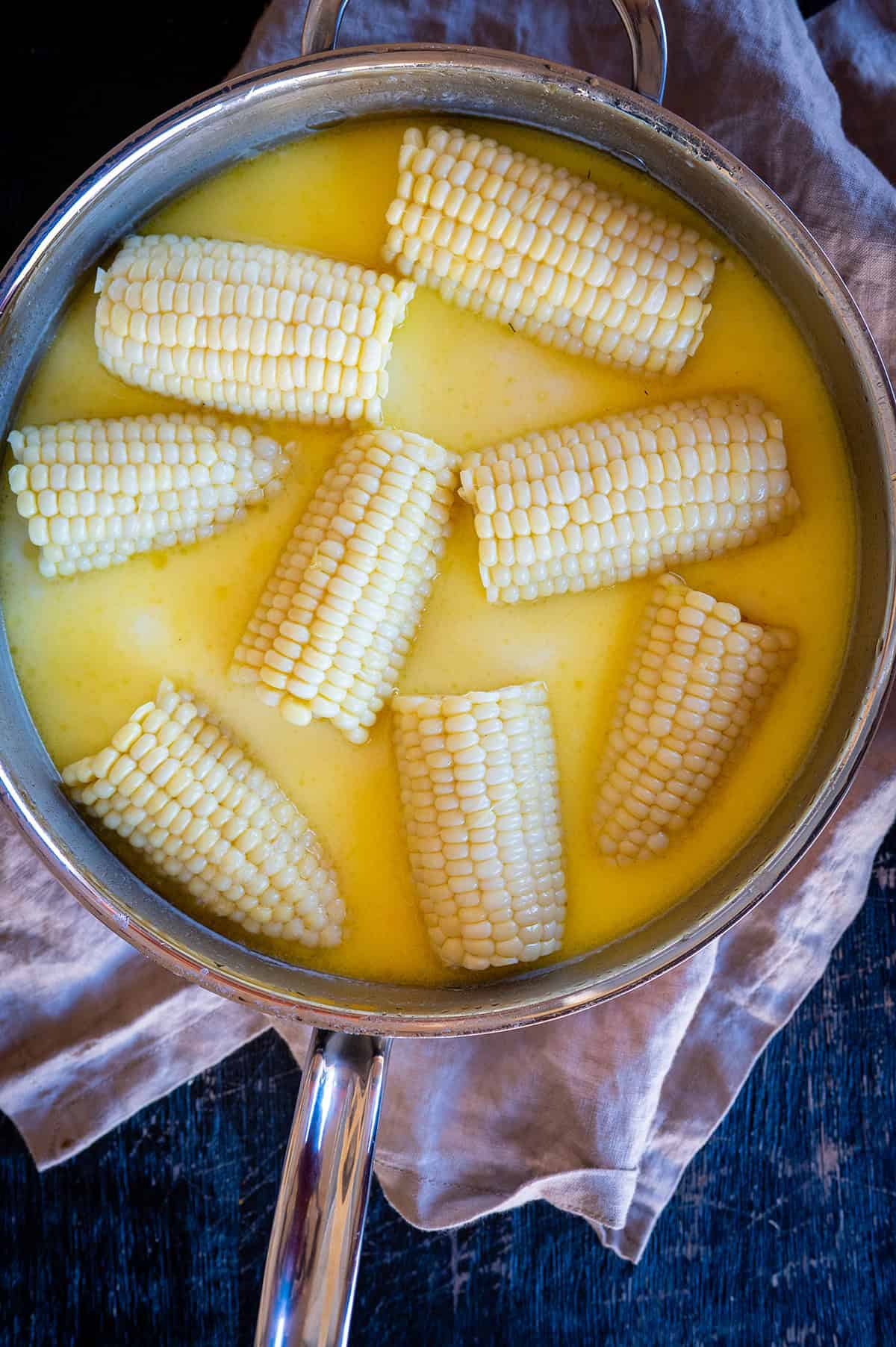
At its core, corn poached in milk involves submerging ears of corn in a carefully curated liquid. This poaching medium typically comprises milk, a generous amount of butter, sugar, and a touch of salt. Unlike a traditional boil, which uses only water, this richer concoction infuses the corn kernels as they cook. The dairy and sugar create a delicate coating, permeating the corn to yield a sweeter and more decadent flavor profile.
The defining characteristic of this technique lies in the control of heat. Poaching dictates a gentle simmer – a state where small bubbles lazily rise to the surface – rather than the vigorous, rolling boil of conventional methods. This crucial distinction is the safeguard against the milk scorching or separating, ensuring the integrity of the poaching liquid. The gentler heat also allows the corn ample time to absorb the buttery sweetness without becoming tough or overcooked. This meticulous approach results in corn that is not only sweeter but also exceptionally tender and rich, a culinary achievement that belies the simplicity of the ingredients.
The Science Behind the Sweetness: Nutritional Insights
While the primary appeal of milk-poached corn lies in its enhanced flavor and texture, understanding its nutritional composition provides further context. A typical serving of milk-poached corn, as per standard recipe calculations, offers approximately 150 calories. This includes around 17 grams of carbohydrates, primarily from the natural sugars in the corn and added sugar, and 4 grams of protein derived from the corn and milk. The fat content is approximately 8 grams, with about 5 grams of saturated fat contributed by the butter and whole milk.
Further nutritional breakdown reveals trace amounts of fiber, essential vitamins like Vitamin A (around 360 IU), and minerals such as calcium (approximately 80 mg). The sodium content, around 660 mg, is largely influenced by the added salt in the poaching liquid. It’s important to note that these figures are approximations, calculated automatically, and can vary based on specific ingredient quantities and brands used. This nutritional profile highlights that while this preparation method offers a decadent taste, it also contributes to the overall caloric and macronutrient intake of a meal.
Essential Ingredients and Potential Adaptations
To achieve this superior corn preparation, a few key ingredients are indispensable. The recipe typically calls for:

- Corn on the Cob: Freshly harvested corn is ideal for its natural sweetness and succulence.
- Milk: Whole milk provides a richer base and contributes to the creamy texture.
- Butter: Unsalted butter is preferred to control the saltiness and add richness.
- Sugar: Granulated sugar enhances the corn’s natural sweetness.
- Salt: A small amount of salt balances the sweetness and enhances overall flavor.
For those seeking further richness or a less sweet profile, several substitutions and adjustments can be made:
- For Enhanced Richness: Swap whole milk for half-and-half. This dairy blend has a higher fat content, which will impart an even more luxurious and creamy texture to the poached corn.
- For Reduced Sweetness: The sugar content can be reduced to 1 tablespoon if a less sweet corn is preferred. This allows the natural sweetness of the corn and the subtle notes from the milk and butter to shine through more prominently.
- For Frozen Corn: If using frozen corn on the cob, ensure it is completely thawed before introducing it to the poaching liquid. This ensures even cooking and prevents the poaching liquid from becoming diluted or too cool.
These adaptations allow home cooks to tailor the recipe to their specific preferences and available ingredients, ensuring a delicious outcome regardless of minor variations.
The Method: A Step-by-Step Guide to Poaching Perfection
The preparation of milk-poached corn is a straightforward process that can be executed on a stovetop using basic kitchen equipment. The primary tools required are a large, high-walled skillet or a sauté pan.
Step 1: Preparing the Poaching Liquid
Begin by combining the milk, a small amount of water (to prevent immediate scorching of the milk), butter, sugar, and salt in the chosen skillet or pan. Place the pan over medium-low heat. Stir the mixture gently and continuously until the butter has fully melted and the sugar has dissolved completely. It is crucial to maintain a medium-low heat throughout this stage to prevent the milk from reaching a scalding point or boiling vigorously.
GCG Pro Tip: The emphasis on medium-low heat cannot be overstated. Allowing the milk mixture to come to a hard boil can lead to scorching or curdling, negating the very purpose of poaching. This gentle heating ensures the base for the corn’s infusion is perfectly balanced.
Step 2: The Gentle Poaching Process
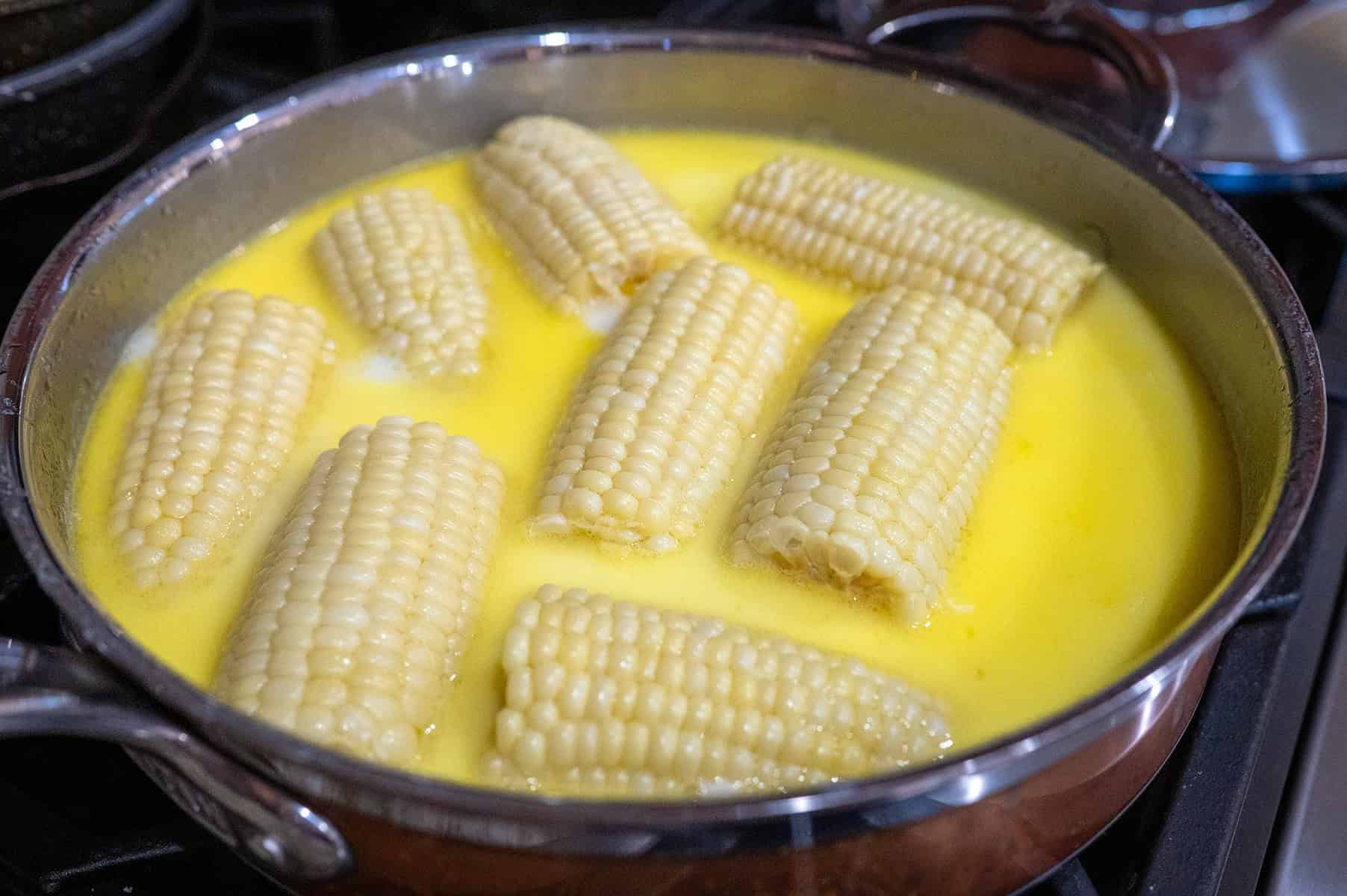
Once the poaching liquid is prepared and warm, carefully add the ears of corn. Reduce the heat to its lowest setting to maintain a gentle simmer. Cover the pan to help retain heat and moisture. Allow the corn to poach for approximately 20 to 30 minutes. During this time, it is essential to turn the corn ears occasionally. This ensures that all sides of the corn are evenly coated with the poaching liquid and cook uniformly, maximizing flavor absorption. It is important to note that the liquid may not fully cover the corn; this is expected and does not hinder the poaching process.
Serving and Presentation: Enhancing the Culinary Experience
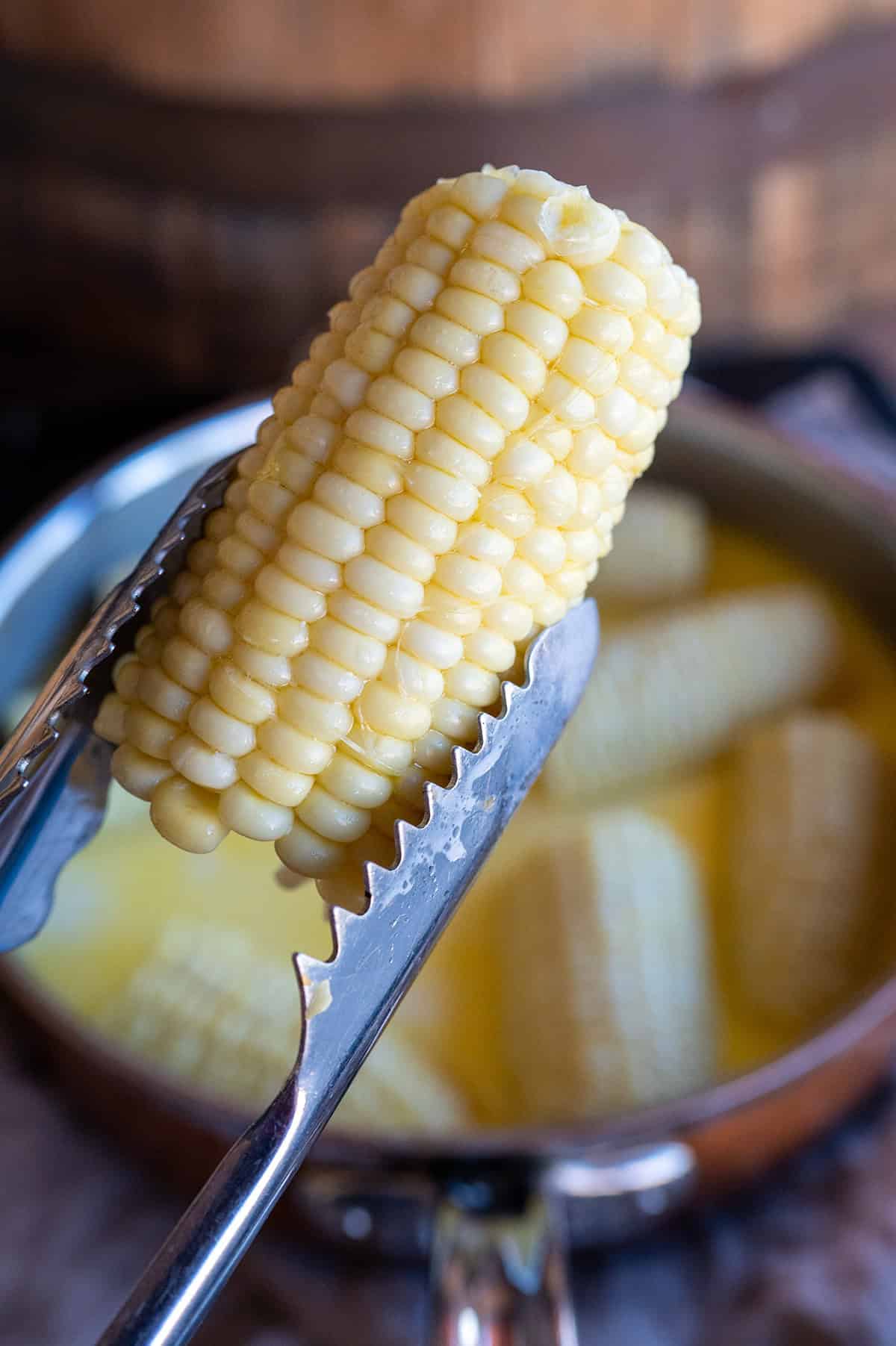
Upon completion of the poaching process, the corn is ready to be served. Carefully remove the ears of corn from the poaching liquid. A simple pinch of flaky sea salt is often the only embellishment needed to enhance the corn’s inherent sweetness.
Milk-poached corn serves as an exceptional side dish, particularly alongside grilled or smoked meats. Its rich, sweet flavor provides a delightful contrast to savory barbecue.
For those seeking an additional layer of complexity, a unique serving suggestion involves infusing the poached corn with a hint of smoky flavor. After removing the corn from the poaching liquid, brush each ear with a small amount of the reserved liquid. Then, briefly char the corn on a hot grill over high heat for a few minutes. This quick charring process adds a desirable smoky aroma and a subtle crispness to the kernels, complementing the creamy sweetness imparted by the poaching process.
Storage and Reheating: Preserving the Flavor
Leftover milk-poached corn can be stored effectively for future enjoyment. Place the corn in an airtight container and refrigerate for up to four days. It is advisable to discard the poaching liquid rather than storing the corn in it, as this can alter the texture and flavor over time.
To reheat the corn, several methods can be employed. Gently warming it in a skillet with a small amount of butter can help restore its texture and flavor. Alternatively, the corn can be reheated in the microwave until it reaches the desired temperature. For those who enjoyed the smoky char, reheating on the grill is also an option, though care should be taken not to overcook it.
Expert Insights and Frequently Asked Questions
The nuanced technique of poaching corn in milk has generated considerable interest among culinary enthusiasts, leading to several common inquiries:
-
Why poach corn instead of boiling it? Poaching offers a gentler cooking method compared to boiling. This allows the corn to slowly absorb the flavorful poaching liquid, resulting in kernels that are infused with sweetness and butteriness, a depth of flavor unattainable through simple boiling in water.
-
Can frozen corn on the cob be used? Yes, frozen corn on the cob can be utilized in this recipe. However, it is imperative to ensure the corn is fully thawed before adding it to the poaching liquid to maintain optimal cooking temperature and flavor infusion.
-
Why poach in milk instead of boiling in water? The milk, butter, and sugar in the poaching liquid coat the corn kernels as they cook. This process imbues the corn with a significantly sweeter and more tender quality than what can be achieved by boiling it in plain water.
-
Can this dish be prepared in advance? While milk-poached corn is best enjoyed fresh, it can be prepared ahead of time. The poached corn can be reheated later using a microwave or by briefly grilling it before serving.
-
How do you make corn on the cob "boiled" in milk? While the term "boiled in milk" is sometimes used colloquially, it’s crucial to differentiate the process. Boiling milk directly can lead to curdling. Therefore, the recommended method is poaching the corn in milk over gentle heat, rather than a hard boil, to prevent the milk from breaking down. This gentle simmer is the key to achieving the desired rich and tender results without compromising the integrity of the dairy.
Broader Culinary Implications and the Pursuit of Flavor
The technique of milk-poaching corn is more than just a recipe; it represents a philosophy of flavor enhancement. In a culinary landscape increasingly focused on fresh, high-quality ingredients, understanding how to maximize their inherent potential is paramount. This method highlights that even common ingredients like corn can be transformed through thoughtful preparation. It speaks to the broader trend of elevating familiar dishes by exploring nuanced cooking techniques.
The implications extend beyond corn itself. The principle of poaching in a flavorful liquid can be applied to various other vegetables and even proteins, offering a gentle yet effective way to infuse flavor and achieve desirable textures. This approach underscores the value of precision in cooking, demonstrating how subtle adjustments in temperature and liquid composition can lead to significant improvements in the final dish. As home cooks and professional chefs alike continue to seek out new ways to delight palates, techniques like milk-poaching corn offer a compelling example of how simple ingredients can be elevated to extraordinary levels, proving that the pursuit of exceptional flavor often lies in the details.


