The global resurgence of interest in botanical medicine and self-sufficiency has transformed herbalism from a niche traditional practice into a multi-billion-dollar wellness industry. As the 2024 holiday season approaches, the demand for high-quality apothecary supplies, educational resources, and sustainable botanical products has reached a historic peak. Market analysts suggest that the global herbal medicine market, valued at approximately $165.66 billion in 2022, is projected to grow to nearly $347.50 billion by 2030, reflecting a significant shift in consumer behavior toward natural health alternatives. This comprehensive guide serves as a strategic resource for identifying the essential tools and materials required by both novice practitioners and veteran herbalists to maintain a functional home apothecary.

The Evolution of Modern Herbalism and Market Trends
The contemporary herbalist operates at the intersection of ancient tradition and modern scientific inquiry. Over the past decade, the "DIY" wellness movement has transitioned from simple tea preparation to sophisticated galenical formulation, including the creation of tinctures, oxymels, and advanced topical salves. This evolution has driven a surge in the procurement of professional-grade equipment and ethically sourced raw materials.
Chronologically, the surge in home-based herbalism can be traced to the early 2010s with the rise of digital homesteading platforms, followed by a massive acceleration during the 2020 global pandemic. During this period, supply chains for dried elderberries, echinacea, and glass apothecary jars experienced unprecedented strain. Today, the market has stabilized, but consumer expectations regarding organic certification and sustainable wildcrafting practices have remained high. For the 2024 season, the focus has shifted toward "functional gifting"—items that provide long-term utility and educational value rather than transient novelty.
Foundational Apothecary Staples: Raw Botanical Materials
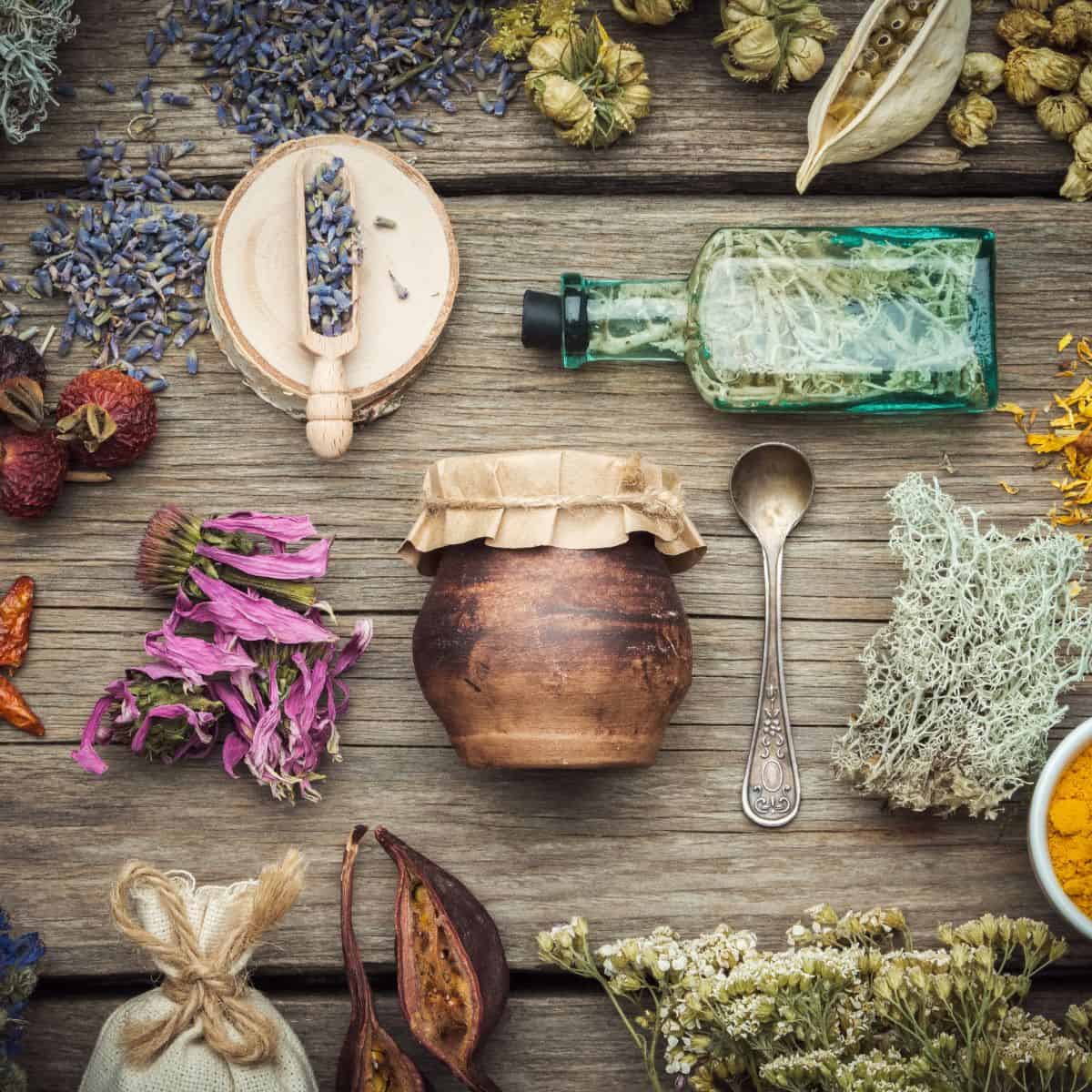
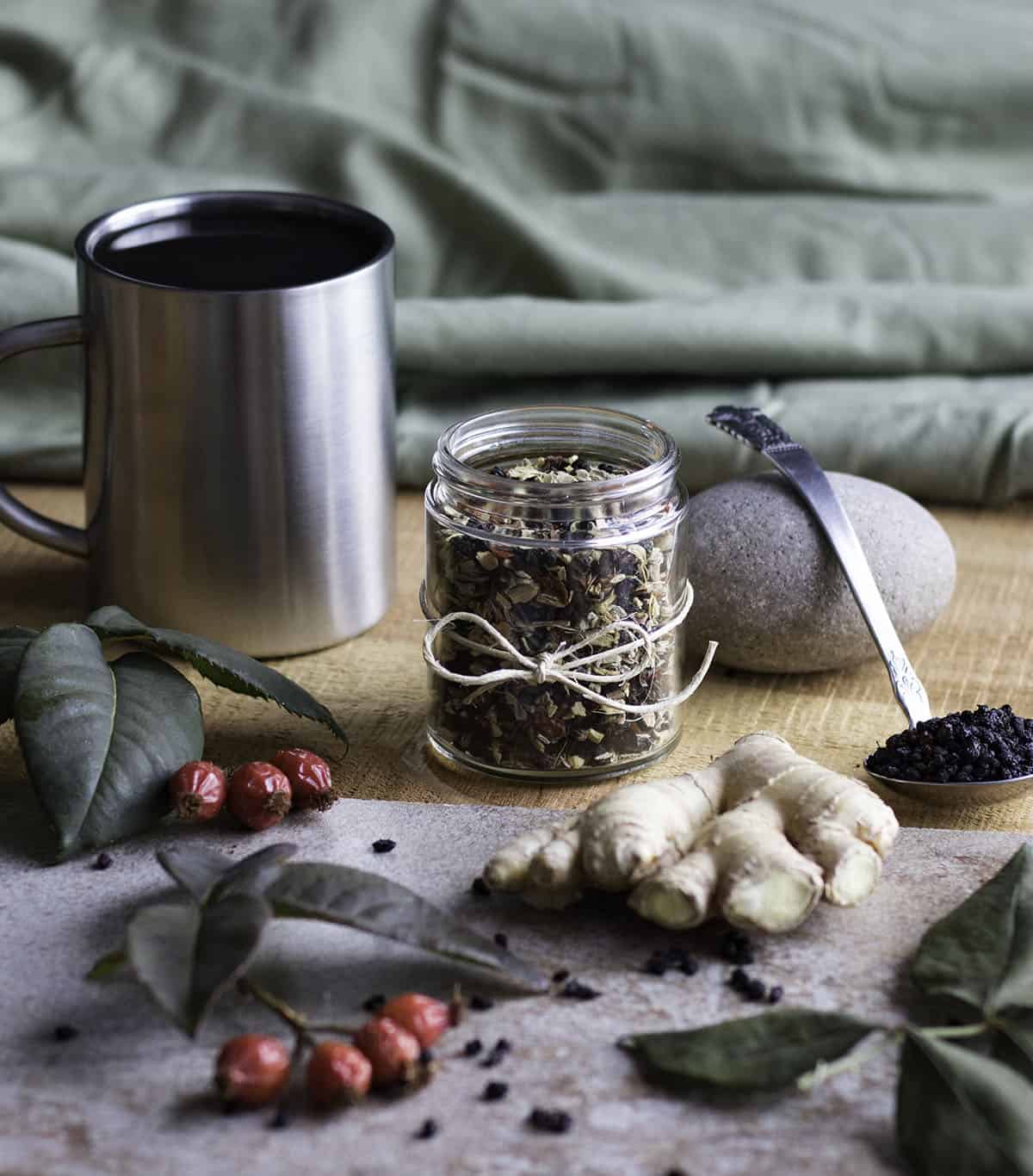
The cornerstone of any herbal practice is the quality of the raw botanical material. Seasoned herbalists prioritize organic, non-irradiated, and sustainably harvested herbs to ensure the potency of their preparations. Industry leaders, such as Mountain Rose Herbs, have set the standard for bulk distribution, offering a vast catalog of dried flowers, roots, and leaves.
Essential botanicals that constitute the "starter kit" for a home apothecary include:
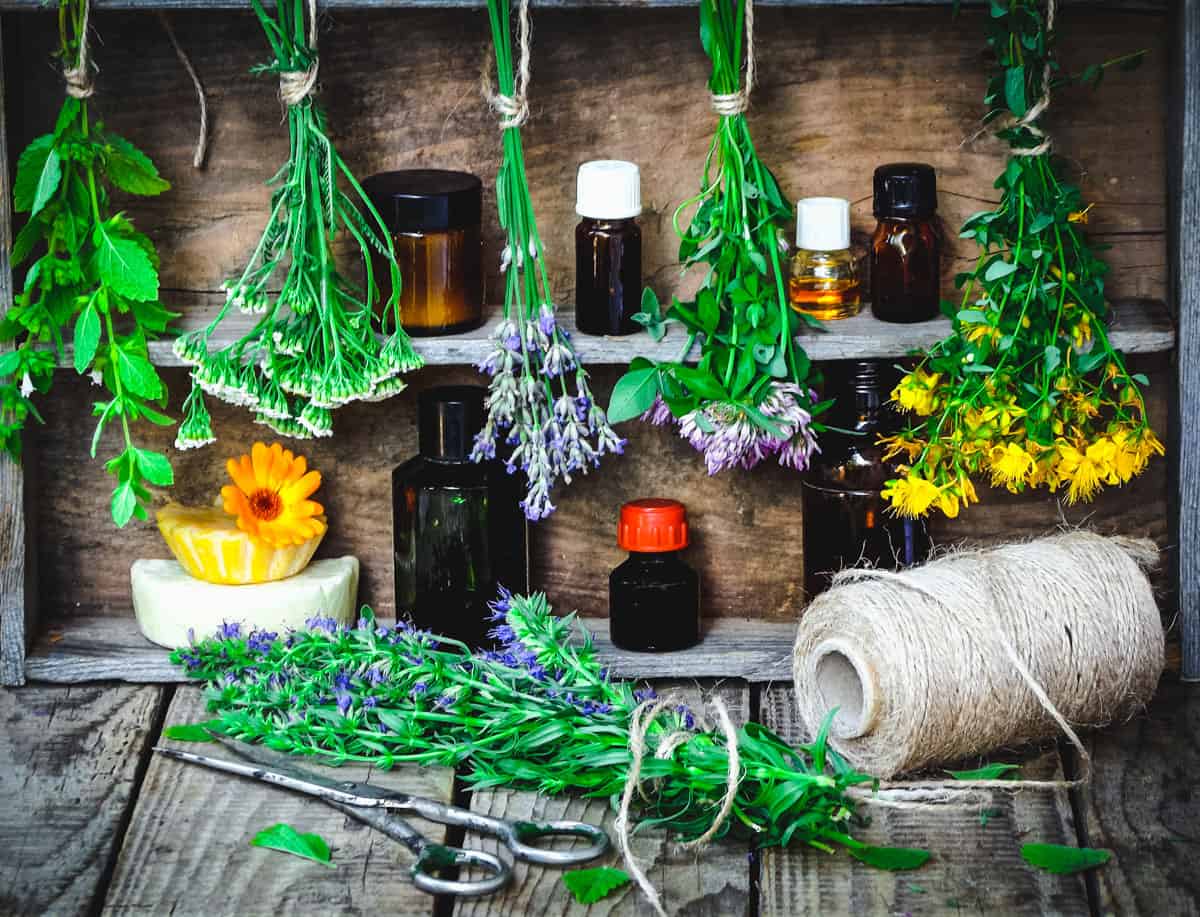
- Lavender (Lavandula angustifolia): Primarily used for its nervine properties and aromatic applications in skincare.
- Calendula (Calendula officinalis): A critical ingredient for topical resins and skin-soothing oils.
- Elderberry (Sambucus nigra): A staple for seasonal immune support syrups and decoctions.
- Echinacea (Echinacea purpurea/angustifolia): Frequently utilized in tincture form for immune system modulation.
- Chamomile (Matricaria chamomilla): A versatile herb for digestive support and relaxation.
- Nettle (Urtica dioica): Valued for its high mineral content and nutritive properties.
For those seeking to gift a curated experience, the assembly of "themed kits" has become a popular strategy. These kits typically group herbs by their physiological actions, such as digestive support, stress management (adaptogens), or respiratory health. This approach not only provides the recipient with the necessary materials but also serves as a guided introduction to the principles of herbal formulation.
Tea Culture and Ceremonial Brewing Equipment
Herbal tea, or tisane, remains the most accessible entry point into herbalism. However, the modern practitioner often moves beyond the standard tea bag toward loose-leaf brewing, which preserves the structural integrity and volatile oil content of the plant.
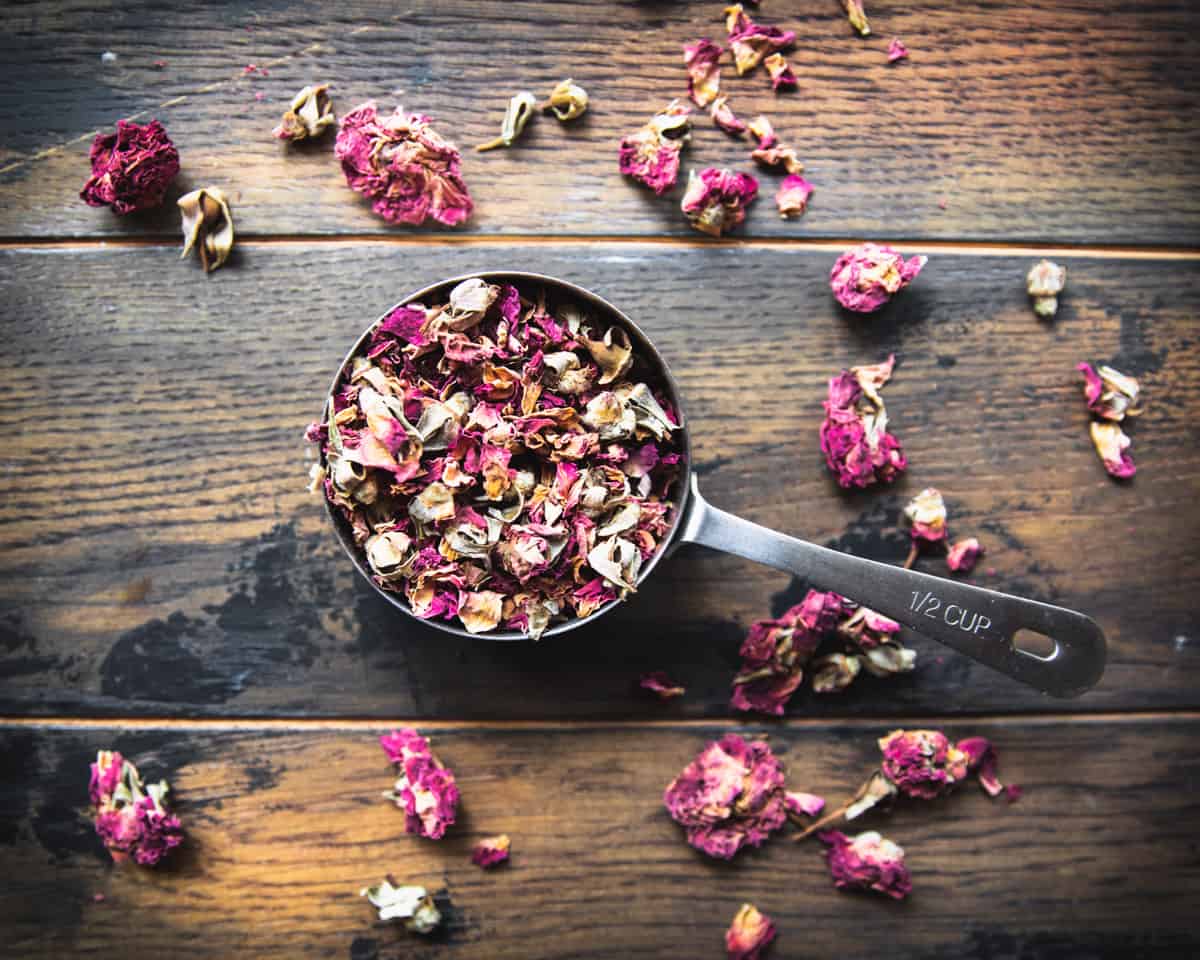
The 2024 market has seen a preference for borosilicate glass and cast iron brewing vessels. Glass teapots allow the practitioner to observe the infusion process, which is essential for determining the strength of a "solar infusion" or a standard hot steep. Conversely, Japanese-style cast iron (tetsubin) teapots are favored for their heat retention properties during long-steeping nutritive infusions.
Supporting accessories have also seen a move toward sustainability. Reusable stainless steel strainers with fine mesh are preferred over disposable bleached paper filters. Furthermore, ceramic infuser mugs have become a staple for individual daily use, combining the utility of a teapot with the convenience of a cup. These items represent a significant portion of the "giftable" herbal market, appealing to both aesthetic sensibilities and practical needs.
The Herbalist’s Laboratory: Vessels and Processing Tools
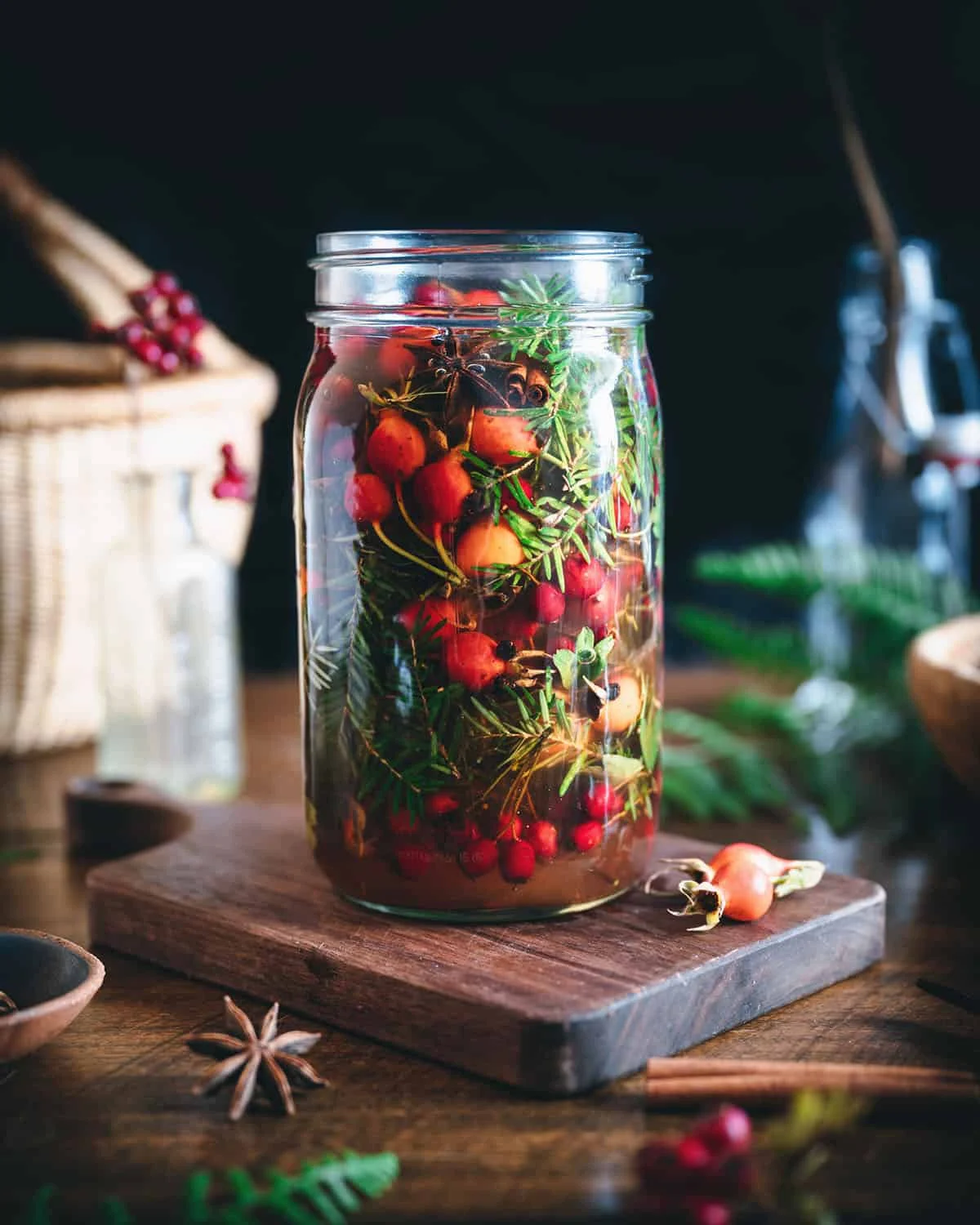
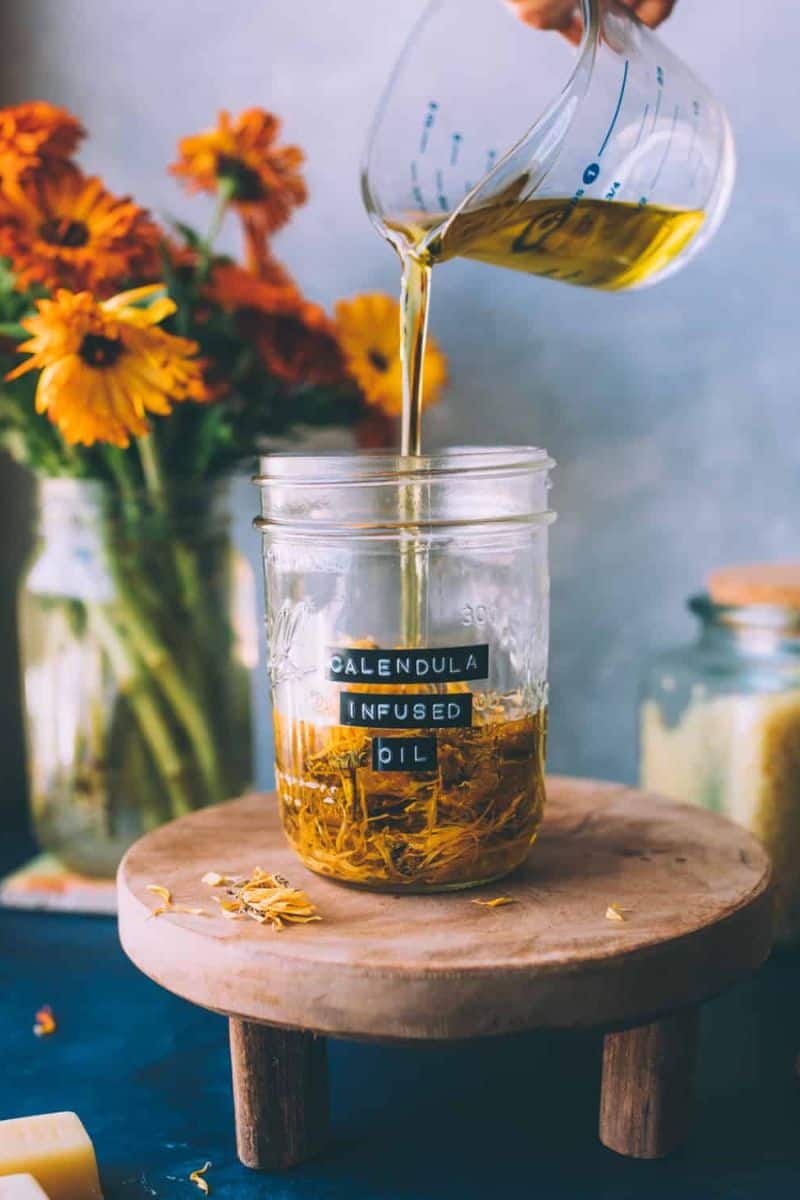
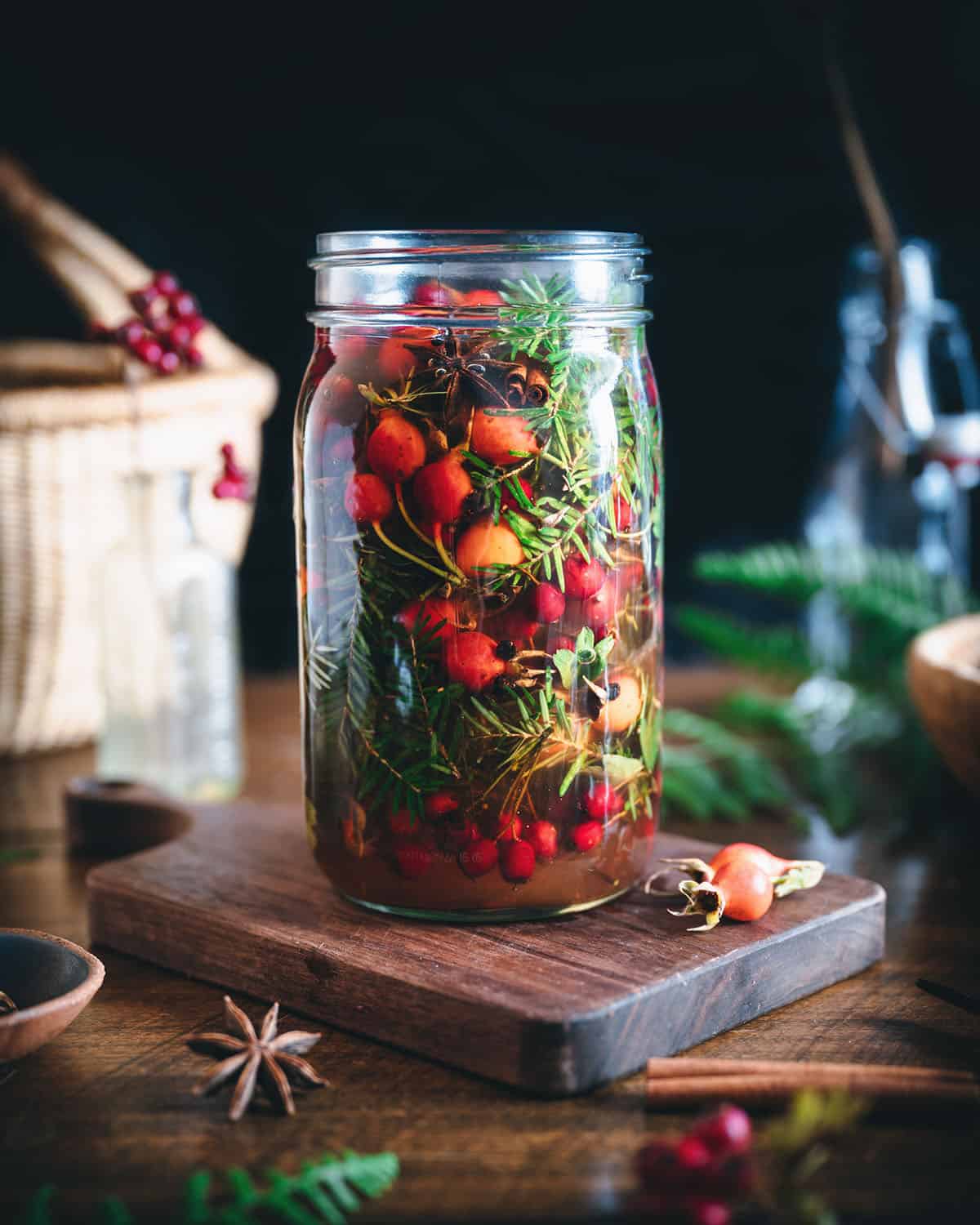
A functional herbal workspace requires a specific array of glass storage and processing vessels. The standard Mason jar remains the workhorse of the industry, utilized for everything from solar-infused oils to vinegar-based oxymels. However, the specialized nature of herbal preparations often demands more sophisticated storage solutions.
Primary Storage and Dispensing Requirements:
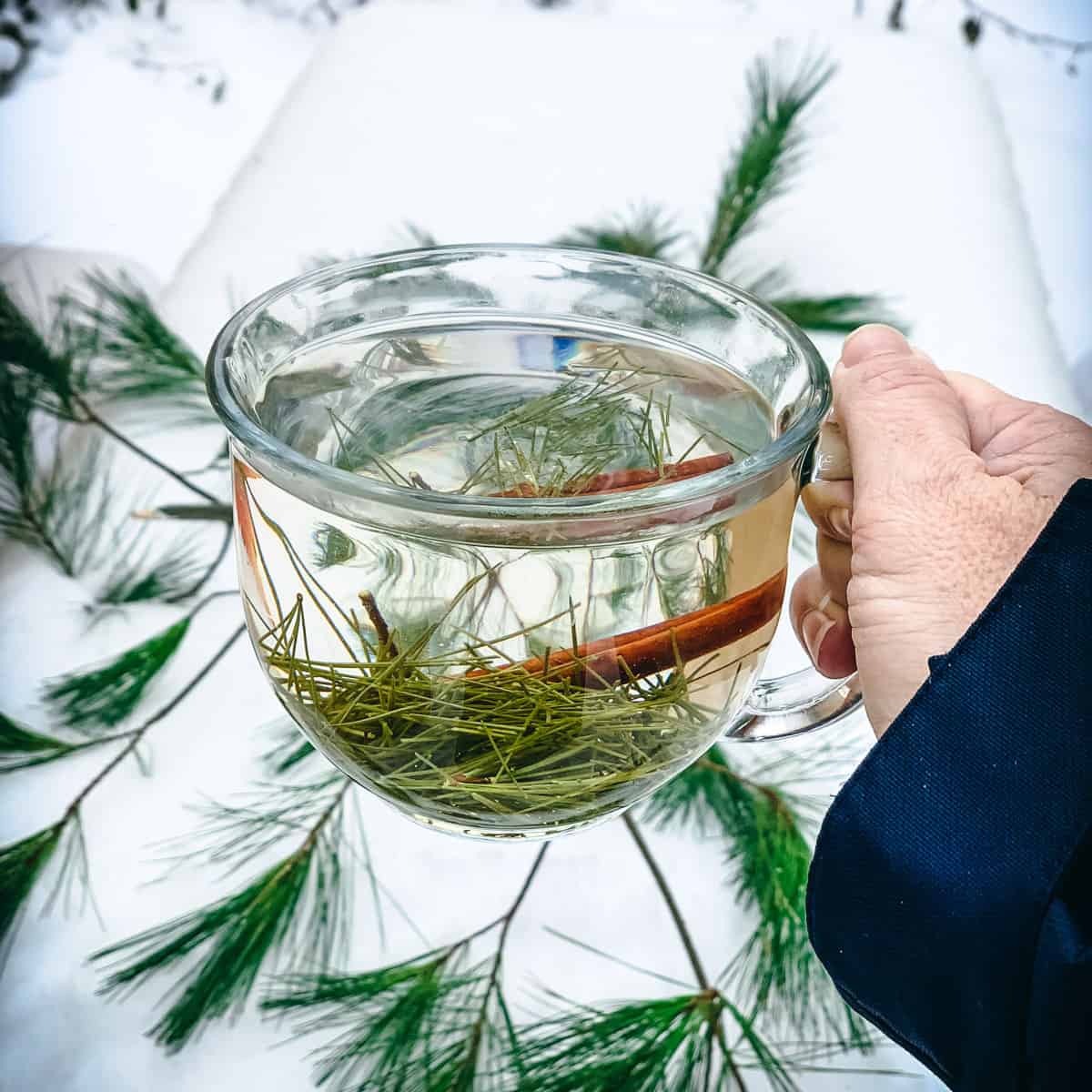
- Amber Glass Tincture Bottles: Available in 1oz, 2oz, and 4oz sizes, these are essential for protecting light-sensitive alcohol extracts. The inclusion of glass droppers allows for precise dosage.
- Boston Round Bottles: Preferred for larger volumes of herbal syrups and infused vinegars.
- Apothecary Jars with Airtight Seals: Vital for maintaining the shelf life of dried herbs by preventing oxidation and moisture ingress.
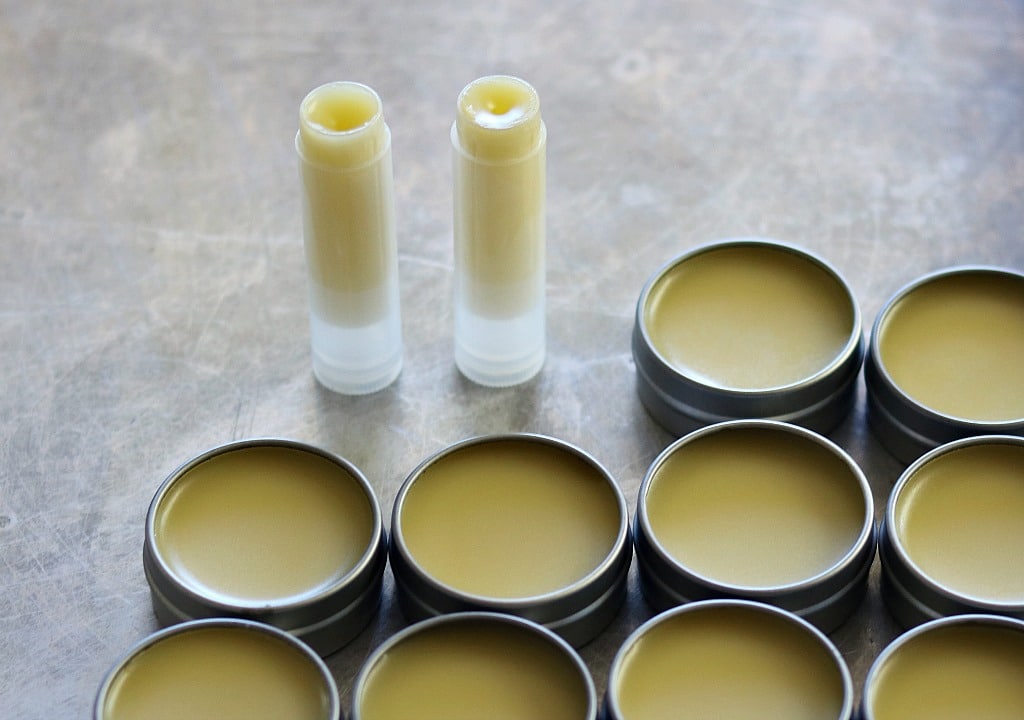
- Metal Tins and Lip Balm Tubes: Necessary for the final packaging of salves, balms, and solid perfumes.
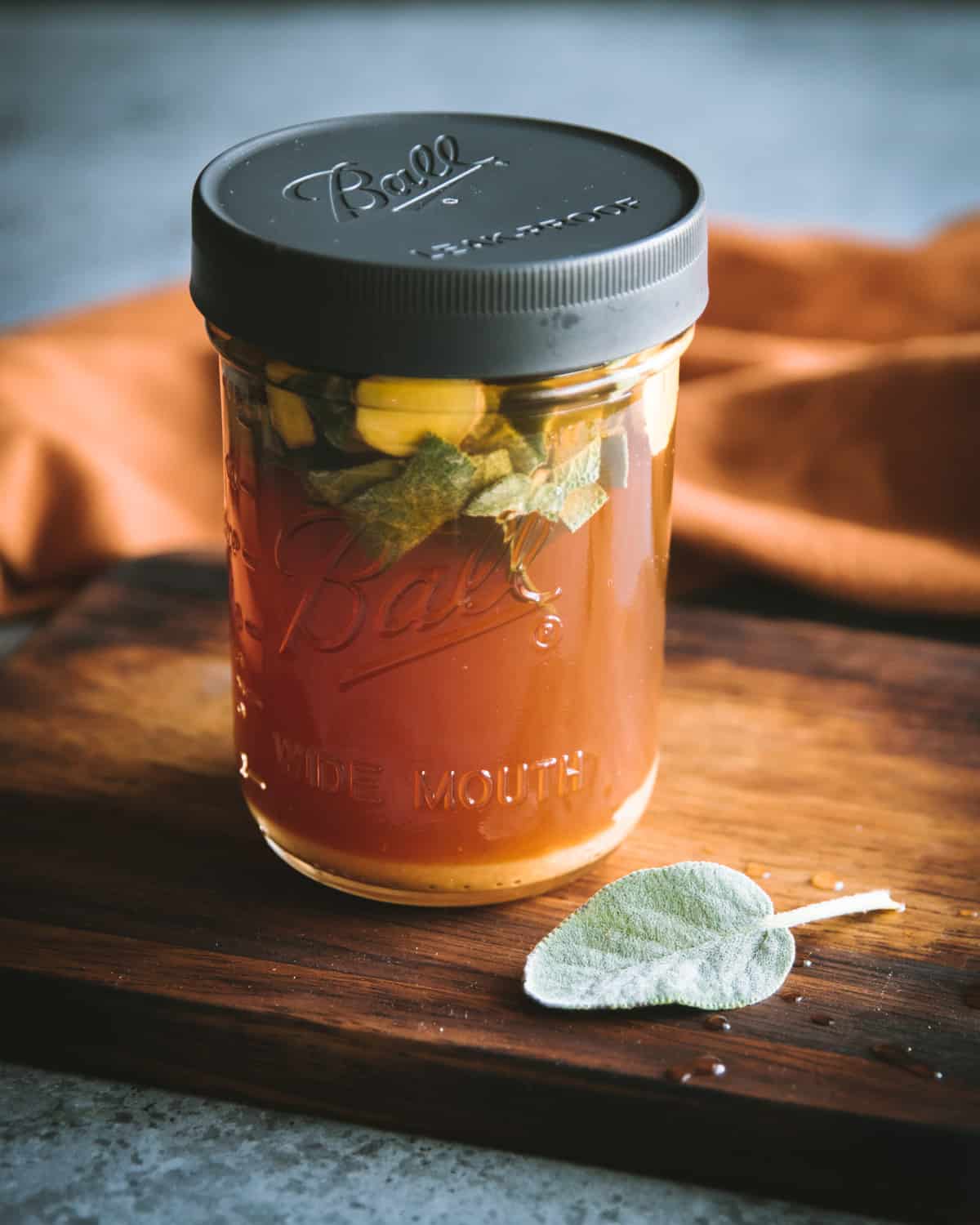
A notable innovation in this sector is the development of leak-proof storage lids for wide-mouth jars. Traditional metal rings and flats are prone to corrosion when exposed to acidic liquids like apple cider vinegar. Modern BPA-free plastic lids with silicone seals have addressed this issue, becoming a highly sought-after accessory for practitioners who specialize in vinegars and liquid ferments.
Additionally, the precision of the extraction process is enhanced by the use of stainless steel funnels and various gauges of fine-mesh strainers. These tools ensure that plant matter is thoroughly removed from the final liquid extract, preventing spoilage and ensuring a professional-grade finish.
Botanical Skincare and Base Ingredients
Beyond internal remedies, herbalism encompasses a vast range of topical applications. The production of high-quality salves and creams requires a steady supply of "carrier" ingredients. The market for these bases has grown in tandem with the "clean beauty" movement, as consumers seek to avoid synthetic fragrances and preservatives.
Key Base Ingredients Include:
- Carrier Oils: Jojoba, sweet almond, and apricot kernel oils are favored for their shelf stability and skin-absorption rates.
- Beeswax: Organic yellow beeswax pellets are the industry standard for thickening oils into salves.
- Shea and Cocoa Butters: These provide the necessary fatty acids for intensive moisturizing creams.
- Essential Oils: Used sparingly to enhance the therapeutic profile and aroma of topical products.
The procurement of these items from reputable suppliers is crucial. Professional herbalists often warn against low-quality, refined oils found in grocery stores, which may lack the nutrient profile required for medicinal-grade skincare.
Education and the Intellectual Property of Herbalism
Perhaps the most valuable gift for an aspiring herbalist is the acquisition of knowledge. As the legal landscape surrounding herbalism remains complex, particularly in the United States where herbal products are regulated as dietary supplements under the DSHEA (Dietary Supplement Health and Education Act of 1994), formal education is paramount.

Online institutions like The Herbal Academy have democratized access to botanical education, offering structured curricula ranging from introductory courses to professional clinical training. These programs often include modules on botany, phytochemistry, and safety protocols, ensuring that practitioners operate within a framework of efficacy and caution.
Essential Literary Resources:
Reference books are the backbone of the herbalist’s library. Key texts often cited by experts include:
- The Herbal Medicine-Maker’s Handbook by James Green: A definitive guide to the "how-to" of preparations.
- Medical Herbalism by David Hoffmann: A clinical-grade text focusing on the science of plant medicine.
- Healing Herbal Infusions by Colleen Codekas: A modern resource for practical, home-based remedies.
These resources provide the necessary context for the safe application of herbs, particularly regarding contraindications with pharmaceutical medications—a critical area of concern in the modern healthcare environment.
Broader Impact and Industry Implications
The growth of the herbalist gift market reflects a broader societal shift toward autonomy in healthcare and environmental stewardship. By investing in tools for home-based remedy making, consumers are effectively reducing their reliance on industrialized pharmaceutical supply chains and over-packaged retail products.
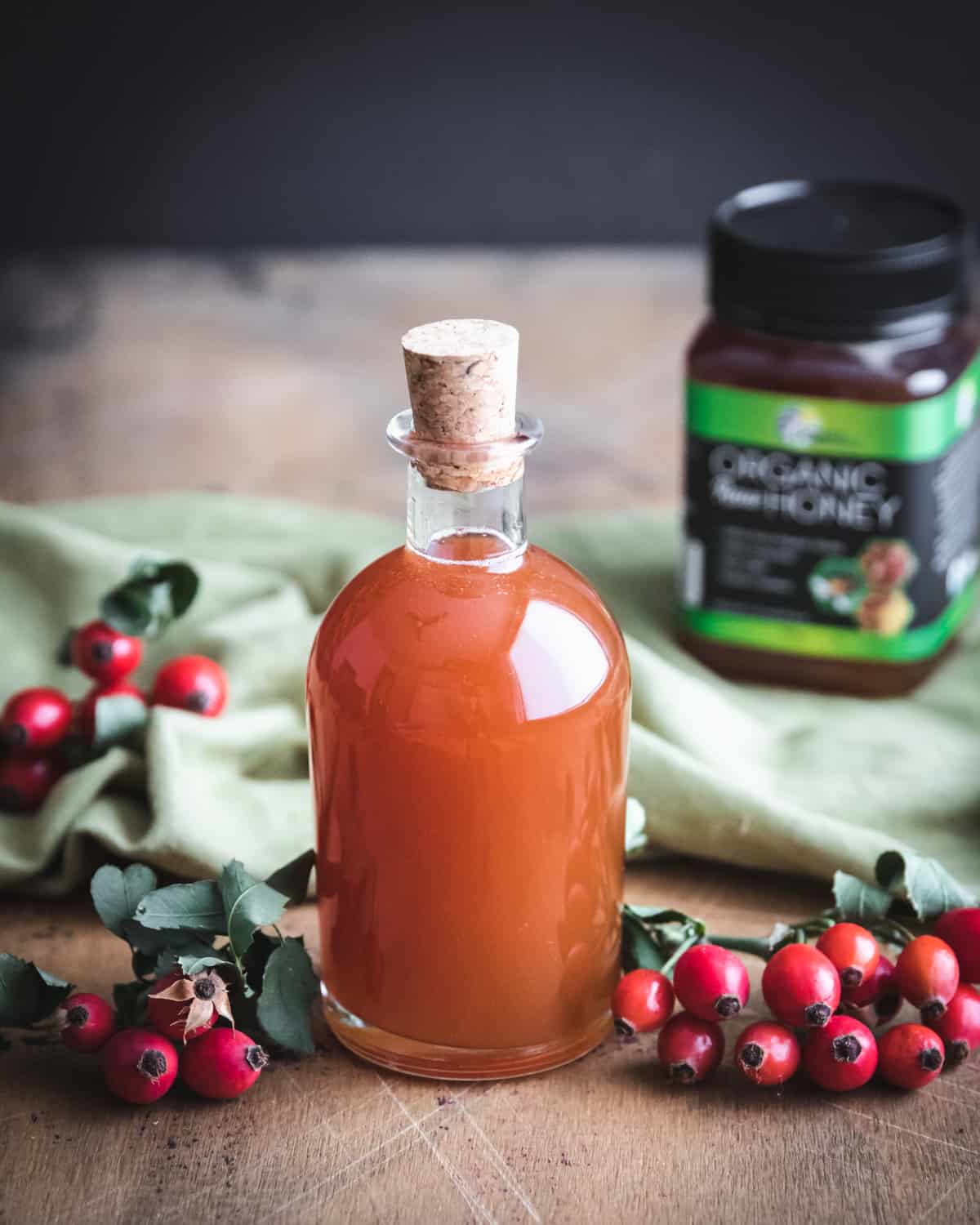
However, this growth also brings challenges, particularly concerning the over-harvesting of "at-risk" wild plants like American Ginseng and Goldenseal. Consequently, there is an increasing emphasis on "garden-to-apothecary" practices, where herbalists are encouraged to grow their own medicinal plants or source exclusively from ethical cultivators.
The trend toward herbal gifting also supports a burgeoning ecosystem of small-scale artisans. Many herbalists prefer to purchase finished products—such as handcrafted salves or sourdough starters—from reputable small businesses that prioritize traditional methods. This "slow medicine" movement mirrors the "slow food" movement, emphasizing quality, locality, and the human element in production.
In conclusion, the selection of gifts for an herbalist requires an understanding of both the practical needs of the craft and the philosophical underpinnings of the movement. Whether through the provision of raw organic materials, precision laboratory equipment, or comprehensive educational resources, these gifts empower individuals to deepen their connection with the natural world and take an active role in their personal wellness journey. As the industry continues to expand, the focus on quality, sustainability, and education will remain the defining characteristics of the successful modern herbalist.