Achieving a truly spectacular grilled burger is an art form, a culinary pursuit that transforms simple ground beef into a juicy, flavorful masterpiece. For grilling enthusiasts and backyard chefs alike, mastering the perfect burger means understanding the nuances of meat selection, patty formation, seasoning, and grilling techniques. This comprehensive guide delves into the secrets shared by seasoned pitmasters, ensuring that every burger you grill is a testament to succulence and taste.
The Foundation: Selecting the Right Ground Beef
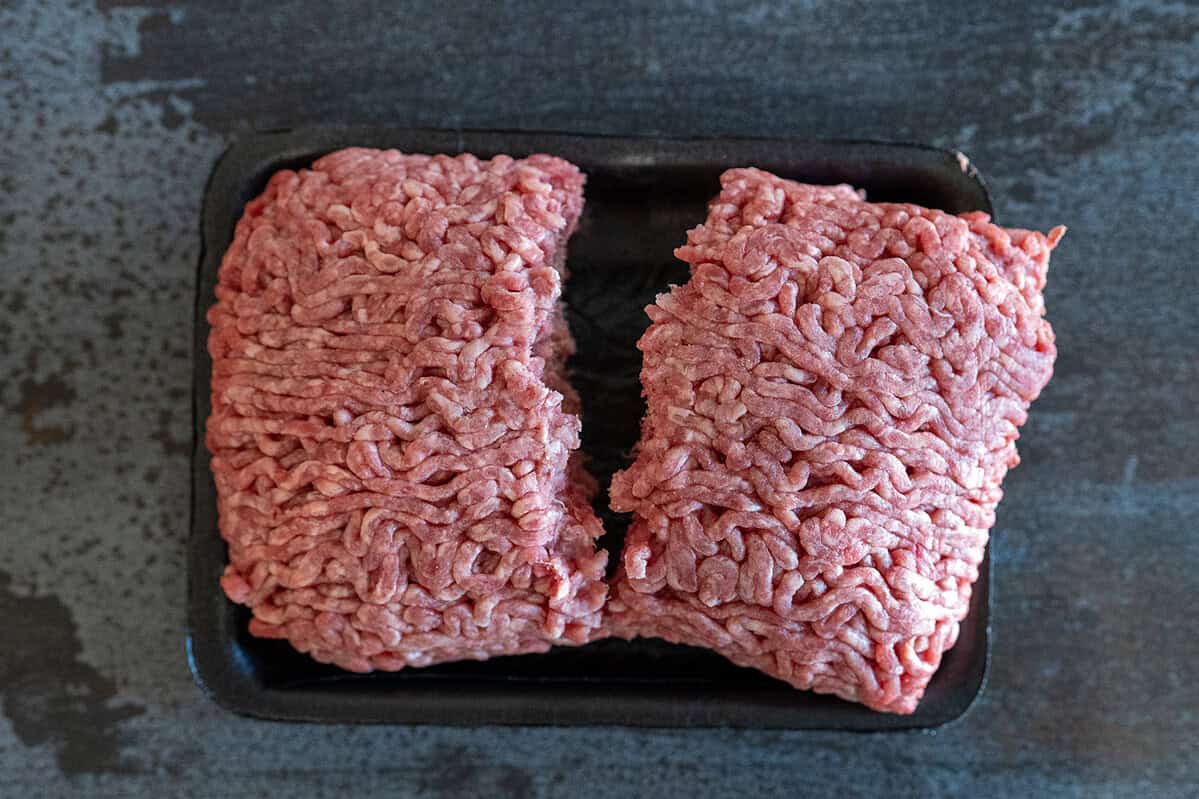
The journey to the perfect burger begins with the foundation: the ground beef. Pitmasters emphasize the importance of fat content. A blend of 80% lean to 20% fat is widely considered the gold standard. This fat-to-lean ratio is crucial for several reasons. The fat renders during cooking, basting the meat from within, which is the primary contributor to juiciness and flavor. Too lean a burger will result in a dry, crumbly patty, while an excessively fatty one can lead to excessive shrinkage and a greasy outcome. For those seeking an even richer flavor profile, a grind that includes chuck, brisket, and short rib offers a complex beefy taste. Some experts recommend a coarse grind, as it tends to hold together better during the grilling process and provides a more satisfying texture.
The Art of Patty Formation: Size, Shape, and Technique
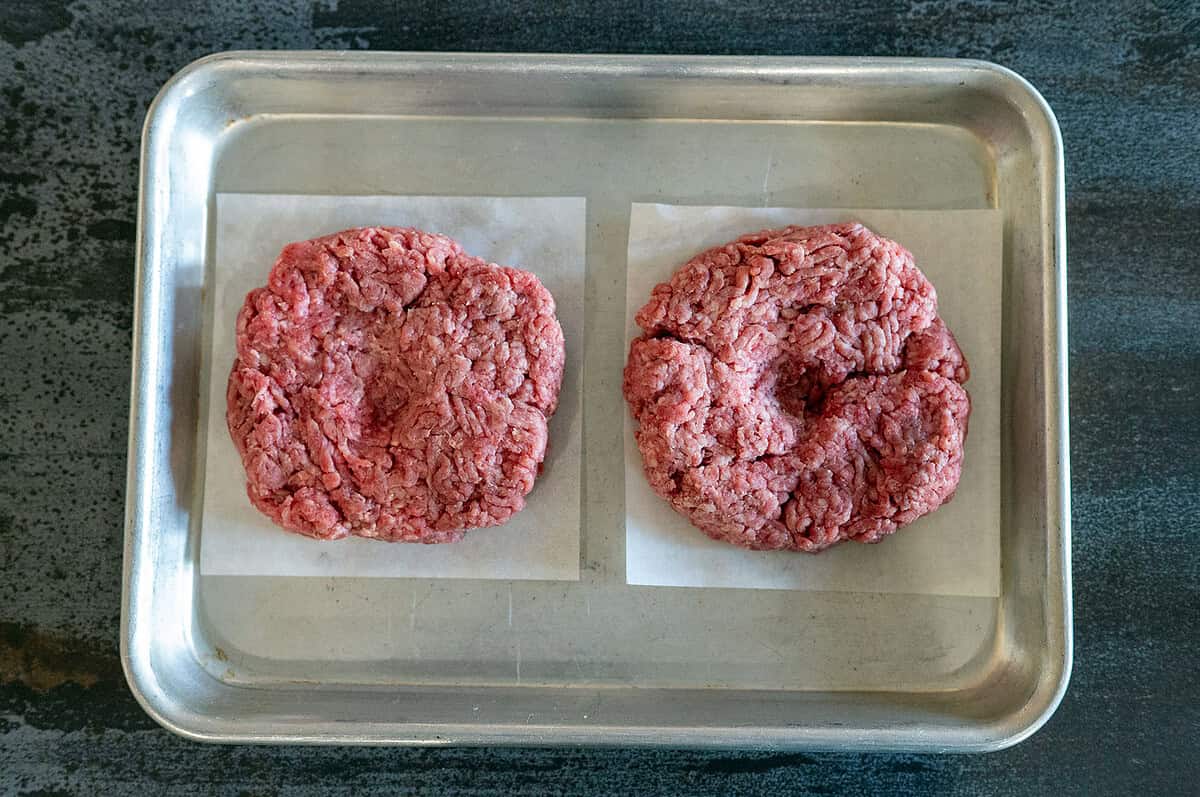
Once the ideal ground beef is selected, the next critical step is forming the patties. The philosophy here is to handle the meat as little as possible. Overworking the ground beef can lead to a tough, dense burger as the proteins develop too much gluten. A common recommendation is to divide the pound of ground beef into two equal portions, yielding substantial half-pound patties. This size is substantial enough to withstand the heat of the grill without drying out too quickly and provides a satisfyingly thick burger.
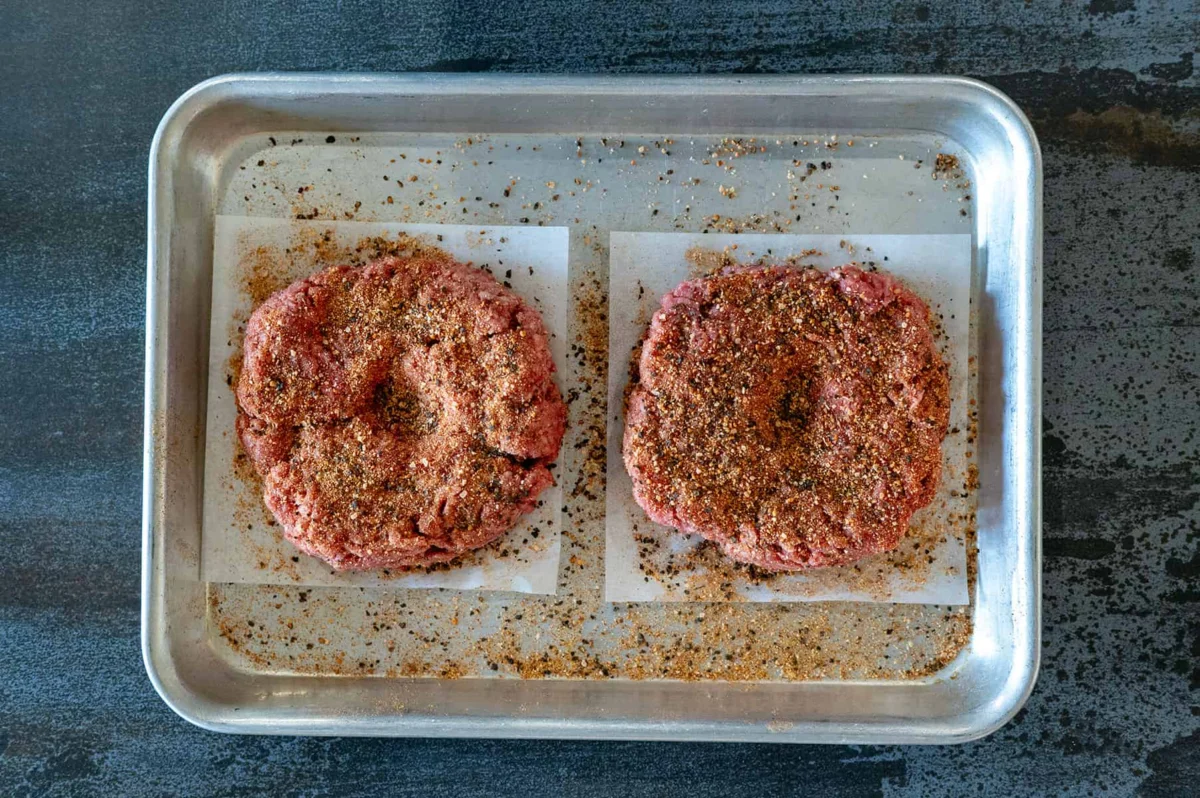
A key technique for preventing the dreaded "burger balloon" – the puffing up of the patty in the center during cooking – is to create a dimple in the center of each patty with your thumb. This subtle indentation allows the burger to cook more evenly, remaining relatively flat. The size of the patty should also be slightly larger than the intended bun, as it will shrink during cooking.
Pro Tip from the Grill: To maintain the ideal cold temperature of the beef, which is essential for fat retention and juiciness, work quickly. If the meat begins to feel warm from your hands, it’s a sign that the fat is starting to melt. In such cases, it’s advisable to cover the patties and refrigerate them for 15 to 30 minutes before grilling to firm them up again. This brief chilling period ensures the fat remains solid until it hits the grill, contributing to a more succulent final product.
Seasoning Strategy: The Outer Crust is Key
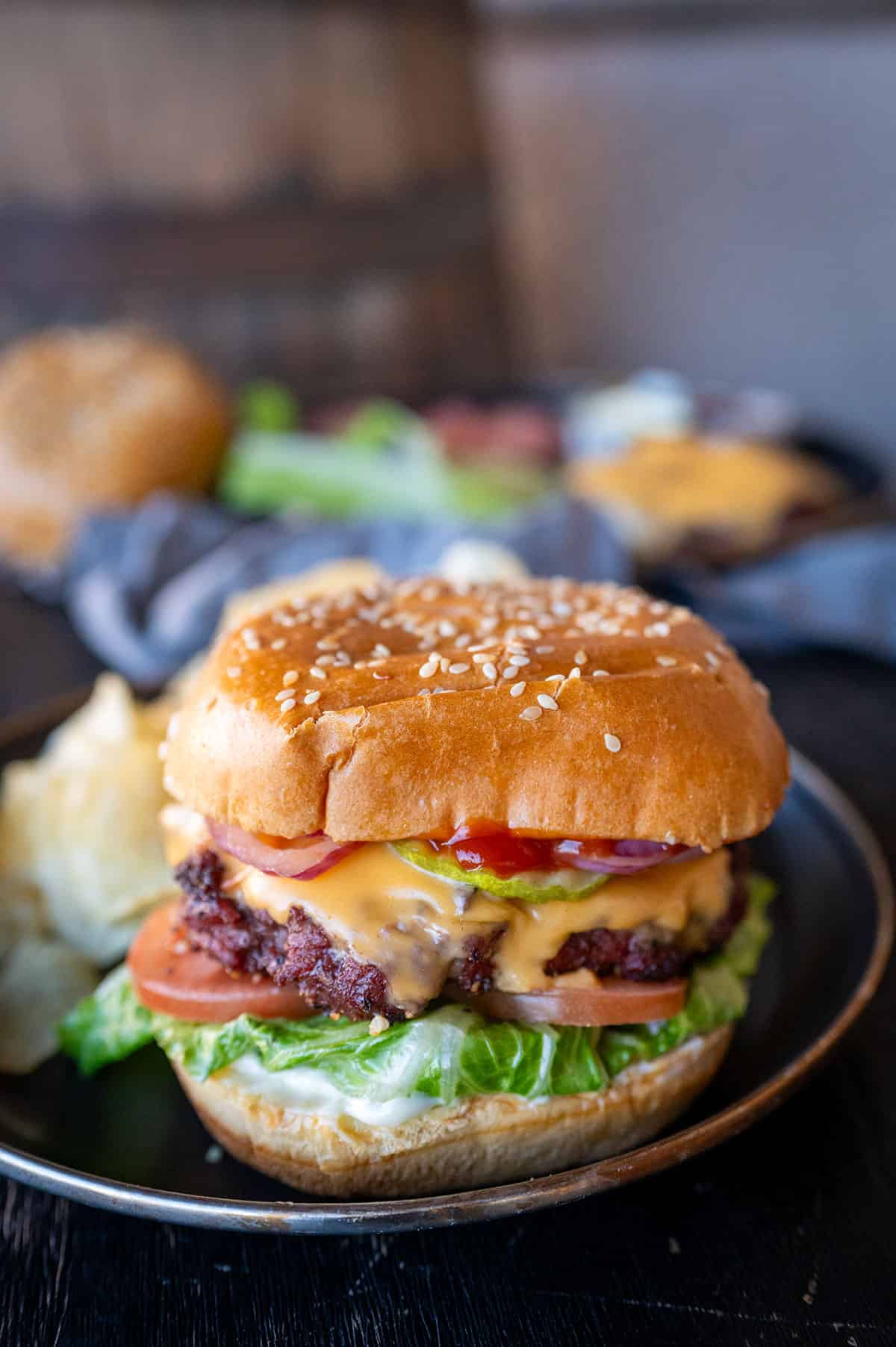
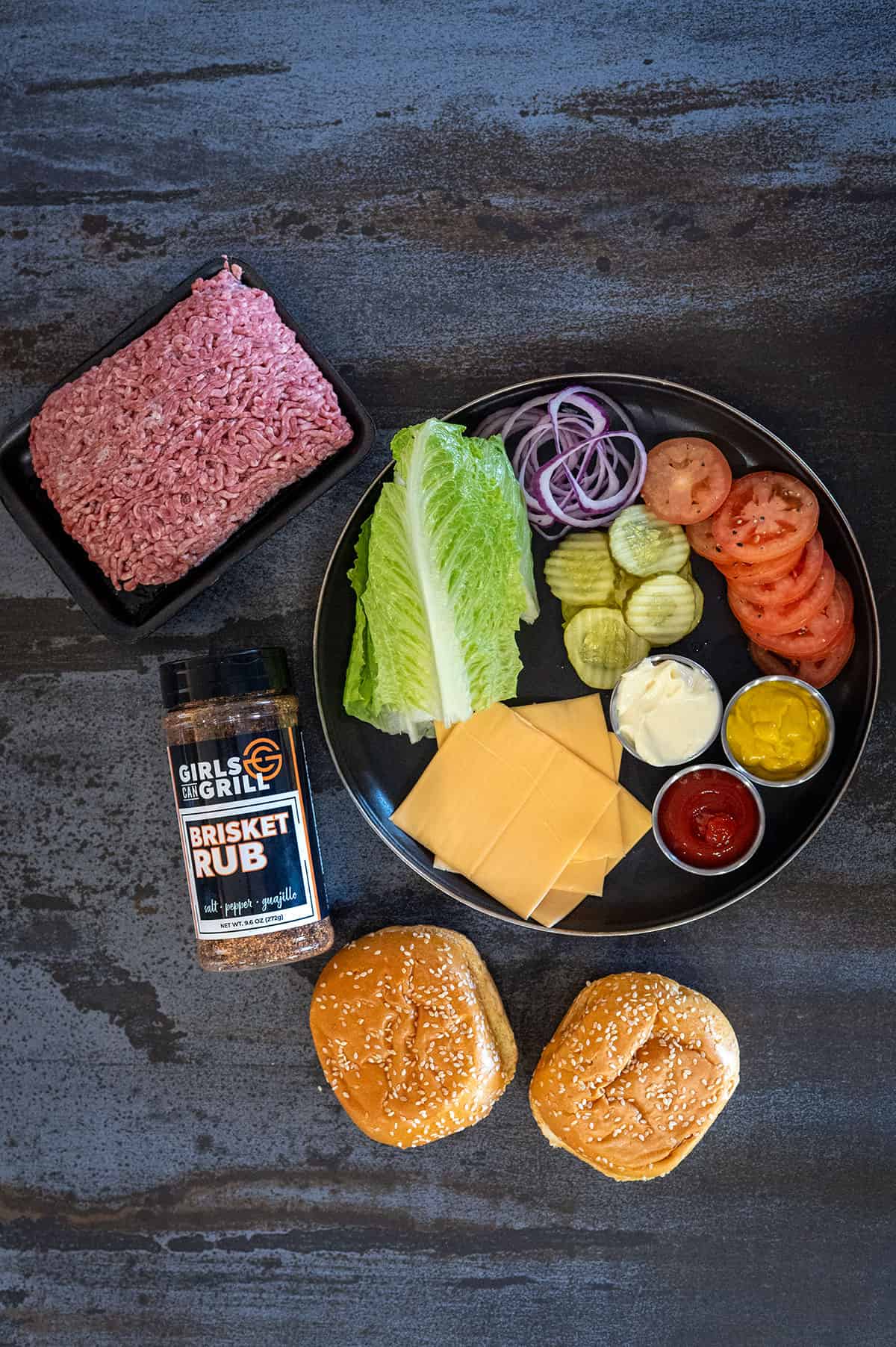
A common misconception is the need to mix seasonings directly into the ground beef. However, experienced pitmasters advocate for a simpler, more effective approach: season the outside of the patty. Adding salt and pepper, or a robust beef rub, to the exterior creates a flavorful crust that enhances the overall taste experience. This method allows the natural beef flavor to shine through while adding a complementary layer of seasoning. For those seeking a signature flavor, proprietary blends like the Girls Can Grill Brisket Rub offer a complex profile of spices designed to complement the richness of beef.
The Charcoal Advantage: Mastering the Grill
While burgers can be grilled on any type of grill, from gas to pellet grills, many aficionados maintain that the smoky char imparted by charcoal is unparalleled. Achieving this perfect char often involves setting up the grill for two-zone cooking. This technique involves creating a hot zone and a cooler zone on the grill.
The process typically begins with lighting charcoal briquettes, such as Cowboy Charcoal Briquets, using a charcoal chimney. Once the coals begin to ash over and glow red, they are strategically placed on one side of the grill. The grill grates are then positioned over the coals. The grill lid is placed on, and the vents are adjusted to achieve a medium to medium-high heat, generally between 350-400°F (175-205°C). This two-zone setup allows for controlled cooking. The hot zone provides intense heat for searing, while the cooler zone allows for indirect cooking to finish the burgers without burning them, especially useful for thicker patties.
The Grilling Process: Searing, Flipping, and Melting
With the grill properly heated and the patties seasoned, the cooking begins. Place the patties on the hot side of the grill, seasoning-side down. Season the second side of the patties and re-create the dimple if it has flattened. This initial sear is crucial for developing a beautiful crust. Close the grill lid to help manage flare-ups and promote even cooking.

Cook the burgers for approximately 4 to 5 minutes on the first side. Then, flip the patties. Cook for an additional 3 to 4 minutes on the second side. During this stage, cheese can be added to the patties, allowing it to melt beautifully over the searing meat. The exact cooking time will depend on the thickness of the patties and the desired level of doneness.
Doneness and Internal Temperatures
Understanding internal temperatures is vital for achieving your desired burger doneness. The USDA recommends a safe internal temperature of 165°F (74°C) for ground meat. However, many enthusiasts prefer their burgers cooked to medium-rare, which registers around 135°F (57°C). A medium burger will typically have very little pink in the center, with a light brown hue throughout. Using a digital meat thermometer inserted into the side of the burger, towards the center, is the most accurate way to gauge doneness.

Building the Perfect Burger: Personalization and Gourmet Touches
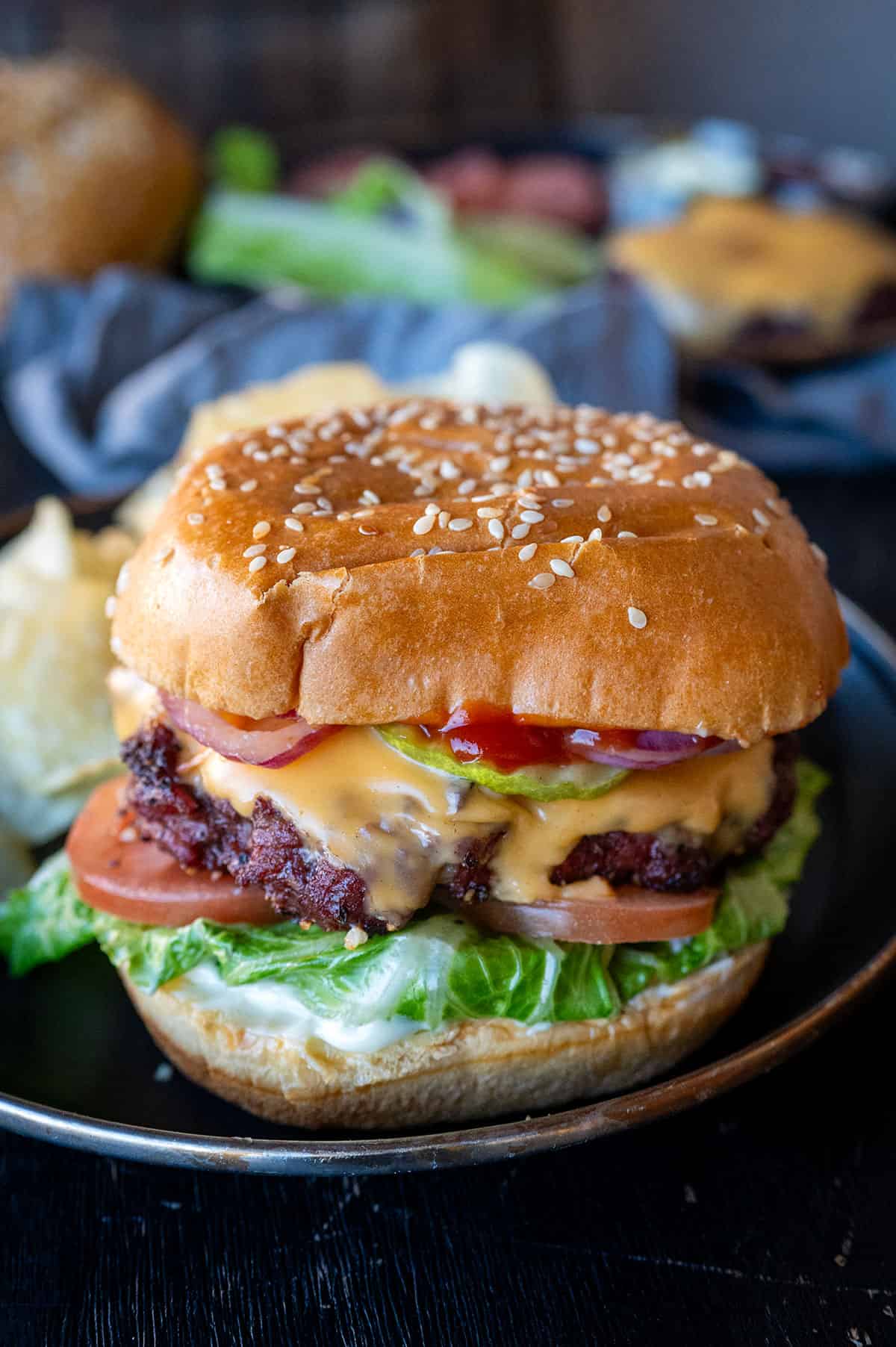
The beauty of a homemade grilled burger lies in its customizability. The bun choice, cheese selection, and array of toppings are entirely up to the individual. From classic combinations of American cheese, mustard, and pickles on a traditional bun to more elaborate creations featuring gourmet cheeses, bacon, avocado, and special sauces on brioche or potato buns, the possibilities are endless.
For those seeking inspiration, looking at restaurant menus can be a great starting point. Establishments like Red Robin, known for their extensive burger variety, offer a plethora of ideas for topping combinations, from sweet and savory BBQ sauces to tangy burger sauces and pickled onions. The concept of "animal style," often associated with certain burger joints, involves a specific set of toppings and preparation methods that can be adapted for home grilling. Ultimately, the perfect burger is a reflection of personal preference, a culinary canvas for creativity.
Storage and Preparation for Future Feasts
Leftover cooked burger patties can be stored in an airtight container in the refrigerator for 3 to 4 days. For longer storage, cooked burgers can be frozen for several months. A proactive approach for busy home cooks involves purchasing ground beef in bulk, shaping the patties, and freezing them before seasoning or cooking. This allows for quick and convenient burger nights. When ready to cook, the frozen patties can be thawed in the refrigerator, then dimpled, seasoned, and grilled as usual.
Frequently Asked Questions: Addressing Common Burger Queries
How do you know when grilled burgers are done?
The most reliable method is to use a digital meat thermometer. Insert it into the side of the burger towards the center. Ground meat is considered safe to eat at an internal temperature of 165°F (74°C). However, personal preference for doneness, such as medium-rare (around 135°F/57°C), is also a common consideration.
What should I put in my burger mixture?
For optimal flavor and texture, it is generally recommended not to mix seasonings directly into the ground beef. Instead, liberally coat the outside of the patty with coarse salt, pepper, or a beef rub to create a flavorful crust.
What does a medium burger look like?
Similar to steaks, burgers can be cooked to various levels of doneness. A medium burger will exhibit a light brown exterior with minimal to no pink remaining in the center. The internal temperature for a medium burger typically falls between 150-155°F (65-68°C).

By adhering to these pitmaster-approved techniques, home cooks can elevate their burger-grilling game, consistently producing juicy, flavorful, and utterly satisfying grilled burgers that will impress family and friends alike.