
The world of barbecue is vast and flavorful, offering a culinary adventure for every palate. For those eager to embark on their grilling journey or refine their existing skills, navigating the hundreds of available recipes can be a daunting task. Christie Vanover, the acclaimed pitmaster behind Girls Can Grill and a multi-award-winning competitive barbecue champion, offers a curated selection of five foundational recipes designed to build essential grilling techniques and deliver exceptional taste. These recipes, ranging from colossal beef ribs to quick and juicy pork tenderloin, are not only approachable for beginners but also provide valuable lessons in fundamental BBQ practices such as two-zone cooking, slow and low smoking, reverse searing, and achieving precise internal temperatures.
Vanover, whose expertise has been recognized on platforms like Food Network and through her role as an expert grill reviewer for BBQ Guys, established Girls Can Grill in 2015 with the mission to share her passion and knowledge of barbecue. Her website boasts over 570 recipes, but she emphasizes that starting with a few core techniques can unlock the potential of countless others. "These five are some of my favorites because they’re approachable, packed with flavor, and each teaches you a useful grilling technique," Vanover states. "You’ll learn how to set up a grill for two-zone cooking, smoke meat low and slow, reverse sear a roast, and cook food to the right internal temperature." She reassures aspiring grillers that neither a specialized smoker nor years of experience are prerequisites for success. The key, she advises, is to choose a recipe that appeals and to confidently fire up the grill.
Mastering the Smoke: The Mighty Dino Ribs
Among Vanover’s recommended starting points are the colossal "dino ribs," also known as beef plate ribs. These are not for the faint of heart, often resembling substantial, bone-in cuts that evoke the primal appeal of barbecue. Vanover’s own experience with these ribs includes their appearance on the Food Network’s Pitmasters, a competitive barbecue television series that has brought the art of smoking to a national audience. This series, which aired its initial seasons in the late 2000s and early 2010s, showcased elite pitmasters competing in various challenges, highlighting the dedication and skill required in professional barbecue.
Describing them as "brisket on a stick," Vanover highlights the inherent advantages of beef plate ribs for aspiring pitmasters. Their significant marbling, a characteristic of the plate primal cut, renders them exceptionally forgiving. This intramuscular fat not only contributes to a rich flavor profile but also ensures that the meat remains moist and tender, even during extended smoking periods. Consequently, these ribs often bypass the need for the commonly employed "wrap" technique, a method where meat is wrapped in butcher paper or foil during the smoking process to accelerate cooking and retain moisture.
For optimal results, Vanover recommends smoking these behemoths at a temperature between 250°F and 275°F (121°C to 135°C). The low and slow cooking process typically spans 5 to 6 hours, with the target being an internal temperature of around 205°F (96°C). This temperature is crucial for achieving the "probe tender" stage, where the meat yields easily to the touch of a temperature probe, indicating that collagen has broken down into gelatin, resulting in a melt-in-your-mouth texture. For those unable to find these impressive cuts at their local grocery store, Vanover suggests inquiring with a butcher, providing the cut number 123A, which is often associated with beef plate short ribs.
The Viral Sensation: Smoked Mac and Cheese
Beyond the centerpiece meats, barbecue often features beloved side dishes that can elevate any meal. Vanover’s selection includes a recipe for Smoked Mac and Cheese, a dish that achieved viral fame through Groark Boys BBQ. This particular recipe is lauded for its remarkable creaminess, cheesy depth, and forgiving nature, making it an accessible entry point for those new to smoking sides. The simplicity of the sauce preparation is a key factor in its popularity.
Unlike traditional mac and cheese recipes that often require the careful crafting of a béchamel sauce (roux-based white sauce), this smoked version streamlines the process. The sauce is built upon a foundation of butter, milk, shredded cheese, and Velveeta, a processed cheese product. Vanover advocates for the inclusion of Velveeta, noting its crucial role in achieving an exceptionally smooth and luxurious sauce consistency. She explains, "Don’t knock the Velveeta until you try it. It’s the magic ingredient that makes the sauce so creamy." This inclusion is a testament to how certain ingredients, often overlooked in traditional culinary circles, can unlock desired textures and flavors in barbecue.
A "pro tip" from Vanover emphasizes the importance of shredding cheese from a block rather than using pre-shredded varieties. Pre-shredded cheeses often contain anti-caking agents, such as cellulose or starch, which can impede the sauce’s ability to achieve a silky, homogenous texture. For individuals without a smoker, Vanover provides an alternative cooking method: baking the mac and cheese in a 350°F (177°C) oven for approximately 30 minutes, ensuring that the smoky flavor is omitted but the creamy texture remains.
The Budget-Friendly Steakhouse Experience: Grilled Tri-Tip
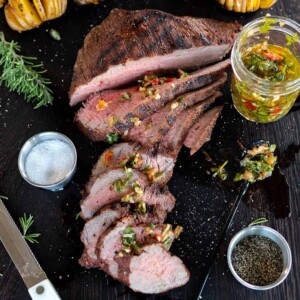
For those seeking a steakhouse-quality experience without the premium price tag, tri-tip steak emerges as a compelling option. Vanover’s recipe for Grilled Tri-Tip on a Gas Grill introduces the fundamental technique of the reverse sear, a method increasingly favored by both home cooks and professional chefs for its ability to produce perfectly cooked steaks and roasts. This technique involves cooking the meat gently over indirect heat before finishing it with a high-heat sear.
The reverse sear method is particularly effective for cuts like tri-tip, which can benefit from a more controlled approach to achieve a uniform level of doneness from edge to edge. Vanover instructs readers to begin by cooking the tri-tip over indirect heat at 350°F (177°C). This initial phase allows the internal temperature to rise gradually, minimizing the temperature gradient within the meat. Once the steak has reached a desirable internal temperature, it is then moved to the direct heat side of the grill to achieve a flavorful, caramelized crust. The searing process is concluded when the internal temperature reaches 130°F (54°C) for a medium-rare finish.
A crucial element of the reverse sear, and indeed for any properly cooked steak or roast, is the resting period. Vanover stresses the importance of allowing the tri-tip to rest for at least 15 minutes after grilling. This resting phase is critical as it allows the muscle fibers to relax and redistribute the juices throughout the meat. Cutting into the steak too soon would result in the flavorful juices escaping onto the cutting board, leading to a drier final product. Furthermore, understanding how to slice tri-tip is essential. The cut has two distinct grain directions, and slicing against the grain is paramount for tenderness. Vanover’s full recipe provides visual guidance on how to identify and properly slice the tri-tip, ensuring maximum tenderness and enjoyment.
A Burst of Umami: The Best Grilled Shrimp on the Planet
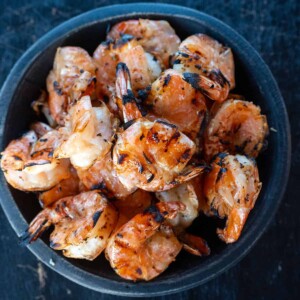
Seafood offers a lighter yet equally flavorful dimension to barbecue, and Vanover’s recipe for "The Best Grilled Shrimp on the Planet" promises an explosion of taste in minimal time. The bold claim of being "the best" is attributed to a single, yet impactful, secret ingredient: sesame oil. This ingredient, when used judiciously, introduces a profound layer of umami, a savory taste that significantly enhances the natural sweetness of the shrimp.
A key technique employed in this recipe is grilling the shrimp with their shells on. This might seem counterintuitive, but the shells serve a dual purpose. Firstly, they act as a protective barrier, shielding the delicate shrimp meat from the direct, intense heat of the grill. This prevents overcooking and keeps the shrimp succulent. Secondly, the shells infuse the shrimp with additional flavor during the grilling process. The method encourages a communal dining experience, where individuals peel their own shrimp at the table, a practice that adds a touch of interactive fun to the meal.
The efficiency of this recipe is remarkable, with the entire process—from marinating to serving—taking approximately 15 minutes. This rapid preparation time makes it an ideal option for weeknight meals or for catering to larger gatherings. Vanover suggests that for serving a crowd, the recipe can be easily scaled up by doubling or tripling the quantities, as these flavorful shrimp are known to disappear quickly. The simple yet effective marinade, coupled with the grilling technique, transforms humble shrimp into a dish that lives up to its ambitious title.
The Weeknight Warrior: Quick and Juicy Grilled Pork Tenderloin
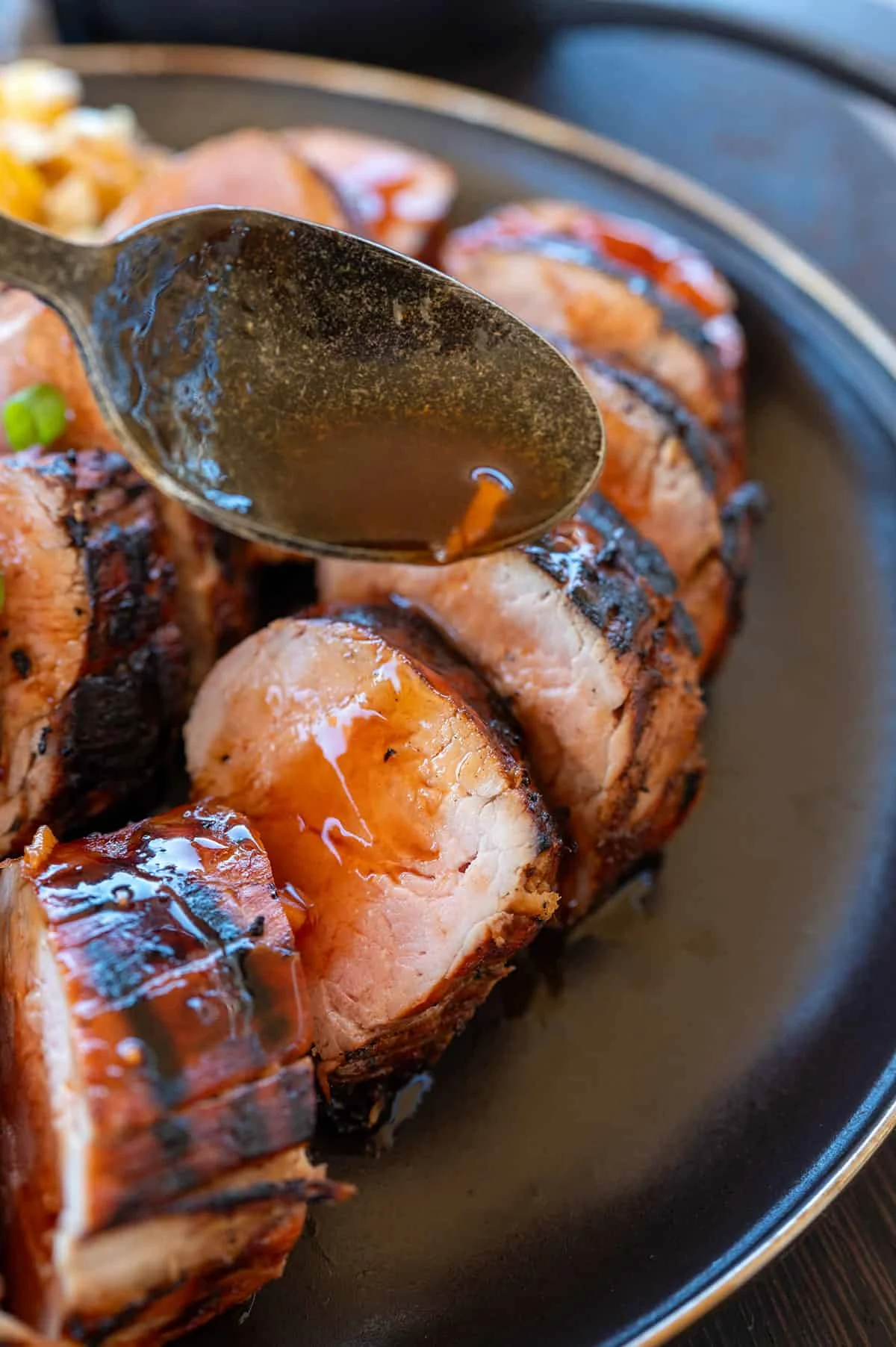
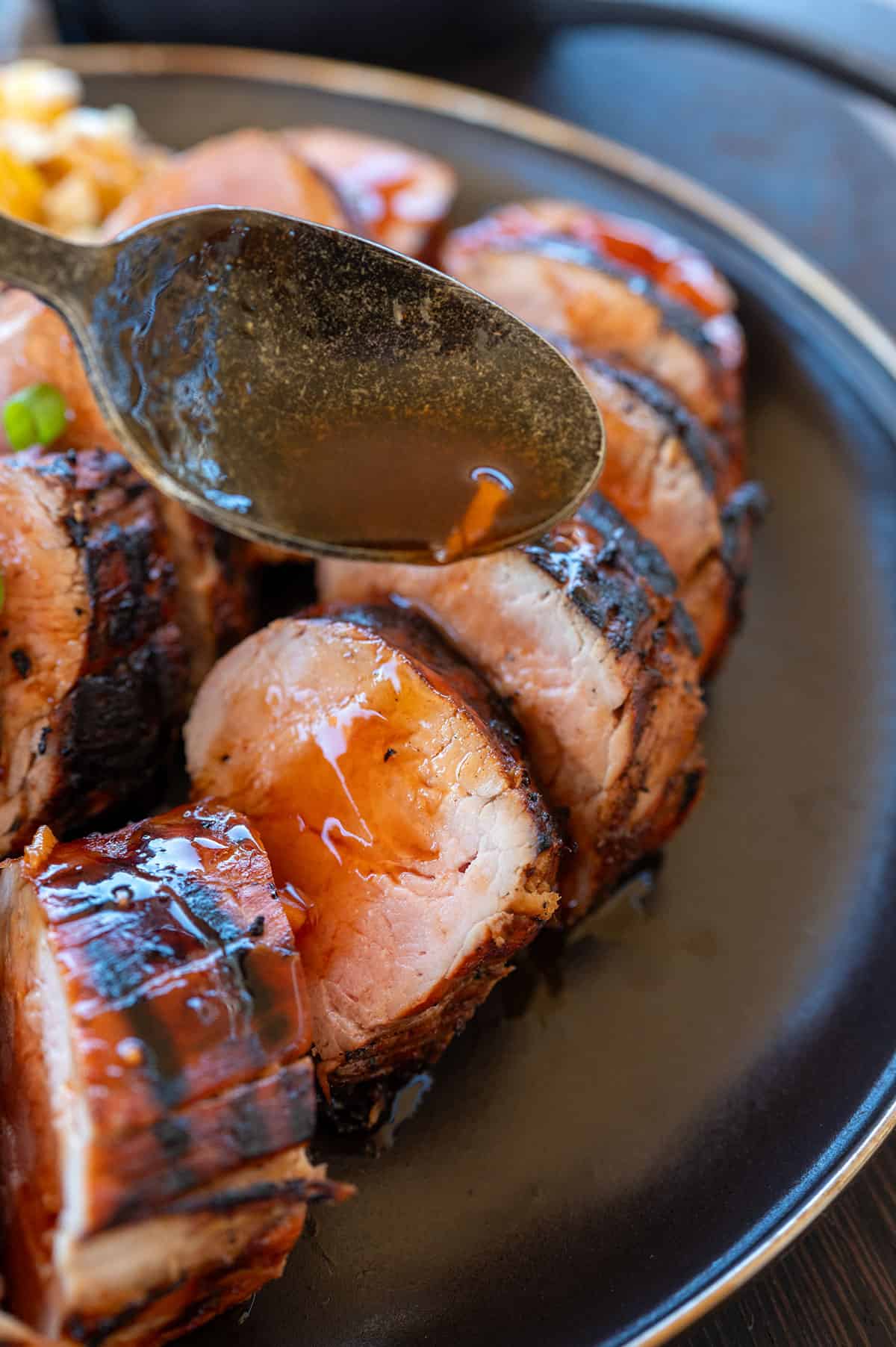
For busy weeknights when time is of the essence, Vanover offers a recipe for Quick and Juicy Grilled Pork Tenderloin that delivers a healthy and flavorful meal in under 30 minutes with just four ingredients. This recipe highlights the versatility of pork tenderloin, a lean and tender cut that cooks quickly and absorbs marinades beautifully. Vanover describes it as her "weeknight workhorse," underscoring its practicality and reliability.
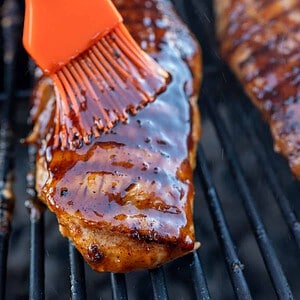
The ingenious technique at the heart of this recipe involves coating the pork tenderloin with a mixture of mayonnaise and pork rub. The mayonnaise, contrary to what some might initially assume, does not impart a strong flavor of its own. Instead, its emulsifying properties help the pork rub adhere effectively to the surface of the meat, ensuring even seasoning. Furthermore, the fat content in the mayonnaise contributes to keeping the exterior of the pork tenderloin moist during the high-heat grilling process, preventing it from drying out. Vanover notes that she has been employing this effective technique for over a decade, attesting to its consistent success.
The cooking process involves grilling the pork tenderloin over direct heat initially to develop a good sear, followed by a transition to indirect heat to allow the interior to cook through gently. The critical factor for achieving juicy pork is cooking to the correct internal temperature. Vanover emphasizes the safety and desirability of a slightly pink pork tenderloin, citing the USDA-approved temperature of 145°F (63°C). This temperature ensures that the pork remains moist and tender, avoiding the dry, chalky texture that can result from overcooking. Mastering this temperature target is a fundamental skill that extends beyond this specific recipe, contributing to perfectly cooked pork across various preparations.
Building Foundational BBQ Skills
Mastering these five distinct recipes provides a robust foundation in the core competencies of barbecue. The process of smoking dino ribs introduces the principles of low-and-slow cooking and managing grill temperatures for extended periods. The smoked mac and cheese demonstrates how to infuse flavor into side dishes using a smoker. The grilled tri-tip showcases the reverse sear technique, a versatile method applicable to a wide array of meats. The grilled shrimp highlights rapid cooking and flavor enhancement with minimal ingredients, while the pork tenderloin recipe hones the skills of quick grilling and achieving precise internal temperatures for lean cuts.
Upon achieving proficiency with these foundational recipes, pitmasters will find themselves well-equipped to explore the broader spectrum of barbecue, including the remaining 570+ recipes available on Girls Can Grill. Vanover’s philosophy is that barbecue is an art form that can be learned and perfected through practice and a willingness to experiment. By focusing on these essential techniques, enthusiasts can confidently expand their culinary repertoire and continue their journey into the rich and rewarding world of grilling and smoking. The encouragement to "fire it up" serves as a call to action, inviting all to embrace the challenge and the delicious rewards that await.


