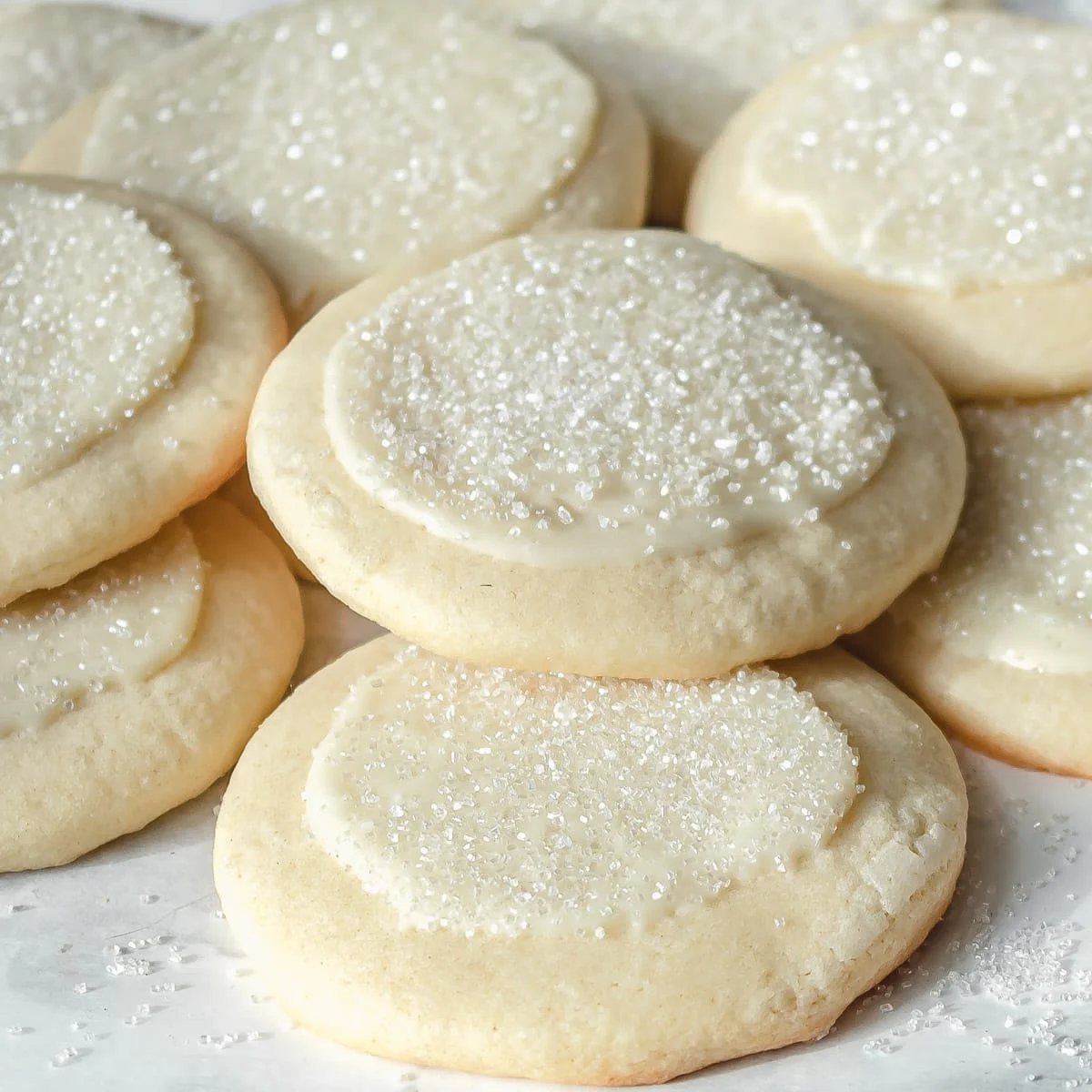
For home bakers seeking to replicate the charm and deliciousness of professional patisserie, mastering the art of sugar cookies with piped buttercream frosting is an achievable and rewarding endeavor. This comprehensive guide delves into a foolproof recipe designed to yield cookies that are perfectly crisp on the edges and delightfully tender in the center. Coupled with a smooth, stable, and easily pipeable buttercream, these sugar cookies are transformed into edible works of art, suitable for any occasion and surprisingly accessible for even novice decorators. The recipe aims to demystify the often-intimidating process of frosting, offering a pathway to achieving bakery-quality results in the comfort of one’s own kitchen.

The Allure of Homemade Sugar Cookies
The appeal of homemade sugar cookies extends beyond their delightful taste and texture. They represent a canvas for creativity, a vehicle for expressing personal style, and a heartwarming way to celebrate special moments. The ability to cut them into various shapes, from classic circles and hearts to intricate holiday-themed designs, allows for endless customization. When paired with a well-executed buttercream frosting, these cookies become more than just a dessert; they become a centerpiece, a thoughtful gift, and a source of joy. This particular recipe is celebrated for its forgiving nature, ensuring that the base cookie is consistently excellent, providing a solid foundation for decorative flourishes.
Demystifying the Art of Buttercream Piping
Piping frosting can often be perceived as a complex skill, reserved for seasoned professionals. However, this recipe aims to break down those barriers, making it accessible to beginners. The key lies in understanding the properties of a well-formulated buttercream and employing simple yet effective piping techniques. By utilizing a variety of frosting tips and carefully chosen food colorings, home bakers can elevate their creations from simple decorated cookies to elaborate masterpieces. The visual impact of skillfully piped frosting not only enhances the aesthetic appeal but also adds a delightful textural contrast to the tender cookie base.
The Foundation: A Foolproof Cut-Out Sugar Cookie Recipe
At the heart of this culinary endeavor is a meticulously developed sugar cookie recipe. This recipe is specifically formulated for cut-out cookies, meaning it produces a dough that holds its shape beautifully during baking, preventing excessive spreading and distortion of intricate designs. The dough is designed to achieve a perfect balance: a satisfying crispness around the outer edges that provides a delightful crunch, yielding to a wonderfully tender and soft interior. This textural harmony is crucial for a superior sugar cookie experience. The recipe emphasizes the use of quality ingredients and precise measurements to ensure consistent results, batch after batch. The dough’s malleability and ability to withstand shaping and cutting make it an ideal choice for bakers of all skill levels.

The development of such a recipe often involves extensive testing to find the optimal ratio of flour, fat, sugar, and leavening agents. The inclusion of ingredients like eggs and sometimes a touch of sour cream or milk contributes to the dough’s structure and moisture content, ensuring tenderness. The chilling process, a critical step for sugar cookie dough, allows the gluten to relax and the fats to firm up, preventing the cookies from spreading too much during baking. This careful consideration of each component contributes to the overall success and reliability of the recipe.

The Crown Jewel: Easy American-Style Buttercream
Complementing the perfect sugar cookie is an equally well-crafted buttercream frosting. This recipe features an American-style buttercream, renowned for its simplicity and versatility. Requiring just a handful of fundamental ingredients, it can be whipped up in approximately five minutes, making it an efficient yet impressive addition to the baking process. The characteristic sweetness and creamy texture of American buttercream are achieved through the combination of butter, powdered sugar, and a liquid, typically milk or cream, along with a flavoring agent like vanilla extract.
The key to a successful buttercream for piping lies in its consistency. This recipe is formulated to produce a frosting that is both smooth enough to pipe effortlessly and firm enough to hold its shape. This stability is paramount for creating defined designs, sharp lines, and delicate swirls. Achieving the right consistency often involves adjusting the ratio of powdered sugar to liquid, as well as the creaming time of the butter. Over-creaming can incorporate too much air, leading to a less stable frosting, while under-creaming can result in a grainy texture.
The Secret Sauce: Creative Piping Techniques for Beginners
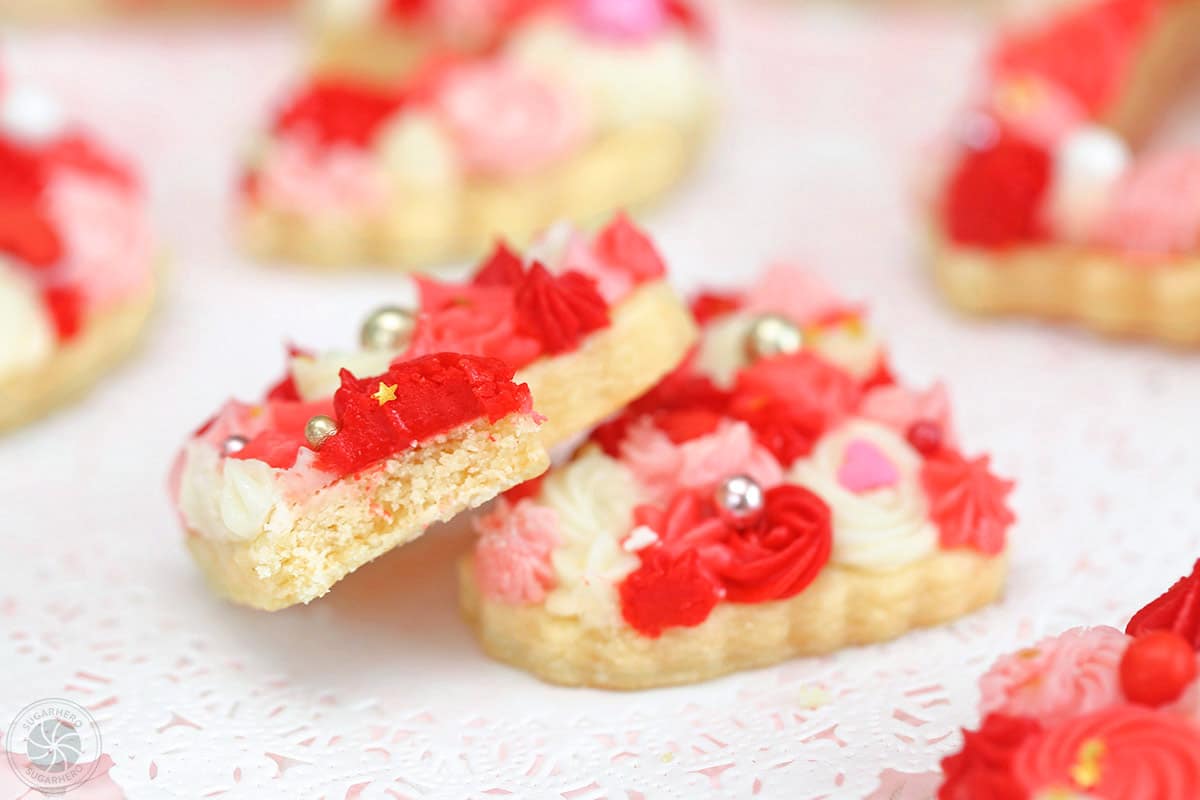
The true magic of this recipe lies in its encouragement of creative expression, particularly for those new to frosting. The "secret sauce" for achieving visually stunning results is the strategic use of multiple frosting colors and various piping tips. By employing a range of colors – such as white, deep red, and various shades of pink achieved by mixing dark pink with white – bakers can create dynamic and visually appealing designs.
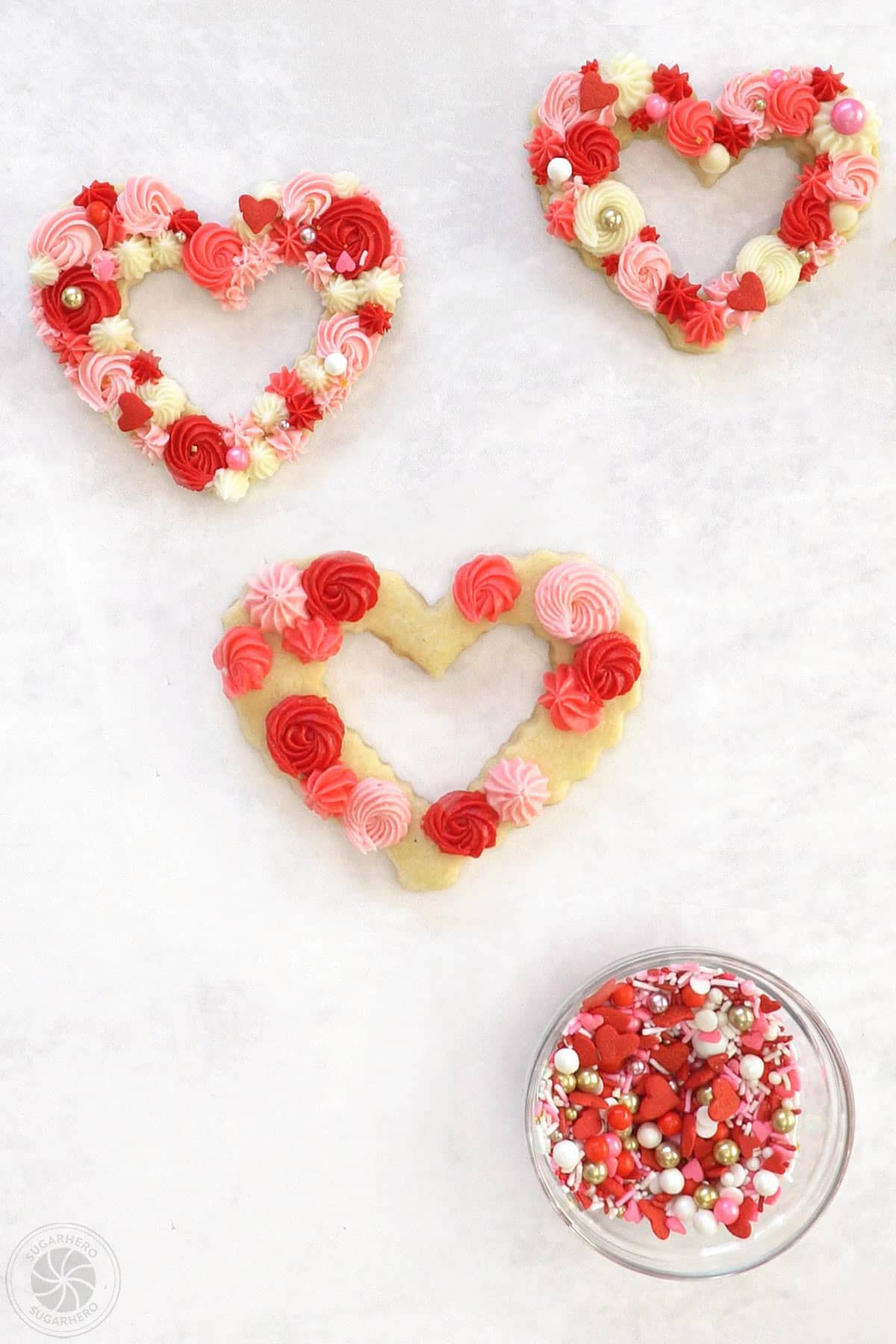
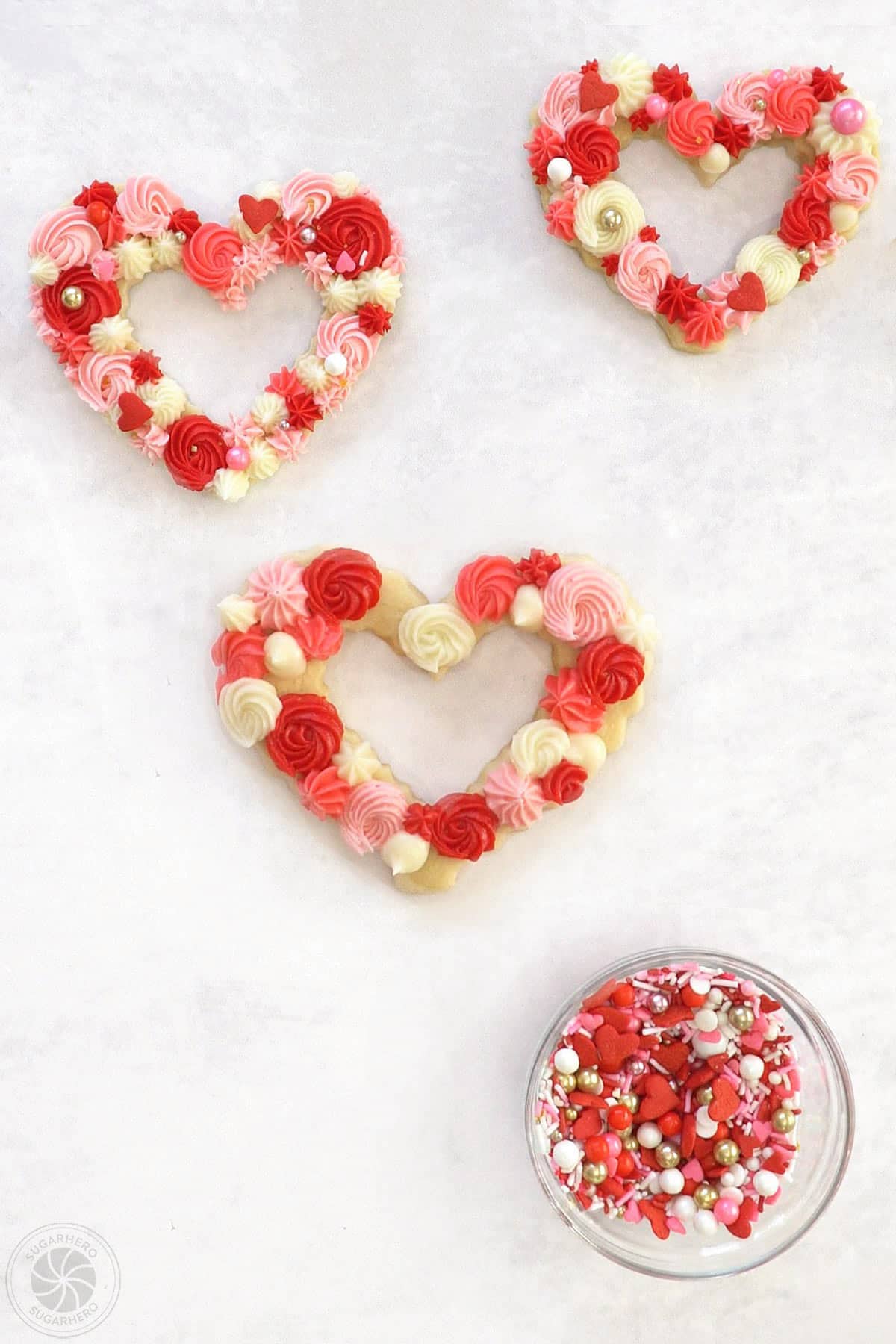
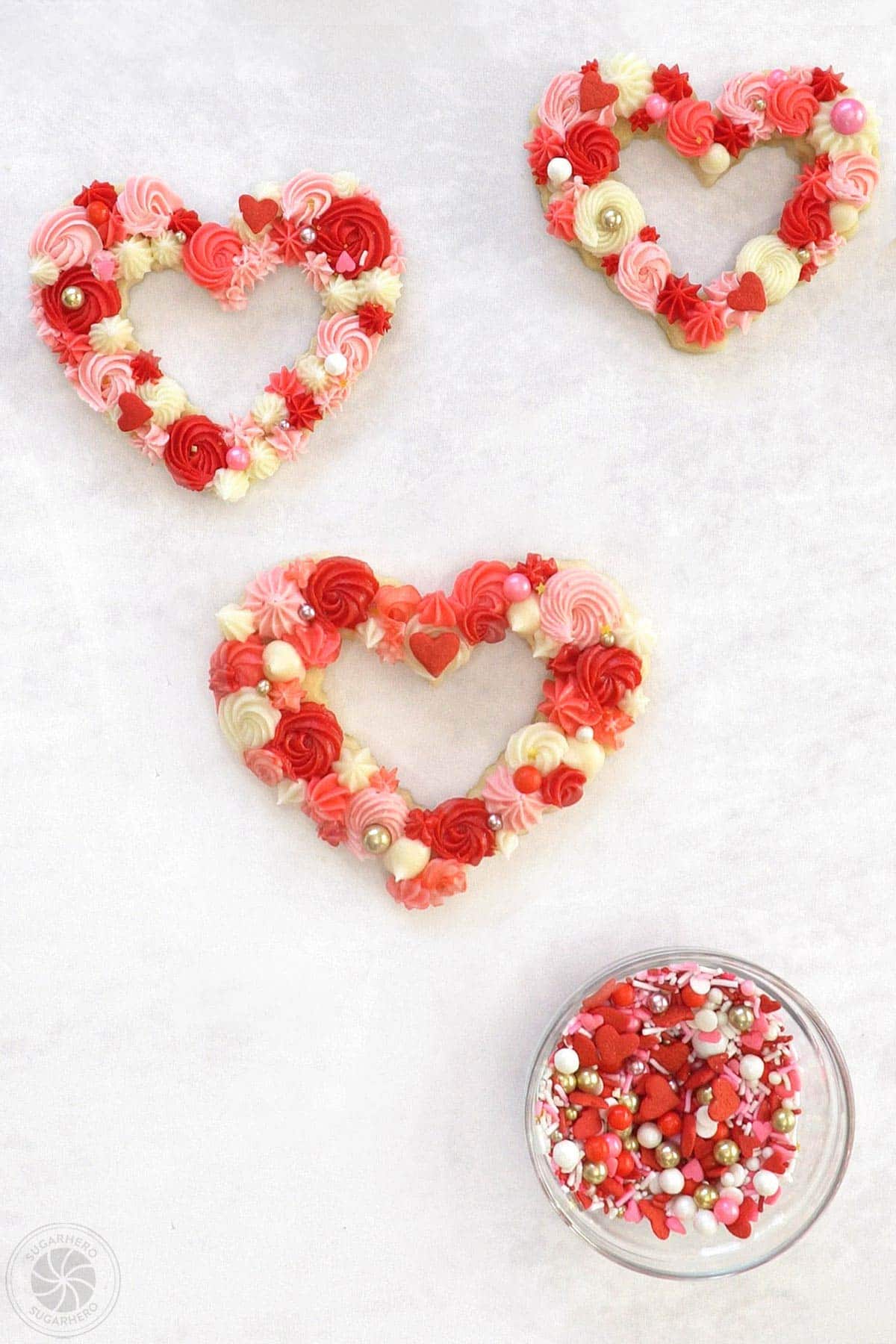
Each color of frosting is typically placed in its own piping bag, fitted with a small star tip. The exact numbering of the piping tip is less critical than its size and design; any small tip with ridges along the opening will generally suffice for this technique. The beauty of this decorating approach is its inherent lack of rigid rules. It celebrates a more abstract and freeform style, where precision is not the primary goal. Bakers are encouraged to pipe swirls, dots, and whimsical lines of different colors adjacent to each other, covering the cookie surface in a joyful, "beautifully chaotic" manner. The addition of sprinkles can provide a final touch of flair and texture, transforming each cookie into a unique masterpiece.
This method is particularly beginner-friendly because it allows for a high degree of artistic freedom. Instead of striving for perfect symmetry or flawless coverage, bakers can embrace the organic nature of the piped designs. The interplay of colors and textures created by this technique results in cookies that are not only delicious but also visually captivating, proving that sophisticated decorating can be achieved with simple tools and a willingness to experiment.
Essential Ingredients for Sugar Cookie Success
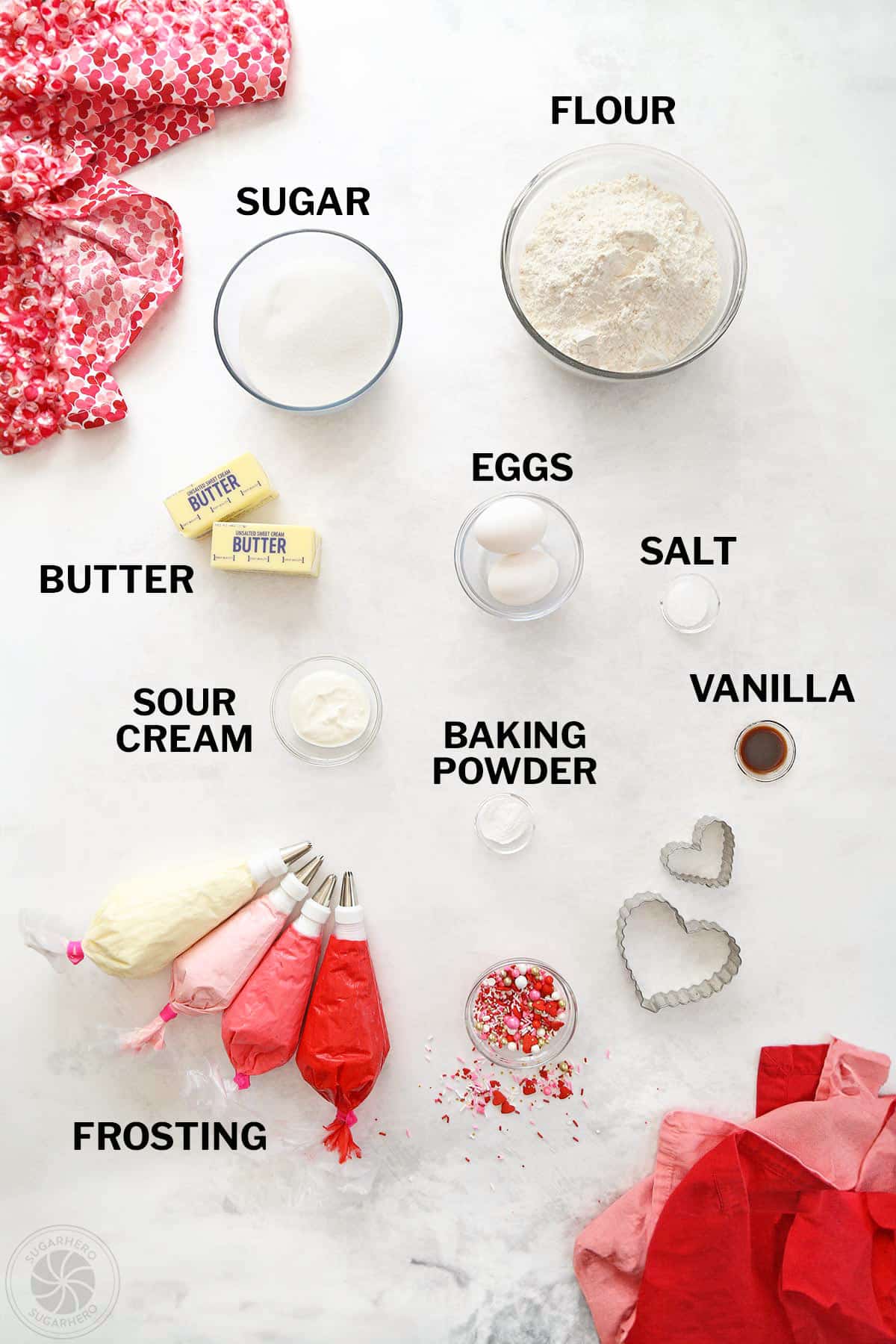
To embark on this baking journey, a well-stocked pantry is essential. The core ingredients for the sugar cookies typically include all-purpose flour, granulated sugar, unsalted butter (preferably at room temperature for optimal creaming), eggs, vanilla extract, and a leavening agent such as baking powder or baking soda. For the buttercream frosting, the primary components are unsalted butter, powdered sugar (also known as confectioners’ sugar), vanilla extract, and a small amount of liquid, such as milk or heavy cream, to achieve the desired consistency. Food coloring, in various shades, is crucial for achieving the vibrant palette described in the recipe.

For the Sugar Cookies:
- Flour: All-purpose flour provides the structural base for the cookies. Sifting the flour can ensure a lighter, more tender texture.
- Sugar: Granulated sugar contributes to sweetness and helps with browning and crispness.
- Butter: Unsalted butter, softened to room temperature, is essential for creaming with sugar, creating air pockets that contribute to the cookie’s texture.
- Eggs: Eggs act as a binder and add richness and structure.
- Vanilla Extract: Pure vanilla extract enhances the overall flavor profile.
- Leavening Agent: Baking powder or baking soda helps the cookies rise slightly and achieve a tender crumb.
- Salt: A pinch of salt balances the sweetness and enhances other flavors.
For the Buttercream Frosting:
- Butter: Unsalted butter, softened, forms the creamy base of the frosting.
- Powdered Sugar: This finely milled sugar is crucial for the smooth, sweet texture of American buttercream. Sifting it can prevent lumps.
- Vanilla Extract: Enhances the frosting’s flavor.
- Milk or Cream: Used sparingly to adjust the frosting’s consistency for optimal piping.
- Food Coloring: Gel food coloring is recommended for vibrant colors without altering the frosting’s texture significantly.
Essential Equipment for Seamless Baking and Decorating
Beyond the ingredients, having the right tools can significantly streamline the baking and decorating process. A stand mixer or a hand mixer is invaluable for efficiently creaming butter and sugar and for whipping the frosting to the perfect consistency. Measuring cups and spoons are standard, but for greater accuracy, especially in baking, a kitchen scale is highly recommended. Rolling pins are essential for achieving an even dough thickness, and various cookie cutters allow for creative shaping.
For the decorating aspect, a selection of piping bags and tips is key. Disposable piping bags are convenient for easy cleanup, while reusable silicone bags offer a more sustainable option. Small star tips are particularly effective for creating decorative textures. Offset spatulas can be useful for smoothing frosting or spreading it evenly. Parchment paper is indispensable for lining baking sheets, preventing sticking and facilitating easy cleanup.
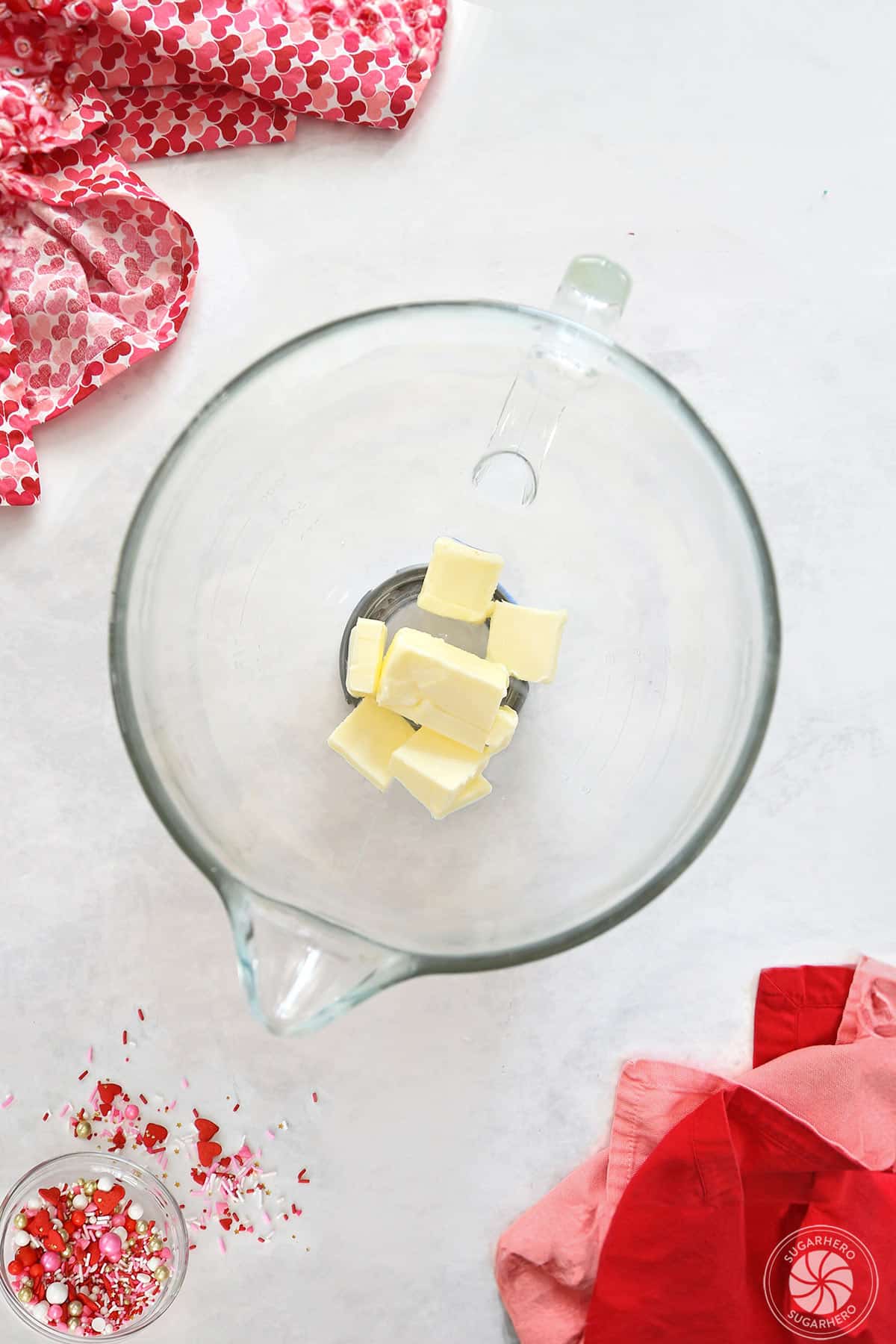
Key Equipment:
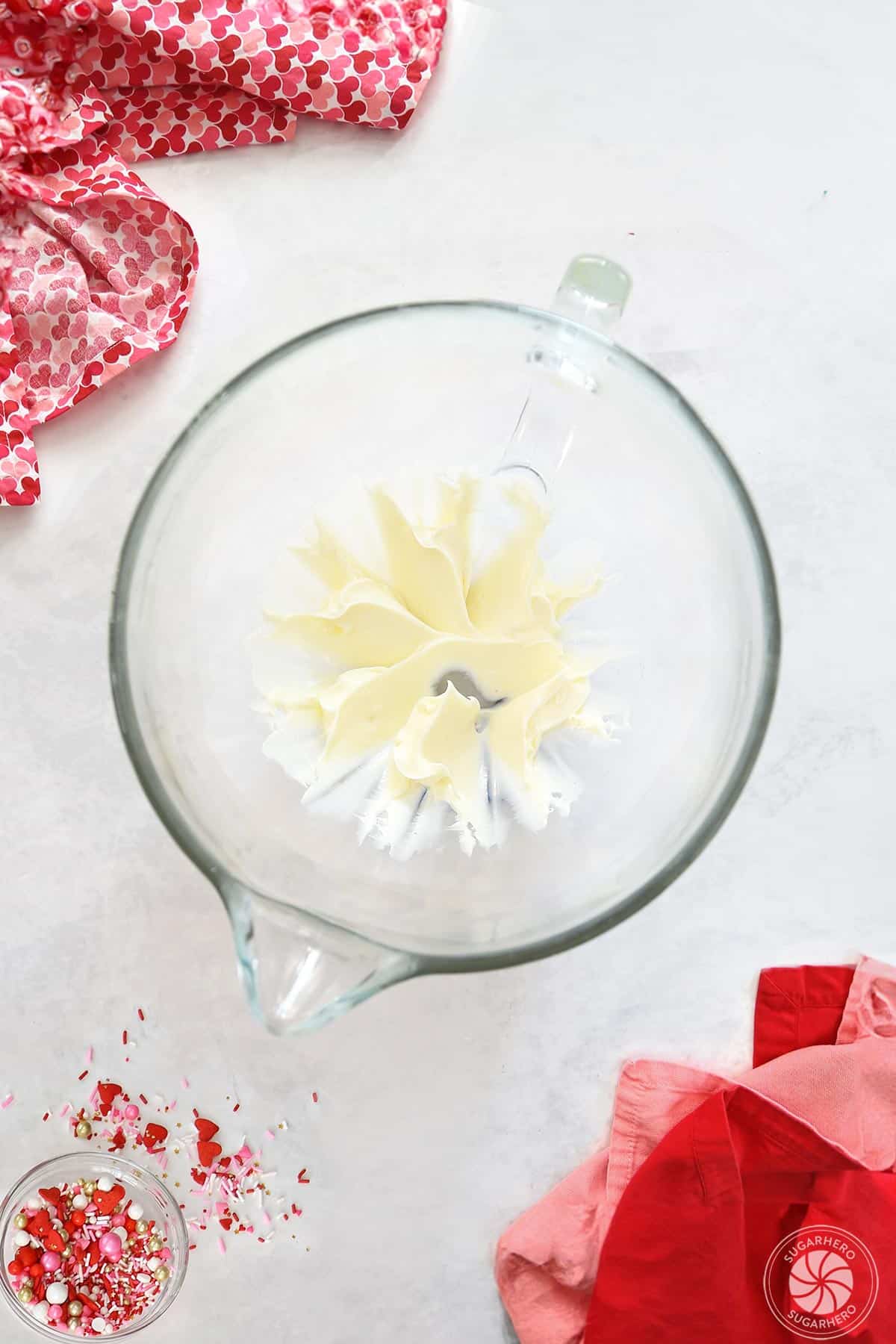
- Stand mixer or hand mixer
- Measuring cups and spoons
- Kitchen scale (recommended)
- Rolling pin
- Cookie cutters (various shapes and sizes)
- Piping bags
- Piping tips (small star tips are ideal)
- Offset spatula
- Baking sheets
- Parchment paper
- Bowls for mixing ingredients
- Cooling racks
Step-by-Step Guide to Crafting Perfect Sugar Cookies
The process of creating these delightful sugar cookies involves several distinct stages, each contributing to the final product.
Step 1: Preparing the Sugar Cookie Dough
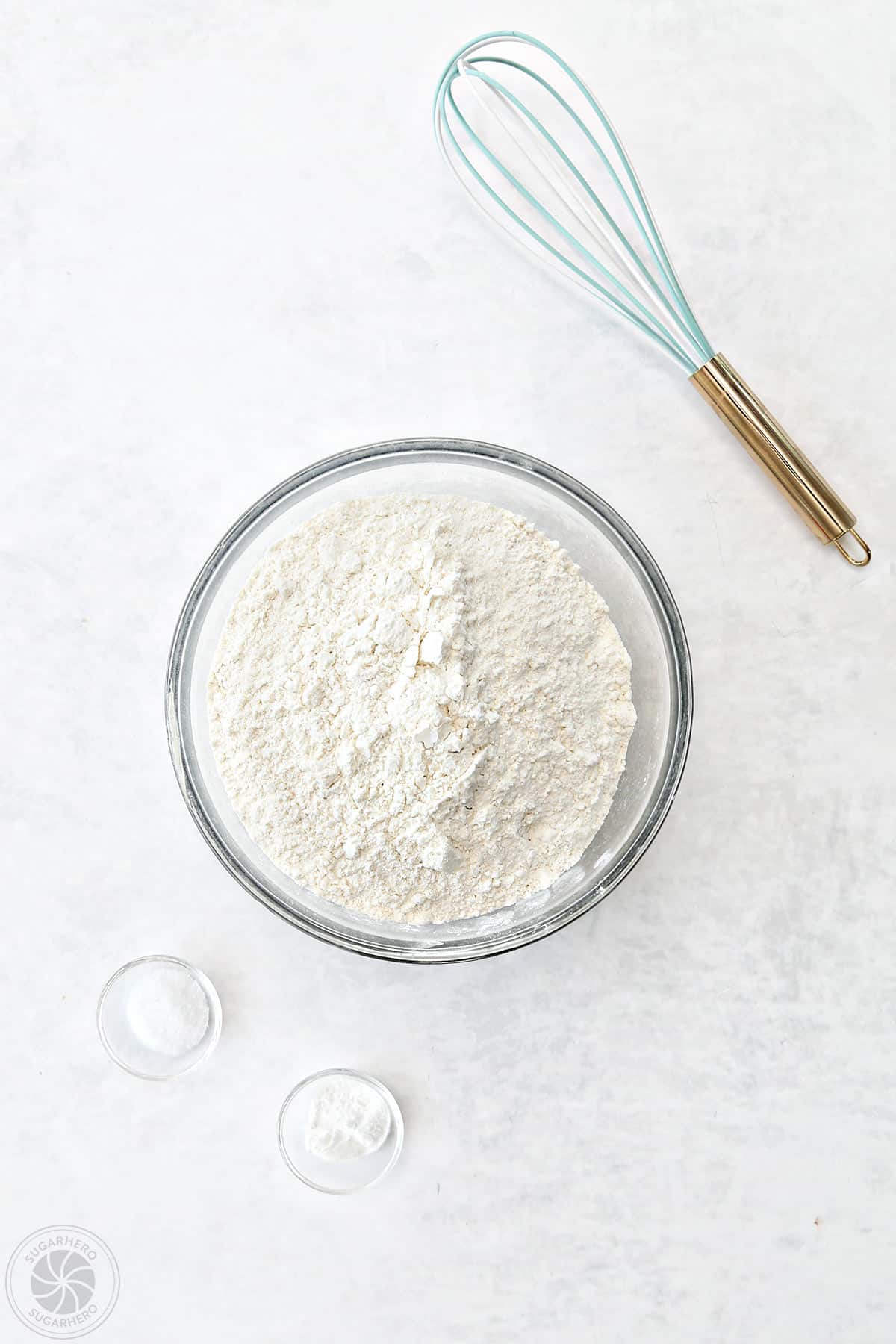
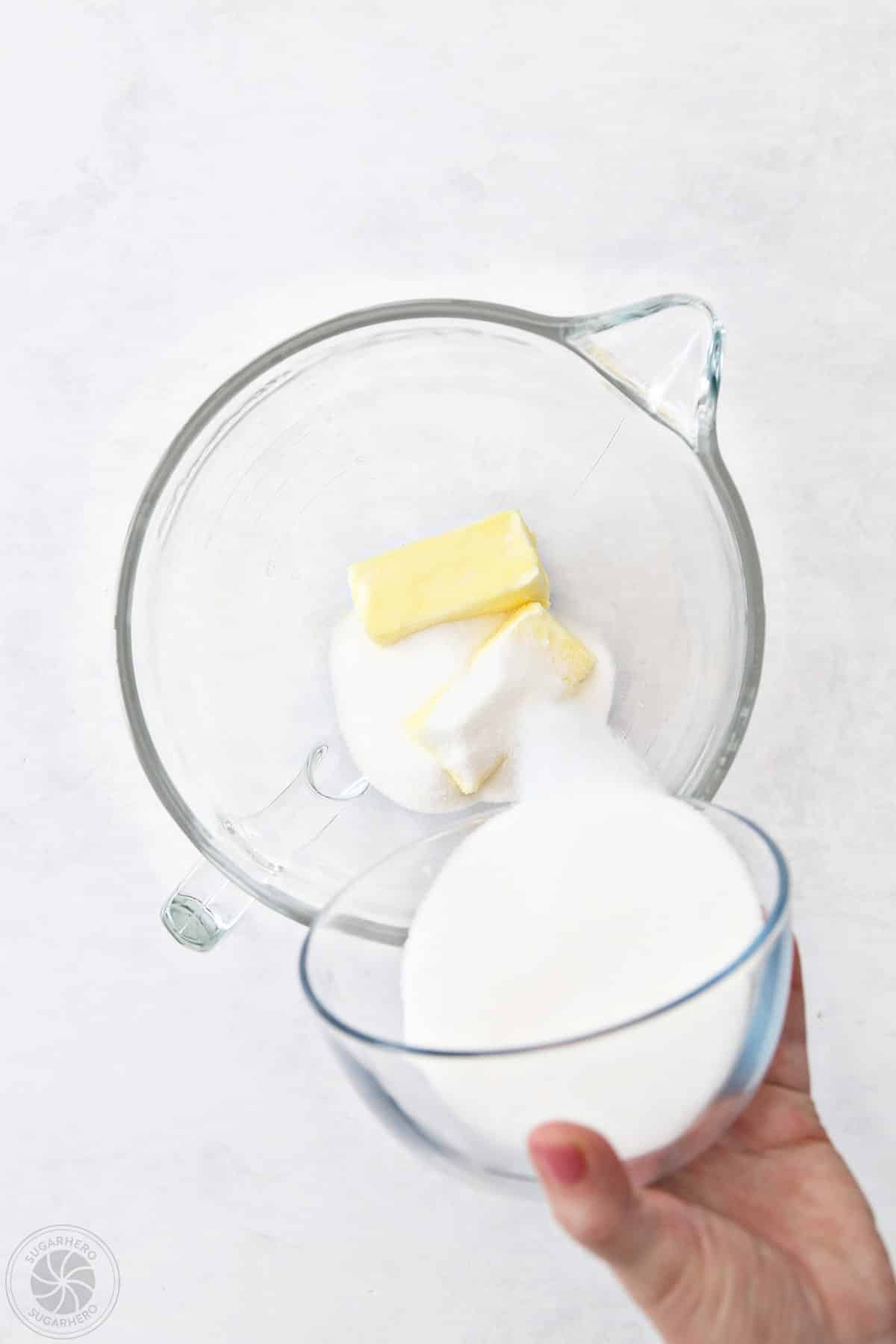
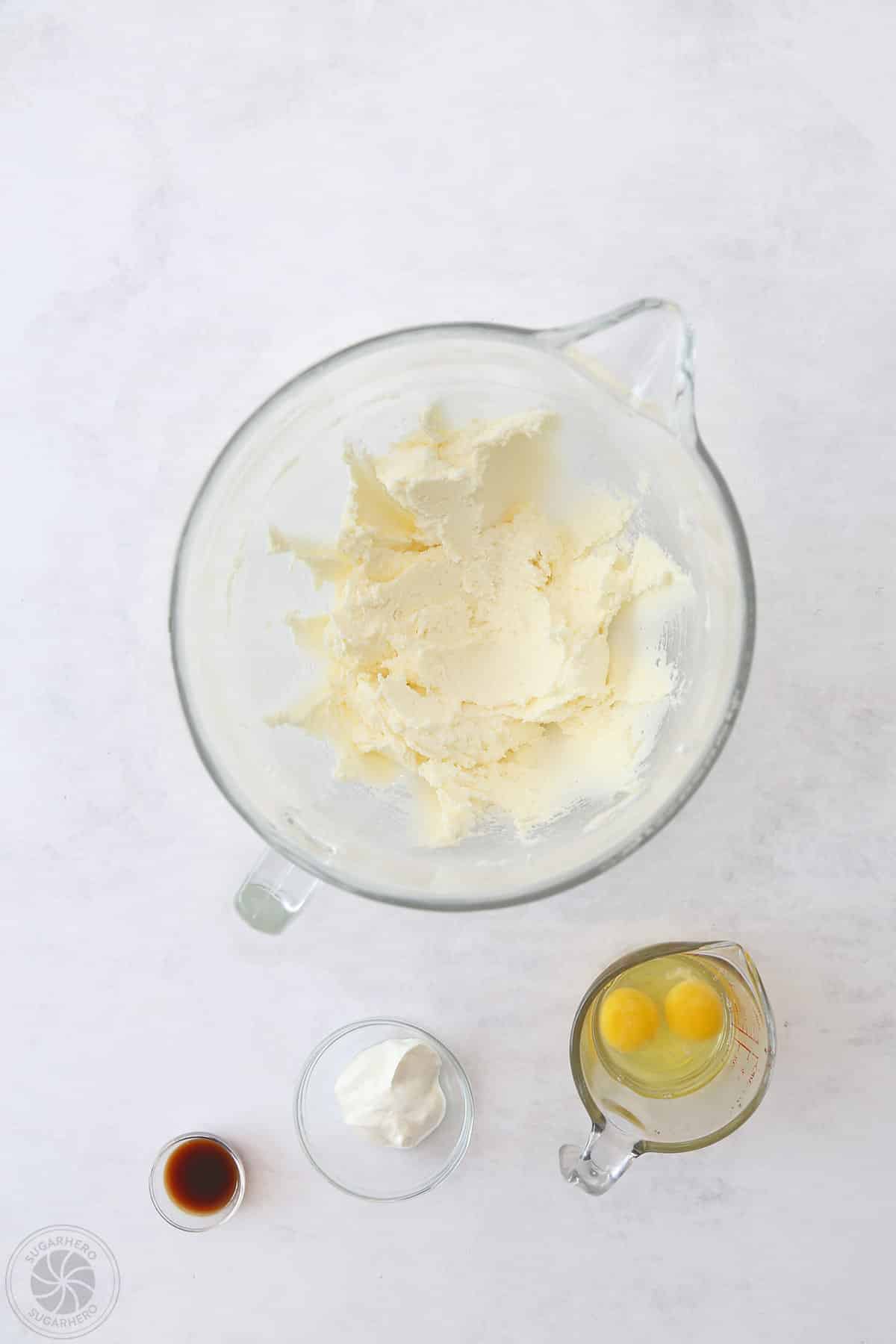
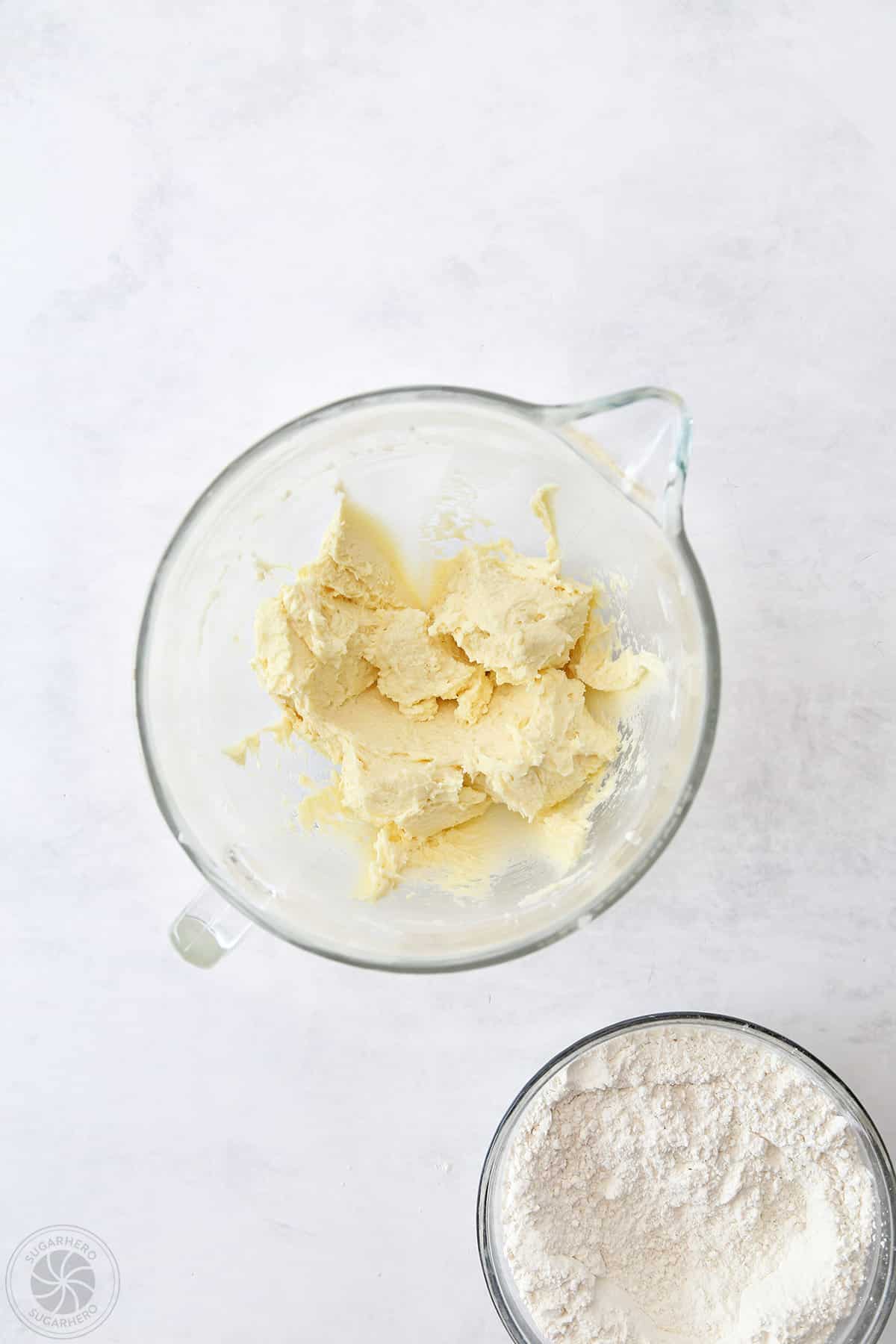
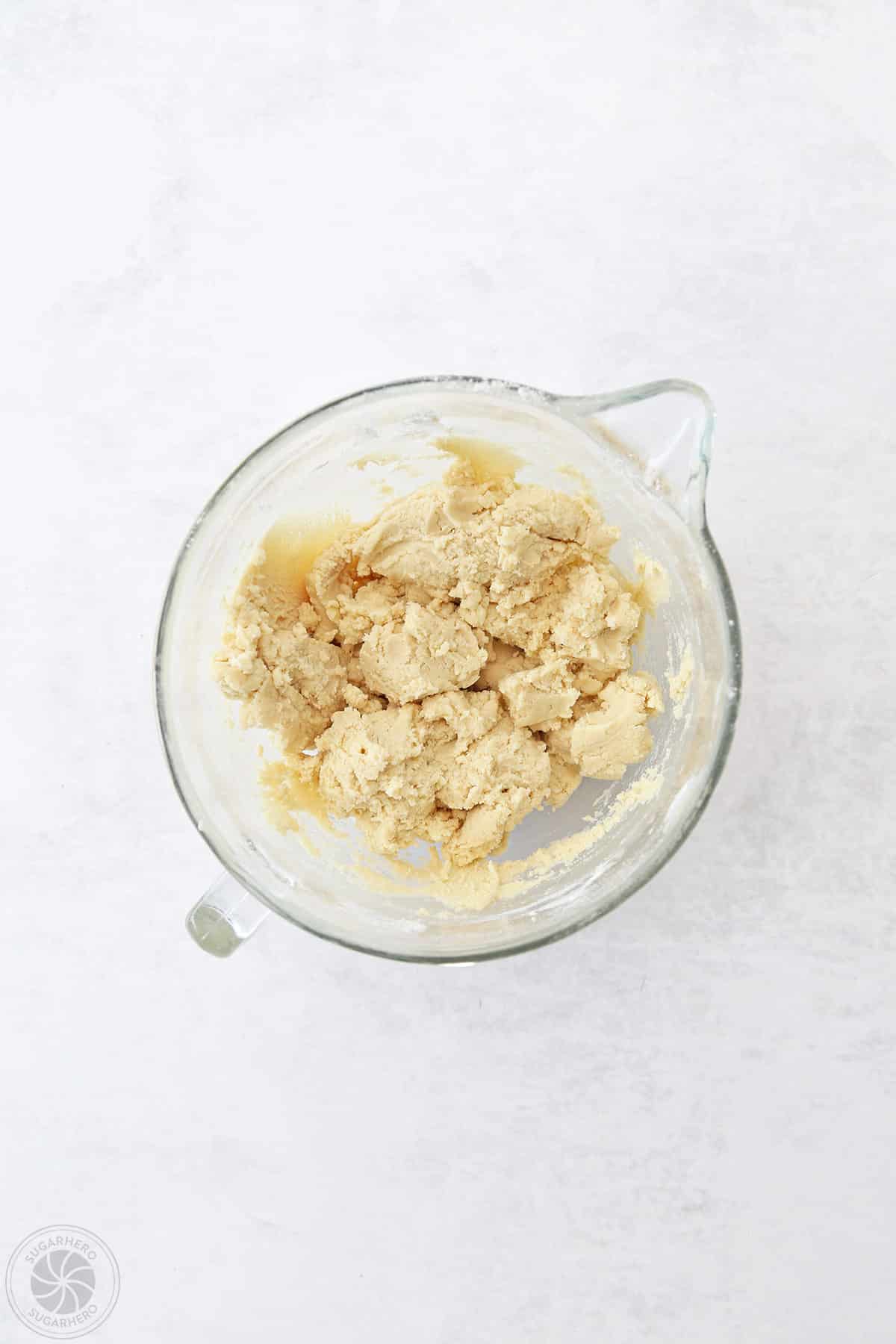
The journey begins with creaming the softened butter and granulated sugar in a stand mixer until light and fluffy. This aeration step is crucial for the cookie’s texture. Next, eggs and vanilla extract are incorporated, followed by the dry ingredients: flour, baking powder, and salt, which have typically been whisked together in a separate bowl. The dough is mixed until just combined, taking care not to overmix, which can lead to tough cookies. The resulting dough is then divided, flattened into discs, wrapped in plastic wrap, and chilled in the refrigerator for at least an hour. This chilling period is vital for firming the dough and making it easier to handle.
Step 2: Rolling, Cutting, and Baking
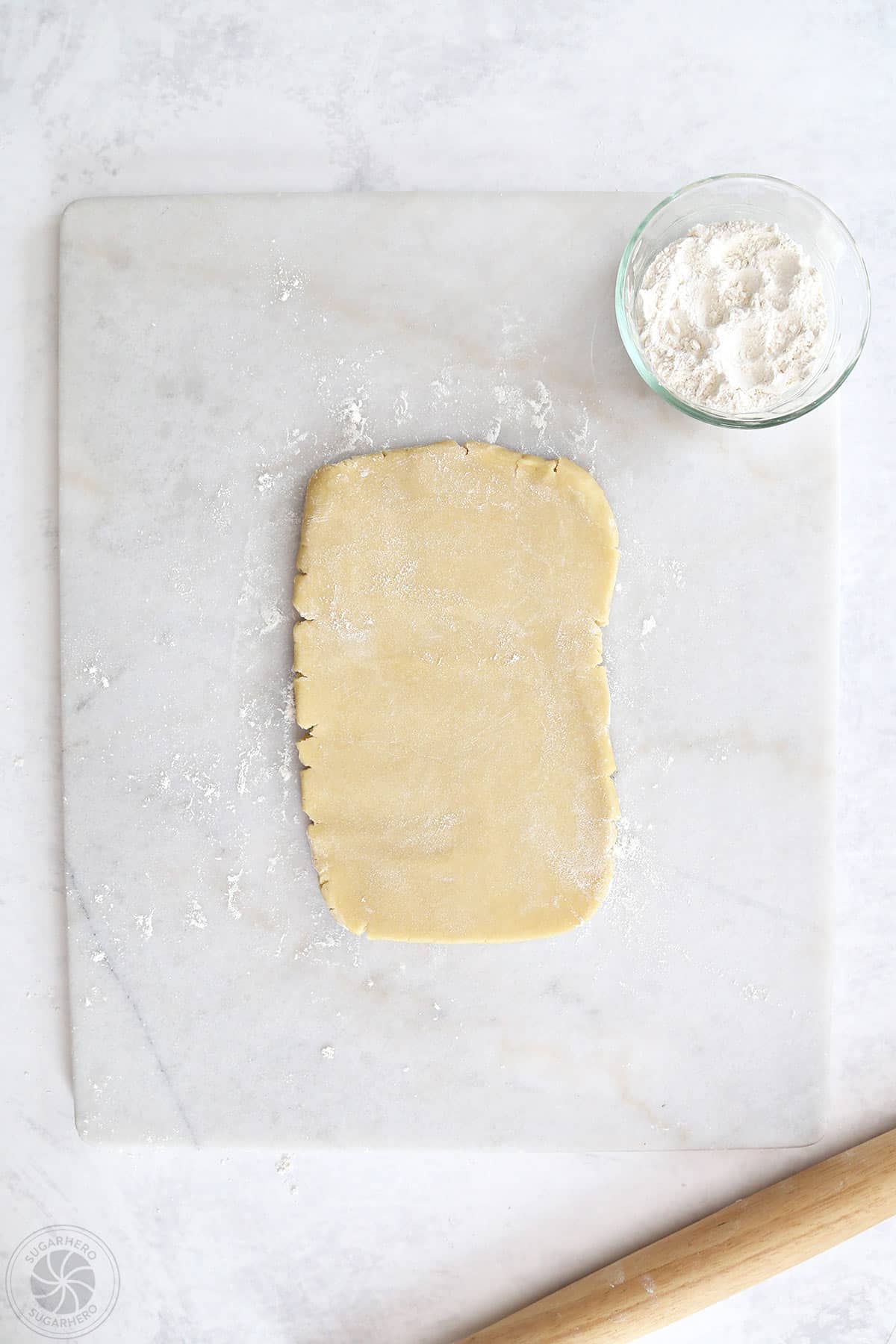
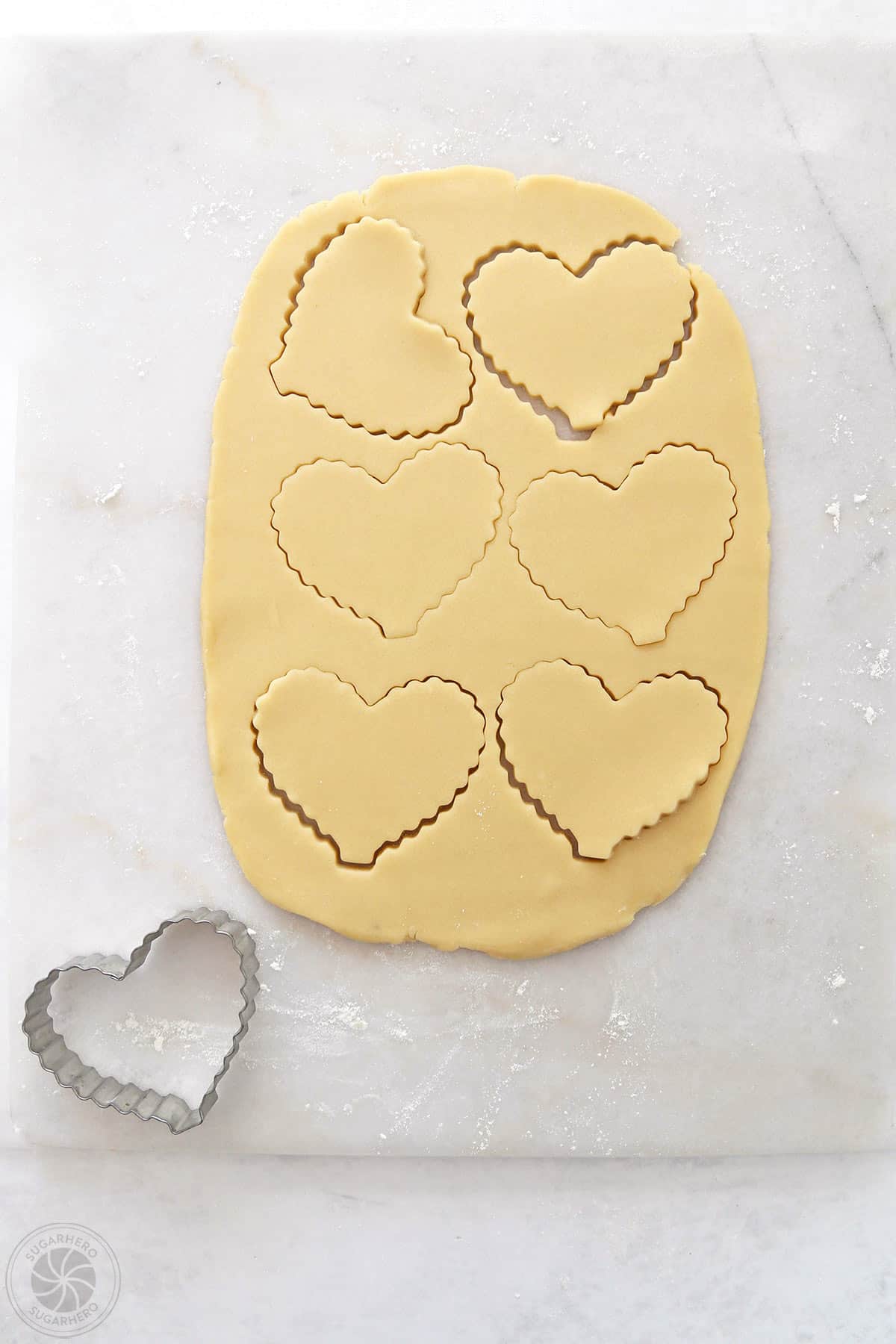
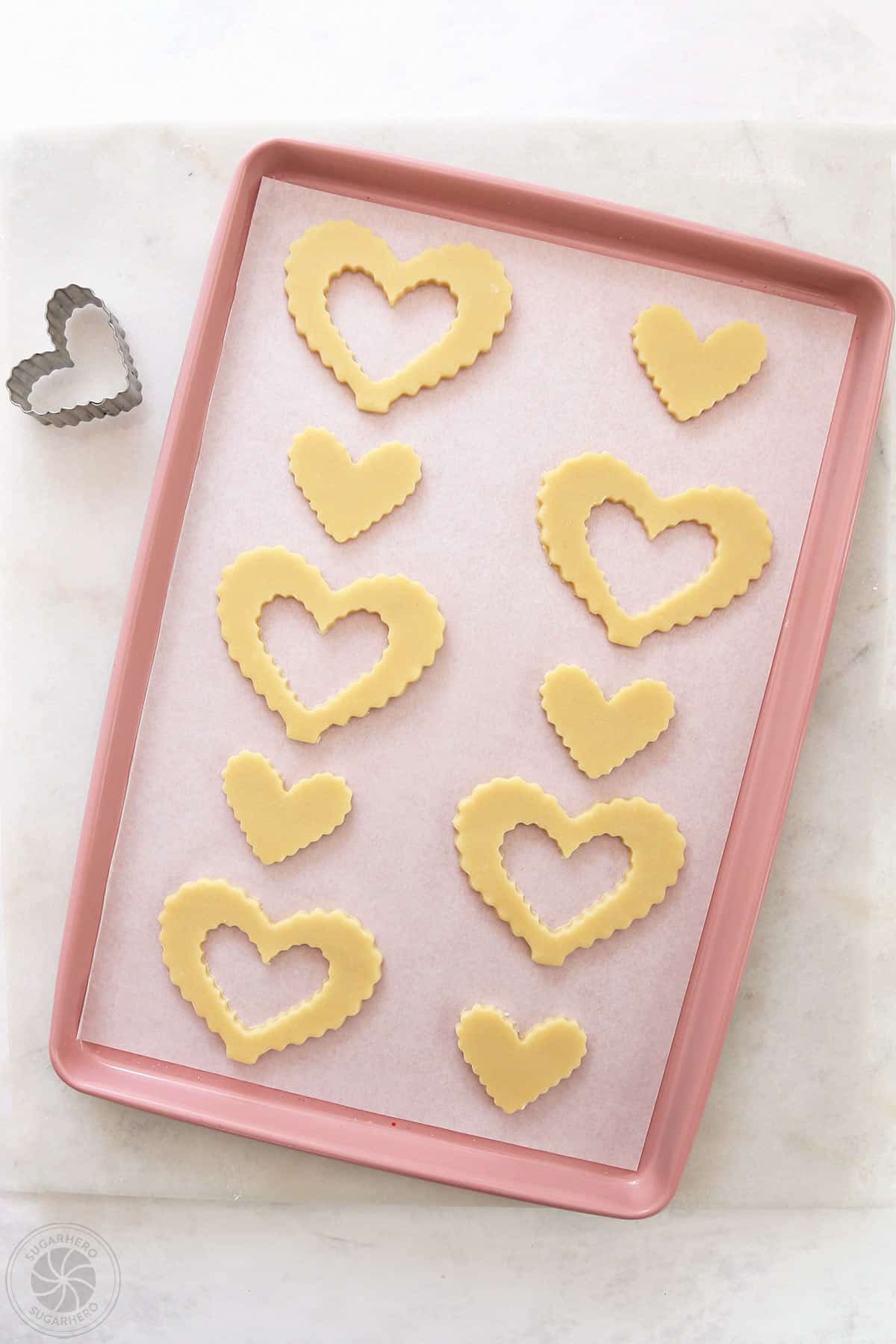
Once chilled, the dough is rolled out on a lightly floured surface to an even thickness, typically around 1/4 inch. This ensures uniform baking. Various cookie cutters are then used to create desired shapes. It’s important to handle the dough gently to avoid distortion. The cut-out cookies are carefully placed on baking sheets lined with parchment paper, spaced adequately apart to prevent them from touching during baking. They are then baked in a preheated oven until the edges are lightly golden brown. The baking time will vary depending on the size and thickness of the cookies, but typically ranges from 8 to 12 minutes.

Step 3: Cooling the Cookies
After baking, the cookies are allowed to cool on the baking sheet for a few minutes before being transferred to a wire rack to cool completely. This step is critical, as warm cookies are fragile and can break easily. Ensuring they are thoroughly cooled before frosting prevents the buttercream from melting.

Step 4: Preparing the Buttercream Frosting
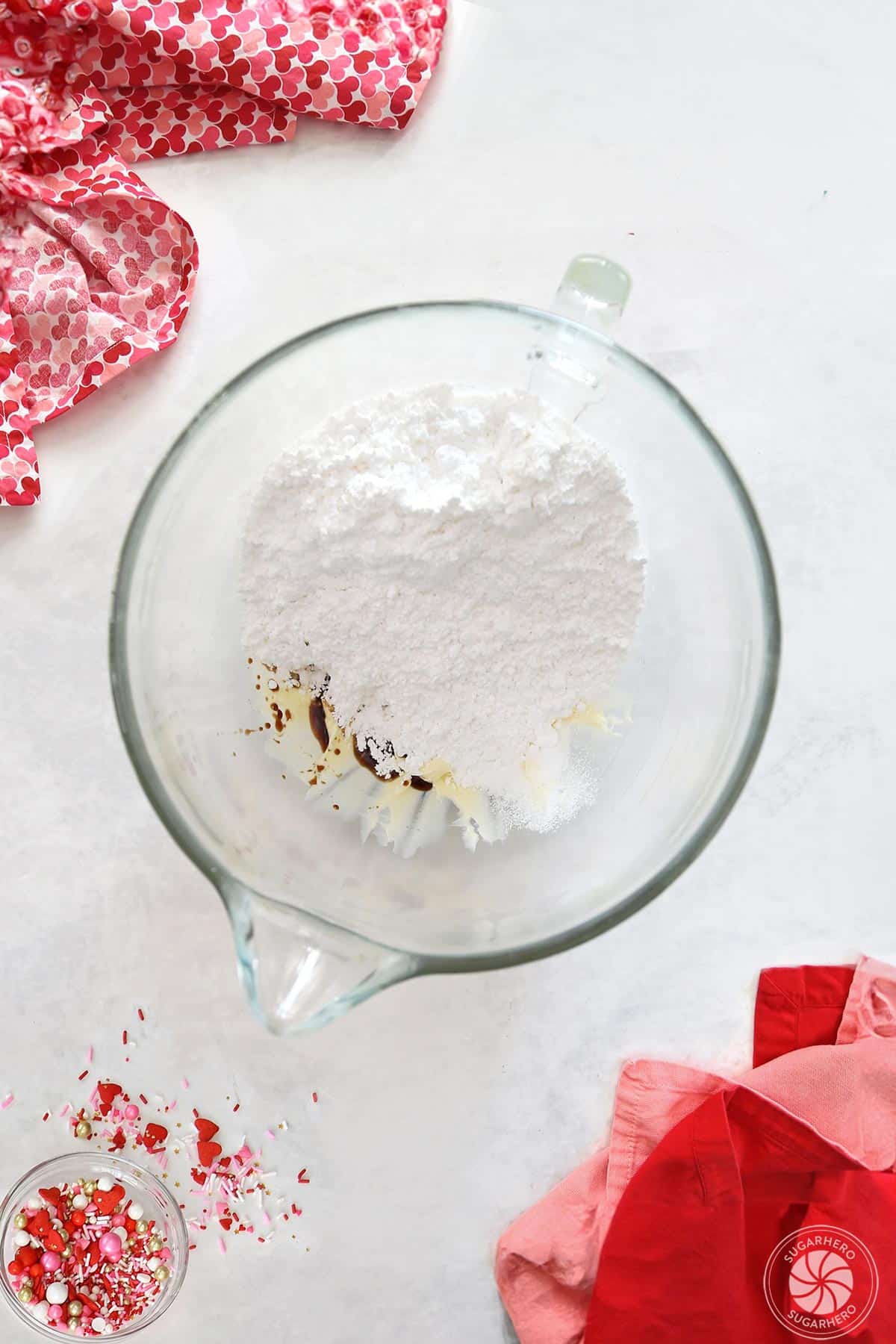
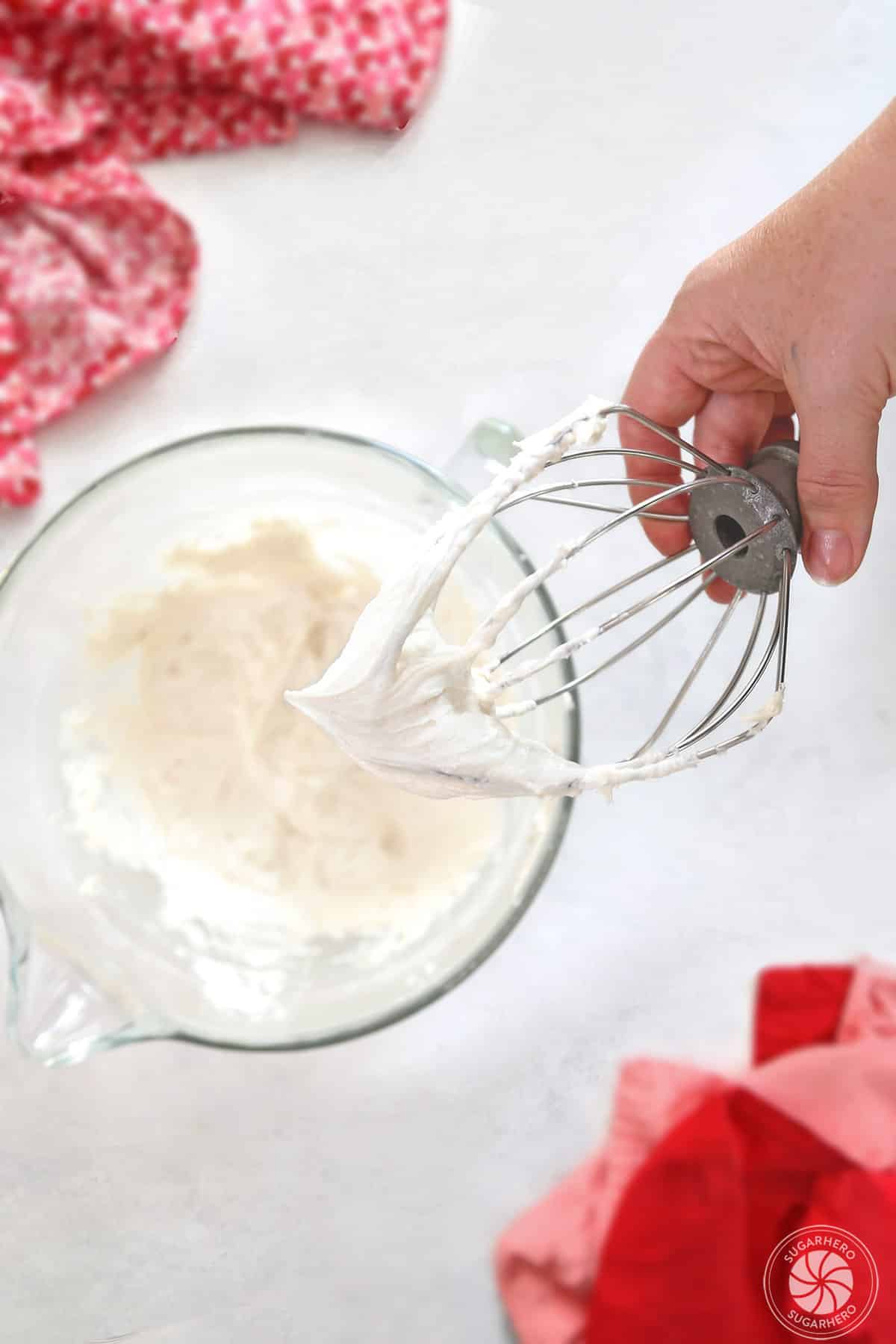
While the cookies are cooling, the buttercream frosting can be prepared. Softened butter is beaten in a stand mixer until it becomes pale and creamy. Gradually, sifted powdered sugar is added, alternating with small amounts of milk or cream, until a smooth and spreadable consistency is achieved. Vanilla extract is then mixed in for flavor. The frosting is then divided into separate bowls and colored as desired using gel food coloring.
Step 5: Decorating the Sugar Cookies
The prepared frosting is spooned into piping bags fitted with small star tips. Beginning with a base color or a simple technique, bakers can pipe swirls, dots, or lines onto the cooled cookies. The beauty of this method lies in layering different colors and textures. For instance, one could pipe a few red dots next to some pink swirls, then add a few white stars. There is no single "correct" way to decorate; the aim is to create a visually appealing and joyful pattern. Sprinkles can be added while the frosting is still wet for added sparkle and texture.
Tips for Ensuring Cookie Success
To guarantee the best possible outcome, several key tips can be followed:
- Accurate Measurements: Use a kitchen scale for precise ingredient measurements, especially for flour, as variations can significantly impact dough consistency.
- Proper Chilling: Do not skip the chilling time for the dough. It is essential for easy handling and preventing cookies from spreading.
- Even Rolling: Ensure the dough is rolled to a uniform thickness for even baking.
- Gentle Handling: Handle the cut-out cookies with care to maintain their shapes.
- Complete Cooling: Allow cookies to cool completely before frosting to prevent melting.
- Frosting Consistency: Adjust the buttercream consistency as needed. If it’s too thick, add a tiny bit more liquid; if too thin, add more powdered sugar.
- Gel Food Coloring: Use gel food coloring for vibrant colors without adding excess liquid to the frosting.
The Broader Implications of Home Baking Trends
The enduring popularity of home baking, particularly for decorative items like sugar cookies, reflects a broader cultural shift towards valuing handmade goods and experiences. In an increasingly digital world, the tactile and creative process of baking offers a welcome respite and a sense of accomplishment. The accessibility of online recipes and tutorials has democratized skills that were once considered niche, empowering individuals to create elaborate treats at home. This trend not only fosters personal enjoyment but also strengthens social connections, as baked goods are frequently shared as gifts or during gatherings. The ability to customize and personalize these creations further amplifies their appeal, making them a popular choice for holidays, celebrations, and everyday moments of indulgence. The continuous innovation in baking techniques and ingredient sourcing, as exemplified by this sugar cookie recipe, ensures that home baking remains a vibrant and evolving aspect of modern life.