

The pursuit of the perfect pizza is a global culinary endeavor, with cheese standing as an indisputably vital component that transforms a simple dough and sauce into an enticing, sensational, and delectable masterpiece. From the melt that stretches alluringly to the rich aroma that signals authentic Italian craftsmanship, the choice of cheese fundamentally defines the character of this universally beloved dish. This comprehensive guide delves into the intricate world of pizza cheeses, exploring their diverse types, optimal applications, and the science behind their irresistible appeal, alongside their historical context and evolving culinary implications.
Pizza’s ubiquitous presence across continents underscores its status as one of the world’s most popular foods, boasting a global market value estimated to exceed $150 billion annually. While regional variations in crust, sauce, and toppings ignite passionate rivalries—from the thick crusts of Chicago to the thin, crispy Roman style—a consensus among pizzaiolos and culinary experts alike points to the paramount importance of selecting the ideal cheese. It is the cheese that provides the quintessential texture, flavor, and aroma, elevating the entire experience. Decades of relentless research and culinary innovation have solidified the understanding that mastering the cheese component is key to achieving pizza perfection. This guide offers an unparalleled resource, equipping enthusiasts and professionals with the knowledge to choose the right cheese, understand its properties, explore harmonious topping combinations, and even venture into the rewarding realm of homemade cheese production.

The Historical Tapestry of Pizza and Its Cheeses
The origins of modern pizza are firmly rooted in Naples, Italy, dating back to the late 18th or early 19th century. Initially a humble dish for the working class, it gained royal recognition with the Margherita pizza in 1889, famously topped with tomatoes, basil, and mozzarella—ingredients mirroring the colors of the Italian flag. This pivotal moment cemented mozzarella’s role as the archetypal pizza cheese. The evolution of pizza from a regional street food to a global phenomenon in the 20th century, particularly post-World War II with its introduction to the United States, propelled the demand for cheeses capable of withstanding baking temperatures while delivering the desired melt and flavor. This period saw the industrialization of "pizza cheese" production, focusing on low-moisture variants suitable for mass distribution and consistent performance.
Mozzarella: The Undisputed King of Pizza Cheese

Legend attributes the creation of mozzarella to a serendipitous accident in Naples, where cheesemakers purportedly dropped curds into hot water, yielding the distinctively pliable pasta filata (spun paste) cheese. Traditionally crafted from the rich milk of water buffalo (Mozzarella di Bufala Campana), this cheese is celebrated for its soft, moist, milky, and subtly spongy texture. While fresh, high-moisture mozzarella, often found floating in brine, is a delicacy in salads like Caprese, its higher water content can make pizzas soggy.
For pizza, low-moisture mozzarella reigns supreme. This variant undergoes a longer drying process, resulting in a firmer texture, extended shelf life, and a more concentrated, saltier flavor. Its lower moisture content prevents excessive water release during baking, ensuring a crispy crust. Crucially, low-moisture mozzarella exhibits exceptional elasticity and melt characteristics, producing the iconic "cheese pull" and even, golden-brown blistering sought after by connoisseurs. Dr. Emilio Rossi, a dairy scientist specializing in cheese rheology, notes, "The unique protein structure of low-moisture mozzarella allows for unparalleled stretch and uniform melt, making it scientifically ideal for high-temperature baking environments typical of pizza ovens." It serves as the foundational cheese for most traditional Italian and American-style pizzas, blending seamlessly with virtually any topping. While traditionally baked on, a fresh, milky counterpoint can be achieved by adding thin slices of high-moisture mozzarella post-oven. For those aspiring to authenticity, recipes for homemade mozzarella are readily available, allowing for control over moisture levels and freshness.
Cheddar: A Versatile Blend Partner

Originating in the 12th century in Cheddar, England, this cheese transcended its regional roots to become one of the most widely produced and consumed cheeses globally. Its versatility is legendary, offering a spectrum of flavor profiles from mild, creamy, and crumbly to sharp, pungent, and firm as it ages. This adaptability makes cheddar a valuable addition to the pizza cheese repertoire, particularly in blends.
Cheddar’s distinct flavor and relatively low elasticity compared to mozzarella contribute a different dimension to pizza. It melts smoothly but without the pronounced stretch, and its higher fat content can lead to more browning and a richer mouthfeel. Culinary consultant Chef Anya Sharma suggests, "Incorporating cheddar, especially a medium or sharp variety, into a mozzarella blend adds depth of flavor and a beautiful golden crust without compromising the overall texture. It’s particularly effective on pizzas with robust toppings where a stronger cheese presence is desired." It pairs exceptionally well with bold flavors such as pepperoni, sausage, spicy chili flakes, and even controversial toppings like pineapple, balancing their intensity with its inherent richness. Cheddar is often the choice for those seeking a universally appealing, familiar flavor profile on their pizza, bridging traditional Italian tastes with broader culinary preferences. Home cheesemakers can explore farmhouse cheddar recipes to appreciate its craft firsthand.
Ricotta: The Light and Creamy Accent

Ricotta, an Italian word meaning "re-cooked," is unique among cheeses as it is primarily made from the leftover whey after other cheeses (like mozzarella or provolone) have been produced, with a small addition of fresh curds. This process results in a remarkably light, fluffy, and fresh soft cheese, often described as cloud-like. It can be made from cow, goat, sheep, or water buffalo milk, each imparting subtle differences in flavor. Its moist, slightly tangy profile distinguishes it from denser cream cheeses.
While not a primary melting cheese like mozzarella, ricotta offers a delightful textural and flavor contrast on pizza. It performs exceptionally well when dolloped onto a pizza, creating pockets of creamy, tangy goodness that resist fully melting into a flat layer. Its best application on pizza is often as a component of a "white sauce" base, blended with other cheeses like mozzarella, Parmesan, or stronger varieties such as gorgonzola or Gruyere. This creates a rich, savory foundation, replacing traditional tomato sauce and providing a luscious canvas for toppings. Ricotta shines with seafood, grilled chicken, broccoli florets, fresh arugula added post-bake, pears, and savory pancetta. Its mild yet fresh character provides a counterpoint to richer ingredients. The ease of making fresh ricotta at home further encourages its use in artisanal pizza creations.
Gouda: The Sweet, Nutty Dutch Contributor

Hailing from the Netherlands, Gouda is a semi-hard to hard cheese renowned for its characteristic sweet, smooth texture and, often, its bright red wax rind. Made from cow’s milk, its flavor profile evolves significantly with age; young Gouda is mild, buttery, and slightly sweet, while aged versions develop a sharper, nuttier, and more complex taste with a firmer, crumbly texture. Its rich, widely appealing flavor makes it an excellent choice for everyday pizzas, where it melts beautifully without excessive oil separation.
Gouda shares similarities with cheddar in its versatility and melt performance but offers a distinctively sweeter, more buttery nuance. Food critic and author, Clara Jensen, states, "Gouda brings a comforting richness to pizza that is both familiar and subtly exotic. Its balanced sweetness can enhance savory toppings beautifully." It makes a fantastic base or blend cheese, contributing a smooth melt and an inviting aroma. Gouda pairs exceptionally well with robust, smoky, or slightly sweet toppings. Think pulled pork, BBQ chicken, roasted bell peppers, crispy bacon, and smoked sausage. Its ability to melt smoothly and its appealing flavor profile firmly place it on the list of top pizza cheeses, particularly for those seeking a departure from the purely traditional. Crafting Gouda at home, though requiring patience, rewards the cheesemaker with a deeply satisfying result.
Parmesan: The Umami Finisher
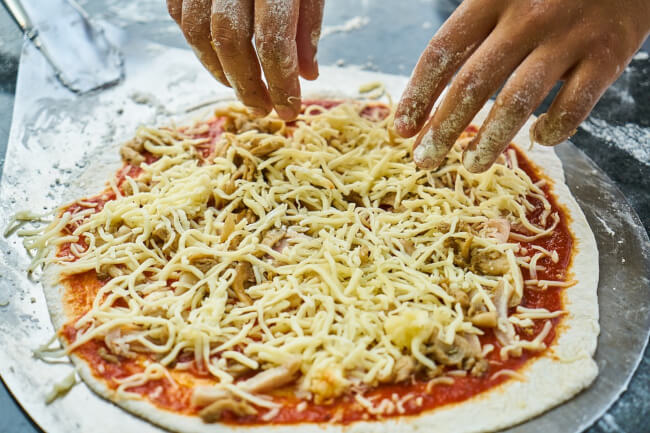
Parmesan, or more specifically, Parmigiano-Reggiano, is an ancient Italian hard cheese with roots tracing back to Roman times. This Protected Designation of Origin (PDO) cheese is meticulously aged for a minimum of 12 months, often much longer, resulting in a granular texture, a deep, complex flavor profile characterized by nutty, salty, and umami notes, and a crystalline crunch.
Its delicate, dry nature dictates its application on pizza: Parmesan should never be subjected to prolonged baking. The intense heat degrades its nuanced flavor and texture, turning it oily and bitter. Instead, it serves as the ultimate finishing cheese. Generously grated or shaved over a hot pizza just before serving, Parmesan’s sharp, savory essence awakens the palate, adding a profound depth of flavor and a salty kick. Dr. Isabella Conti, a professor of Italian culinary arts, emphasizes, "Parmesan is not merely a topping; it is a flavor enhancer, a final flourish that elevates a pizza from good to extraordinary. Its umami richness is a secret weapon." It excels on simpler pizzas where its complex flavor can truly shine: classic cheese pizzas, garlic and olive oil bases, or those adorned with delicate toppings like prosciutto, fresh arugula, thinly sliced tomatoes, or a drizzle of balsamic glaze. When aiming for a blend of cheeses and desiring to infuse a powerful, salty umami into the finished product, Parmesan is the indispensable choice. The challenge of making authentic Parmesan at home is a testament to its artisanal heritage.
Chevre (Goat Cheese): The Adventurous Tang
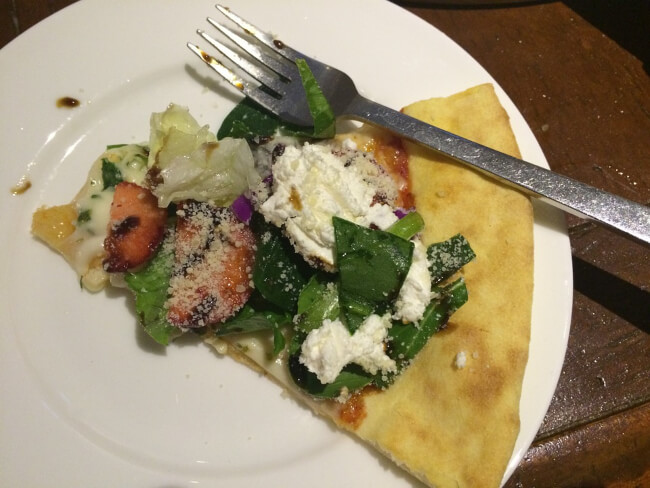
Chevre, the French term for goat cheese, is a fresh, rindless, soft, and creamy cheese distinguished by its strong, tart, and often earthy flavor. Traditionally, goat cheese was not a conventional pizza ingredient, but the boundless adaptability of pizza has led to its increasing integration into contemporary and gourmet recipes. Its unique flavor profile, which intensifies with age, and its distinct textural properties offer an exciting alternative.
Unlike cow’s milk cheeses such as mozzarella or cheddar, chevre does not melt into a stringy mass. Instead, it softens gently when heated, maintaining its shape. For this reason, it is best applied to pizza in small, evenly distributed chunks or crumbles, allowing its tart flavor to permeate without overwhelming. A significant advantage of chevre is its lower lactic acid content, making it a suitable option for individuals with lactose intolerance seeking to enjoy pizza. Chef Pierre Dubois, known for his innovative French-inspired cuisine, remarks, "Chevre on pizza is a revelation for those seeking bold, contrasting flavors. Its tanginess cuts through richness beautifully, offering a vibrant counterpoint." It harmonizes surprisingly well with sweet and savory toppings like caramelized onions, figs, roasted red peppers, peppery arugula, and roasted butternut squash. Chevre appeals to the adventurous palate, transforming a familiar dish into an exciting culinary exploration. Its relatively simple homemade preparation also makes it an accessible option for beginners in cheesemaking.
Gruyere: The Complex Swiss Melting Master

Gruyere, a distinguished Swiss cheese, is celebrated for its complexity and versatility. This aged, firm cheese transitions from a dense, smooth texture to a flakier, more granular consistency as it matures. Its flavor journey is equally intricate, beginning with a full-bodied and fruity character that deepens into rich nutty and earthy undertones, culminating in a soft, lingering finish. Produced exclusively from the milk of cows grazing on the unique pastures of the Gruyere region, its distinct terroir is challenging to replicate.
Gruyere is an exceptional choice for pizza due to its superior melting properties and its ability to impart a rich, savory depth. It melts evenly without excessive blistering, creating a golden, appealing surface. "Gruyere is a chef’s secret weapon for adding sophisticated depth to a pizza," explains food critic Michael Thompson. "Its complex flavor profile means you need fewer, but carefully selected, toppings to let the cheese truly shine." Given its robust flavor, a minimalist approach to toppings is often best. Light sprinklings of smoked sausage, sautéed mushrooms, roasted peppers, thinly sliced smoked ham, or even delicate potato slices allow Gruyere’s character to dominate and elevate the pizza. It is the ideal cheese for those who appreciate a rich, flavorful, and intellectually complex pizza experience. Attempting to craft Gruyere at home is a rewarding endeavor for experienced cheesemakers, reflecting its artisanal heritage.
Camembert: The Gourmet Soft-Ripened Choice
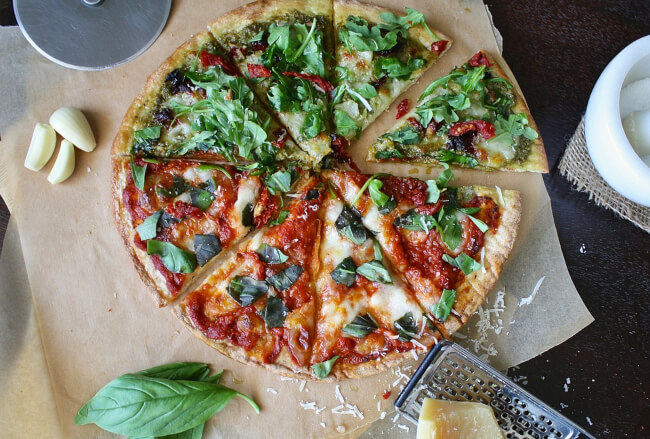
Camembert, a beloved French soft-ripened cheese originating from Normandy, holds the title as one of the most popular white mold cheeses. Characterized by its creamy, luscious interior and bloomy rind, it offers a mild, earthy, and sometimes mushroomy flavor profile. Traditionally paired with crusty bread, fruit, and wine, its foray into pizza might seem unconventional, yet it has found a niche in modern, non-traditional pizza creations.
Camembert is gaining traction among those seeking to infuse their pizzas with an exciting and different gourmet touch. Its unique behavior under heat—softening to a molten, spreadable consistency rather than melting into a thin layer—makes it a standout. For optimal results, a tomato base is often omitted. Instead, the pizza base can be brushed with olive oil, and generous slices or dollops of Camembert are distributed across it. When baked, the cheese transforms into a gloriously rich, gooey layer. This indulgent base pairs exquisitely with complementary flavors such as roasted garlic, sweet cherry tomatoes, peppery arugula, savory prosciutto, sweet caramelized onions, or even unexpected combinations like toasted nuts, a drizzle of honey, and dried cranberries. Camembert is the cheese of choice for the culinary adventurer, offering a creamy, luxurious experience that redefines the traditional pizza landscape. For those eager to experiment, homemade Camembert presents a delightful cheesemaking challenge.
The Science of the Perfect Melt and the Art of Blending

Beyond individual cheese profiles, understanding the science of cheese melt is crucial. The ideal pizza cheese achieves a uniform melt, retains some elasticity (the "stretch"), develops an appealing golden-brown color without burning, and releases minimal oil. These properties are influenced by several factors:
- Moisture Content: Lower moisture cheeses melt more evenly and brown better.
- Fat Content: Fat contributes to flavor, mouthfeel, and browning. Too much can lead to excessive oil pooling.
- Protein Structure: The casein proteins in cheese determine its stretchiness. During heating, these proteins relax and flow.
- pH Level: The acidity of the cheese affects how the proteins interact and melt.
Pizzaiolos often leverage these characteristics by employing cheese blends. A common strategy involves combining low-moisture mozzarella for its stretch and reliable melt with another cheese like cheddar or provolone for added flavor complexity, better browning, or a sharper taste. For instance, a blend of mozzarella, provolone, and a touch of Parmesan offers the best of all worlds: the stretch of mozzarella, the tangy depth of provolone, and the umami kick of Parmesan. This art of blending allows for customized flavor profiles and optimized textural performance, catering to diverse preferences and topping combinations.
Consumer Trends, Culinary Innovation, and Broader Implications
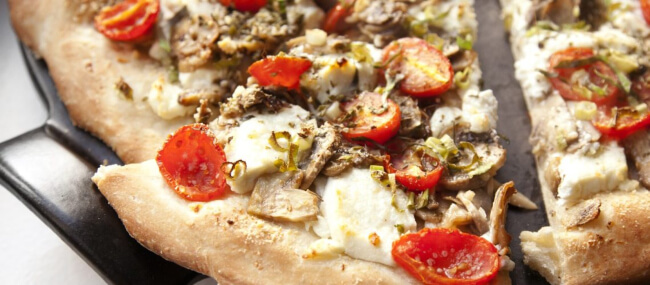
The globalized food landscape has significantly influenced pizza cheese trends. Consumers are increasingly open to exploring cheeses beyond the traditional mozzarella, driven by a growing appreciation for artisanal products and diverse culinary experiences. The rise of gourmet pizzerias and the flourishing DIY food movement, including home cheesemaking, reflect a desire for greater control over ingredients and an embrace of culinary creativity. This shift has implications for the dairy industry, which must adapt to cater to a broader demand for specialized cheese types suitable for pizza. It also encourages food service establishments to innovate their menus, offering unique cheese combinations that appeal to adventurous palates.
In conclusion, the selection of cheese for pizza is far from a trivial decision; it is a critical determinant of the dish’s success. From the classic allure of mozzarella to the bold statement of goat cheese or the nuanced complexity of Gruyere, each cheese offers a distinct contribution to the pizza experience. By understanding the unique properties, historical context, and optimal applications of these diverse cheeses, enthusiasts can embark on a journey of culinary discovery, transforming every pizza into a truly extraordinary meal. The ongoing evolution of pizza cheeses underscores the dynamic and ever-expanding world of gastronomy, where tradition meets innovation to continually delight palates worldwide.


