
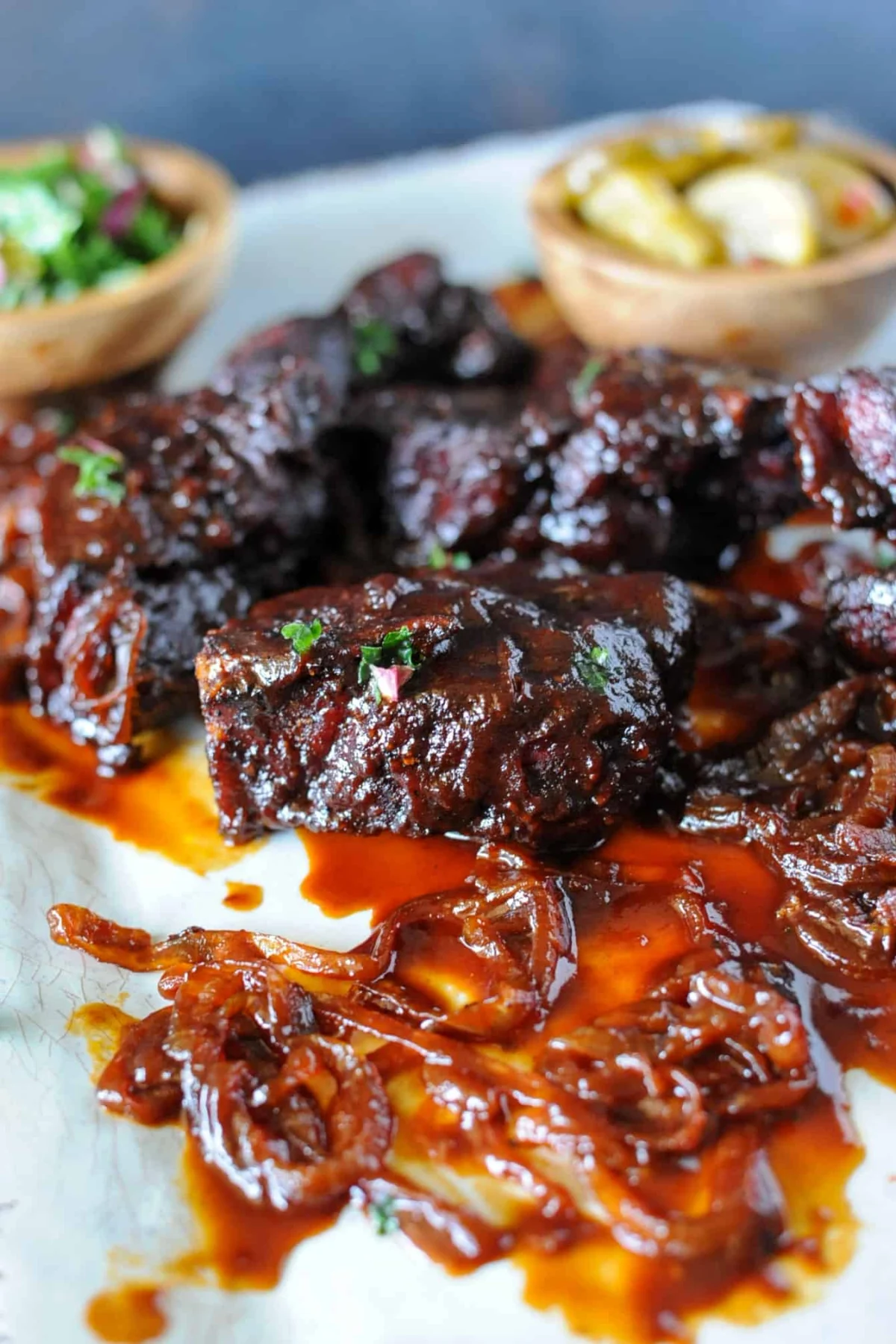
Country-style pork ribs, often overlooked at the meat counter due to their humble appearance and affordability, are transformed into a culinary masterpiece through a sophisticated yet accessible two-phase cooking method. This approach, championed by pitmasters and home cooks alike, guarantees fork-tender, succulently saucy results, effectively banishing the specter of dry, chewy ribs. The process involves an initial low-and-slow smoking period to develop a rich, flavorful bark, followed by a braising phase in a foil pan with aromatics and barbecue sauce to achieve unparalleled tenderness. This technique is adaptable to a variety of grilling and smoking equipment, including pellet grills, traditional smokers, charcoal grills, and even gas grills, making gourmet barbecue achievable for a wide audience.
A Culinary Heritage and Modern Adaptation
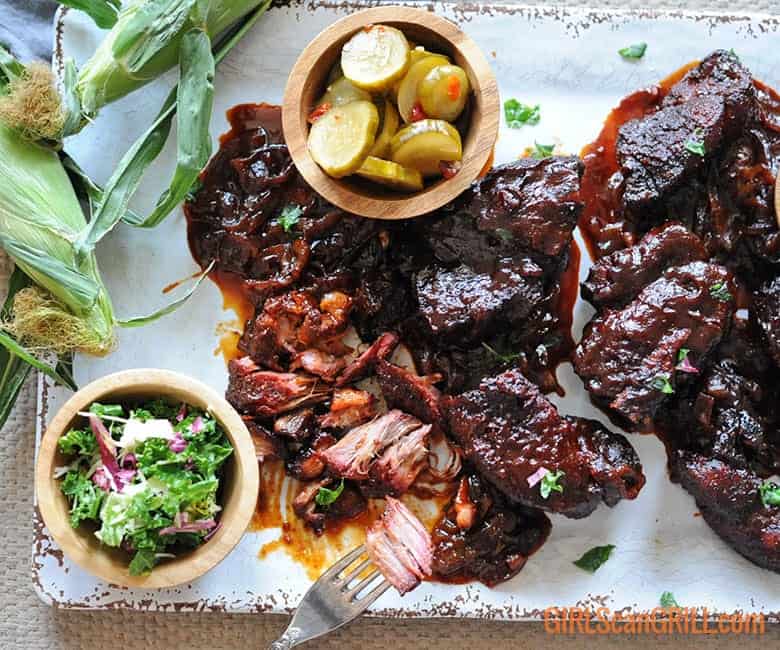
The roots of this beloved dish can be traced back to simpler, cherished family recipes. As the author recalls, childhood barbecues often featured country-style ribs simmered in a slow cooker with barbecue sauce and onions. While this method yielded tender results, it lacked the complex flavor profile imparted by smoke. This modern adaptation bridges the gap, honoring the nostalgic comfort of the original while elevating it to true barbecue status. The core principle remains the same: slow cooking to break down connective tissues and render fat, resulting in exceptionally tender meat. However, the incorporation of smoking introduces a depth of flavor that is synonymous with authentic barbecue. This innovative approach to a classic cut underscores the ongoing evolution of barbecue techniques, blending tradition with contemporary culinary science.
Understanding the Cut: What Makes Country-Style Ribs Unique
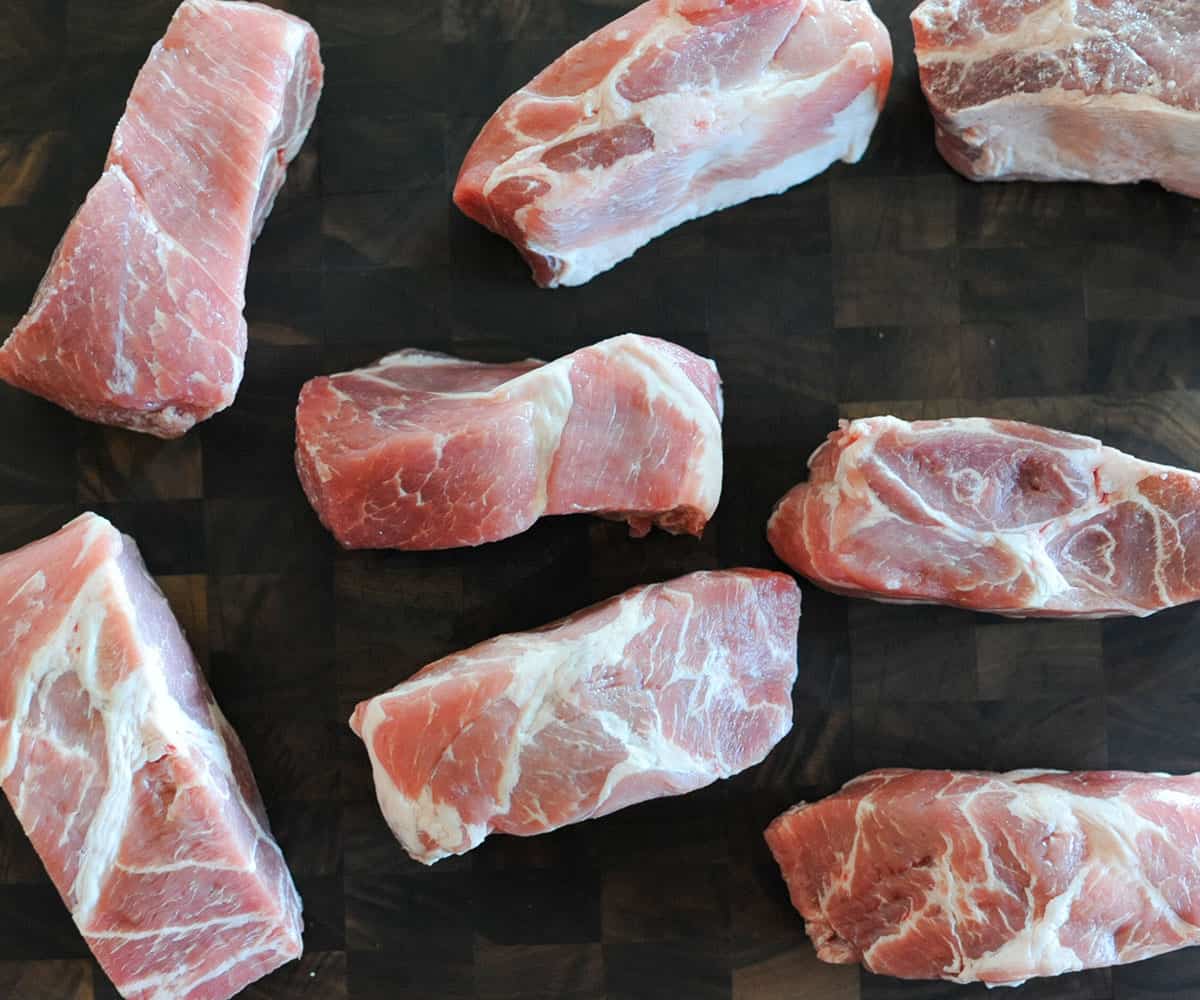
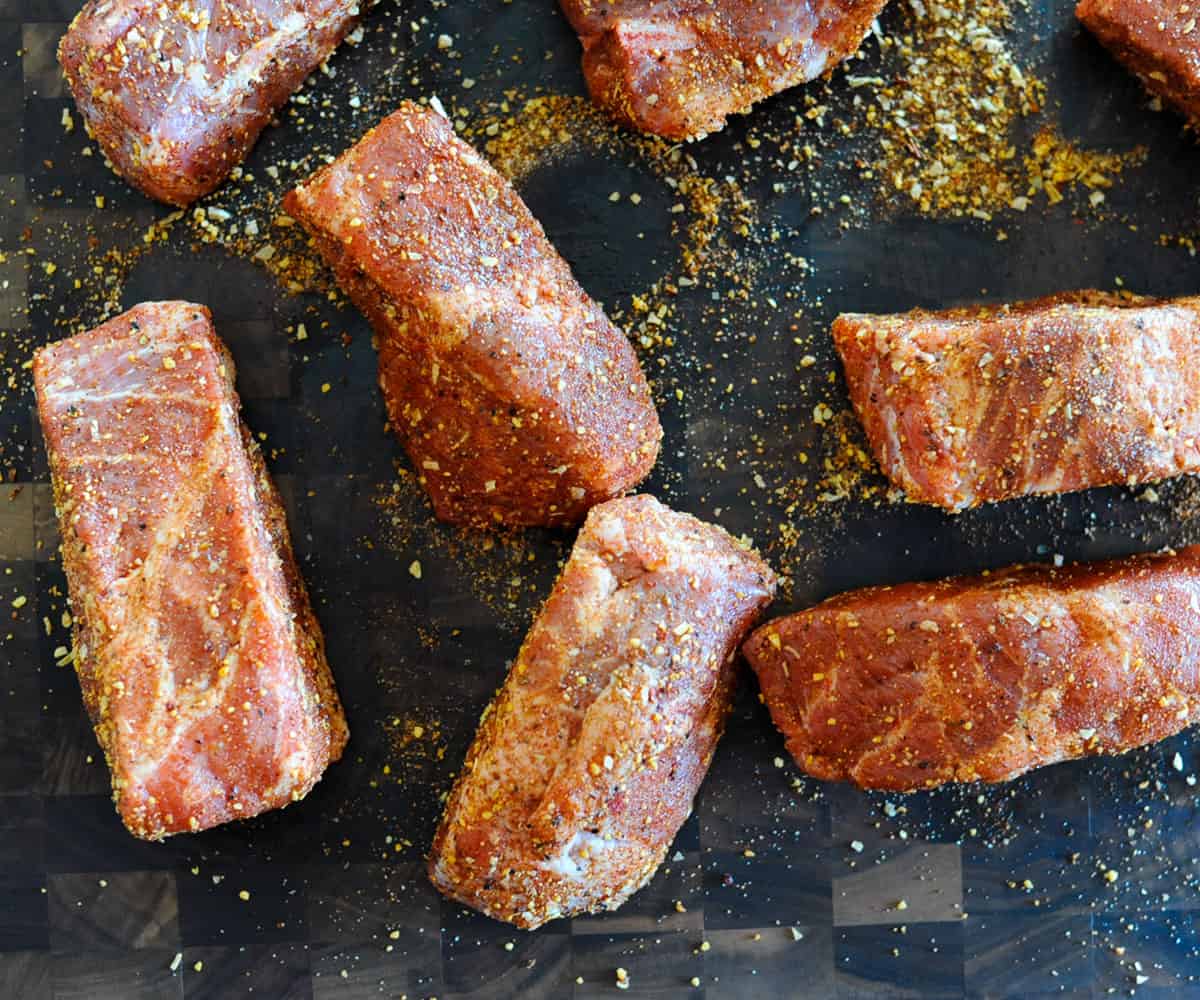
To fully appreciate this recipe, it’s essential to understand the nature of country-style pork ribs. They are distinct from baby back and spare ribs, which are typically used in competitive barbecue circuits and require different cooking methods. Country-style ribs are actually cut from the pork shoulder (also known as pork butt) near the loin end. This prime location imbues the meat with abundant marbling, the intramuscular fat that is key to achieving that coveted fall-apart tenderness.

Butchers typically prepare country-style ribs by trimming them into thick, manageable portions, usually between one and two inches. When selecting ribs, visual inspection of the marbling is crucial. Cuts with more visible fat and marbling will yield the most tender results, especially when cooked to higher internal temperatures. Conversely, leaner cuts, or those without bones, require more careful monitoring to prevent drying out. For consistent cooking, it’s advisable to choose packages where the ribs are of similar size. This attention to detail in selecting the right cut lays the groundwork for a successful barbecue experience.
The Two-Phase Cooking Process: A Symphony of Smoke and Braise
The method employed for these country-style pork ribs is a testament to the power of a well-executed two-phase cooking strategy.
Phase 1: The Art of the Smoke and Bark
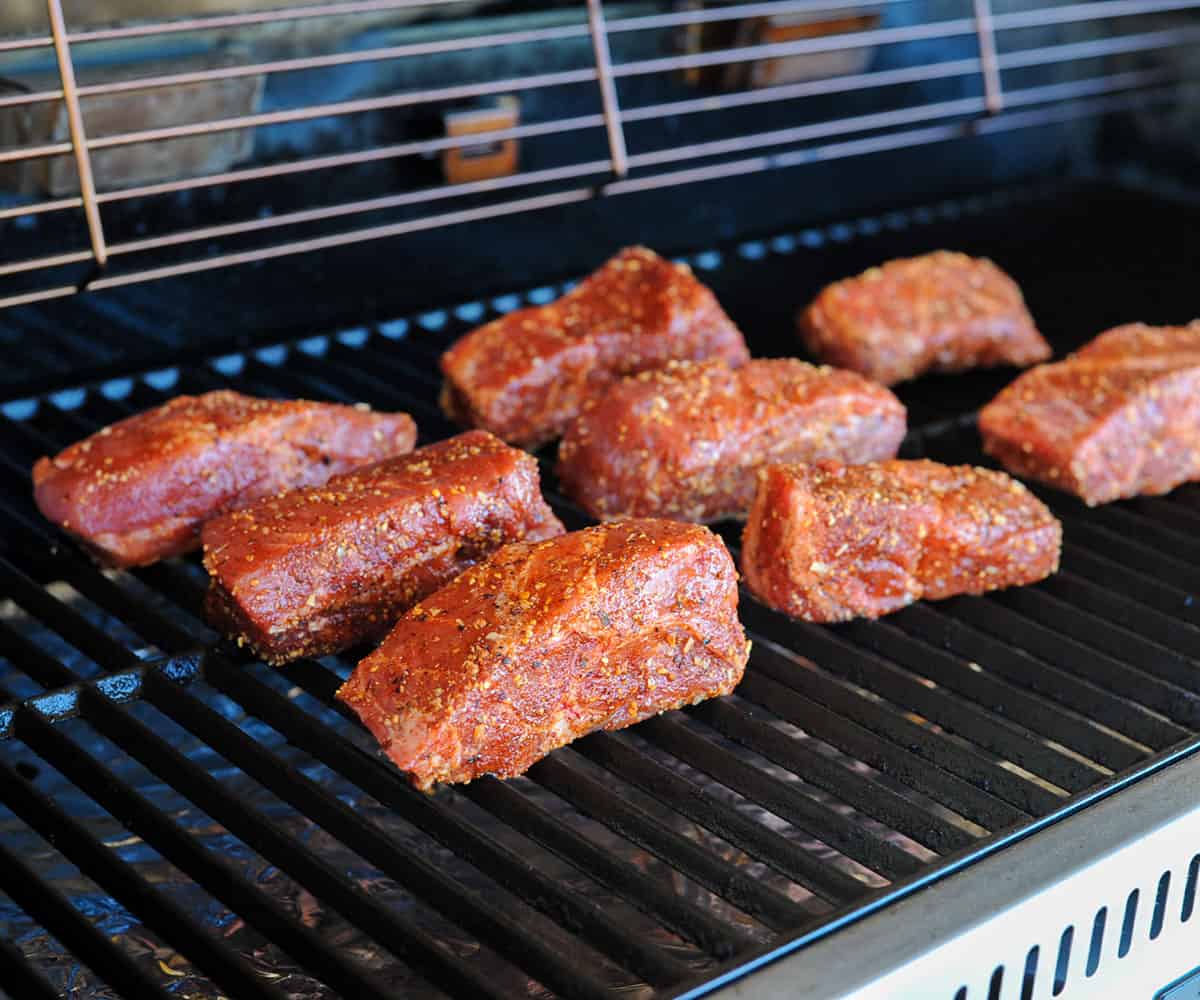
The initial stage focuses on infusing the ribs with smoke and developing a flavorful exterior crust, known as the bark. This is achieved by smoking the ribs at a low temperature, typically around 250°F (121°C). The choice of wood pellets or chips plays a significant role in the final flavor profile. Hickory, pecan, and apple woods are highly recommended for pork due to their ability to complement the meat’s natural sweetness. Oak and cherry woods also serve as excellent alternatives.
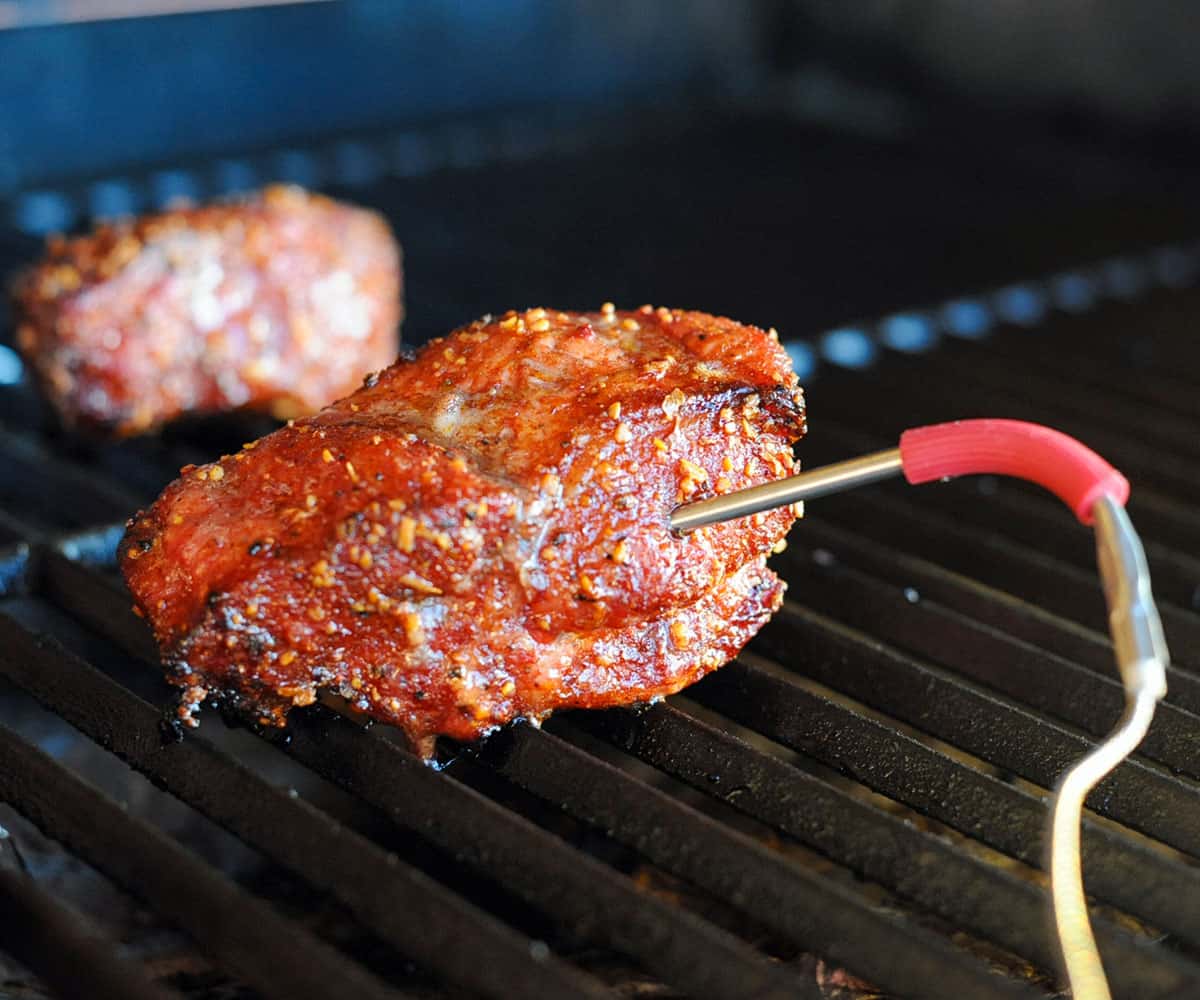
The smoking process typically lasts for approximately three hours. During this time, the meat undergoes the "stall," a period where its internal temperature plateaus. This is a natural phenomenon as moisture evaporates from the surface, cooling the meat. The goal of this phase is not to cook the ribs to their final tenderness but to build the foundation of flavor and texture. By the end of the three hours, the ribs should have developed a rich, mahogany-colored bark, and the internal temperature will likely be around 170°F (77°C). This visual cue of a well-formed bark is often more important than hitting an exact temperature, as grilling conditions can vary.
Phase 2: The Braising for Ultimate Tenderness
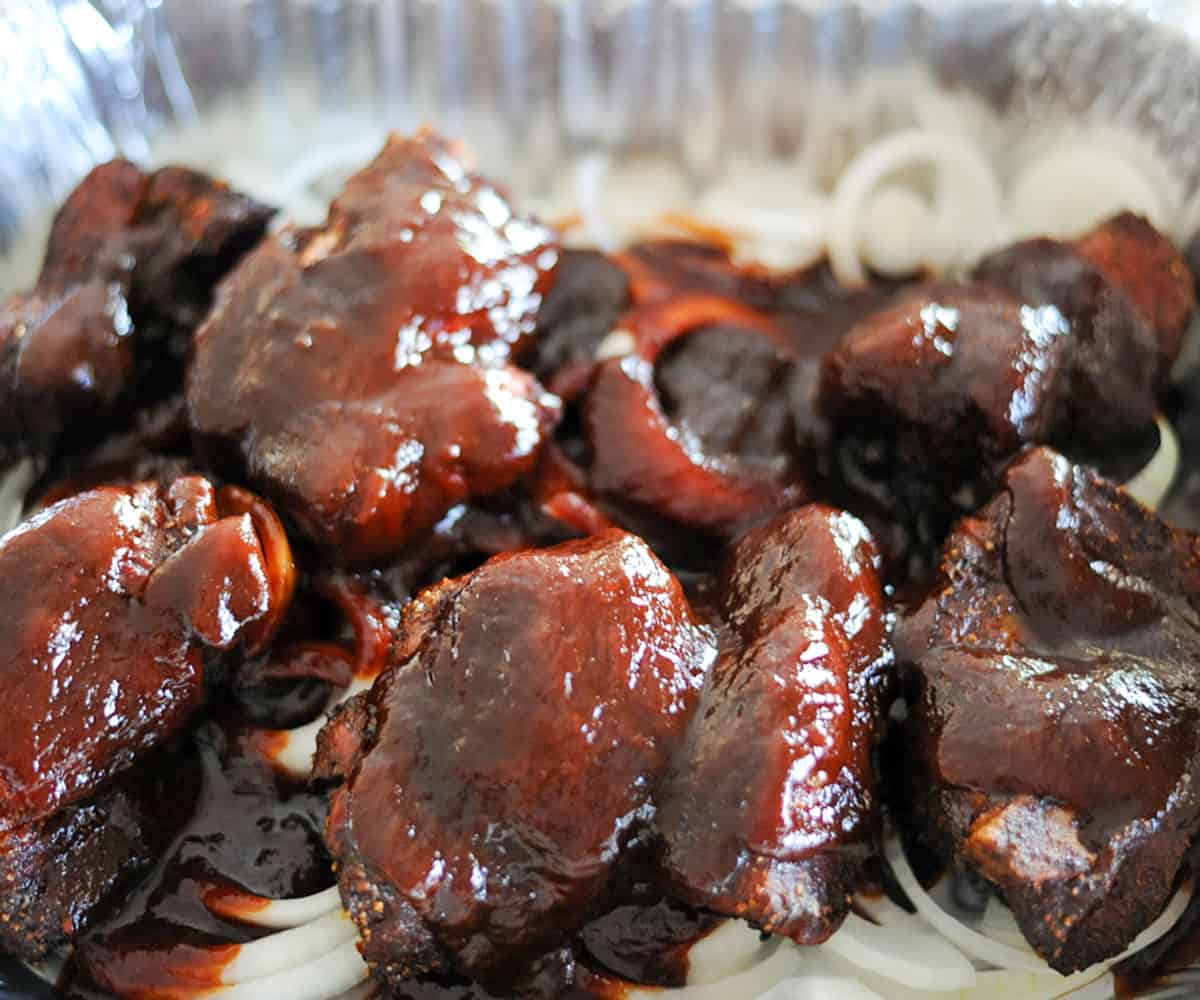
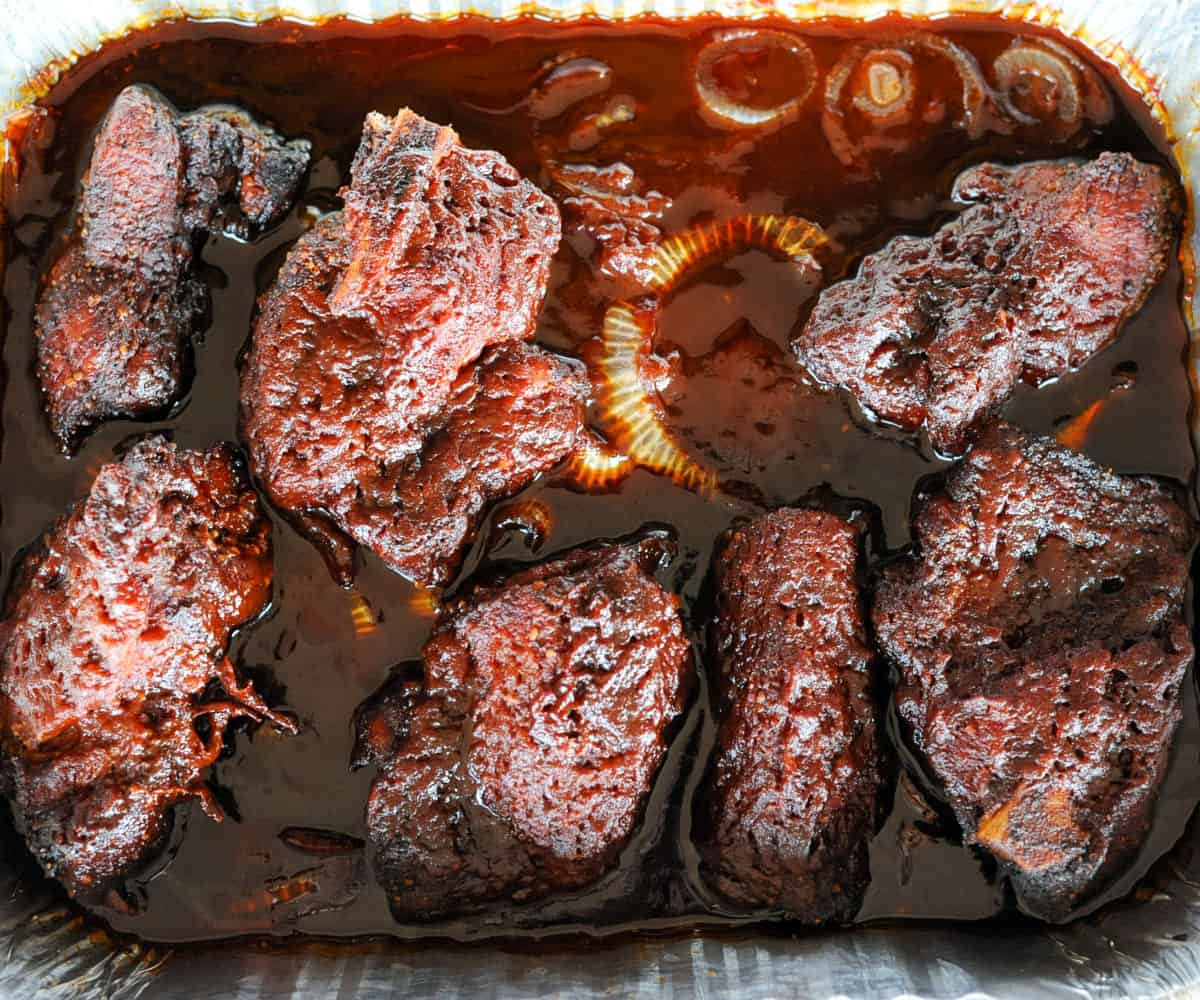
Following the smoking phase, the ribs enter the braising stage, where they are submerged in a flavorful liquid to achieve their signature fall-apart texture. This is where the recipe draws inspiration from its slow-cooker origins. The smoked ribs are transferred to an aluminum pan, layered over sliced yellow onions, and then generously coated with a bottle of barbecue sauce. The pan is then tightly sealed with foil, creating a steamy, moist environment within the grill or smoker.
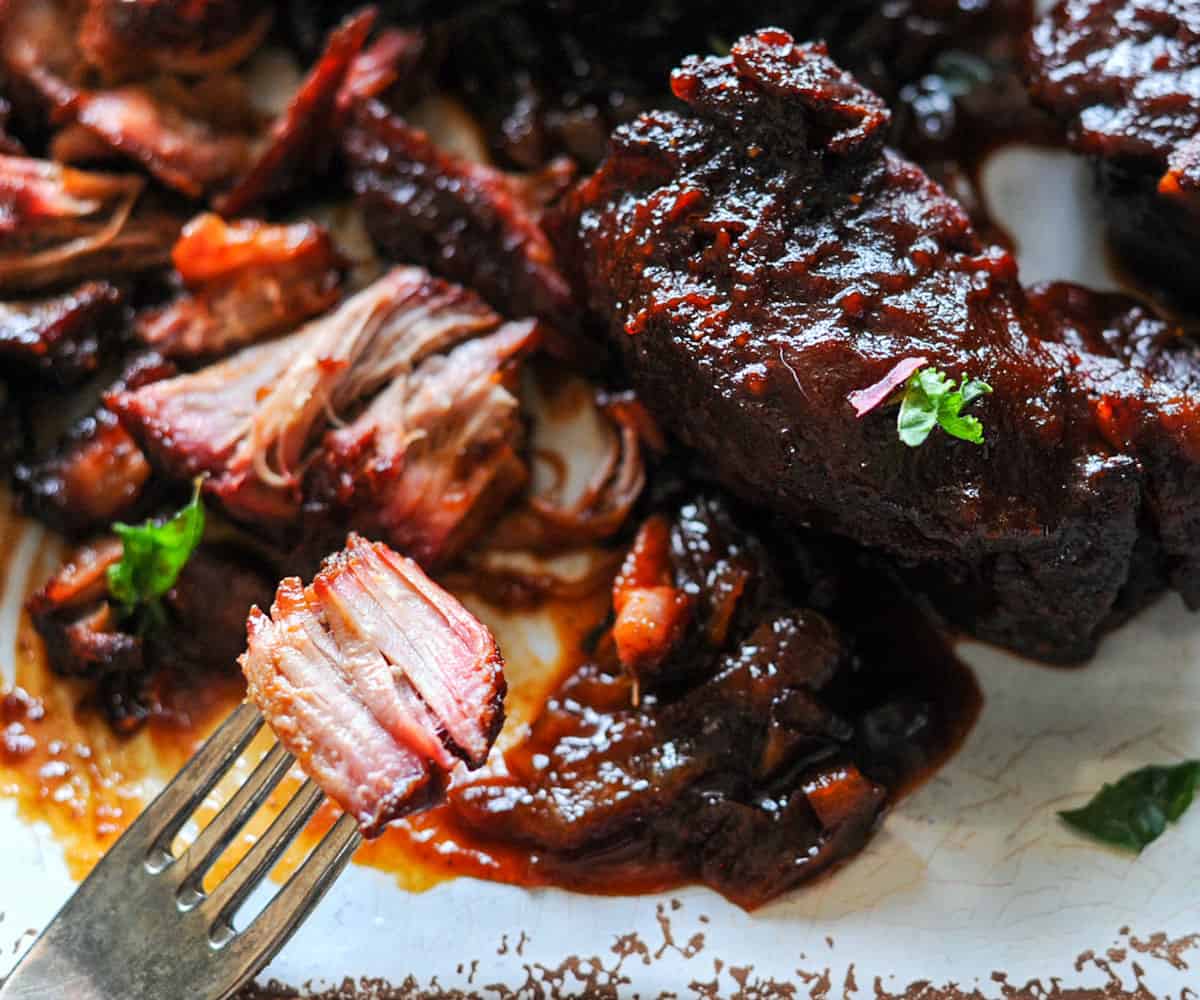
This braising process allows the connective tissues within the meat to break down further, rendering the fat and collagen into gelatin. This transformation is what yields the incredibly tender, melt-in-your-mouth texture characteristic of perfectly cooked country-style ribs. The onions soften and caramelize, adding another layer of sweetness and depth to the sauce, while the barbecue sauce infuses the meat with its tangy, savory notes.
Achieving Perfect Doneness: Temperature is Key
While visual cues like the bark are important, internal temperature is the most reliable indicator of doneness for country-style pork ribs. Although pork is technically safe to consume at an internal temperature of 145°F (63°C), this is far too low for ribs to become tender. The key to achieving the desired texture lies in cooking the ribs well past this safe minimum to allow for the breakdown of collagen.
For ribs with a slight chew, a target internal temperature of 195°F to 200°F (90°C to 93°C) is recommended. This temperature range ensures that the collagen has begun to render, providing a pleasant tenderness without becoming mushy.
However, for the ultimate fall-apart, fork-tender experience that characterizes this recipe, the ribs should be cooked to an internal temperature of 205°F to 210°F (96°C to 99°C). At these higher temperatures, the fat has fully rendered, and the connective tissues have essentially dissolved, resulting in an exceptionally succulent and yielding texture. It is important to note that ribs with higher marbling will better withstand these higher temperatures without drying out. Conversely, leaner cuts or boneless ribs may benefit from being pulled at the lower end of the tender range to preserve moisture.
Adaptability Across Grilling Platforms
The beauty of this country-style rib recipe lies in its versatility. The fundamental principles of smoking and braising can be successfully applied across various grilling platforms.
- Pellet Grills and Smokers: These appliances are ideal for this recipe due to their consistent temperature control. Simply set the desired temperature (250°F/121°C) and let the grill maintain it throughout the smoking phase.
- Charcoal Grills: For charcoal enthusiasts, a two-zone fire setup is essential. This involves arranging the coals on one side of the grill, creating a direct heat zone and an indirect heat zone. Wood chunks or chips should be placed on the coals to generate smoke. The ribs are then placed in the indirect zone, away from the direct heat, to maintain the target smoking temperature.
- Gas Grills: Gas grills can also be adapted for smoking. This typically involves creating a wood chip foil pouch, which is placed directly over a burner. The other burners are used to control the ambient temperature of the grill, aiming for a consistent 250°F (121°C) in the indirect cooking area.
Regardless of the equipment used, the goal remains the same: to create a stable, indirect heat environment that allows for slow cooking and smoke infusion, followed by the moist-heat braising that guarantees tenderness.
Serving and Leftover Suggestions
Once the country-style pork ribs have reached their peak tenderness, they are ready to be served. Transfer them to a platter and generously ladle the rich, smoky barbecue sauce over the top. The braised onions should also be spooned over the ribs, adding their sweet, savory notes.
Unlike their thinner counterparts, baby back and St. Louis-style ribs, country-style ribs are best enjoyed with a knife and fork due to their tender, yielding texture. Classic barbecue accompaniments such as creamy coleslaw, baked beans, mac and cheese, or cheesy grits provide excellent pairings. Cornbread is also a popular choice, perfect for soaking up any excess sauce.
Leftovers, if any, are a delightful bonus. It is generally recommended to plan for approximately half a pound of ribs per person, translating to about two ribs. Leftover ribs can be transformed into mouthwatering sandwiches. The tender meat can be pulled apart, tossed with the remaining barbecue sauce and onions, and piled high on a toasted bun. This makes for a fantastic pulled pork-style sandwich, offering a different but equally satisfying way to enjoy this flavorful cut.
Storage Guidelines
Proper storage ensures the longevity and quality of your delicious smoked ribs. Refrigerated leftovers will remain fresh for three to five days when stored in an airtight container. For longer storage, the ribs can be frozen for up to six months in a well-sealed container or freezer bag. Thawing in the refrigerator overnight is the recommended method before reheating.
Frequently Asked Questions
-
Are country-style ribs the same as boneless pork ribs?
Country-style ribs are cut from the pork shoulder and can be purchased with or without bones. While "boneless pork ribs" can sometimes refer to other cuts with bones removed, it most commonly refers to boneless country-style ribs. -
How many ribs should I prepare per person?
Each country-style rib typically weighs around a quarter pound. Therefore, planning for two ribs per person, totaling about half a pound, is a standard serving size. -
How long does it take to smoke country-style pork ribs?
A typical batch of four pounds of country-style ribs takes approximately five hours in total when smoked at 250°F (121°C). This includes about three hours for smoking to develop the bark, followed by 1.5 to 2 hours for braising in the foil pan with onions and barbecue sauce.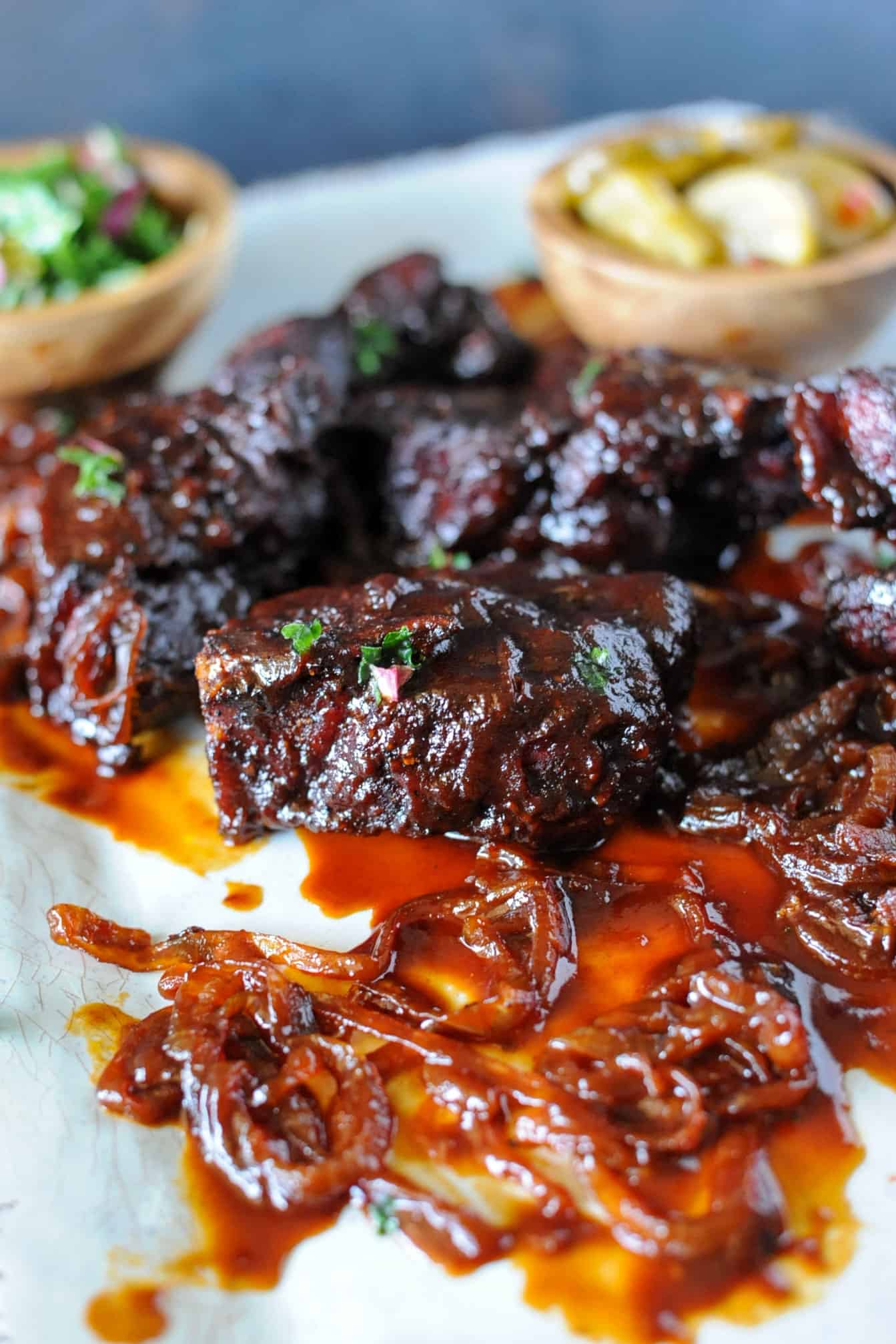
-
Should country-style ribs be chewy or fall-apart tender?
Both textures are acceptable and depend on personal preference. For a slight chew, remove the ribs when the internal temperature reaches 195°F-200°F (90°C-93°C). For a fully fall-apart, fork-tender consistency, aim for 205°F-210°F (96°C-99°C). Ribs with good marbling are best suited for the higher temperature range. -
Can you grill country-style ribs instead of smoking them?
Yes, you can grill country-style ribs, though the smoky flavor may be less pronounced. Cook them over indirect heat on a two-zone grill at 250°F (121°C). Afterward, finish them by braising in a foil pan with onions and barbecue sauce until they reach your desired internal temperature. -
How much BBQ sauce do I need for the braise?
A standard 18-ounce bottle of barbecue sauce is generally sufficient to coat and braise about 4 pounds of ribs along with a sliced onion. You can use more if you prefer a saucier finish for serving.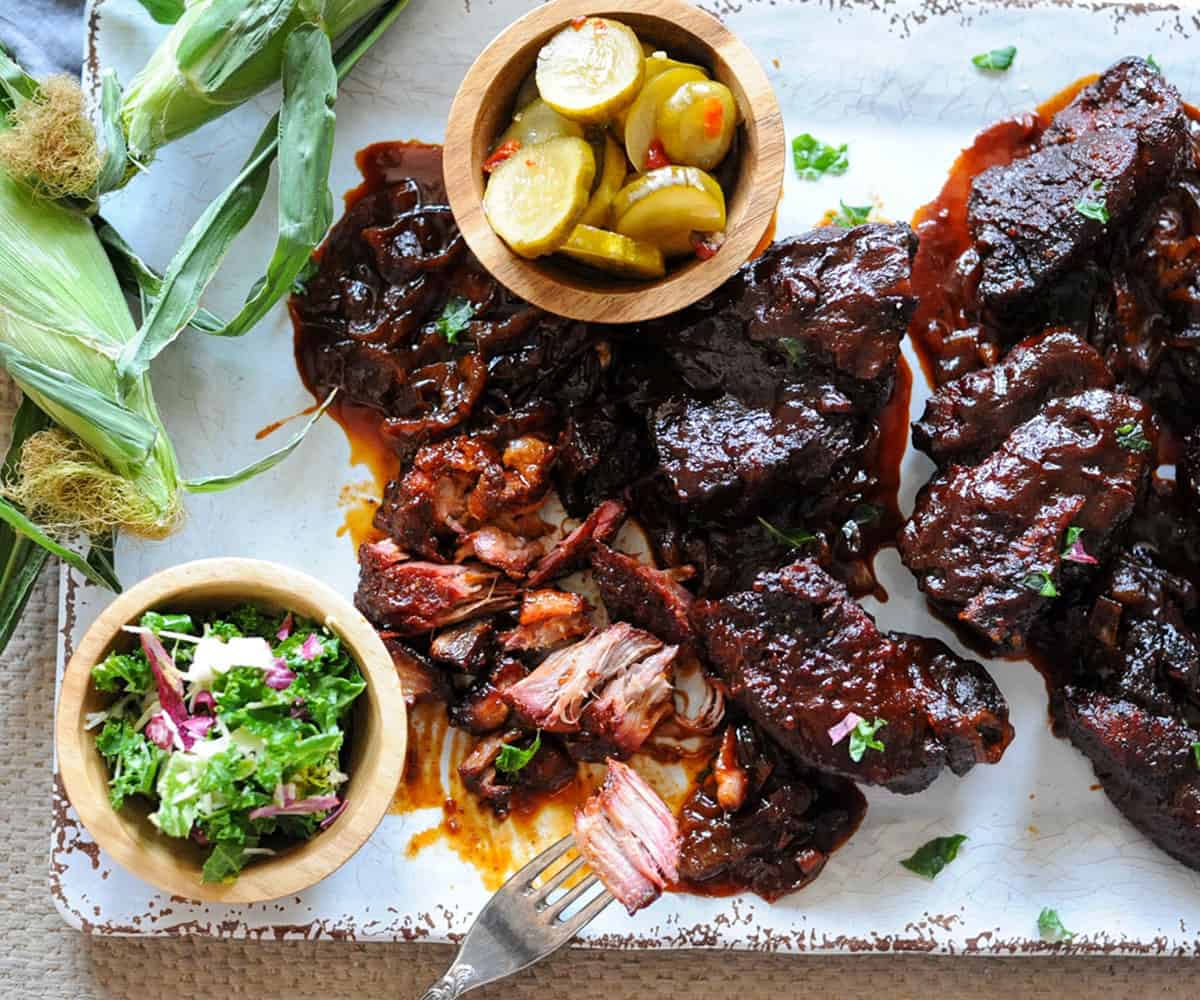
-
Can you adapt this recipe for the oven?
This recipe can be adapted for oven cooking, although the characteristic smoky flavor will be absent. Set your oven to 250°F (121°C). Brown the ribs on all sides on a rack over a rimmed sheet pan. Then, finish them in a covered foil pan or a 13×9 inch pan, following the braising method described for grilling.


