
The arrival of peak summer marks a significant period for both the agricultural sector and the culinary world as the blackberry harvest reaches its zenith. This seasonal transition brings the Rubus fruticosus, or common blackberry, to the forefront of domestic kitchens and commercial markets alike. Central to this seasonal shift is the blackberry crisp, a dessert that exemplifies the intersection of traditional foraging practices and modern pastry science. Characterized by its dual texture—a viscous, tart-sweet fruit base and a structural, oat-heavy topping—this dish serves as a primary vehicle for the utilization of both wild and cultivated berries.
The Agricultural and Economic Context of the Blackberry Harvest
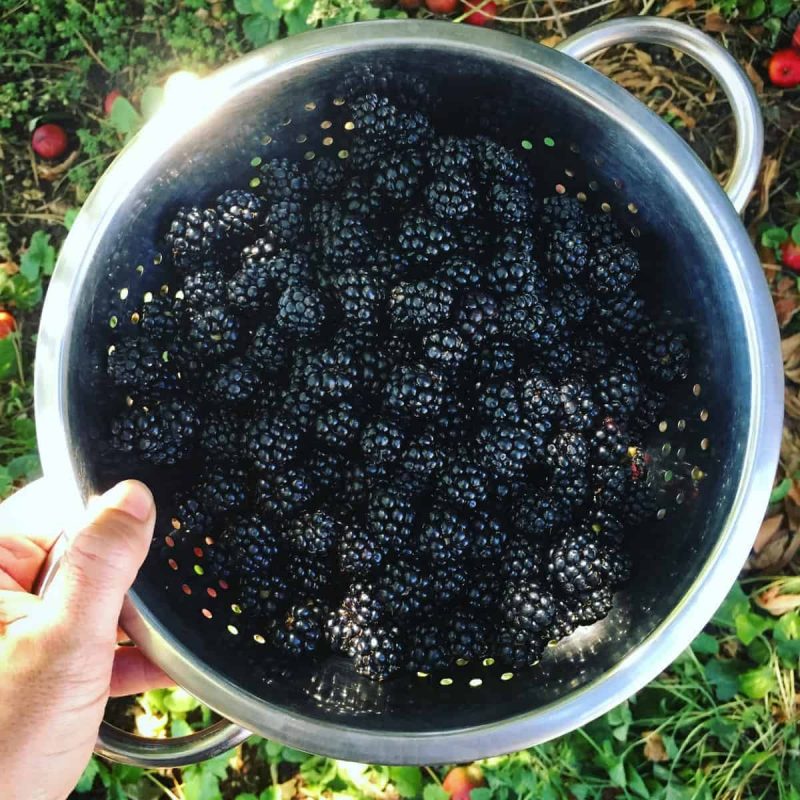
The blackberry industry represents a vital segment of the global berry market. In the United States, production is concentrated in the Pacific Northwest, with Oregon consistently ranking as the nation’s top producer of blackberries intended for processing. According to agricultural data from the USDA, the harvest typically spans from late June through August, depending on the specific cultivar and regional climate conditions.
The economic impact of the blackberry is bolstered by its versatility. While fresh-market berries command a premium price due to their highly perishable nature, a significant portion of the annual yield is diverted to the frozen food sector. This availability allows for the year-round production of desserts like the blackberry crisp, though culinary experts maintain that the peak flavor profile is achieved using sun-ripened fruit harvested during the "slow energy" days of mid-summer.
The Historical Evolution of the Fruit Crisp
To understand the modern blackberry crisp, one must examine its place in the chronology of Western desserts. The "crisp" is a relatively recent evolution in the lineage of baked fruit dishes. While the fruit cobbler—distinguished by its biscuit-style or "dropped" dough topping—has roots extending back to early American colonial history, the fruit crisp gained significant prominence during the 20th century.
Food historians often link the rise of the oat-based crisp to the era of World War II. During this period, strict rationing of sugar, butter, and white flour necessitated more resourceful baking methods. The use of rolled oats as a primary structural element in the topping provided a solution that required less refined flour and fat than a traditional double-crust pie. Over time, what began as a wartime necessity evolved into a preferred culinary style, valued for its textural contrast and ease of preparation.
Nutritional Profile and Health Implications
Beyond its role as a comfort food, the blackberry crisp incorporates ingredients that offer substantial nutritional value. Blackberries are recognized as a "superfood" due to their high concentration of anthocyanins, the pigments responsible for their deep purple hue. These compounds serve as powerful antioxidants.
Statistically, one cup of raw blackberries contains:

- Approximately 62 calories.
- 7.6 grams of dietary fiber (31% of the Daily Value).
- 30.2 milligrams of Vitamin C (50% of the Daily Value).
- 28.5 micrograms of Vitamin K (36% of the Daily Value).
When combined with whole-grain rolled oats in a crisp topping, the dessert provides a source of complex carbohydrates and beta-glucan fiber. While the addition of cane sugar and butter categorizes the dish as a dessert, the inclusion of high-fiber fruit and grains results in a lower glycemic impact compared to refined flour pastries.
The Culinary Science of the Blackberry Crisp
The success of a blackberry crisp relies on specific chemical reactions and structural balances. The process is divided into two distinct components: the fruit maceration and the streusel-style topping.

The Fruit Base
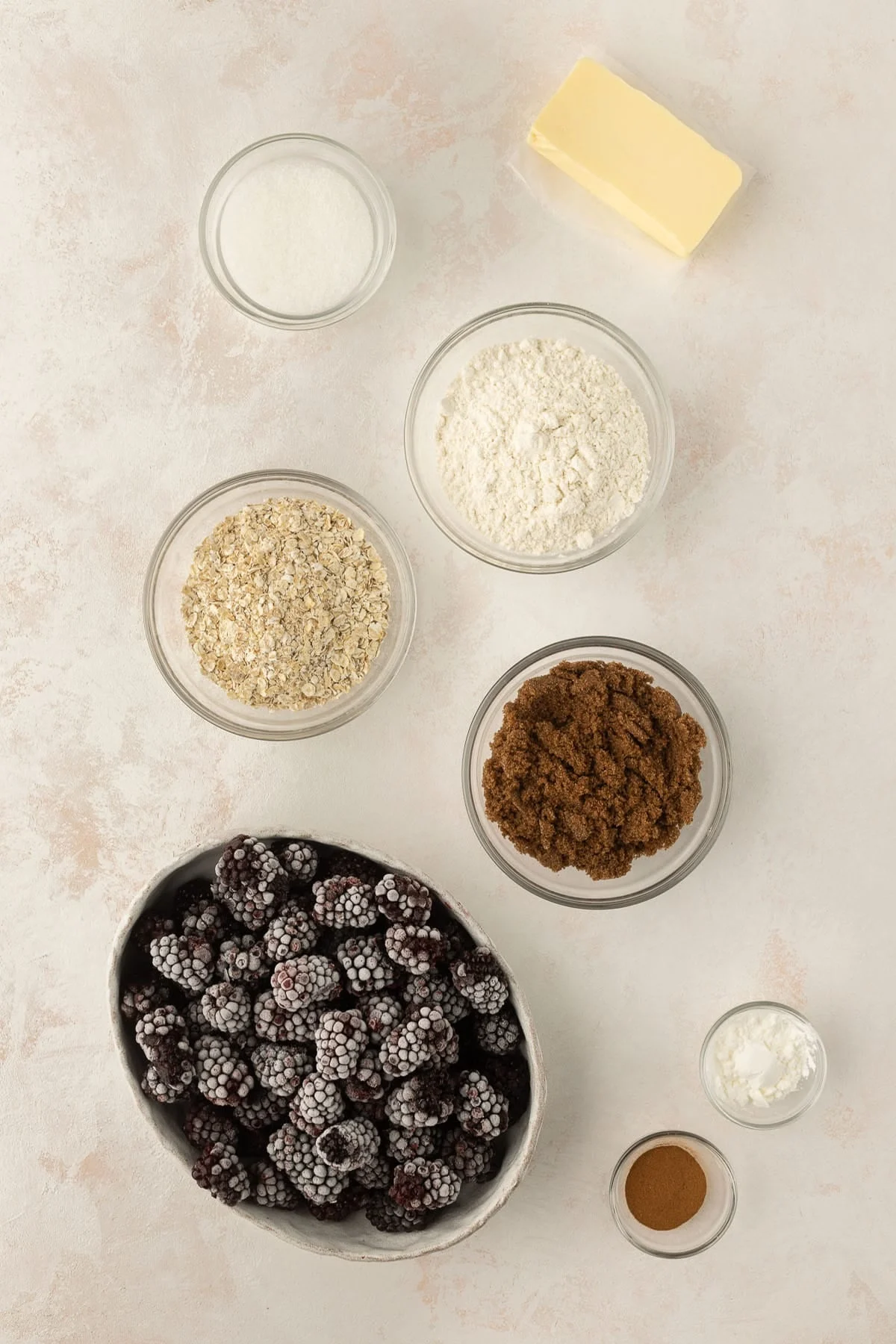
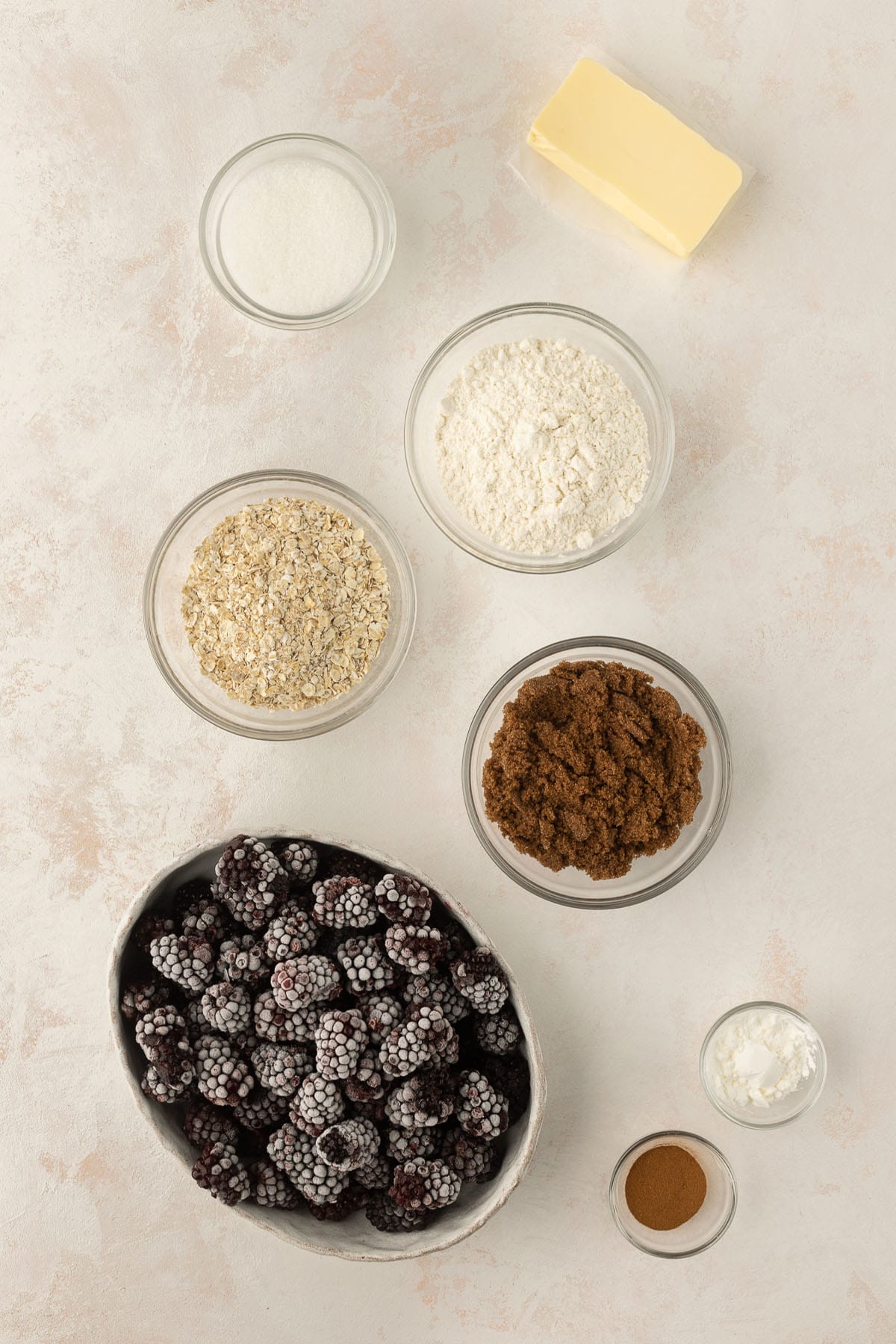
The recipe requires 24 ounces of blackberries. The primary challenge in baking blackberries is managing their high water content. As the berries reach their boiling point (approximately 212°F), the cellular structures break down, releasing juice. To prevent the dessert from becoming "soupy," a thickening agent is required.
Cornstarch (or organic arrowroot powder) is utilized for its gelatinization properties. When heated in the presence of moisture, cornstarch granules swell and burst, creating a translucent, thickened matrix that binds the fruit juices. The addition of cane sugar facilitates a process known as osmosis, drawing out the juices to mix with the starch before the baking process begins.
The Topping Architecture
The crisp topping is a study in fat-flour-grain ratios. The recipe calls for:
- All-purpose flour for structure.
- Brown sugar for sweetness and moisture (due to its molasses content).
- Ground cinnamon for aromatic depth.
- Cold, cubed butter.
- Old-fashioned rolled oats.
The use of cold butter is a critical technical requirement. By rubbing cold butter into the flour and sugar manually, the baker creates small pockets of fat coated in dry ingredients. In the oven, the water in the butter evaporates, creating steam that lifts the topping, while the remaining fat fries the flour and oats to a golden-brown finish. Old-fashioned oats are preferred over quick oats because their larger surface area and intact bran provide a superior "crunch" that does not disintegrate into the fruit layer.
Chronology of Preparation and Baking
The preparation of a standard blackberry crisp follows a precise 50-minute timeline, categorized by 15 minutes of active labor and 35 minutes of passive baking.
- Thermal Calibration: The oven is preheated to 350°F (175°C). This temperature is sufficient to caramelize the sugars in the topping without burning the delicate skins of the berries.
- Fruit Preparation: The 24 ounces of berries are tossed with cornstarch and sugar directly in a 9×13-inch baking pan. This minimizes juice loss that occurs during transfer between bowls.
- Topping Synthesis: Dry ingredients (flour and brown sugar) are combined. Cold butter is integrated until a "large crumb" texture is achieved. Oats are folded in last to maintain their structural integrity.
- Assembly: The topping is scattered evenly over the berries. It is essential not to compress the topping; a loose application allows for better heat circulation and a crispier result.
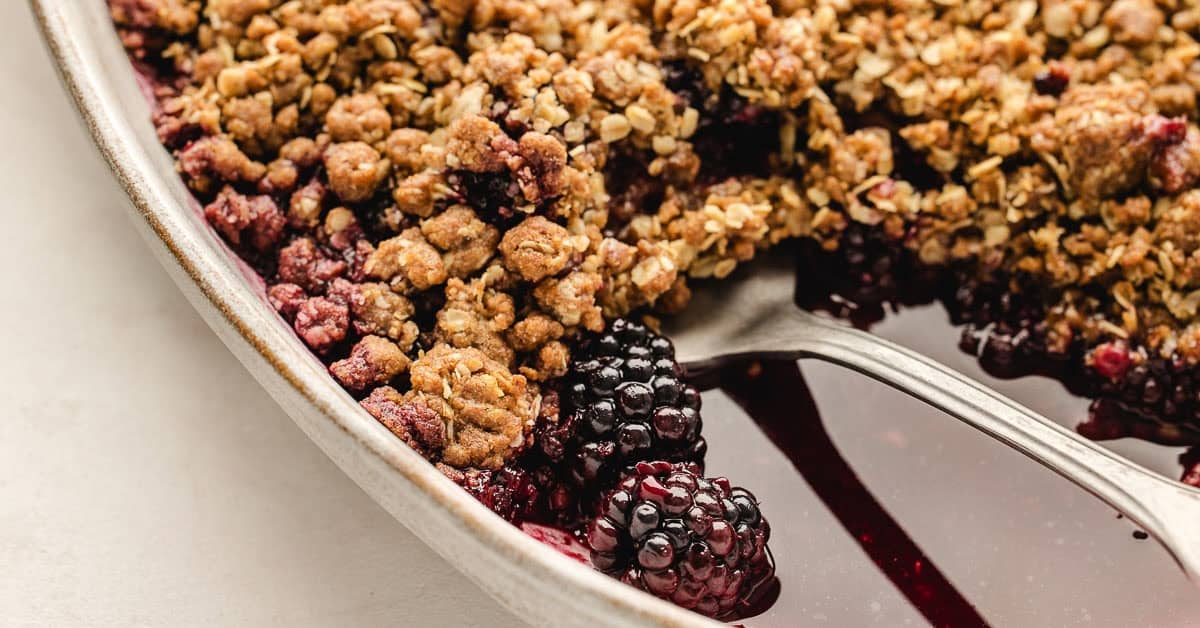
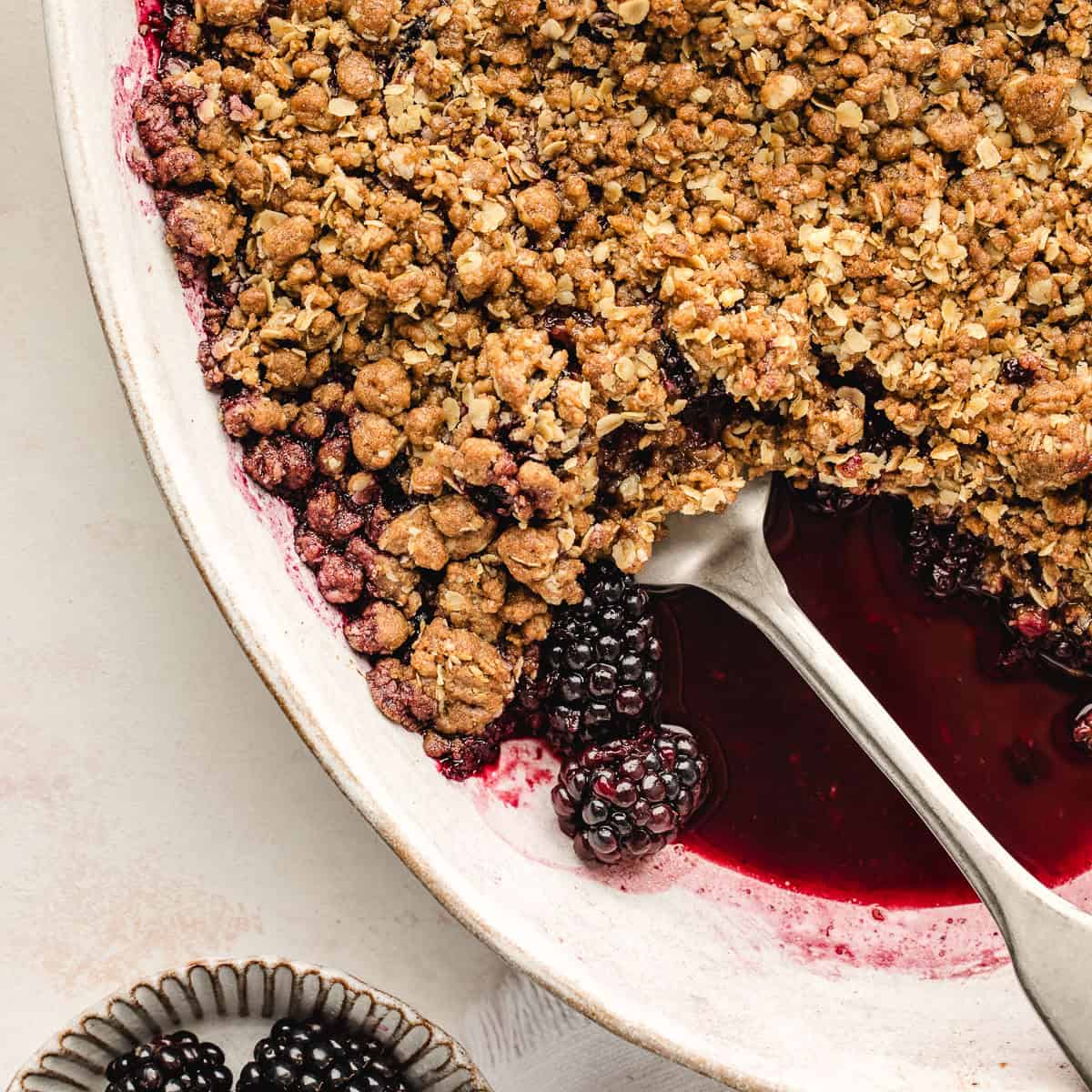
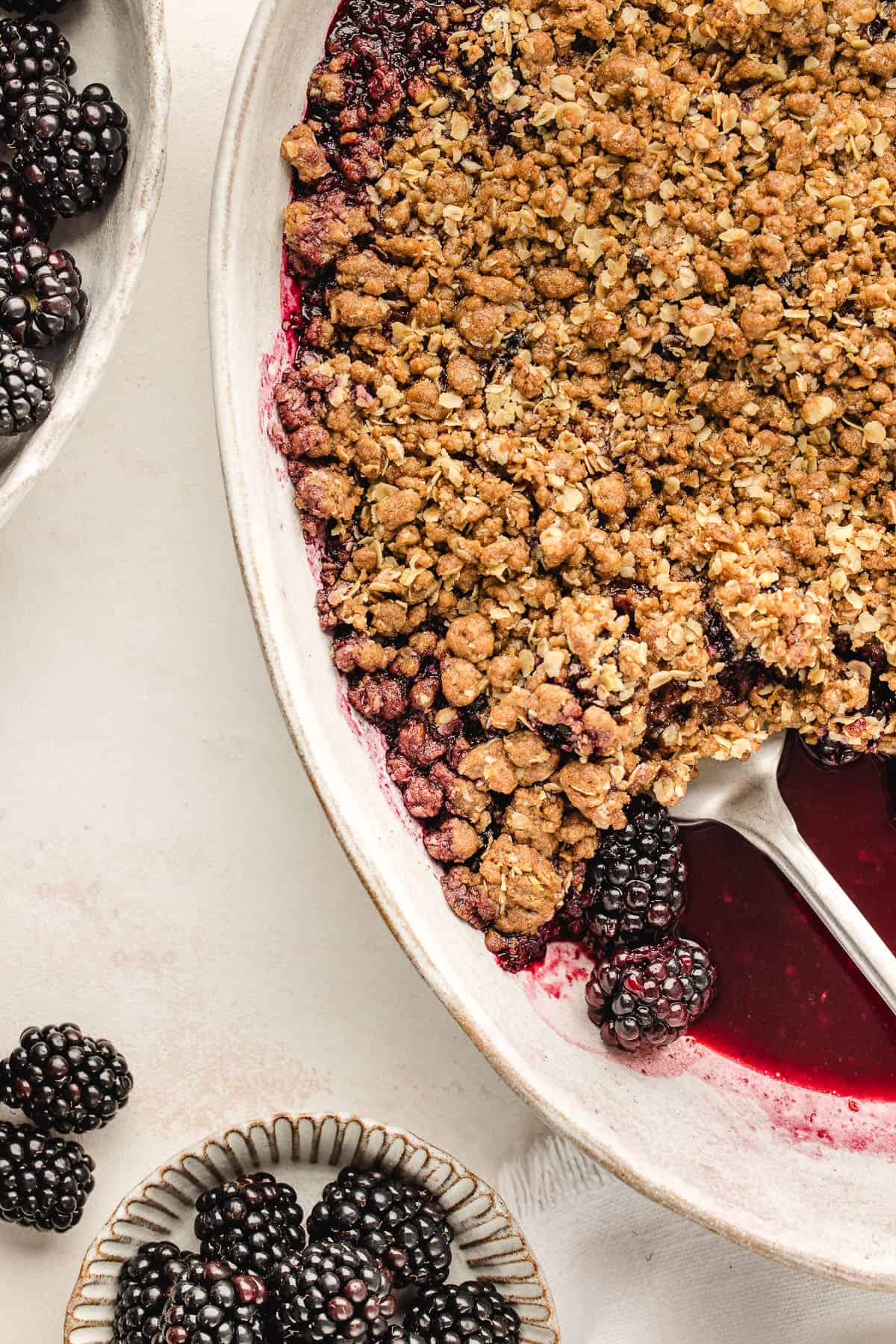
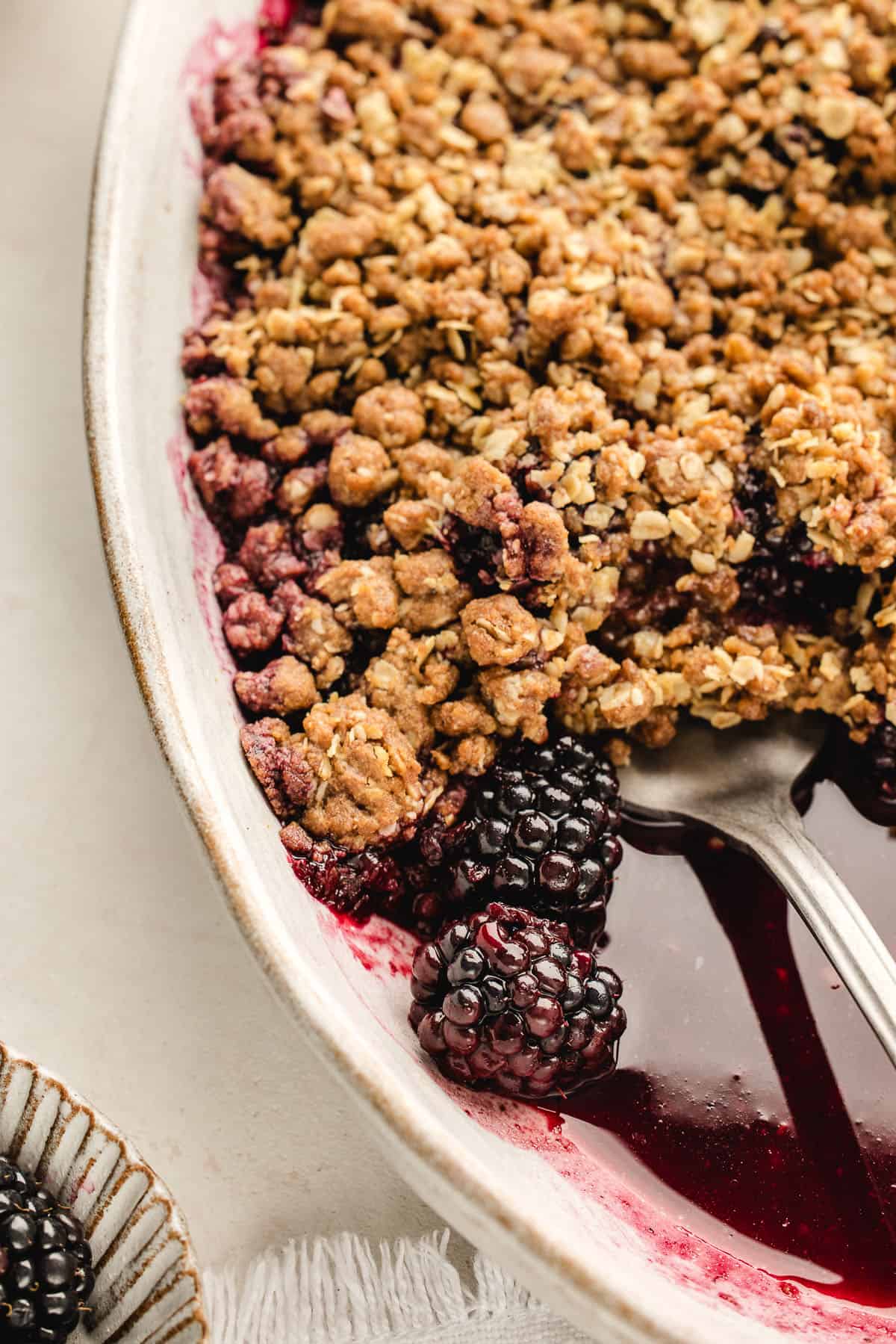
- Baking Phase: The dish is baked on the middle rack for 35 minutes. Industrial standards for "doneness" include a golden-brown hue on the oats and visible bubbling of the purple fruit juice around the edges.
Industry Perspectives and Consumer Trends
The resurgence of the blackberry crisp aligns with the "Grandmacore" and "Cottagecore" aesthetic trends currently influencing consumer behavior. These movements prioritize nostalgia, home-based production, and a return to "slow energy" living. Market analysts have noted an increase in the sale of home baking supplies and foraging equipment as consumers seek out activities that connect them with seasonal cycles.
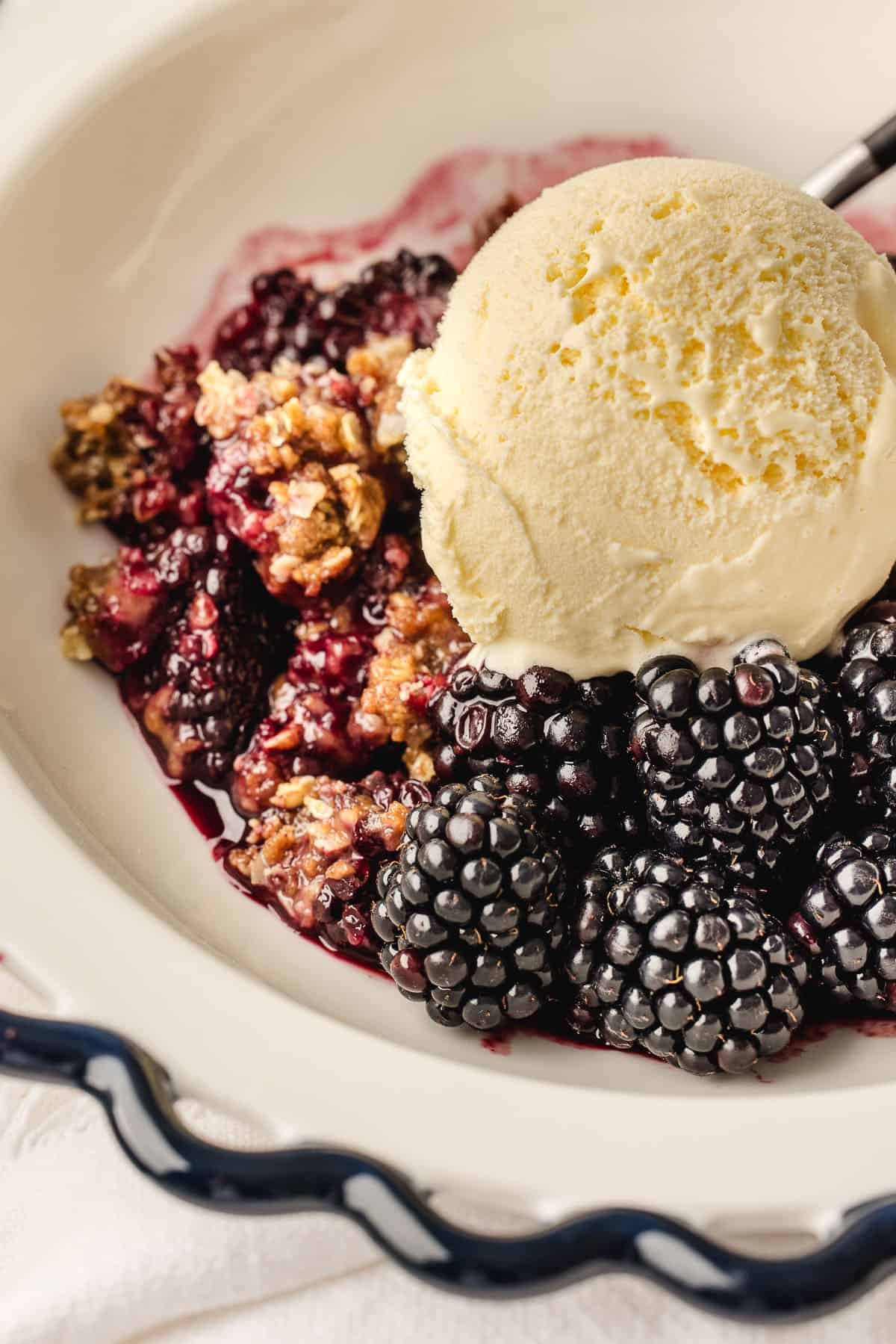
Culinary professionals often highlight the "duality" of the crisp as its strongest selling point. Chef and author testimonials suggest that the dish’s popularity stems from its ability to be served in multiple contexts: warm with vanilla ice cream for a traditional dessert, or chilled with yogurt as a breakfast alternative. This versatility increases the "utilization rate" of the dish in a domestic setting, reducing food waste.
Storage Protocols and Food Safety
Proper storage is essential to maintain the quality of the crisp. Due to the high moisture content of the fruit, the crisp topping will naturally soften over time as it absorbs humidity from the base.
- Refrigeration: The crisp should be stored in an airtight container for no more than four to five days.
- Freezing: For long-term storage, the baked crisp can be frozen, though the texture of the topping may be compromised upon thawing. Alternatively, freezing fresh berries allows for the production of the crisp during the winter months, providing a "warming" seasonal dessert when fresh berries are unavailable.
Broader Impact and Implications
The blackberry crisp is more than a simple dessert; it is a cultural touchstone that reflects broader environmental and social shifts. As climate change affects harvest windows, the ability to forage and preserve wild berries becomes an act of environmental awareness. Furthermore, the simplicity of the recipe makes it an accessible entry point for culinary education, teaching fundamental concepts of thickening agents, fat integration, and seasonal sourcing.
In conclusion, the blackberry crisp remains a staple of the summer season due to its reliable technical results, nutritional benefits, and deep-rooted historical significance. Whether sourced from a commercial producer or foraged from a rural roadside, the blackberry continues to drive a significant portion of summer culinary activity, culminating in a dish that balances the tartness of the wild with the buttery comfort of the domestic kitchen.


