
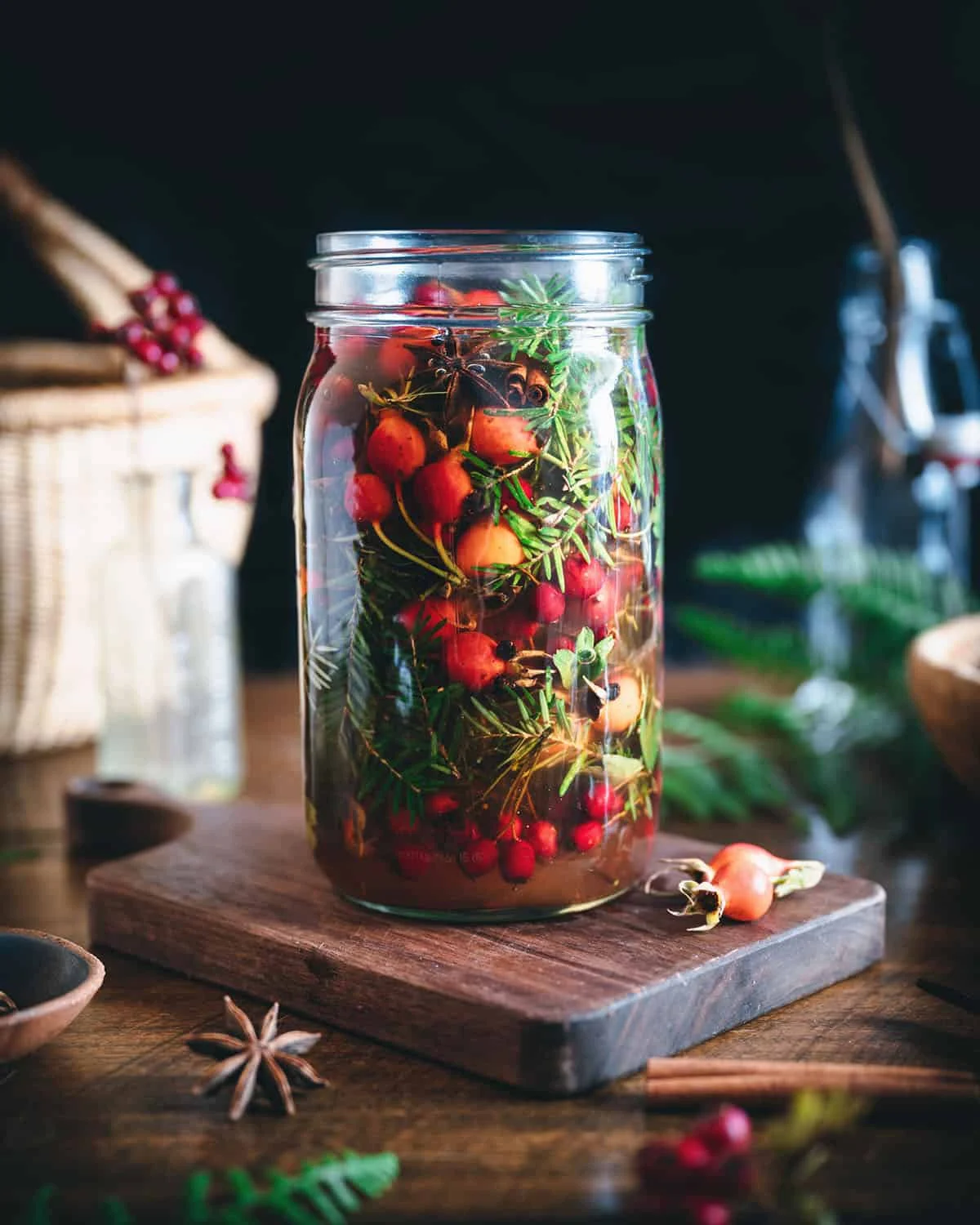
The global herbal medicine market, valued at approximately $165.66 billion in 2022 and projected to grow significantly through 2030, has seen a parallel rise in the popularity of home-based apothecary practices. As consumers increasingly prioritize holistic wellness and self-sufficiency, the demand for specialized botanical tools, high-quality organic herbs, and educational resources has surged. This shift is particularly evident during the holiday season, where the trend toward functional and sustainable gifting has made herbalism-focused items a primary category for gift-givers. Catering to both the novice enthusiast and the veteran practitioner, the selection of appropriate supplies requires an understanding of the botanical supply chain, the importance of non-reactive materials in medicine making, and the current landscape of herbal education.

The Growth of the Home Apothecary and Market Context
The resurgence of interest in traditional botanical medicine is not merely a cultural trend but a documented shift in consumer behavior. Data from the American Botanical Council (ABC) has consistently shown annual increases in herbal supplement sales, reflecting a broader movement toward preventative health. For the home herbalist, this translates to a need for professional-grade raw materials and equipment that can facilitate the creation of tinctures, infusions, salves, and teas.
Historically, the practice of herbalism was a localized endeavor, relying on wild-harvested or garden-grown plants. In the modern era, the "home apothecary" has evolved into a sophisticated setup that integrates traditional wisdom with modern quality standards. This evolution has created a specialized market for vendors who provide certified organic bulk herbs, ensuring that home-prepared remedies are free from pesticides and heavy metals.
Procuring High-Quality Botanical Raw Materials
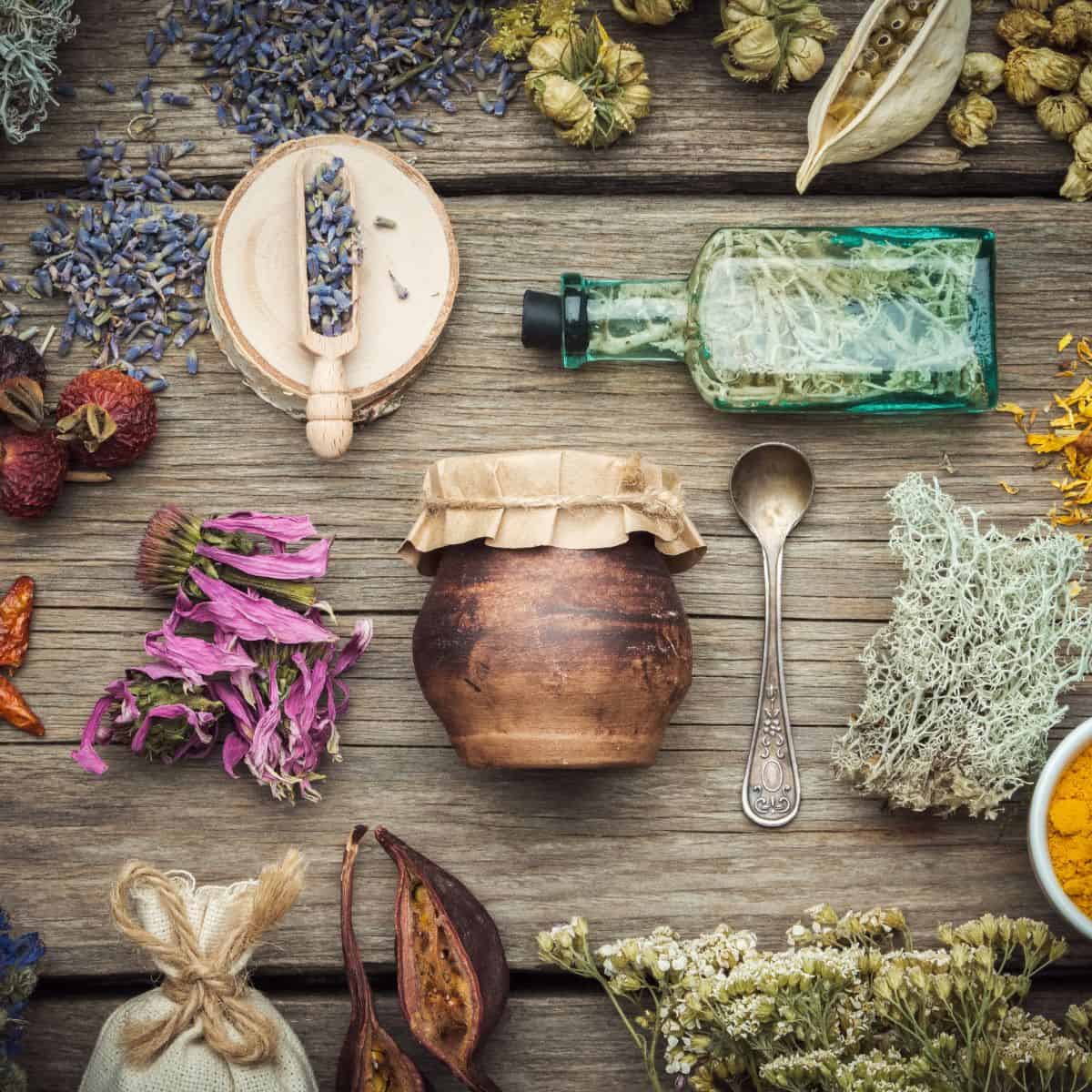
The cornerstone of any herbal practice is the procurement of high-quality plant material. Industry analysts note that the efficacy of a homemade remedy is directly proportional to the freshness and purity of the dried herbs used. Suppliers such as Mountain Rose Herbs have become industry benchmarks due to their commitment to organic certification and sustainable sourcing.
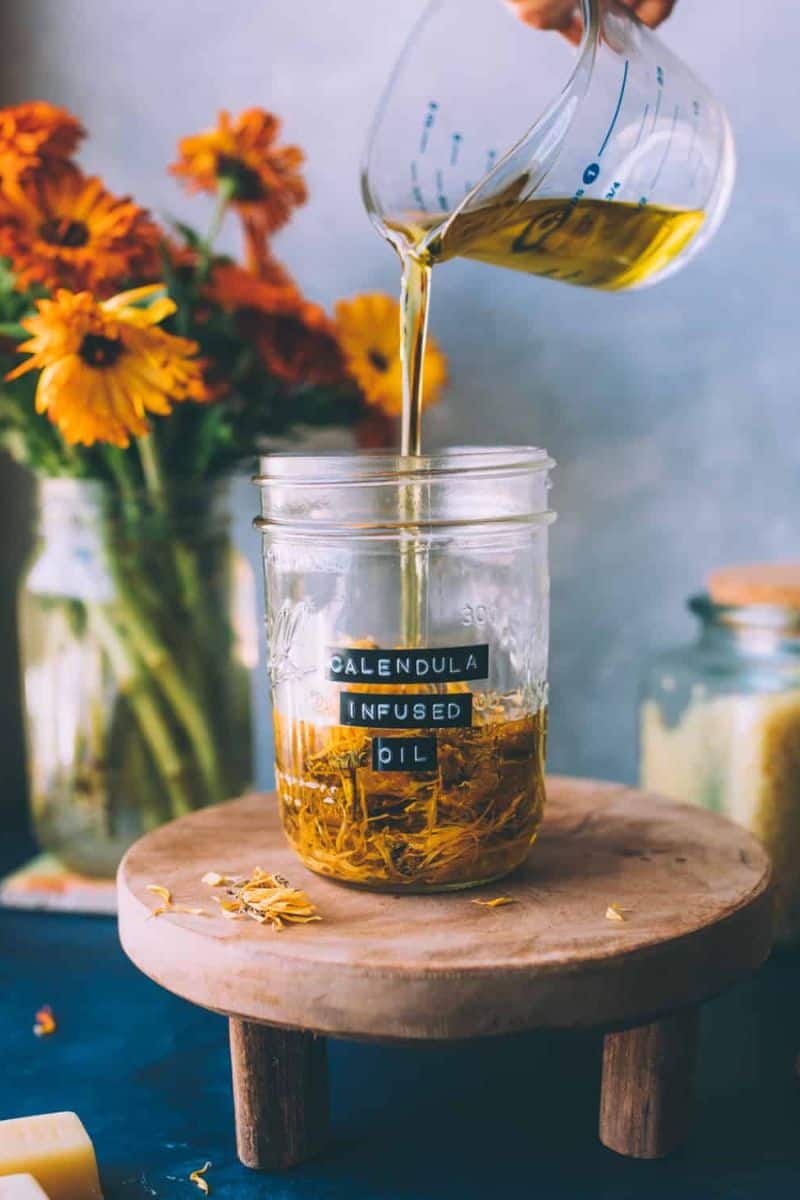
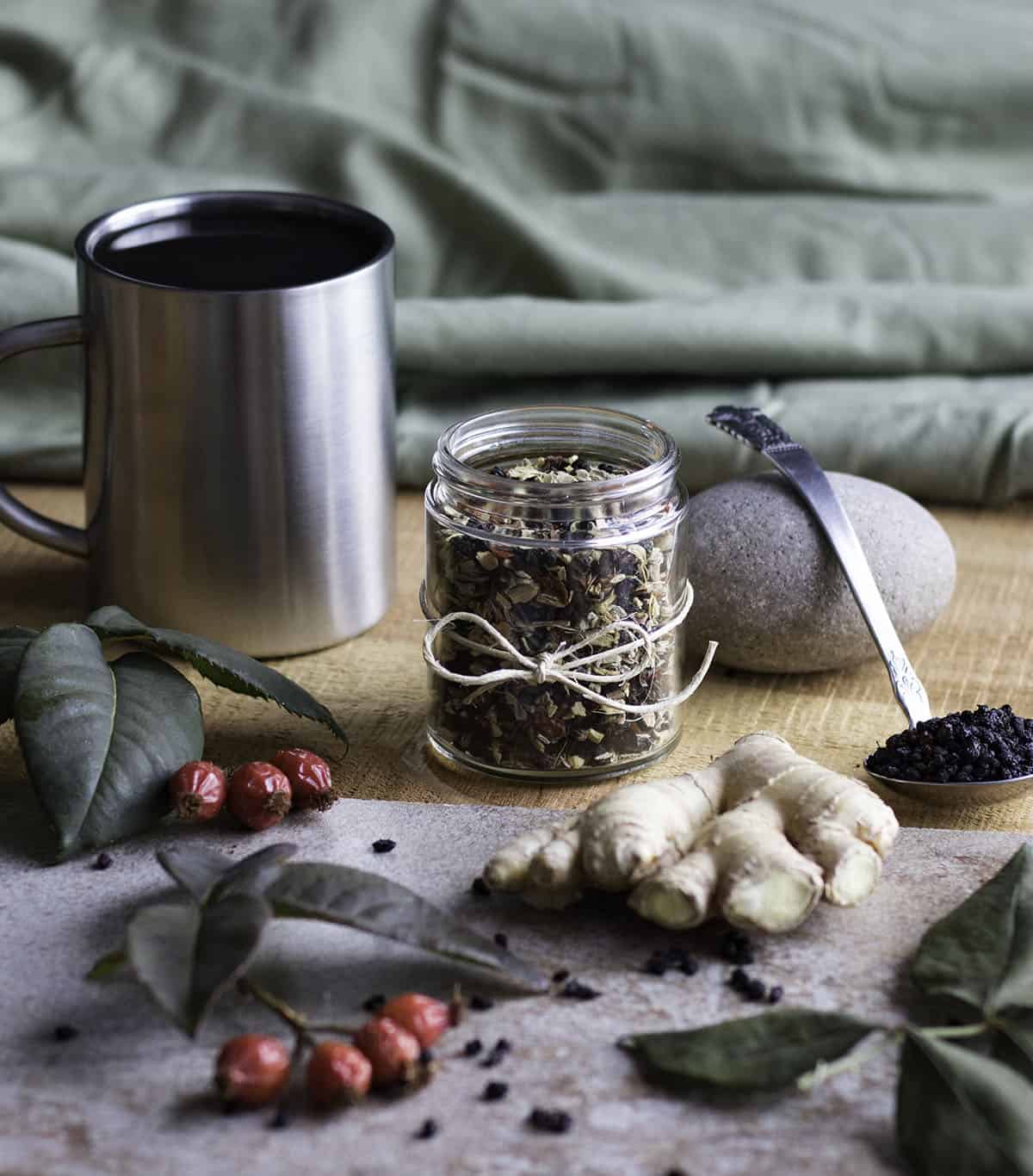
For gift-givers, several "staple" herbs are considered essential for a well-rounded apothecary. Calendula (Calendula officinalis) is highly sought after for its dermatological applications, often used in oils and salves for its skin-soothing properties. Elderberry (Sambucus nigra) and Echinacea (Echinacea purpurea) remain high-demand items due to their historical use in immune system support, particularly during the winter months. Other foundational herbs include Lavender for its nervine properties, Nettle for its high mineral content, and Peppermint for digestive support.
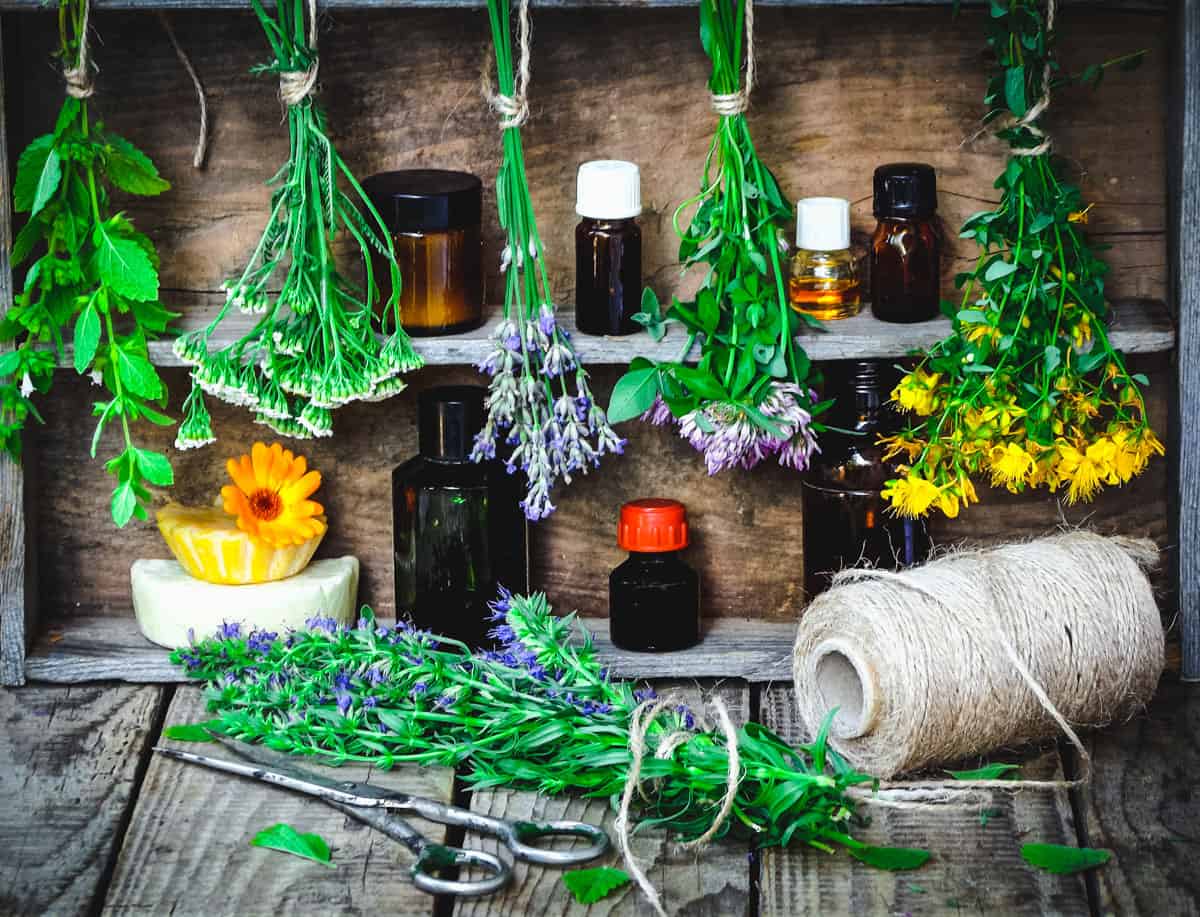
Strategic gift-giving often involves the creation of curated "herb kits" designed for specific wellness goals. These may include "Immune Support Kits" featuring astragalus and elderberry, or "Relaxation Kits" containing lemon balm, passionflower, and chamomile. By grouping herbs based on their therapeutic categories—such as adaptogens, nervines, or carminatives—gift-givers provide a functional starting point for the aspiring practitioner.
Specialized Equipment and Non-Reactive Storage Solutions
The chemistry of herbal medicine making requires specific materials to prevent contamination and degradation of active compounds. Professional herbalists emphasize the use of glass and stainless steel over plastic, as the latter can leach chemicals when in contact with alcohol-based tinctures or warm oils.
Precision Glassware and Infusion Vessels
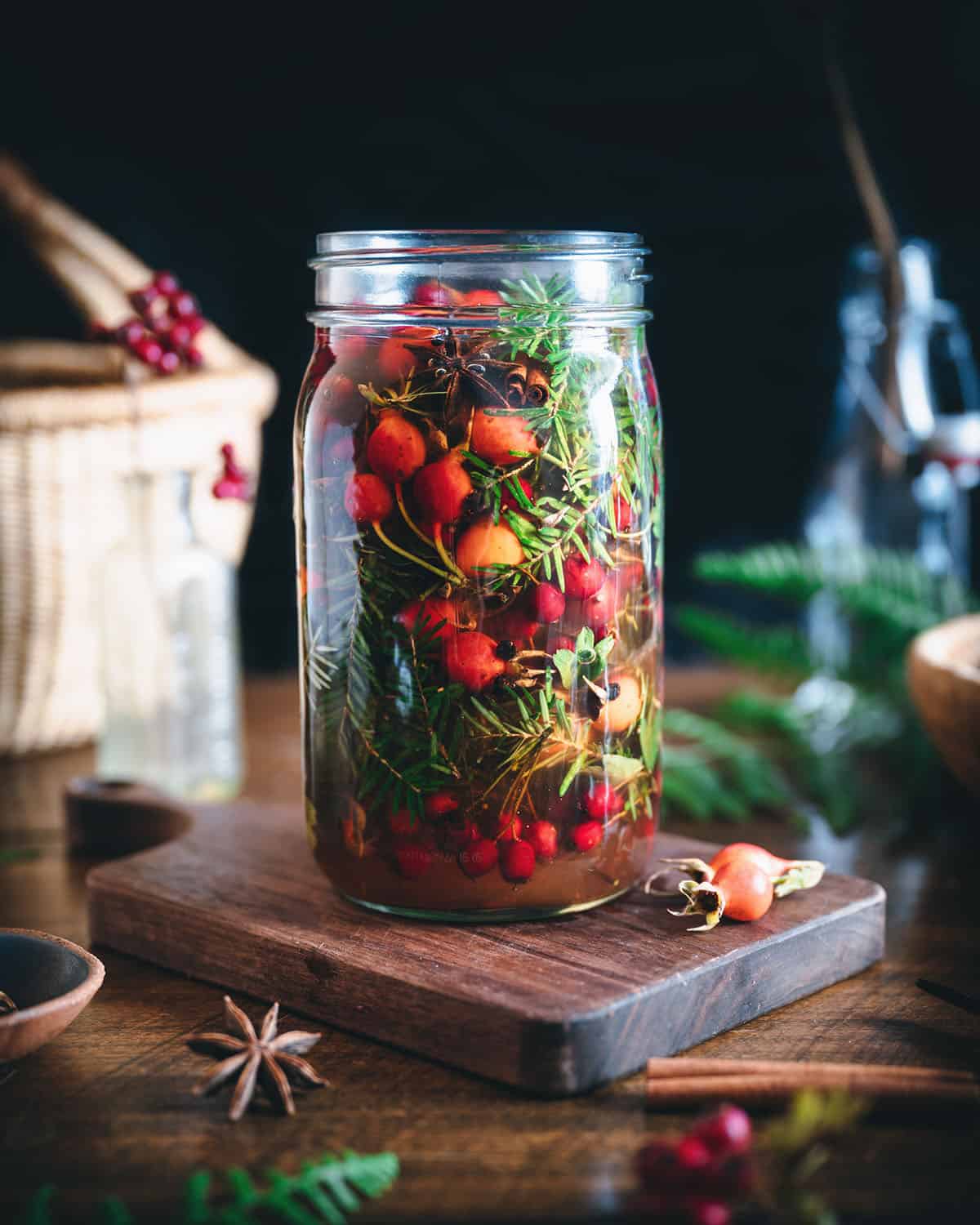
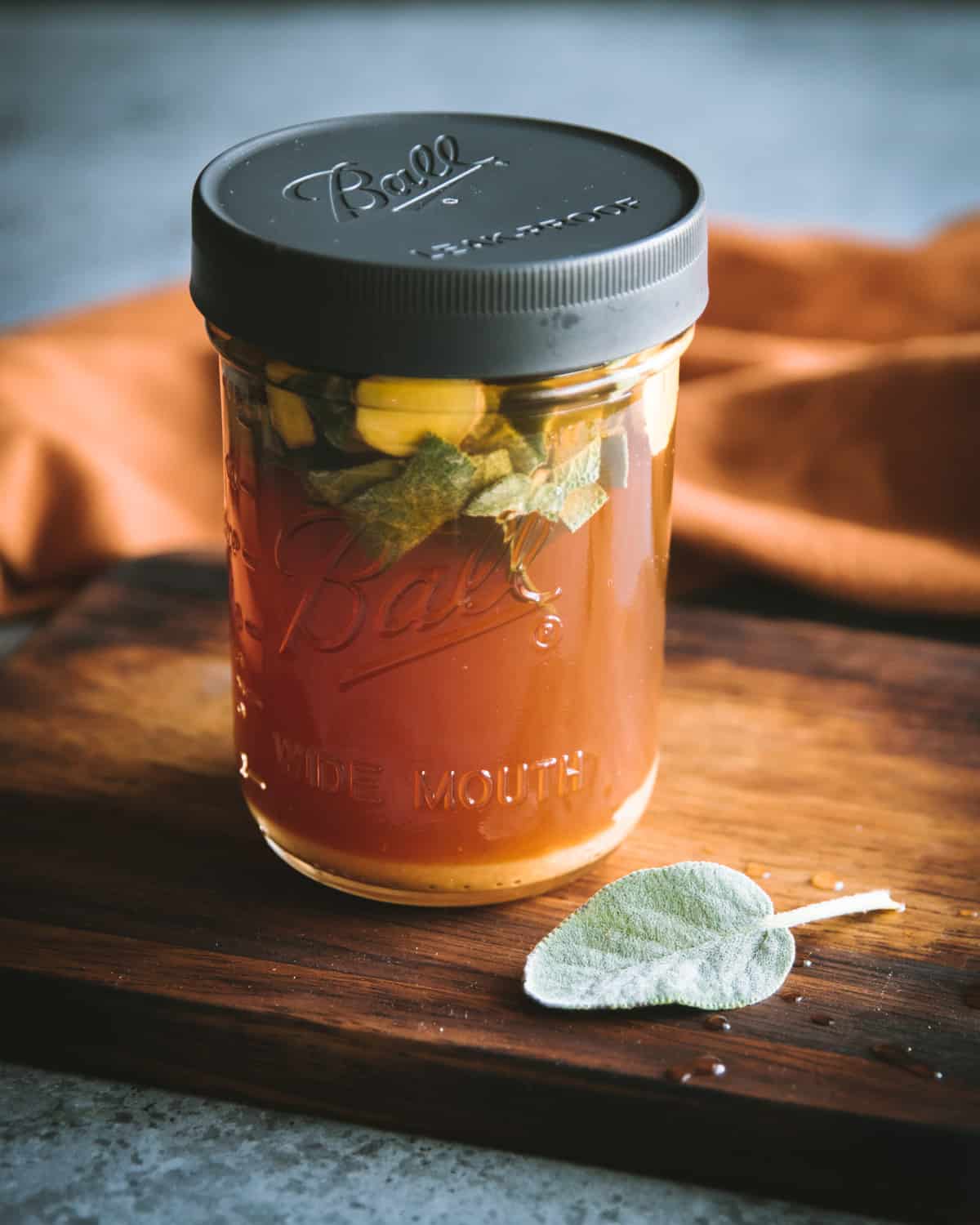
The Mason jar remains the most versatile tool in the herbalist’s arsenal. Used for "folk method" tincturing, oil infusions, and the storage of dried botanicals, these vessels are indispensable. Recent innovations, such as leak-proof storage lids, have addressed long-standing issues with traditional metal rings and flats, which are prone to corrosion when exposed to vinegar-based extracts (oxymels) or high-proof alcohols.
For the storage of finished products, amber or cobalt blue glass is preferred to protect light-sensitive compounds from UV degradation. This includes Boston Round bottles for tinctures and syrups, as well as specialized tincture bottles equipped with graduated glass droppers for precise dosing.
Processing and Filtration Tools
The transition from raw infusion to finished product requires efficient filtration. Fine mesh strainers and stainless steel funnels are critical for removing plant material from liquid extracts. High-quality stainless steel is the preferred material in these instances to ensure durability and ease of sterilization. For topical applications, metal tins and small glass jars are utilized to house salves, balms, and creams, providing a portable and sustainable packaging solution.
The Evolution of Tea Culture and Infusion Accessories
Herbal teas, or tisanes, represent the most accessible entry point into herbalism. The market for tea accessories has expanded to include both aesthetic and functional items. Glass teapots with built-in infusers allow practitioners to observe the "dance of the herbs" during the steeping process, which serves both an educational and a meditative purpose.
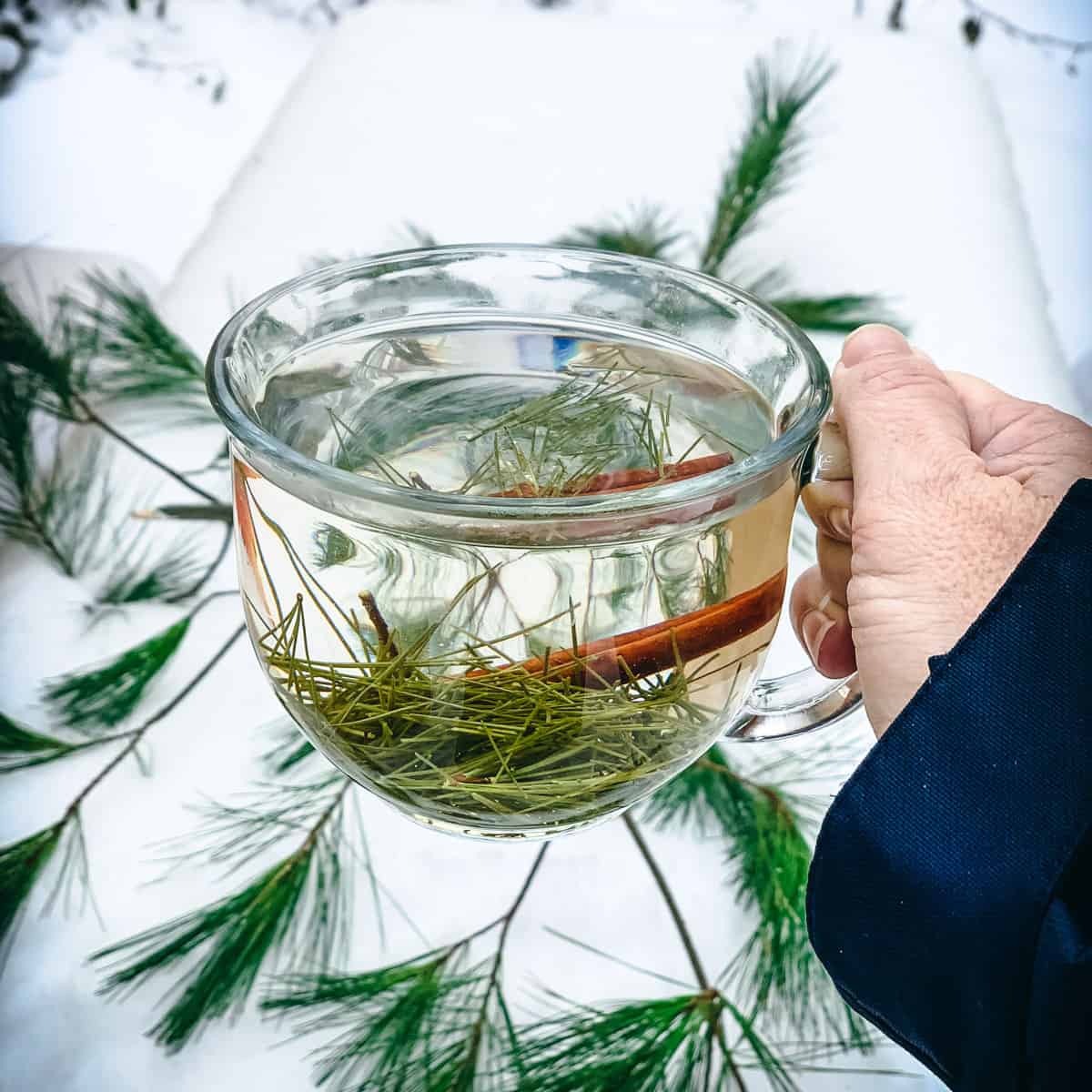
Sustainability is a major driver in this sector. The move away from bleached paper tea bags toward reusable cloth bags and stainless steel strainers reflects a broader commitment to environmental stewardship. Ceramic tea infuser mugs, often featuring intricate botanical designs, have also become popular gifts, combining utility with artistic expression.
Raw Ingredients for Topical Botanical Applications
Beyond internal remedies, herbalism encompasses the creation of skincare and body products. This requires a secondary set of raw materials, including carrier oils, waxes, and clays.
- Carrier Oils: High-quality jojoba, sweet almond, and apricot kernel oils serve as the base for infused oils. These oils must be shelf-stable and sourced with the same rigor as medicinal herbs.
- Beeswax: Pure, filtered beeswax is the primary thickening agent for salves and lip balms. The preference for yellow beeswax pellets stems from their ease of measurement and the retention of a natural honey aroma.
- Essential Oils: While used sparingly in traditional herbalism, essential oils are often added to topicals for their aromatic and therapeutic properties. The market demand for "pure" and "undiluted" oils has led to increased scrutiny of brand sourcing and testing protocols.
Educational Resources and the Professionalization of Herbalism
As the field of herbalism grows, so does the demand for credible information. The transition from "internet-based DIY" to "evidence-based practice" has made educational courses and reference books highly valued gifts.
Academic and Online Learning
The Herbal Academy has emerged as a leader in online botanical education, offering structured courses that range from introductory levels to professional clinical training. These programs often include modules on botany, phytochemistry, and safety, providing a comprehensive framework that goes beyond simple recipe following.
Essential Literature
Reference books are considered the "backbone" of the home apothecary. Classic texts by renowned herbalists such as Rosemary Gladstar and Thomas Easley provide the foundational knowledge required for safe and effective practice. Modern additions to the literature, such as "Healing Herbal Infusions," focus on the practical application of these skills, offering a bridge between theory and the daily creation of herbal remedies.
Broader Impact and Implications for Sustainability
The gift of herbalism supplies carries implications beyond the individual recipient. By encouraging the production of homemade remedies and skincare, these gifts promote a reduction in single-use plastic packaging and a decrease in reliance on mass-produced, synthetic alternatives. This aligns with the "Circular Economy" model, where resources are used efficiently and waste is minimized.

Furthermore, the support of companies that prioritize organic farming and fair-trade practices contributes to global biodiversity. Many medicinal plants are at risk of over-harvesting in the wild; therefore, the emphasis on cultivated organic herbs is a vital component of ecological conservation.
Chronology of the Modern Herbal Movement
The current peak in interest is the result of a decades-long trajectory:
- 1970s: The "Back to the Land" movement sparks a renewed interest in foraging and traditional medicine in North America.
- 1990s: The Dietary Supplement Health and Education Act (DSHEA) of 1994 establishes a regulatory framework for herbal products in the U.S., leading to increased commercial availability.
- 2010s: The digital revolution allows for the proliferation of online herbal education, making specialized knowledge accessible to a global audience.
- 2020–Present: Global health events and a shift toward "home-centric" living accelerate the demand for self-sufficiency tools and holistic health resources.
Conclusion
The selection of a gift for an herbalist is an acknowledgment of a commitment to natural wellness and traditional craft. Whether through the provision of raw organic botanicals, the high-grade equipment necessary for extraction, or the educational materials required for safe practice, these gifts support a growing movement toward health autonomy. As the industry continues to expand, the focus remains on quality, sustainability, and the preservation of botanical knowledge, ensuring that the practice of herbalism remains a viable and respected component of modern wellness.


