The global gardening equipment market has experienced a significant upward trajectory, with projections indicating a compound annual growth rate (CAGR) of approximately 4.5% through 2028. This surge is driven by a profound shift in consumer behavior toward self-sufficiency, organic food production, and regenerative land management, specifically the practice of permaculture. As the holiday season approaches, the demand for high-quality, durable gardening implements and educational resources has reached a seasonal peak. This guide identifies the essential tools, infrastructure, and literature required to support the modern backyard gardener, focusing on items that offer long-term utility and environmental sustainability.
The Evolution of the Modern Backyard Garden
The transition from ornamental landscaping to functional "food forests" represents a major shift in residential land use. Historically, the American backyard was a site for leisure and aesthetic maintenance. However, following the supply chain disruptions of the early 2020s, a renewed "Victory Garden" movement has taken hold. Modern practitioners are increasingly adopting permaculture—a design system based on ecological principles—which requires a specialized set of tools that differ from conventional gardening fare.
Unlike traditional agriculture, which often relies on heavy machinery and synthetic inputs, backyard permaculture emphasizes manual precision and soil health. This has led to a resurgence in the popularity of multi-functional hand tools and heirloom seed starting kits. Industry analysts note that consumers are now prioritizing "investment-grade" tools—products characterized by lifetime warranties and replaceable parts—over disposable, entry-level alternatives.
Precision Hardware and Essential Hand Tools
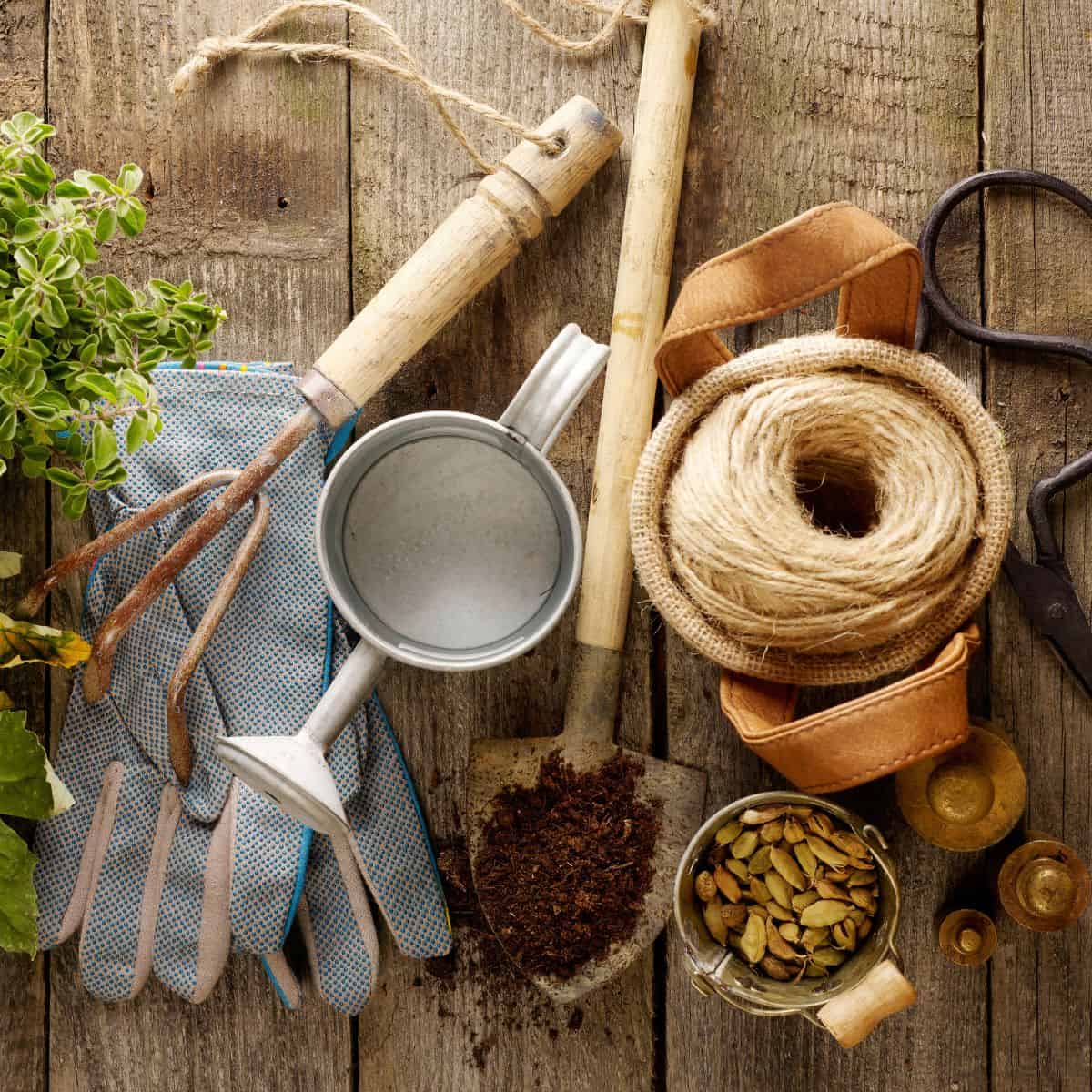
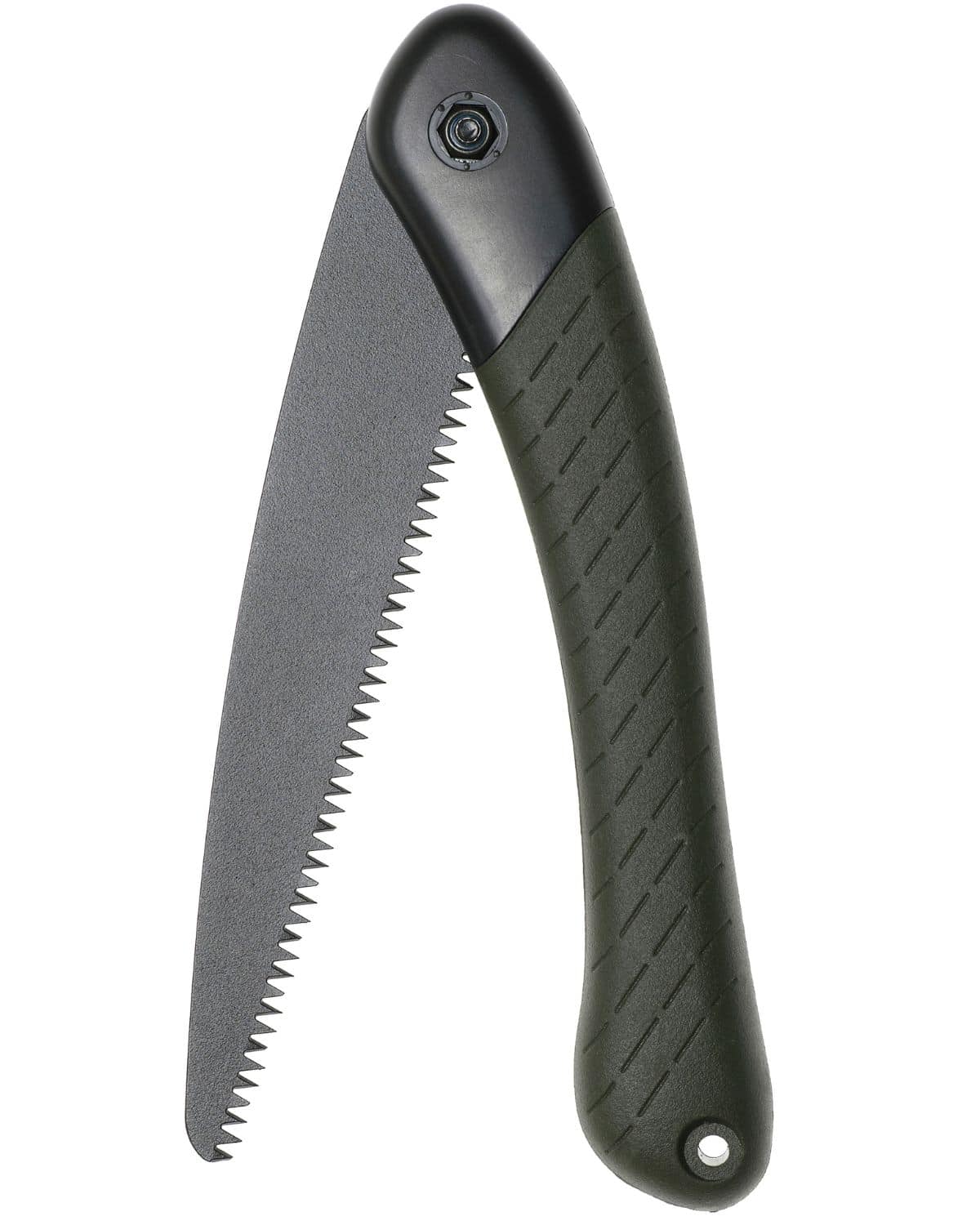
The efficiency of a small-scale garden is largely determined by the quality of its hand tools. For the permaculture gardener, the Hori Hori garden knife remains a cornerstone of the toolkit. Originating from Japanese horticulture, this multi-purpose tool features a serrated edge for sawing roots and a sharpened blade for digging. Its versatility makes it an ideal implement for the "no-dig" gardening methods favored in regenerative systems.
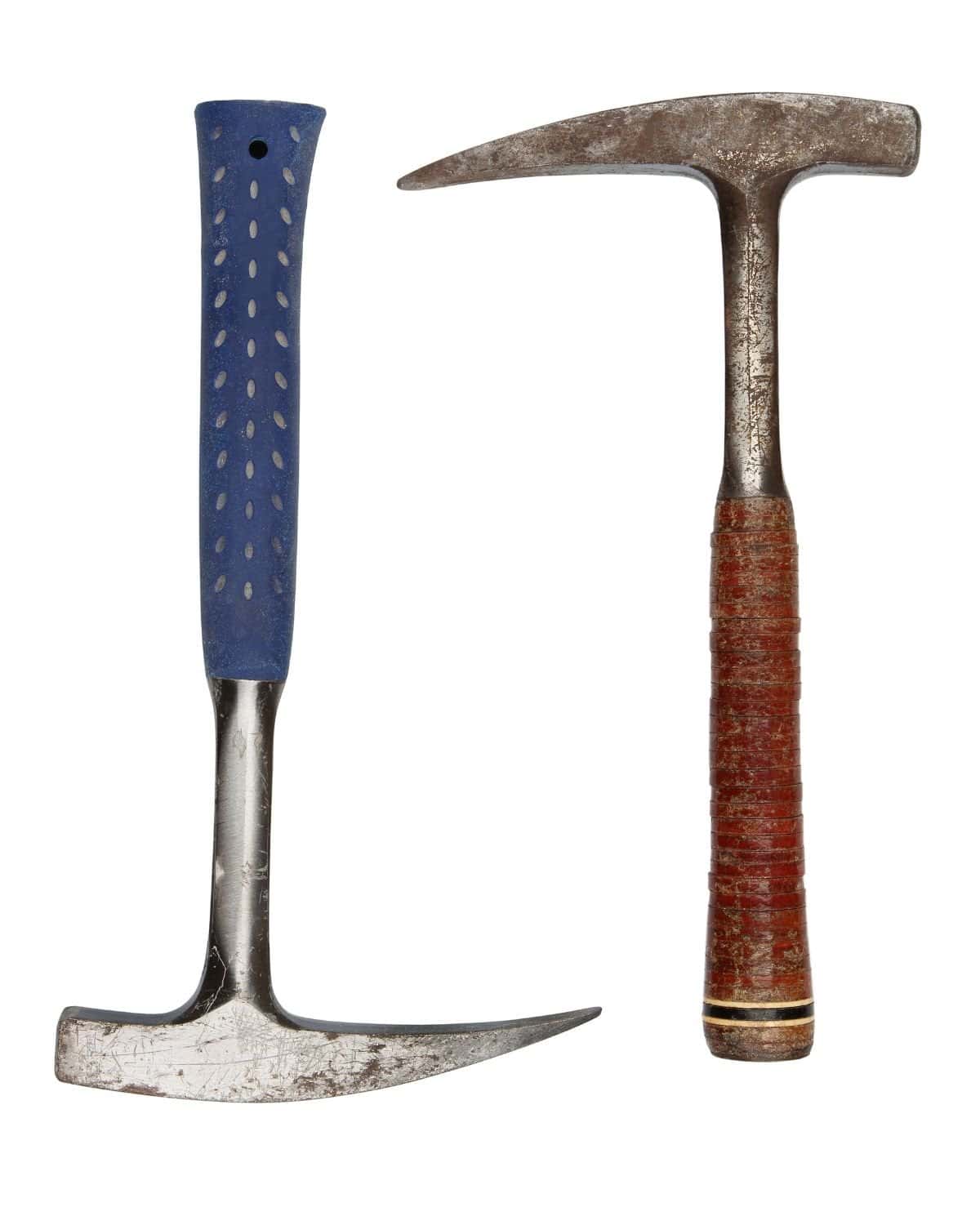
For weed management and soil cultivation, the CobraHead weeder has emerged as a preferred ergonomic solution. Its unique "steel fingernail" design allows for the precise removal of deep-rooted weeds without disrupting the surrounding soil structure, a critical requirement for maintaining fungal networks in the earth. Similarly, the Estwing Rock Pick, while traditionally a geological tool, has been widely adopted by professional landscapers for breaking through compacted clay and managing rocky terrain during the initial stages of swale construction.

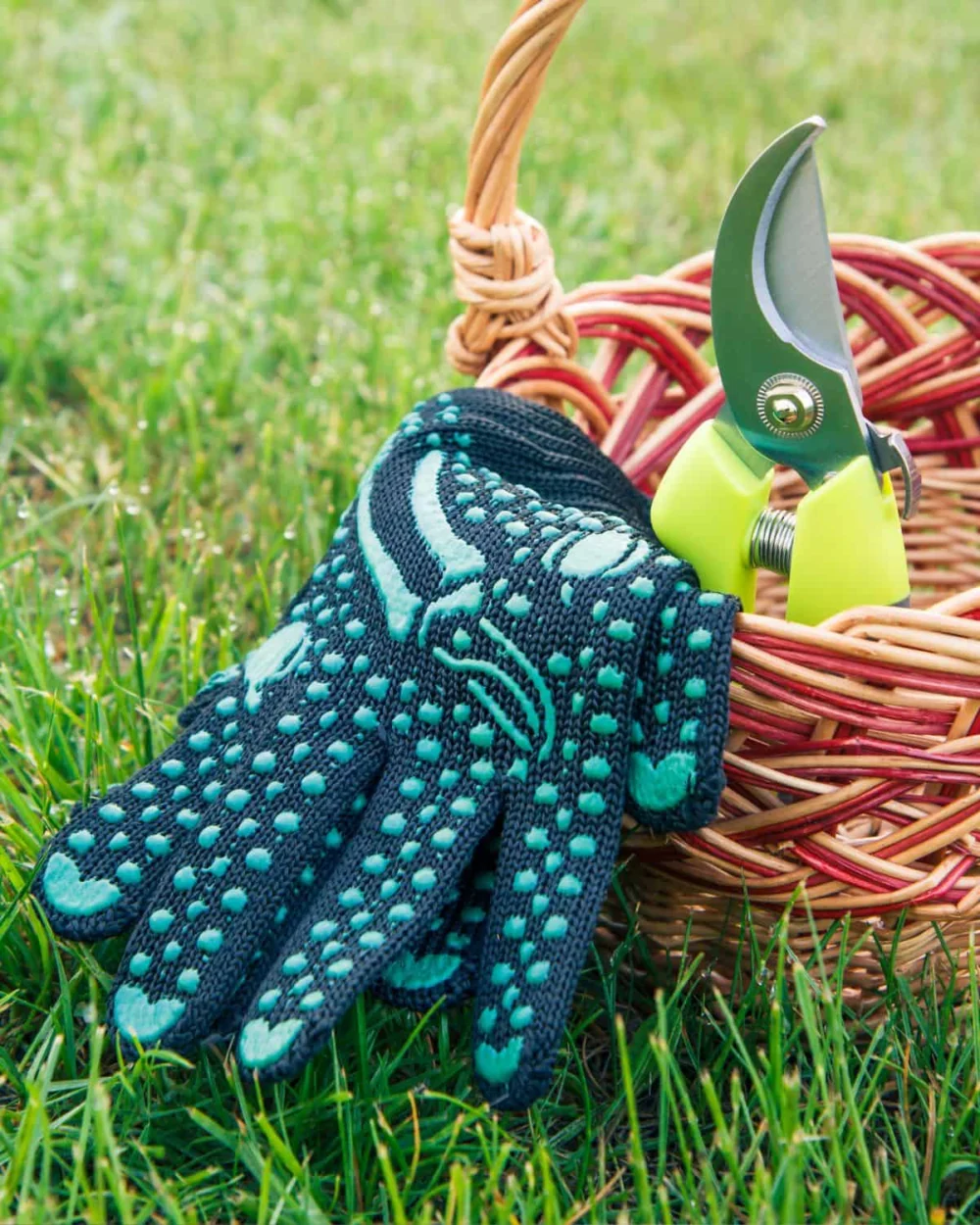
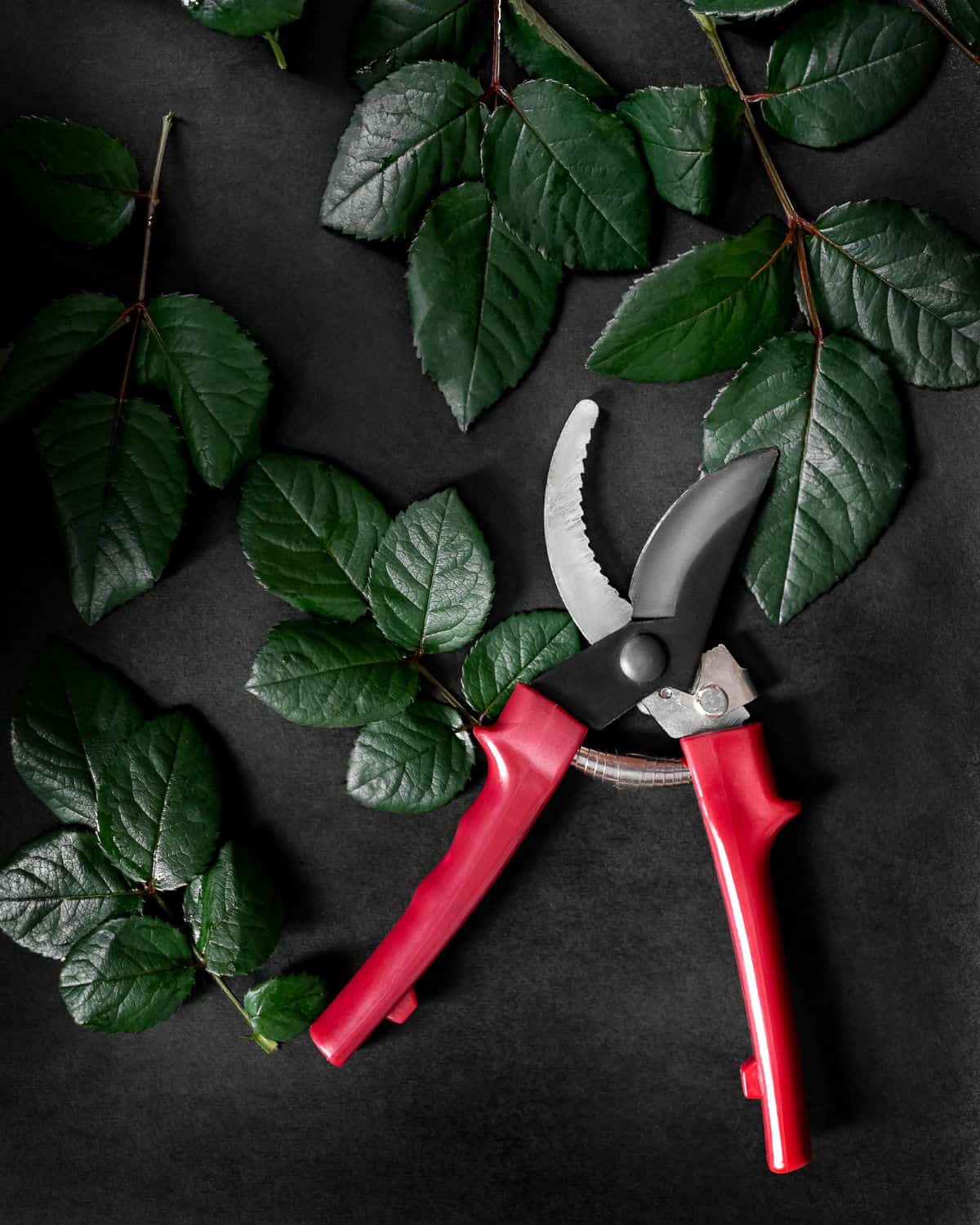
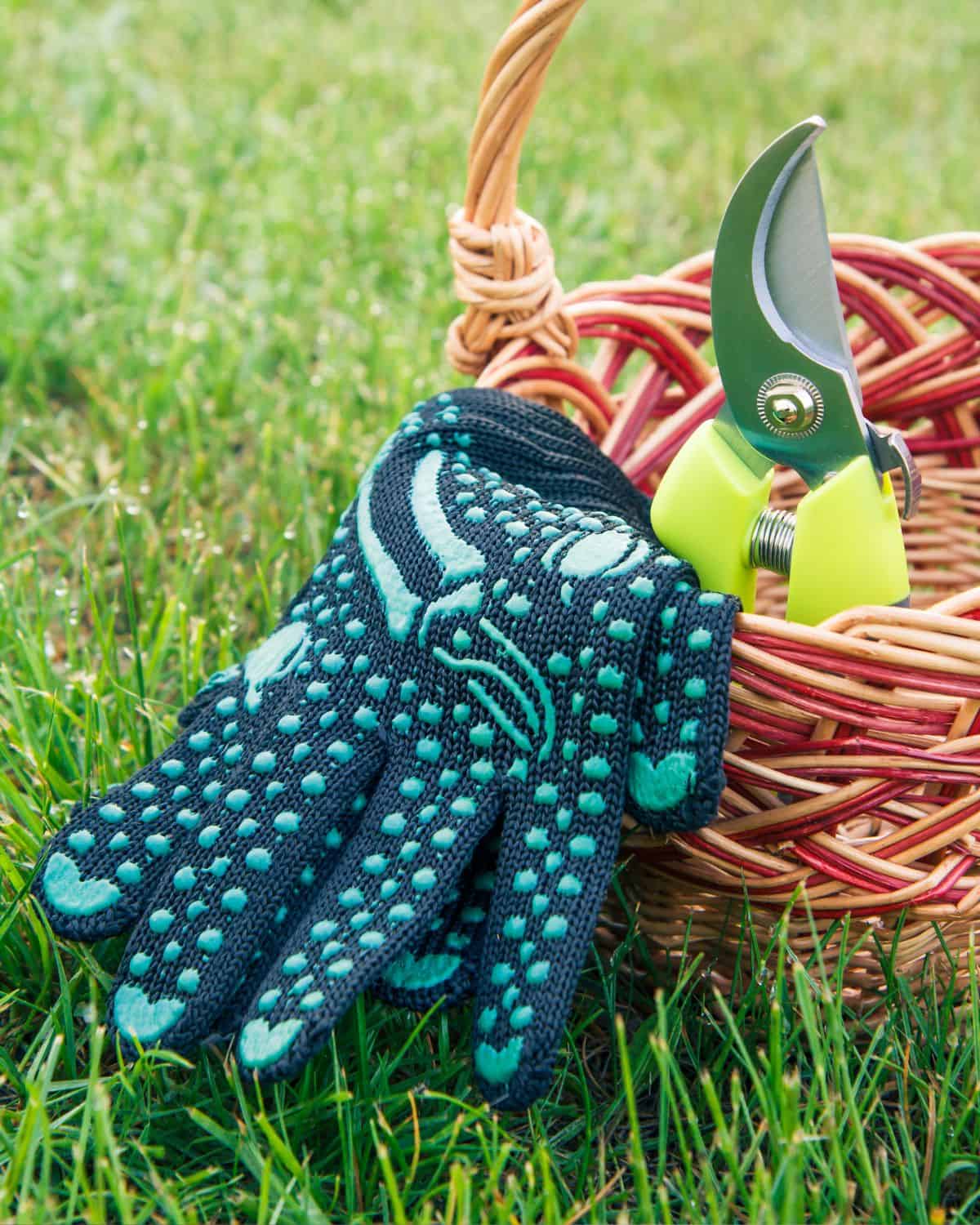
In the realm of pruning and harvesting, Swiss-made Felco pruners are regarded as the industry standard. Known for their high-carbon steel blades and ergonomic forged aluminum handles, these pruners are designed to be fully disassembled for cleaning and sharpening, ensuring a lifetime of use. For budget-conscious consumers, Corona pruners offer a high-performance alternative, utilizing heat-treated steel to maintain edge retention. When managing larger harvests, such as lavender or leafy greens, specialized shears provide the necessary surface area for rapid, clean cuts that minimize plant stress.
Sustainable Irrigation and Protective Apparel
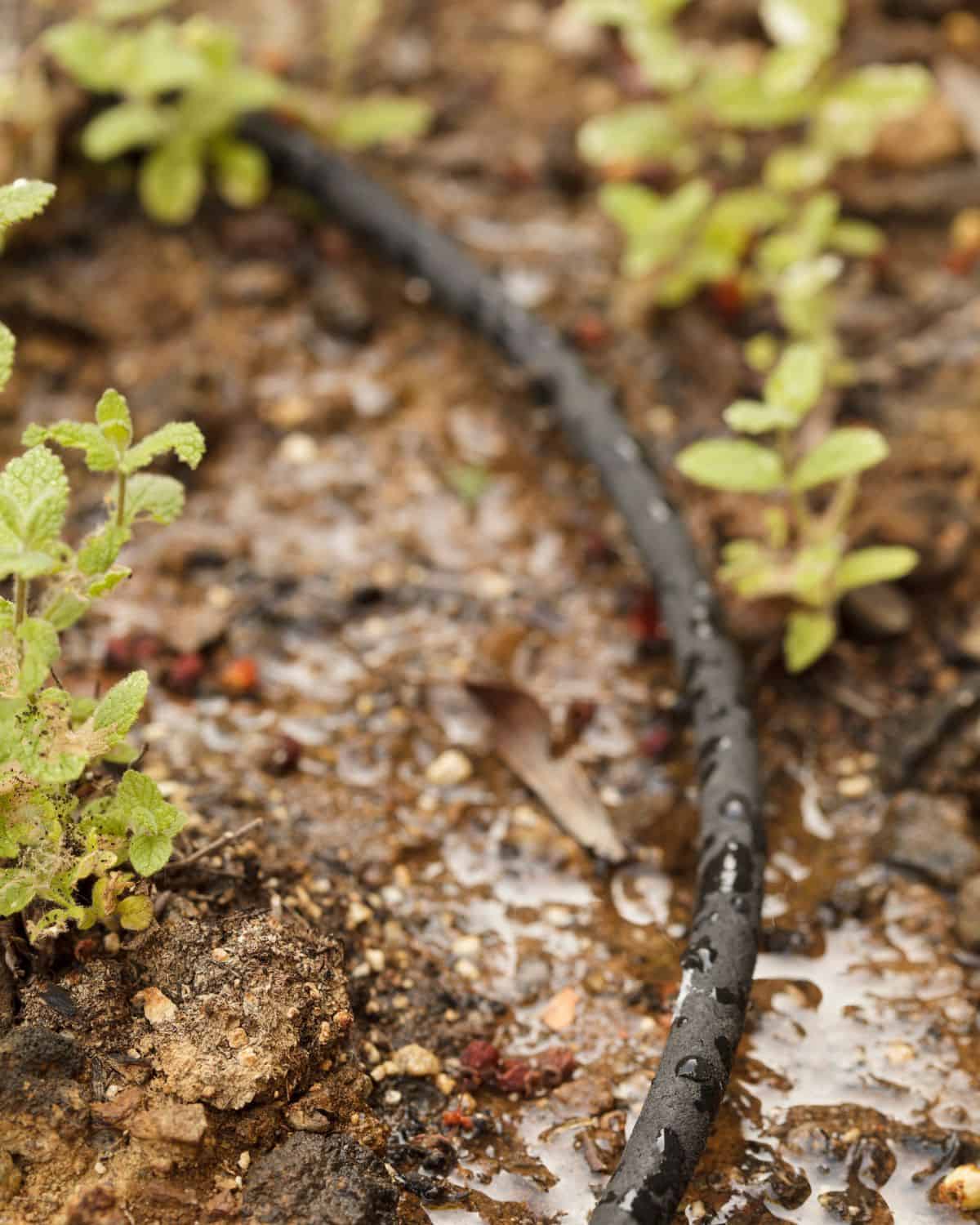
Water management is a central pillar of permaculture design. While automated drip irrigation is effective for large plots, manual watering remains essential for delicate seedlings and container gardens. The trend toward plastic-free gardening has seen a return to galvanized metal watering cans, which offer superior durability and resistance to UV degradation compared to their polyethylene counterparts.
For more extensive irrigation needs, the quality of the garden hose is a matter of both utility and health. Conventional PVC hoses often contain phthalates and lead, which can leach into the water supply. Market leaders like Water Right have addressed this by producing polyurethane hoses that are drinking-water safe and BPA-free. These hoses are also significantly lighter and more resistant to kinking, which reduces physical strain on the gardener.
Safety and comfort are further addressed through specialized apparel. Bamboo gardening gloves have gained popularity due to their breathability and natural antimicrobial properties. For the next generation of gardeners, manufacturers have expanded their catalogs to include high-visibility, puncture-resistant gloves for children, reflecting a 15% increase in youth participation in gardening programs over the last three years.
Propagation, Seed Starting, and Season Extension
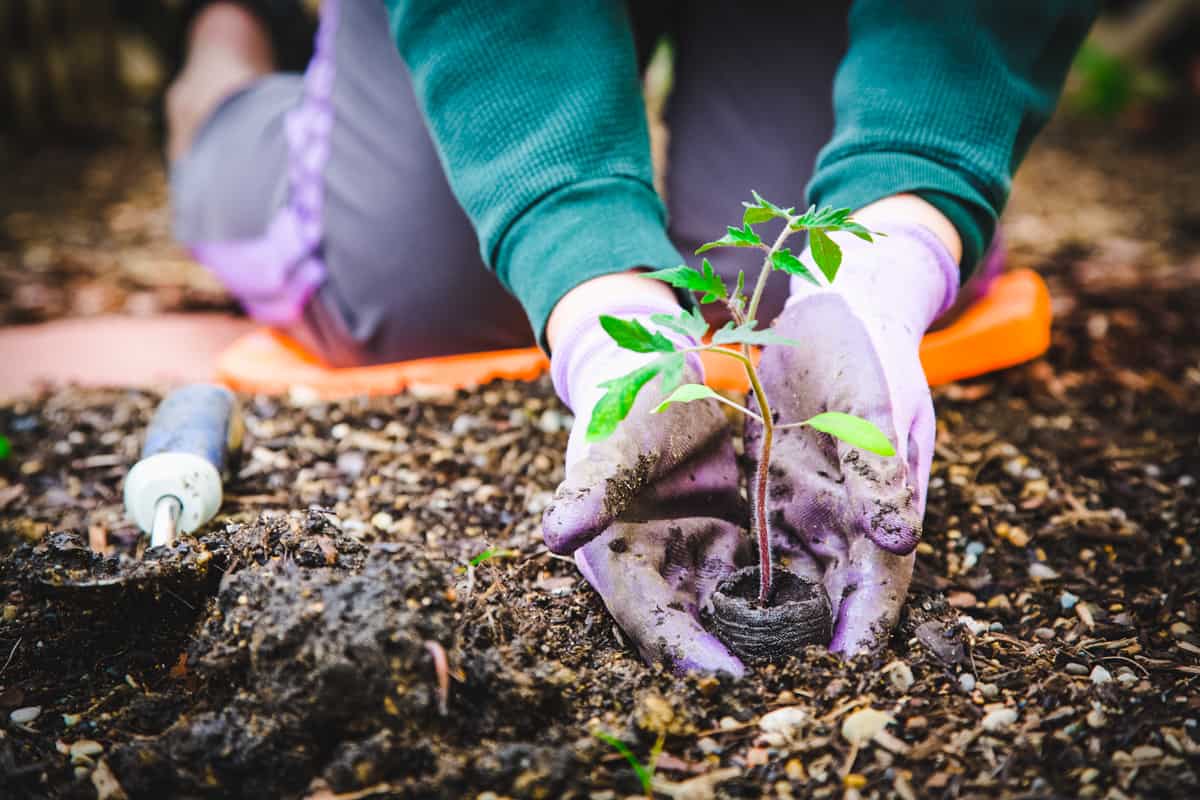
Seed starting represents the most cost-effective way to increase biodiversity within a home ecosystem. Professional-grade seed starting trays and soil block makers are now staples of the holiday gift market. Soil blocking, in particular, is an eco-friendly technique that eliminates the need for plastic pots by compressing soil into self-standing cubes, which prevents root-binding and promotes vigorous growth.
To support year-round production, mini-greenhouses and microgreen kits have become essential for urban and suburban dwellers with limited space. A mini-greenhouse allows for the "hardening off" of seedlings in early spring, effectively extending the growing season by four to six weeks. Microgreen kits, which focus on the nutrient-dense cotyledon stage of vegetable growth, provide a source of fresh produce during the winter months when outdoor gardening is dormant.

The selection of seeds has also shifted toward "seed vaults" and organic herb kits. These collections prioritize heirloom varieties that are open-pollinated, allowing gardeners to save seeds for future seasons. This practice is a fundamental tenet of food sovereignty and a key interest for permaculture enthusiasts.
Educational Resources and Literary Foundations
Knowledge is the most valuable asset in a permaculture system. The current literary landscape for gardening focuses on maximizing yields in small spaces. Amy Stross’s "The Suburban Micro-Farm" serves as a comprehensive guide for transforming standard residential lots into high-production landscapes. For those interested in labor-reduction techniques, Ruth Stout’s classic "Gardening Without Work" remains a foundational text on mulching and soil management.
Space-efficient techniques are further explored in Mel Bartholomew’s "Square Foot Gardening" and John Jeavons’ "How to Grow More Vegetables." These methodologies allow for intensive planting, which can increase yields by up to 200% per square foot compared to traditional row gardening.
For advanced practitioners, the literature moves toward system-wide design. Toby Hemenway’s "Gaia’s Garden" is widely cited as the best-selling permaculture book of all time, offering a bridge between ecological theory and practical backyard application. Ben Falk’s "The Resilient Farm and Homestead" provides a more technical analysis of water catchment, gravity-fed irrigation, and livestock integration, catering to those seeking total homestead resilience.

Market Analysis and Supporting Data
The National Gardening Association’s 2023 report indicates that American households spent a record $52.3 billion on lawn and gardening activities. Notably, the "edible gardening" segment has outpaced the growth of ornamental gardening for five consecutive years. This data suggests that the holiday gift market for gardeners is no longer a niche sector but a significant driver of end-of-year retail performance.
Furthermore, the rise of "eco-gifting"—choosing products with low carbon footprints and high durability—has aligned perfectly with the permaculture ethos. Consumers are increasingly scrutinizing the provenance of their tools, favoring brands that utilize recycled metals and sustainable wood. The demand for digital resources, such as "The Backyard Forest Garden" eBook, also reflects a shift toward paperless, immediate-access information for the modern, tech-savvy grower.
Implications for Urban Resilience
The distribution of high-quality gardening tools and the dissemination of permaculture knowledge have broader implications for community resilience. Backyard gardens contribute to the reduction of urban heat islands, improve local air quality, and provide vital corridors for pollinators. By gifting tools that facilitate food production, individuals are contributing to a decentralized food system that is less vulnerable to global supply chain volatility.
Experts in urban planning suggest that if 10% of suburban households adopted the "micro-farm" model, the resulting increase in local food security would be substantial. Therefore, the selection of a garden tool or a seed kit is more than a holiday gesture; it is an investment in a more sustainable and resilient domestic infrastructure.
As the gardening season moves into its planning phase during the winter months, these gifts provide the necessary hardware and intellectual framework for a productive spring. The shift toward high-utility, long-lasting gardening equipment reflects a maturing market that values sustainability over convenience, ensuring that the gifts of today remain the tools of a more self-reliant tomorrow.