
Skip the mystery meat and embrace the unparalleled flavor and control of homemade breakfast sausage. This comprehensive recipe, developed by KCBS grand champion pitmaster Christie Vanover of Girls Can Grill, transforms simple ground pork into succulent patties, perfectly formed links, or a rich sausage gravy. Vanover’s meticulously crafted spice blend offers a balanced profile with a hint of warmth and a subtle maple sweetness, providing a foundation that can be customized to your exact preferences. This isn’t just a recipe; it’s an invitation to elevate your breakfast experience by understanding and dictating every ingredient that graces your plate.
The Case for Homemade: Beyond the Store-Bought Label
The allure of store-bought breakfast sausage often lies in convenience. However, behind the appealing packaging, consumers are frequently unaware of the precise fat ratios, fillers, and a proprietary blend of spices that may not align with their taste or dietary preferences. Vanover highlights a crucial advantage of the homemade approach: transparency. "Mixing your own means you know exactly what’s going into it," she emphasizes, directly addressing the common consumer concern about ingredient sourcing and quality. This transparency is particularly relevant in an era where consumers are increasingly scrutinizing food labels and seeking to reduce processed ingredients in their diets.
Vanover’s journey to this perfected recipe began with a practical application: utilizing the flavorful trim from her renowned "Competition Pork Butt" recipe. This origin story underscores the resourcefulness and dedication to flavor that characterizes her culinary philosophy. After years of refinement, this blend has become her go-to for personal breakfast enjoyment, a testament to its enduring appeal and effectiveness.
A Staple Reimagined: The Versatility of Breakfast Sausage
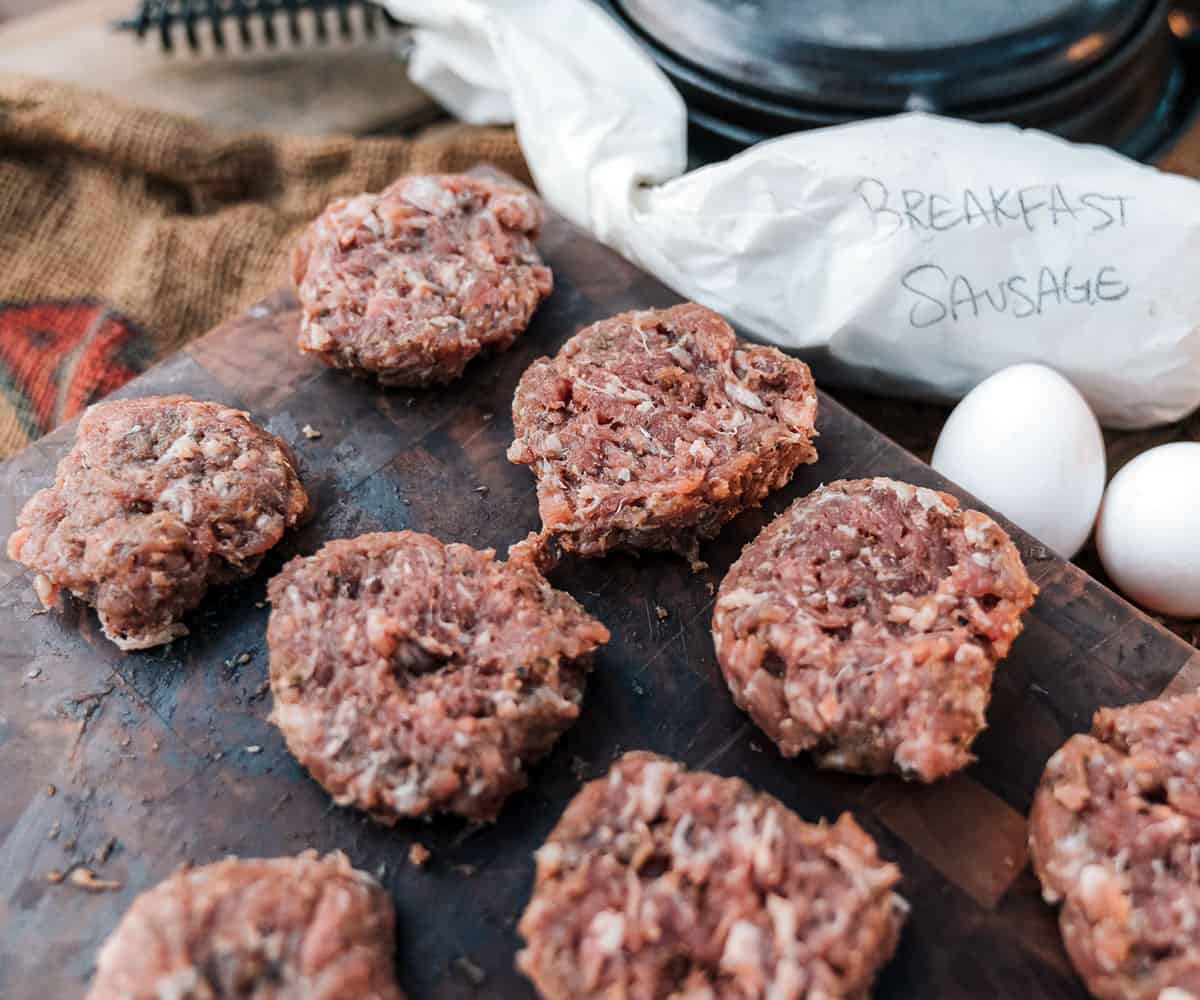
Breakfast sausage holds a revered position in the pantheon of American breakfast foods, standing shoulder-to-shoulder with bacon and ham. Its fundamental nature – simply seasoned ground meat – allows for incredible versatility. Whether formed into classic patties, hand-linked for a traditional feel, or crumbled and browned to create a luxurious sausage gravy, the possibilities are extensive.
While ground pork remains the quintessential base, the beauty of this recipe lies in its adaptability. Vanover encourages experimentation, suggesting the inclusion of ground beef, poultry, or even game meats to cater to diverse palates and available ingredients. The option to purchase pre-ground meat or grind your own further enhances this flexibility, offering control over the coarseness and fat content. For those who frequently prepare pork shoulders or butts for smoking, as Vanover does with her "Competition Pork Butt" recipe, the trimmings offer a perfect, cost-effective starting point. "After I trim my Competition Pork Butt, I’m left with a lot of excess pork trimmings," Vanover notes. "I usually freeze them in 2-inch cubes, until I’m ready to make sausage. I grind the partially-thawed cubes into ground pork and then mix in 2 tablespoons of the breakfast sausage seasoning blend for every pound of meat." This practice not only minimizes waste but also ensures a consistent supply of high-quality ground pork.
The Art of the Blend: Crafting Your Signature Seasoning
The defining characteristic of superior breakfast sausage is its seasoning blend. Vanover’s recipe provides a balanced starting point, featuring a delicate heat and a subtle maple note. This blend is designed to be a canvas for culinary creativity. "This recipe is well balanced, with just a slight heat and a touch of maple," she explains. "Make the base recipe once, then start adjusting it into your own signature blend." This iterative approach empowers home cooks to develop a personalized flavor profile that resonates with their individual taste preferences.
The provided recipe yields approximately 4 tablespoons of seasoning, sufficient for 2 pounds of ground pork. This quantity allows for easy scaling and experimentation. The foundation of the blend, as detailed in the accompanying recipe card, typically includes essential savory elements like salt, black pepper, and a nuanced combination of herbs such as sage, thyme, and rosemary. A touch of sweetness, often from maple sugar or a similar sweetener, is balanced by a subtle kick from cayenne pepper or red pepper flakes. The inclusion of a small amount of a binding agent, such as cornstarch or potato starch, can also contribute to a better texture, though Vanover’s recipe focuses on the pure spice blend.
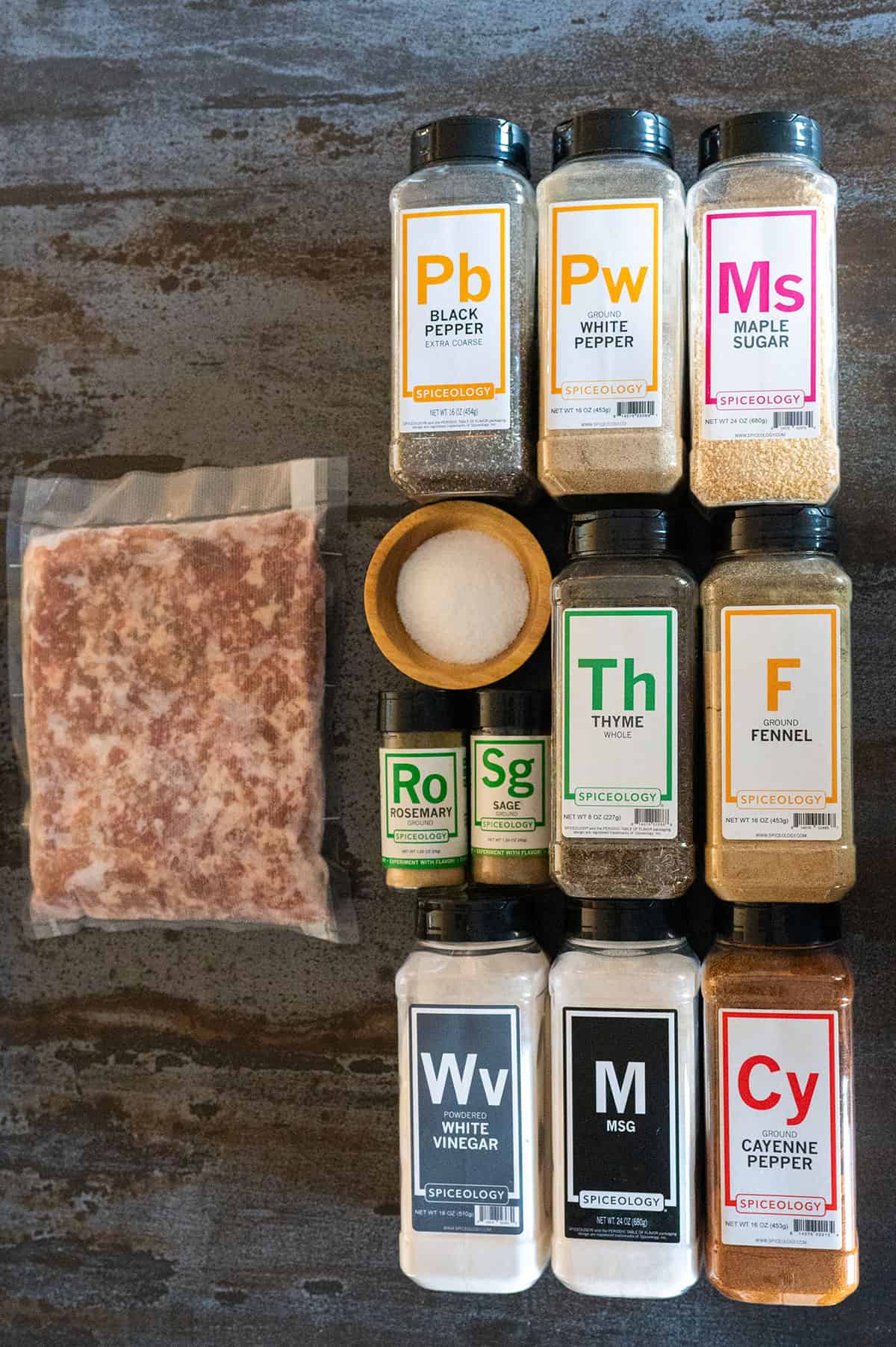
Table of Contents
- The Ultimate Homemade Breakfast Sausage Recipe: Flavor, Control, and Versatility
- The Case for Homemade: Beyond the Store-Bought Label
- A Staple Reimagined: The Versatility of Breakfast Sausage
- The Art of the Blend: Crafting Your Signature Seasoning
- Breakfast Sausage Seasoning: The Perfect Foundation
- Ingredients
- Instructions
- Notes
- Nutrition Information
- What You’ll Need
- Substitutions and Make-Ahead Tips
- How to Mix Breakfast Sausage
- Step 1: Combine the Seasoning
- Step 2: Mix the Meat and Seasoning
- Step 3: Shape into a Log
- How to Cook Breakfast Sausage Patties
- Step 1: Slice the Patties
- Step 2: Cook the Patties
- How to Serve Breakfast Sausage
- How to Make Breakfast Sausage Links
- How to Smoke Breakfast Sausage
- How to Make Sausage Gravy
- How to Store and Freeze Breakfast Sausage
- GCG Pro Pitmaster Tips
- Frequently Asked Questions
Breakfast Sausage Seasoning: The Perfect Foundation
This foundational spice blend is the heart of the homemade breakfast sausage. It’s designed for balance, allowing for personal adjustments.
Ingredients
- 2 tablespoons salt
- 1 tablespoon black pepper
- 1 tablespoon sage, dried
- 2 teaspoons thyme, dried
- 1 teaspoon rosemary, dried
- 1 teaspoon maple sugar (or granulated sugar)
- 1/2 teaspoon cayenne pepper (or to taste)
- 1/4 teaspoon ground ginger (optional, for warmth)
Instructions
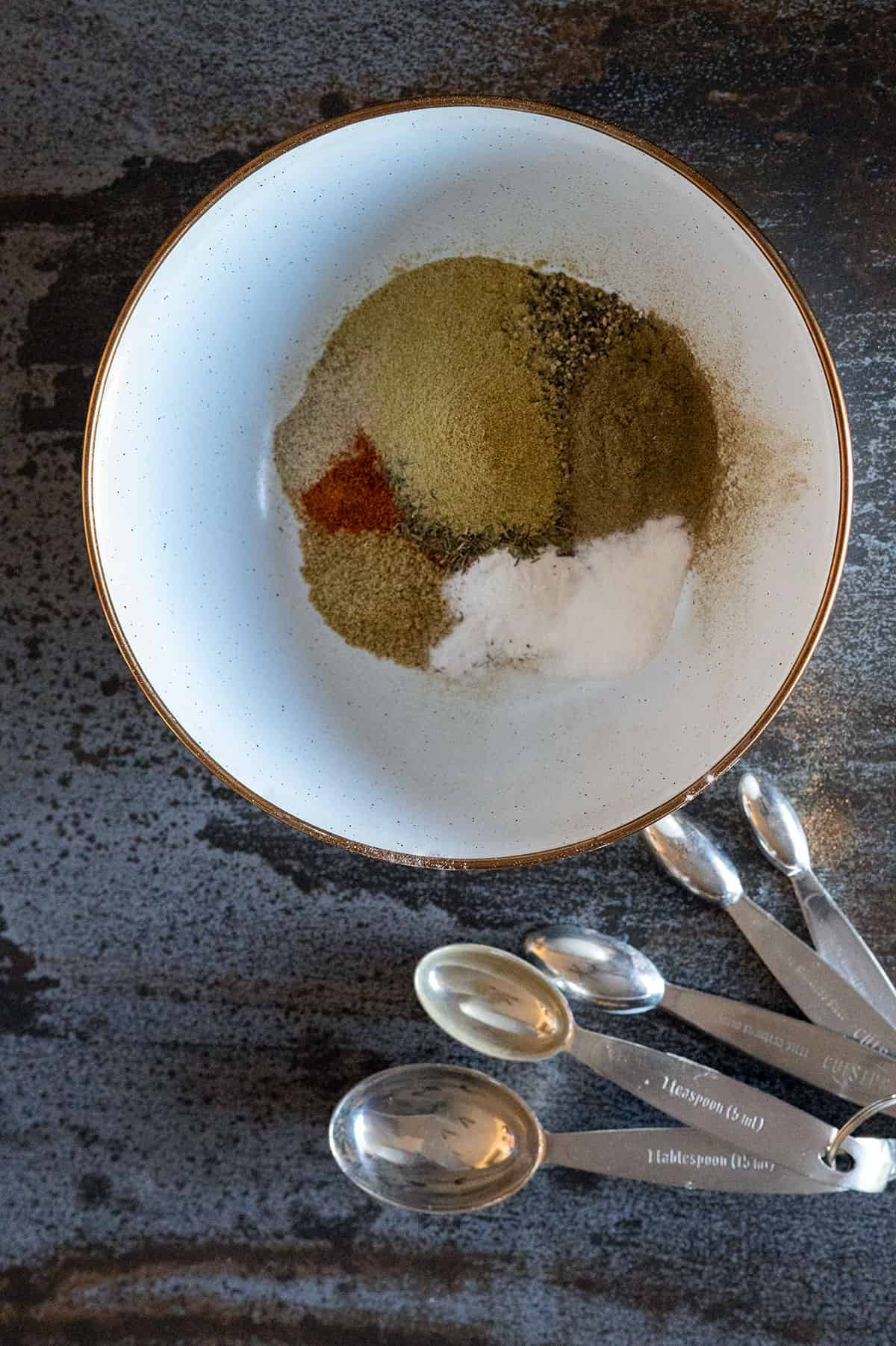
- In a small bowl, combine all the dry ingredients.
- Whisk thoroughly until all spices are evenly distributed.
- Store in an airtight container in a cool, dry place.
Notes
- This recipe yields approximately 4 tablespoons of seasoning, enough for 2 pounds of sausage.
- For thinner patties, cooking time will be around 10 minutes. Thicker patties will require slightly longer.
- Refer to the main article for instructions on smoking or cold smoking sausages.
Nutrition Information (per serving, approximate based on 1 lb sausage)
- Calories: 154 kcal
- Carbohydrates: 1g
- Protein: 10g
- Fat: 12g
- Saturated Fat: 4g
- Polyunsaturated Fat: 1g
- Monounsaturated Fat: 5g
- Cholesterol: 41mg
- Sodium: 613mg
- Potassium: 173mg
- Fiber: 0.2g
- Sugar: 1g
- Vitamin A: 32 IU
- Vitamin C: 1mg
- Calcium: 13mg
- Iron: 1mg
Nutrition information is automatically calculated and should be used as an approximation.
What You’ll Need
To embark on your homemade breakfast sausage journey, gather the following essentials:
- Ground Pork: 1 to 2 pounds, preferably with an 80/20 lean-to-fat ratio for optimal moisture and flavor.
- Breakfast Sausage Seasoning Blend: As outlined above, or your custom mix.
- Mixing Bowls: For combining the meat and seasoning.
- Plastic Wrap or Parchment Paper: For shaping and storing the sausage logs.
- Knife: For slicing patties. A sharp chef’s knife or a specialized meat slicing knife is ideal.
- Cooking Surface: Options include a cast iron skillet, griddle (like a Blackstone or Ninja), or an air fryer.
- Optional Equipment: Sausage stuffer and casings for making links; smoker for a distinct smoky flavor.
Substitutions and Make-Ahead Tips
Substitutions:
The beauty of this recipe lies in its adaptability. Once you’ve mastered the base blend, don’t hesitate to experiment:
- For a Spicier Kick: Increase the amount of cayenne pepper or add crushed red pepper flakes.
- For a Sweeter Maple Flavor: Incorporate more maple sugar or substitute with a touch of pure maple syrup.
- Liquid Flavorings: If maple sugar and vinegar powder are unavailable, a splash of white vinegar and a teaspoon of maple syrup can be used as substitutes.
Make-Ahead Tip:
Prepare your seasoning blend in larger batches to save time during busy mornings. "Mix a double or triple batch of the seasoning blend and store it in an airtight container in your pantry for up to a year," Vanover advises. "That way, you’re never more than a couple tablespoons away from fresh homemade breakfast sausage." This foresight ensures that delicious, homemade sausage is always within reach.
How to Mix Breakfast Sausage
This section details the straightforward process of transforming ground pork into flavorful sausage. The recipe is designed for 1 pound of pork, but the seasoning blend makes enough for 2 pounds, allowing for immediate preparation of a larger quantity or future use.
Step 1: Combine the Seasoning
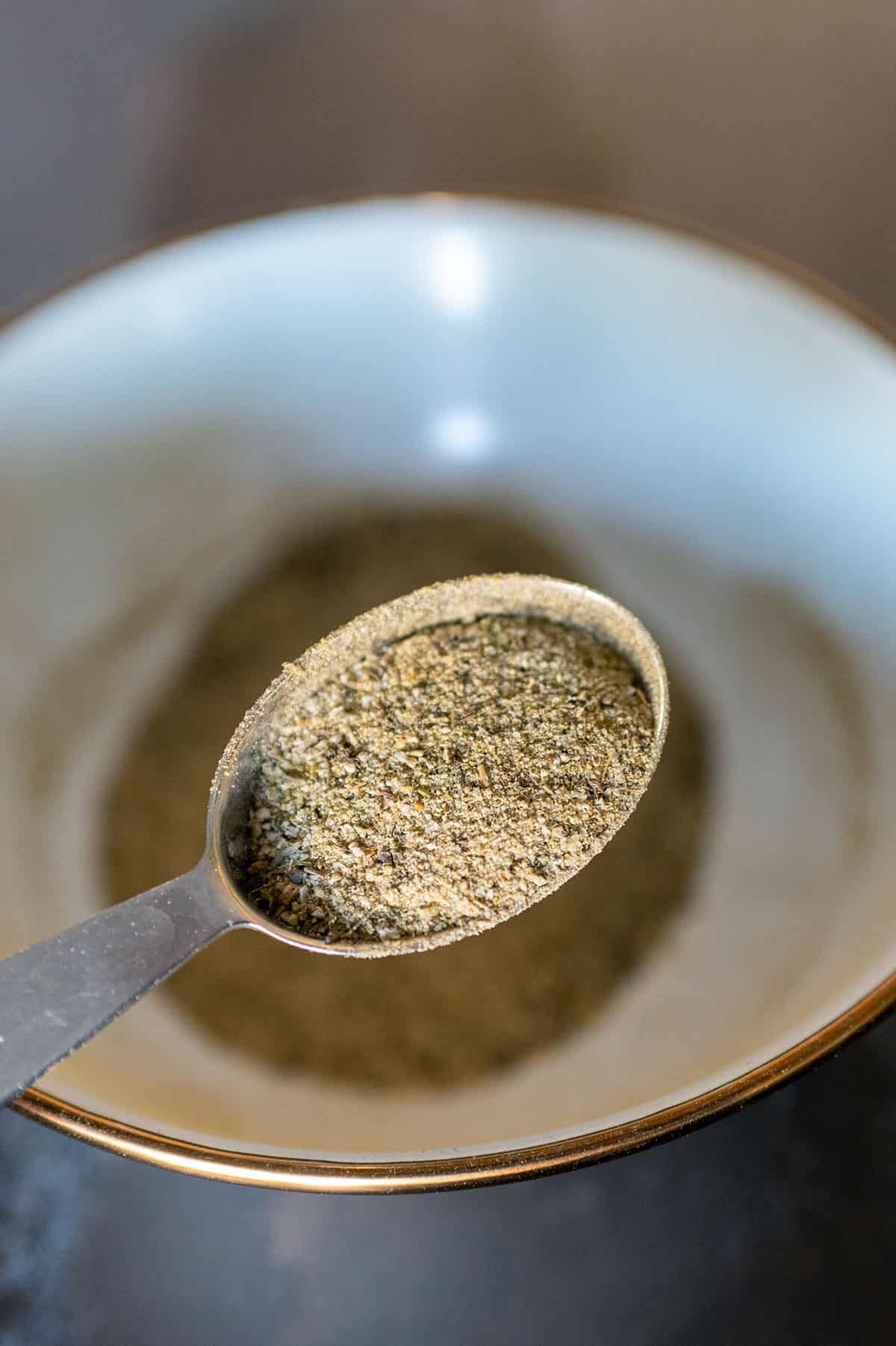
Begin by thoroughly mixing all the dry ingredients for your chosen seasoning blend in a small bowl. Ensure there are no clumps and the spices are evenly distributed. This step guarantees consistent flavor in every bite.
Step 2: Mix the Meat and Seasoning
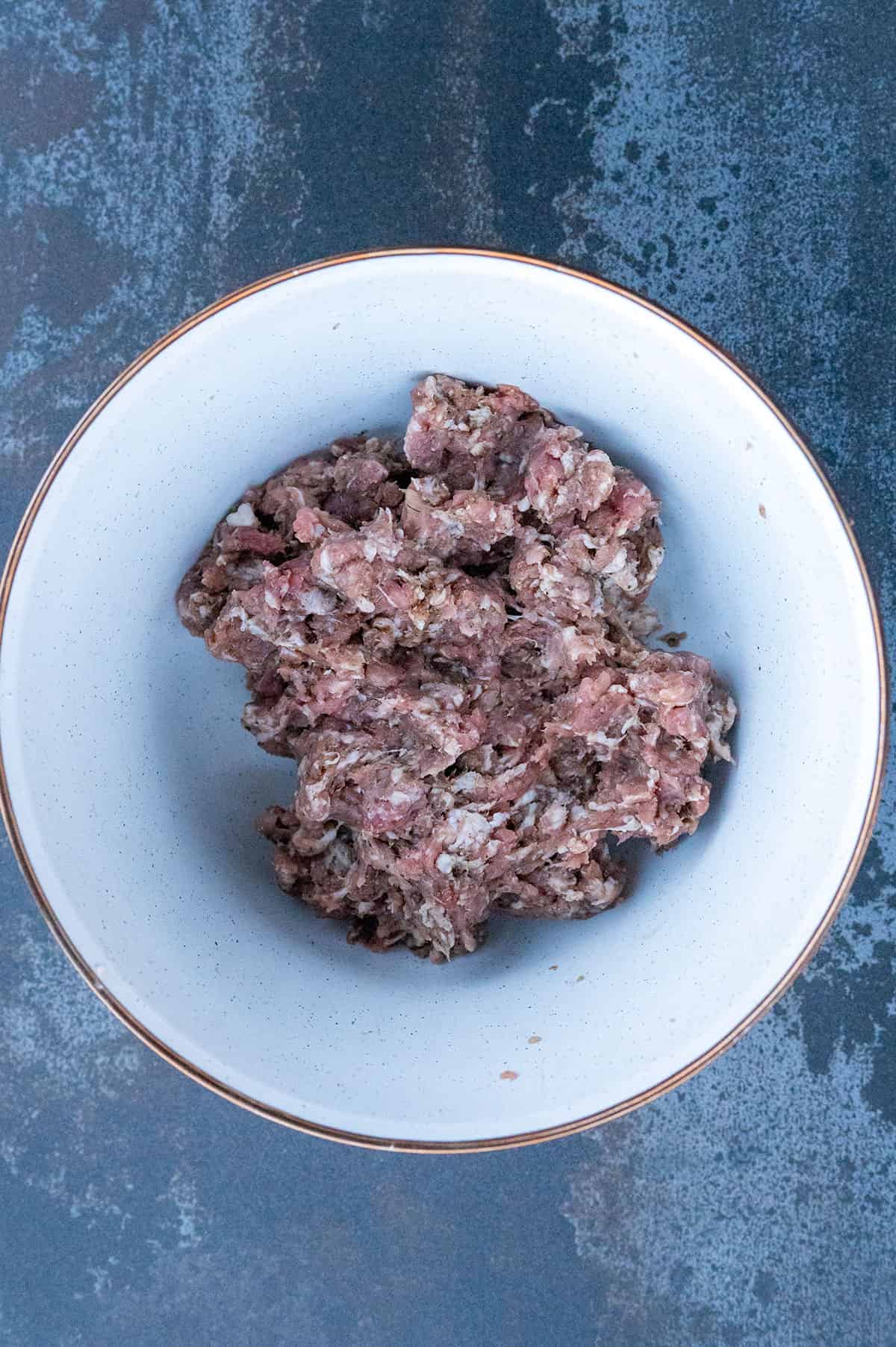
Place one pound of ground pork into a large mixing bowl. Evenly sprinkle two tablespoons of your prepared breakfast sausage seasoning over the meat. The key to achieving a well-integrated flavor is thorough mixing. Vanover recommends using your hands for this process: "I find I get a better blend if I use my hands." Gently but firmly work the seasoning into the meat until it’s uniformly incorporated. Avoid overmixing, which can lead to a tougher texture.
Step 3: Shape into a Log
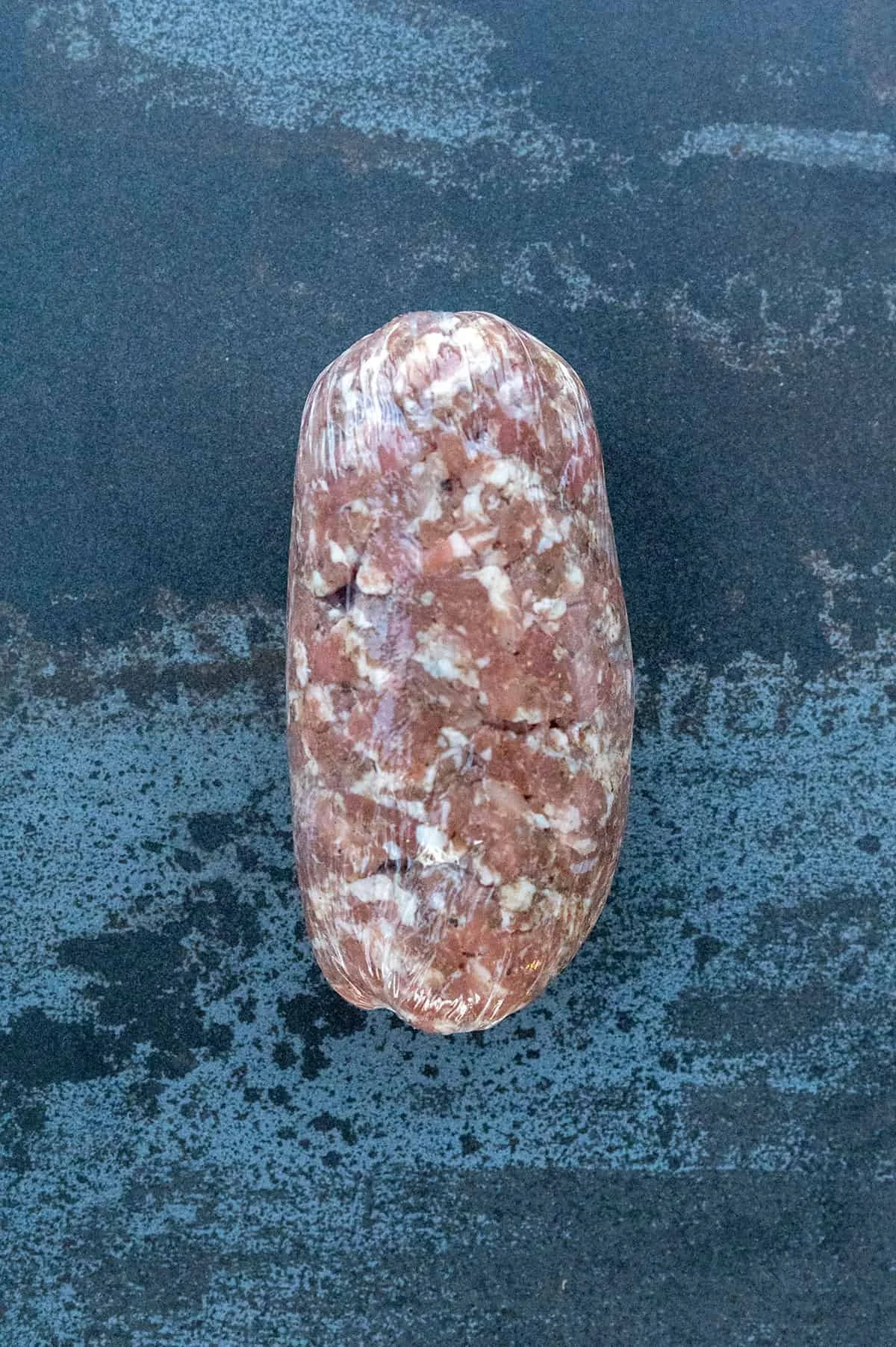
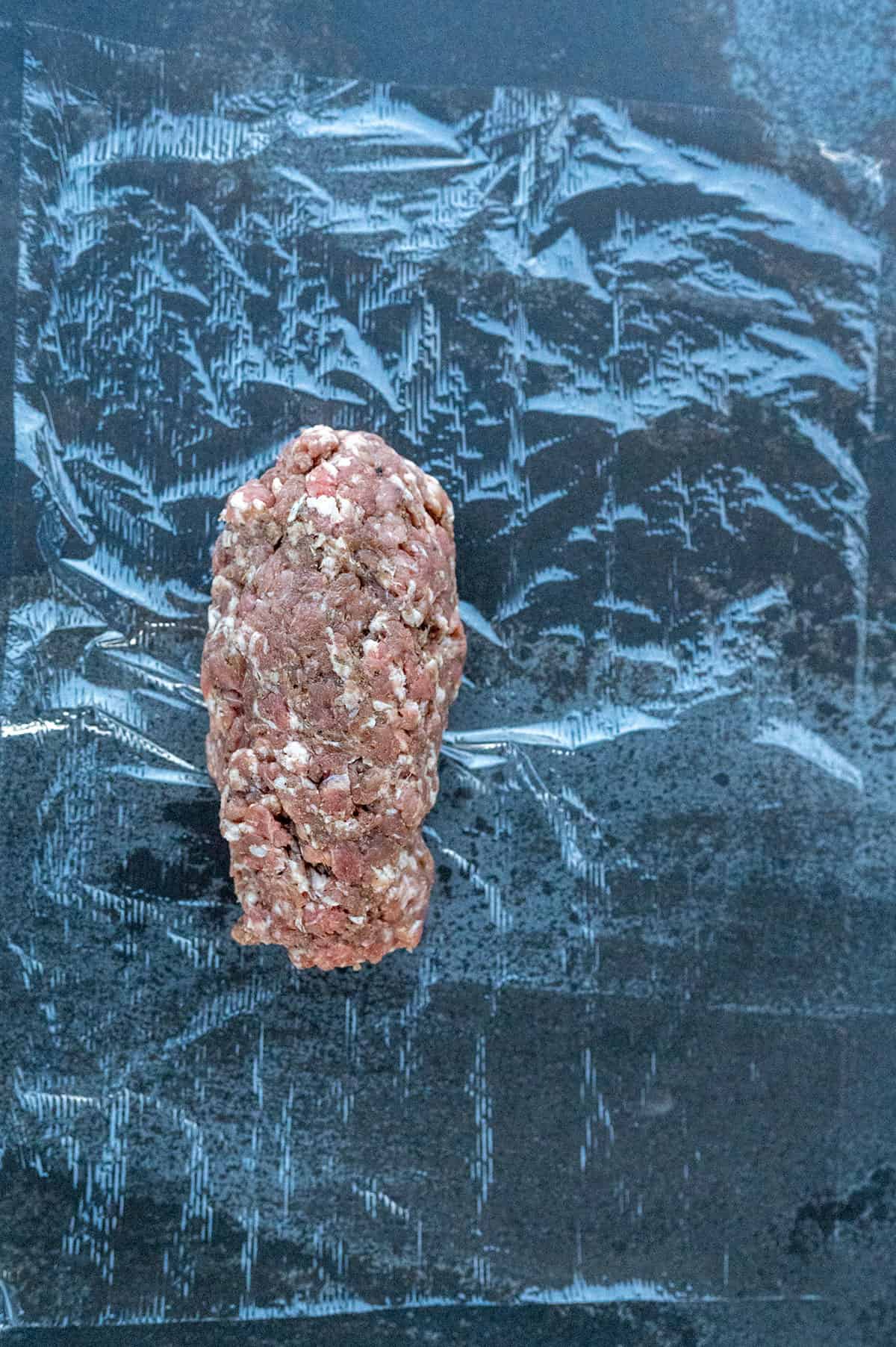
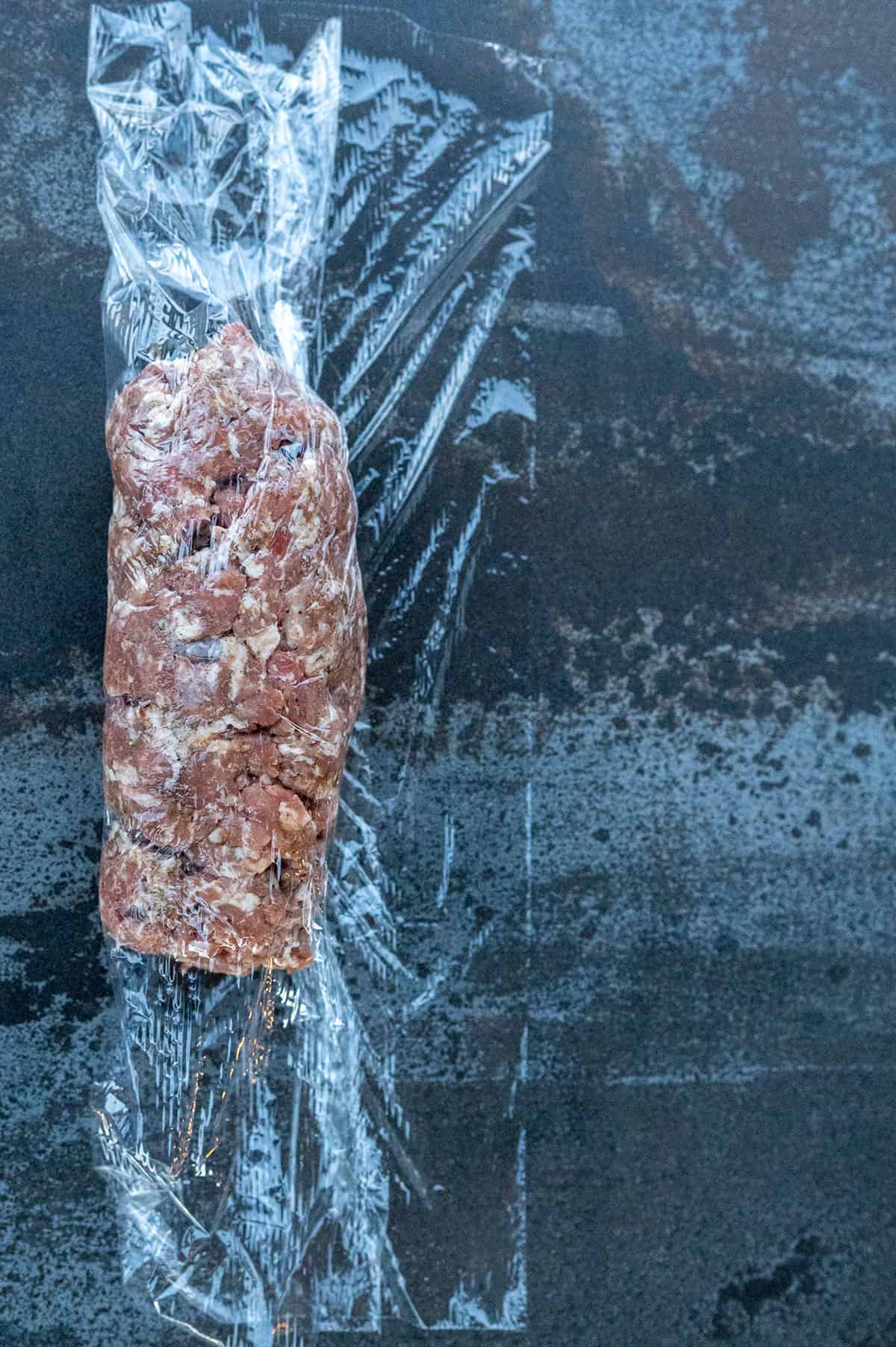
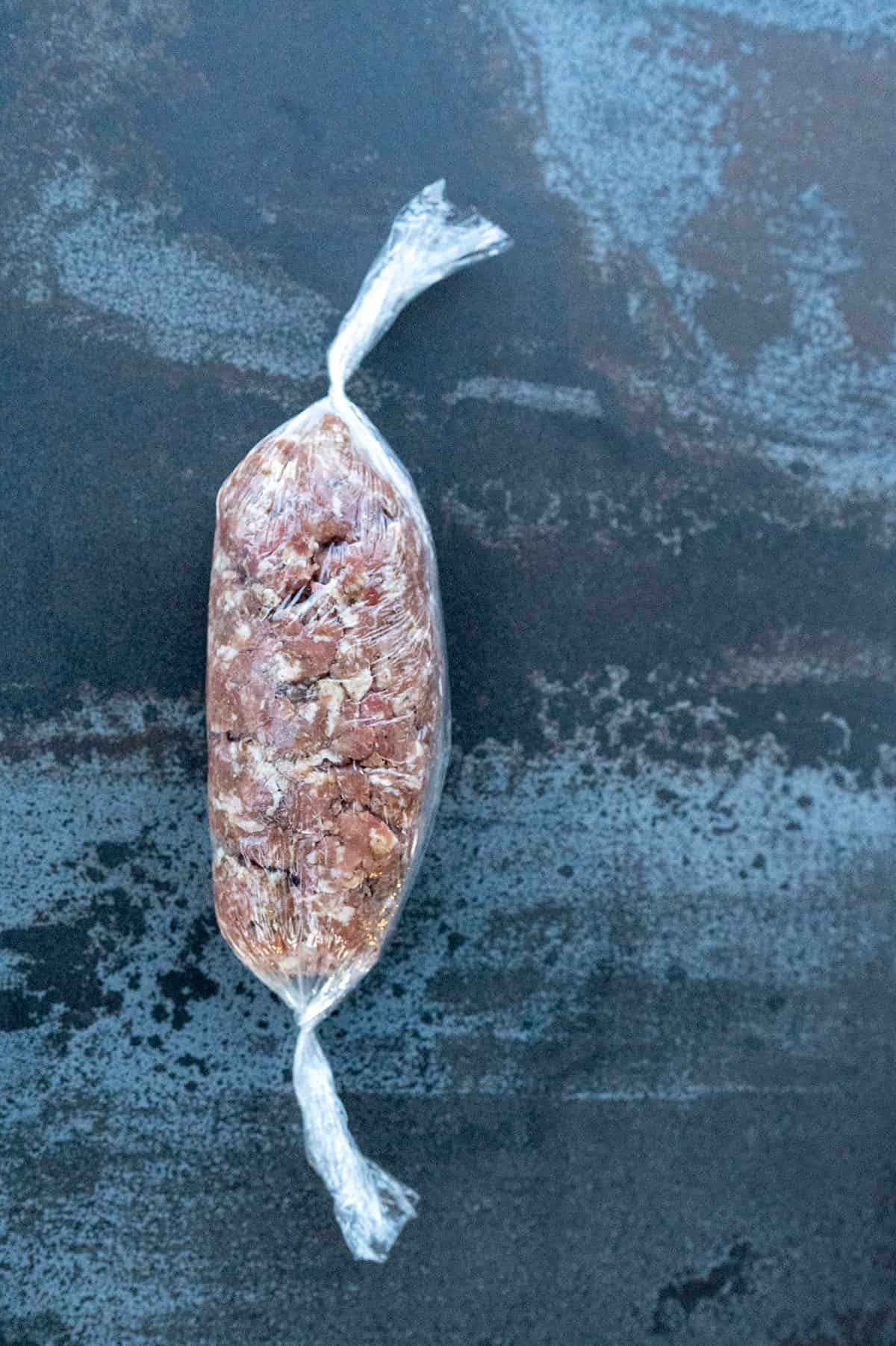
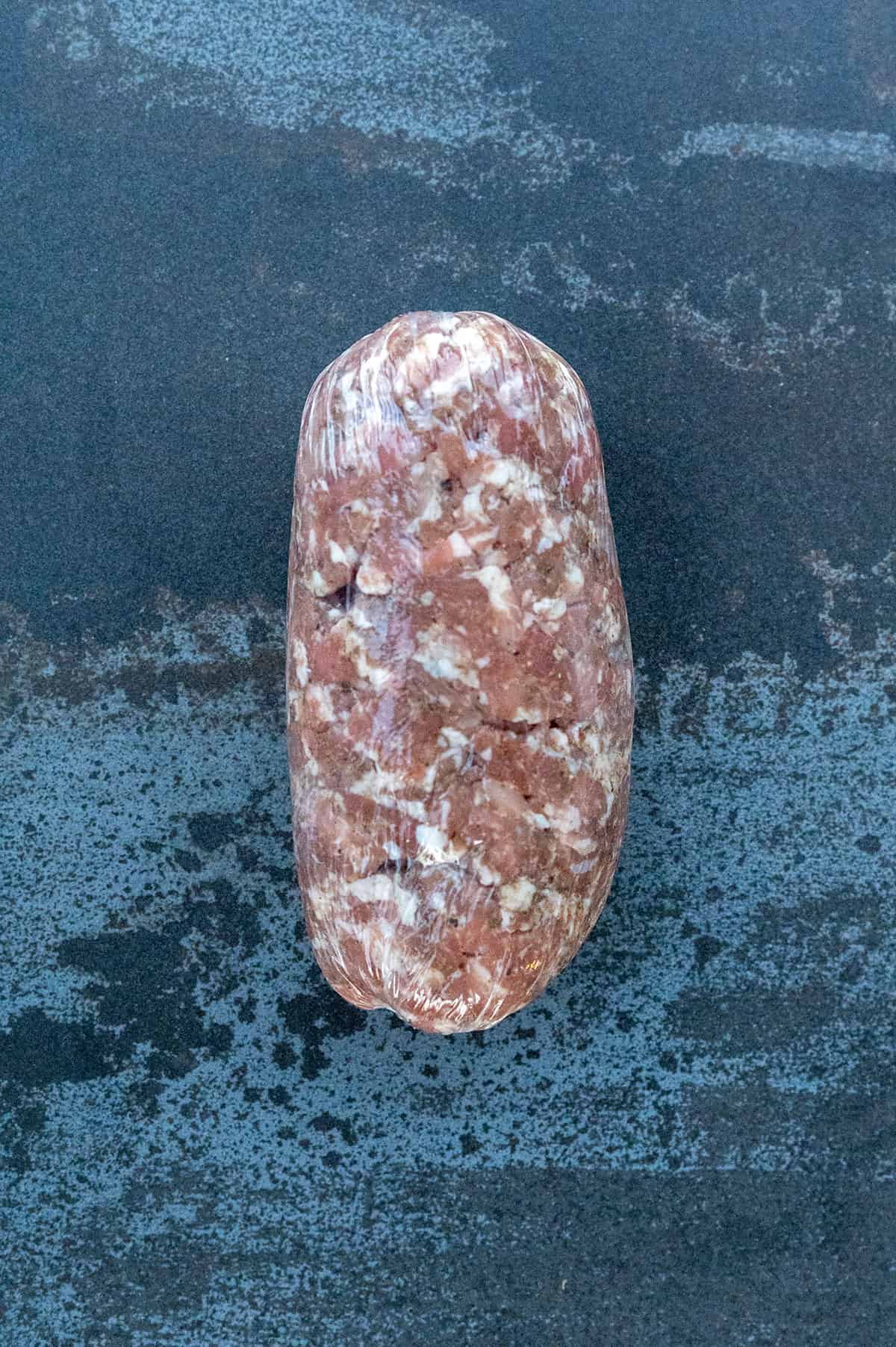
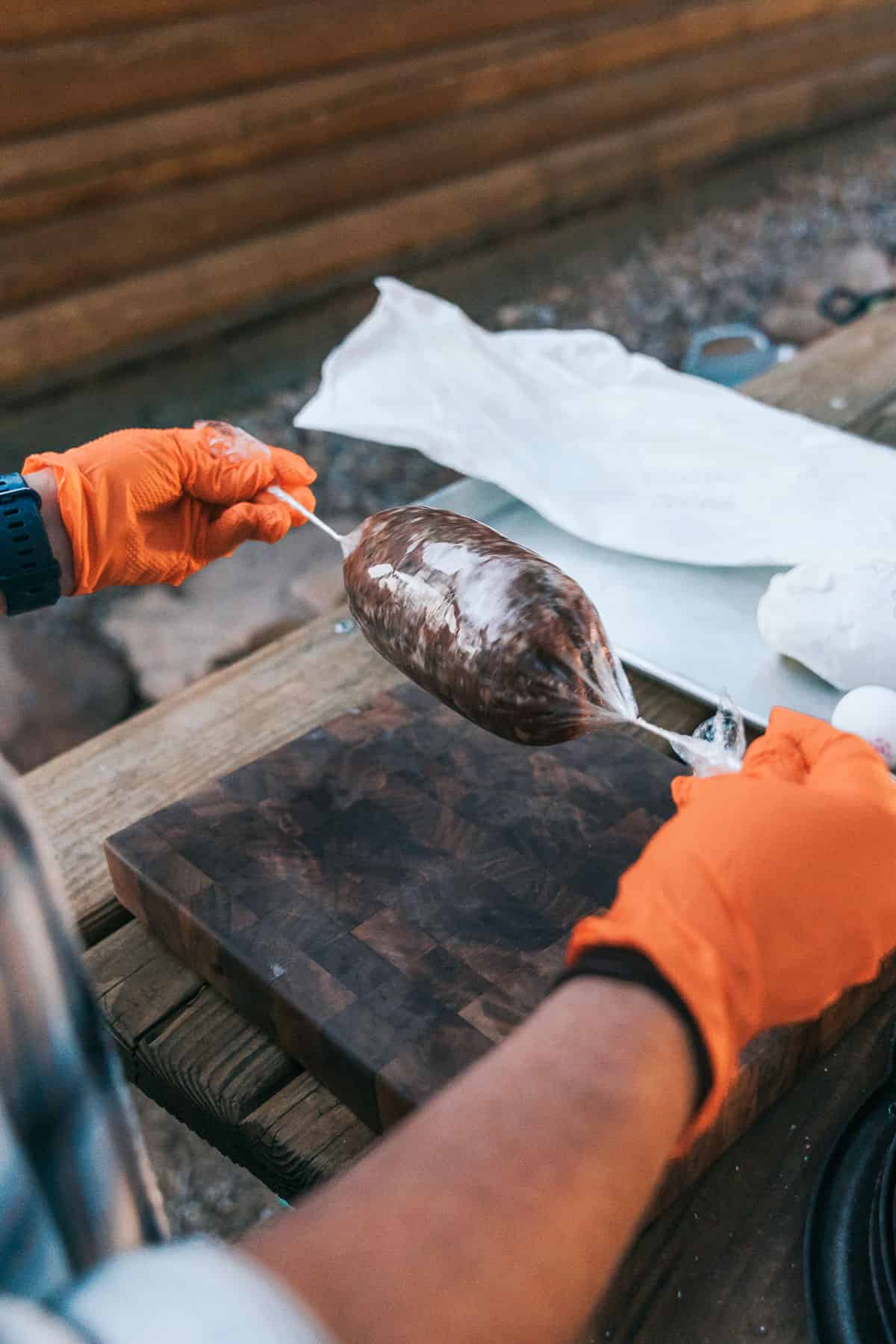
Prepare a clean surface by laying out a sheet of plastic wrap or parchment paper. Scoop the seasoned ground pork mixture onto the wrap. Shape the meat into a compact log, roughly 2-3 inches in diameter. Once shaped, tightly roll the plastic wrap around the log, twisting the ends securely to create a firm, sealed package. This log can be refrigerated for immediate use or frozen for later. Freezing the log partially (for about 30-60 minutes) can make slicing into patties much easier.
How to Cook Breakfast Sausage Patties
The beauty of homemade sausage lies in its adaptability to various cooking methods. Whether you prefer the convenience of an air fryer, the even heat of a griddle, or the sear of a cast iron skillet, delicious results are within reach. Vanover’s preferred method is a cast iron skillet for its ability to achieve a beautiful crust.
Step 1: Slice the Patties
Remove the sausage log from its plastic wrap. If the log was partially frozen, it will be easier to slice cleanly. Using a sharp knife, cut the log into eight equal 1/4-inch thick patties. This portion size is standard for a satisfying breakfast sausage patty.
- GCG Pro Tip: For optimal slicing, ensure the sausage log is firm. If it’s too soft, place it back in the freezer for another 15-30 minutes. A partially frozen log holds its shape better, resulting in uniform patties. Vanover notes her preference for a Cutco cheese knife due to its open blade design, which minimizes sticking.
Step 2: Cook the Patties
Stove-top Skillet Method:
Heat a large cast iron skillet over medium heat. Once the skillet is warm, add the sausage patties in a single layer, ensuring they are not overcrowded. Cook for approximately 5-7 minutes per side. The patties are done when they are deeply browned on the exterior and the interior is no longer pink. A meat thermometer inserted into the thickest part should register 160°F (71°C).
Air Fryer Method:
Preheat your air fryer to 400°F (200°C). Arrange the sausage patties in a single layer in the air fryer basket. Cook for 5 minutes, then flip the patties and continue cooking for another 3-5 minutes, or until cooked through.
Griddle Method:
Heat your griddle to medium heat. Place the sausage patties on the hot surface and cook for 10-15 minutes, flipping occasionally to ensure even browning on all sides.
How to Serve Breakfast Sausage
Once cooked to perfection, remove the sausage patties from the heat and place them on a plate lined with paper towels. This step is crucial for absorbing any excess grease, ensuring a more palatable final product. If you’re not serving immediately, keep the cooked sausages warm in an oven set to a low temperature (around 170-200°F or 75-95°C).
Homemade breakfast sausage is a versatile accompaniment to a wide array of breakfast dishes. It pairs exceptionally well with eggs prepared to your liking, fluffy biscuits, classic waffles, or perfectly cooked pancakes. For a heartier meal, serve alongside crispy hash browns or a fresh fruit salad. Beyond these traditional pairings, the cooked sausage can be used to elevate breakfast sandwiches or crumbled and incorporated into scrambled eggs, omelets, or breakfast burritos for an added burst of flavor and texture.
How to Make Breakfast Sausage Links
For those who prefer the traditional breakfast sausage link, the process is an extension of the patty-making method, requiring a few additional tools. The same ground pork and seasoning blend are used, but the final presentation involves stuffing the mixture into casings.
Essential Equipment:
- Sausage Stuffer: Vanover recommends a vertical stuffer, citing the LEM Products 1605 5-pound model as a reliable choice. The size of the stuffer depends on the quantity of sausage you intend to make.
- Stuffing Tubes: For breakfast sausage links, a smaller diameter stuffing tube is essential.
- Sausage Casings: Natural casings, such as sheep casings, are ideal for breakfast sausage due to their thin diameter and ability to crisp up during cooking. Edible collagen casings offer an alternative for those who prefer to avoid animal products.
Process:
- Prepare the sausage mixture as described previously.
- Thread the chosen casings onto the stuffing tube.
- Carefully feed the seasoned meat into the stuffer and begin extruding the sausage into the casings.
- Gently guide the sausage into links of your desired size, tying off the ends with butcher’s twine or by twisting the casing itself.
- The resulting links can then be cooked, smoked, or frozen.
How to Smoke Breakfast Sausage
Smoking offers a distinct depth of flavor to homemade breakfast sausage. Two primary methods exist: full smoking to cook the sausage through, or cold smoking for a subtle smoky essence.
Full Smoking:
For a fully cooked, smoked sausage, shape the meat into logs without casings or use fibrous casings (which are not edible and must be removed before consumption). These casings help the meat maintain its shape during the smoking process.
- Prepare Casings: If using fibrous casings, soak them in warm water for 20-30 minutes, then squeeze out excess water. Stuff the sausage mixture into the casings.
- Smoking Process: Place the sausage logs on a smoker set to 225°F (107°C) with indirect heat. Smoke until the internal temperature reaches 160°F (71°C), which typically takes about an hour.
Cold Smoking:
Cold smoking imparts a delicate smoky flavor without fully cooking the sausage, allowing for a crispier finish when pan-fried or air-fried later.
- Temperature Control: This method requires careful temperature management. Pellet grills or specialized grills like the Ninja Woodfire Grill can be set to around 150°F (65°C). Smoke the sausages for approximately 2 hours.
- Extended Cold Smoking: For longer cold smoking sessions (over 2 hours) at temperatures below 140°F (60°C), safety is paramount. Vanover explains, "If you want to smoke them at an even lower temperature for more than 2 hours, add 1/2 teaspoon of pink curing salt #1 to the spice blend in the recipe card above. This matters because the meat will be out of the USDA safe zone, which can cause botulism." This additive is crucial for inhibiting bacterial growth in low-temperature cooking environments.
- Post-Smoking: After smoking, remove the fibrous casings before storing or cooking the sausage further.
Vanover shares an anecdote from Kentucky, where a family tradition involves smoking hundreds of pounds of breakfast sausage using a cold-smoke method. They utilize a smokehouse with a bed of coals and pre-soaked hickory wood, smoking overnight. The soaking of the wood is emphasized to prevent flare-ups and maintain a consistent, low temperature.
How to Make Sausage Gravy
Sausage gravy is a comforting and classic breakfast dish that utilizes loose breakfast sausage. No special shaping or casings are required for this preparation.
- Brown the Sausage: Crumble 1 pound of seasoned breakfast sausage into a skillet over medium heat. Cook, breaking up the meat with a spoon, until it is fully browned. Drain off most of the rendered fat, leaving about 2 tablespoons in the skillet.
- Make the Roux: Whisk in 2 tablespoons of all-purpose flour into the rendered fat. Cook, stirring constantly, for about 1-2 minutes to cook out the raw flour taste.
- Add Liquid: Gradually whisk in 2 cups of milk (whole milk is recommended for richness). Continue whisking until the gravy thickens.
- Season and Serve: Season with additional salt and pepper to taste. Serve hot over homemade biscuits.
How to Store and Freeze Breakfast Sausage
Proper storage and freezing ensure the longevity and freshness of your homemade breakfast sausage.
Refrigeration:
If you prepare sausage in one-pound batches, the blended meat can be stored tightly wrapped in the refrigerator for 3-5 days. Once cooked, store the sausage in an airtight container in the refrigerator for up to 5 days.
Freezing:
For longer storage, freezing is an excellent option. Roll the uncooked sausage logs tightly in plastic wrap and then place them in a resealable plastic bag. This method allows for storage in the freezer for up to six months. Cooked sausage can also be frozen for up to 6 months in an airtight container. Thaw frozen sausage in the refrigerator before cooking.
GCG Pro Pitmaster Tips
- Fat Content is Key: Aim for an 80/20 lean-to-fat ratio in your ground pork. This fat content is crucial for moisture, flavor, and a tender texture. Too lean, and the sausage can be dry; too fatty, and it may render excessively.
- Don’t Overwork the Meat: Mix the seasoning into the ground pork just until combined. Overmixing can develop the proteins, leading to a tougher, more compact sausage.
- Taste and Adjust: Before shaping your entire batch, cook a small test patty. This allows you to taste the seasoning and make any necessary adjustments to salt, spice, or sweetness before committing to the full recipe.
- Embrace the Log: Shaping the seasoned meat into a log before slicing patties makes for much cleaner, more uniform results. A partially frozen log is even easier to slice.
- Patience in Cooking: Allow the sausage to cook thoroughly. Ensure the interior is no longer pink and the juices run clear. Using a meat thermometer to check for an internal temperature of 160°F (71°C) is the most accurate method.
Frequently Asked Questions
How do you make a homemade breakfast sausage recipe from scratch?
Mix ground pork with a spice blend of salt, pepper, sugar, herbs, and flavor boosters. Shape it into a log to slice into patties, stuff it into casings for links, or cook it loose for sausage gravy.
How do I know when the sausage is cooked through?
Sausage patties typically take about 10-15 minutes to cook in a skillet over medium heat. They are done when the outside is brown and the inside is no longer pink. An instant-read meat thermometer should register an internal temperature of 160°F (71°C).
What seasoning do you put in ground pork to make sausage?
Ground pork is commonly used for breakfast sausage and Italian sausage. Breakfast sausage seasoning usually includes salt, pepper, and herbs like sage, thyme, and rosemary. Italian sausage often features coriander, paprika, garlic, and Italian herbs.
How many patties does one pound of sausage make?
One pound of this breakfast sausage recipe typically yields eight 1/4-inch thick patties.
Are there nitrates or nitrites in this breakfast sausage?
This recipe does not include nitrates or nitrites by default. If you plan to cold smoke breakfast sausage at temperatures below 140°F (60°C) for extended periods (over 2 hours), it is essential to add a preservative like pink curing salt #1 to prevent bacterial growth and ensure food safety.
Can you make this recipe with turkey or chicken?
Yes, you can substitute turkey or chicken for ground pork. The flavor of the sausage primarily comes from the spice blend, making it adaptable to various ground meats.
Should I cook breakfast sausage on a griddle or in a cast iron skillet?
Both methods yield excellent results. A griddle, such as a Blackstone, is ideal for cooking large batches simultaneously. A cast iron skillet, on the other hand, excels at developing a deeper, more flavorful crust on the sausage patties.
For more exceptional grilling recipes and expert advice, subscribe to Christie Vanover’s newsletter and follow Girls Can Grill on Facebook, Instagram, and TikTok. Sharing your culinary creations by tagging @girlscangrill is highly encouraged.


