The world of pastrami, a beloved cured and smoked meat, is steeped in a unique lexicon that can often leave newcomers feeling lost. Terms like "cure," "brine," "steam finish," "bark," and "grain" are not merely descriptive; they represent critical stages and characteristics in the meticulous process of creating this iconic deli meat. For home cooks venturing into pastrami production, or for enthusiasts seeking a deeper understanding of their favorite sandwich filling, a clear grasp of these terms is essential for following recipes accurately, troubleshooting potential issues, and engaging in informed discussions about this culinary craft. This comprehensive glossary aims to demystify the jargon, translating specialized terminology into plain English, thereby empowering anyone to speak the language of pastrami with confidence. For those seeking a more in-depth exploration of the subject, an ultimate guide to pastrami is also available.
Understanding the Core Elements of Pastrami Making
The journey of pastrami from raw cut to finished delicacy is a multi-step process, each phase governed by specific techniques and resulting in distinct attributes. At its heart, pastrami is cured, seasoned beef that is then smoked and often finished with steaming to achieve its signature tender texture. The terminology used reflects this intricate transformation, highlighting the importance of precision in both ingredient selection and preparation methods.
Curing and Preservation: The Foundation of Flavor
The initial stages of pastrami preparation involve curing, a process that not only preserves the meat but also imbues it with its characteristic flavor and color. This is primarily achieved through the use of salt and, crucially, curing salts.
- Brine: A fundamental component of wet curing, a brine is a solution of salt dissolved in liquid. This solution penetrates the meat, drawing out moisture and initiating the preservation process while delivering seasoning deep into the muscle fibers. The composition of the brine is critical, often including a blend of salts, sugars, and aromatics.
- Aromatics: These are flavor-enhancing ingredients added to the brine or dry cure. Common aromatics include garlic, bay leaf, peppercorns, and coriander. They contribute layers of complexity to the final product, moving beyond simple saltiness.
- Cure: This overarching term refers to the entire process of preserving and seasoning meat. It can be achieved through a wet cure (brine) or a dry cure.
- Dry Cure: In this method, a measured mixture of salt and seasonings is applied directly to the surface of the meat, with no added liquid. This technique allows for a more concentrated flavor and can contribute to a desirable crust.
- Curing Salt #1 (Prague Powder #1) / Sodium Nitrite: This is a critical ingredient in most cured meats, including pastrami. It contains sodium nitrite, which plays a vital role in preserving the cured flavor and color, giving pastrami its characteristic pink hue. It also inhibits the growth of harmful bacteria, acting as a vital safety component. The use of curing salt #1 is what differentiates true cured pastrami from simply smoked or seasoned meat.
- Kosher Salt: A common choice for curing and brining due to its coarse texture and lack of additives, kosher salt is favored for its ability to be measured accurately by weight, ensuring consistency in the cure.
- Nitrite: As mentioned, sodium nitrite is the active component in curing salts like Prague Powder #1. It is essential for the development of the signature cured flavor, color, and safety of pastrami.
- Nitrate: While related to nitrites, sodium nitrate is typically found in Curing Salt #2 and is used in the production of hard sausages like salami, where a longer cure time is required. It is not a standard ingredient in pastrami.
- Submersion: For wet cures, ensuring the meat is fully submerged in the brine is crucial for even curing. Uneven exposure to the brine can lead to inconsistent salt penetration and flavor.
The Art of Seasoning and Smoking: Building Flavor and Texture
Once the curing process is complete, the meat is typically rinsed and then seasoned before being subjected to the transformative power of smoke.

- Rub: This refers to the blend of spices and seasonings applied to the surface of the meat before smoking. A classic pastrami rub is often heavy on peppercorns and coriander, providing a bold, aromatic crust.
- Peppercorns: These are a cornerstone of pastrami flavor. Coarse black pepper, in particular, is a traditional and essential element, contributing a pungent bite that complements the richness of the meat.
- Coriander: Often paired with black pepper, coriander offers a citrusy, floral note that is a hallmark of classic pastrami seasoning.
- Pickling Spice: This is a pre-made blend commonly used in curing and pickling. It typically includes a combination of peppercorns, coriander, bay leaf, and other spices, offering a convenient way to achieve a complex flavor profile.
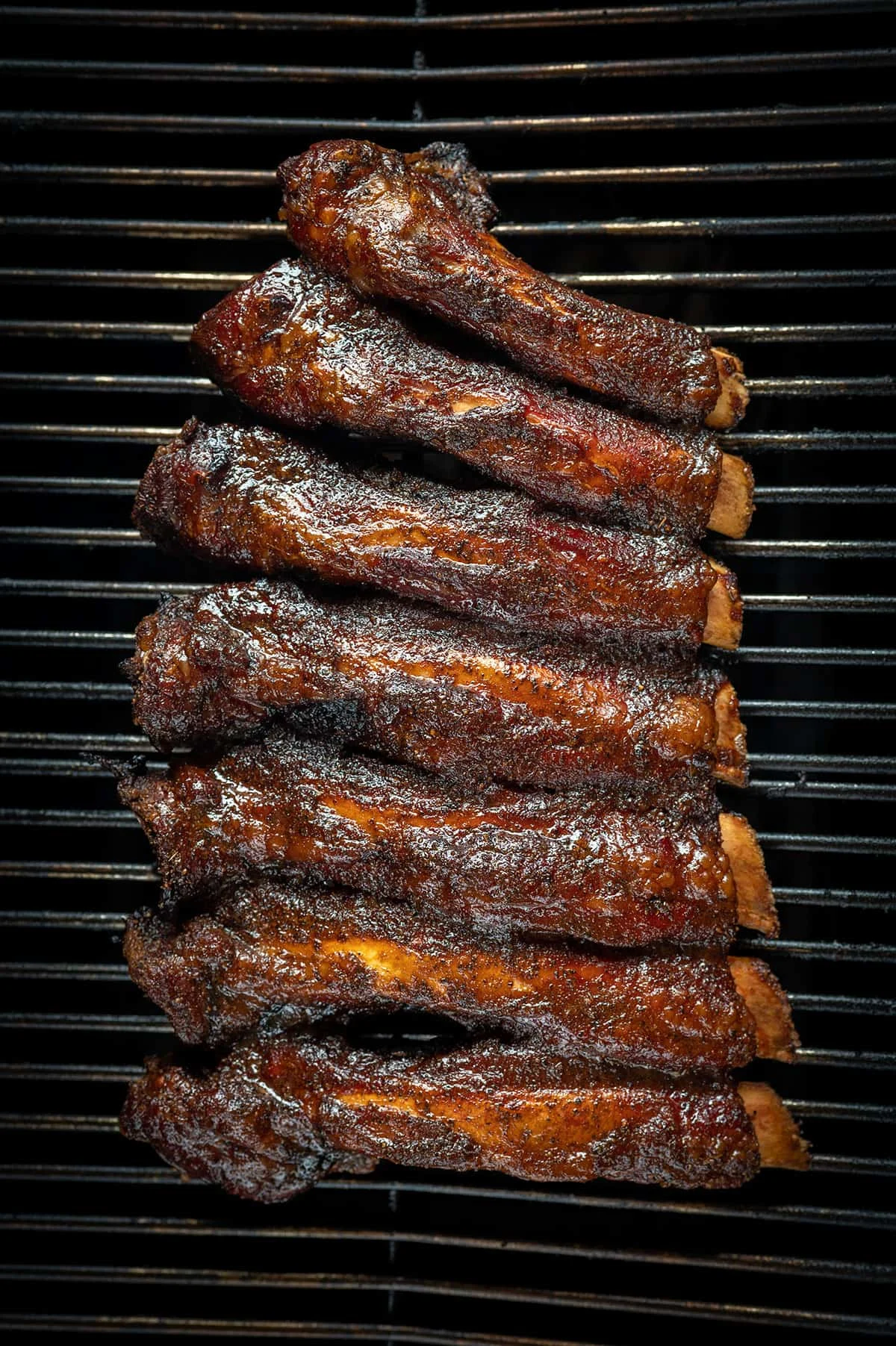
- Bark: During the smoking process, the exterior of the meat develops a dark, seasoned crust known as the "bark." This is a highly prized element, formed by the interaction of smoke, seasoning, and the Maillard reaction.
- Clean Smoke: This refers to the ideal smoke produced by a well-functioning smoker. It is thin, almost invisible, and imparts a pleasant flavor without any bitterness. A "dirty" or acrid smoke can negatively impact the taste of the meat.
- Low-and-Slow: This cooking technique, essential for pastrami, involves cooking at lower temperatures for extended periods. This approach allows the connective tissues in the meat to break down, resulting in enhanced tenderness and deeper smoke flavor infusion.
- Texas Crutch: This is a technique used during the latter stages of smoking, typically involving wrapping the meat in butcher paper or foil. This helps to push the meat through the "stall," a period where the meat’s internal temperature plateaus, and can accelerate the cooking process while retaining moisture.
Finishing and Presentation: The Final Touches
The culmination of the pastrami-making process involves further cooking or resting to achieve optimal tenderness and prepare it for serving.
- Steam Finish: For a truly authentic deli-style pastrami, a steaming phase is often employed after smoking. This gentle application of heat and moisture further tenderizes the meat, resulting in that melt-in-your-mouth texture characteristic of high-quality pastrami.
- Deli-Style: This refers to pastrami that has undergone the complete process: curing, smoking, and often a final steaming. The result is a supremely tender, flavorful meat that is typically sliced thinly for sandwiches.
- Rest: After cooking, allowing the pastrami to rest off the heat is a crucial step. This period of rest allows the juices within the meat to redistribute, ensuring a moist and flavorful final product.
- Against the Grain: This is a critical technique for slicing pastrami. It involves cutting perpendicular to the direction of the muscle fibers. Slicing against the grain shortens the fibers, making the meat significantly more tender and less chewy.
- Diamond Cut: A decorative slicing style sometimes used for presentation, where thin slices are cut at an angle to create a diamond-like pattern.
- Probe Tender: This is a key indicator of doneness and tenderness. When a thermometer probe can be inserted into the thickest part of the meat with very little resistance, similar to sliding into room-temperature butter, it signifies that the meat is sufficiently tender.
- Pulling Early: Conversely, removing the meat from the heat before it reaches the probe-tender stage will result in tough, unappealing slices. Patience is paramount in pastrami preparation.
- Desalination / Cold Water Soak: After curing, especially with a wet brine, the meat can be quite salty. A cold water soak, or desalination, involves soaking the cured meat in fresh water, often with multiple water changes, to reduce the surface saltiness before seasoning and smoking. This is a vital step to prevent an overly salty final product.
- Rinse: A thorough rinsing of the cured meat under cold running water helps to remove any loose curing salts and seasonings from the surface, preparing it for the next stages.
- Internal Temperature: While an important metric for tracking cooking progress, the internal temperature of the meat is not the sole determinant of doneness. Tenderness, as indicated by probe tenderness, is the ultimate goal.
Understanding the Cuts: Where Pastrami Begins
The choice of meat cut significantly influences the final texture and flavor of pastrami. Traditional cuts are prized for their fat content and marbling, which contribute to moisture and richness.
- Beef Navel: Considered the traditional and most prized cut for authentic deli pastrami, the beef navel (also known as the navel plate or plate ribs) is rich in fat, offering exceptional flavor and a desirable sliceability. Its marbling breaks down beautifully during the cooking process.
- Chuck Roast: A more accessible and budget-friendly option, chuck roast is a popular choice for backyard pastrami enthusiasts. It offers a robust beefy flavor and can yield excellent results, though it may require more careful attention to achieve the same level of tenderness as a navel cut.
- Plate Ribs: This refers to beef ribs cut from the plate section. These cuts are known for their richness and can be prepared in a pastrami style, offering a luxurious eating experience.
- Point: The fatty, well-marbled portion of a brisket. The point is more forgiving than the flat cut and tends to be juicier, though it slices differently due to its irregular shape and generous fat deposits.
Beyond the Basics: Additional Terminology
A few other terms provide further insight into the nuances of pastrami making and enjoyment.
- Corned Beef: This is a precursor to pastrami. Corned beef is cured beef, typically cooked by boiling or braising, and it shares many of the same curing ingredients as pastrami but usually skips the smoking and steaming stages.
- Pastrami: Defined as cured, seasoned beef (or other meat) that’s smoked, often steamed to finish deli-style. This encompasses the entire journey from raw cut to the final product.
- Smoked Pastrami: This term can sometimes imply pastrami that is primarily finished by smoking, and may or may not include a steaming phase. The distinction is important for understanding the intended texture.
- Salt Percentage: In professional contexts, salt percentage refers to the amount of salt calculated as a proportion of the meat’s weight or the total weight of the meat and water in a brine. This ensures predictable and consistent curing results.
- Soak Schedule: This refers to a planned regimen of soaking and water changes after curing to precisely control the final saltiness of the meat.
- Smoke Ring: This is the distinct pinkish layer that appears just beneath the surface of smoked meats. It’s a result of the chemical reaction between smoke compounds (like nitric oxide) and the meat’s myoglobin during the smoking process, and it is separate from the curing color.
- Uncured Pastrami: This is a somewhat paradoxical term, referring to a pastrami-style preparation that does not use Curing Salt #1 (sodium nitrite). While it can mimic some of the flavor profiles through spices, it will lack the characteristic cured color and taste, and importantly, the same level of food safety assurance against certain bacteria.
By demystifying these terms, this glossary serves as a gateway for anyone looking to explore the rich culinary landscape of pastrami, from the seasoned pitmaster to the curious diner. Understanding these fundamental concepts not only enhances appreciation for the craft but also provides the practical knowledge needed to embark on a delicious pastrami-making adventure.