
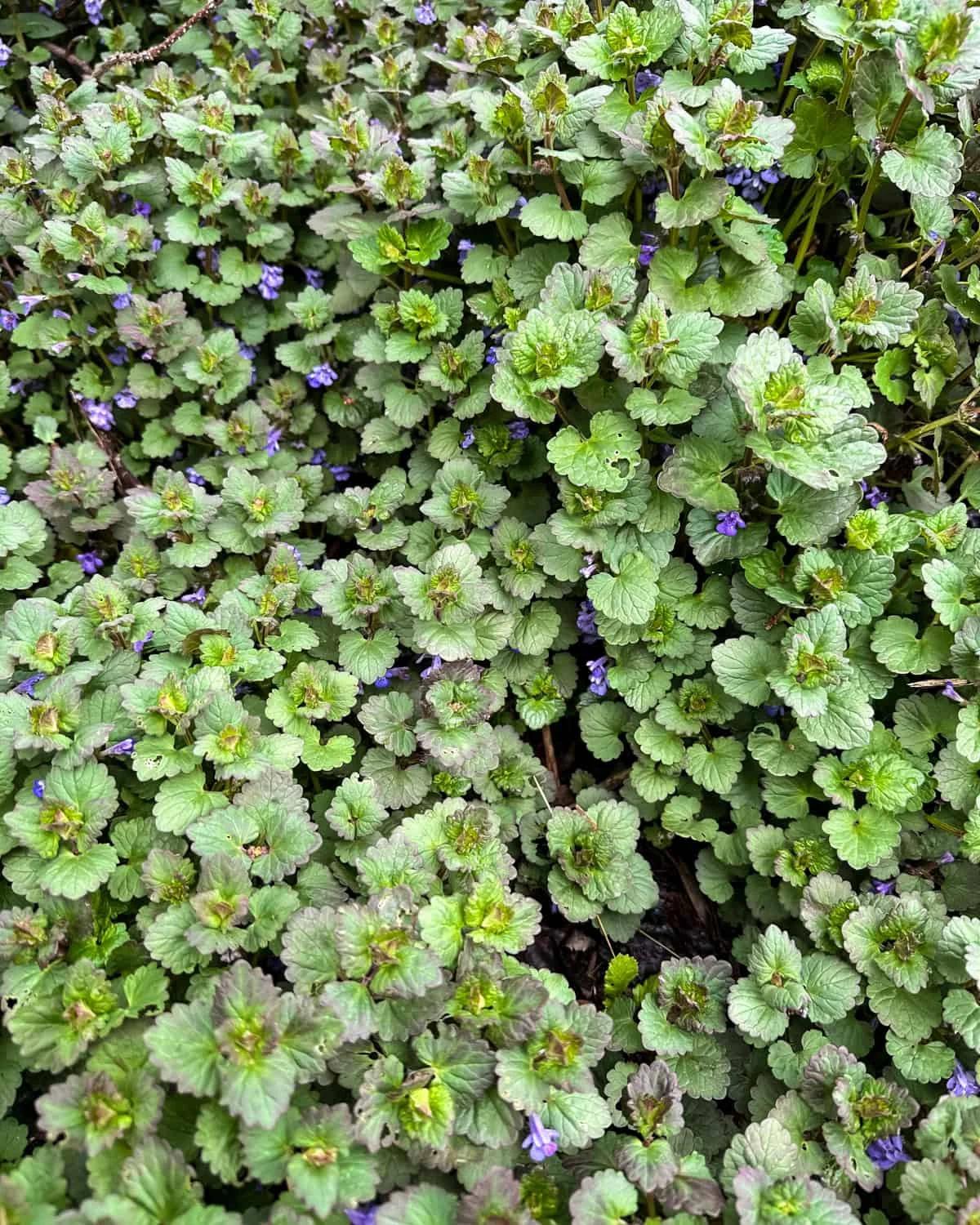
Creeping Charlie, botanically classified as Glechoma hederacea and frequently referred to as ground ivy, represents a significant paradox in modern horticulture, serving simultaneously as a persistent invasive weed and a valuable resource for foragers and herbalists. As a perennial member of the Lamiaceae, or mint family, this low-growing plant is recognized for its aggressive spreading habit, dainty funnel-shaped purple flowers, and scalloped, kidney-shaped leaves. While often the target of eradication efforts by lawn enthusiasts, the species possesses a rich ethnobotanical history and a suite of pharmacological properties that are increasingly being validated by contemporary scientific research.
Historical Context and the Chronology of Glechoma Hederacea
The history of Glechoma hederacea is deeply intertwined with European agriculture and domestic life. Native to Europe and parts of Asia, the plant was highly esteemed by the Saxons, who utilized it as a primary clarifying and flavoring agent in beer brewing. During this era, it earned the name "ale-hoof," derived from the Old English "tunhoof," signifying its role in the "tun" or brewing vat. It remained the standard bittering herb for ale until the 16th century, when it was gradually supplanted by hops (Humulus lupulus) following the introduction of the Reinheitsgebot and changing palate preferences.
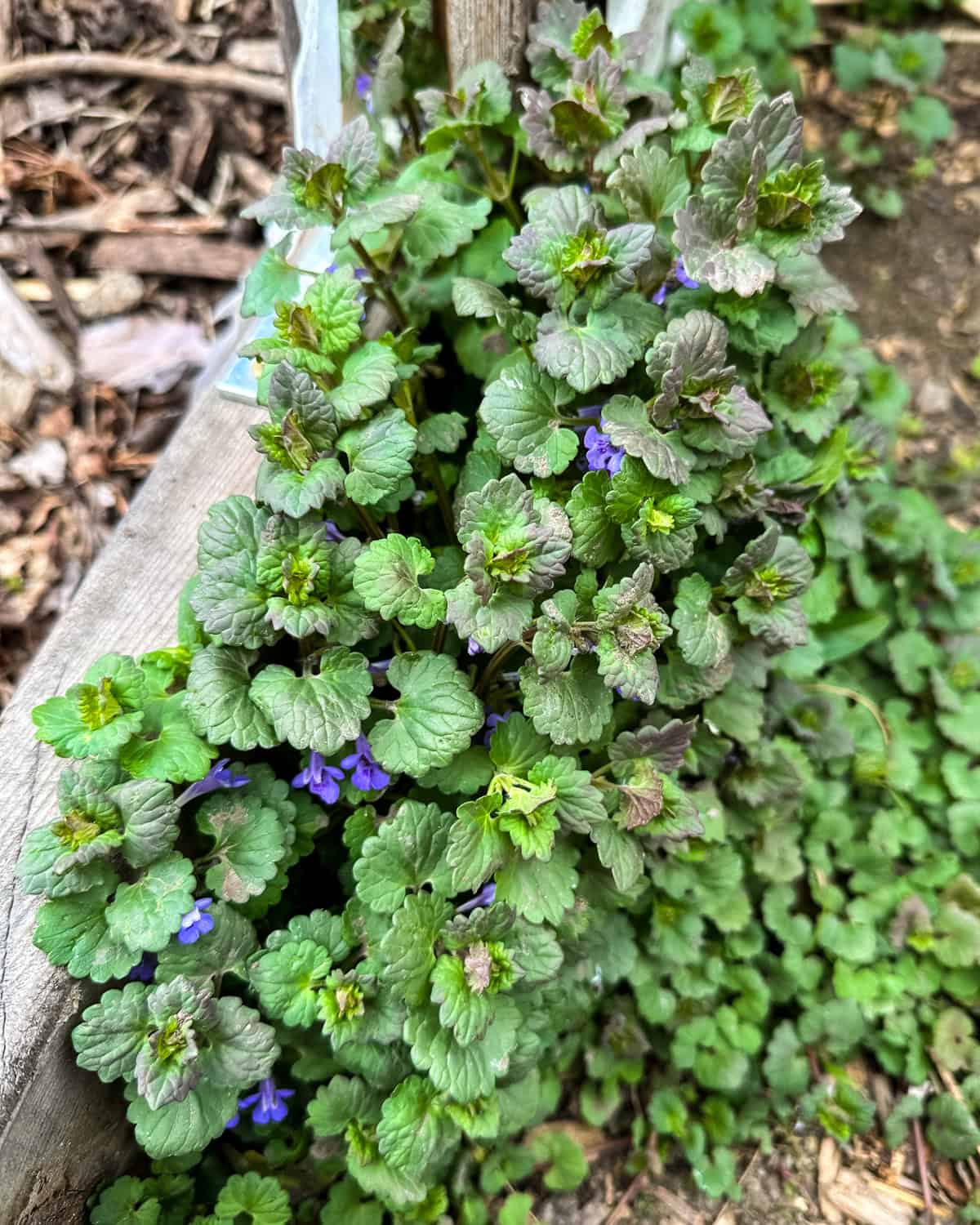
The plant was intentionally introduced to North America by early European settlers. It was carried across the Atlantic not merely as a reminder of home, but as a portable pharmacy and a reliable food source. By the 19th century, Creeping Charlie had successfully naturalized across much of the continent, thriving in the temperate climates of the United States and Canada. Its ability to propagate via stolons—horizontal stems that root at nodes—allowed it to move rapidly from colonial gardens into the wild, where it now occupies a permanent niche in various ecosystems, particularly in disturbed soils and shaded woodlands.
Botanical Identification and Morphological Characteristics
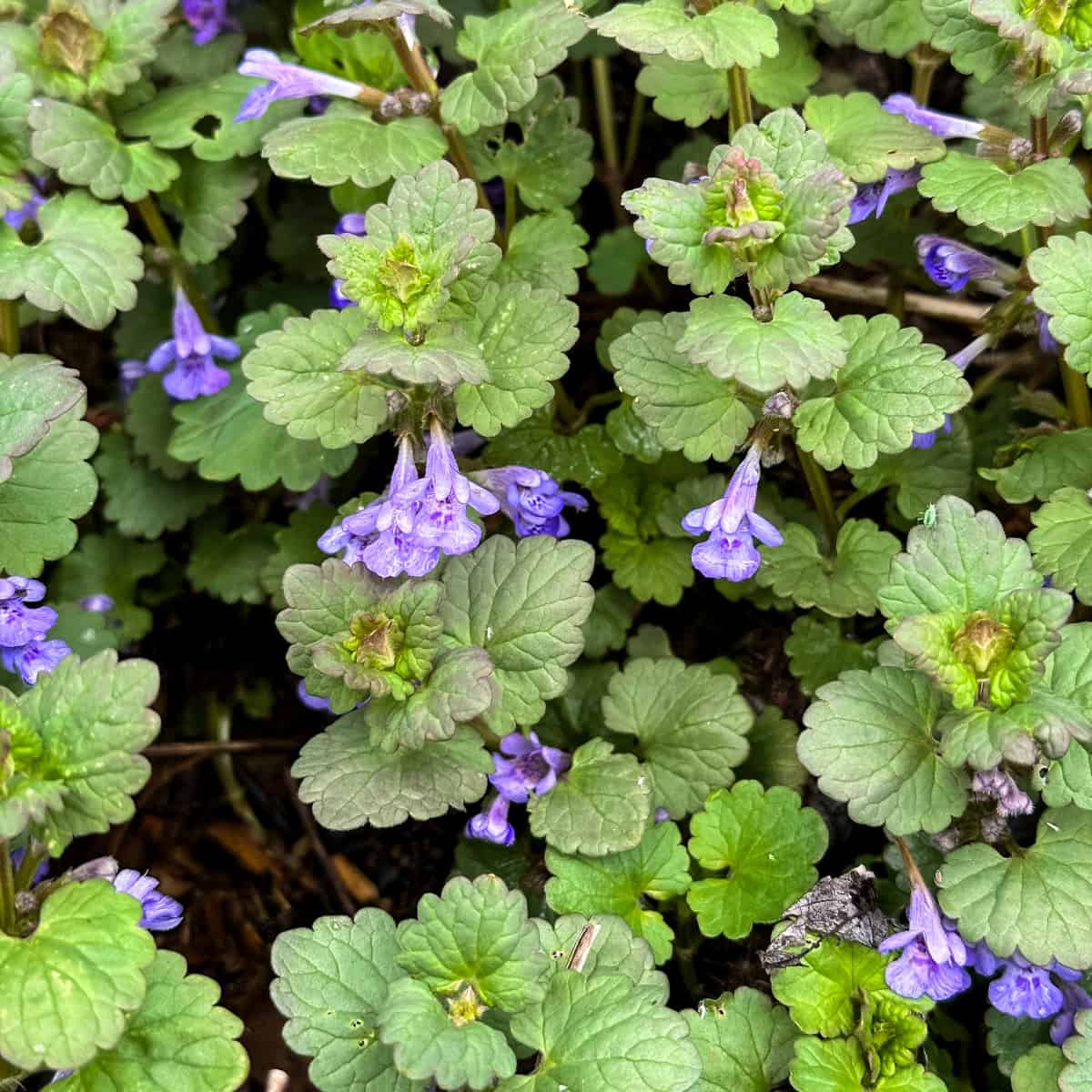
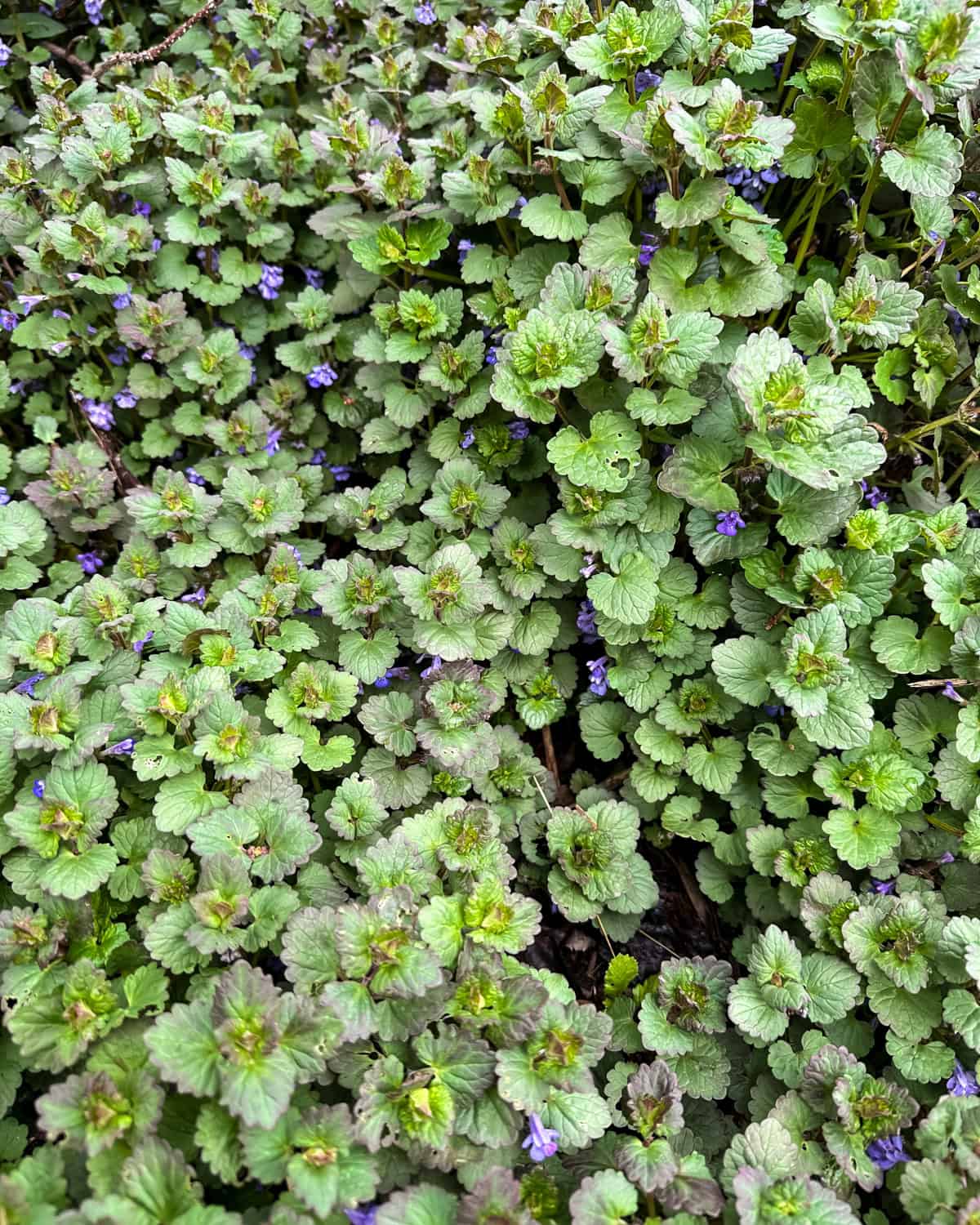
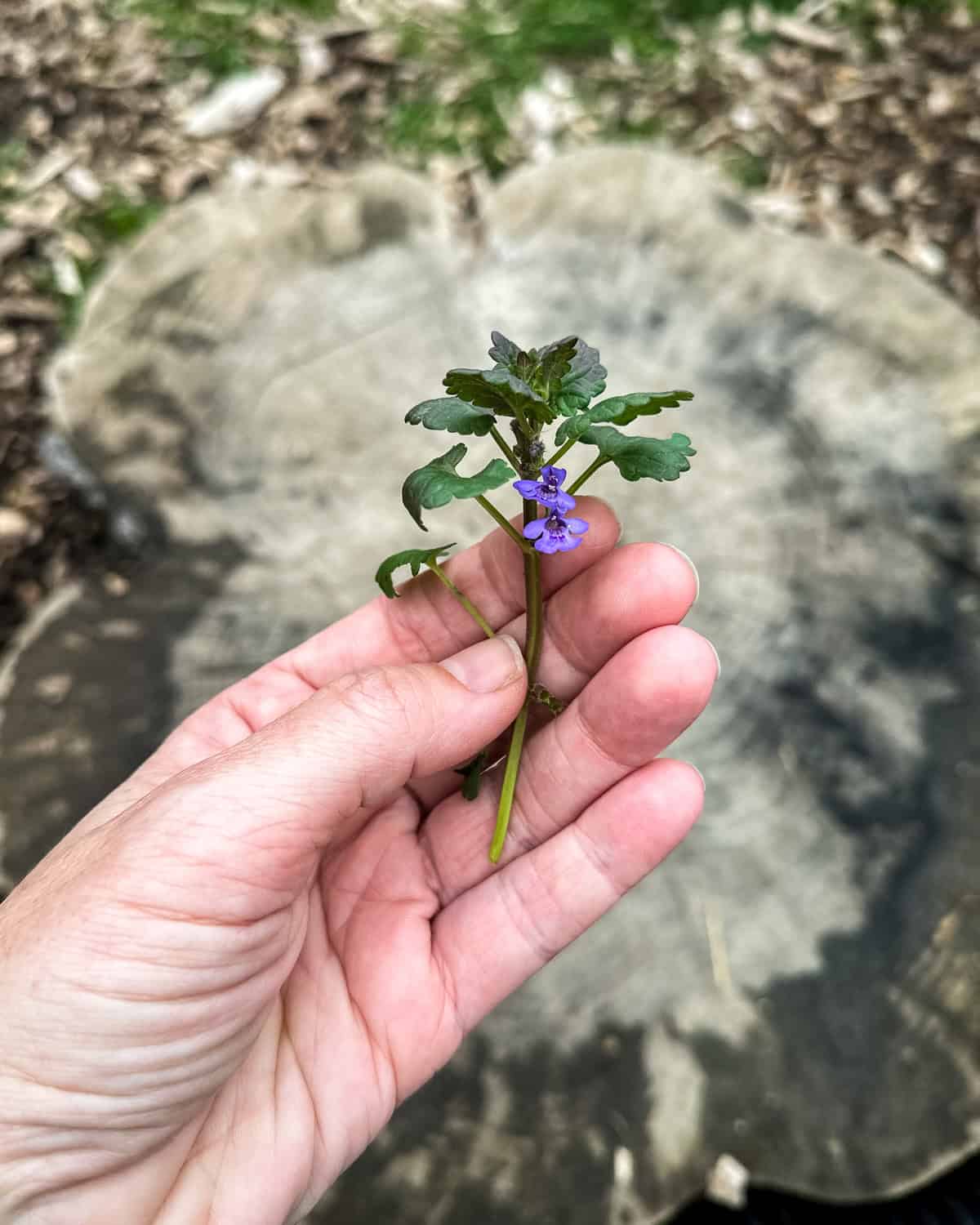
Accurate identification is the cornerstone of safe foraging, and Glechoma hederacea offers several distinct markers for the trained observer. As a member of the mint family, its most defining physical characteristic is its square stem, which is often green but can take on a reddish-purple hue depending on sun exposure and soil chemistry. These stems can "creep" along the ground for distances up to seven feet, forming dense, interlocking mats that effectively suppress competing vegetation.
The leaves are opposite, meaning they grow in pairs along the stem. They are typically dark green, though they may turn purple in cold weather, and feature a palmate vein pattern with prominent scalloped or "crenate" edges. When crushed, the foliage releases a pungent aroma that is described as a complex blend of mint, sage, and damp earth.

During the early spring flowering period, typically between March and July, the plant produces clusters of two to four flowers at the leaf axils. These blossoms are approximately 1/2 to 3/4 of an inch long, featuring a bilateral symmetry characteristic of the Lamiaceae family. The corolla is bluish-violet with darker purple spots on the lower lip, which serves as a nectar guide for pollinators such as ground bees and beeflies.
Comparative Analysis: Distinguishing Ground Ivy from Look-Alikes
Foragers must frequently distinguish Creeping Charlie from other common spring "weeds," most notably Henbit (Lamium amplexicaule) and Purple Dead Nettle (Lamium purpureum). While all three are edible members of the mint family, they possess distinct growth habits and botanical structures.
Henbit is characterized by its sessile upper leaves, which appear to wrap entirely around the stem without a stalk (petiole). Its flowers are typically a brighter pink or deep magenta and are significantly more elongated than those of ground ivy. Unlike the creeping habit of Glechoma hederacea, Henbit tends to grow more upright.
Purple Dead Nettle is distinguished by its triangular, pointed leaves that are often crowded at the top of the stem and frequently display a striking reddish-purple tint. The leaves of the Dead Nettle are finely hairy, whereas ground ivy leaves are mostly smooth or only sparsely pubescent. Furthermore, while ground ivy is a perennial that spreads via runners, both Henbit and Purple Dead Nettle are winter annuals that rely primarily on seed dispersal.
Scientific Foundations and Pharmacological Applications
Recent pharmacological studies have begun to quantify the traditional claims made by herbalists regarding the efficacy of Creeping Charlie. Research published in various medicinal journals, including studies archived by the National Institutes of Health, highlights the plant’s high concentration of volatile oils, flavonoids, and triterpenoids.
One of the most significant findings involves the plant’s antimicrobial and antioxidant capacity. Extracts of Glechoma hederacea have demonstrated the ability to inhibit the growth of at least 14 different bacterial species. Furthermore, the presence of rosmarinic acid—a potent antioxidant—suggests that the plant may play a role in reducing oxidative stress and inflammation within the body.

Historically, the plant has been utilized as an expectorant and anti-inflammatory agent for respiratory conditions. Traditional preparations, such as infusions and tinctures, were used to treat bronchitis, asthma, and chronic coughs. The plant’s high vitamin C content also made it a historical remedy for scurvy. Modern herbalists continue to use it as a mild diuretic and a treatment for digestive upset, citing its ability to stimulate the kidneys and soothe the gastrointestinal lining.
Culinary Utility and Nutritional Profile
In the culinary sphere, Creeping Charlie is valued for its unique flavor profile and nutritional density. The leaves and flowers are rich in potassium, iron, and vitamin C. While the plant can be bitter if harvested late in the season, the young shoots of early spring offer a manageable pungency that complements a variety of dishes.
Professional chefs and home foragers utilize the plant in several ways:

- Fresh Applications: Chopped leaves are added to wild green salads to provide a peppery, minty kick. They are also used as a garnish for savory soups.
- Infusions: The leaves can be steeped into a tea, often sweetened with honey to balance the natural bitterness.
- Compound Butters and Sauces: When blended with butter or incorporated into a pesto, the earthy notes of the plant pair well with roasted meats and root vegetables.
- Flavoring Agents: Some craft brewers have experimented with reviving the "ale-hoof" tradition, using ground ivy to create botanical ales that offer a historical alternative to hop-heavy IPAs.
Ecological Impact and Management Perspectives
The ecological status of Creeping Charlie remains a subject of debate among environmental scientists and land managers. In many jurisdictions, it is classified as an invasive species due to its ability to outcompete native ground covers in moist, shaded environments. Its dense mats can reduce biodiversity in forest understories and suburban landscapes alike.
However, from a permaculture perspective, the plant offers several ecosystem services. It acts as an effective "living mulch," preventing soil erosion and retaining moisture in the ground. Because it flowers early in the spring, it provides a critical early-season nectar source for bees and other pollinators at a time when few other plants are in bloom.
Agricultural experts often note that the presence of Creeping Charlie is an indicator of specific soil conditions. It thrives in soils with high nitrogen levels and poor drainage. Therefore, its proliferation in a lawn may suggest an underlying compaction issue or a lack of sunlight that prevents turfgrass from establishing dominance. Rather than relying solely on chemical herbicides—which pose risks to groundwater and local fauna—some modern land management strategies suggest "foraging as control," encouraging the harvest of the plant for consumption as a means of biomass reduction.
Safety Considerations and Foraging Ethics
As with all wild edibles, safety and ethics are paramount. Foragers are cautioned to avoid harvesting Creeping Charlie from areas that have been treated with pesticides, herbicides, or synthetic fertilizers. Because the plant frequently grows in lawns and along roadsides, the risk of chemical contamination is high.
Furthermore, while the plant is non-toxic to humans in moderate amounts, it contains pulegone, a volatile oil that can be irritating to the liver and kidneys if consumed in excessive quantities over long periods. It is generally advised that pregnant or breastfeeding women avoid the use of ground ivy due to its historical use as an emmenagogue.
From an ethical standpoint, while Creeping Charlie is rarely at risk of over-harvesting due to its prolific nature, foragers should still practice "mindful gathering." This includes ensuring positive identification and leaving enough of the patch to maintain its ecological role as a pollinator resource.
Implications for the Future of Urban Foraging
The resurgence of interest in Creeping Charlie reflects a broader societal shift toward urban foraging and the "food as medicine" movement. As global supply chains face increasing pressure and the cost of nutrient-dense produce rises, the ability to identify and utilize "backyard weeds" represents a move toward greater food sovereignty and environmental literacy.
The transition of Glechoma hederacea from a reviled lawn pest to a respected botanical resource highlights the subjective nature of the term "weed." As scientific understanding of the plant’s chemical constituents grows, it is likely that Creeping Charlie will move further into the mainstream, found not only in the cracks of sidewalks but also in the apothecaries and kitchens of those seeking a deeper connection to the natural world.


