The crisp air of autumn signals the arrival of Halloween, a season synonymous with imaginative costumes, festive decorations, and, of course, delightful culinary creations. Among the myriad of seasonal treats, the Vampire Cupcake has emerged as a particularly popular and charming option, offering a perfect blend of spooky aesthetics and delicious flavor. This article delves into the creation of these captivating treats, exploring the ingredients, techniques, and the overall appeal that makes them a standout choice for Halloween celebrations.
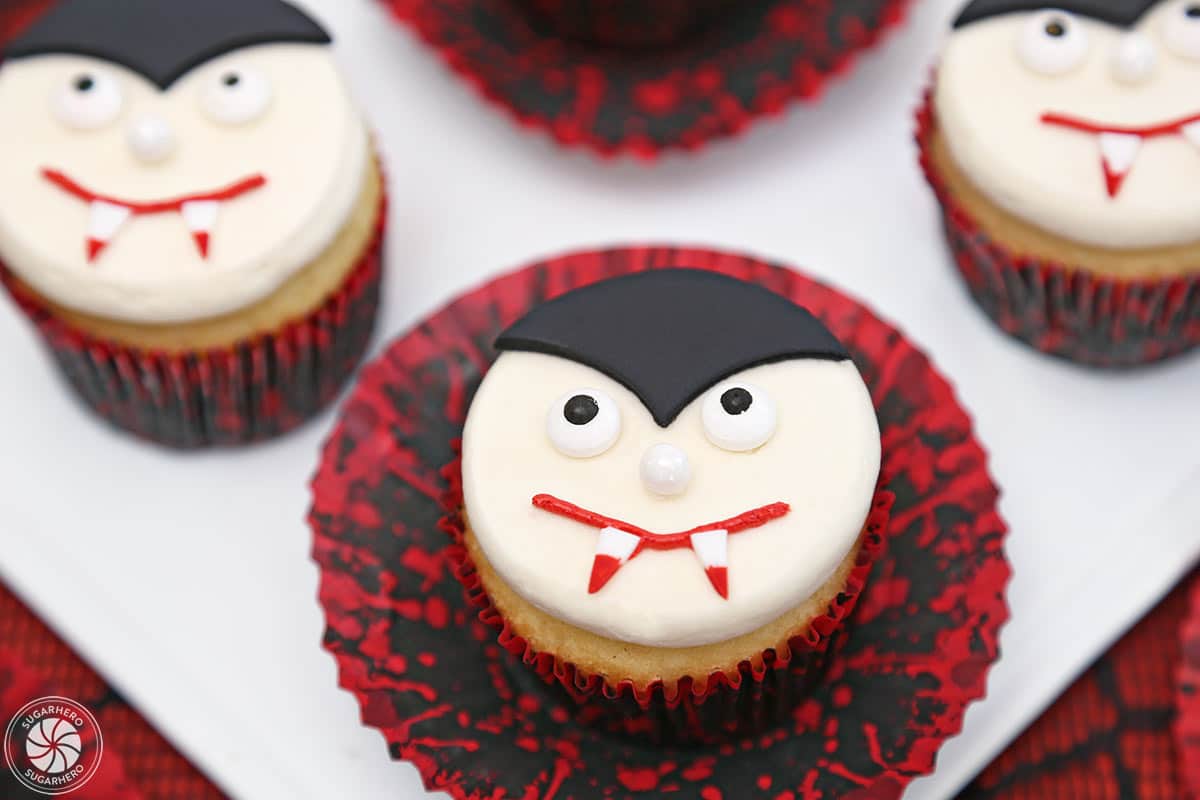
The allure of the Vampire Cupcake lies in its ability to transform a simple dessert into a whimsical character. Utilizing readily available ingredients such as buttercream frosting, fondant, and various candies, these cupcakes are elevated from ordinary to extraordinary, embodying the spirit of Halloween with a touch of playful creepiness. The recipe, as detailed by Sugar Hero, emphasizes accessibility, encouraging bakers of all skill levels to participate in this festive confectionary endeavor.
The Art of Vampire Cupcake Creation
At its core, the Vampire Cupcake is a testament to creative decoration. The foundation is a prepared cupcake, with the recipe suggesting a convenient shortcut by recommending the use of a favorite cake mix. This pragmatic approach allows bakers to focus their energy on the more engaging aspect: the artistic transformation of the cupcake into a miniature vampire. The accompanying frosting, typically a rich buttercream, serves as the canvas for the vampire’s visage.
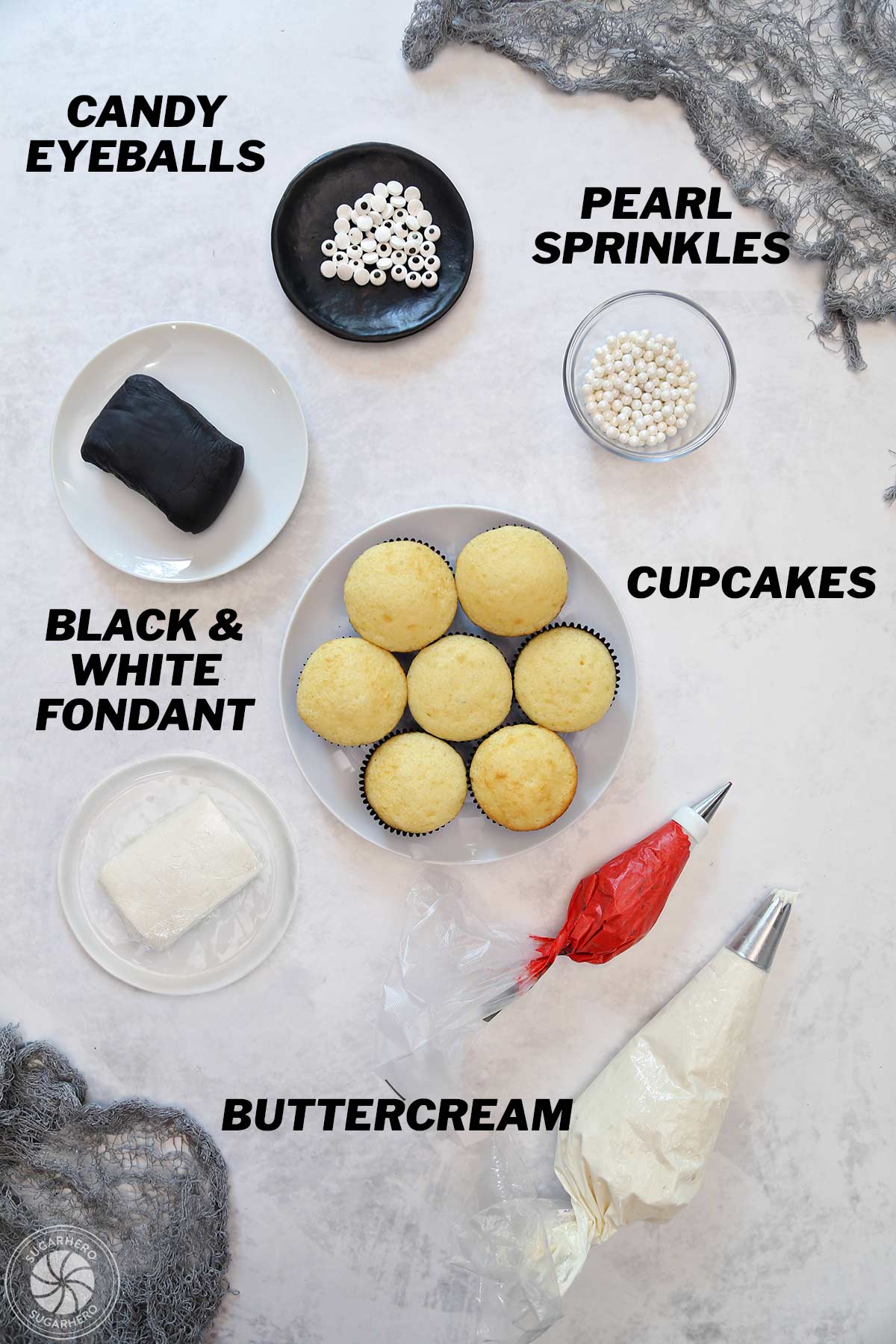
The key decorative elements include fondant, which provides a smooth surface for facial features and can be sculpted into iconic vampire characteristics like hair and fangs. Various candies are then employed to add personality and detail, such as eyes, noses, and even the signature crimson smile that evokes the vampiric theme. The process, while appearing intricate, is broken down into simple, manageable steps, making it an ideal activity for families looking to bond over a shared culinary project during the Halloween season.
Essential Ingredients and Tools
To embark on the journey of creating Vampire Cupcakes, a specific set of ingredients and tools is required. The base of the cupcake can be any flavor desired, with chocolate or red velvet being popular choices that complement the Halloween theme. The frosting, typically a vanilla or cream cheese buttercream, provides a neutral yet delicious base for decoration.
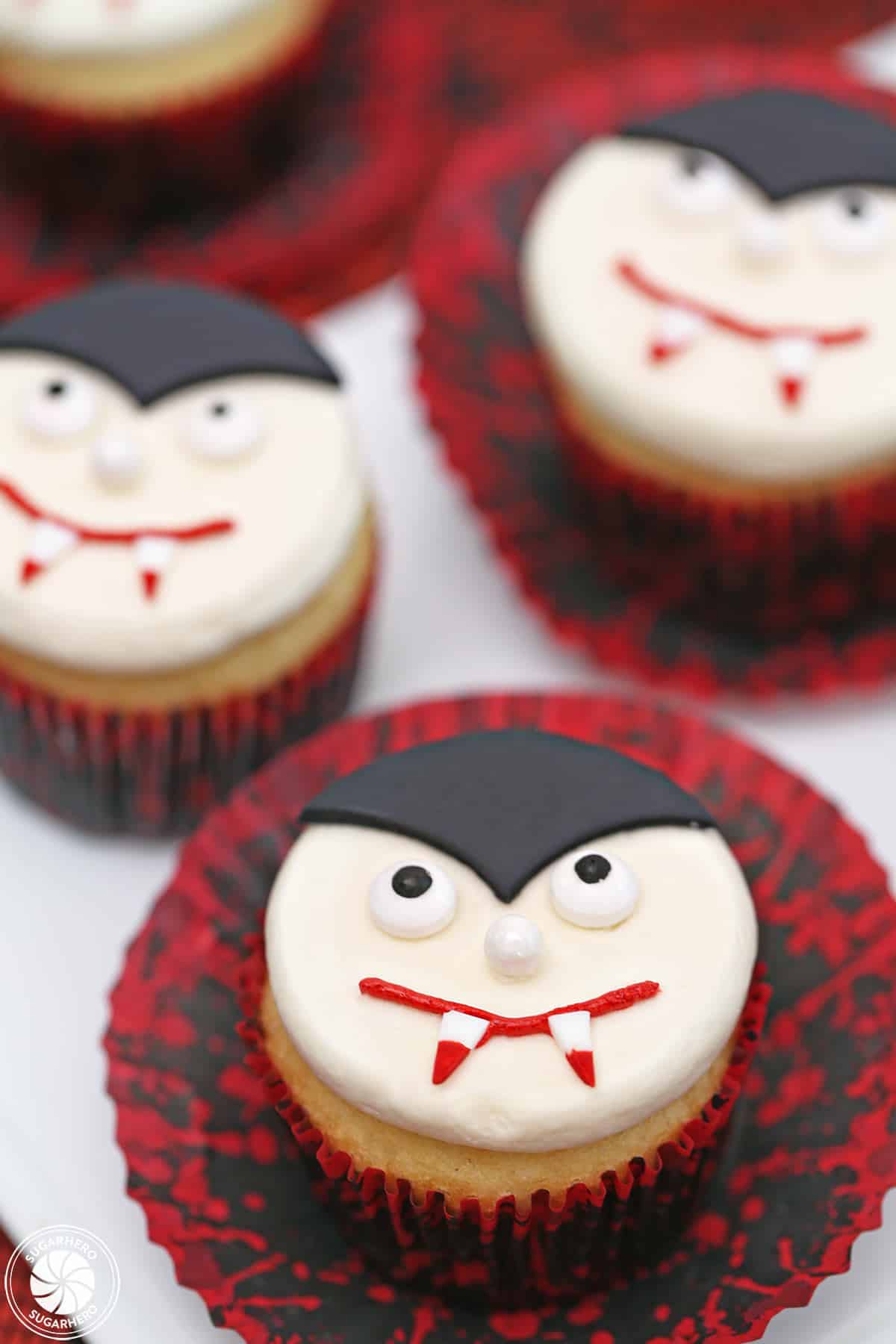
For the decorative elements, black fondant is essential for crafting the vampire’s hair, while white fondant is used for the iconic fangs. Red food coloring is crucial for achieving the characteristic bloody effect on the fangs and for piping a menacing smile. Small candies, such as edible eyes or chocolate chips, can be used for the eyes, and a small round candy or even a red candy melt can serve as the nose.
While the recipe emphasizes that professional tools are not strictly necessary, certain items can significantly enhance the decorating experience. Piping bags and tips are invaluable for creating smooth frosting swirls and precise lines. A small circular cutter is useful for shaping the fondant hair, and a sharp knife or craft blade is needed for cutting out the fondant fangs. For those without specialized tools, everyday kitchen items like Ziploc bags with a corner snipped off can serve as effective piping tools.
A Step-by-Step Guide to Vampire Transformation
The process of transforming ordinary cupcakes into charming vampires is a multi-stage endeavor that is both enjoyable and rewarding.
1. Preparing the Canvas: Frosting the Cupcakes
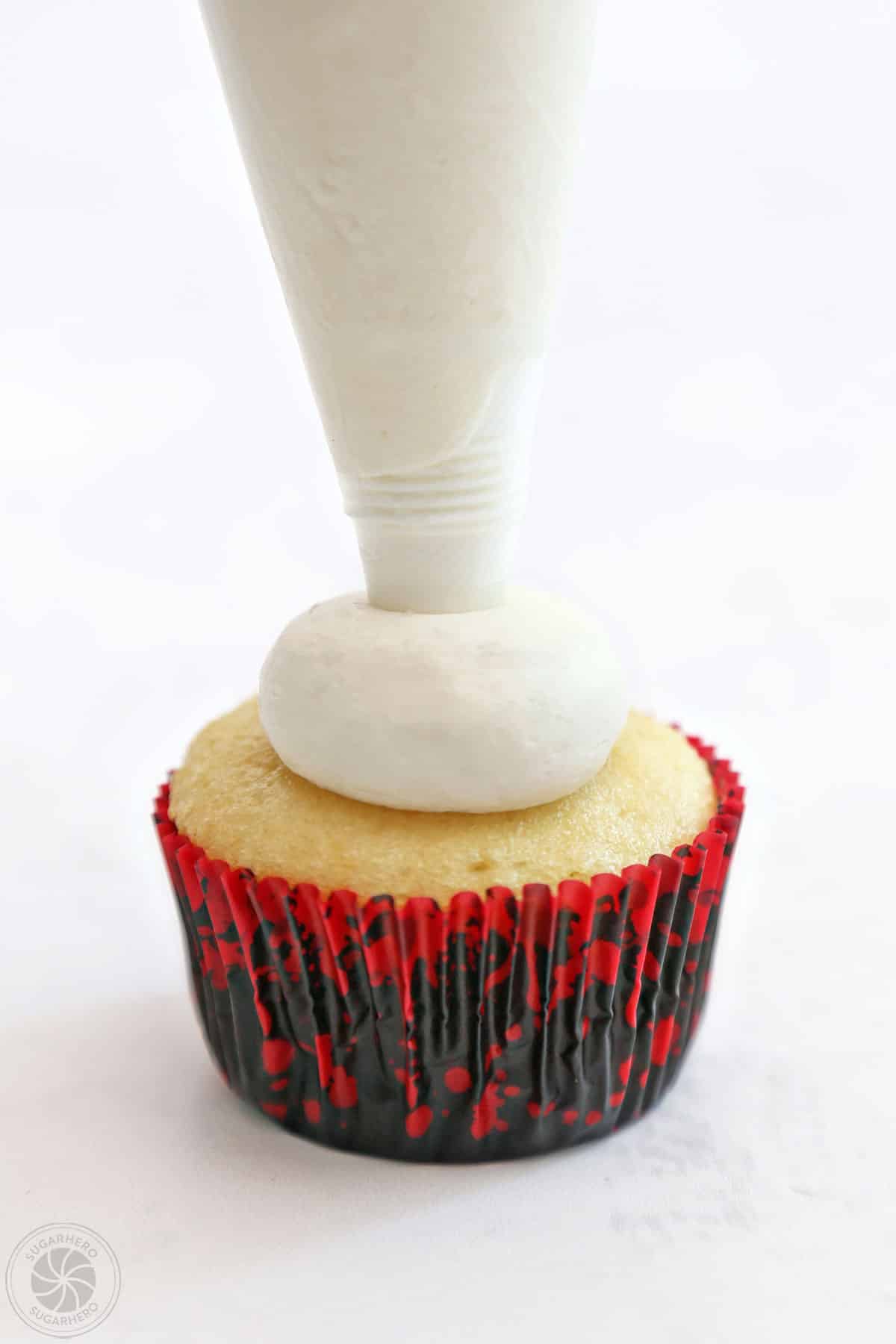
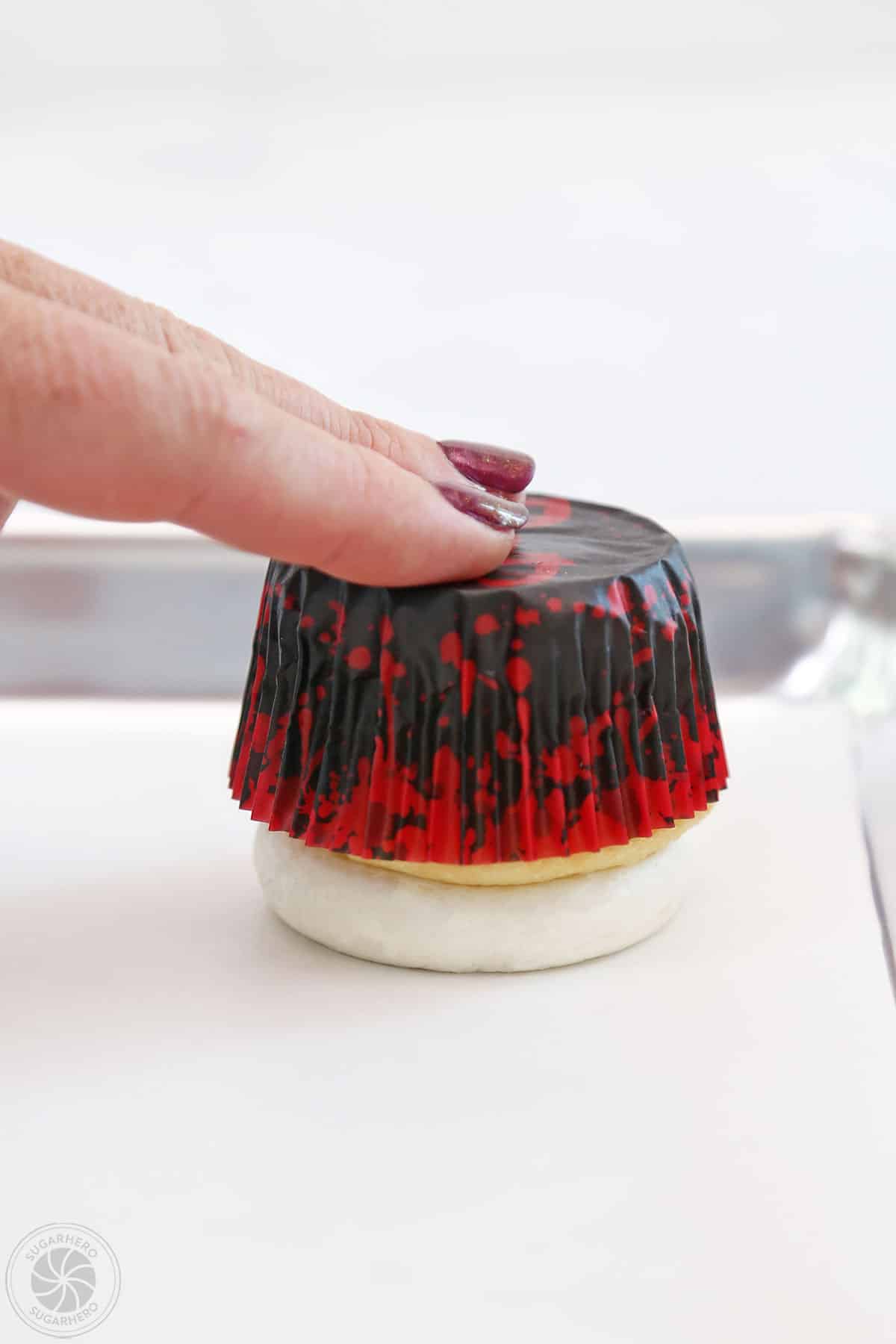
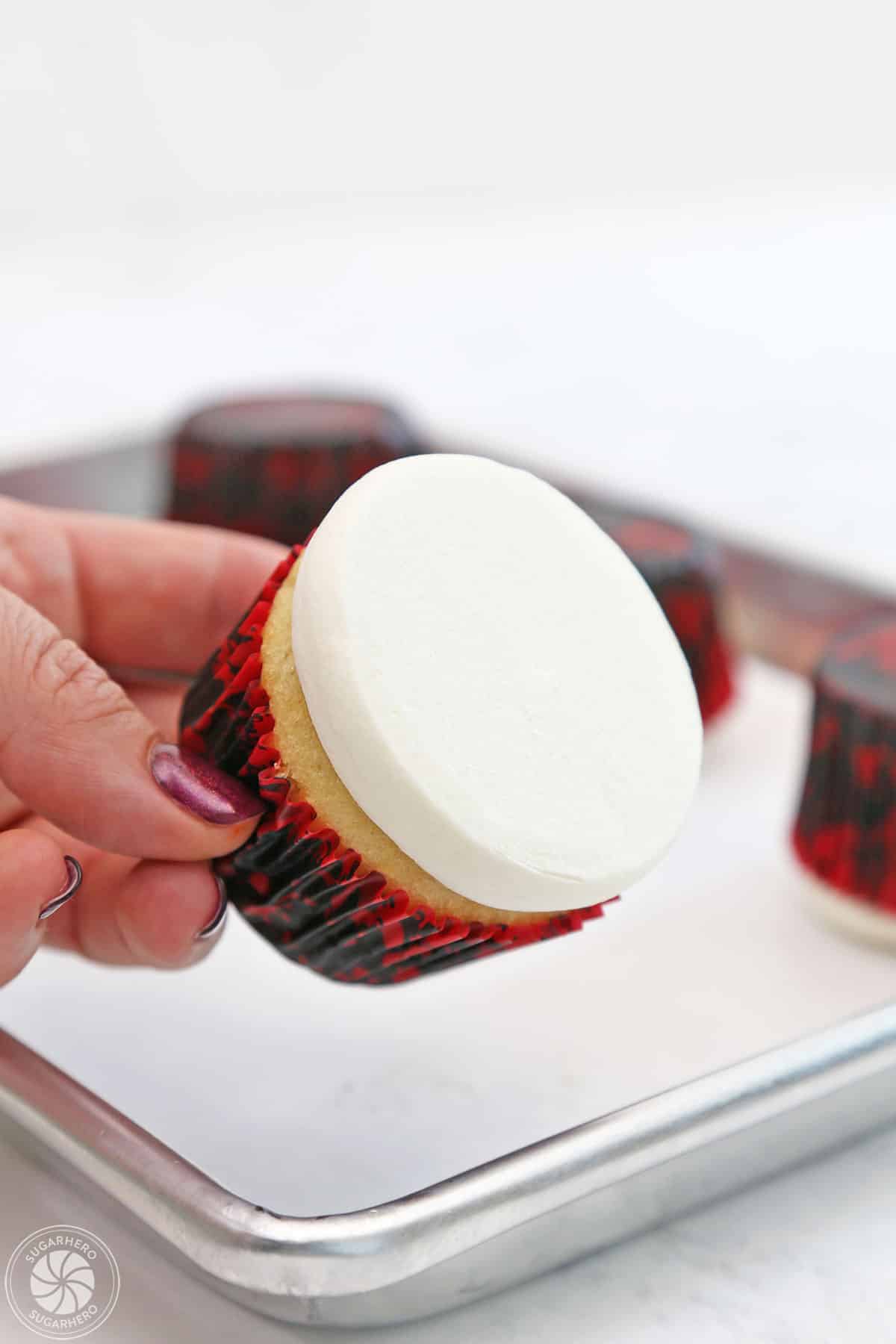
The first step involves frosting the cooled cupcakes. A generous dollop of buttercream is applied to the top of each cupcake. The aim is to create a smooth, even surface that will serve as the foundation for the vampire’s face. For optimal decoration, the frosting is often gently pressed down with parchment paper to create a flat, stable base. This technique ensures that the fondant elements adhere well and that the overall presentation is neat and polished.
2. Crafting the Vampire’s Mane: Fondant Hair
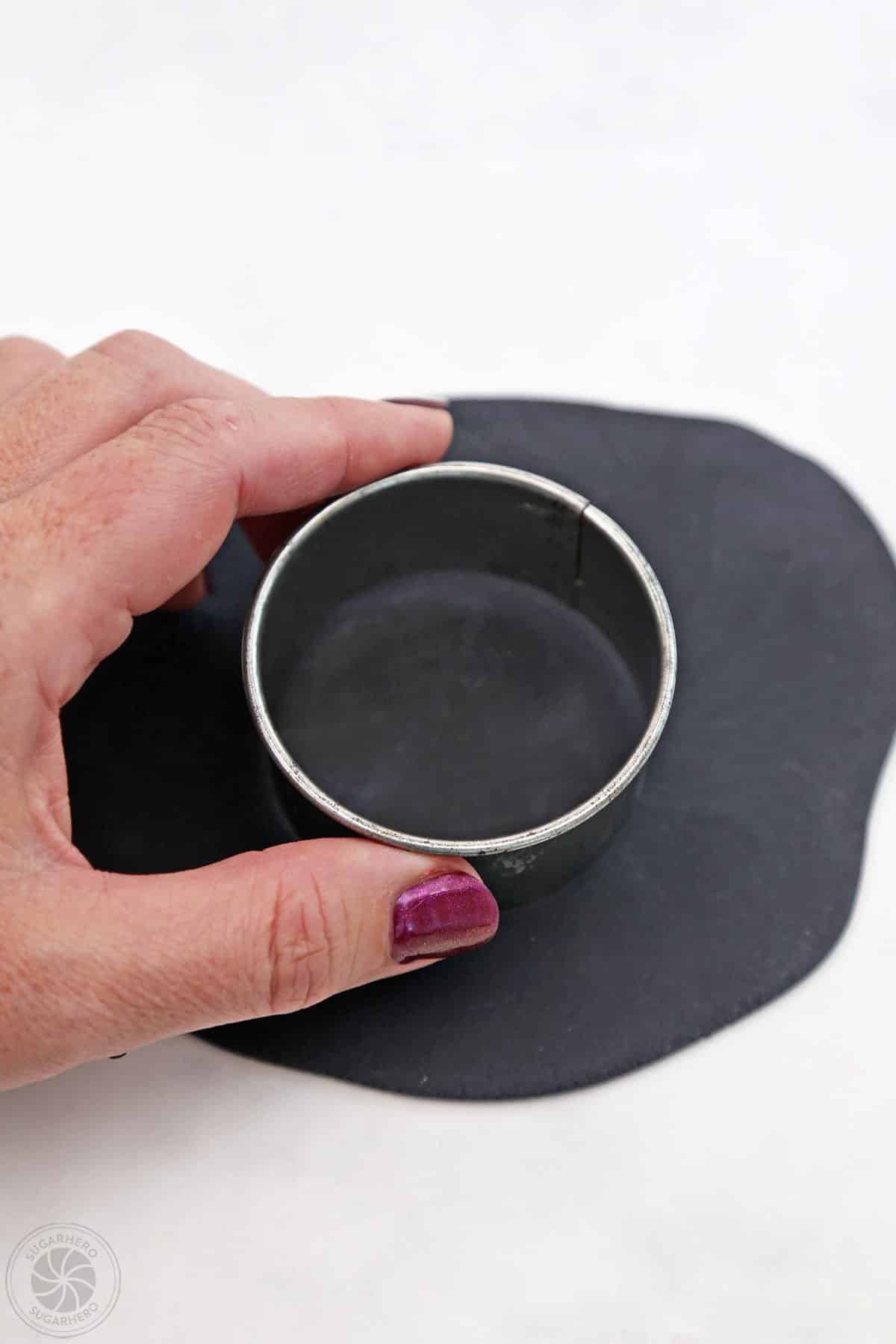
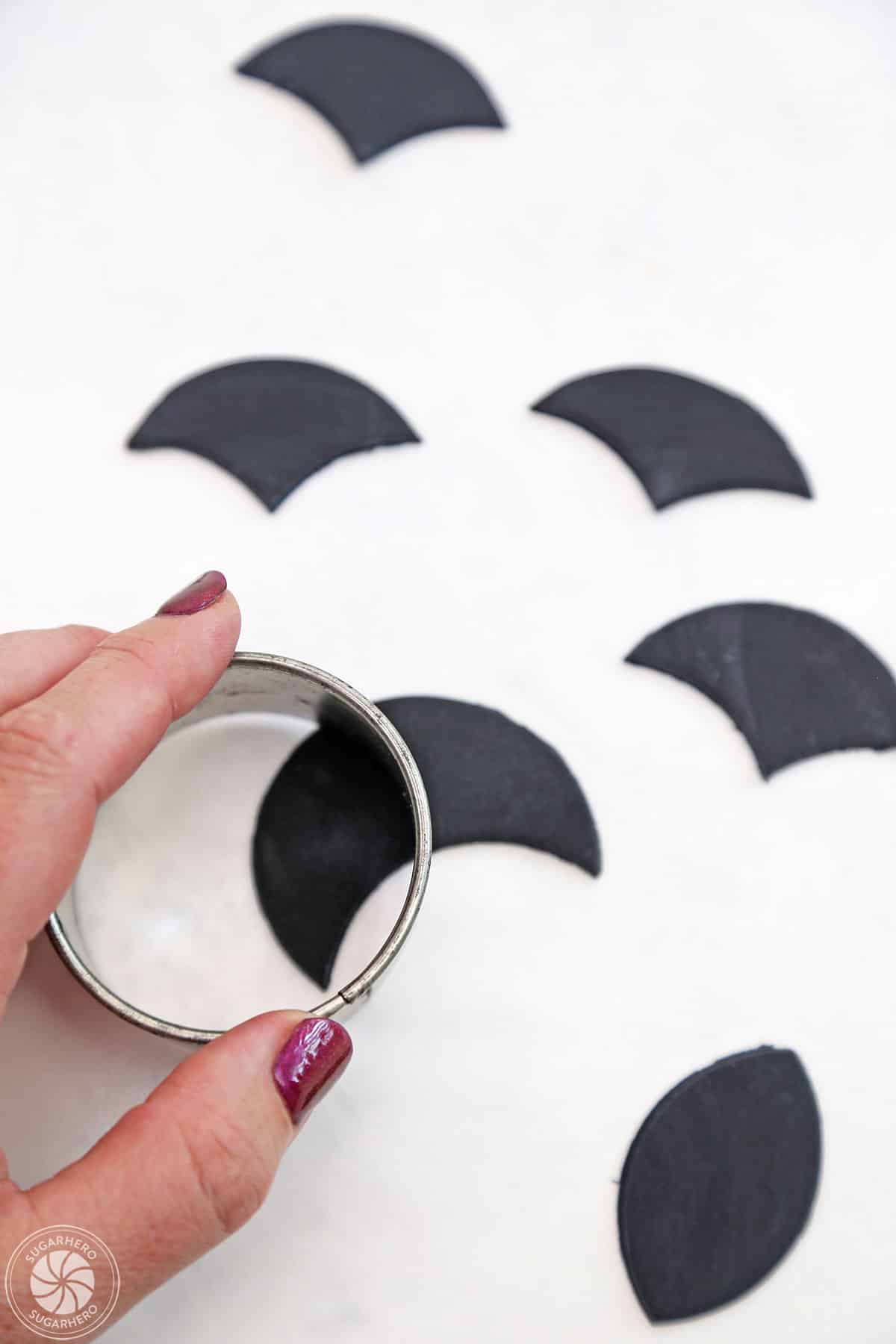
Black fondant is rolled out to a desired thickness and then cut into circular shapes using a circular cutter. These black fondant circles are then carefully placed on top of the flattened buttercream, forming the base of the vampire’s hair. The texture of the frosting underneath can sometimes create an interesting, almost sculpted effect, adding depth to the hair.
3. Forging the Fangs of Fear: Fondant Teeth
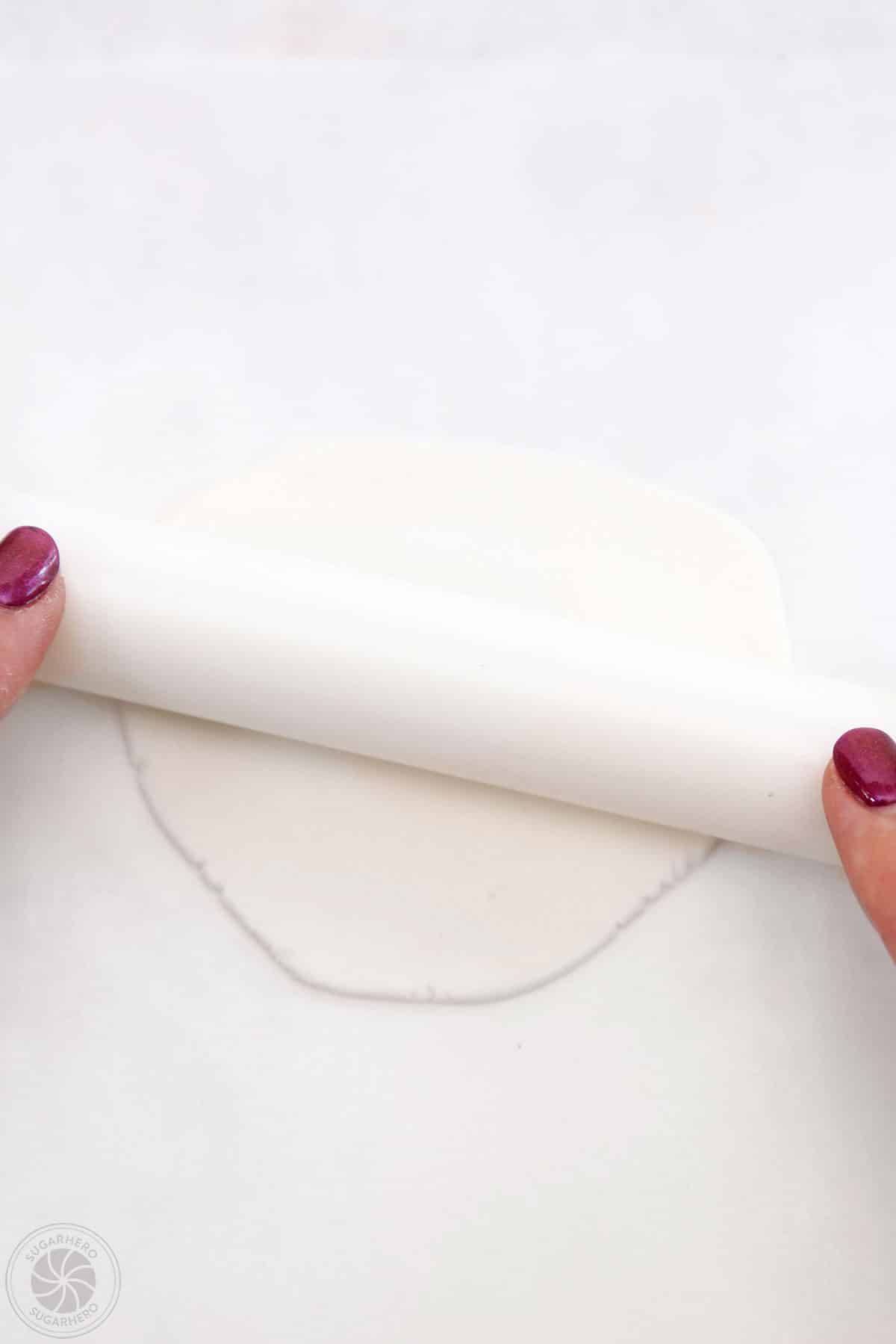
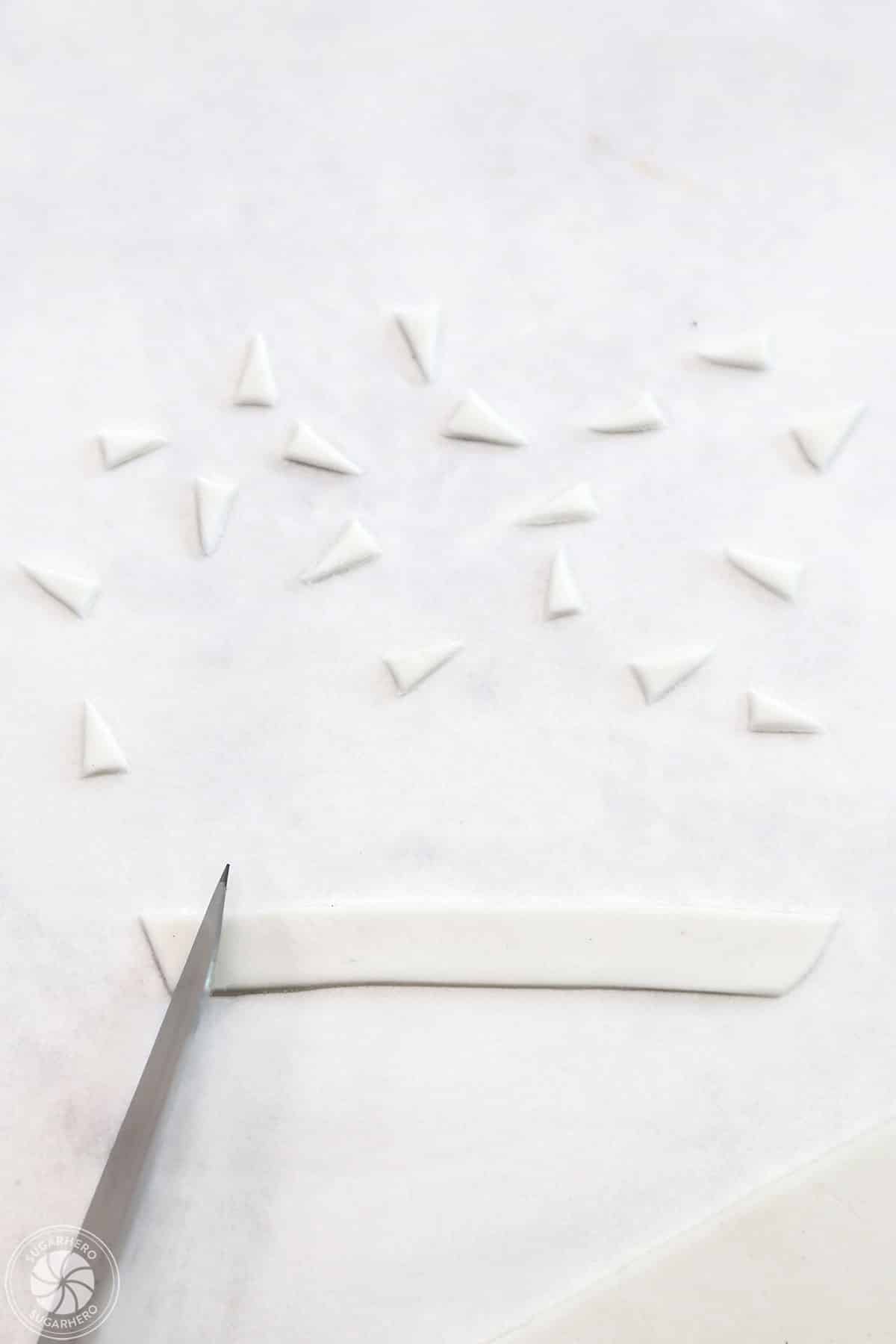
White fondant is rolled out thinly, and a sharp knife or a small triangular cutter is used to create sharp, pointed fangs. These fangs are then often dipped into red food coloring or brushed with a red edible paint to give them a blood-dripping appearance, enhancing the spooky theme. The number and placement of fangs can vary, allowing for individual customization.
4. Adding the Finishing Touches: Eyes, Nose, and Smile
The final stage involves adding the remaining facial features. Edible eyes or small candies are placed to create the eyes. A small candy or a dollop of frosting can serve as the nose. Finally, a thin line of red frosting is piped to create a sinister smile, completing the transformation into a miniature vampire. Some decorators opt for a more pronounced "bloody" effect by adding small drips of red frosting around the mouth area.
The Broader Appeal and Significance of Halloween Baking
The creation of themed treats like Vampire Cupcakes extends beyond mere confectionery. It taps into a broader cultural phenomenon associated with Halloween, a holiday that has evolved significantly over the decades. Originally a time for warding off spirits and celebrating the harvest, Halloween has transformed into a secular celebration characterized by costume parties, trick-or-treating, and elaborate decorations.
Baking themed desserts plays a crucial role in this modern celebration. It offers a tangible way for individuals and families to engage with the holiday’s spirit, fostering creativity and shared experiences. The popularity of tutorials and recipes for Halloween-themed treats, such as those found on platforms like Sugar Hero, underscores the widespread interest in these activities. This trend also reflects a growing appreciation for homemade, personalized treats over mass-produced confections.
The appeal of Vampire Cupcakes, in particular, can be attributed to their accessible design. They do not require advanced pastry skills, making them an inclusive activity for families with children. The visual impact is significant, yet the execution is straightforward, ensuring a high reward for relatively low effort. This democratizes the act of festive baking, allowing more people to participate in creating memorable Halloween experiences.
Data on Seasonal Confectionery Trends
While specific data on "Vampire Cupcake" sales is not readily available, broader trends in seasonal confectionery provide context for their popularity. The National Retail Federation (NRF) consistently reports significant consumer spending on Halloween, with a substantial portion allocated to costumes, decorations, and candy. In 2023, for instance, NRF data indicated that Americans planned to spend over $10 billion on Halloween, with candy purchases being a major component.
This spending pattern highlights a strong consumer appetite for seasonal treats. Furthermore, the rise of social media platforms like Pinterest and Instagram has amplified the visibility and desirability of visually appealing, DIY-friendly recipes. The shareability of such creations encourages wider adoption and experimentation. The "cute and spooky" aesthetic that Vampire Cupcakes embody is particularly well-suited for these visual platforms, driving trends and inspiring new bakers.
Implications for Home Bakers and Event Planners
The widespread availability of detailed, step-by-step instructions for creating Vampire Cupcakes empowers home bakers to produce professional-looking treats with relative ease. This not only enhances personal celebrations but also has implications for small businesses and event planners. For instance, local bakeries can offer these themed cupcakes as part of their Halloween specials, capitalizing on the seasonal demand.
For party planners, Vampire Cupcakes offer a cost-effective yet impactful dessert option that can be customized to fit various event themes. Their playful design makes them suitable for both children’s parties and adult gatherings, bridging the gap between whimsical and sophisticated. The ability to make these in batches also addresses the logistical needs of larger events.
Conclusion
The Vampire Cupcake stands as a delightful example of how simple ingredients and creative decoration can yield a festive and memorable Halloween treat. Its appeal lies in its accessibility, its charmingly spooky aesthetic, and its ability to foster shared experiences. As the Halloween season approaches, these fang-tastic creations are poised to continue their reign as a beloved staple, offering a sweet and slightly sinister delight for all who dare to take a bite. The enduring popularity of such themed desserts underscores the cultural significance of food in celebrating holidays and strengthening community bonds, one delicious cupcake at a time.