
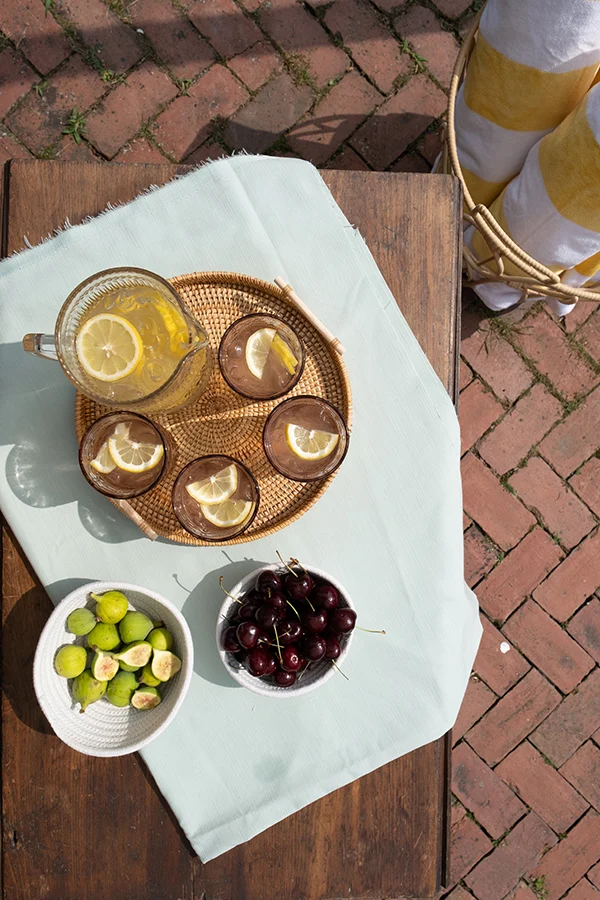
Walmart Inc. has officially expanded its footprint in the competitive home decor market through the launch and promotion of its "Wow and Now" curated section, a strategic move designed to capture the growing demographic of trend-conscious, value-oriented consumers. This initiative, which integrates high-aesthetic home goods with the retail giant’s robust logistical network, represents a significant shift in the company’s merchandising strategy. By partnering with lifestyle influencers and digital content creators, such as the design-focused platform Oh Happy Day, Walmart is positioning itself as a primary destination for seasonal home refreshes, moving beyond its traditional reputation for utility-based retail to embrace a "boutique-style" shopping experience.
The "Wow and Now" concept is characterized by a rotating selection of home-ware items that prioritize contemporary design trends, such as organic textures, sustainable-look materials like rattan and seagrass, and vibrant seasonal palettes. The strategy aims to bridge the gap between high-end interior design and mass-market affordability. Industry analysts suggest that this move is a direct response to the success of similar curated lines at rival retailers, such as Target’s "Threshold" and "Hearth & Hand with Magnolia," as well as the rising dominance of online-only home decor platforms.

Evolution of Walmart’s Home Decor Strategy
The development of the "Wow and Now" section is the culmination of a multi-year effort by Walmart to modernize its home department. Historically, Walmart’s home goods were marketed primarily on price and durability. However, the post-2020 retail landscape saw a dramatic shift in consumer behavior. With more individuals spending time at home and investing in outdoor living spaces, the demand for "aesthetic" home goods skyrocketed. According to data from the Global Home Decor Market report, the industry is expected to reach a valuation of over $800 billion by 2025, driven largely by the "home sanctuary" trend.
Walmart’s response involved a two-pronged approach: improving the quality and design of its private-label offerings and optimizing its e-commerce delivery speeds. The "Wow and Now" section serves as the vanguard of this transformation. It offers a curated selection of products—ranging from woven bowl sets to sophisticated glassware—at price points that remain accessible to the average American household. This allows consumers to participate in seasonal "refreshes"—the practice of updating home decor four to five times a year—without the financial burden typically associated with high-design furniture and accessories.
Analysis of the Summer Outdoor Collection
The current seasonal focus within the "Wow and Now" initiative centers on the "Summer Refresh," emphasizing the transition from indoor living to outdoor patio and poolside environments. The collection highlights several key design trends that have dominated the 2020s:
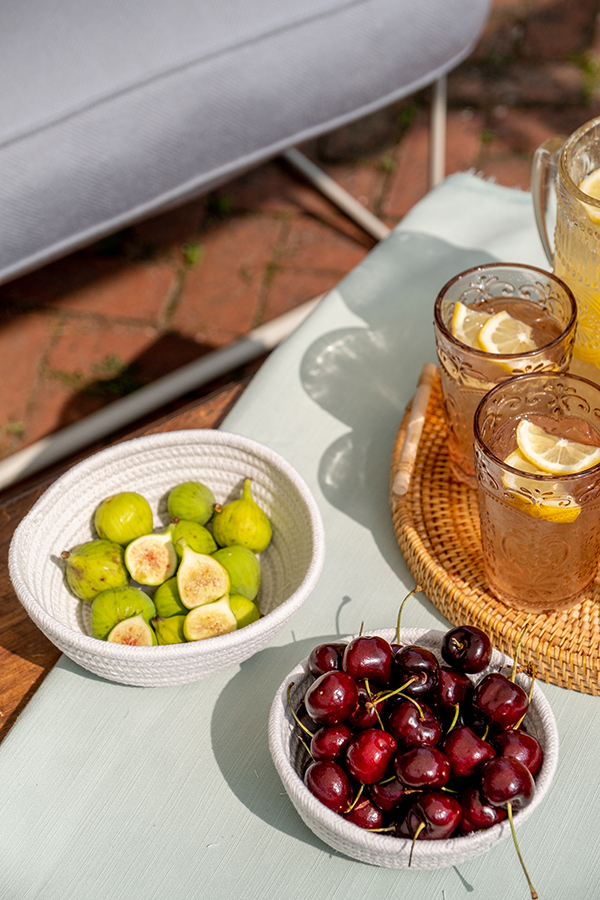
- Natural Textures and Organic Materials: The inclusion of woven bowl sets and rattan trays reflects a broader consumer preference for natural fibers. These materials provide a tactile, artisanal quality that contrasts with the mass-produced aesthetic of previous decades.
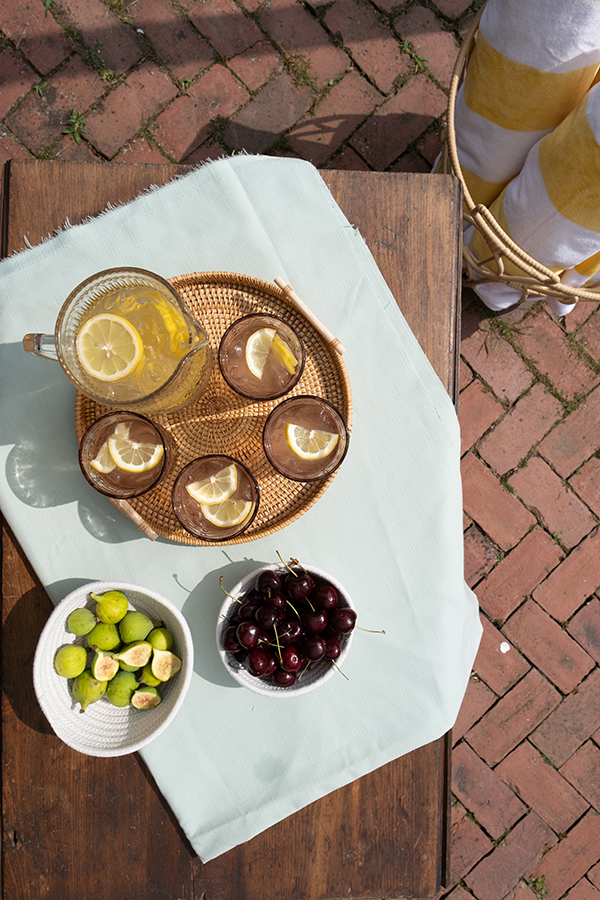
- Functional Sophistication in Glassware: The collection features rose-tinted glass tumblers and high-capacity glass pitchers. These items are designed to serve both a functional purpose—facilitating hydration in high temperatures—and a decorative one, aligning with the "tablescaping" trend popular on social media.
- Textile Durability and Style: Striped towels and open-weave storage baskets address the need for organization in outdoor spaces. The use of classic patterns like stripes suggests a move toward "timeless summer" aesthetics that can be reused across multiple years.
By focusing on these specific categories, Walmart is targeting the "patio culture" that has become a staple of suburban and urban lifestyle photography. The emphasis on "homemade refreshments" and "laying in the sun" in promotional materials underscores a lifestyle-centric marketing approach rather than a product-centric one.
Logistics and the Competitive Advantage of Speed
A critical component of the "Wow and Now" rollout is Walmart’s emphasis on delivery speed. In the modern retail environment, design-forward products are often sold by niche retailers with long shipping lead times or high shipping costs. Walmart has leveraged its existing infrastructure—including thousands of brick-and-mortar stores that double as fulfillment centers—to offer "super quick" delivery, often within the same day or next day for Walmart+ members.
This logistical advantage is a significant differentiator. For a consumer planning a weekend gathering, the ability to order a rattan serving tray or a new set of outdoor towels on a Thursday and have them arrive by Friday afternoon is a compelling value proposition. Data from retail logistics firms indicate that "last-mile" delivery efficiency is now the primary factor in consumer brand loyalty, surpassing even brand name recognition in the home goods sector.

Strategic Partnerships and Influencer Integration
The partnership with Oh Happy Day, a prominent lifestyle and design blog, illustrates Walmart’s sophisticated approach to digital marketing. Rather than traditional television or print advertising, the company is utilizing "native advertising"—content that mirrors the style and tone of the platform it appears on. This method allows Walmart to reach a curated audience of design enthusiasts who may not have previously considered the retailer for high-end aesthetic goods.
In these partnerships, the influencers demonstrate the practical application of the "Wow and Now" items. For instance, the use of a citrus squeezer for "homemade refreshments" or the placement of "striped towels" by a blow-up pool provides a visual narrative that consumers can replicate. This "shippable lifestyle" model has proven highly effective in converting social media engagement into direct retail sales.
Market Context and Economic Implications
The expansion of Walmart’s home goods line comes at a time of economic fluctuation. As inflation impacts discretionary spending, consumers are increasingly seeking "dupes" or affordable alternatives to luxury home brands. The "Wow and Now" section is positioned to capture this "trading down" behavior. By offering items that look expensive but are priced competitively, Walmart is maintaining its market share during a period where consumers are tightening their budgets.
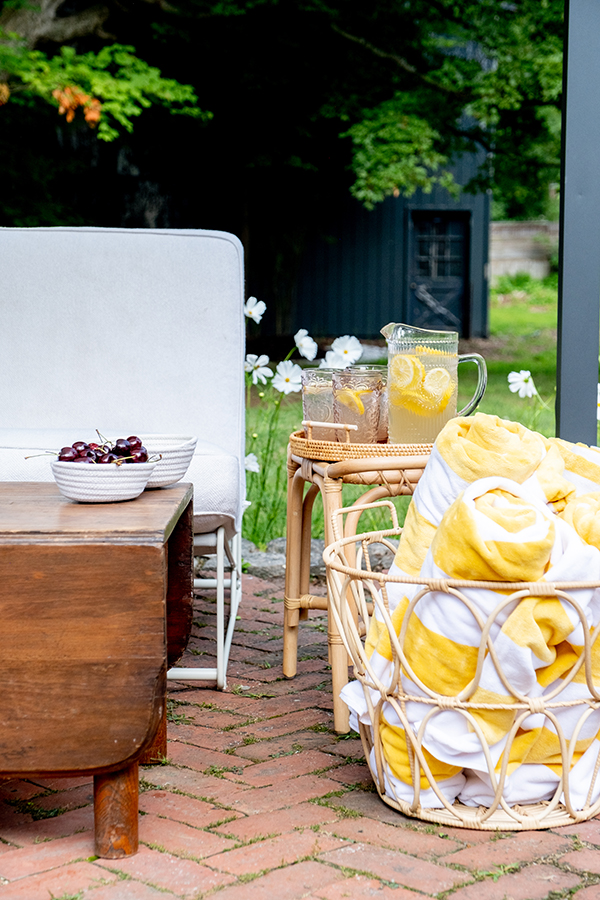
Furthermore, the focus on outdoor living is backed by substantial market data. The outdoor furniture and decor market in the United States grew by approximately 15% between 2021 and 2023. Analysts attribute this to the "outdoor room" concept, where homeowners treat their patios and backyards as extensions of their interior living space. Walmart’s inclusion of storage baskets and high-quality textiles in its summer line directly addresses this trend.
Timeline of the "Wow and Now" Initiative
- Phase 1 (Initial Launch): Walmart introduced the "Wow and Now" concept in select markets as a pilot program, focusing on small decor items and kitchen gadgets.
- Phase 2 (Digital Integration): The company launched a dedicated landing page on Walmart.com, integrating the curated section with its search algorithms to highlight "trend-forward" items to shoppers.
- Phase 3 (Influencer Rollout): Partnerships with design leaders like Oh Happy Day began, focusing on seasonal transitions (Spring to Summer, Summer to Fall).
- Phase 4 (Scale and Expansion): Following positive quarterly earnings in the home goods sector, Walmart expanded the "Wow and Now" inventory to include larger furniture pieces and specialized outdoor equipment.
Broader Impact on the Retail Landscape
Walmart’s aggressive move into curated, trend-based retail is likely to trigger a response from other big-box competitors. As Walmart successfully captures the "middle-class decorator" market, other retailers may be forced to lower their price points or increase the frequency of their design rotations.
The "Wow and Now" initiative also reflects a broader trend toward "fast furniture" and "fast decor," similar to the "fast fashion" model. While this allows for rapid response to changing trends, it also places a premium on supply chain agility. Walmart’s ability to move products from the "trend identification" phase to the "front porch delivery" phase in a matter of weeks is a testament to its modernized supply chain.
For the consumer, the primary benefit remains the democratization of design. High-quality aesthetics, once reserved for those with access to interior designers or high-end boutiques, are now available at the same locations where they purchase their daily essentials. As the "Summer Refresh" campaign continues, the retail industry will be watching closely to see if Walmart’s blend of curation, price, and speed becomes the new gold standard for the home goods market.
The success of these curated sections suggests that the future of retail lies not in offering the most products, but in offering the right products at the right moment. By filtering the vast sea of available goods into a manageable, "trend-forward" selection, Walmart is reducing the "paradox of choice" for its customers, making the process of home improvement as efficient as it is aesthetic.


