
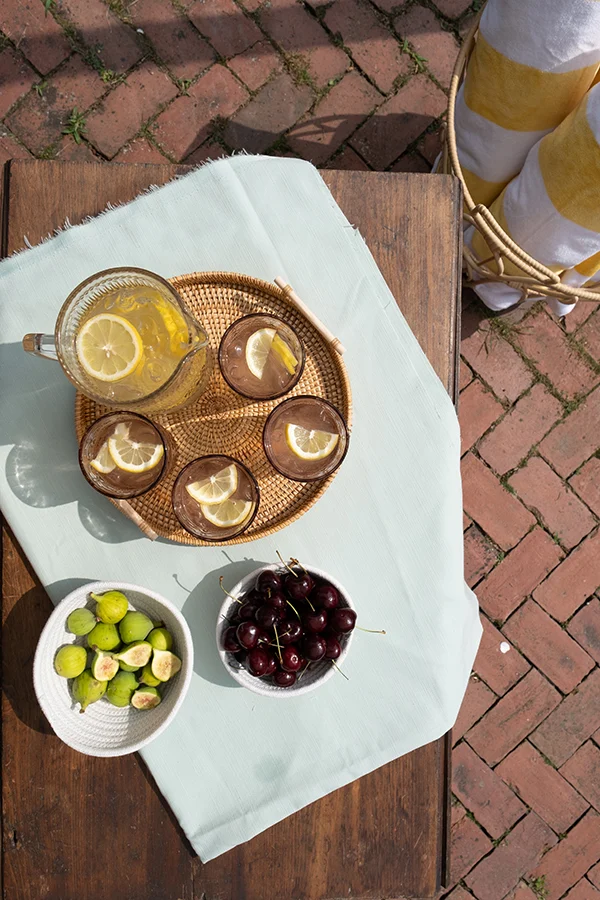
The retail landscape is currently witnessing a significant transformation as big-box giants like Walmart pivot toward highly curated, trend-forward lifestyle offerings through strategic partnerships with established design influencers. This shift is exemplified by the recent collaboration between Walmart and the design-focused entity Oh Happy Day, which highlights the retailer’s "Wow and Now" section—a dedicated digital and in-store space designed to offer high-aesthetic home goods at accessible price points. As consumers increasingly seek to refresh their living spaces according to seasonal trends, the integration of curated selections into mass-market retail platforms represents a sophisticated evolution in consumer engagement and inventory management.
Strategic Shift in Mass-Market Retail Curation
For decades, Walmart’s primary market position was defined by its "Everyday Low Price" (EDLP) strategy, focusing on utility and volume. However, the emergence of the "Wow and Now" section marks a departure from purely utilitarian inventory toward a boutique-inspired experience. This initiative is designed to compete directly with lifestyle-centric retailers by offering "on-trend" items that are rotated frequently to mirror seasonal shifts.

The partnership with Oh Happy Day serves as a bridge between Walmart’s logistical scale and the specific aesthetic demands of modern homeowners. By focusing on summer essentials—ranging from outdoor patio accessories to glassware—the collaboration leverages the influencer’s design authority to validate Walmart’s move into the premium-style home decor market. This strategy is not merely about selling individual products but about selling a "curated lifestyle" that feels attainable to the average consumer.
Analysis of the Summer Refresh Collection
The current seasonal push focuses on the "Summer Refresh," a concept rooted in the psychological desire of consumers to transition their indoor living habits to outdoor spaces during the warmer months. The collection features a blend of natural materials and vibrant, functional items designed for hosting and relaxation.
Material Trends: Rattan and Woven Textures
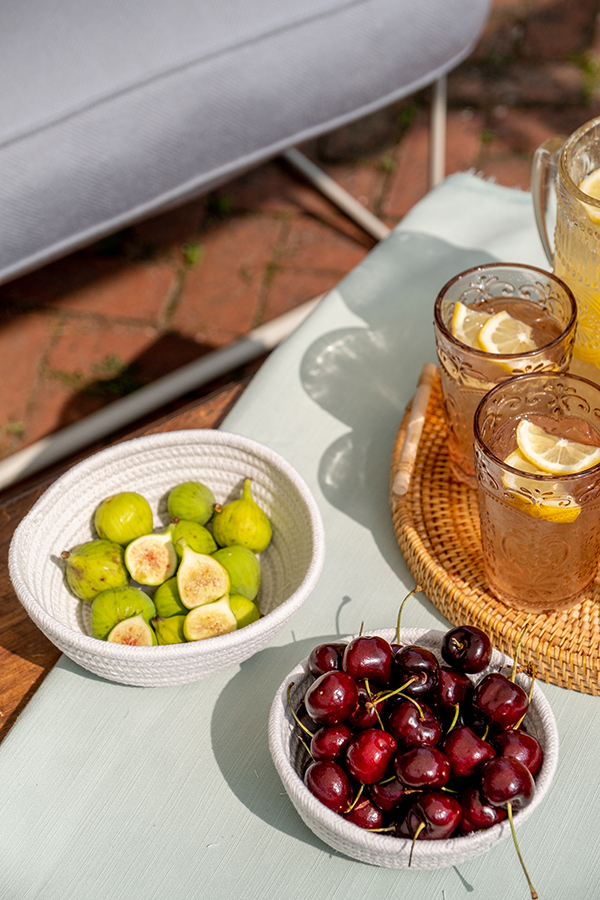
A central component of the collection is the use of natural fibers. Items such as the woven bowl set and rattan trays reflect a broader industry trend toward "biophilic design," which incorporates natural elements to create a sense of calm and connectivity to the outdoors. Rattan, a durable and lightweight material, has seen a resurgence in popularity due to its versatility and retro-modern appeal. Retail analysts suggest that the inclusion of these textures at lower price points allows Walmart to capture a demographic that previously turned to specialized high-end boutiques for similar aesthetics.
Glassware and Functional Aesthetics
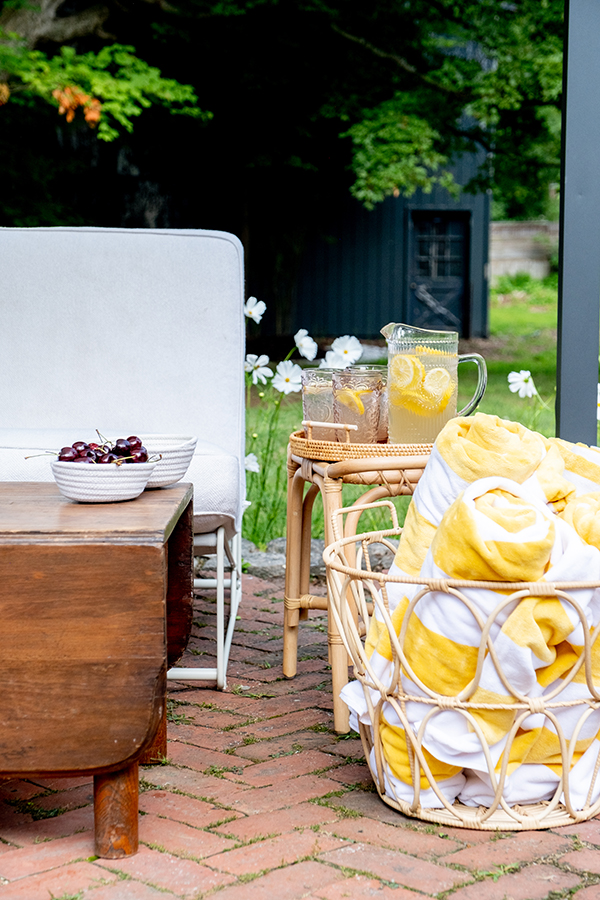
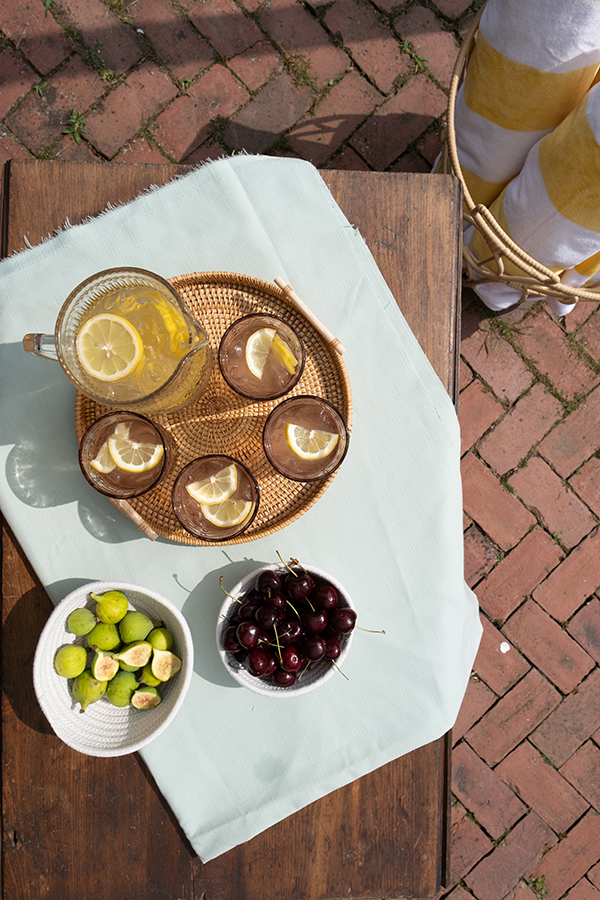
The collection also emphasizes functional tabletop items, such as rose glass tumbler sets and glass pitchers. These items are designed to serve a dual purpose: practical utility for hydration and refreshments, and decorative value for outdoor dining "tablescapes." The focus on "homemade refreshments," supported by tools like citrus squeezers, aligns with the growing consumer trend toward home-based entertaining and artisanal food preparation, a behavior that accelerated during the global pandemic and has since become a permanent fixture of domestic life.
Textile Innovation and Outdoor Living
To address the "staycation" trend, the partnership highlights high-GSM (grams per square meter) striped towels and open-weave storage baskets. These products are positioned as "level-up" items for home pool areas and patios. By marketing these as essentials for "getting Vitamin D" and "drying off in the sun," the campaign connects physical products to the experiential benefits of summer, a classic marketing technique refined for the digital age.
Chronology of Retail Transformation: From Utility to Lifestyle
The evolution of Walmart’s home goods strategy can be traced through several key phases over the last five years:

- 2018–2019: The Digital Expansion. Walmart began aggressively expanding its online marketplace, acquiring various e-commerce brands to bolster its fashion and home decor credentials.
- 2020: The Pandemic Pivot. As consumers were confined to their homes, demand for home office and patio furniture surged. Walmart identified a gap in the market for "instant gratification" decor—items that were both trendy and available for rapid delivery.
- 2021: The Launch of "Wow and Now". Recognizing that consumers were looking for "treasure hunt" experiences similar to those found at TJ Maxx or HomeGoods, Walmart launched the "Wow and Now" section to highlight limited-time, trend-heavy items.
- 2022–Present: The Influencer Integration. The current phase involves deep-level partnerships with design influencers like Oh Happy Day. These partners provide the "creative direction" that mass-market retailers often lack, helping to curate collections that feel cohesive rather than random.
Supporting Data: The Economics of Seasonal Home Spending
The home decor market has shown remarkable resilience despite economic fluctuations. According to market research data, the global home decor market was valued at approximately $640 billion in 2023 and is projected to grow at a compound annual growth rate (CAGR) of 4.5% through 2030.
A significant driver of this growth is the "seasonal refresh" segment. Data indicates that nearly 65% of homeowners intend to purchase at least three new items for their outdoor spaces each summer. Furthermore, the "quick-ship" or "fast-retail" model has become a deciding factor for consumers. Walmart’s investment in its supply chain allows for "super quick" delivery—often same-day or next-day—which provides a competitive edge over high-end furniture retailers that may have lead times of several weeks or months.
Logistical Analysis: Delivery Speed and Last-Mile Dominance
The Oh Happy Day partnership explicitly highlights "super quick" delivery as a primary benefit. This is a direct result of Walmart’s massive infrastructure overhaul. With over 4,700 stores across the United States, Walmart uses its physical locations as "micro-fulfillment centers."
When a consumer orders a rattan tray or a glass pitcher from the "Wow and Now" section, the item is often picked from a local store’s shelf and delivered via a local courier. This reduces "last-mile" shipping costs and significantly cuts down the time from click to doorstep. For seasonal items, where the window of utility is limited to a few months of warm weather, delivery speed is a critical conversion factor for the modern shopper.
Industry Implications and Broader Impact
The success of these curated partnerships has broader implications for the retail industry. First, it signals the "democratization of design." High-end aesthetics are no longer gated behind premium price tags or designer-only showrooms. By bringing trend-forward items to a mass-market audience, Walmart is raising the baseline for consumer expectations across the board.
Second, it highlights the changing role of the influencer. No longer just a "billboard" for products, influencers are now acting as quasi-creative directors for major corporations. The Oh Happy Day collaboration demonstrates how an influencer’s specific "vibe"—bright, joyful, and organized—can be translated into a product line that enhances a corporate brand’s image.
Finally, this strategy forces competitors to innovate. Retailers like Target, which pioneered the "designer partnership" model, are now finding themselves in a price and speed war with Walmart. This competition is ultimately beneficial for the consumer, resulting in more choices, better prices, and faster access to trendy home goods.
Conclusion and Future Outlook
As the summer season progresses, the performance of the "Wow and Now" section and its associated partnerships will likely serve as a blueprint for Walmart’s future seasonal strategies. By combining the logistical power of a global retail leader with the aesthetic sensibilities of modern designers, the company is successfully navigating the shift from a discount warehouse to a lifestyle destination.
The "Summer Refresh" campaign is more than a simple sales push; it is a case study in how traditional retail can remain relevant in a digital-first, trend-obsessed economy. For consumers, the message is clear: a stylish, curated home is no longer a luxury reserved for the few, but a seasonal reality available to many. As Walmart continues to refine this model, the industry can expect to see more frequent rotations of curated content, deeper influencer integrations, and an even greater emphasis on the intersection of design, affordability, and logistical efficiency.


