Achieving the perfect grilled burger is a culinary quest that unites backyard enthusiasts and seasoned pitmasters alike. The quest for a burger that is simultaneously succulent, flavorful, and perfectly charred is a testament to the simple yet profound pleasure of a well-cooked patty. This guide delves into the expert techniques and foundational principles that transform a standard hamburger into an extraordinary grilling experience, drawing on the wisdom of those who have dedicated themselves to the craft of live-fire cooking.
The journey to the ultimate grilled burger begins long before the patty hits the grates. It’s a process that involves careful selection of ingredients, meticulous preparation, and a deep understanding of heat management on the grill. While gas grills offer convenience and pellet grills provide consistent temperature control, many pitmasters maintain that the primal kiss of charcoal imparts an inimitable smoky depth to the burger. This article will explore the key elements that contribute to burger perfection, from forming the patties to the final presentation, offering actionable advice for home cooks aiming to elevate their grilling game.
The Foundation: Selecting and Handling the Ground Beef
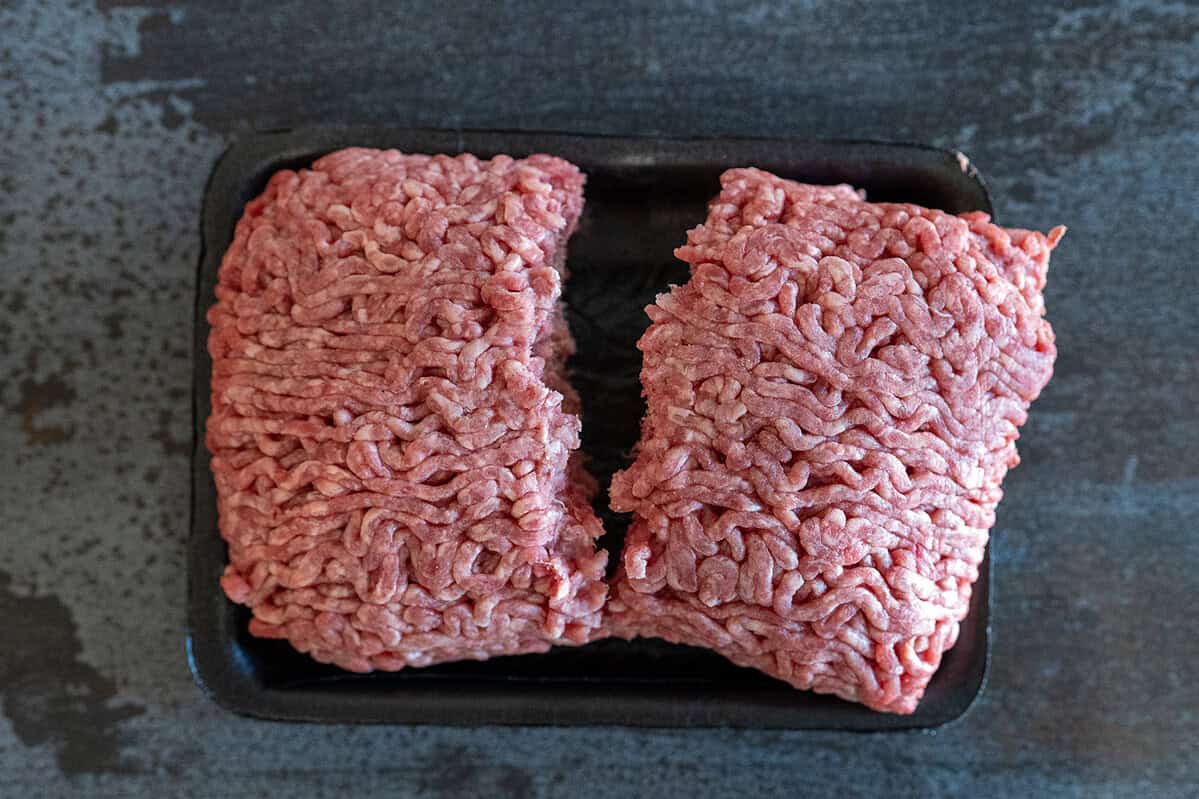
The cornerstone of any great burger is, of course, the ground beef. For optimal juiciness and flavor, a blend with a fat content of 80/20 (80% lean, 20% fat) is widely considered the gold standard. This ratio ensures that the fat renders during cooking, basting the meat from within and preventing it from drying out. While leaner options are available, they often result in a less forgiving patty that can quickly become dry and crumbly.

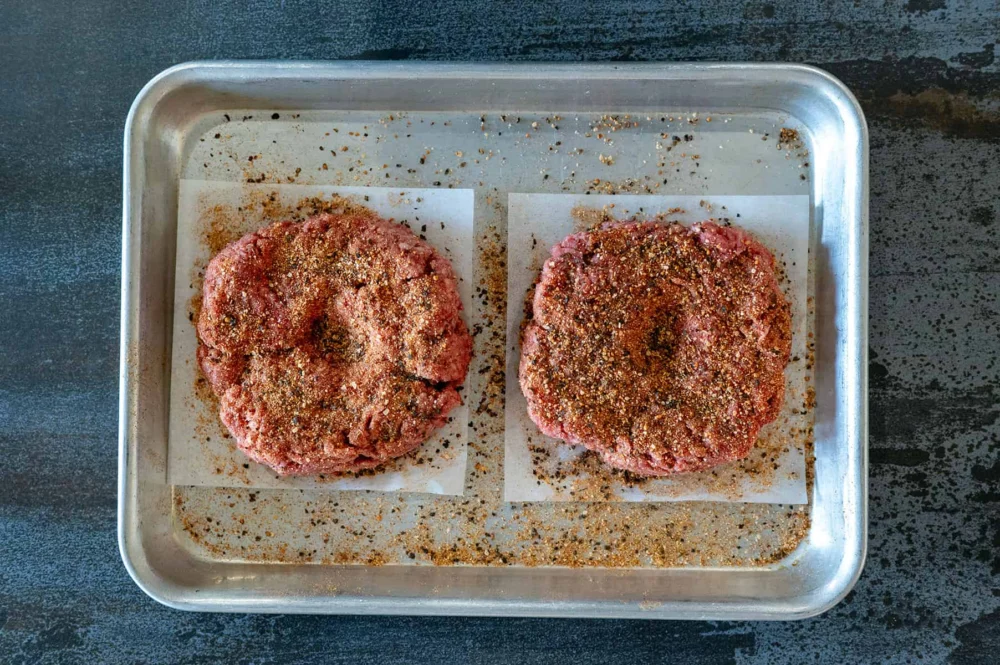
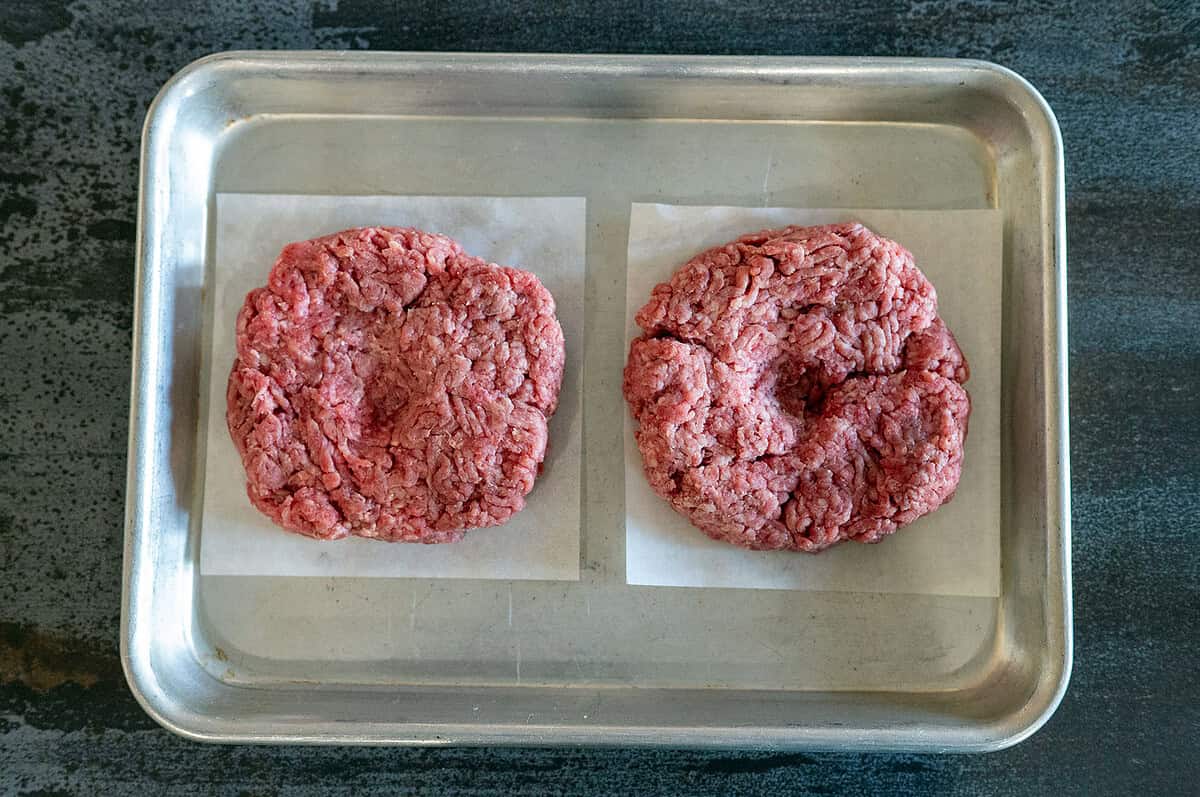
When it comes to forming the patties, a crucial tip from pitmasters is to handle the meat as little as possible. Overworking the ground beef can lead to a tough, dense burger. Instead, gently divide the meat into portions – typically 1/2 pound for a substantial burger – and shape them with a light touch. The goal is to create a patty that is slightly larger than the bun, as it will shrink during the cooking process. A common technique to prevent the burger from puffing up into a dome shape is to create a slight indentation in the center of each patty with your thumb. This "dimple" allows the burger to cook more evenly and retain its shape.
Data Point: Studies on meat texture indicate that excessive manipulation of ground meat can align the protein strands, leading to a chewier, less tender final product. Minimizing contact with hands helps preserve the natural structure of the meat for a more tender bite.
The Art of Seasoning: Less is More, and Timing is Everything
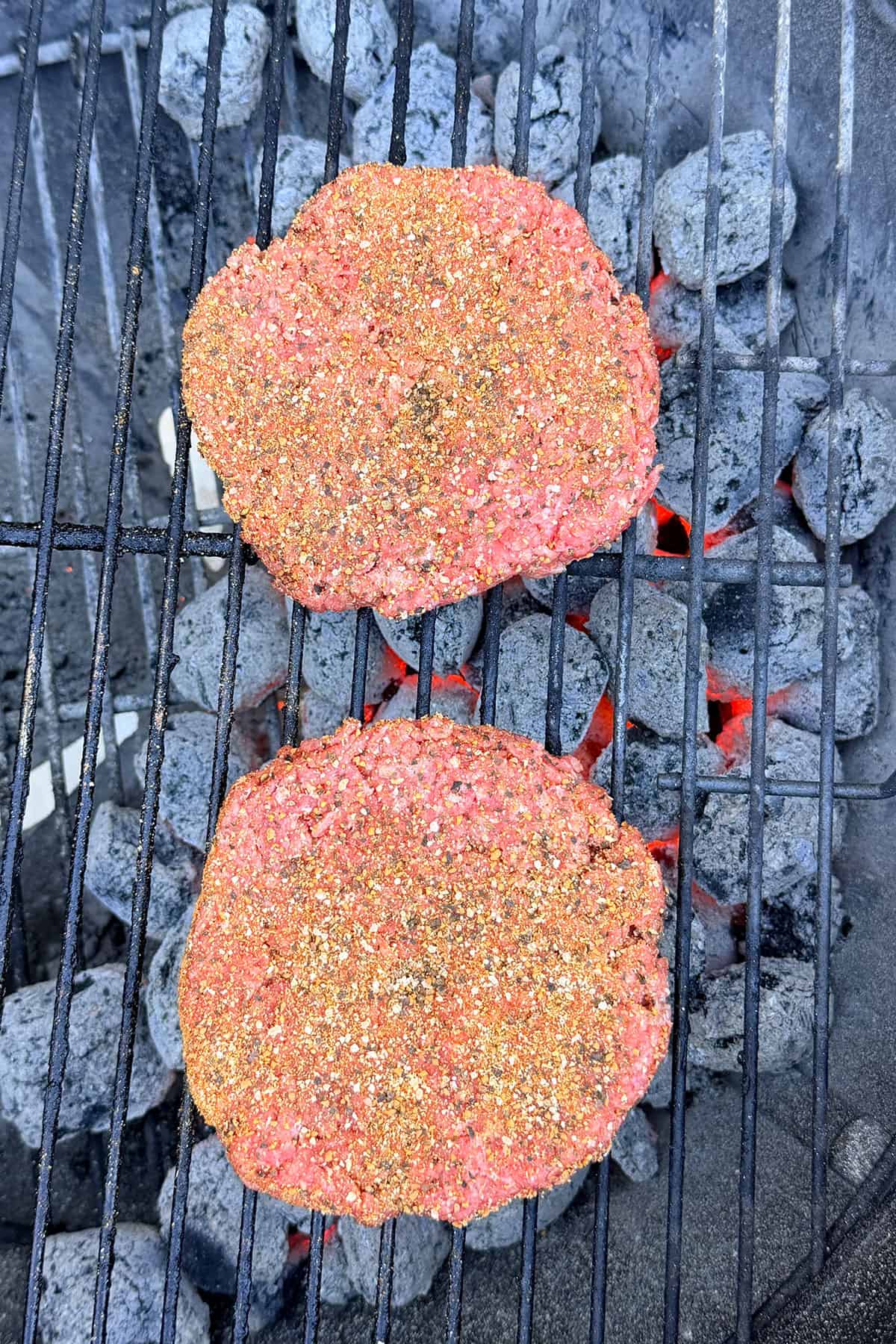
A common misconception is that burger patties require extensive seasoning mixed directly into the meat. However, pitmasters advocate for a simpler, more effective approach: seasoning the exterior of the patty just before grilling. This method allows the salt and pepper (or your chosen spice blend) to form a flavorful crust on the outside of the burger as it cooks, while the interior remains pure beefy goodness.
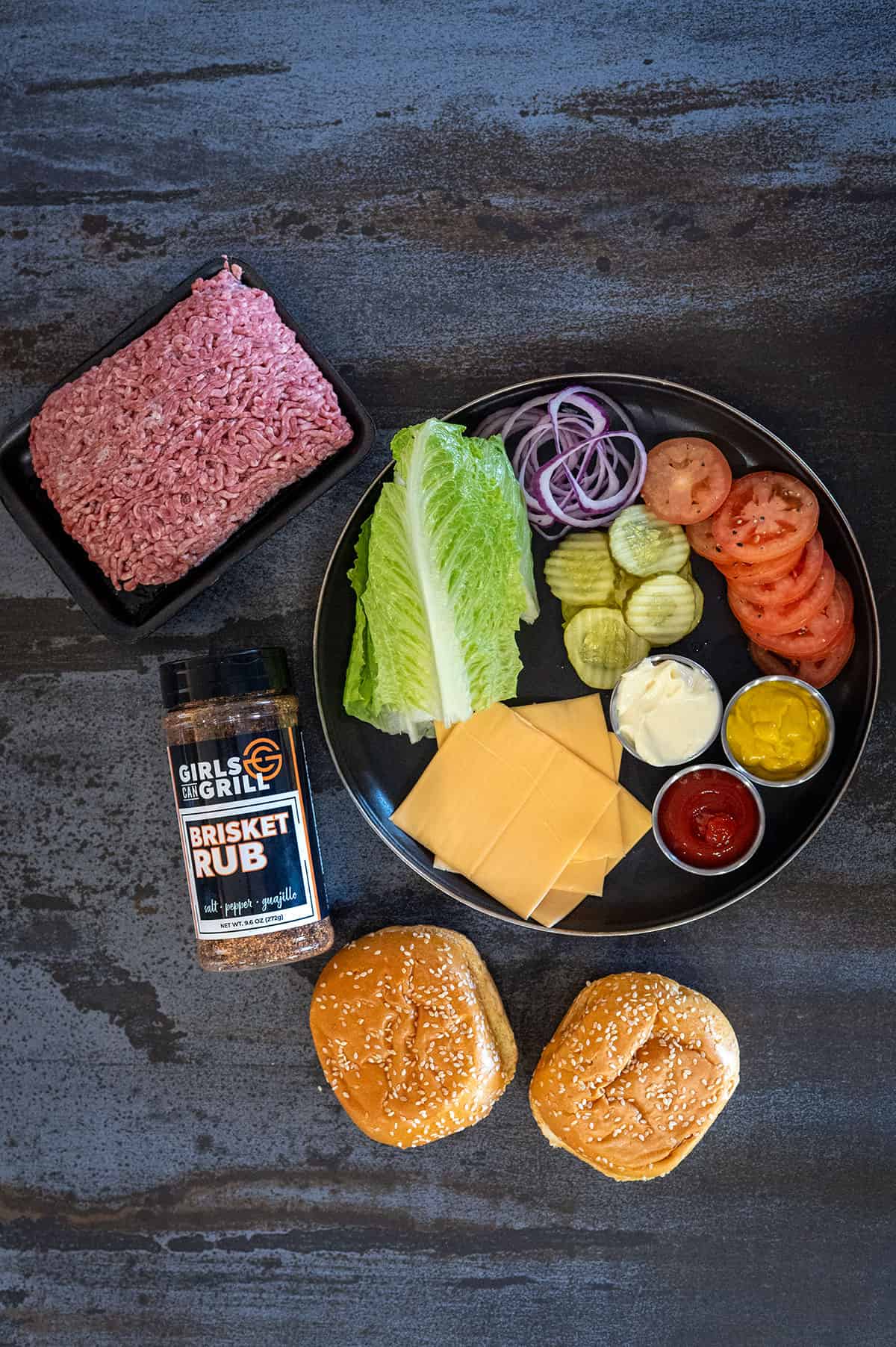
For those seeking an extra layer of flavor, specialized rubs designed for beef can be a fantastic addition. Brands like Girls Can Grill offer robust rubs that complement the richness of beef without overpowering its natural taste. The key is to apply a generous, even coating to both sides of the patty, ensuring that every bite is seasoned to perfection.
Timeline Insight: The practice of seasoning the exterior of grilled meats, including burgers, has roots in traditional barbecue techniques where direct heat and flavorful crust formation are paramount. This method became more prominent as grilling evolved from simple cooking to a culinary art form.
Mastering the Grill: The Power of Two-Zone Cooking
Effective heat management is perhaps the most critical factor in grilling perfect burgers. A two-zone cooking setup is indispensable for achieving this. This involves creating distinct hot and cool zones on the grill. The hot zone, directly over the coals or burners, is used for searing and developing a beautiful char. The cooler zone, away from the direct heat, serves as a resting place for the burgers, allowing them to finish cooking gently without burning or drying out.

For charcoal grilling, this is achieved by piling the lit coals to one side of the grill. For gas grills, it means turning off some burners while leaving others on. This technique provides control, allowing the cook to manage flare-ups and ensure even cooking. Starting the burgers on the hot side for a quick sear and then moving them to the cooler side to finish cooking is a proven method for juicy results.
Background Context: The concept of two-zone cooking, also known as indirect grilling, gained traction in the late 20th century as grilling enthusiasts sought greater control over their cooking outcomes. It allows for a wider range of culinary possibilities, from searing steaks to slow-roasting larger cuts of meat.

The Grilling Process: Timing and Temperature
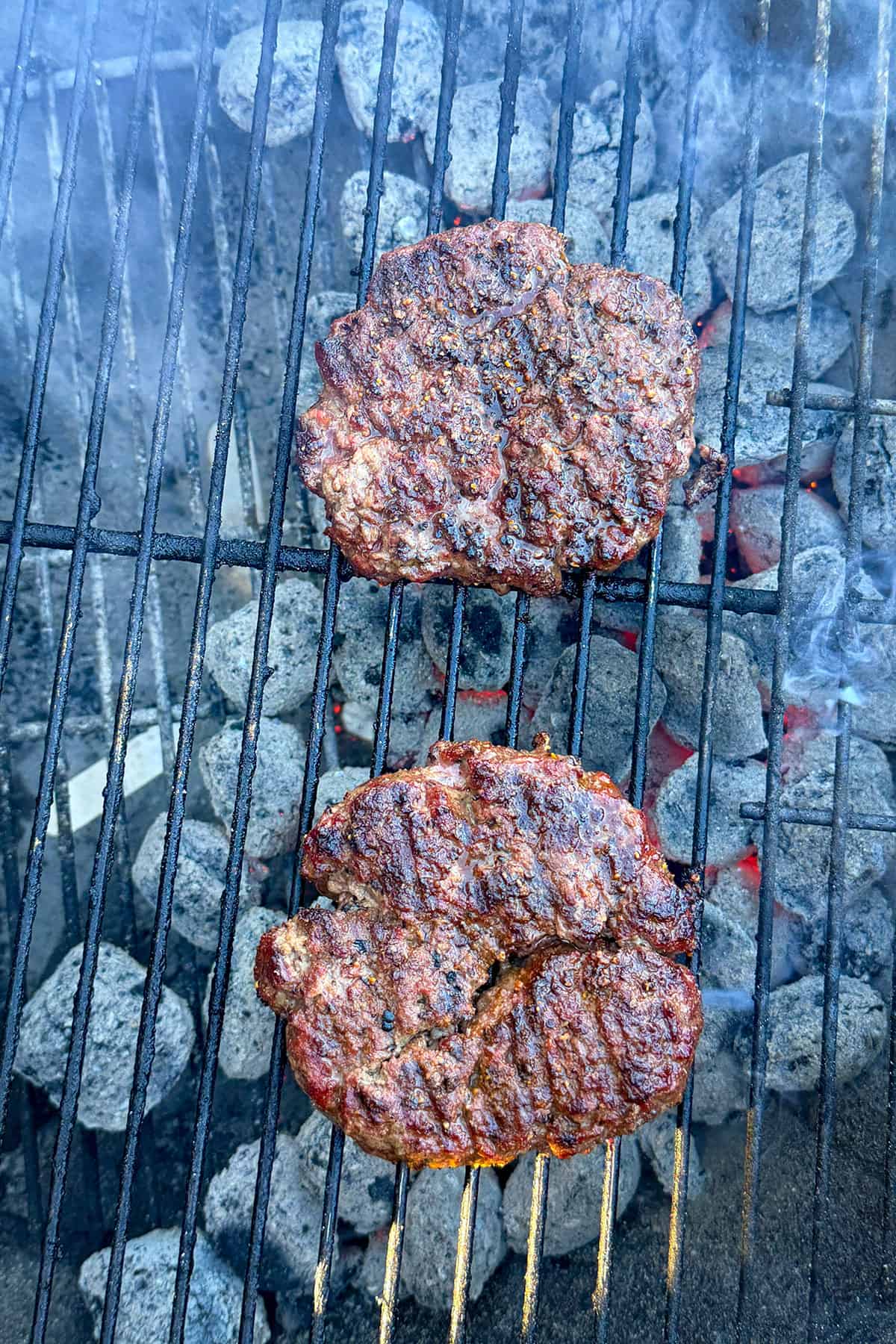
Once the grill is preheated to a medium-high temperature (around 350-400°F), the seasoned patties are placed on the hot zone, dimple-side up. Allowing them to sear undisturbed for 4-5 minutes is crucial for developing that desirable crust. During this time, it’s tempting to press down on the burgers with a spatula, but this is a common mistake that squeezes out valuable juices. Resist the urge!
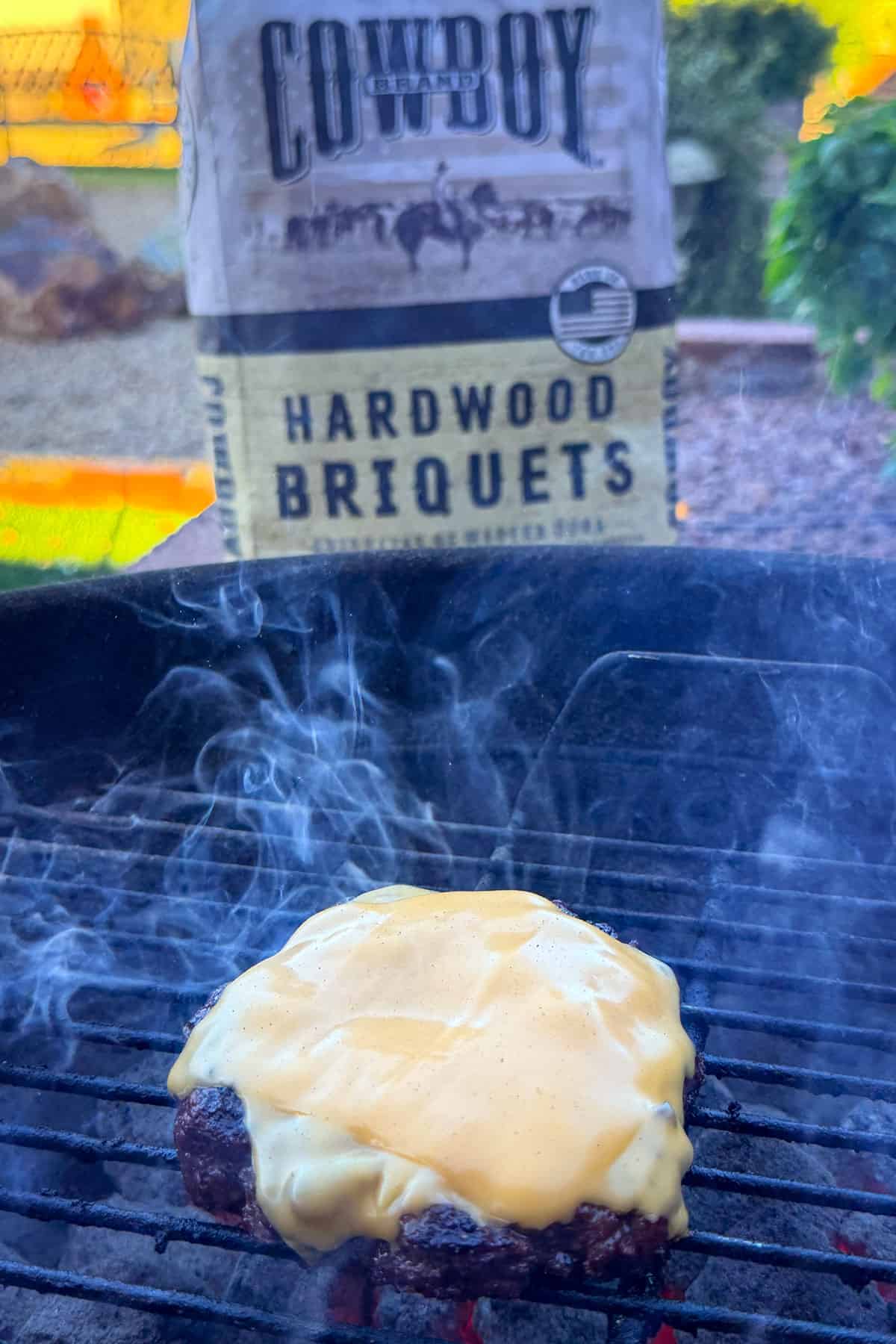
After the initial sear, flip the burgers. Now is the time to season the second side and add another gentle dimple if needed. Place the burgers on the cooler side of the grill and add cheese, if desired. A lid on the grill helps to melt the cheese evenly and maintain a consistent cooking temperature. The cooking time on the second side will typically be shorter, around 3-4 minutes, depending on your desired level of doneness.
Data Point: Internal temperature is the most accurate indicator of burger doneness. According to the USDA, ground meat is considered safe to eat at an internal temperature of 165°F (74°C). However, many prefer their burgers cooked to medium-rare (135°F/57°C) or medium (145°F/63°C) for optimal juiciness. A digital meat thermometer is an essential tool for achieving this precision.
The Evolution of Burger Craftsmanship: A Historical Perspective
The hamburger, in its most rudimentary form, has a history that stretches back to the 19th century, with origins often debated between Hamburg, Germany, and various American culinary traditions. However, the modern grilled burger as a distinct culinary item gained significant popularity in the mid-20th century, coinciding with the rise of suburban culture and the widespread adoption of backyard grilling.
The post-World War II era saw an explosion in barbecue culture, with families gathering for outdoor cookouts. The grilled burger became a staple of these gatherings, symbolizing casual enjoyment and communal dining. Over the decades, the approach to burger preparation has evolved, moving beyond simple patties to embrace gourmet ingredients, diverse cooking techniques, and elaborate toppings. This evolution reflects a broader trend in American cuisine, where everyday dishes are elevated through attention to detail and an appreciation for quality ingredients.
Analysis of Implications: The enduring appeal of the grilled burger speaks to its versatility and its ability to adapt to changing culinary trends. As consumers become more discerning, the focus shifts from mere sustenance to an experience. This has led to a greater emphasis on sourcing high-quality beef, experimenting with artisanal buns, and crafting unique topping combinations, transforming the humble burger into a canvas for culinary creativity.

Serving and Customization: The Personal Touch
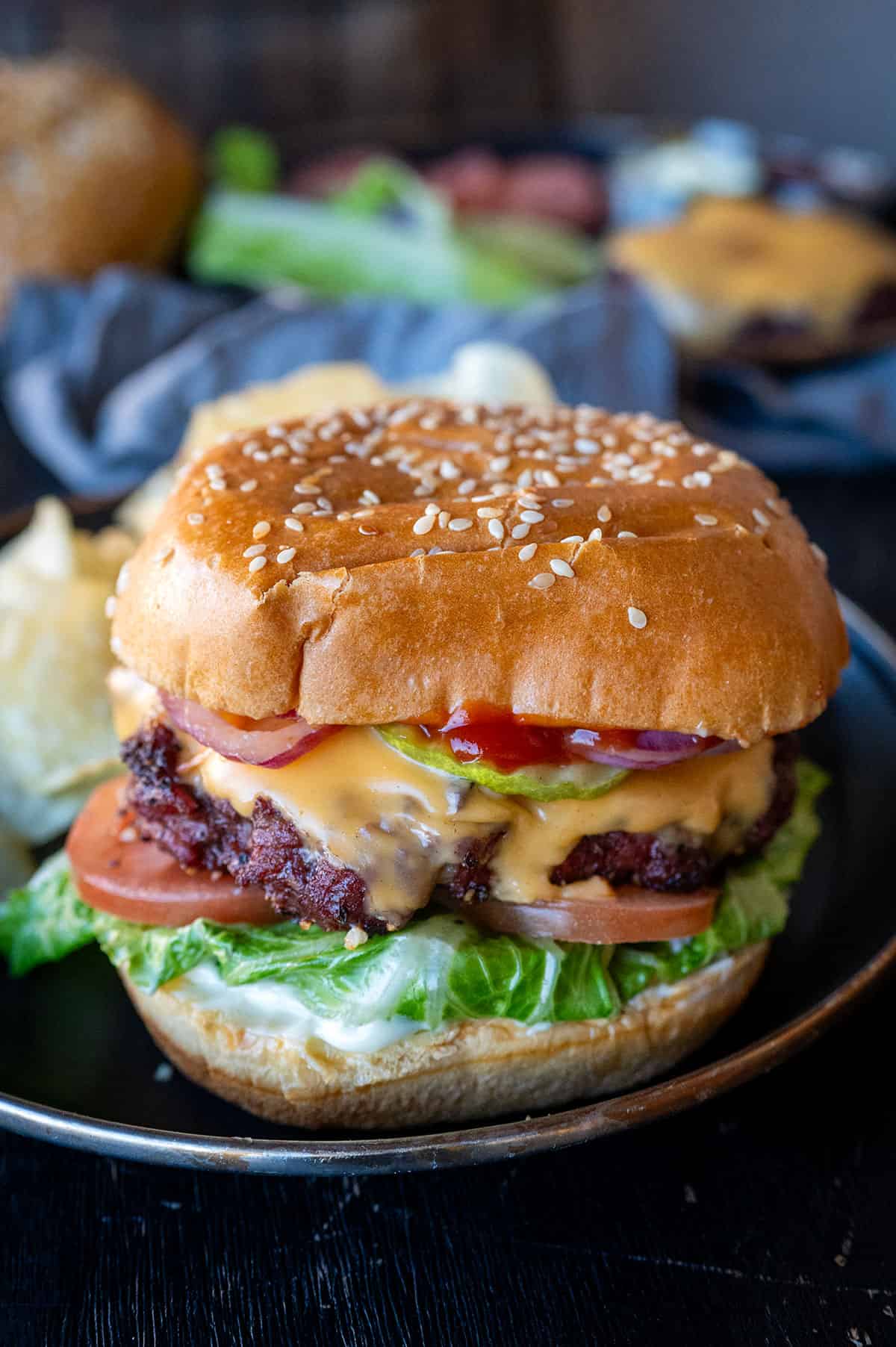
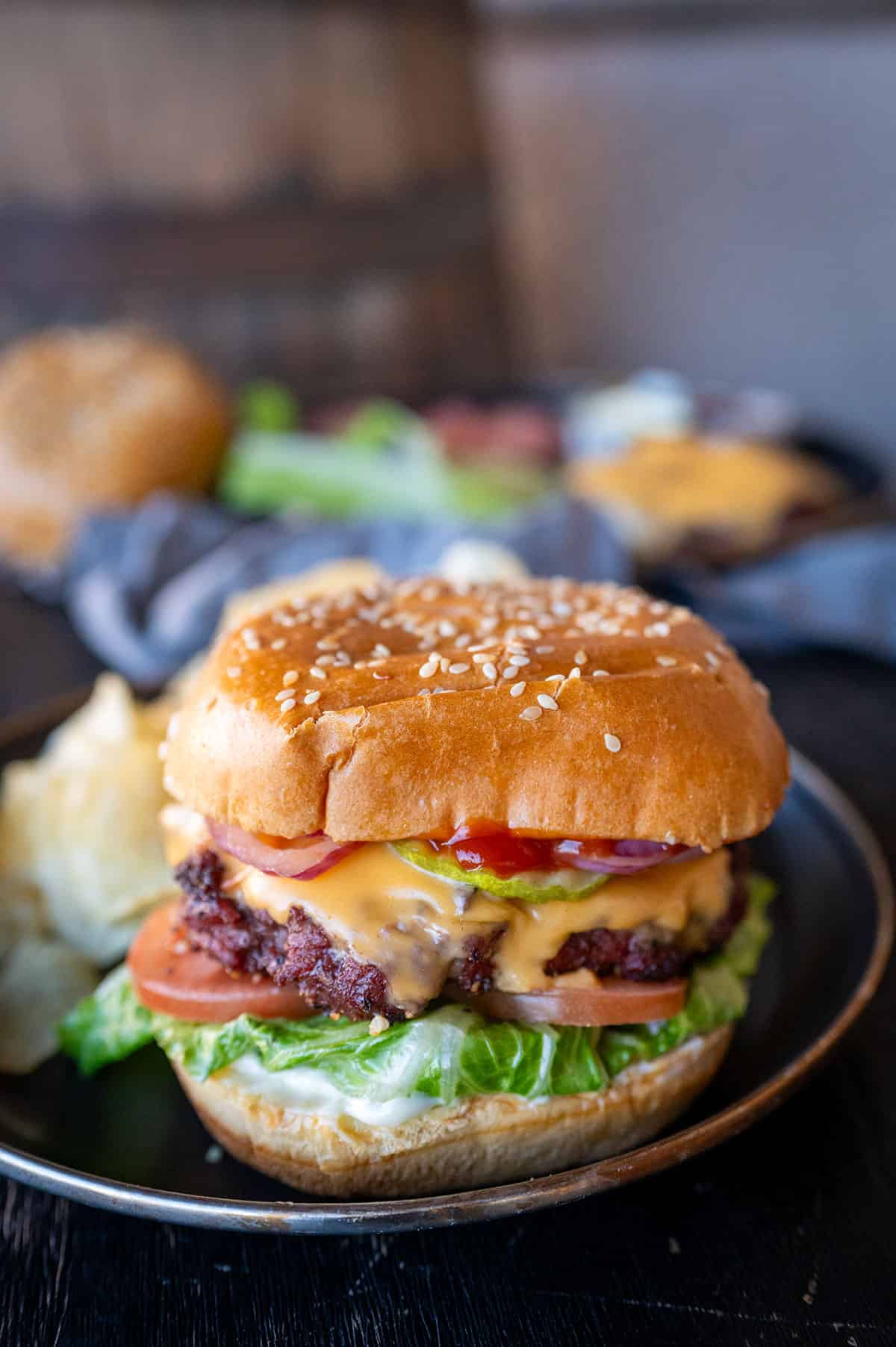
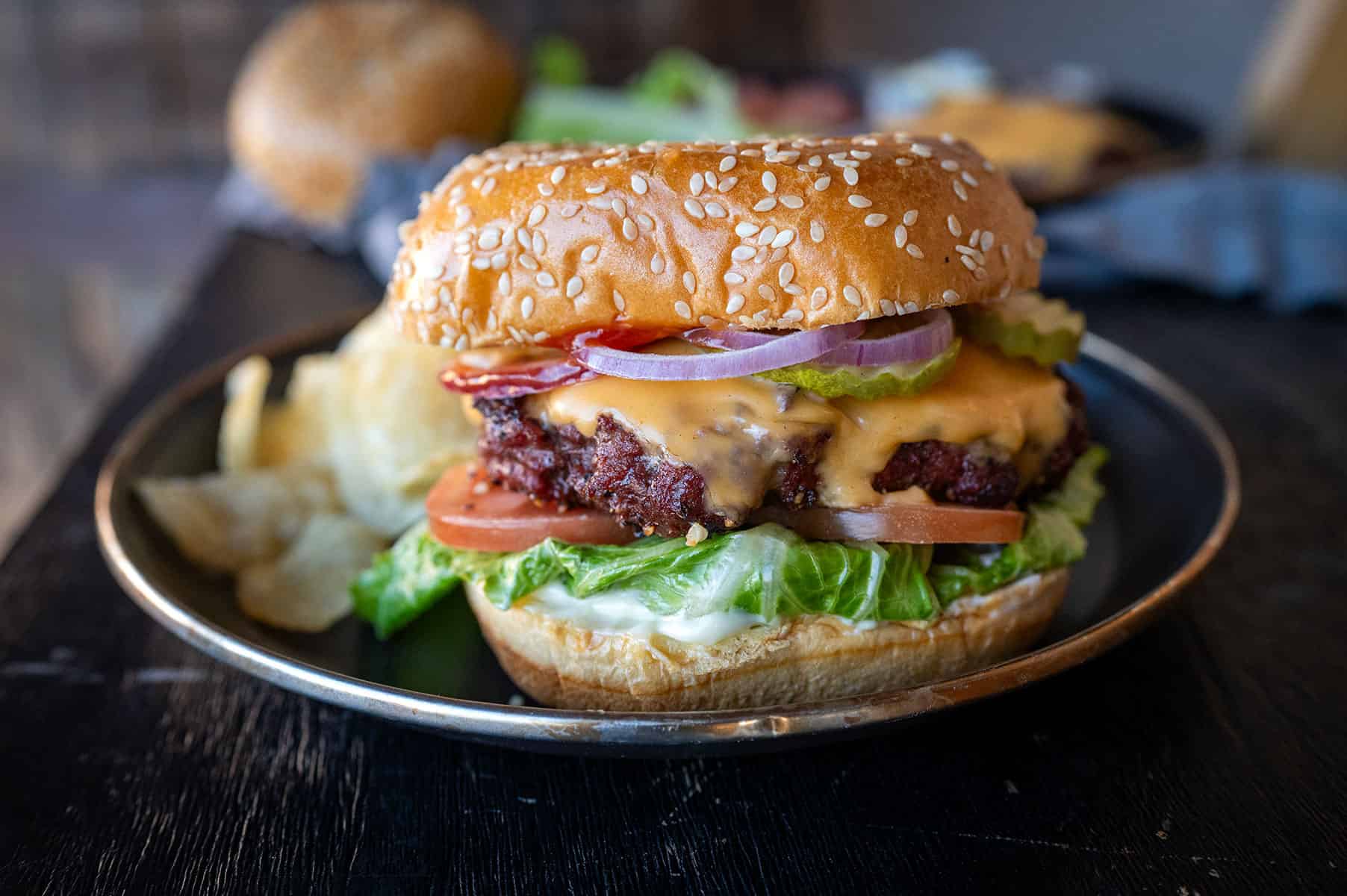
The beauty of the grilled burger lies in its inherent customizability. While a classic cheeseburger with lettuce, tomato, onion, and pickles remains a beloved choice, the possibilities for toppings are virtually endless. From smoky barbecue sauces and tangy aiolis to caramelized onions and crispy bacon, each addition can create a distinct flavor profile.
For those seeking inspiration, exploring restaurant menus can spark creativity. For instance, chains like Red Robin have historically offered a vast array of inventive burger creations, showcasing how diverse ingredients can be combined to create unique taste experiences. Whether opting for a simple, perfectly cooked patty or a lavishly adorned gourmet creation, the ultimate burger is ultimately a reflection of personal preference.
Statement from a Culinary Expert (Inferred): "The perfect burger isn’t about adhering to rigid rules; it’s about understanding the fundamentals of cooking great meat and then letting your palate guide you," suggests a hypothetical pitmaster. "A well-executed patty is the foundation, but the toppings are where you can truly express your culinary personality. Don’t be afraid to experiment."
Storage and Future Grilling
Leftover cooked burger patties can be stored in an airtight container in the refrigerator for 3-4 days. For longer storage, they can be frozen for several months. A practical tip for frequent grillers is to purchase ground beef in bulk, form patties, and freeze them before seasoning. This allows for quick and easy burger meals on demand, requiring only thawing, seasoning, and grilling.
Data Point: Freezing cooked meat properly helps to maintain its quality and prevent freezer burn. Vacuum-sealed bags or airtight containers are recommended for optimal results.
Frequently Asked Questions About Grilled Burgers
How do you know when grilled burgers are done?
The most accurate method is to use a digital meat thermometer. Insert it into the side of the burger towards the center. For food safety, the USDA recommends an internal temperature of 165°F (74°C). However, many prefer burgers cooked to medium-rare (135°F/57°C) or medium (145°F/63°C) for enhanced juiciness.
What should I put in my burger mixture?
For optimal flavor and texture, it is generally not recommended to mix seasonings directly into the ground beef. Instead, liberally coat the exterior of the patty with coarse salt, pepper, or a dedicated beef rub just before grilling. This creates a flavorful crust without compromising the tenderness of the interior.
What does a medium burger look like?
Similar to steaks, burgers can be cooked to various levels of doneness. A medium burger typically displays a brown exterior with a very small amount of pink in the center. The internal temperature for a medium burger is approximately 145°F (63°C).
The pursuit of the perfect grilled burger is a rewarding culinary journey. By understanding the science behind good meat, mastering the techniques of grilling, and embracing personalization, any home cook can achieve consistently delicious results. The next time you fire up the grill, remember these pitmaster secrets, and prepare to serve a burger that is truly a cut above the rest.