The Sourdough Phenomenon and Resourcefulness in Modern Kitchens
The rise in sourdough baking witnessed a significant surge in recent years, particularly during periods of increased home activity and a renewed interest in artisanal food preparation. This renaissance of a traditional craft brought with it a common byproduct: sourdough discard. Sourdough starter, a living culture of flour and water, requires regular "feeding" and subsequent "discarding" of a portion to maintain its vitality. While traditionally seen as waste, the culinary community has increasingly embraced this discard as a valuable ingredient, rich in flavor and possessing unique textural properties. This shift represents a broader movement towards sustainable kitchen practices, where every ingredient is utilized to its fullest potential, reducing food waste and fostering a sense of resourcefulness among home cooks. The "cinnamon toast" sourdough discard cookie recipe exemplifies this innovative approach, transforming a potential waste product into a key component that contributes to the cookie’s distinct character.
A Masterclass in Efficiency: The Slice-and-Bake Advantage
The slice-and-bake method, a cornerstone of baking convenience, is central to the appeal of these cookies. This technique streamlines the baking process considerably, offering an unparalleled level of efficiency for producing large quantities. Unlike drop cookies or rolled and cut designs, slice-and-bake doughs are formed into logs, chilled, and then simply sliced before baking. This eliminates the need for individual portioning, a task that can be arduous and time-consuming, especially when preparing multiple dozens. Furthermore, the ability to prepare the dough in advance and break the process into distinct shifts—mixing, chilling, slicing, baking—provides remarkable flexibility for busy schedules. This chronological advantage allows bakers to manage their time effectively, ensuring fresh, homemade cookies are always within reach without demanding extensive, uninterrupted blocks of time. Culinary experts often cite the slice-and-bake format as a prime example of how traditional baking can be adapted to modern lifestyles, promoting accessibility without compromising on quality or flavor.
Crafting the "Cinnamon Toast" Experience: A Symphony of Flavors
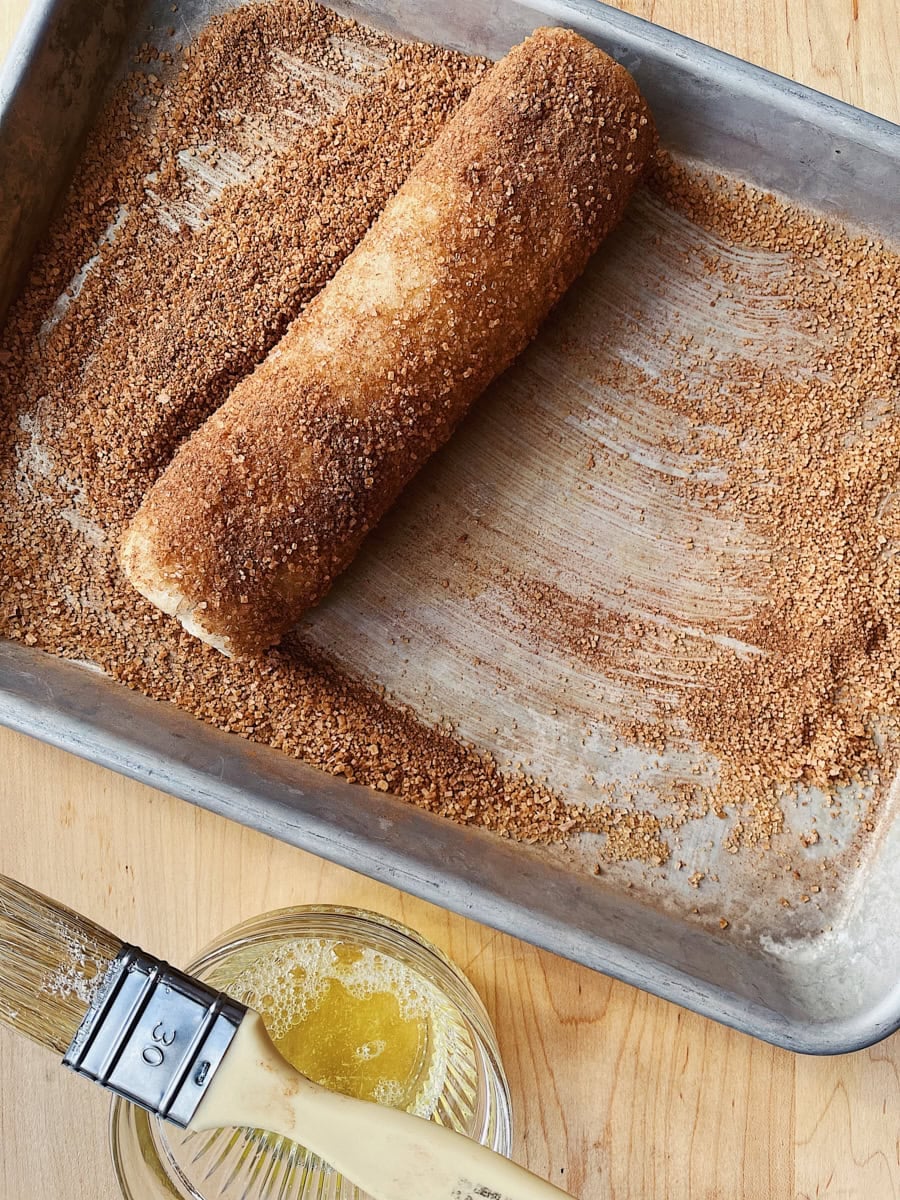
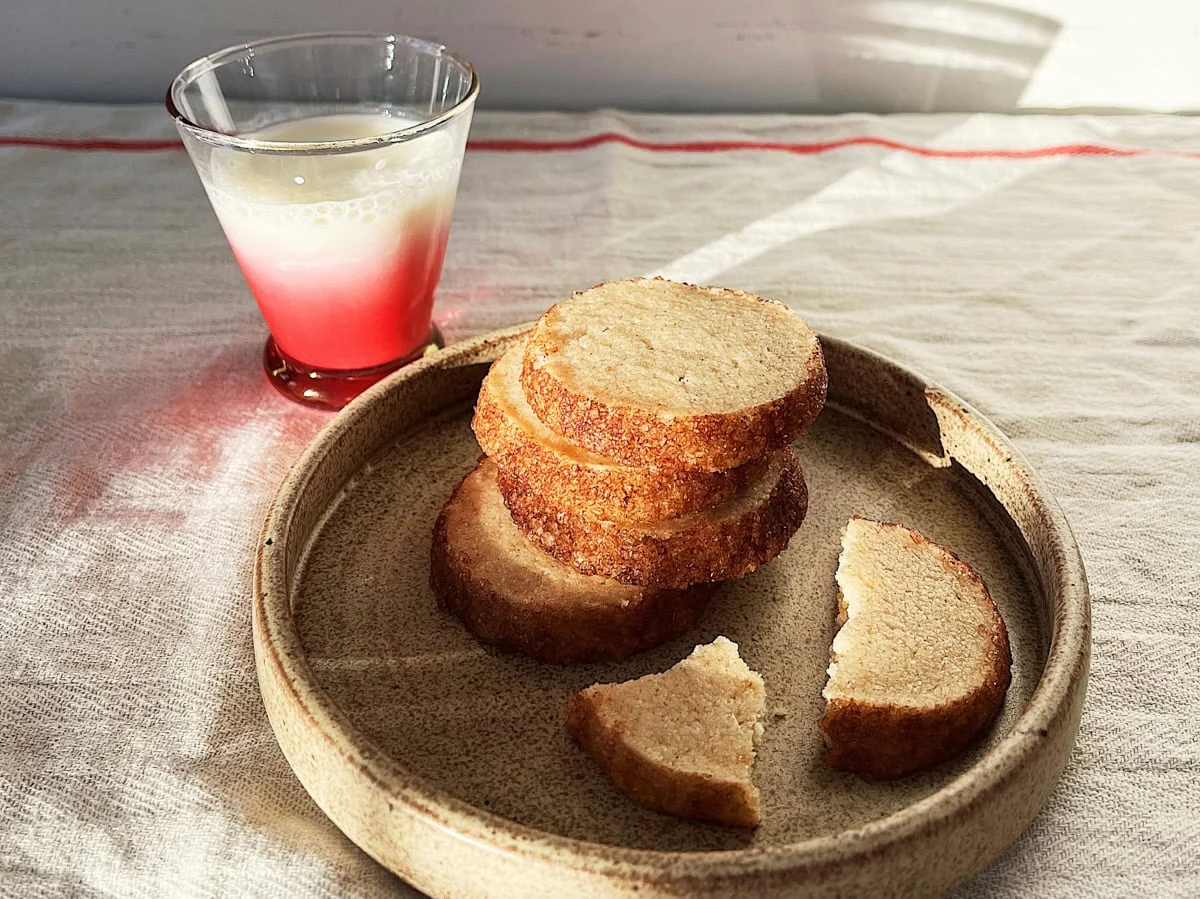
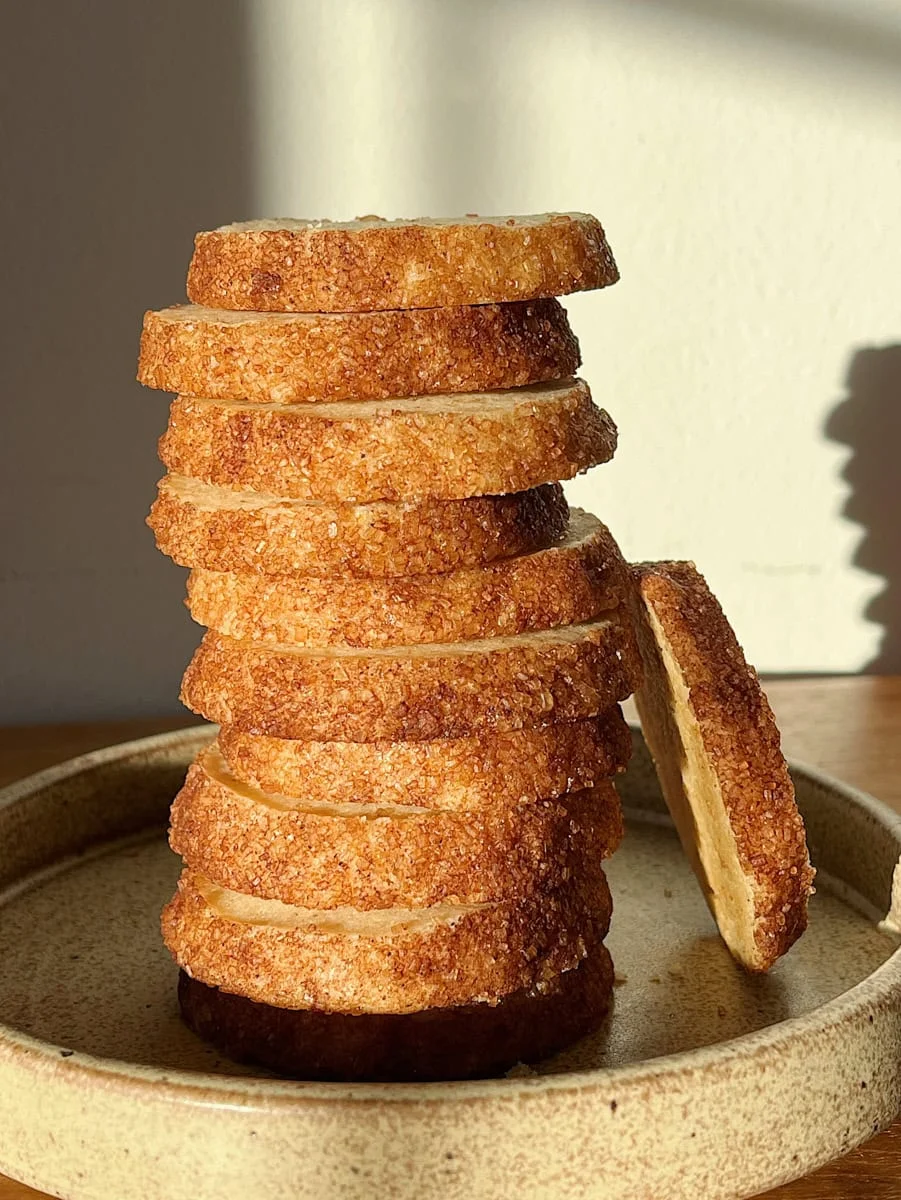
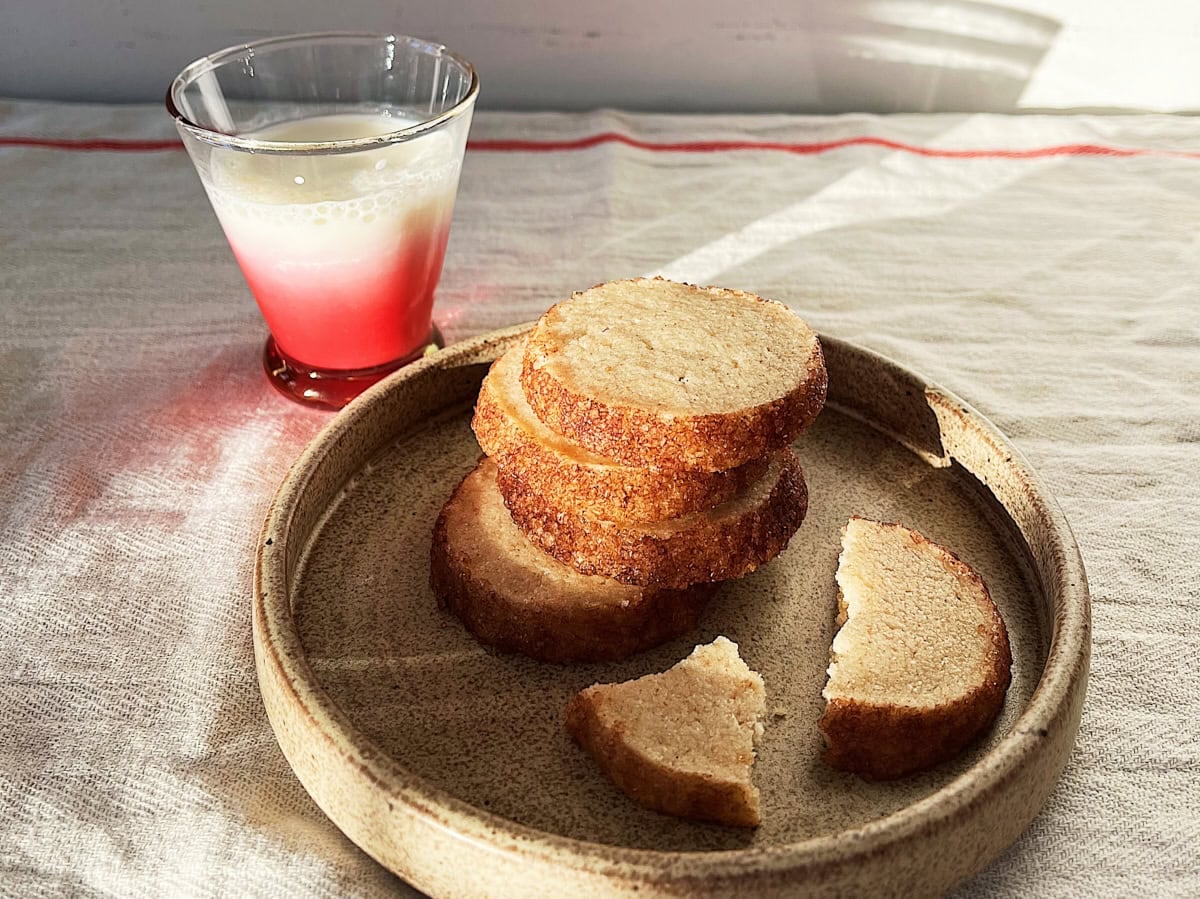
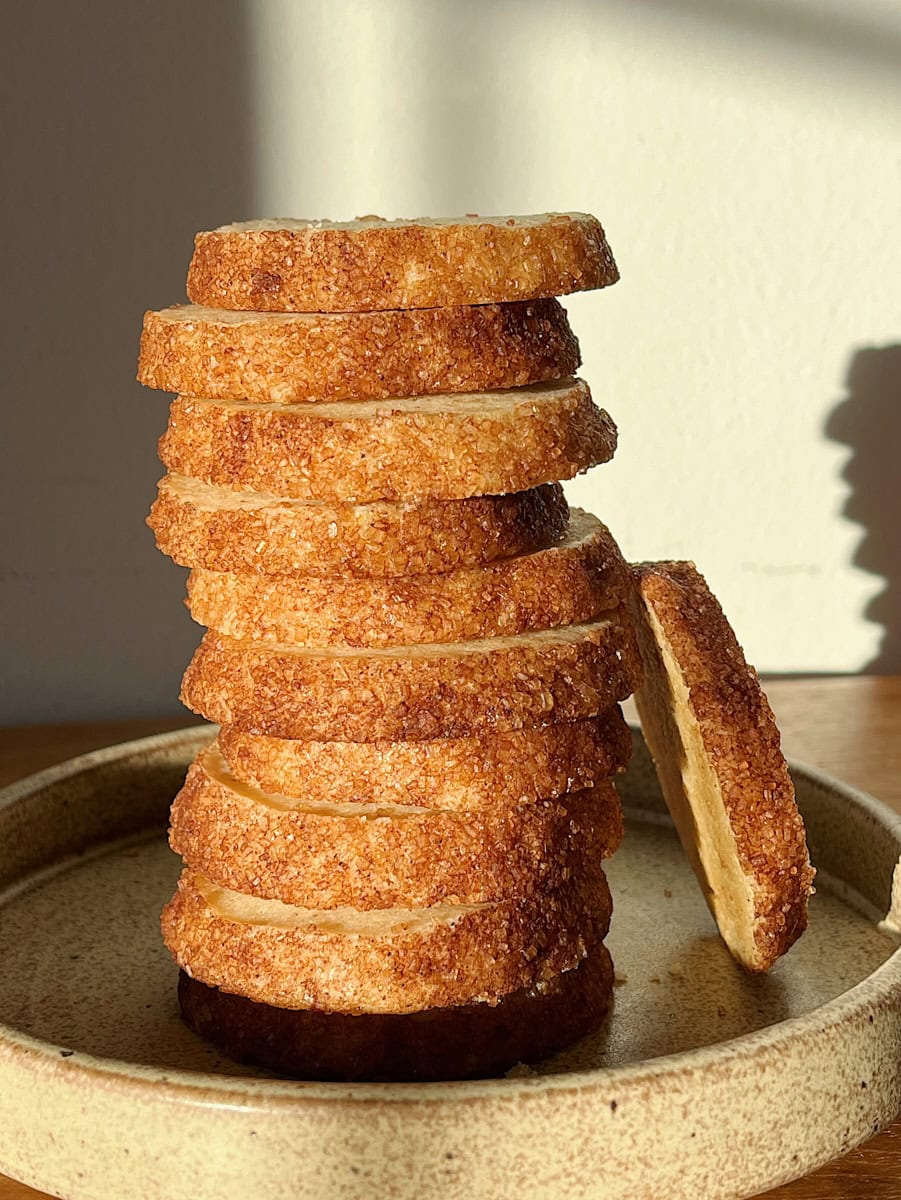
The unique designation of "cinnamon toast" cookies is derived from their distinctive coating of Demerara sugar and cinnamon, a combination that evokes nostalgic comfort. Demerara sugar, with its larger crystals and subtle molasses notes, provides a satisfying crunch and a deeper caramel-like sweetness compared to granulated sugar. When paired with the warm, aromatic spice of cinnamon, it creates a textural and flavor contrast that elevates the simple vanilla dough. This buttery, subtly tangy base, infused with a generous measure of vanilla, harmonizes perfectly with the sweet, spiced exterior. The absence of flashy decorations or elaborate toppings is a deliberate choice, emphasizing the pure, unadulterated pleasure of classic flavors. Food critics and baking enthusiasts alike have noted that such straightforward yet perfectly balanced flavor profiles often outperform more visually complex creations at gatherings, demonstrating that intrinsic taste and texture remain paramount. The swift disappearance of these cookies from any spread serves as empirical evidence of their universal appeal.
Optimizing Texture: The Science Behind the Dough’s Formulation
A critical aspect of this recipe’s innovation lies in its adjusted flour ratio, deviating from the conventional one part sugar, two parts butter, and three parts flour by weight. The standard ratio, particularly in shortbread-style cookies, can often result in a dense, overly floury texture. To counteract this, and given the absence of significant sugar content or the aeration and chewiness provided by eggs, the recipe utilizes a reduced flour proportion. With 250 grams (2 cups) of all-purpose flour, plus an additional 35 grams contributed by the sourdough discard, the ratio of sugar (150 grams) to butter (226 grams) to flour becomes approximately 1 : 1½ : just under 2. This intentional adjustment yields a softer, more tender crumb, preventing the cookies from becoming overly stiff or dry. Such precise recalibration of foundational ratios underscores a deeper understanding of ingredient interaction and its impact on final product quality, a hallmark of advanced recipe development.
The Discard’s Subtle Influence: Beyond Waste Reduction
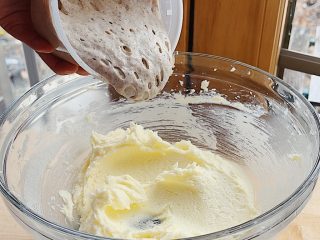
While primarily a vehicle for sustainability, the sourdough starter discard plays a more nuanced role than simply being an ingredient to be used up. Unfed and at 100% hydration, it contributes a delicate tang that beautifully complements the richness of the butter and the sweetness of the sugar. This subtle acidity, a characteristic of fermentation, adds a layer of complexity to the flavor profile, preventing the cookies from being one-dimensionally sweet. Furthermore, the water content from the discard contributes to the overall hydration of the dough, influencing its pliability and the final texture of the baked cookie. While shortbreads typically eschew water, the careful integration of discard here highlights its versatility. The recipe even posits the intriguing possibility of browning the butter, an additional step that could further enhance depth of flavor by evaporating some water and introducing nutty notes, demonstrating the continuous exploration within culinary science to refine and innovate.
Enhancements and Customization: A Baker’s Canvas
Despite their classic simplicity, these cookies are remarkably adaptable, offering a broad spectrum of flavor customization options. This versatility is a key feature, allowing bakers to personalize batches to suit individual preferences or seasonal themes. For instance, incorporating up to 2 tablespoons of citrus zest—lemon, grapefruit, or orange—rubbed into the sugar before creaming, can infuse the dough with bright, aromatic notes. Alternative extracts such as rose water, orange flower water, or almond extract can replace or augment the vanilla, though their potency requires careful measurement, typically starting with ¼ teaspoon. For a savory depth, 1 teaspoon of toasted sesame oil introduces roasty undertones. Textural variety can be achieved with up to 130 grams (approximately ¾ cup) of chopped chocolate or toasted nuts. Flavor infusions like instant coffee or espresso, powdered teas such as matcha or hojicha, or even finely ground Earl Grey tea leaves offer sophisticated alternatives. The sugar coating itself is open to interpretation, with ground cardamom or sumac providing fragrant alternatives to cinnamon, or toasted white or black sesame seeds adding an intriguing crunch. This extensive range of customization points transforms a straightforward recipe into a creative outlet, encouraging experimentation and tailoring.
Technique and Timing: Keys to Achieving Perfection
Achieving the desired outcome with these cookies relies on meticulous attention to technique and timing. The use of an electric mixer, either a hand beater or a stand mixer, is highly recommended for efficiently creaming the butter and sugar. This step is crucial for incorporating air and achieving a light, uniform dough consistency, though strong arms can accomplish it by hand.
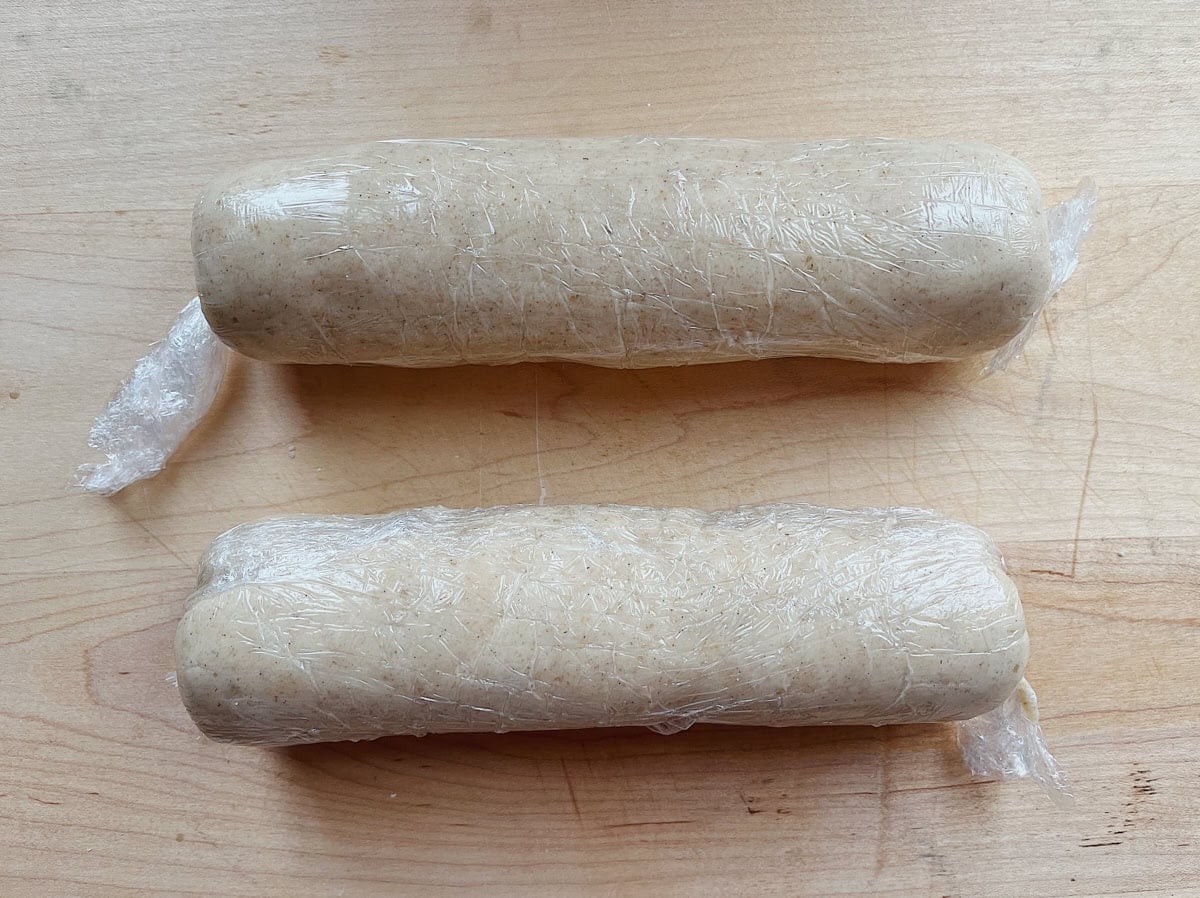
Crucially, the dough requires a significant chilling period, at least 2 hours. Given its higher butter-to-flour ratio, the dough is initially soft and pliable, prone to excessive spreading during baking if not adequately chilled. Refrigeration resolidifies the butter, ensuring the cookies maintain their neat, round shape and preventing them from becoming thin and crisp rather than tender and substantial.
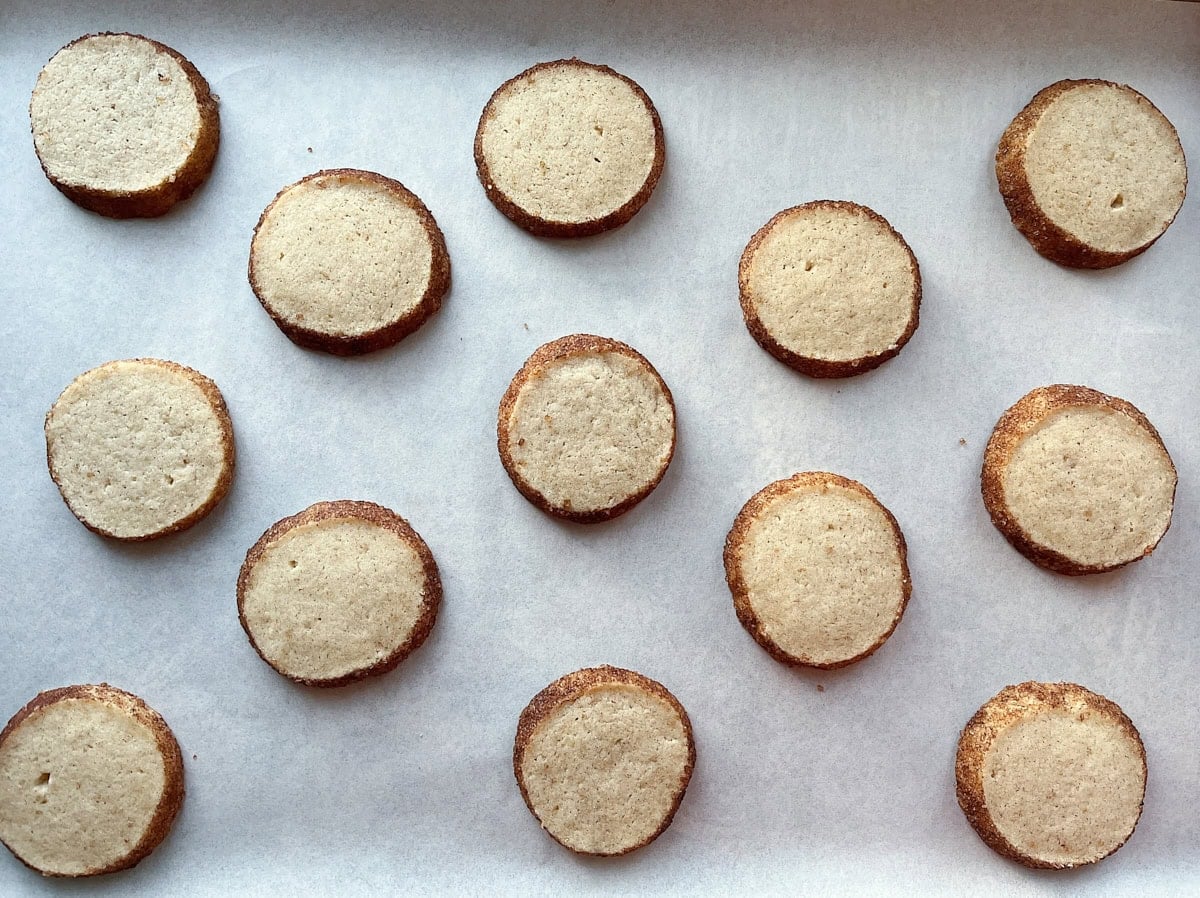
Finally, baking duration is paramount. Due to the hydration contributed by the sourdough starter, the dough retains more moisture than typical shortbreads. The tops of the cookies do not darken significantly in the oven, making visual cues challenging. Therefore, it is advisable to bake them for at least 14 minutes, or even slightly longer, ensuring they are thoroughly cooked through. An underbaked slice-and-bake cookie lacks the desirable texture, solidifying the importance of precise timing over visual approximation. The ability to freeze pre-sliced, sugar-coated cookies for up to three months, baking them directly from frozen with a slight extension in time (2-4 minutes), further enhances the recipe’s utility for meal preparation and impromptu treats.
Expert Perspectives on Culinary Trends
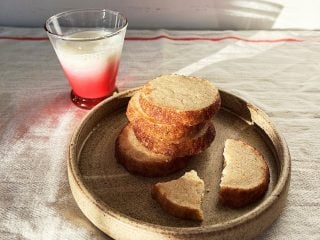
Culinary trend analysts have highlighted the "cinnamon toast" sourdough discard cookies as a micro-trend within the larger movement of conscious consumption and skilled home cooking. "This recipe encapsulates what modern bakers are seeking: efficiency, sustainability, and gourmet quality achievable in a home setting," remarks Dr. Eleanor Vance, a food science researcher. "The innovative use of sourdough discard speaks to a growing awareness of food waste, while the slice-and-bake format caters to contemporary time constraints." Industry observers also point to the recipe’s adaptability as a significant factor in its potential longevity. "Recipes that allow for personalization, from citrus zest to various tea infusions, empower the home cook and foster a deeper engagement with the craft," adds Chef Antoine Dubois, a renowned pastry consultant. "It’s not just about baking a cookie; it’s about making it uniquely yours while being mindful of resources."
The Broader Implications for Sustainable Baking
The advent and popularity of recipes like the "cinnamon toast" sourdough discard cookies carry broader implications for the culinary landscape. They serve as a powerful exemplar of how resourcefulness can drive innovation, encouraging bakers to rethink ingredients often overlooked or discarded. This contributes directly to global efforts in reducing food waste, a pressing environmental concern. On a community level, such recipes empower home bakers, fostering a sense of accomplishment and encouraging the sharing of knowledge and techniques. The clear, concise guidelines provided, coupled with troubleshooting tips for achieving perfectly round cookies (even if it means a quick swirl with a glass post-bake), lower the barrier to entry for aspiring bakers. This democratization of complex baking techniques, alongside a commitment to sustainability, positions these cookies not just as a delicious treat but as a symbol of an evolving culinary ethos.
Looking Ahead: The Future of Resourceful Recipes
As interest in home baking and sustainable living continues to grow, resourceful recipes like these "cinnamon toast" sourdough discard cookies are poised to become staples in kitchens worldwide. They represent a harmonious blend of tradition, innovation, and practicality. The continued exploration of sourdough discard in various culinary applications—from other cookies and brownies to cakes and more elaborate pastries—signals a promising future for conscious cooking. This particular recipe stands as a testament to the idea that some of the most satisfying culinary creations can emerge from simple ingredients and ingenious methods, all while making a positive impact on both personal well-being and environmental stewardship. The emphasis on high-quality ingredients, precise technique, and thoughtful customization solidifies its place as a benchmark for contemporary baking, inviting bakers to embrace creativity and efficiency in equal measure.