
The global functional beverage market has witnessed a significant shift toward home-based artisanal fermentation, with seasonal variations such as cranberry orange kombucha becoming a focal point for health-conscious consumers during the winter months. As the demand for probiotics and natural antioxidants continues to climb, the intersection of traditional preservation methods and modern nutritional science has revitalized interest in the "second fermentation" process. This specific iteration of kombucha leverages the peak harvest of cranberries and the aromatic properties of citrus to create a beverage that is as nutritionally dense as it is flavor-forward. By utilizing a specialized cranberry orange syrup to facilitate carbonation and flavor infusion, brewers are able to produce a sophisticated alternative to commercial sodas that aligns with the rigorous standards of the contemporary wellness industry.
The Evolution of the Functional Beverage Market
The resurgence of kombucha—a fermented tea with origins tracing back to Northeast China circa 220 B.C.—is not merely a culinary trend but an economic phenomenon. Market analysts report that the global kombucha market was valued at approximately USD 2.64 billion in 2021 and is projected to expand at a compound annual growth rate (CAGR) of over 15% through 2030. This growth is driven by a heightened public awareness of gut health and the role of the microbiome in systemic immunity.
Cranberry-infused variants represent a strategic seasonal pivot for both commercial producers and home brewers. The North American cranberry harvest, which primarily occurs between September and November, provides an abundance of fresh fruit characterized by high acidity and low sugar content. When integrated into the kombucha fermentation cycle, these berries provide the necessary substrates for secondary microbial activity while introducing a complex tartness that appeals to an adult palate.
The Science of the Second Fermentation
To understand the production of cranberry orange kombucha, one must analyze the two-stage fermentation process. The primary fermentation involves a Symbiotic Culture of Bacteria and Yeast (SCOBY) submerged in sweetened tea. During this phase, the yeast converts sugar into ethanol, which the bacteria then oxidize into acetic and other organic acids.
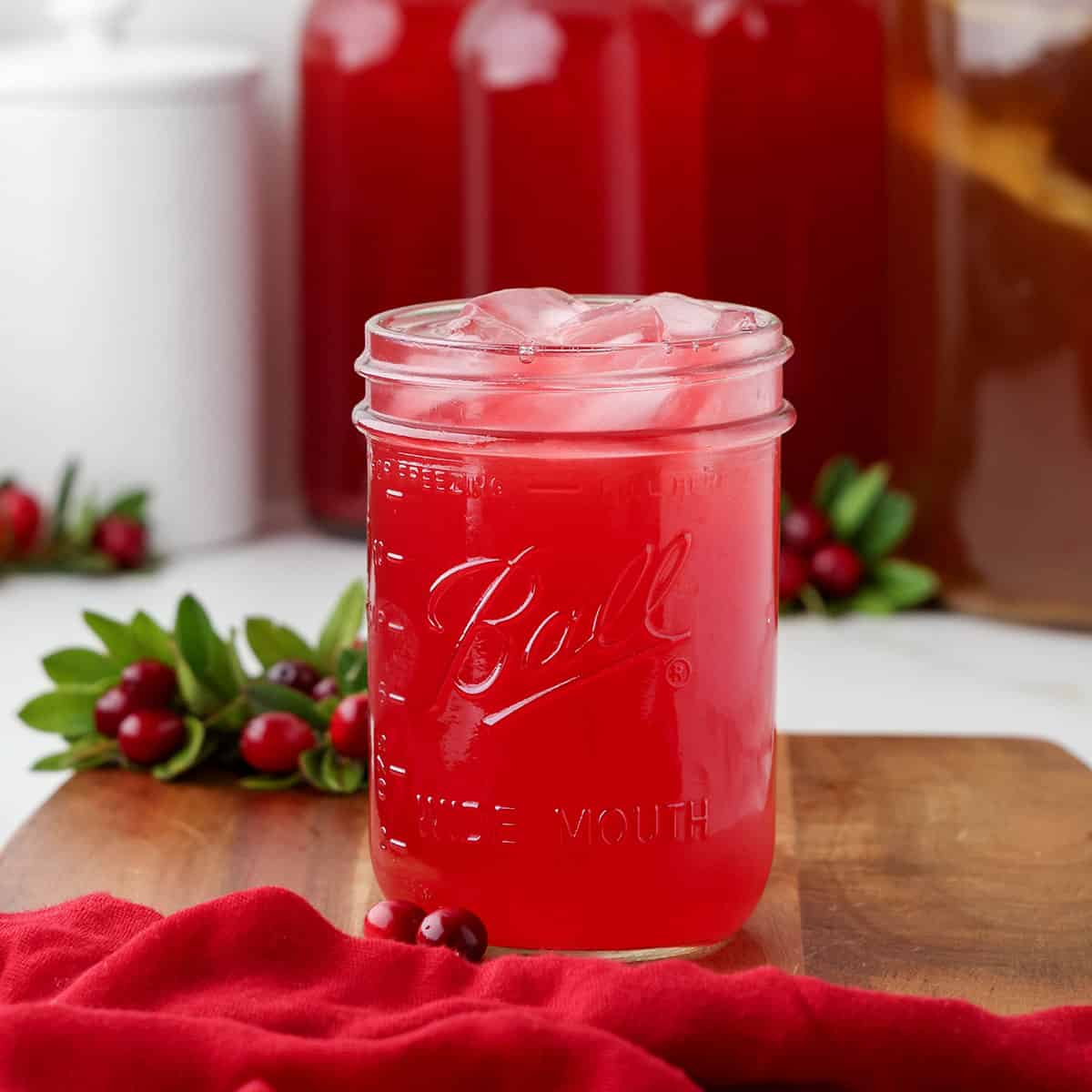
The secondary fermentation, or "flavoring stage," is where the distinctive cranberry orange profile is developed. This stage occurs in an anaerobic (oxygen-free) environment, typically within sealed glass bottles. By introducing a concentrated fruit syrup—in this case, a decoction of cranberries and orange juice—brewers provide "priming sugar." The residual yeast in the raw kombucha consumes this new sugar source, producing carbon dioxide (CO2). Because the bottles are sealed, the gas is forced into the liquid, creating the characteristic effervescence.
Standardized Preparation Protocols
The production of high-quality cranberry orange kombucha requires a precise methodology to ensure safety, consistency, and flavor depth. The following protocol outlines the industrial-standard approach for home-scale production:
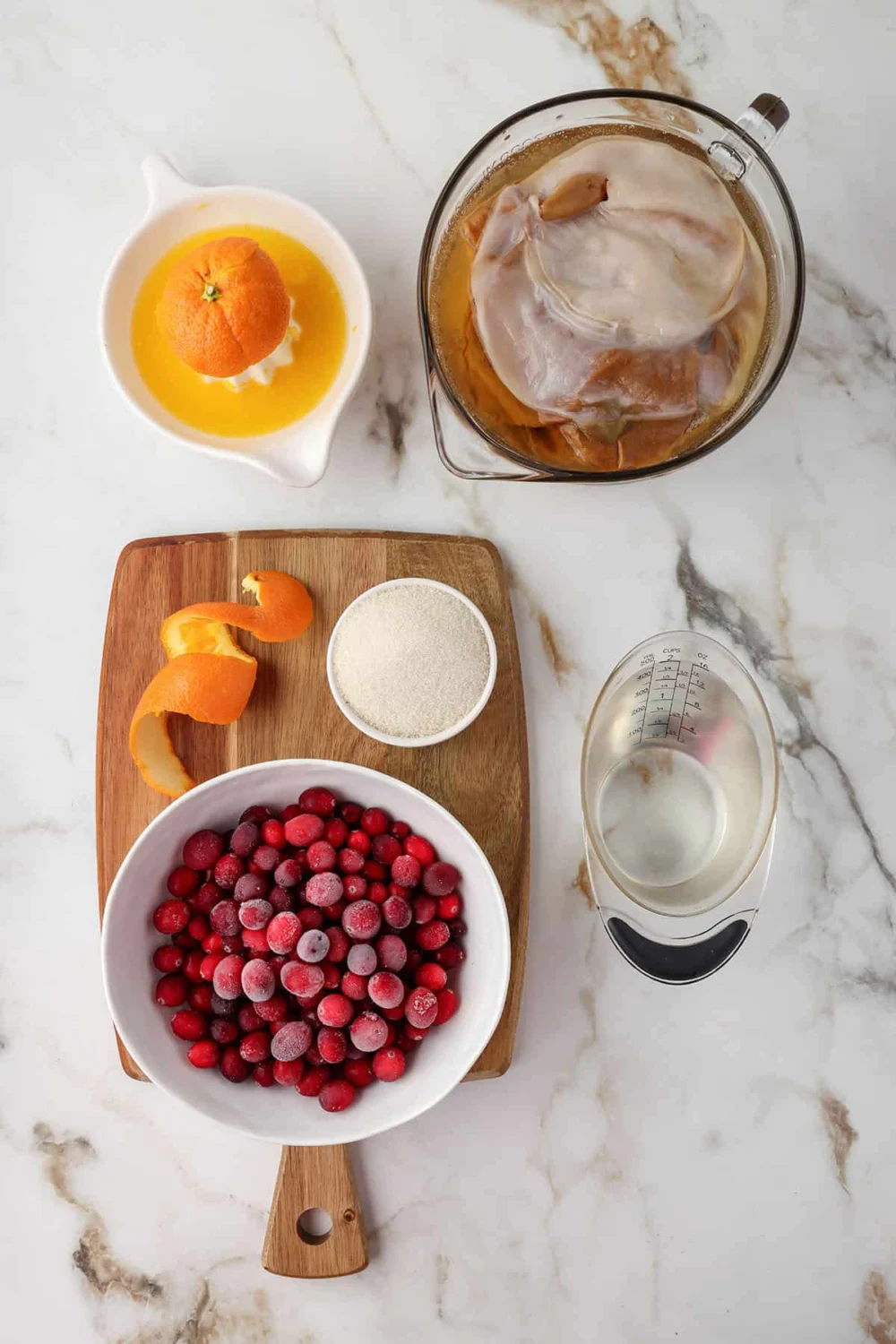
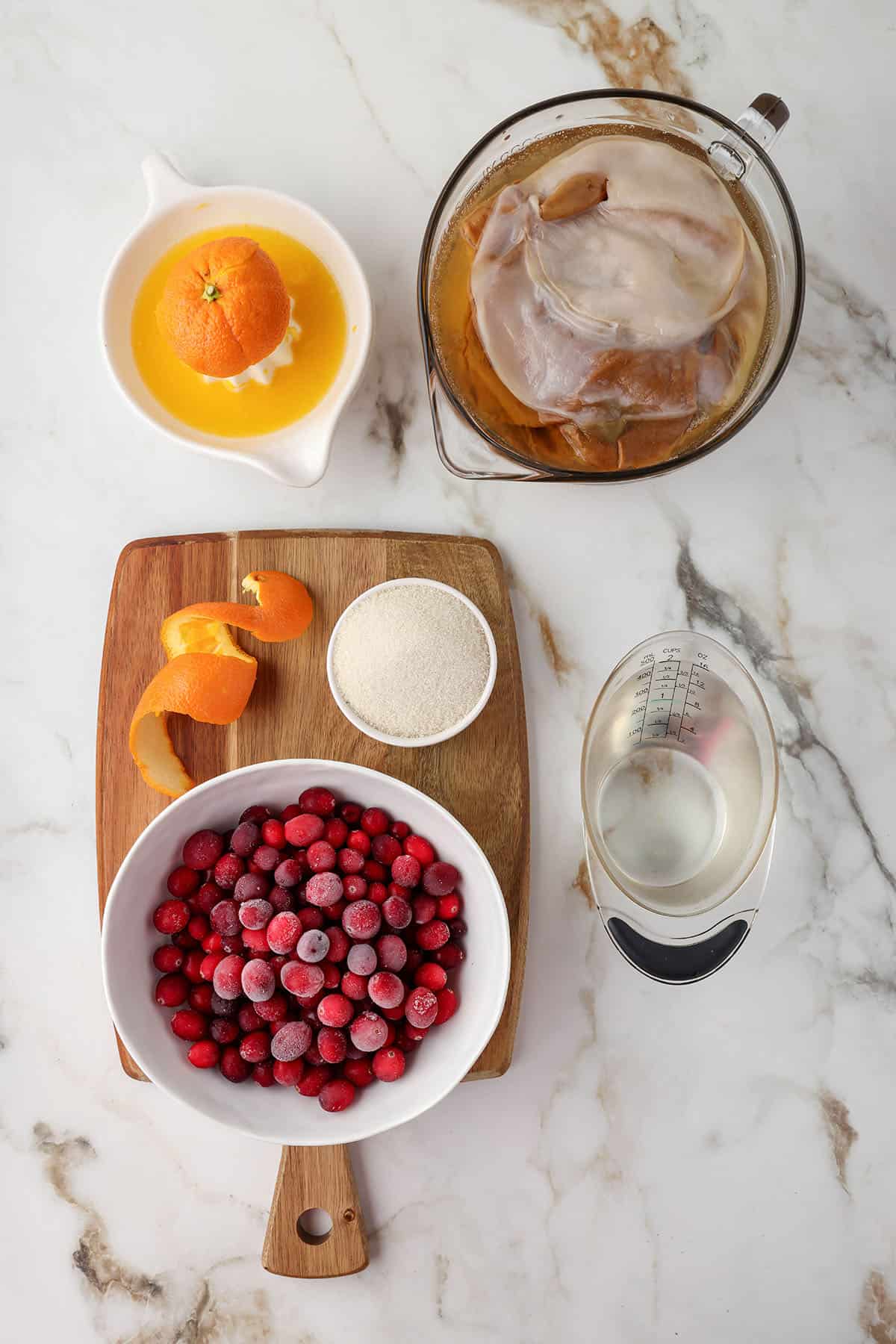
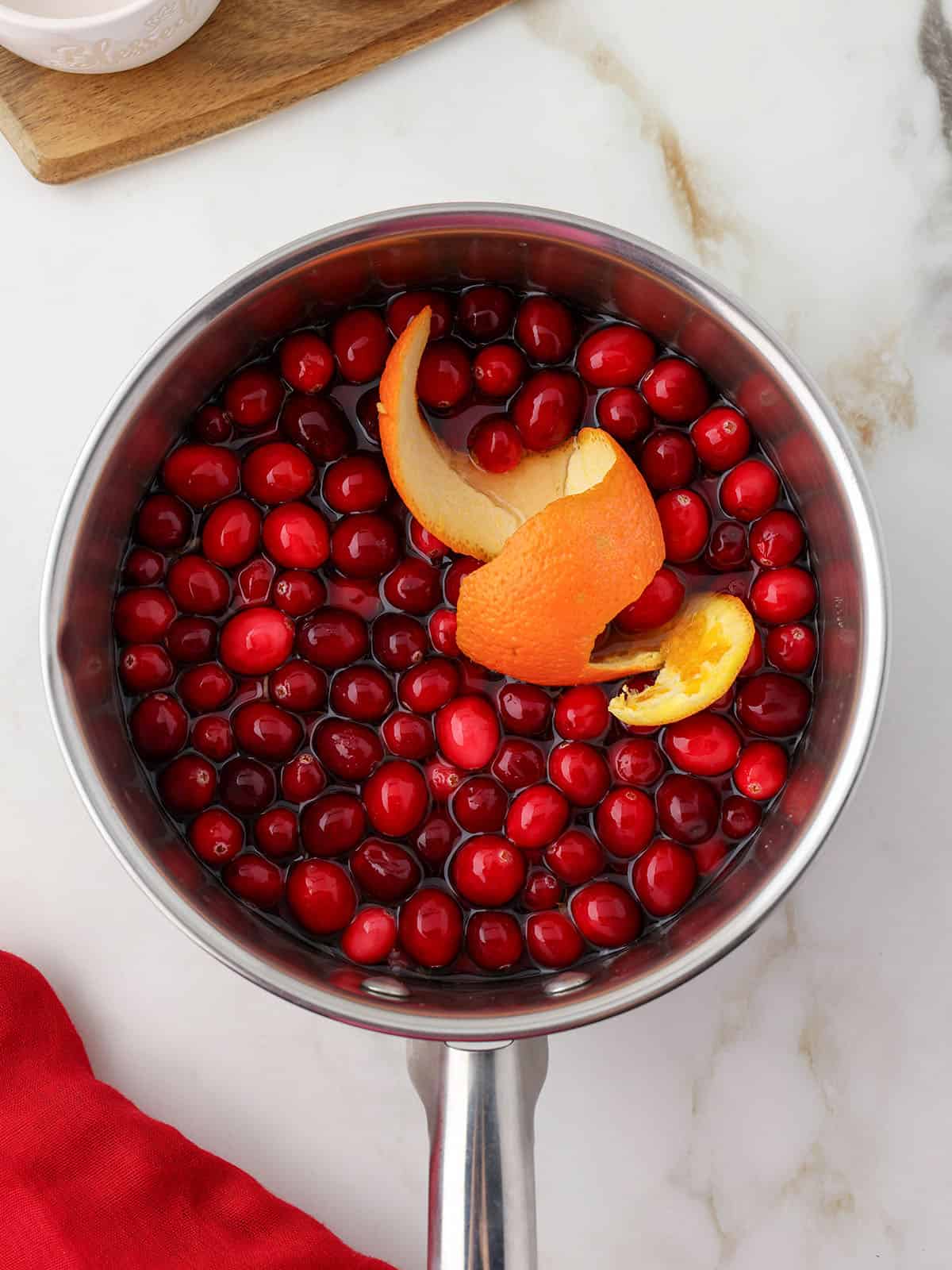
- Syrup Synthesis: The process begins with the creation of a cranberry-orange reduction. Standard ratios involve two cups of whole cranberries (fresh or frozen) combined with one cup of organic cane sugar, the juice of one large orange, and the associated zest. This mixture is simmered to break down the fruit’s cellular structure, releasing pectins and anthocyanins.
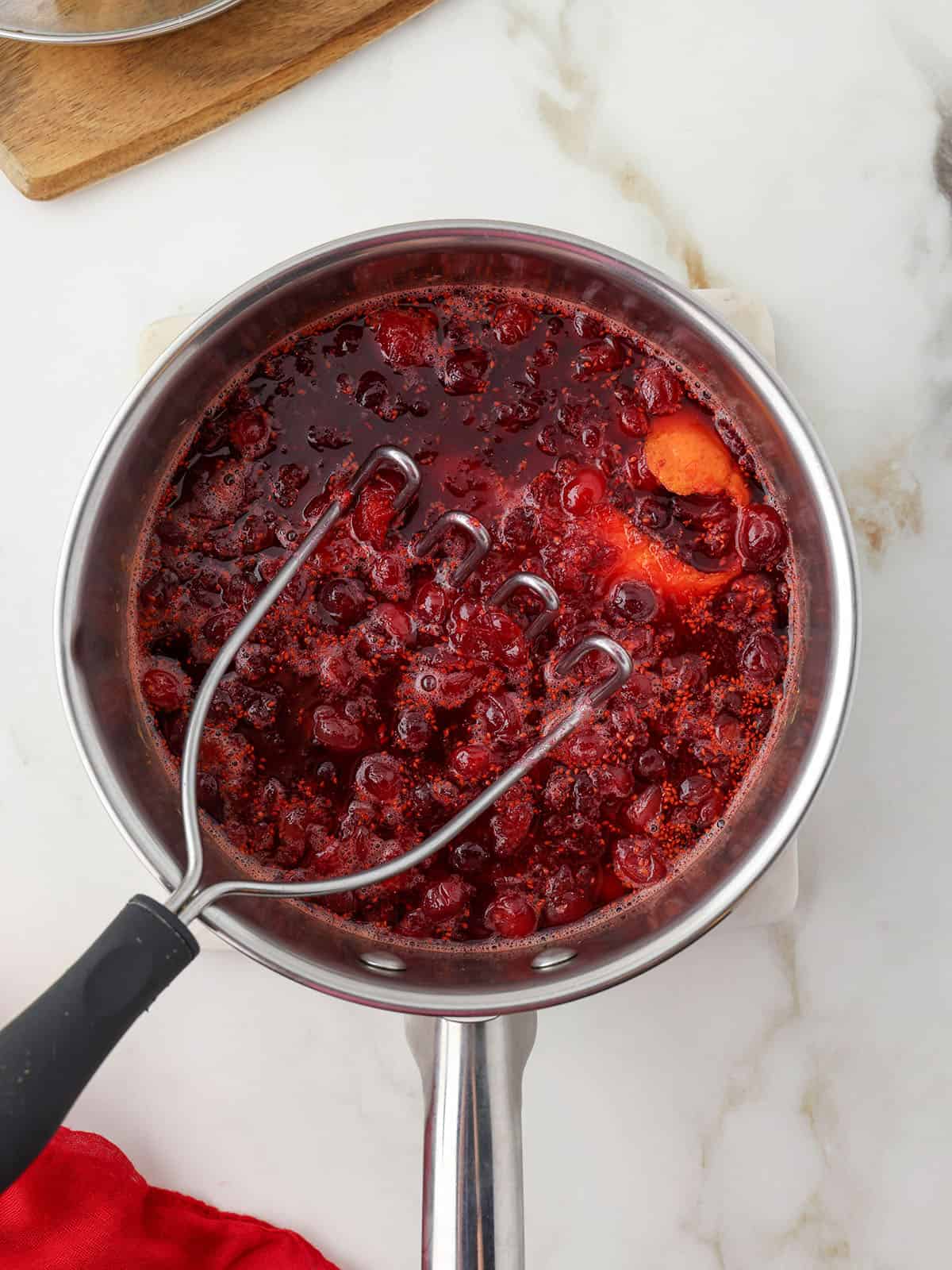
- Infusion and Mashing: Once the cranberries reach a point of thermal degradation (typically after 5–7 minutes of simmering), they are mashed to maximize surface area contact. A 15-minute resting period allows the essential oils from the orange peel to infuse into the syrup.
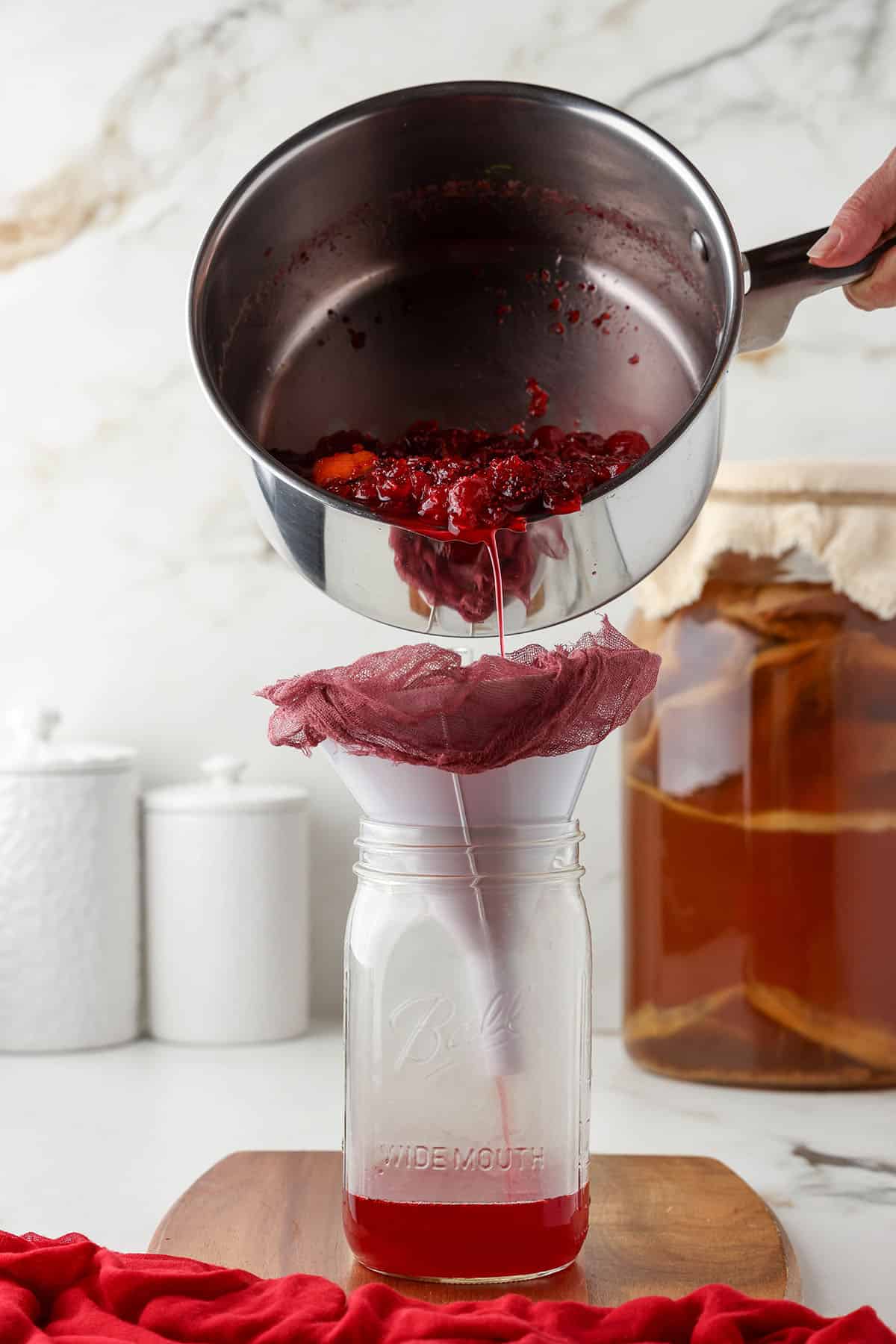
- Filtration: The resulting mixture is strained through a fine-mesh sieve or cheesecloth to remove solids. This step is critical for preventing "volcanoing" (excessive foaming) when the final product is opened, as fruit particles can act as nucleation sites for CO2.
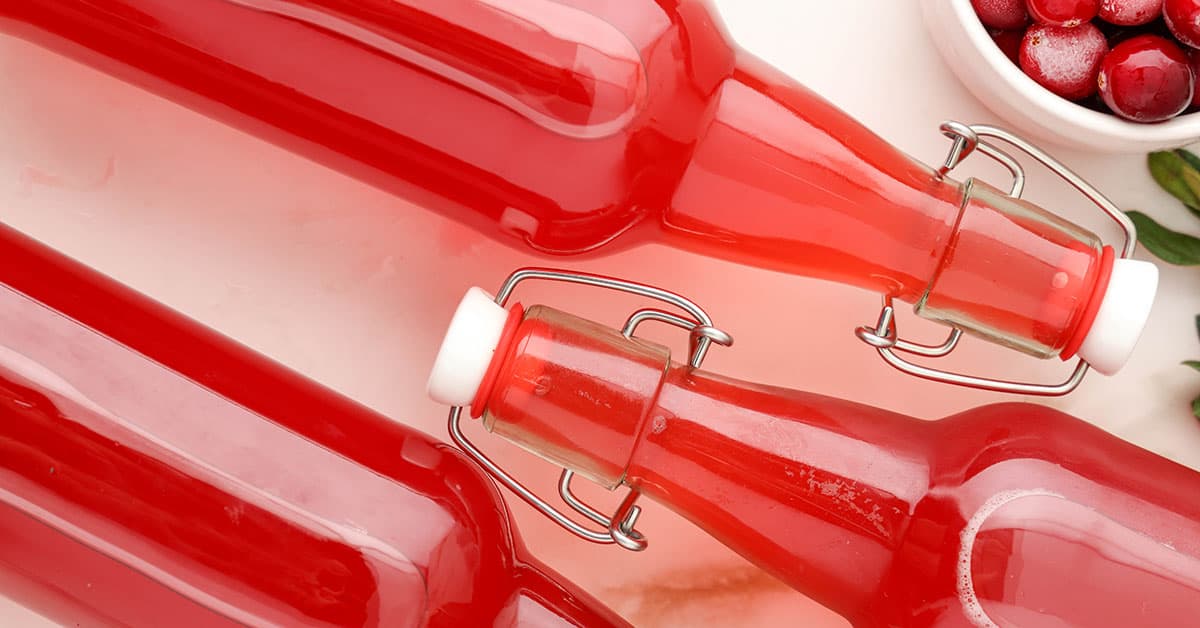
- Inoculation and Bottling: The finished syrup is integrated with primary-fermented black or green tea kombucha. A ratio of approximately two cups of syrup to seven cups of kombucha is recommended. The mixture is then transferred to pressure-rated swing-top bottles, leaving one to two inches of headspace to accommodate gas expansion.
- Carbonation Cycle: The bottles are stored in a dark environment at room temperature (approximately 68–75°F) for 48 to 72 hours.
Nutritional Profile and Health Implications
The integration of Vaccinium macrocarpon (the American cranberry) into a probiotic base creates a potent nutritional synergy. Cranberries are recognized in the scientific community for their high concentration of proanthocyanidins (PACs), specifically Type-A PACs, which are unique to the fruit.

Urinary Tract Health and Antioxidant Capacity
Extensive clinical trials have demonstrated that the regular consumption of cranberry products can reduce the incidence of urinary tract infections (UTIs). The mechanism of action involves the prevention of E. coli adhesion to the uroepithelial cells. By incorporating these properties into a fermented beverage, the bioavailability of certain compounds may be enhanced through microbial pre-digestion.
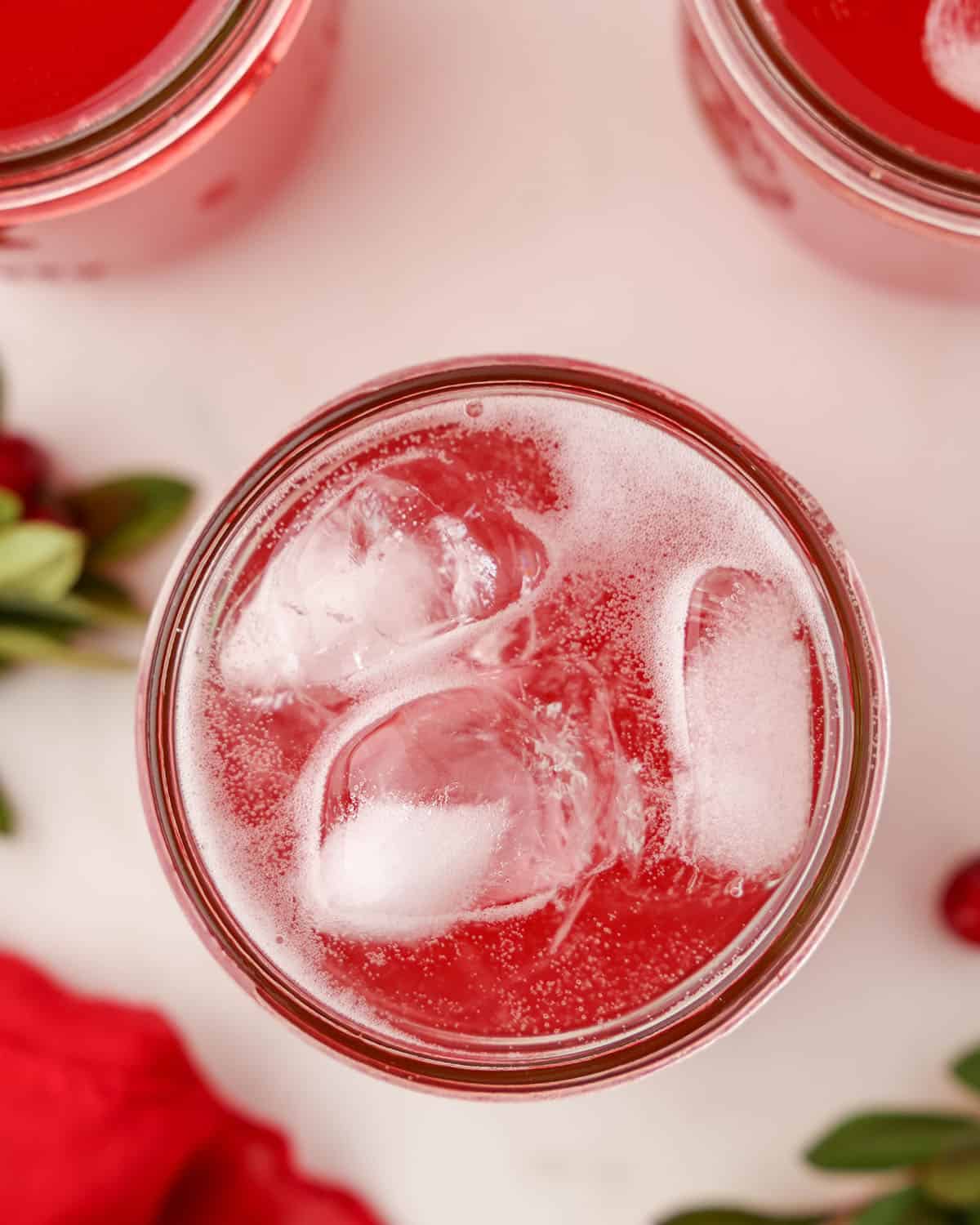
Furthermore, the vitamin C content provided by both the cranberries and the orange juice acts as a significant boost to the immune system. During the winter months, when viral loads in the general population are typically higher, the inclusion of 163 kcal per serving of this nutrient-dense beverage provides a functional defense mechanism alongside standard dietary intake.
Probiotic Diversity
The "raw" nature of home-brewed kombucha ensures the presence of live cultures, including Lactobacillus and Saccharomyces species. These microorganisms contribute to a balanced gut flora, which research increasingly links to improved digestion, reduced inflammation, and even mental health through the gut-brain axis.
Safety Regulations and Best Practices
As with all home-fermentation projects, safety is a paramount concern. The production of CO2 in sealed glass containers carries an inherent risk of "bottle bombs" if not managed correctly.
Pressure Management: Journalistic investigations into home-brewing accidents highlight the importance of using bottles specifically designed for carbonation. Decorative bottles or recycled jars often lack the structural integrity to withstand the internal pressure of a second ferment. Experts recommend "burping" the bottles—briefly opening the seal to release excess gas—once every 24 hours during the carbonation phase to monitor pressure levels.
Sugar Content: While the addition of sugar in the syrup may concern some consumers, it is a metabolic necessity for the fermentation process. Much of the sugar is converted into acids and CO2, resulting in a final product that is significantly lower in glycemic impact than the initial ingredients suggest.
The Broader Impact on Sustainable Living
The rise of cranberry orange kombucha is reflective of a larger movement toward "slow food" and self-sufficiency. By utilizing seasonal produce and traditional fermentation, consumers are reducing their reliance on global supply chains and ultra-processed goods.
Waste Reduction and Upcycling
A notable aspect of the cranberry kombucha process is the potential for byproduct upcycling. The fruit pulp remaining after the syrup filtration process is rich in pectin. When blended with a small amount of water, this pulp forms a natural refrigerator jam, ensuring that the entire fruit is utilized. This aligns with the "zero-waste" culinary philosophy that is gaining traction in both professional kitchens and domestic settings.
Economic Context of the Cranberry Industry
The demand for cranberries in the fermentation sector provides a vital secondary market for growers. In states like Wisconsin, which produces over 60% of the U.S. cranberry crop, the diversification of cranberry use—moving beyond the traditional holiday sauce—stabilizes prices and supports the agricultural economy. As fermentation enthusiasts seek out high-quality, organic fruit for their brews, they contribute to a premium market tier that benefits small-scale and organic farmers.
Conclusion and Future Outlook
Cranberry orange kombucha represents the pinnacle of seasonal functional beverages, blending the rigorous science of microbiology with the art of culinary infusion. As the public continues to move away from high-fructose corn syrup and artificial flavorings, the role of fermented, fruit-based drinks will likely expand.
The success of this specific flavor profile during the winter season underscores the importance of "eating with the seasons," a practice that optimizes both nutritional intake and environmental sustainability. With its combination of Vitamin C, antioxidants, and gut-strengthening probiotics, cranberry orange kombucha is positioned not just as a festive drink, but as a staple of the modern wellness toolkit. As fermentation technology becomes more accessible to the average consumer, the transition from passive consumption to active production marks a new chapter in the relationship between the public and their dietary health.


