The transition into the autumnal season has historically catalyzed a significant shift in consumer behavior, particularly within the home decor and DIY (do-it-yourself) sectors. As temperatures decline, the psychological inclination toward "cozy" aesthetics—characterized by warm color palettes, tactile fabrics, and nostalgic patterns—becomes a primary driver for retail trends and creative content production. This seasonal pivot is currently exemplified by a new collaborative initiative between design outlet Oh Happy Day and legacy tool manufacturer Fiskars, which reimagines traditional quilting techniques through the lens of modern, no-sew event favors. By utilizing precision cutting tools to create geometric patchwork designs on wood-based gift boxes, the project highlights a broader industry trend: the democratization of complex textile arts for the casual crafter.
The Evolution of the DIY Event Decor Market
The global handicrafts and DIY market has experienced a robust resurgence over the last decade, a trajectory accelerated by the COVID-19 pandemic and the subsequent rise of the "creator economy." According to market research, the global handicraft market reached a valuation of approximately $750 billion in 2023 and is projected to continue growing at a compound annual growth rate (CAGR) of nearly 9% through 2030. Within this landscape, seasonal event planning—specifically for autumn festivities and Thanksgiving—represents a high-engagement window for brands.
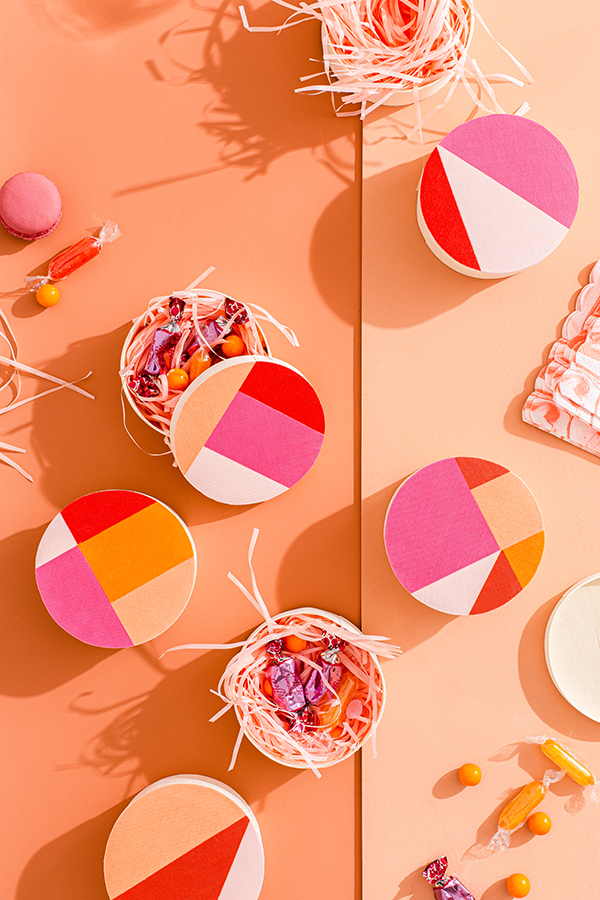
The project introduced by Oh Happy Day leverages this momentum by focusing on "favor boxes," a staple of modern social gatherings. Traditionally, party favors were often mass-produced plastic items; however, there is a documented shift toward personalized, artisanal, and sustainable alternatives. By using chipwood boxes and cotton fabric, this DIY approach aligns with the growing consumer preference for natural materials over synthetic ones.

Technical Methodology: Precision Cutting and Thermal Bonding
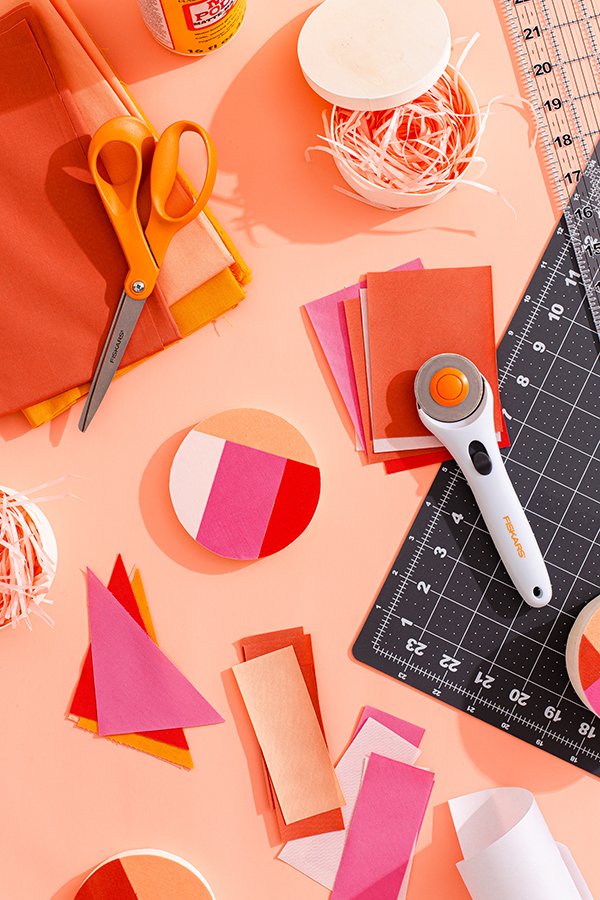
The core innovation of the "patchwork favor box" lies in its rejection of traditional needle-and-thread construction in favor of technical cutting and adhesive bonding. This methodology lowers the barrier to entry for consumers who may lack sewing proficiency but possess high-quality cutting implements. The process relies heavily on the precision of Fiskars’ 45mm Stick Rotary Cutter and acrylic measuring tools, which allow for the exact geometric alignment necessary to mimic modern quilt patterns.
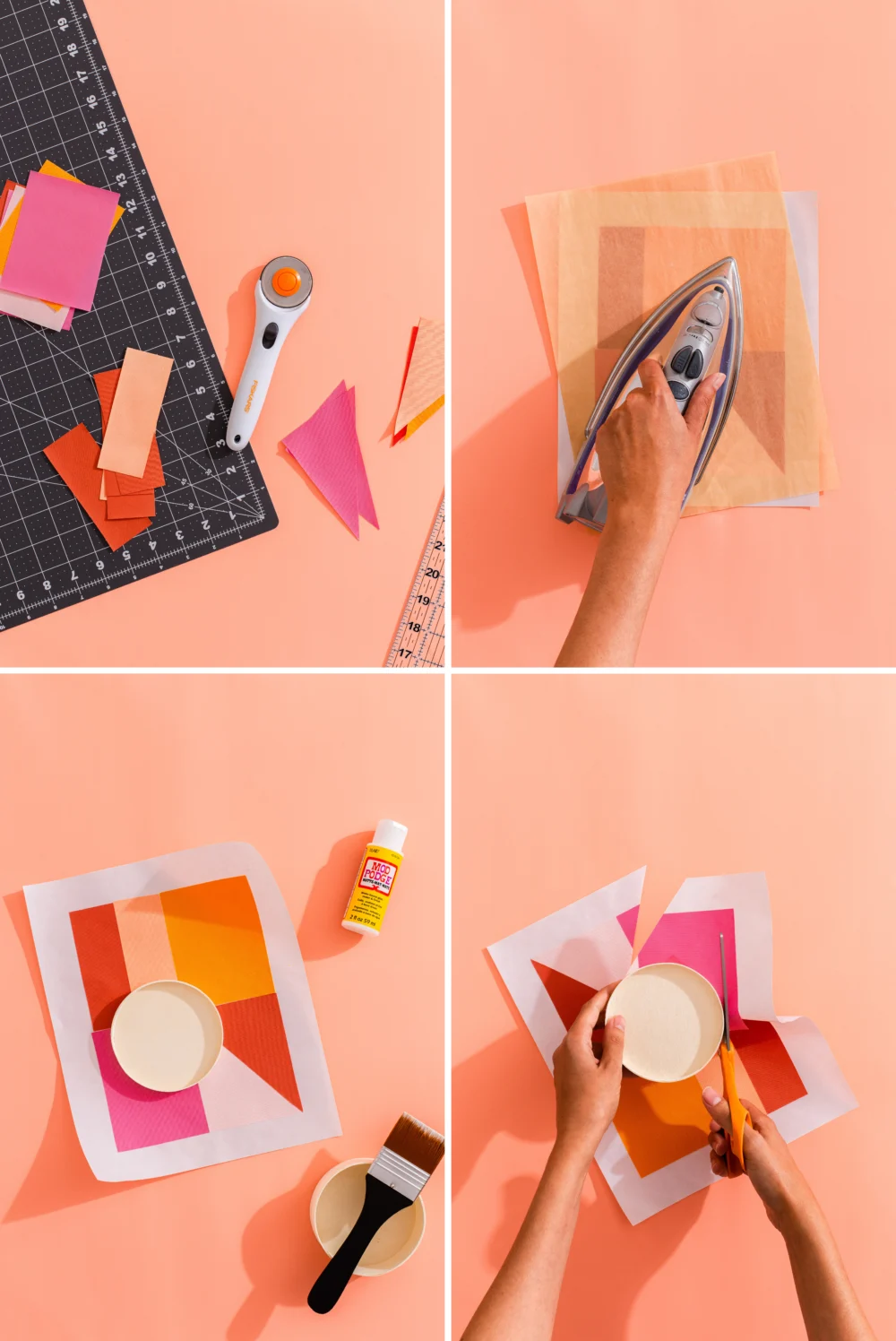
The technical workflow is divided into four distinct phases of production:
- Material Preparation and Bias Cutting: Fabric selection focuses on a specific autumnal palette, including shades of orange, terracotta, light pink, apricot, and deep pink. To ensure structural integrity and minimize the fraying of the quilting cotton, the fabric is cut on the bias (diagonally to the grain). This is a technical nuance often reserved for professional garment construction, here applied to paper-crafting to enhance the longevity of the final product.
- Thermal Temporary Adhesion: The use of freezer paper as a layout substrate represents a clever "hack" within the crafting community. By placing the fabric shapes on the shiny (plastic-coated) side of the freezer paper and applying heat with a dry iron, the crafter creates a temporary bond. This allows for the intricate arrangement of triangles and rectangles into a flush, geometric collage without the pieces shifting during the final assembly.
- Substrate Integration: The "quilt" is then permanently bonded to the lid of a 4-inch chipwood favor box using a polymer-based adhesive, such as Mod Podge. This step transitions the project from a textile arrangement to a rigid decorative object.
- Finishing and Sealing: Once the excess fabric is trimmed using specialized orange-handle scissors, a final topcoat of adhesive is applied. This serves as a sealant, protecting the fabric from dust and moisture while providing a uniform sheen that mimics the "finish" of professional home decor items.
The Role of Fiskars in the Creative Economy
The involvement of Fiskars in this project is significant from a corporate branding perspective. Founded in 1649 in Finland, Fiskars is one of the oldest companies in the Western world. While originally a producer of ironworks, the company revolutionized the consumer market in 1967 with the introduction of the world’s first plastic-handled scissors.
In the contemporary market, Fiskars has positioned itself not just as a tool provider but as a facilitator of the "maker movement." By sponsoring high-quality instructional content, the brand reinforces the necessity of precision tools in achieving professional-grade results at home. Industry analysts note that such partnerships are vital for legacy brands to remain relevant to younger demographics (Millennials and Gen Z) who prioritize aesthetic "Instagrammable" outcomes and sustainable hobbies.
Color Theory and the "Cottagecore" Influence
The color palette selected for these favor boxes—a gradient of warm earth tones and soft pinks—reflects current interior design trends that move away from the stark minimalism of the previous decade. This aesthetic, often associated with the "Cottagecore" or "Grandmillennial" movements, emphasizes a return to traditional crafts, floral patterns, and warm, inviting spaces.
From a psychological standpoint, the use of orange and terracotta in autumn decor is grounded in color theory; these hues are known to evoke feelings of warmth, comfort, and social connection. By pairing these with modern geometric shapes, the design avoids looking dated, instead offering a "Mid-Century Modern" take on the traditional American quilt. This fusion of old and new is a key driver in the luxury DIY sector, where the goal is to create items that look "handmade, not homemade."
Broader Implications for Sustainable Gifting
As environmental consciousness continues to influence purchasing decisions, the DIY patchwork project offers a blueprint for "zero-waste" crafting. The small scale of the favor boxes (3.5” x 4.5” fabric segments) allows for the utilization of fabric scraps that would otherwise be discarded in larger textile projects.
Furthermore, the choice of chipwood—a biodegradable material—over plastic containers addresses the growing concern regarding "party waste." In the United States alone, it is estimated that household waste increases by 25% during the holiday season (from Thanksgiving to New Year’s). Initiatives that encourage the creation of reusable or biodegradable event decor contribute to a reduction in the environmental footprint of seasonal celebrations.
Analysis of the DIY Workflow Efficiency
A notable aspect of the Oh Happy Day methodology is the "mass production" tip included in the instructions. By suggesting that crafters create a larger "quilt" collage before cutting it down into individual box lids, the guide introduces basic manufacturing efficiency principles to the home hobbyist. This approach reduces the time spent on repetitive measuring and allows for a more organic, varied distribution of patterns across a set of favor boxes.
For the consumer, this efficiency is vital. Modern "micro-hosting"—the trend of hosting small, highly curated gatherings—demands a high level of detail, but many hosts are time-constrained. Techniques that offer high-impact visual results with streamlined workflows are highly valued in the digital content marketplace.
Conclusion: The Future of Seasonal Crafting
The collaboration between Oh Happy Day and Fiskars serves as a case study for the current state of the DIY industry. It represents a confluence of traditional artistry (quilting), modern industrial design (precision cutting tools), and digital lifestyle marketing. As we move further into the 2020s, the "handmade" element of event planning is likely to become even more prestigious, serving as a counter-narrative to the ubiquity of AI-generated and mass-produced goods.
By focusing on the "cozy" requirements of the fall season, these patchwork favor boxes do more than provide a vessel for treats or school supplies; they offer a tactile experience of the season. For brands like Fiskars, the goal remains clear: to provide the precision necessary for consumers to transform simple materials—fabric, wood, and glue—into meaningful artifacts of social celebration. As the DIY market continues to evolve, the emphasis will likely remain on this intersection of accessibility, precision, and aesthetic relevance, ensuring that traditional crafts continue to find a place in the modern home.