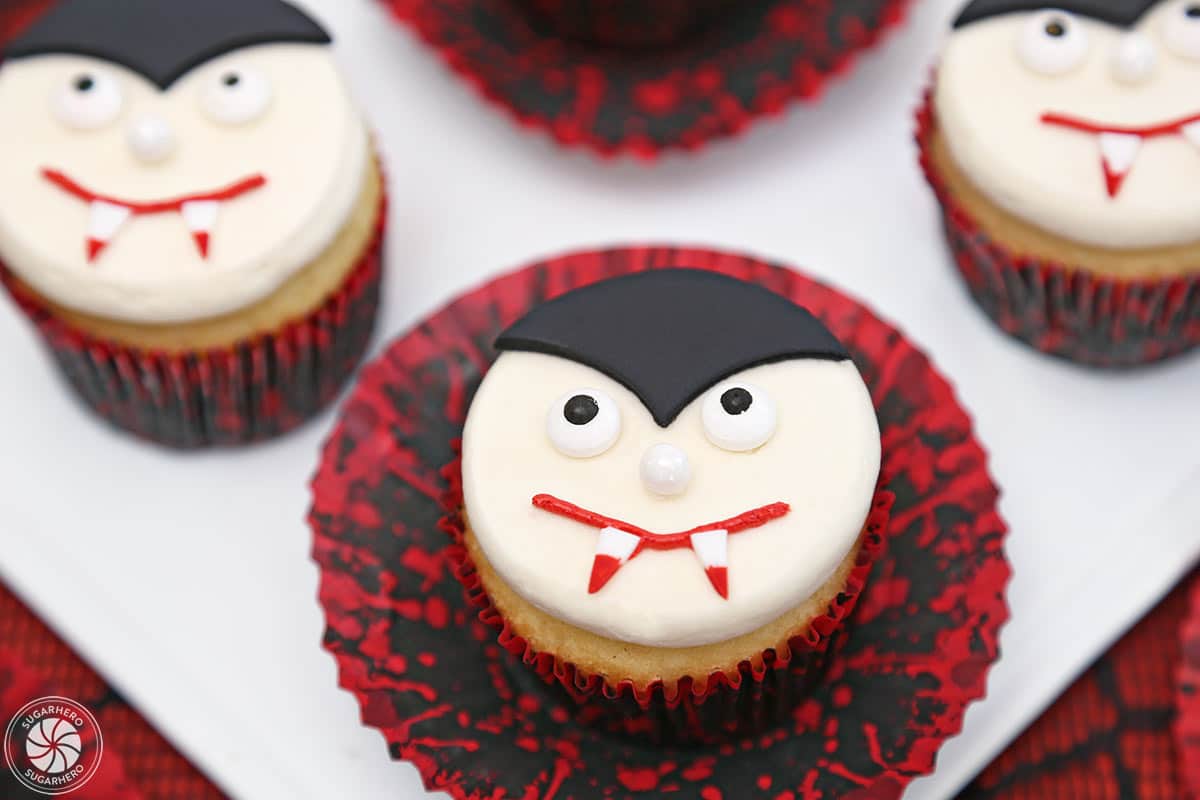
The arrival of Halloween often heralds a surge in creative culinary endeavors, with many households and bakeries embracing the season’s ghoulish spirit. Among the most anticipated treats are those that strike a balance between festive fun and a touch of the macabre. This year, a particularly enchanting creation making waves is the "Vampire Cupcake," a dessert designed to captivate both the eyes and the taste buds. Crafted with a blend of buttercream, fondant, and carefully selected candies, these cupcakes transform the humble confection into a charmingly spooky vampire character, perfect for Halloween parties and trick-or-treat gatherings.
The appeal of the Vampire Cupcake lies in its accessibility and visual impact. The recipe emphasizes a straightforward approach, encouraging the use of prepared cupcakes as a base, allowing enthusiasts to focus on the artistic embellishment. This strategy not only simplifies the baking process but also makes the creation of these themed treats achievable for bakers of all skill levels. The core components – a rich buttercream frosting, pliable fondant, and a selection of candies for detailing – are readily available, further contributing to the dessert’s popularity.
Background and Context: The Rise of Themed Desserts
The trend of elaborately decorated desserts for holidays like Halloween has seen significant growth over the past decade. Driven by social media platforms like Pinterest and Instagram, which serve as vast repositories of culinary inspiration, home bakers and professional pastry chefs alike are increasingly investing time and creativity into visually stunning treats. The Vampire Cupcake is a prime example of this phenomenon, leveraging popular cultural figures and seasonal themes to create a memorable and shareable dessert.
Halloween, in particular, provides a fertile ground for such creativity. The holiday’s inherent themes of fantasy, mystery, and playful fright lend themselves perfectly to imaginative food presentations. From ghost-shaped cookies to spiderweb-decorated cakes, the culinary landscape of Halloween is characterized by its whimsical and often slightly eerie aesthetic. The Vampire Cupcake taps into this tradition by personifying a classic Halloween archetype, the vampire, in a delightful and edible format.
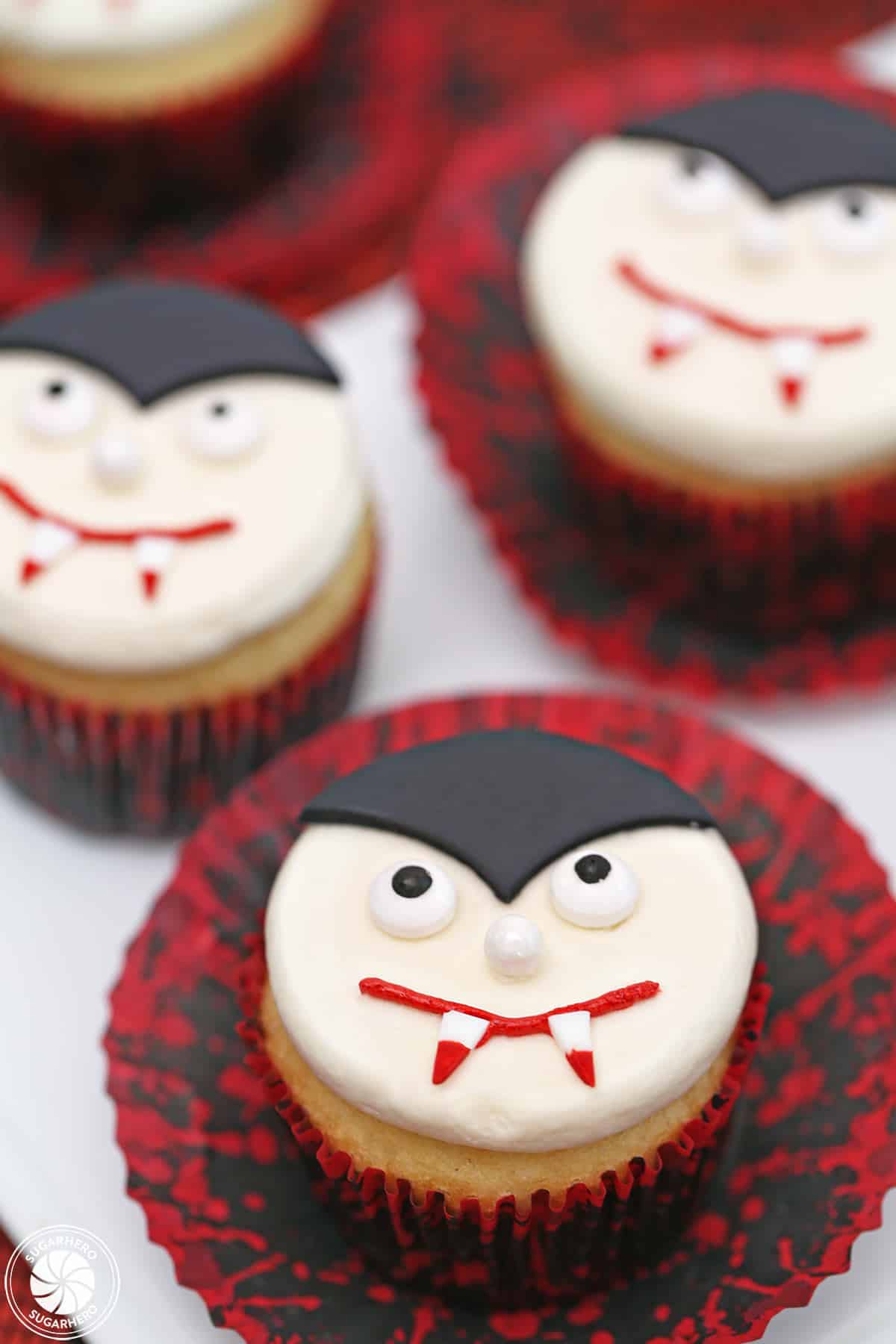
The "secret to a killer Halloween," as described by creators of this recipe, lies in the ability of desserts to be "both cute and creepy." This duality is precisely what the Vampire Cupcake embodies. The design typically features a smooth, often dark-colored frosting base to represent the vampire’s attire or skin, with fondant elements sculpted to form hair, eyes, and the iconic fangs. The use of candy for accents like noses or even blood-red details adds further personality and visual interest. This approach allows for a wide range of interpretations, from a more cartoonish and friendly vampire to a slightly more menacing, albeit still edible, interpretation.
Ingredients and Equipment: The Building Blocks of a Spooky Creation
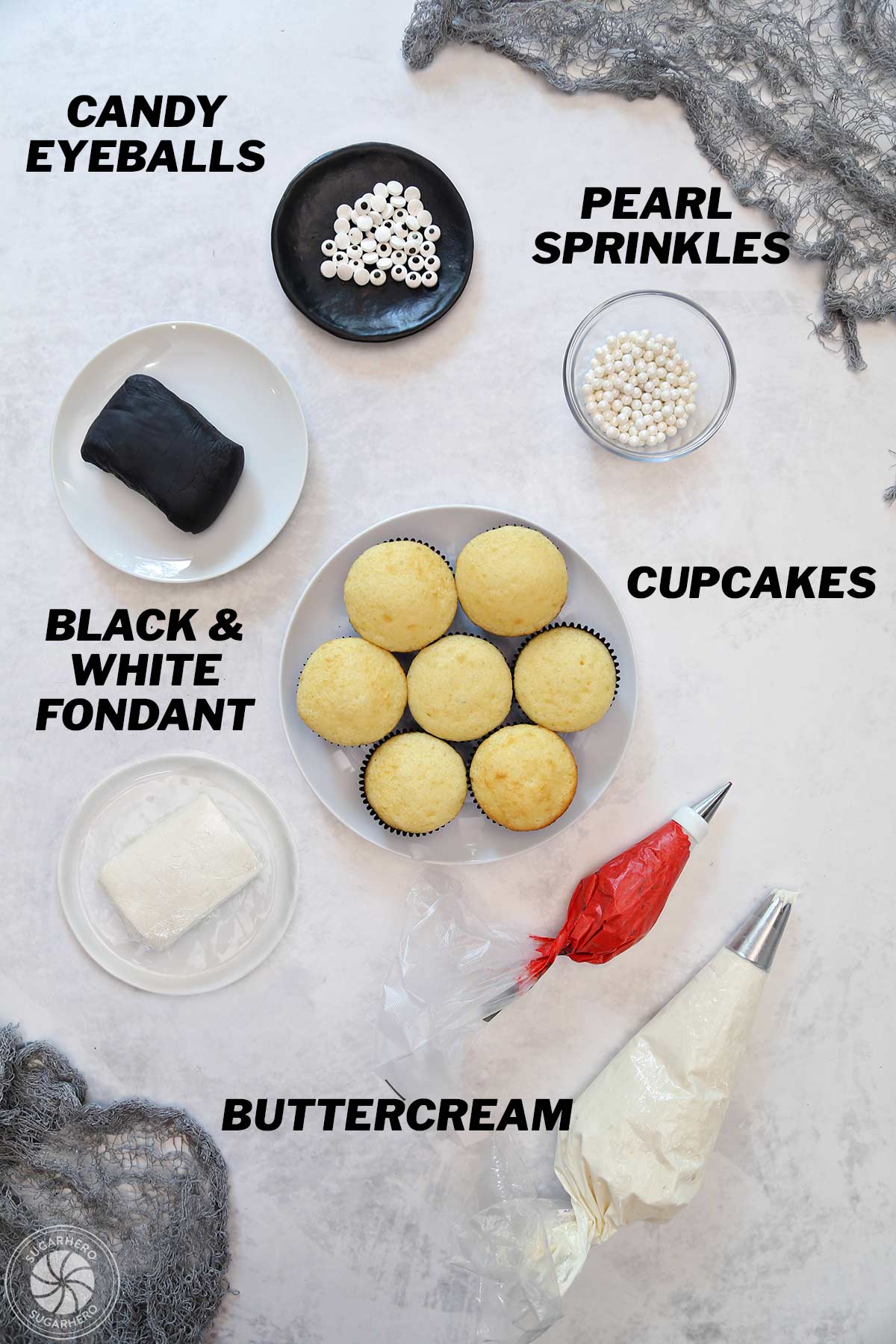
To bring these Vampire Cupcakes to life, a specific set of ingredients and tools are recommended, though the recipe also emphasizes flexibility and adaptation.
For the Cupcakes and Frosting:
- Cupcakes: The foundation of the dessert. While homemade recipes are lauded for their flavor, the emphasis here is on convenience, suggesting that a favorite cake mix can be used. For those seeking a homemade touch, a variety of cupcake recipes are available, ranging from classic chocolate and vanilla to more adventurous flavors that might complement a Halloween theme.
- Buttercream Frosting: This serves as the primary medium for the vampire’s features. A stable buttercream is crucial for both flavor and its ability to hold shape for decoration. The recipe acknowledges that frosting consistency can be influenced by various factors, including butter quality, temperature, and ambient kitchen conditions, advising bakers to adjust as needed.
- Food Coloring: Typically black or dark red for the vampire’s hair and possibly a deep red for accents.
For the Decorations:
- Fondant: This malleable sugar paste is essential for creating detailed elements such as the vampire’s hair and teeth. Black fondant is often used for the hair, while white fondant is shaped into sharp fangs.
- Candy: Various candies can be employed for facial features. Small candies can serve as noses, and edible candy eyes are a common choice. For a particularly gruesome touch, red candy melts or edible red gel can be used to simulate dripping blood.
- Optional Edible Accents: Edible glitter or luster dust can add a subtle shimmer, enhancing the magical or otherworldly quality of the vampire.
Equipment:
- Piping Bags and Tips: While not strictly mandatory, these tools offer greater control and precision when applying frosting, especially for creating smooth surfaces or intricate details. The recipe notes that Ziplock bags with a corner snipped off can serve as a viable alternative for home bakers lacking specialized equipment.
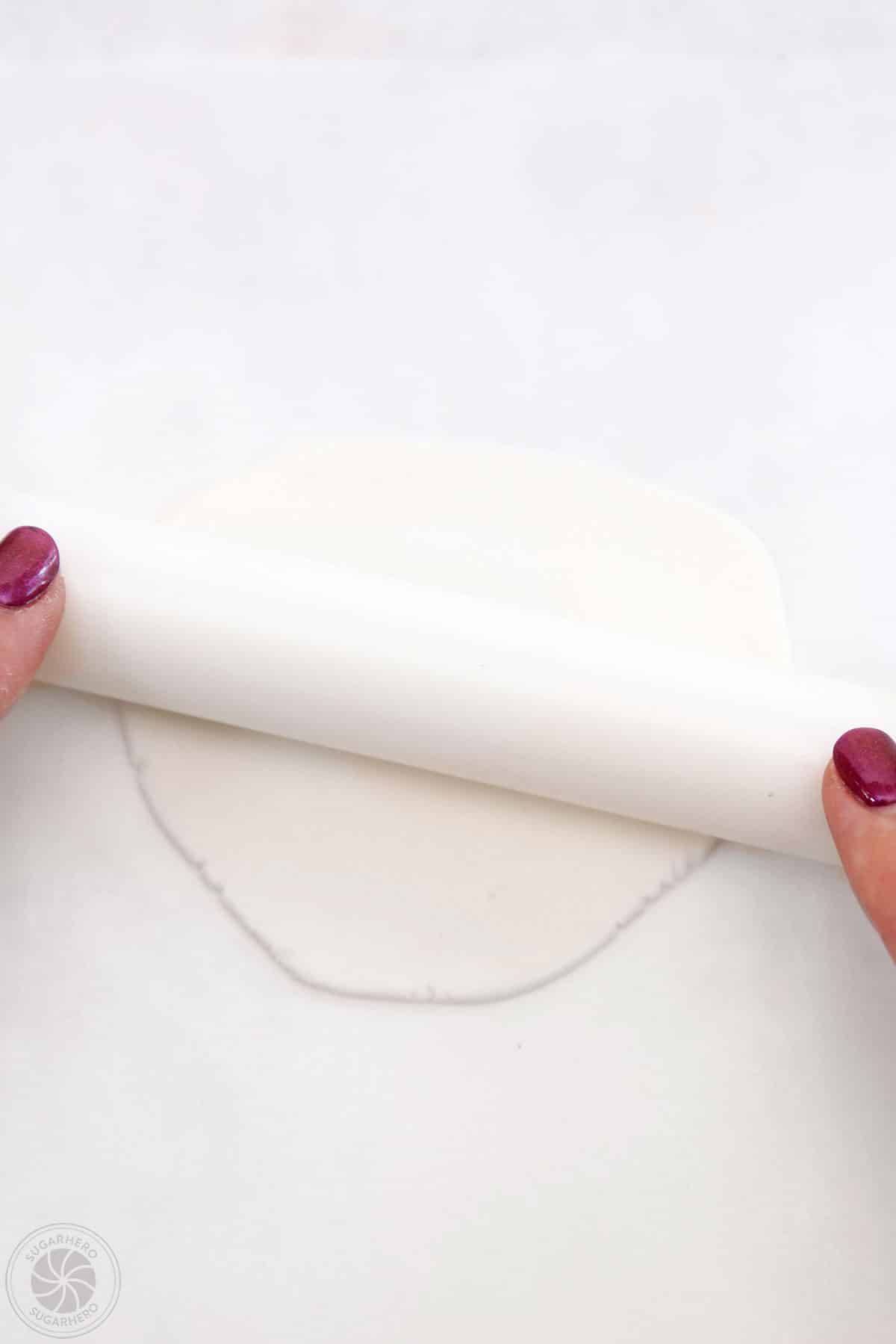
- Rolling Pin: Essential for flattening fondant to the desired thickness.
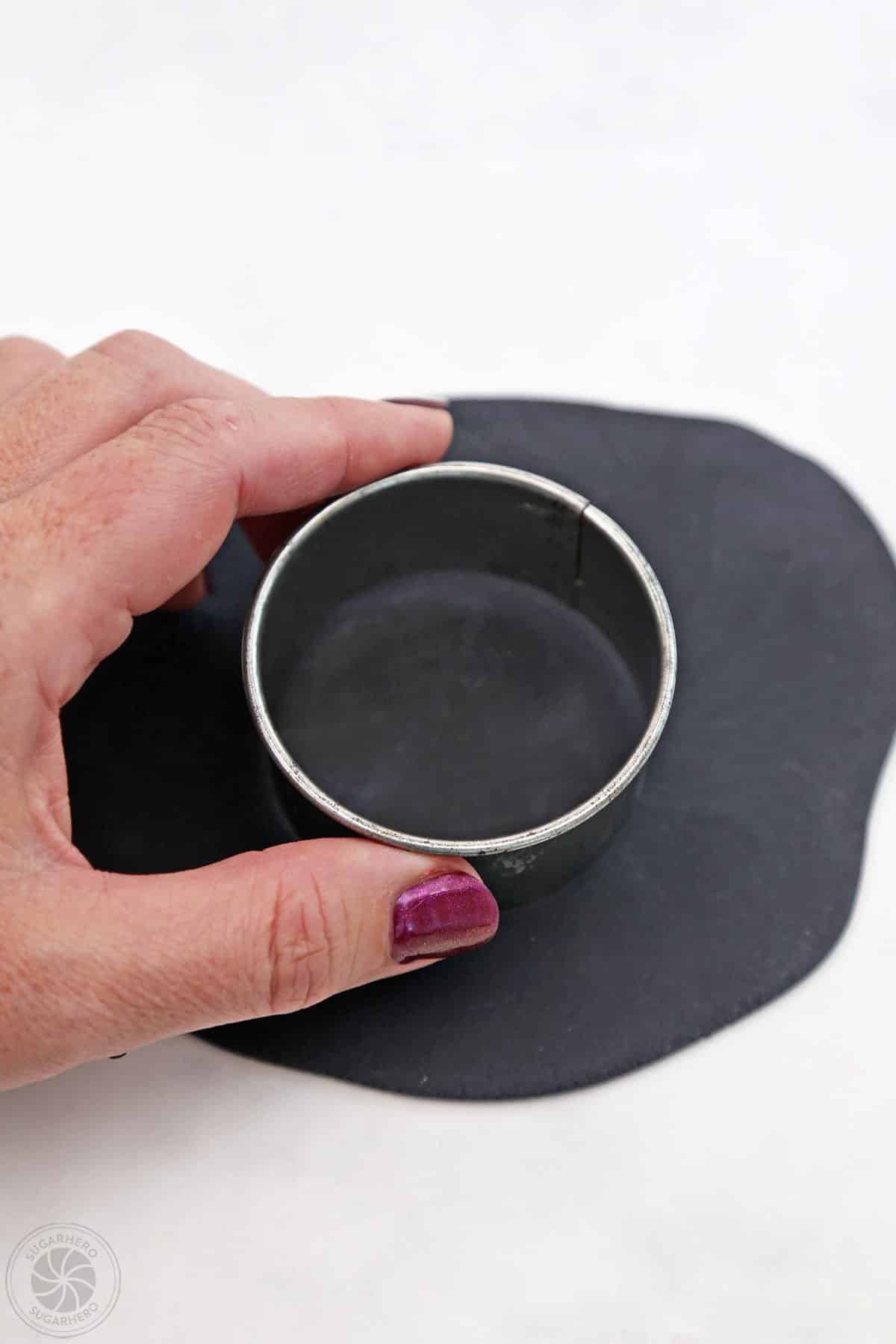
- Cookie Cutters: Circular cutters are often used to create the base shape for the vampire’s head from fondant.
- Sharp Knife or Fondant Tools: Necessary for precise cutting of fondant shapes, particularly for the fangs and hair.
- Tweezers: Can be helpful for delicately placing small candy pieces for facial features.
Recipe Breakdown and Execution: A Step-by-Step Guide
The process of creating Vampire Cupcakes involves several distinct stages, each contributing to the final, spooktacular result.
-
Preparing the Cupcakes: Begin with your chosen cupcakes. Whether from a mix or a beloved homemade recipe, ensure they are fully baked and completely cooled before frosting. This prevents the frosting from melting and sliding off.
-
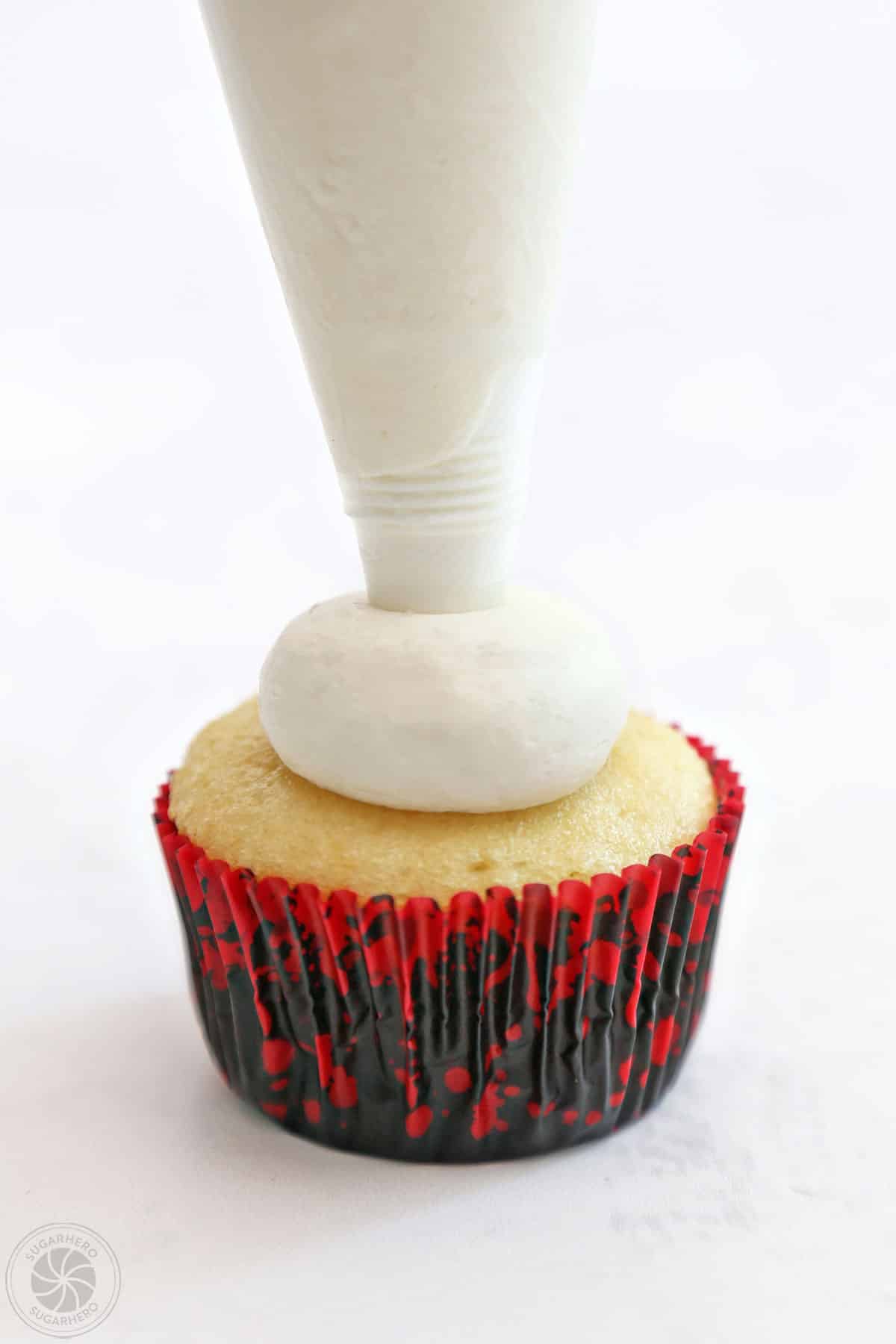
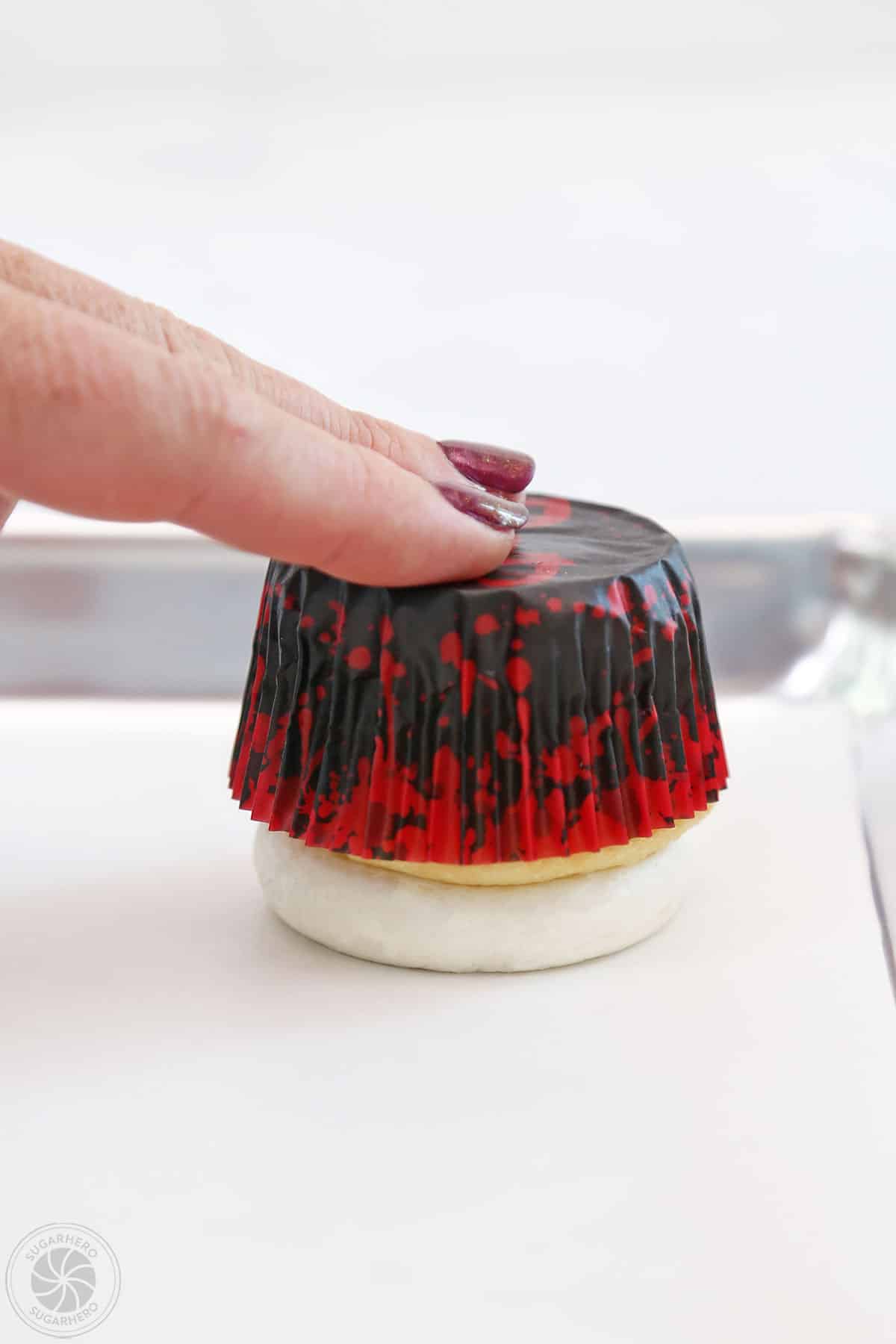
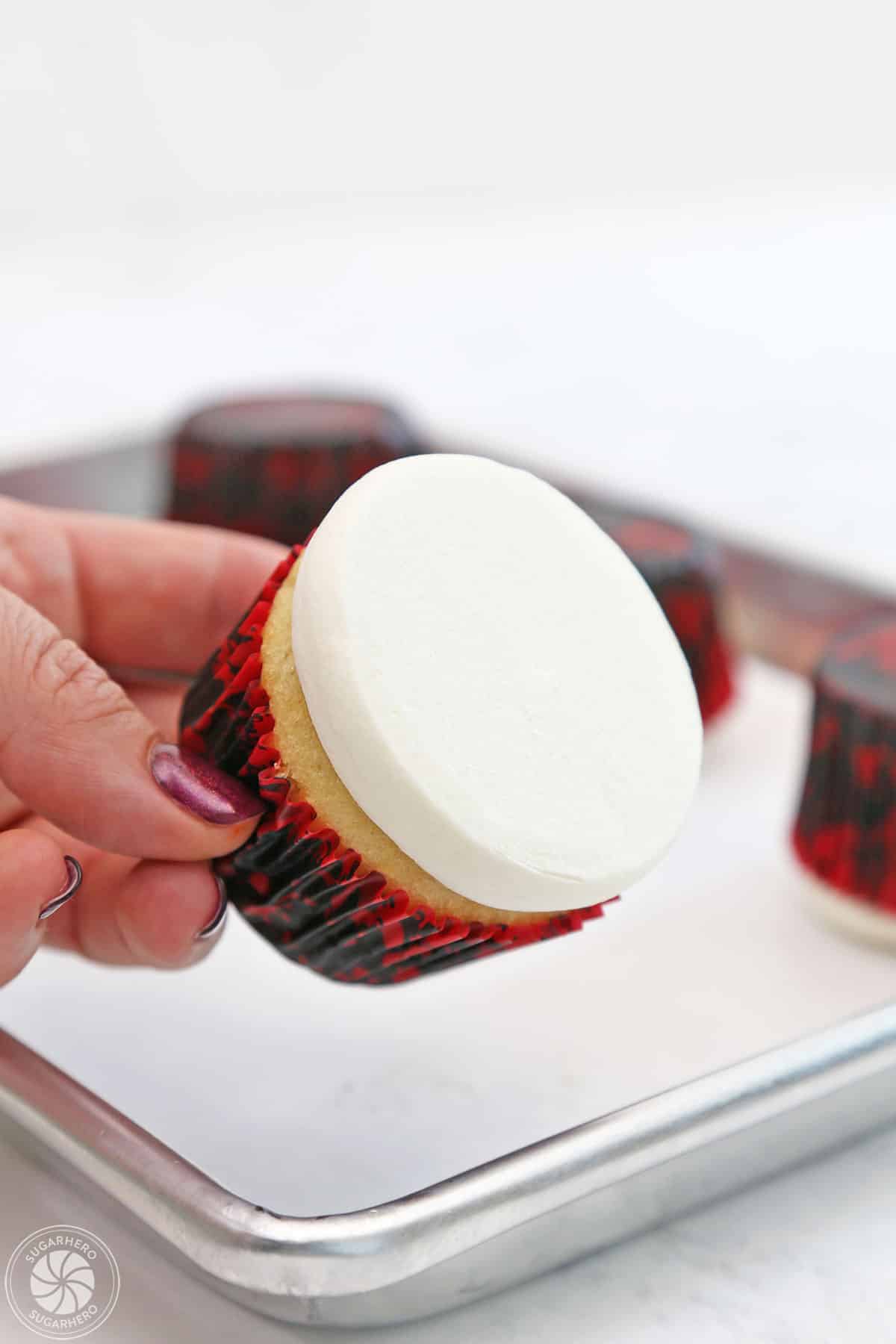
Frosting the Cupcakes: A smooth, even layer of frosting is key. The recipe suggests piping a generous ball of buttercream onto each cupcake. This forms the base upon which the vampire’s face will be built. For a clean, flat surface suitable for fondant application, the top of the frosted cupcake is gently pressed onto parchment paper and then lifted. This creates a smooth, stable canvas.
-
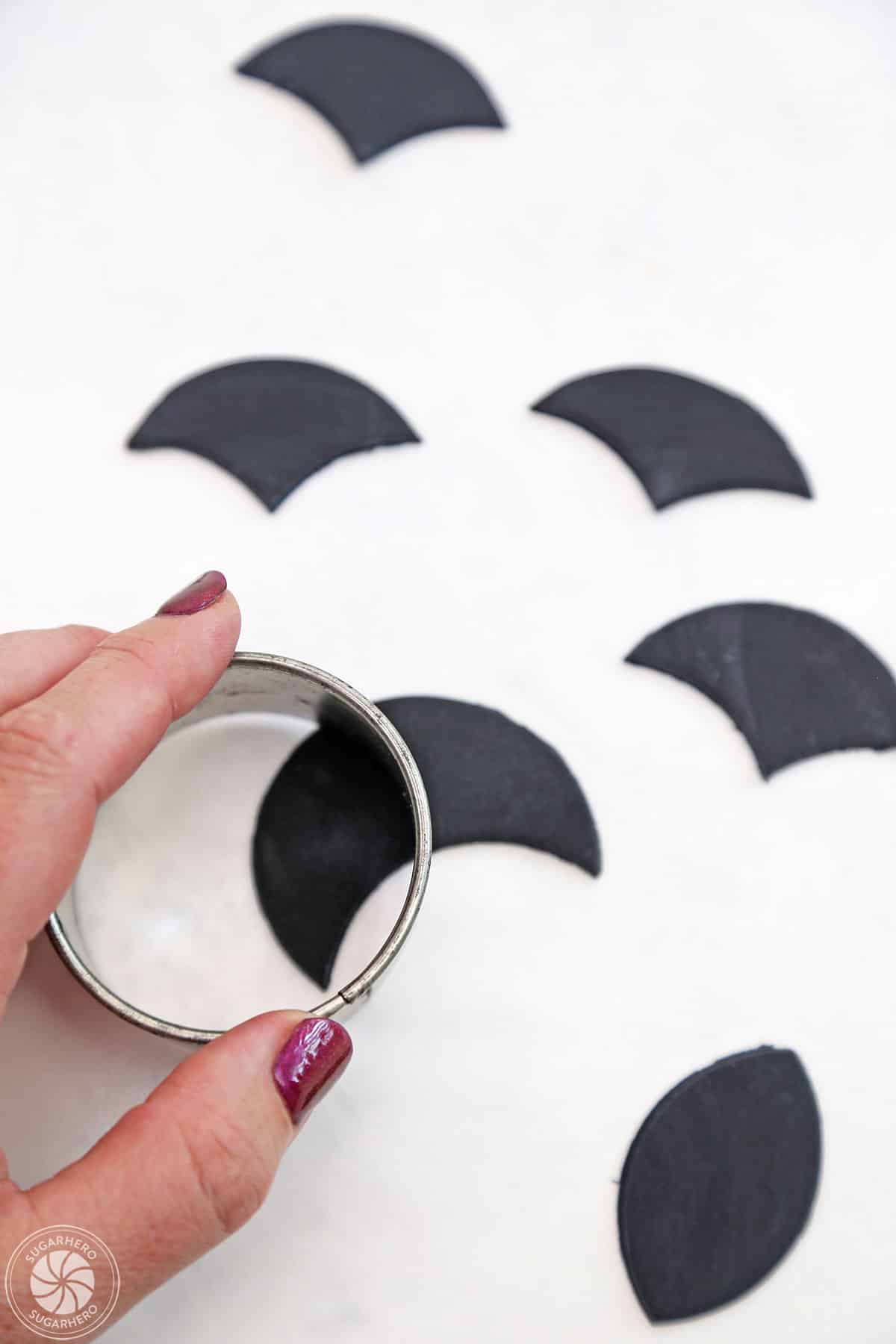
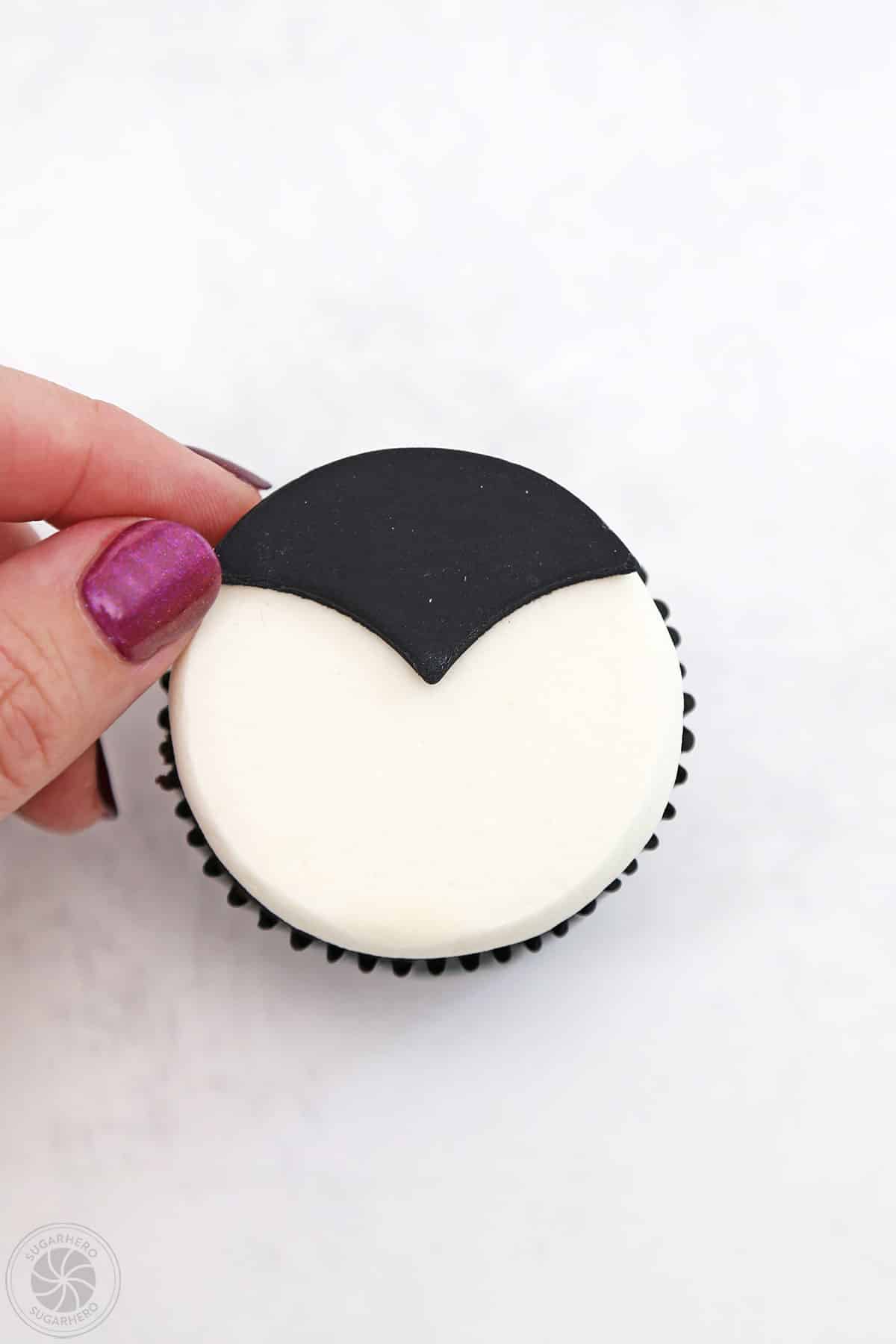
Creating the Vampire Hair: This step involves working with fondant. Black fondant is rolled out to a specific thickness. Using a circular cutter, discs are created to serve as the base of the vampire’s head. For the hair, thin strips or irregular shapes of black fondant are cut and artfully arranged around the edge of the fondant disc, mimicking a hairstyle. Some recipes suggest adding texture with a fork or a modeling tool to give the hair a more realistic appearance.
-
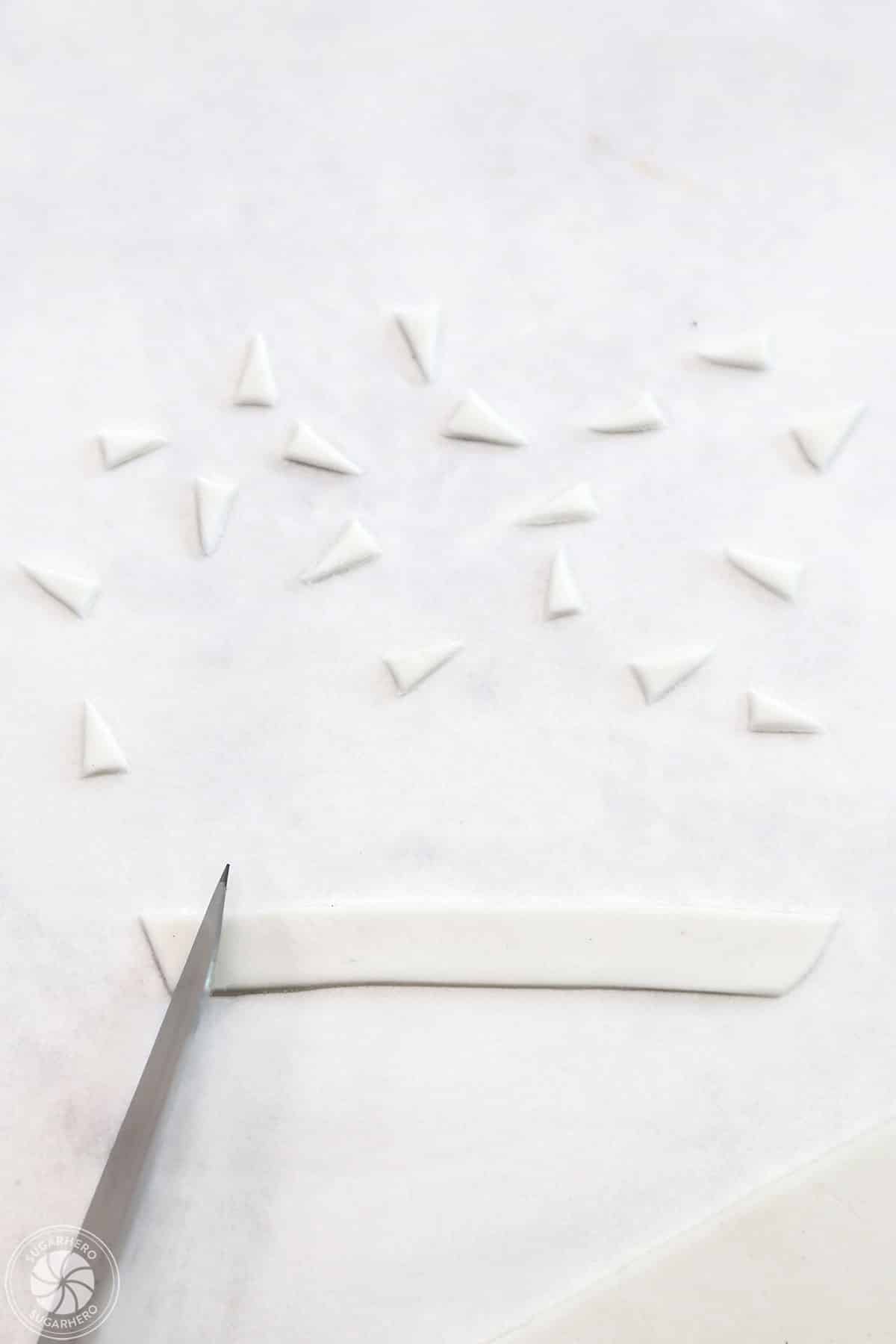
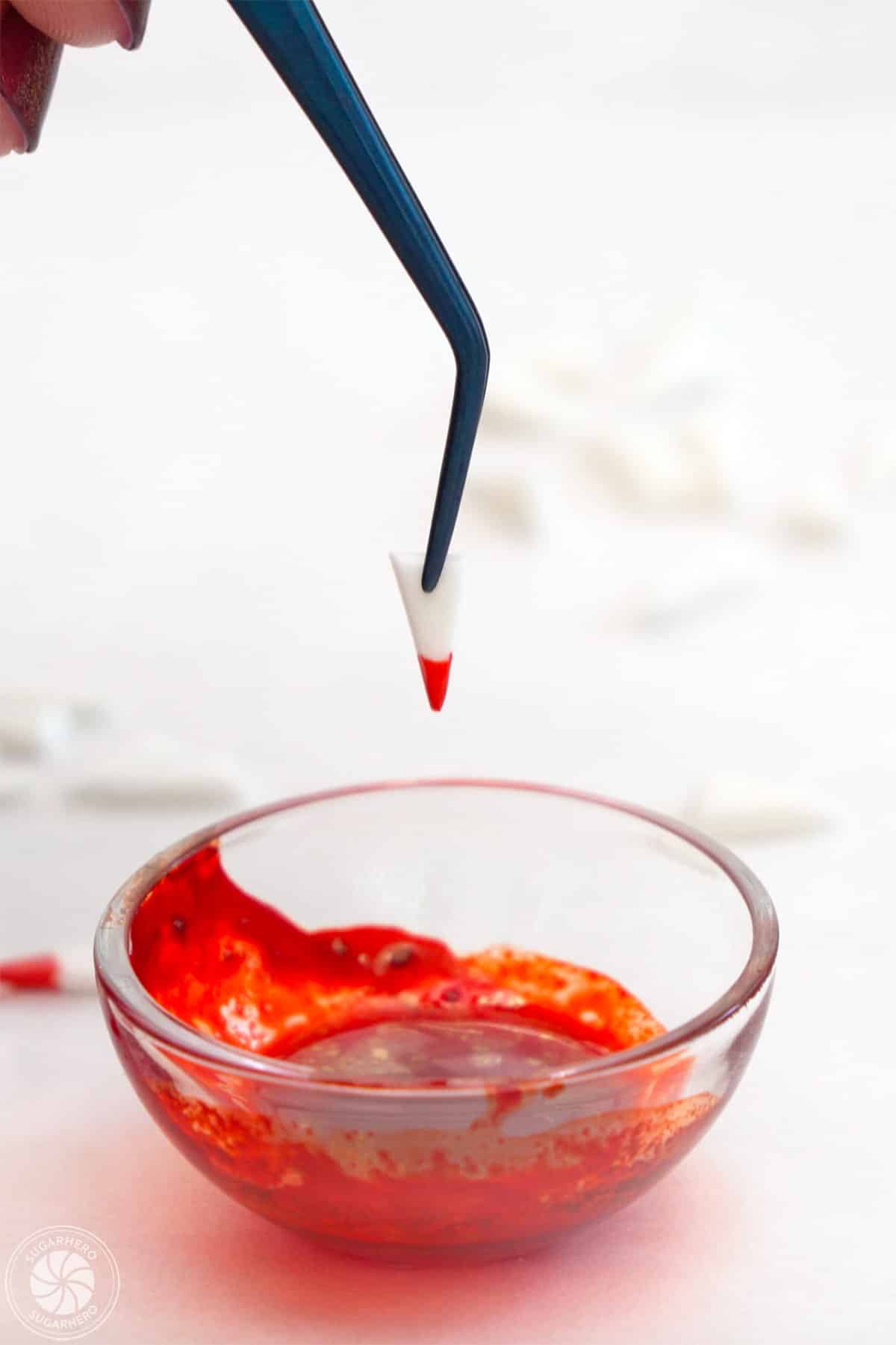
Crafting the Vampire Teeth: White fondant is rolled out thinly. A sharp knife or a specialized fondant tool is used to cut small triangles, which will represent the vampire’s fangs. For a more dramatic effect, these fondant teeth can be lightly dipped or brushed with red food coloring or edible red paint to simulate a "bloody" appearance.
-
Assembling the Vampire Face: The fondant hair and teeth are then carefully attached to the frosted cupcake. The fondant disc with the hair is placed on top of the flattened buttercream. The prepared fondant fangs are then positioned at the base of the face, peeking out from beneath the hair.
-
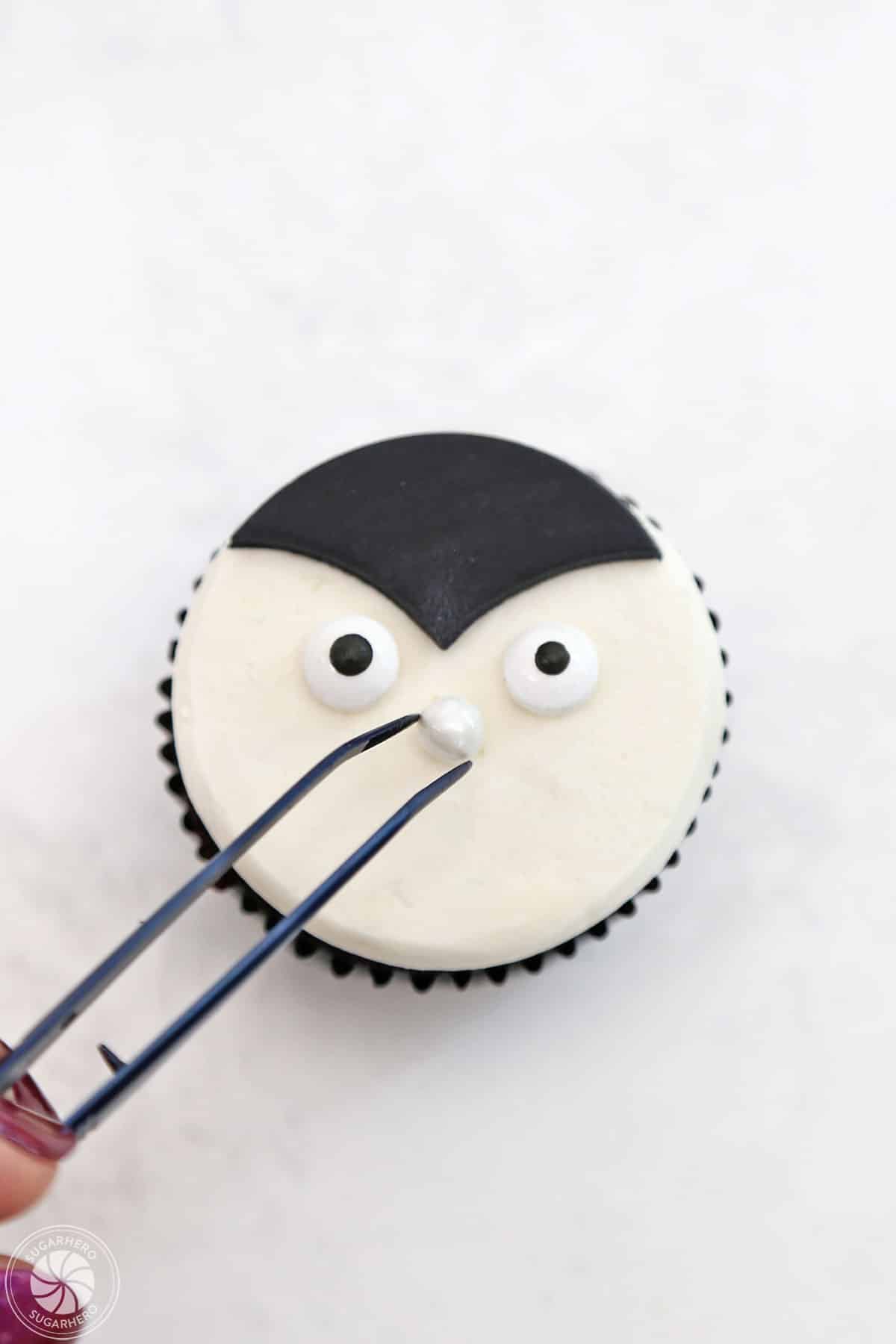
Adding Facial Features: This is where candies and other edible accents come into play. A small candy can be pressed into the center of the fondant disc to serve as a nose. Edible candy eyes are a common choice for the vampire’s eyes, though small dots of black frosting or fondant can also be used. Finally, a thin line of red frosting, often piped with a fine tip, can create a sinister smile or a hint of a blood-red mouth.
Tips for Success and Variations
The creation of visually appealing Vampire Cupcakes benefits from a few key considerations:
- Frosting Consistency: As mentioned, achieving the right buttercream texture is paramount. If the frosting is too soft, it won’t hold its shape. If it’s too stiff, it will be difficult to pipe and spread smoothly. Bakers are encouraged to adjust with small additions of liquid (milk or water for thinning) or powdered sugar (for thickening) until the desired consistency is achieved.
- Fondant Handling: Fondant can become sticky if the environment is humid. Keeping hands and work surfaces lightly dusted with cornstarch or powdered sugar can help prevent sticking. Fondant should be worked with relatively quickly, as it can dry out.
- Creative Interpretations: The beauty of this recipe lies in its adaptability. Variations can include using different colored cupcakes (e.g., red velvet for a blood-like interior), experimenting with various candy types for facial features, or even adding small fondant capes to the vampires. Some might opt for a darker, more intense red for the "blood" effect, while others may prefer a subtler, more implied "bite."
- Make-Ahead and Storage: The recipe provides valuable advice for preparing components in advance. Frosting can be made up to a week ahead and stored in the refrigerator, requiring a brief re-whipping to restore its texture. Baked and cooled cupcakes can also be frozen for later use. Stored in airtight containers at room temperature, the finished cupcakes are best enjoyed within 2-3 days, or refrigerated for up to a week, though allowing them to return to room temperature before serving is recommended for optimal taste and texture.
Analysis of Implications and Broader Impact
The popularity of the Vampire Cupcake, and indeed themed desserts in general, highlights several trends in contemporary food culture. Firstly, it underscores the increasing importance of visual appeal in food consumption, largely fueled by digital media. The shareability of these creatively decorated treats contributes significantly to their widespread appeal and adoption.
Secondly, it speaks to a growing desire for accessible yet impressive home baking. Recipes that offer shortcuts, such as using cake mixes, while still allowing for creative personalization, cater to a broad audience of home cooks who want to participate in seasonal festivities without investing an inordinate amount of time or technical skill.
Furthermore, the Vampire Cupcake exemplifies how popular culture, in this case, classic horror figures, can be translated into everyday experiences. By deconstructing and reassembling the iconic imagery of a vampire into an edible format, such desserts make these figures approachable and fun, particularly for younger audiences. This playful engagement with cultural archetypes through food can foster a sense of occasion and shared enjoyment during holidays.
The success of such recipes also supports a niche market for baking supplies, including specialized fondant, food coloring, and decorating tools. This, in turn, can inspire further innovation in the industry, leading to new products and techniques that make elaborate cake decorating more attainable for the average consumer.
In conclusion, the Vampire Cupcake is more than just a seasonal treat; it is a testament to the intersection of culinary artistry, popular culture, and the enduring human desire to celebrate and connect through food. Its blend of ease, visual appeal, and thematic relevance ensures its place as a beloved staple of Halloween celebrations for years to come.