Dough hydration, a seemingly straightforward metric, stands as one of the most profoundly nuanced and critical aspects of sourdough bread baking, influencing everything from dough workability to the final loaf’s texture, crust, and shelf life. Far from being a mere number in a recipe, it represents a dynamic interaction between flour, water, and environmental conditions, demanding an adaptive approach from bakers worldwide. This guide delves into the scientific underpinnings and practical implications of dough hydration, offering insights gleaned from years of baking experience and the evolving understanding of bread science.
The Foundational Calculation: Understanding Hydration Percentage
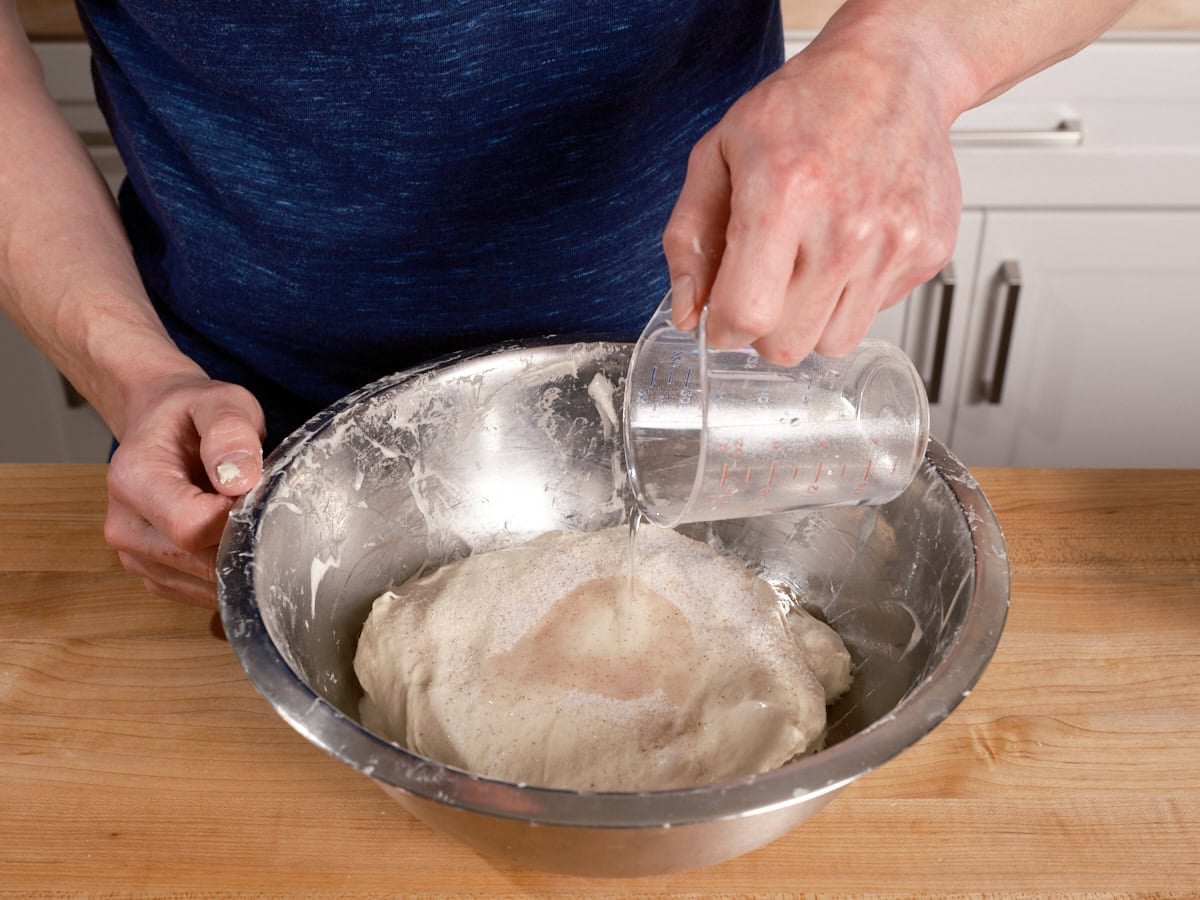
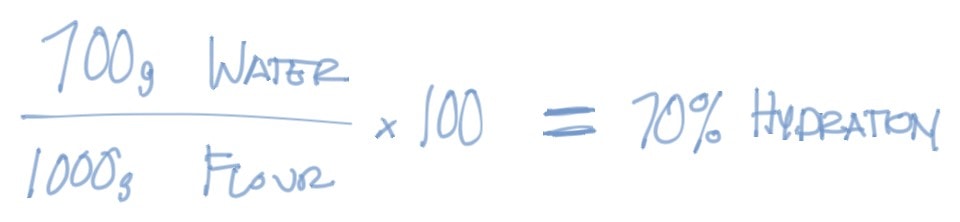
At its core, dough hydration is a precise measurement: the total amount of water in a recipe expressed as a percentage of the total flour weight. This critical ratio is calculated by dividing the weight of the water by the total weight of the flour, then multiplying by 100. For instance, a recipe calling for 1,000 grams of flour and 700 grams of water results in 70% hydration (700 ÷ 1,000 × 100 = 70%). This percentage provides bakers with an immediate, intuitive understanding of the dough’s expected consistency and handling characteristics even before mixing commences.
However, a pivotal insight for any baker, particularly those venturing into sourdough, is that this percentage serves as a guideline, not an immutable law. Flour, the primary ingredient, is a complex and variable substance. Its water absorption capacity can differ significantly based on the wheat variety, milling process, specific batch, and even storage conditions. Moreover, ambient environmental factors, such as daily temperature fluctuations and humidity levels, subtly influence how much moisture flour has already absorbed from the air, further necessitating adjustments to the initial hydration percentage. A dough that achieves optimal elasticity and smoothness on a dry day might require less water on a particularly humid or rainy day to prevent it from becoming overly slack.
The Profound Impact: Why Hydration Matters
The hydration percentage fundamentally dictates the characteristics of the final bread loaf. Water acts as the transformative agent, converting dry flour into a viscoelastic dough capable of trapping the carbon dioxide gases produced during fermentation. Without adequate water, the dough remains stiff, resistant, and fails to develop a robust gluten network, leading to a dense, tight crumb. Conversely, excessive water can result in a soupy, unmanageable mass that struggles to hold its shape, compromising oven spring and overall structure.
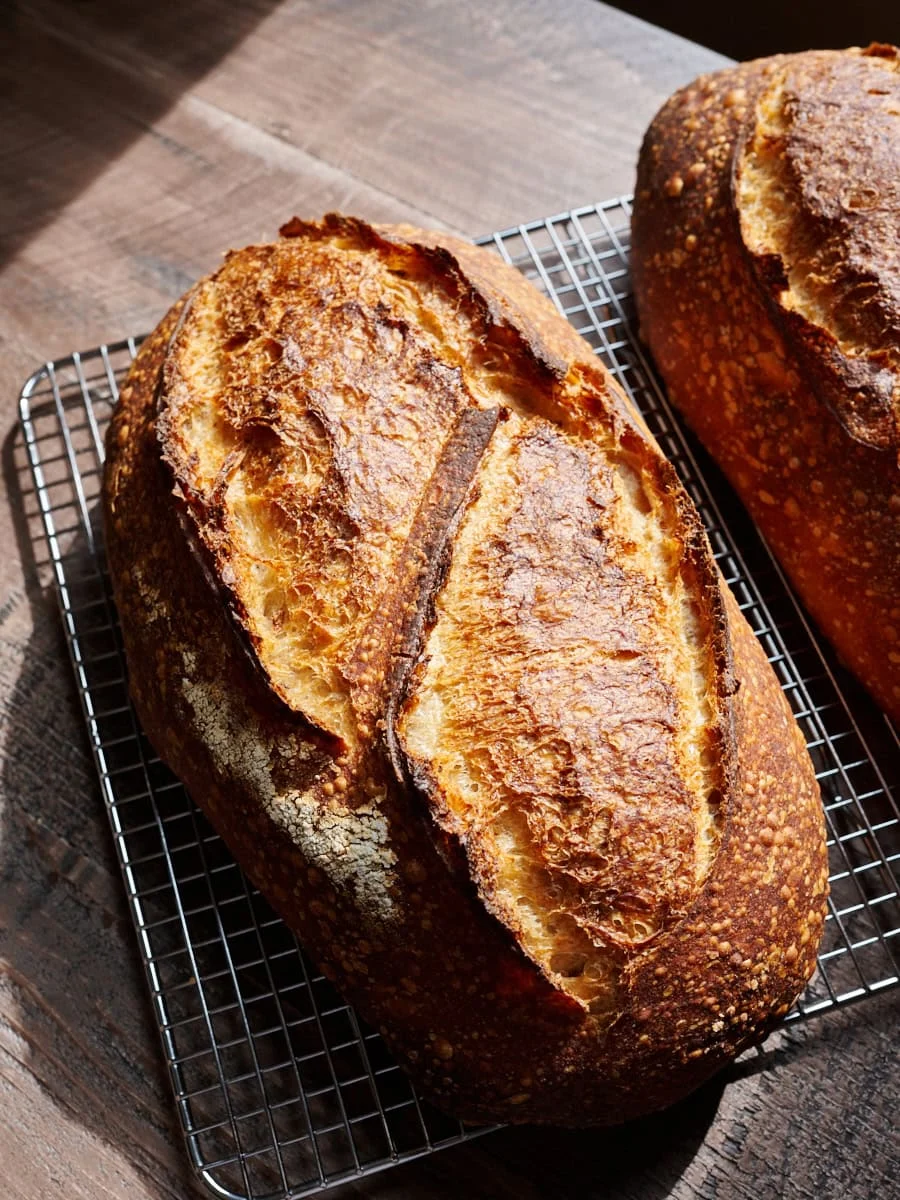
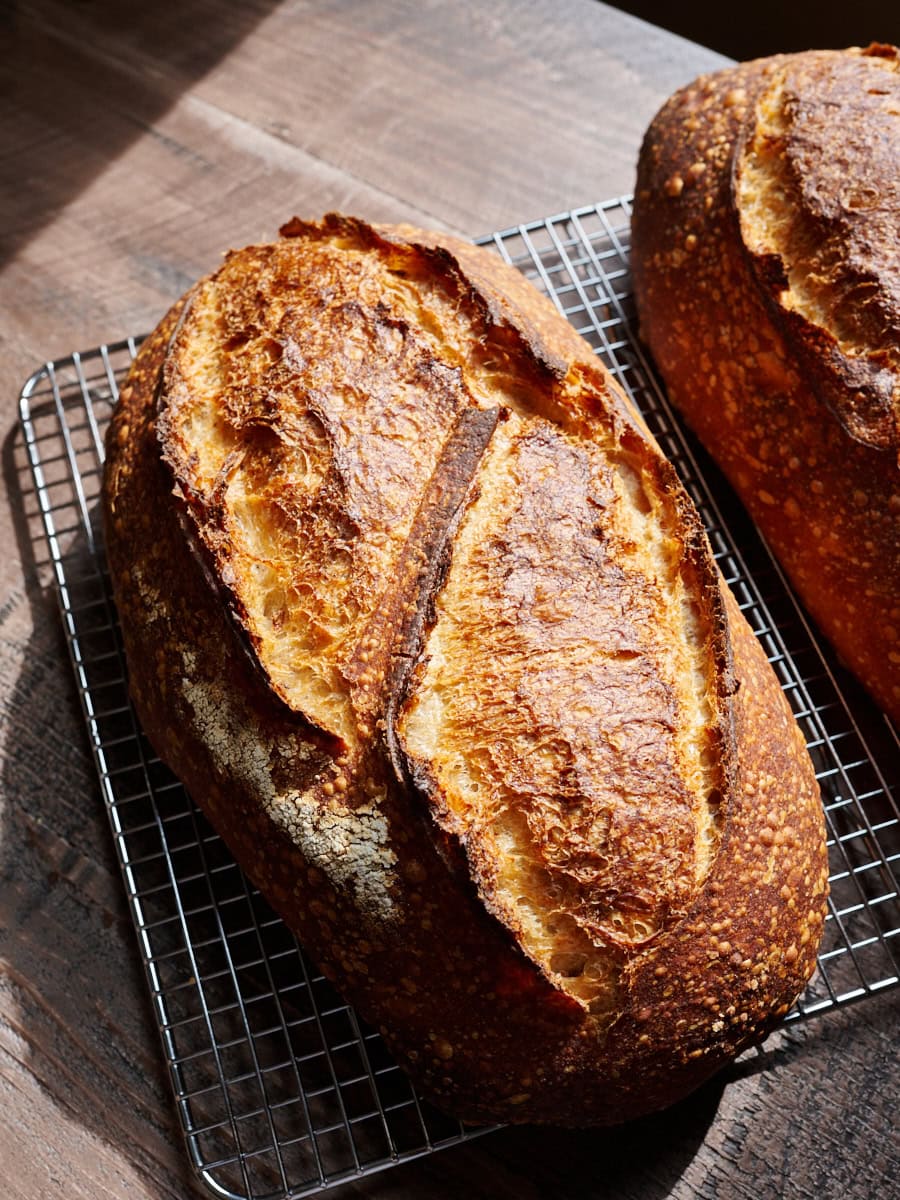
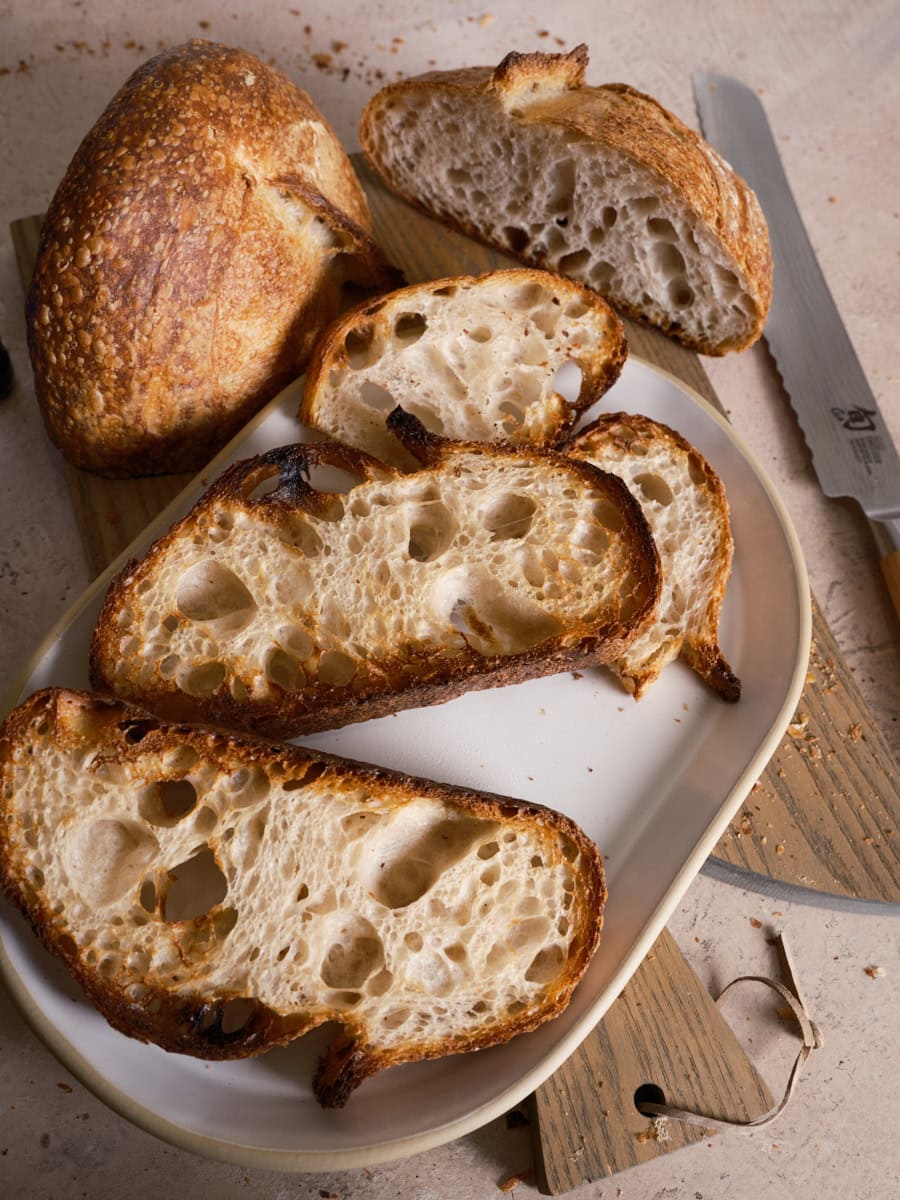
Between these two extremes lies a spectrum of bread styles, each optimized by specific hydration levels. Lower-hydration doughs, typically ranging from 60% to 68%, yield loaves characterized by a substantial, chewy crust and a denser, more uniform crumb. These are often easier to handle and shape, making them suitable for beginners or specific applications like bagels and pretzels. In contrast, higher-hydration doughs, often 75% or more, are prized for their brittle, thin crusts and exceptionally open, custardy interiors, exemplified by artisanal ciabatta or certain high-hydration sourdoughs. The preference for higher hydration in many modern artisanal sourdough recipes stems from a desire for a very thin crust and a tender, melt-in-your-mouth crumb texture, indicative of a sufficiently hydrated and fully fermented dough.
It is crucial to recognize the boundary beyond which increased hydration becomes detrimental. Pushing water content too high can lead to an excessively soft crumb that lacks structural integrity, potentially collapsing shortly after baking or staling prematurely, even with proper storage. The goal is to identify a hydration level that maximizes desired characteristics—such as tenderness and open crumb—for the specific flour used, without sacrificing volume, structural stability, or overall eating quality.
Characteristics Across the Hydration Spectrum
To illustrate the tangible effects of hydration, consider the following general characteristics:
-
Lower-Hydration Bread (60-68%):
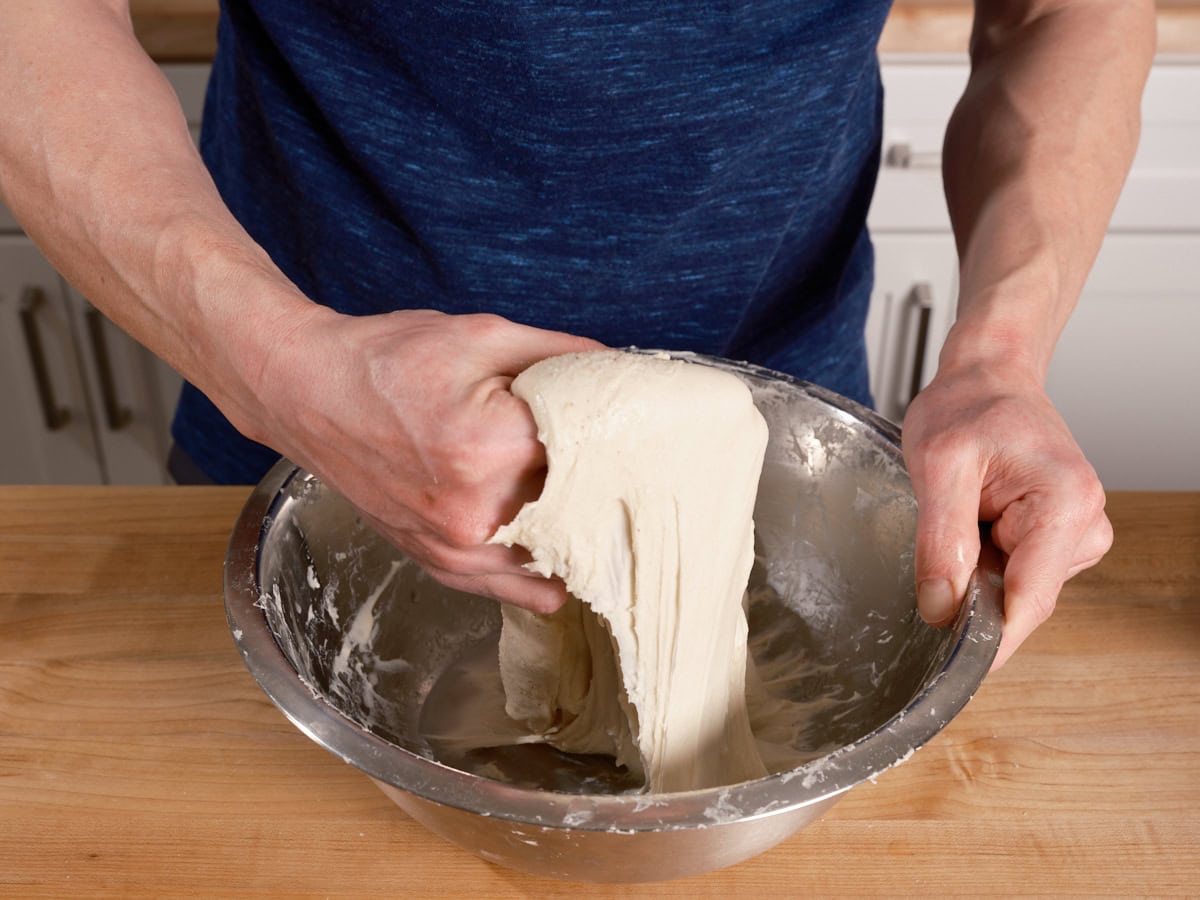
- Dough Handling: Stiff, less sticky, and easier to manage and shape.
- Crust: Tends to be thicker, chewier, and more robust.
- Crumb: Denser, more uniform, and less open.
- Flavor Development: Often perceived as having a more concentrated flavor due to less water.
- Applications: Ideal for bagels, pretzels, certain pan loaves, and beginner-friendly sourdoughs.
-
Higher-Hydration Bread (75-85%+):
- Dough Handling: Softer, stickier, and more challenging to work with, requiring developed skills and techniques.
- Crust: Typically thinner, more delicate, and prone to crispness.
- Crumb: More open, irregular, and often described as custardy or tender.
- Flavor Development: Can exhibit a more subtle flavor profile due to dilution, but often showcases nuanced fermentation notes.
- Applications: Favored for ciabatta, focaccia, and artisanal sourdoughs seeking a very open crumb.
It is important to dispel the misconception that "higher hydration equals better bread." While fashionable in some baking circles, arbitrarily increasing hydration without considering flour type or desired outcome can lead to undesirable results like gummy crumbs or structural failure. The objective is optimal hydration for the specific flour and desired final product, not merely achieving a high numerical value.
Advanced Techniques: The Efficacy of Bassinage
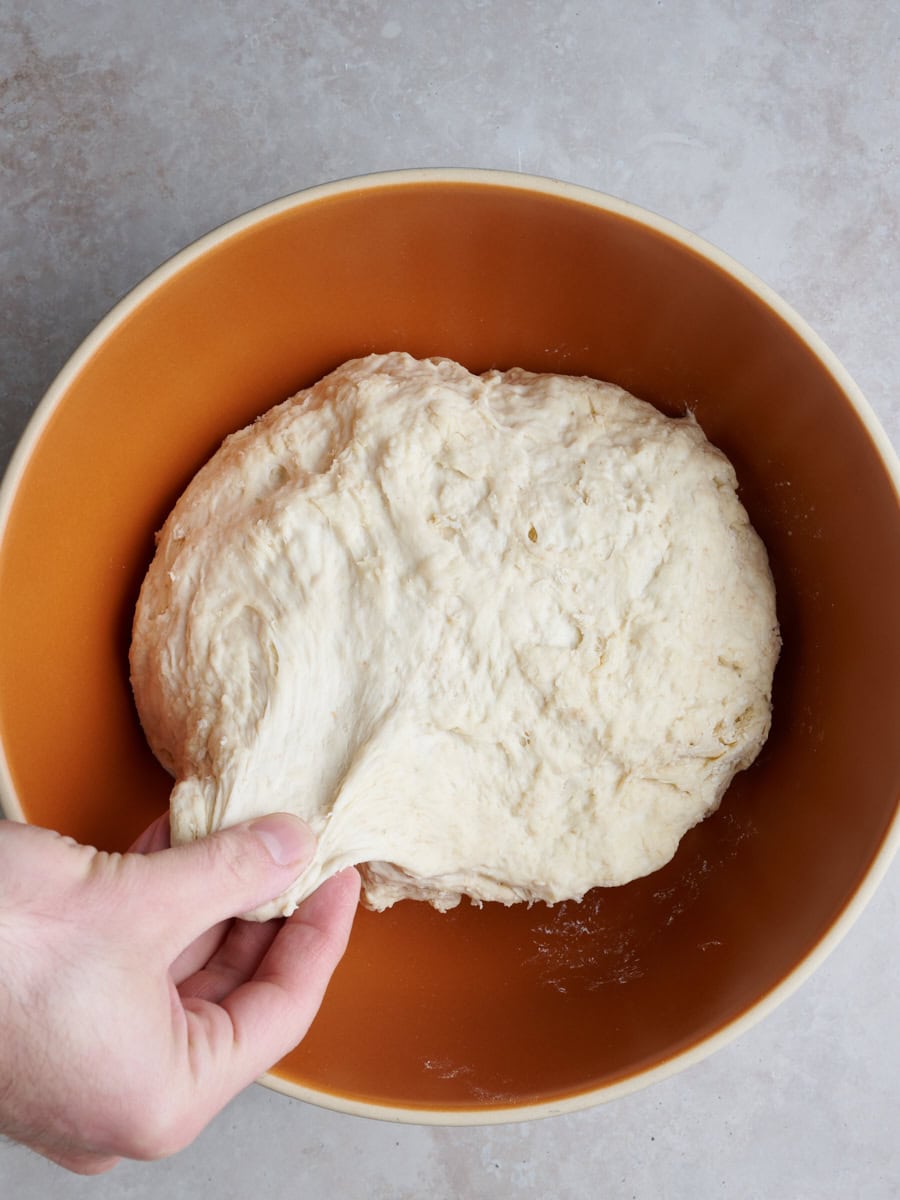
One technique that has revolutionized the management of high-hydration doughs, particularly in artisanal baking, is bassinage, also known as "double hydration." This method involves reserving a portion of the total water and incorporating it gradually during the later stages of mixing, after the initial flour and water have been combined and the gluten matrix has begun to develop.
The benefits of bassinage are multifaceted:
- Facilitated Gluten Development: Attempting to develop gluten efficiently in an excessively wet dough from the outset can be challenging, as the high water content reduces friction necessary for gluten strands to align and strengthen. By starting with a slightly lower hydration, mixing to initiate gluten development, and then slowly adding the reserved water, bakers can achieve a stronger gluten network without prolonged, arduous mixing times or the risk of under-developing the dough.
- Adaptive Dough Strength Assessment: Bassinage provides an invaluable opportunity for the baker to "read" the dough’s strength and adjust hydration in real-time. Recipes often specify "Water 1" for initial mixing (e.g., autolyse or levain incorporation) and "Water 2" (the bassinage water) as a smaller, reserved amount. If, after adding Water 1, the dough appears overly slack or weak, the baker can opt to reduce or completely omit Water 2. Conversely, if the dough demonstrates robust strength, the full amount of Water 2 can be gradually incorporated, allowing for higher overall hydration without compromising structure. This adaptive approach underscores the importance of baker’s intuition over rigid adherence to numerical targets.
Critical Factors Influencing Water Absorption

Several intrinsic and extrinsic factors profoundly influence how much water a dough requires:
- Flour Type and Protein Content: The protein content of flour is a primary determinant of its water absorption capacity. Higher-protein flours, such as American bread flour (typically 12-14% protein), possess a greater ability to form gluten, which in turn creates a stronger network capable of holding more water. These flours often require higher hydration to prevent an overly gummy or dense texture. Conversely, softer, lower-protein fl flours (common in much of Europe, the UK, and South America) absorb less water. Using the same hydration percentages with these flours as one would with high-protein American flour can result in an unmanageably sticky dough.
- Whole Grain Flours: The presence of bran and germ in whole grain flours (e.g., whole wheat, rye) significantly increases water absorption. These fibrous particles act like tiny sponges, soaking up considerable moisture. Recipes incorporating substantial percentages of whole grains typically demand higher hydration levels to achieve a pliable dough and desirable crumb structure. For instance, a dough with 50% whole wheat might require 80-82% hydration, a level that would be unwieldy with 100% white flour. The bassinage technique is particularly beneficial when working with high whole-grain percentages to ensure thorough hydration without overworking the delicate gluten.
- Freshly Milled Flour: Freshly milled flour generally requires more hydration than commercially aged flour. Even after sifting to remove bran and germ, freshly milled flour’s unique properties necessitate increased water content to achieve proper dough consistency and optimal handling. The precise reasons are still under scientific investigation but are thought to relate to differences in starch damage and enzymatic activity.
- Climate and Environment: Environmental conditions play a non-trivial role in dough hydration. In arid, high-altitude regions, such as New Mexico, bakers often find they need higher hydration percentages due to the drier air and reduced atmospheric pressure, which can accelerate moisture evaporation from the dough. Conversely, in humid, low-altitude environments, flour may already have absorbed ambient moisture, necessitating a slight reduction in the recipe’s water content. While often a minor adjustment, acknowledging these environmental variables is part of developing a refined baker’s intuition.
Navigating the Challenge of Sticky Dough
Sticky dough is a perennial frustration for many bakers, often signaling an imbalance in hydration, inadequate gluten development, or a combination of both. Common culprits include:
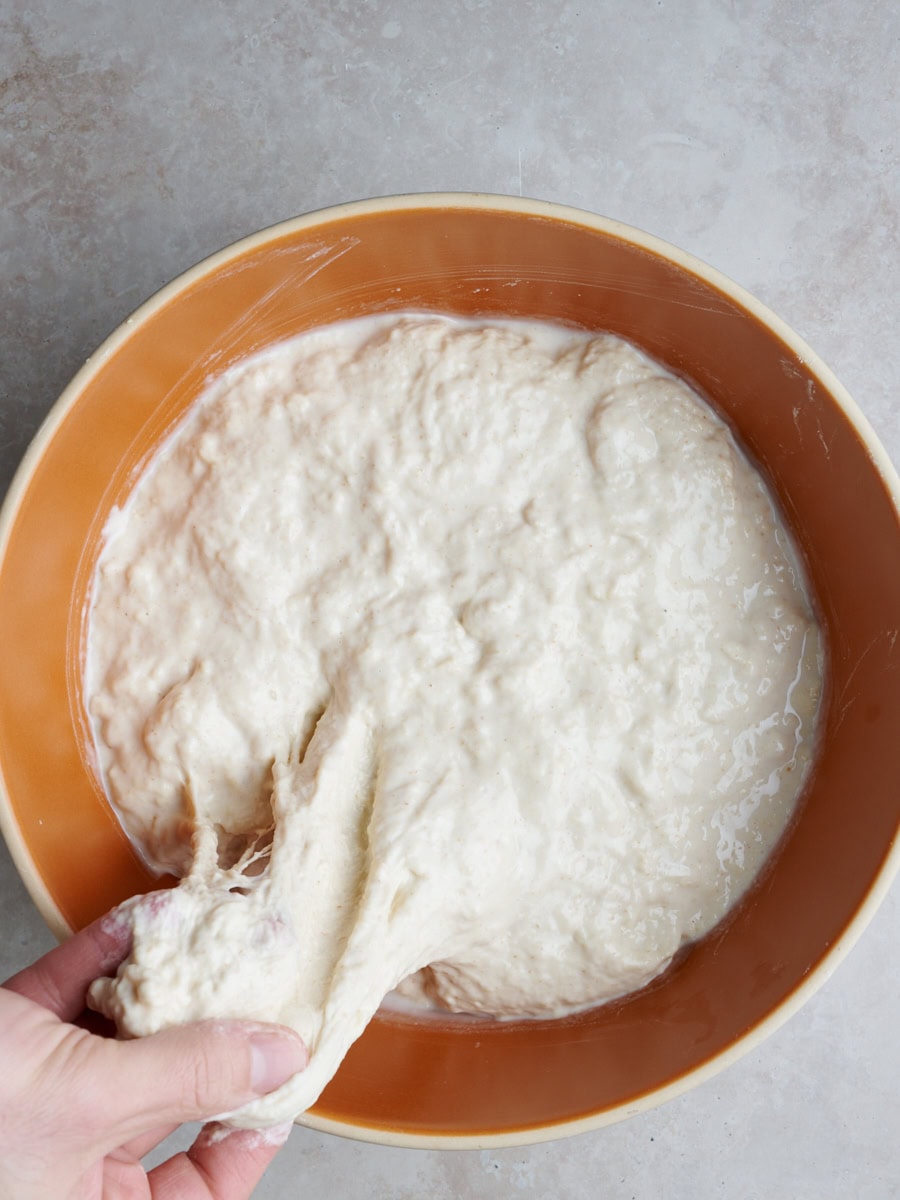
- Under-Developed Gluten: If the gluten network has not been sufficiently formed through mixing and kneading, it cannot effectively contain the water, leading to a weak, sticky, and unmanageable dough.
- Excessive Hydration for the Flour Type: As discussed, using a hydration percentage suitable for high-protein flour with a lower-protein variety will result in an overly wet and sticky dough.
- Insufficient Mixing or Kneading: Proper mixing ensures even water distribution and gluten development. A dough that feels sticky might simply need more time to be worked, allowing the flour to fully absorb the water and gluten to strengthen.
- Temperature Imbalance: Dough that is too warm can become slack and sticky, as enzymes become more active, potentially degrading gluten.
- Lack of Proper Handling Technique: High-hydration doughs, by their nature, are sticky. Utilizing wet hands, dough scrapers, and minimal contact techniques can significantly improve manageability.
Strategies for Mastering High-Hydration Doughs
Working with high-hydration doughs demands specific techniques and patience due to their inherent instability. As water content increases, the gluten matrix, which provides the dough’s scaffolding, is pushed closer to its structural limits. Key strategies include:
- Utilize the Bassinage Technique: As detailed, phased water addition is crucial for developing strength in wet doughs.
- Extended Autolyse or Preferment: Allowing flour to hydrate with water for an extended period before adding the leavening agent (autolyse) or using a well-developed preferment can enhance initial gluten development and water absorption.
- Gentle Handling and Minimal Flour Dusting: High-hydration doughs are delicate. Use wet hands or a dough scraper during folds and shaping to prevent sticking without incorporating excess dry flour, which can alter the intended hydration.
- Develop Strong Gluten: Employ techniques like stretch-and-folds or gentle kneading over a longer period to build a robust gluten network capable of supporting the high water content.
- Adequate Fermentation: Proper fermentation is vital for dough strength. Under-fermented doughs lack extensibility and strength, while over-fermented doughs can become soupy and lose their structure.
- Cold Fermentation: Retarding the dough in the refrigerator slows fermentation, firms the dough, and makes it easier to handle and shape, especially for high-hydration varieties.
- Use a Bench Scraper: An indispensable tool for manipulating and dividing sticky doughs without tearing or de-gassing them.
The Baker’s Intuition: A Lifelong Pursuit
Ultimately, mastering dough hydration transcends mere numerical calculations; it is about cultivating "baker’s intuition"—the ability to perceive and respond to what the dough is communicating through its feel, texture, and behavior. Every bag of flour, every kitchen environment, and every baking session presents unique variables. The most adept bakers treat recipes as dynamic starting points for a dialogue with their ingredients, rather than rigid instructions.
A systematic approach to learning involves meticulous record-keeping. Documenting the precise hydration used, the dough’s tactile qualities, prevailing environmental conditions (temperature, humidity), and the final loaf’s characteristics (crust, crumb, flavor) creates a invaluable personal database. Over time, this disciplined observation fosters an intuitive understanding of hydration that no theoretical guide can fully impart. It empowers bakers to adapt, innovate, and consistently produce exceptional bread, transforming a complex scientific principle into an art form. This continuous cycle of experimentation, observation, and adjustment is the hallmark of true baking mastery.