The question of how long fermented foods remain safe and enjoyable to consume is among the most frequently posed inquiries in culinary and food science workshops globally. While a succinct answer might suggest "a long time," reflecting fermentation’s historical role as a primary method of food preservation, the reality is far more intricate. The shelf life of fermented products is a complex interplay of numerous factors, including storage conditions, ambient temperature, the specific nature of the fermented food or beverage, and even individual sensory tolerances for what is considered "funkiness." This inherent variability underscores the critical importance of a nuanced understanding, prompting the universal advice to "Trust Your Senses." Our innate sensory equipment—sight, smell, and taste—serves as the ultimate arbiter in determining the edibility and quality of any food item, fermented or otherwise.
The Ancient Art and Modern Science of Fermentation as Preservation
Fermentation, at its core, is a metabolic process that converts carbohydrates into alcohols, acids, or gases, driven by microorganisms such as bacteria, yeasts, and molds. This biochemical transformation has been harnessed by humanity for millennia, long before the advent of refrigeration or modern food science, to extend the usability and safety of perishable goods. Archaeological evidence suggests fermented beverages and foods date back over 10,000 years, indicating its foundational role in human survival and culinary development across diverse cultures.
The primary mechanisms by which fermentation preserves food are multifaceted:
- Acidification: Lactic acid bacteria (LAB), commonly found in many vegetable ferments like sauerkraut and kimchi, convert sugars into lactic acid. This significant drop in pH creates an acidic environment that is inhospitable to most spoilage-causing bacteria and pathogenic microorganisms, effectively inhibiting their growth. Acetic acid, produced by acetic acid bacteria, also contributes to preservation and flavor in many ferments.
- Alcohol Production: In alcoholic ferments like wine, beer, and certain vinegars, yeast converts sugars into ethanol. Alcohol acts as an antimicrobial agent, preventing the proliferation of undesirable microbes.
- Production of Antimicrobial Compounds: Beyond acids and alcohol, many beneficial microbes produce a range of other compounds, such as bacteriocins, hydrogen peroxide, and carbon dioxide, which further suppress the growth of spoilage organisms.
- Oxygen Exclusion: In anaerobic fermentations (those without oxygen), the creation of a sealed, oxygen-free environment—often aided by brines or airlocks—prevents the growth of aerobic spoilage bacteria and molds.
- Salt Concentration: In many traditional ferments, salt plays a dual role. It draws water out of vegetables, creating a brine, and selectively inhibits certain spoilage microbes while allowing beneficial lactic acid bacteria to thrive.
These combined effects create a stable microbial ecosystem where beneficial organisms outcompete and suppress harmful ones, resulting in foods with extended shelf lives and often enhanced nutritional profiles and unique flavor characteristics.
A Historical Chronology of Fermented Foods
The history of fermentation is intertwined with human civilization itself. From early nomadic societies to agricultural settlements, fermentation provided a means to store harvests and ensure food security.
- Pre-Neolithic Era (c. 10,000+ BCE): Evidence suggests early humans may have accidentally discovered fermentation through the natural spoilage of fruits and grains, leading to the first alcoholic beverages.
- Neolithic Revolution (c. 8,000 BCE): With the rise of agriculture, the need to preserve seasonal gluts became paramount. Grains were fermented into beer (Mesopotamia, Egypt), milk into cheese and yogurt (Middle East), and vegetables into various pickles.
- Ancient Civilizations (c. 3,000 BCE – 500 CE):
- China: Developed fermented soybean products like soy sauce and miso, and fermented vegetables. The earliest form of sauerkraut is believed to have originated here before making its way to Europe.
- Korea: Kimchi, a staple fermented cabbage dish, evolved over centuries, with its modern spicy form emerging after the introduction of chili peppers in the 16th century.
- Mediterranean: Wine-making became a sophisticated art in Greece and Rome. Olives were brined and fermented.
- India: Fermented rice and lentil dishes like dosa and idli became common.
- Medieval Period (c. 500 CE – 1500 CE): Fermentation continued as a vital preservation method across Europe, Asia, and Africa. Sourdough bread gained prominence, and diverse regional cheeses flourished.
- Age of Exploration (c. 1500 CE – 1800 CE): Fermented foods, particularly sauerkraut, were crucial for long sea voyages to prevent scurvy, demonstrating their nutritional benefits even before vitamins were understood.
- Industrial Revolution (c. 1800 CE – 1900 CE): Louis Pasteur’s work on pasteurization (1860s) elucidated the microbial basis of fermentation and spoilage, leading to better control and safety in industrial food production. Refrigeration began to emerge, slowly reducing reliance on fermentation solely for preservation.
- 20th and 21st Centuries: While refrigeration and canning became widespread, a resurgence of interest in traditional fermented foods has occurred, driven by growing awareness of their probiotic benefits, unique flavors, and role in sustainable food systems. Modern science now allows for a deeper understanding and optimization of fermentation processes.
Key Factors Influencing Shelf Life
Beyond the fundamental science of fermentation, several practical factors significantly determine how long a fermented food remains viable and enjoyable:
- Storage Conditions: This is paramount. Refrigeration (typically 35-40°F or 2-4°C) dramatically slows down microbial activity, including that of the beneficial bacteria, effectively pausing or greatly decelerating the fermentation process. Storing ferments at room temperature will continue the fermentation, leading to more intense flavors, softer textures, and eventually spoilage if left too long. Proper sealing in airtight containers is also crucial to prevent contamination and minimize oxidation.
- Temperature Consistency: Fluctuations in storage temperature can stress the microbial community and potentially encourage undesirable microbial growth. A stable, cool environment is ideal.
- Nature of the Fermented Food/Beverage: Different ferments have different inherent stability. High-acid, high-salt products like miso or robust sauerkraut tend to last longer than lower-acid, more delicate ferments like certain fruit kombuchas or fresh milk kefir.
- Initial Salt Concentration: For vegetable ferments, a higher salt percentage (e.g., 2.5-3.5% brine) creates a more robust preservative effect, extending shelf life compared to lower-salt ferments.
- Quality of Ingredients and Preparation Hygiene: Starting with fresh, high-quality ingredients and maintaining meticulous hygiene during preparation minimizes the introduction of undesirable microbes, giving the beneficial fermenting organisms the best chance to dominate.
- Post-Fermentation Handling: For products like hot sauce, proper bottling, and sometimes even pasteurization (though this kills beneficial microbes) can impact longevity. For bread, proper cooling and storage methods are critical.
The Invaluable Role of Sensory Evaluation: "Trust Your Senses!"
Despite guidelines and scientific principles, the most reliable tool for assessing the edibility of fermented foods remains our own sensory perception. Our bodies are equipped with sophisticated mechanisms to detect spoilage, and ignoring these signals can lead to unpleasant experiences or, in rare cases, illness.
- Sight: Look for obvious signs of spoilage.
- Mold: Any fuzzy, discolored growth (white, green, black, pink) on the surface that is not kahm yeast (a thin, white, powdery film, generally harmless but can impart off-flavors) should be a red flag. While some kahm yeast can be skimmed off, pervasive mold usually means discarding the product.
- Unusual Colors: A significant change in the expected color of the food, especially if accompanied by other signs, can indicate spoilage.
- Texture: Is the food excessively mushy, slimy, or otherwise inconsistent with its expected texture? For instance, sauerkraut should have some crunch, not be completely limp.
- Smell: Our olfactory senses are highly attuned to detecting spoilage.
- Putrid, Rancid, or Sulfur-like Odors: These are clear indicators of spoilage.
- Off-Smells: Any smell that is distinctly unpleasant, chemical, or simply "wrong" for the particular ferment. A healthy ferment should have a pleasant, tangy, sometimes earthy aroma.
- Taste: If sight and smell pass the test, a small taste can confirm edibility.
- Excessive Sourness/Bitterness: While ferments are often sour, an overwhelmingly sharp, acrid, or unusually bitter taste beyond what is expected for the product’s age or type can indicate over-fermentation or spoilage.
- Fizzing/Off-Tastes: Uncontrolled carbonation in a typically still ferment or any other "off" flavor should lead to caution.
It’s crucial to differentiate between desirable "funkiness"—the complex, evolving flavors characteristic of fermentation—and genuine spoilage. An aged kimchi or sauerkraut will taste different from a fresh one, often more intensely sour and complex, which is usually a sign of successful fermentation, not spoilage.
Detailed Guidelines for Common Fermented Foods
The following guidelines provide a general framework for the shelf life of common fermented foods when stored under optimal conditions, primarily in a refrigerator.
- Kimchi:
- Shelf Life (in refrigerator): Up to 3 months, often longer.
- Comments: Kimchi undergoes continuous fermentation in the refrigerator, becoming progressively softer and more sour over time. While fresh, crunchy kimchi is preferred by many, older, very sour kimchi is highly prized for cooking applications, particularly in stews (kimchi jjigae), fried rice, or pancakes, where its intense flavor adds depth. Proper sealing is crucial to prevent drying out and mold.
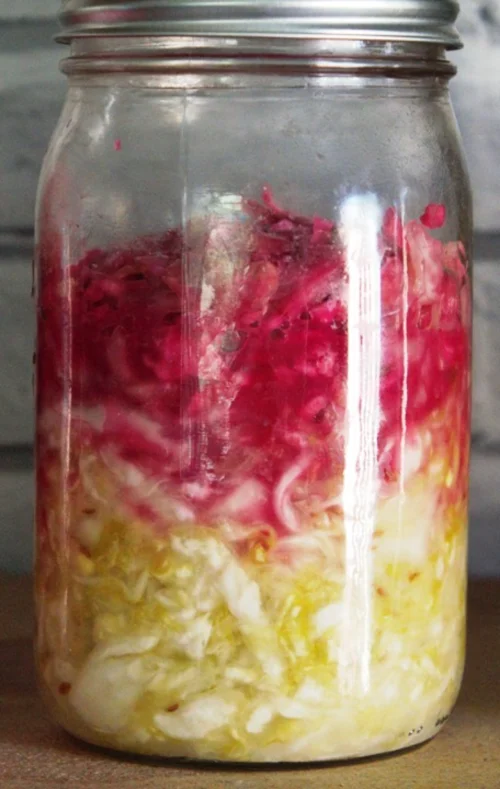
- Sauerkraut:
- Shelf Life (in refrigerator): 3-6 months, sometimes up to a year.
- Comments: Similar to kimchi, sauerkraut’s flavor deepens and becomes more acidic with age. High salt content and lactic acid contribute to its excellent preservation. Ensure it remains submerged in its brine to prevent mold formation on exposed surfaces. If the brine level drops, add a little salted water to cover.
- Cucumber Pickles (Lacto-fermented):
- Shelf Life (in refrigerator): 2-3 months.
- Comments: The shelf life is highly dependent on the salt concentration used during fermentation. Higher salt percentages lead to longer preservation. Keeping pickles whole, rather than sliced, also tends to extend their crunch and shelf life. Over time, they will soften significantly.
- Pickled Vegetables (Beans, Escabeche, Giardiniera, etc.):
- Shelf Life (in refrigerator): 4-6 months, some robust varieties up to 9 months.
- Comments: Carrots, cauliflower, green beans, and other dense vegetables tend to hold their texture and flavor exceptionally well. The variety of vegetables and the robustness of the brine contribute to their longevity. Ensure all vegetables remain submerged.
- Kombucha:
- Shelf Life (in refrigerator): 1 month (bottled).
- Comments: Kombucha, a fermented tea, continues to slowly ferment even in the refrigerator, albeit at a much slower rate. Over time, it will become more vinegary and less sweet. Certain fruit flavors, especially those with high sugar content like watermelon or strawberry, are more delicate and may degrade in flavor or develop off-notes within 2-3 weeks. It’s best to consume these specific flavors within 2 weeks for optimal taste.
- Milk Kefir:
- Shelf Life (in refrigerator): 1 month.
- Comments: After about a month, milk kefir becomes increasingly sour and thick. While still safe to consume, its palatability as a beverage diminishes for many. However, overly sour kefir is excellent for baking (as a buttermilk substitute), making soft cheeses, or marinating meats, providing a tangy flavor and tenderizing effect.
- Miso:
- Shelf Life (in refrigerator): Virtually unlimited; easily 10+ years.
- Comments: Miso, a fermented soybean paste, is incredibly stable due to its high salt content and long fermentation/aging process. Properly sealed and refrigerated, it can last for many years, often improving in complexity and depth of flavor with age, much like a fine wine. A thin layer of surface yeast might occasionally form if exposed to air, but this is generally harmless and can be scraped off.
- Water Kefir (Tibicos):
- Shelf Life (in refrigerator): 1 month (bottled).
- Comments: Similar to kombucha, water kefir’s flavor profile can become overly tart if stored too long. Flavors derived from fresh fruits like watermelon or strawberry are more ephemeral and should be enjoyed within 2 weeks for peak freshness and taste.
- Hot Sauce (Fermented):
- Shelf Life (in refrigerator): 2 years or more.
- Comments: The high acidity from fermentation, combined with often significant salt content and sometimes added vinegar, makes fermented hot sauce extremely shelf-stable. It can also be stored in a cool, dark pantry, though refrigeration is preferred for maximum longevity and flavor preservation, as ambient storage might slightly reduce its shelf life and potentially encourage surface yeast to re-form.
- Sourdough Bread:
- Shelf Life (room temperature): 3-4 days.
- Shelf Life (in freezer): Up to 2 months.
- Comments: Unlike most other ferments on this list, sourdough bread is a baked product where the beneficial microbes are mostly killed during baking. Its extended room-temperature shelf life compared to commercial yeast bread is due to the natural acids (lactic and acetic) produced during the sourdough starter’s fermentation, which inhibit mold growth. Crucially, never store bread in the refrigerator, as it accelerates staling. For longer storage, pre-slice the loaf and freeze it in a sealed plastic bag, allowing for easy retrieval and toasting of individual slices.
Expert Perspectives and Food Safety Considerations
Food safety experts consistently emphasize the importance of good manufacturing practices (GMPs) and hygiene in home fermentation. While fermentation is a safe and natural preservation method, neglecting basic cleanliness can introduce undesirable microbes. The "Trust Your Senses" principle is broadly endorsed, as visual mold, off-odors, or unusual textures are reliable indicators of potential spoilage.
It is important to note that most common home ferments (e.g., sauerkraut, kimchi, pickles, kombucha, kefir) are high-acid products, which naturally inhibit the growth of dangerous pathogens like Clostridium botulinum, the bacterium responsible for botulism, which thrives in low-acid, anaerobic environments. However, caution is always advised, particularly for individuals new to fermentation or when experimenting with recipes outside established guidelines. When in doubt, it is always safer to discard a questionable product.
Broader Implications: Health, Sustainability, and Culinary Innovation
The longevity of fermented foods carries significant implications beyond mere preservation.
- Health Benefits: The continued interest in fermented foods is largely driven by their purported health benefits, primarily their probiotic content. A healthy gut microbiome is increasingly linked to overall well-being, immunity, and even mental health. Consuming diverse fermented foods regularly can contribute to a balanced gut ecosystem.
- Food Waste Reduction: Fermentation offers a powerful tool in the fight against food waste. By transforming perishable produce into stable, long-lasting products, it allows for the preservation of seasonal gluts, prevents spoilage of excess ingredients, and extends the usability of food items that might otherwise be discarded. This aligns with broader sustainability goals.
- Culinary Diversity and Innovation: The unique flavors and textures imparted by fermentation enrich global cuisines. From the pungent depth of aged miso to the sparkling tang of kombucha, fermented foods offer a spectrum of sensory experiences that inspire chefs and home cooks alike. Their versatility allows them to be incorporated into a wide array of dishes, from traditional preparations to modern culinary creations.
In conclusion, the shelf life of fermented foods is a testament to the elegant synergy between microbiology and culinary tradition. While general guidelines provide a useful starting point, the ultimate determinant of a ferment’s viability rests with the discerning application of our own senses. By understanding the scientific principles of preservation, maintaining optimal storage conditions, and heeding the wisdom of our sight, smell, and taste, consumers can confidently navigate the dynamic world of fermented foods, enjoying their diverse flavors and health benefits for extended periods while contributing to a more sustainable food system.