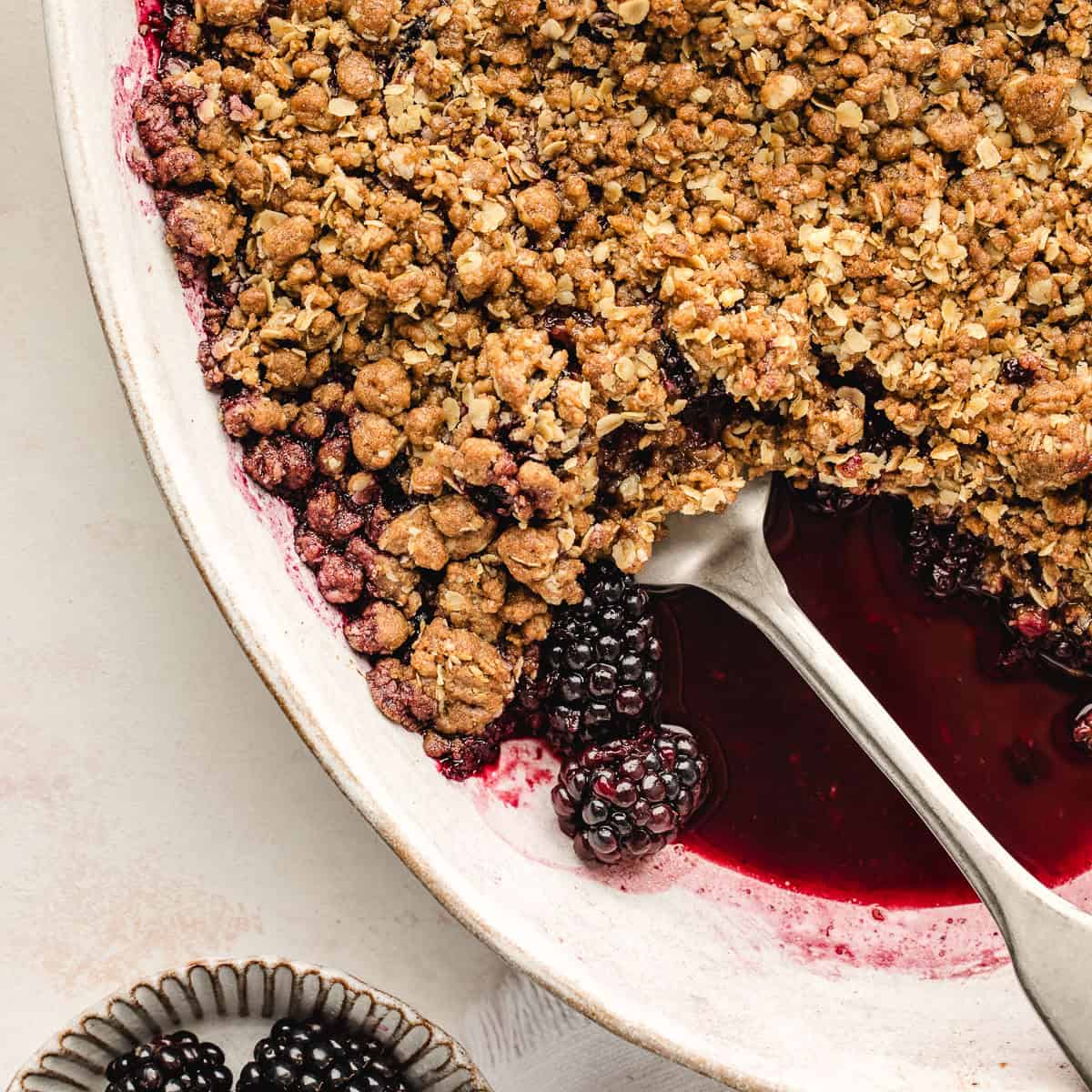
The resurgence of "wild-to-table" culinary practices has brought renewed attention to the blackberry crisp, a staple of North American summer gastronomy that bridges the gap between traditional foraging and contemporary artisanal baking. As households increasingly seek connection with local food systems, the transition from harvesting wild Rubus species to producing high-quality, oven-baked desserts has become a focal point of seasonal food culture. This culinary phenomenon is characterized by a reliance on whole, minimally processed ingredients and a deep understanding of the botanical cycles of the blackberry. Unlike its more dough-heavy counterparts, such as the cobbler or the buckle, the blackberry crisp utilizes a texture-focused approach, combining the high acidity and sweetness of ripe berries with a structured, oat-based topping designed for maximum Maillard reaction efficiency.
Historical and Botanical Context of the Blackberry
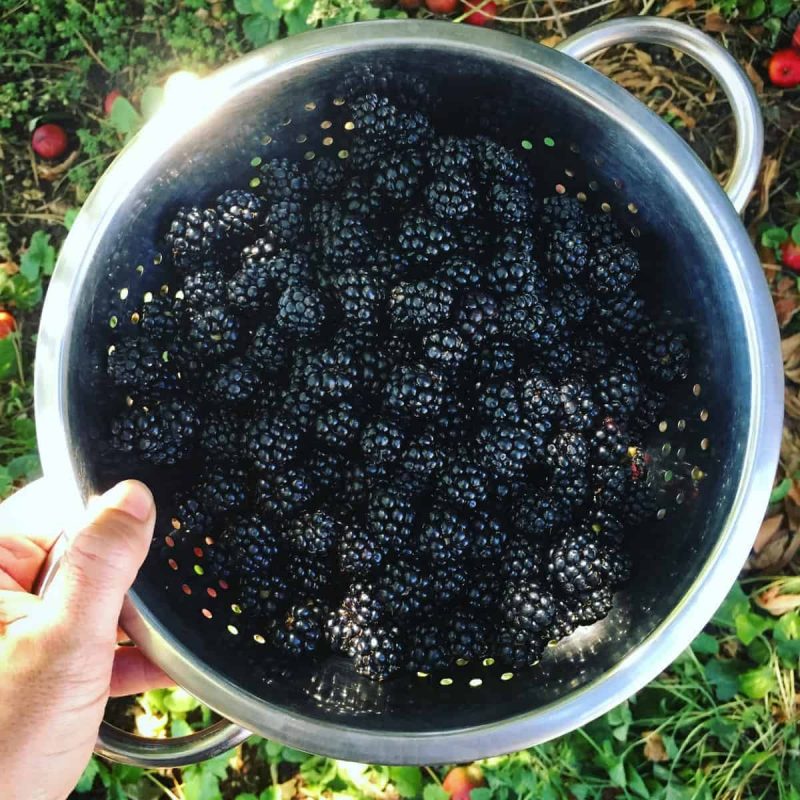
The blackberry, belonging to the genus Rubus in the Rosaceae family, has been a dietary staple for human populations across the Northern Hemisphere for millennia. Archaeological evidence suggests that wild blackberries were consumed as far back as the Iron Age. In North America, indigenous populations utilized various species of wild blackberries not only for sustenance but also for medicinal purposes, leveraging the high tannin content in the roots and leaves.
In the modern era, the domestication of blackberries has led to the development of thornless varieties and larger, sweeter drupelets, yet the tradition of foraging wild berries remains a significant cultural touchstone. The peak of the blackberry season typically occurs between late July and August in temperate climates, a window that dictates the availability of the fruit for fresh applications. The biological makeup of the blackberry—rich in anthocyanins, vitamin C, and dietary fiber—makes it a nutritionally dense component for desserts, providing a functional benefit alongside its sensory appeal.
The Rise of the Foraging Economy and Home Baking Trends
Market data indicates a significant uptick in home baking and foraging activities over the last decade, a trend accelerated by the global pandemic. According to consumer research, the "cottagecore" aesthetic and a general move toward self-sufficiency have driven a 20% increase in the sales of home canning and baking equipment since 2020. The blackberry crisp fits perfectly into this paradigm, offering a low-barrier-to-entry recipe that rewards the time-intensive labor of foraging.
Agricultural experts note that while commercial blackberries are available year-round through global supply chains, the flavor profile of wild or locally grown berries is markedly different due to higher sugar-to-acid ratios achieved through natural ripening on the vine. This distinction has led to a premium being placed on seasonal, locally sourced fruit in both domestic and professional kitchens.
Distinguishing the Crisp: A Structural and Chemical Analysis
To understand the blackberry crisp in a professional culinary context, one must distinguish it from similar fruit-based desserts. In the taxonomy of baked fruit, the "cobbler" is defined by a biscuit or dumpling-style dough that creates a cake-like barrier. The "crumble" is a British-origin dessert typically featuring a sandy, streusel-like topping of flour, sugar, and butter.
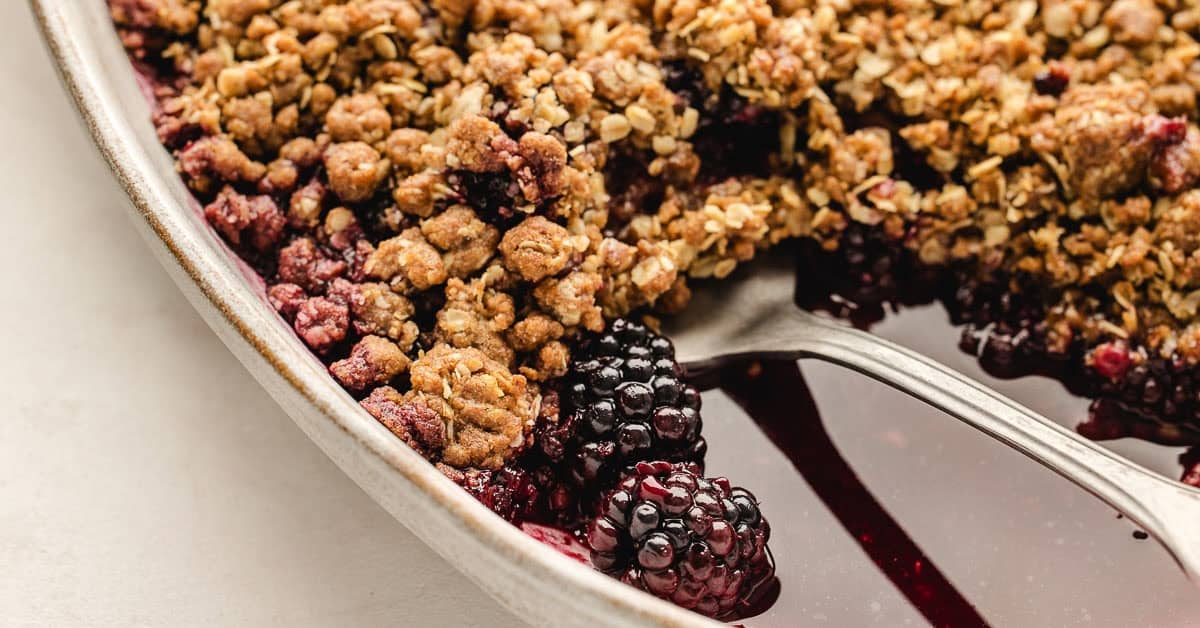
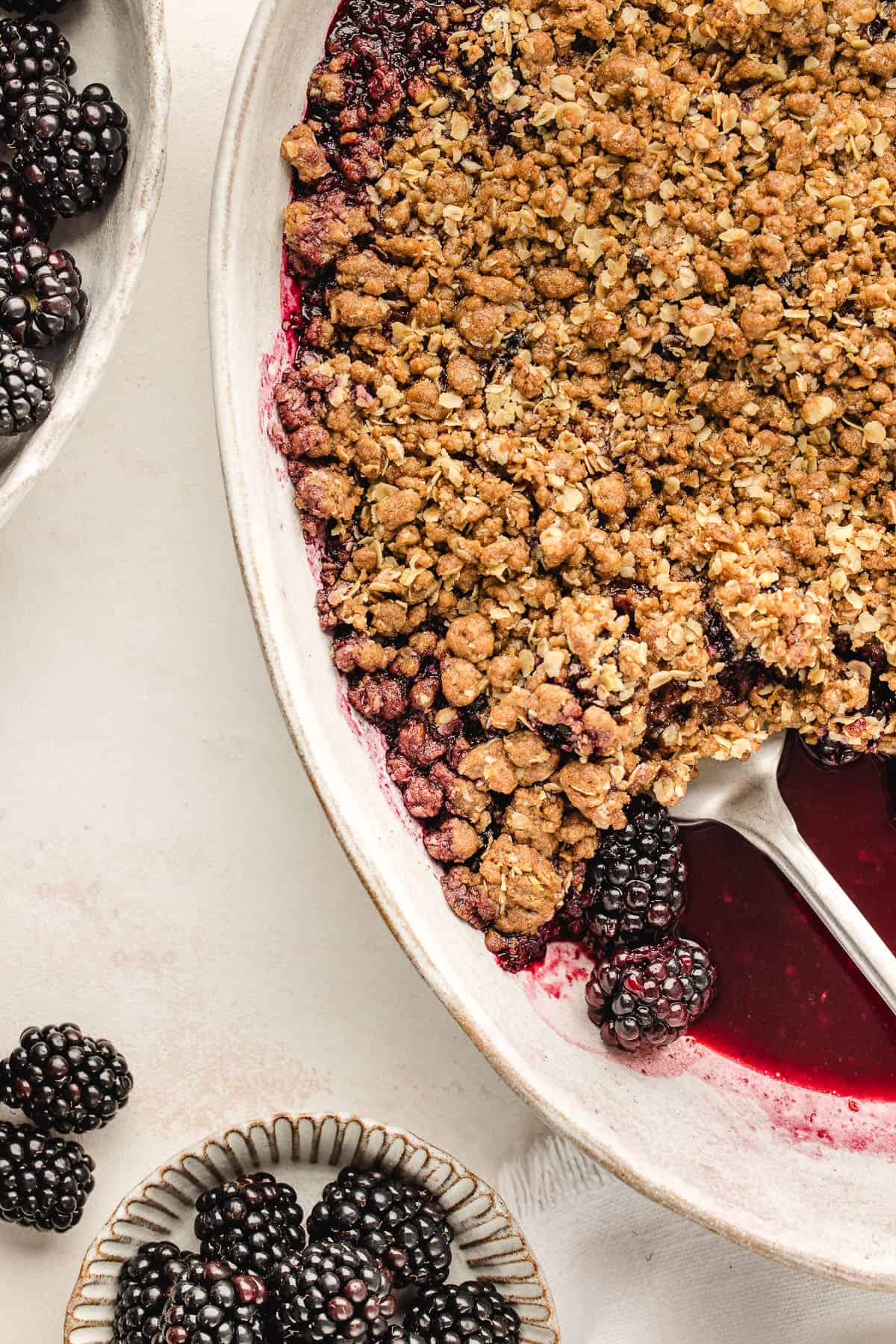
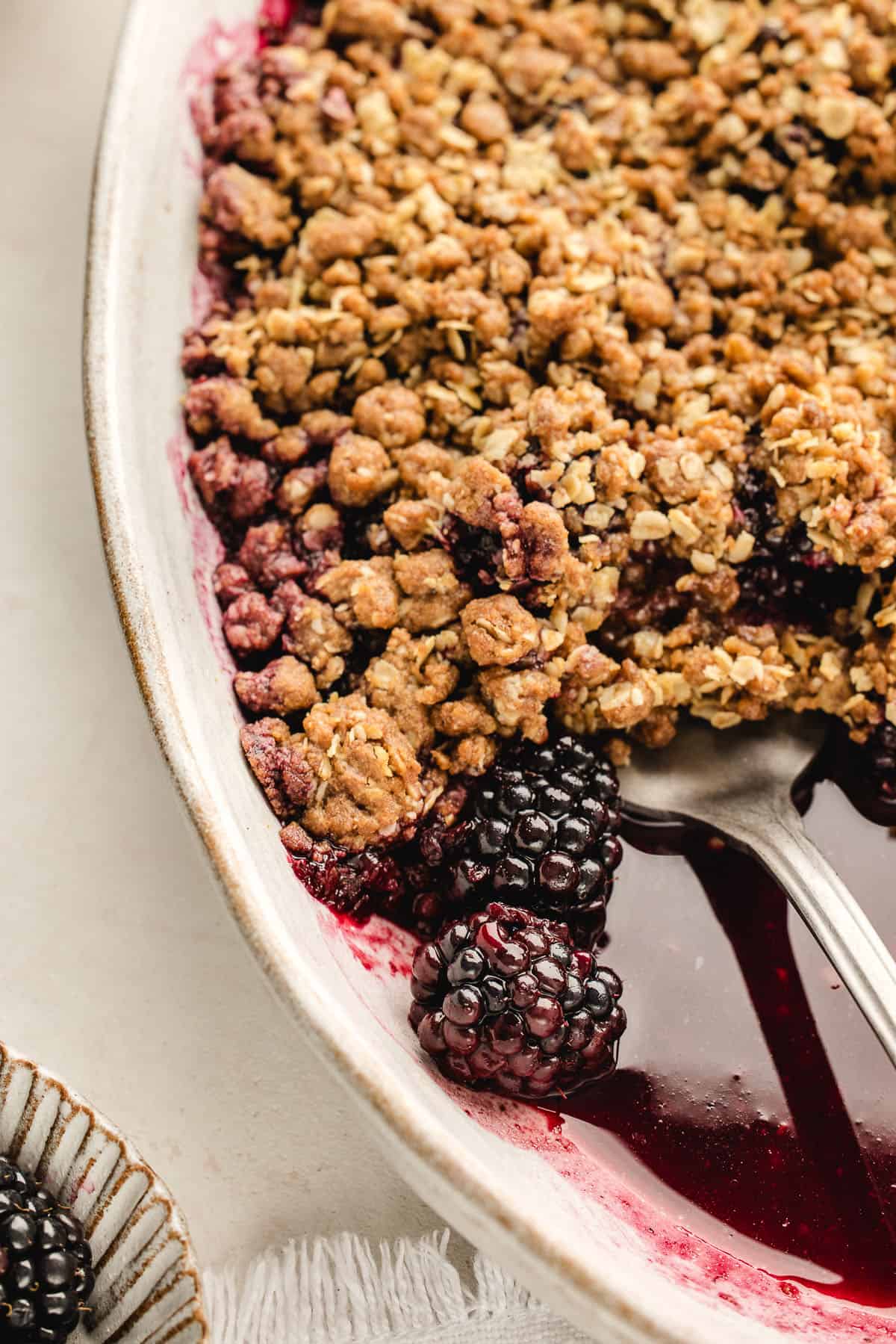
The "crisp," however, is defined by the inclusion of oats in the topping, which provides a distinct mechanical crunch and a nutty flavor profile that complements the softness of the fruit. Chemically, the crisp relies on the interaction between cold fats (butter) and starches (flour and oats). When subjected to heat, the water in the butter evaporates, creating steam pockets that lift the topping, while the sugars undergo caramelization. The addition of cornstarch or arrowroot powder to the berry base serves as a thickening agent, reacting with the fruit’s released juices to create a stable, syrupy consistency that prevents the topping from becoming soggy.
Standardized Protocol for Blackberry Crisp Preparation
The production of a professional-grade blackberry crisp requires adherence to specific thermal and mechanical steps. The following protocol outlines the process using standard industry measurements.
I. Ingredient Specifications and Sourcing
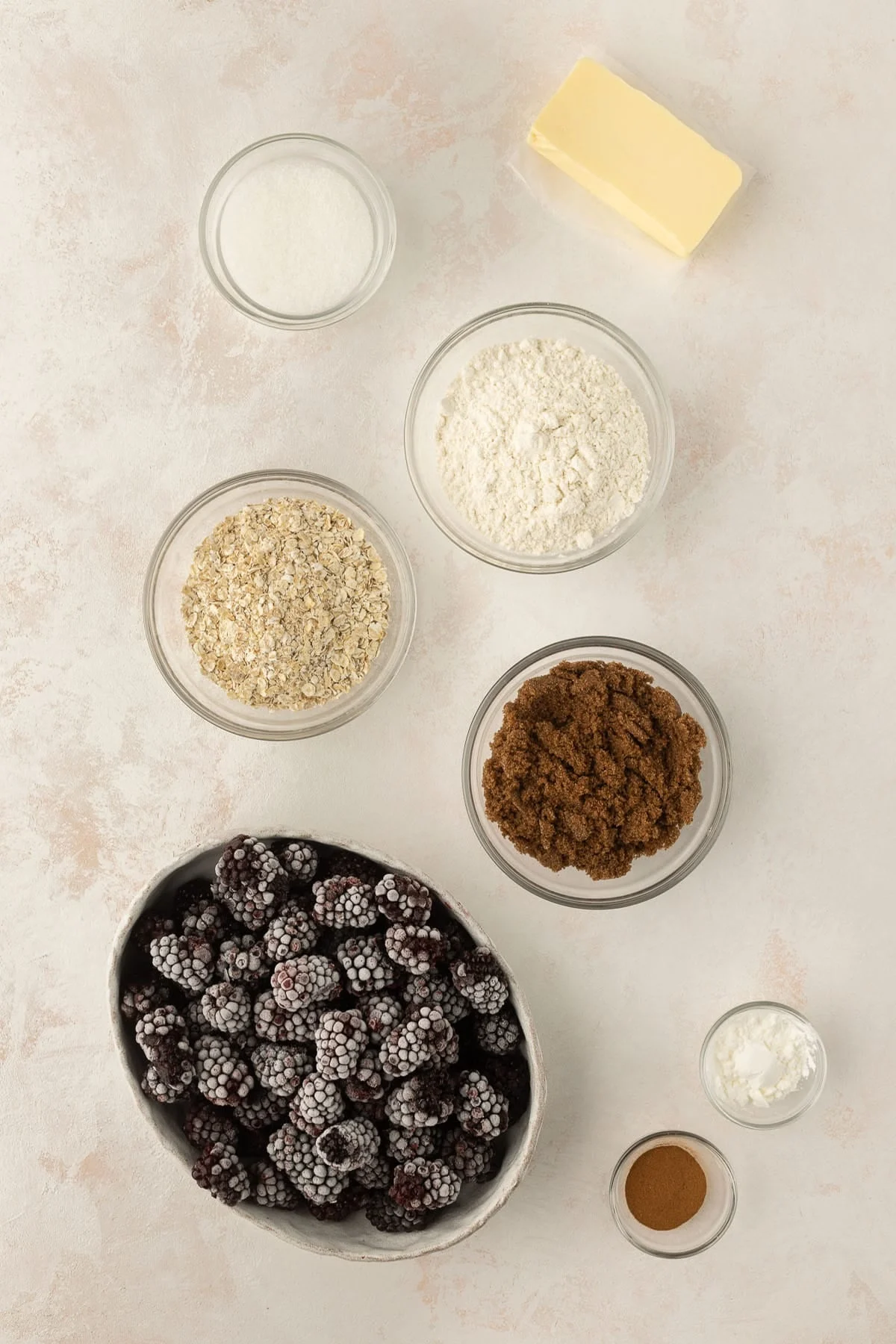
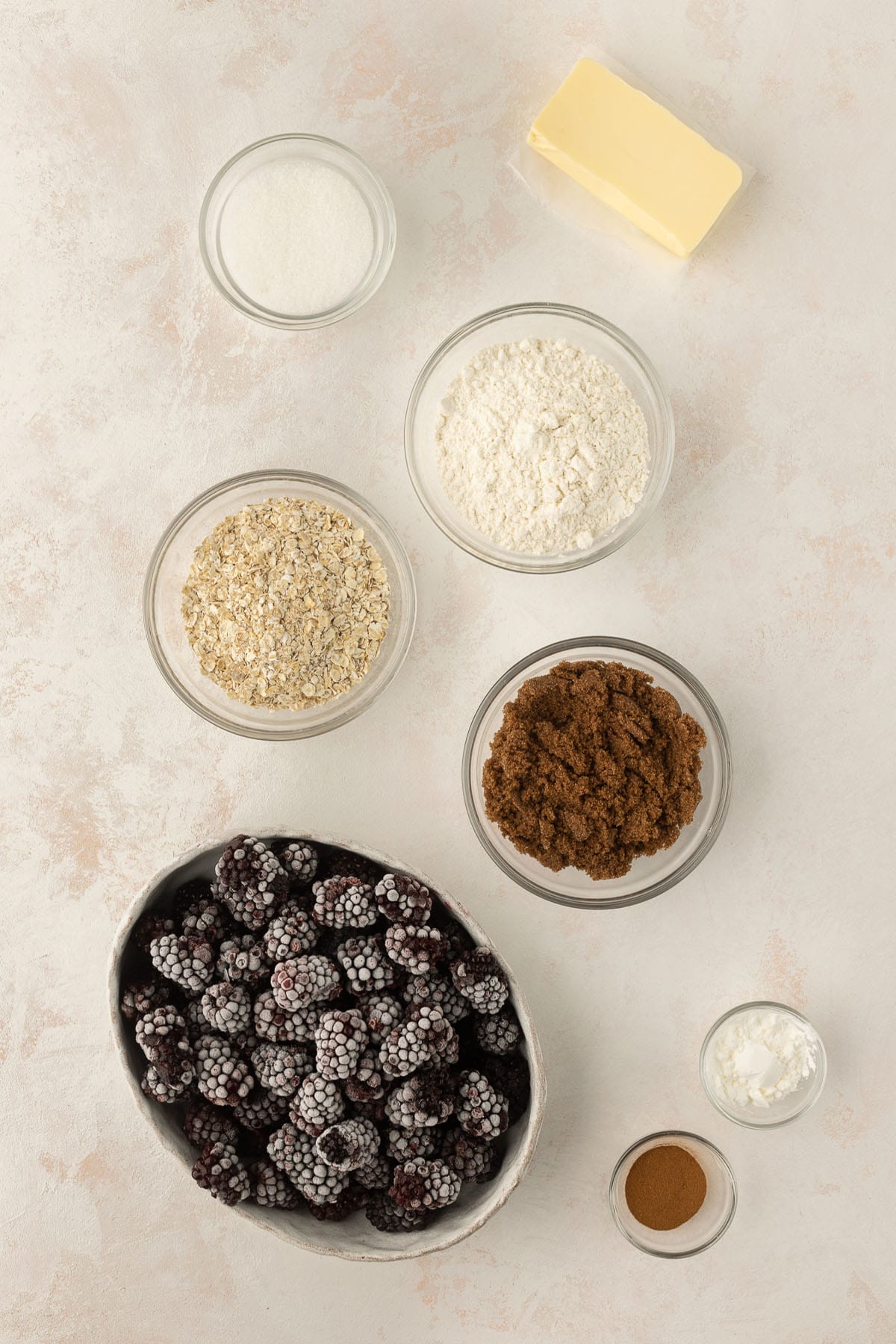
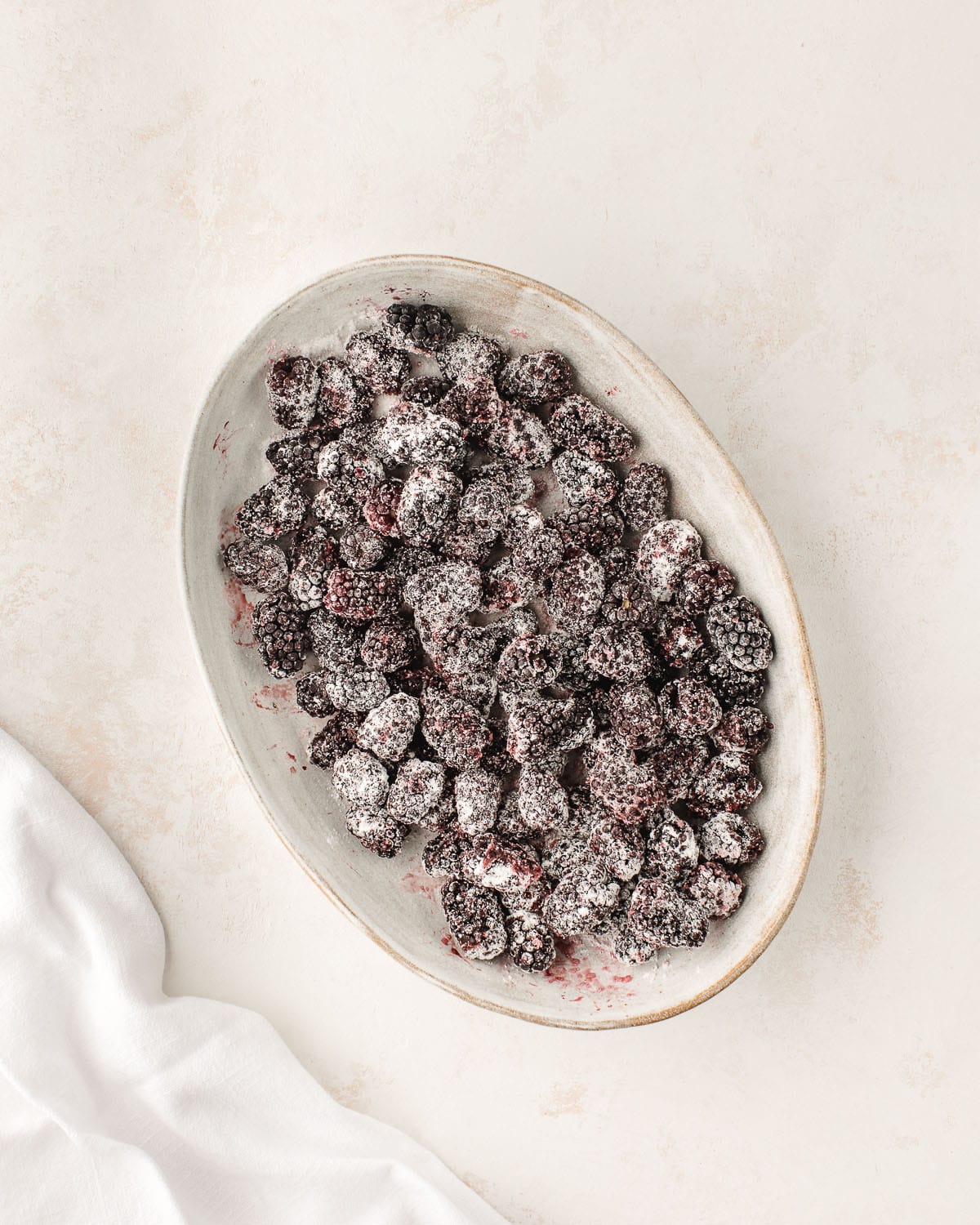
The base of the crisp requires 24 ounces of blackberries. While fresh berries are preferred for their structural integrity, frozen berries are a viable alternative provided they are handled correctly. Technical analysis shows that frozen berries release more moisture upon thawing; therefore, they should be used in their frozen state to allow for a gradual release of juice during the baking process.
II. The Thickening Agent and Sweetener Base
The berries are combined with a mixture of organic cane sugar and a starch-based thickener. Organic cornstarch is the industry standard for achieving a clear, glossy finish, though arrowroot powder is utilized in specialized diets. This mixture ensures that the final product maintains a cohesive texture rather than a watery one.
III. Topping Synthesis
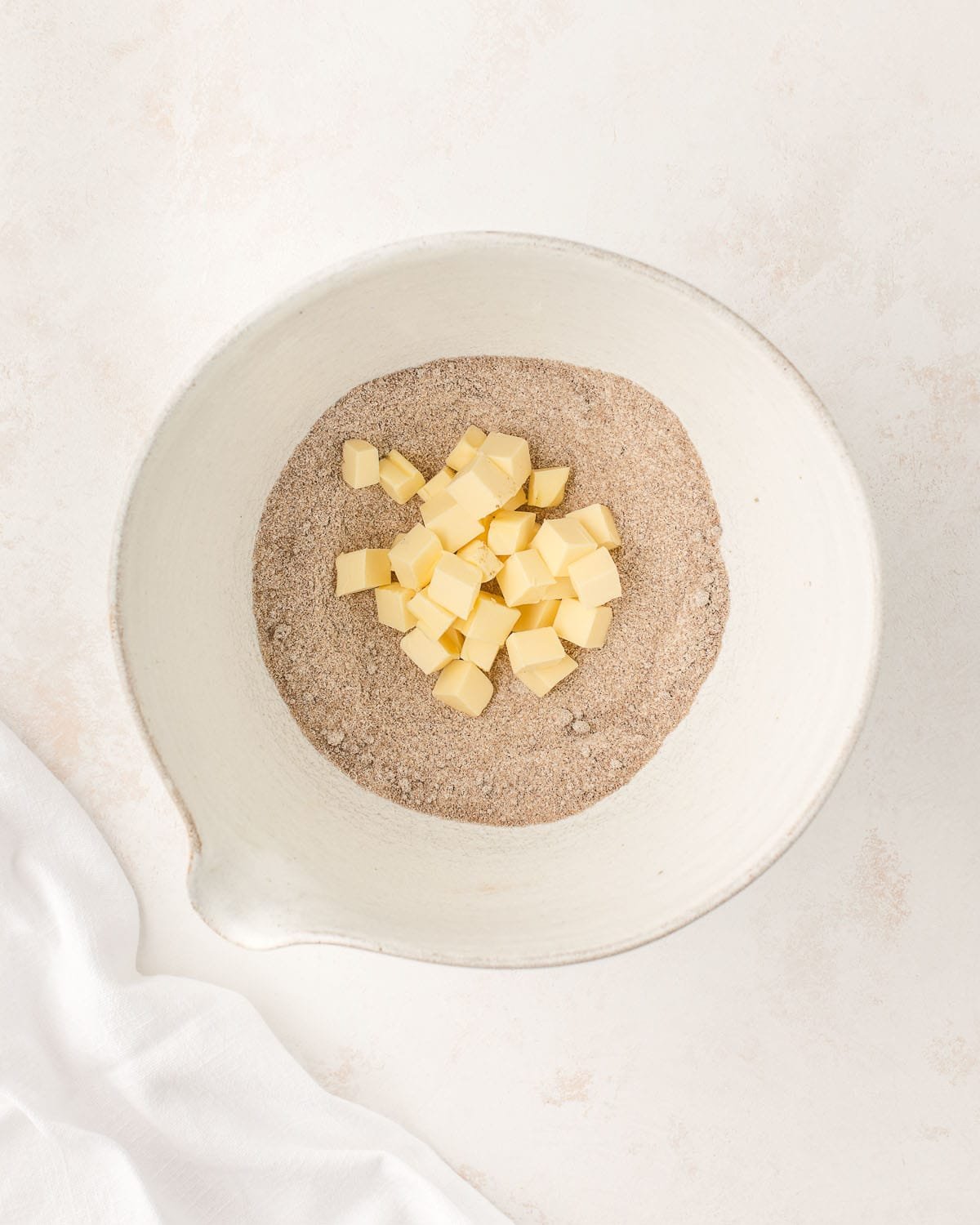
The topping is a composite of all-purpose flour, dark brown sugar, ground cinnamon, and old-fashioned rolled oats. The choice of old-fashioned oats over quick-cooking oats is critical; the former retains its fibrous structure under high heat, whereas the latter tends to disintegrate, compromising the "crisp" nature of the dish. Cold, cubed butter is integrated using a method known as "rubbing in," where the fat is coated in flour to prevent premature melting, ensuring a flaky, crumbly texture.
IV. Thermal Processing
The assembly is baked at a regulated temperature of 350°F (175°C) for approximately 35 minutes. This duration is calculated to ensure the internal fruit temperature reaches a point where the starches gelatinize, while the exterior topping achieves a golden-brown hue through the Maillard reaction.
Chronology of the Seasonal Baking Cycle
The preparation of a blackberry crisp is often the culmination of a multi-day or multi-step seasonal cycle:
- The Foraging Phase: Occurs during the "golden hour" of late summer evenings when temperatures drop, making the harvest of wild brambles more manageable.
- The Processing Phase: Berries are cleaned, sorted for ripeness, and either utilized immediately or flash-frozen for long-term storage.
- The Culinary Execution: The assembly and baking of the crisp, often timed to coincide with social gatherings or evening meals.
- The Preservation Phase: Leftovers are stored in airtight containers at 40°F (4°C), where the structure remains viable for up to five days.
Expert Reactions and Culinary Implications
Chef and food historians suggest that the blackberry crisp represents a form of "culinary nostalgia" that serves a functional role in modern society. "The crisp is an egalitarian dessert," states one culinary analyst. "It requires no specialized pastry skills, yet it relies on a sophisticated understanding of seasonal availability and texture. It is a bridge between the wild landscape and the domestic kitchen."
Nutritionists also point out that the inclusion of oats and whole fruit provides a higher fiber content than traditional cakes or pies, making it a "slower-energy" dessert. This aligns with broader health trends that favor "functional treats"—desserts that offer some nutritional density alongside caloric intake.
Economic and Environmental Impact
The reliance on foraged or locally grown blackberries has broader implications for sustainable food systems. By utilizing wild-growing species, consumers reduce the carbon footprint associated with long-distance agricultural transport. Furthermore, the ability to freeze blackberries for off-season use promotes a "zero-waste" philosophy, allowing for the consumption of summer produce during the winter months without relying on greenhouse-grown imports.
In regions where blackberries are considered invasive species, such as parts of the Pacific Northwest, the heavy harvesting of the fruit for culinary use acts as a form of informal biological control, encouraging the management of these plants through consumption rather than chemical eradication.
Conclusion: The Enduring Legacy of the Summer Crisp
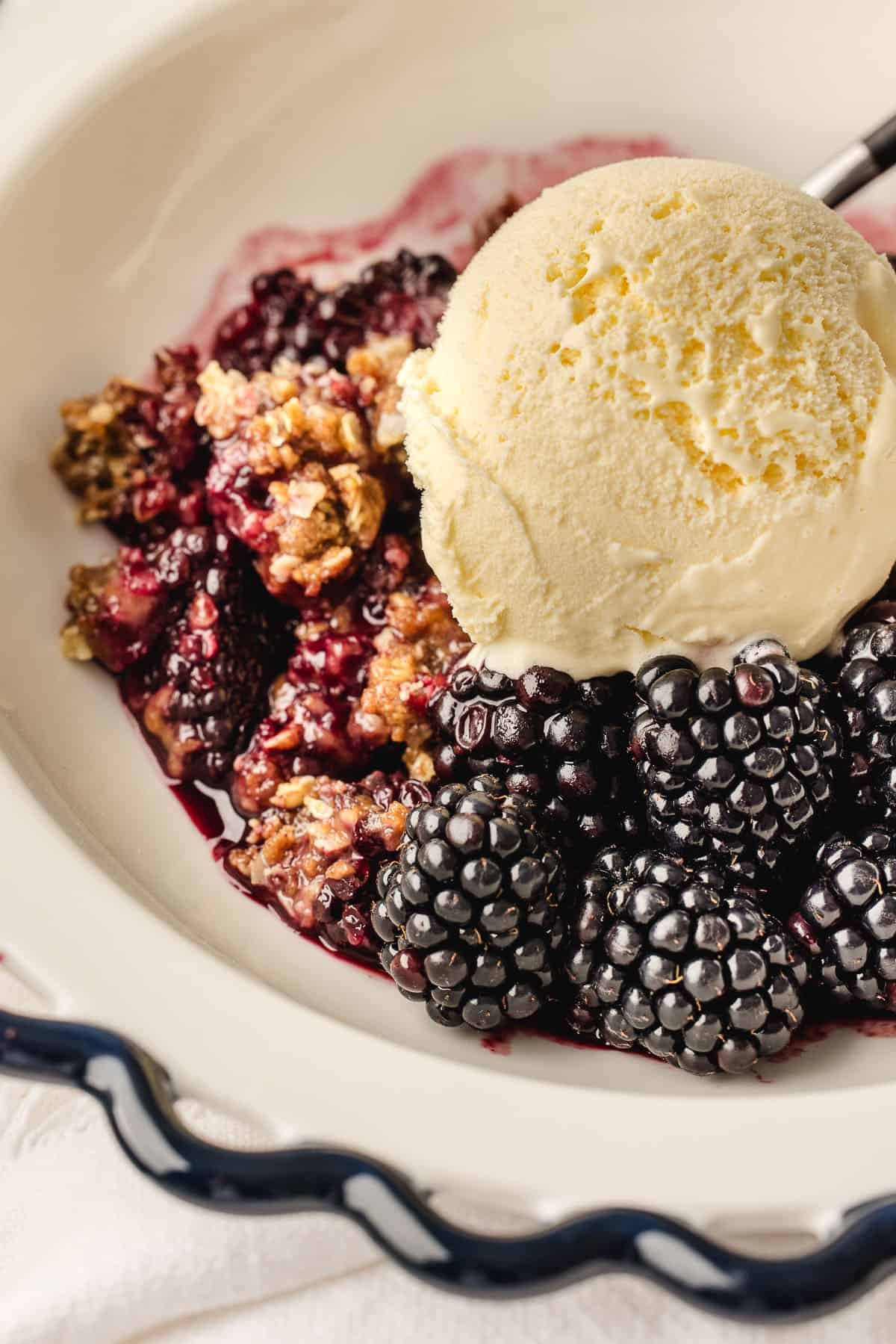
The blackberry crisp remains a cornerstone of the summer season because it encapsulates the duality of the time: it is both simple and complex, rustic and refined. As a culinary object, it serves as a record of the year’s harvest and a testament to the enduring appeal of traditional baking methods. Whether served warm with artisanal vanilla ice cream to create a temperature contrast or consumed chilled as a breakfast alternative, the blackberry crisp stands as a definitive example of how seasonal foraging continues to influence and enrich the modern gastronomic landscape. Its place in the American culinary canon is secure, not just as a recipe, but as a ritual of the summer solstice.