The 2025 holiday retail season has seen a decisive shift toward ethical consumerism, as evidenced by the growing demand for products that align with zero-waste principles and carbon-neutral manufacturing. Market analysts report that sustainable gifting is no longer a niche category but a primary driver of holiday spending, with an estimated 60% of consumers now prioritizing environmental impact when selecting presents for friends and family. This transition reflects a broader societal movement toward the circular economy, where the lifecycle of a product—from raw material extraction to end-of-life disposal—is scrutinized with increasing rigor.
The Evolution of Sustainable Consumerism in 2025
The trajectory of the sustainable gift market has been shaped by nearly a decade of intensifying climate awareness and supply chain transparency. In the early 2020s, "green" products were often marketed as luxury items with premium price points. However, by late 2024 and heading into 2025, a combination of technological advancements in bio-materials and a surge in small-scale ethical manufacturing has democratized access to eco-friendly alternatives.
Data from the Global Sustainability Study indicates that consumers are increasingly wary of "greenwashing"—the practice of making misleading environmental claims. Consequently, the 2025 gift guide focuses on brands and products that provide verifiable data regarding their ecological footprint. This includes certifications such as Global Organic Textile Standard (GOTS), Fair Trade, and B-Corp status, which serve as benchmarks for both environmental and social responsibility.
Foundational Gifts for the Emerging Environmentalist
For individuals beginning their transition toward a zero-waste lifestyle, the 2025 selection emphasizes practical "swaps" that replace high-waste daily items. These gifts serve a dual purpose: they reduce the recipient’s immediate environmental impact and act as educational tools for sustainable living.
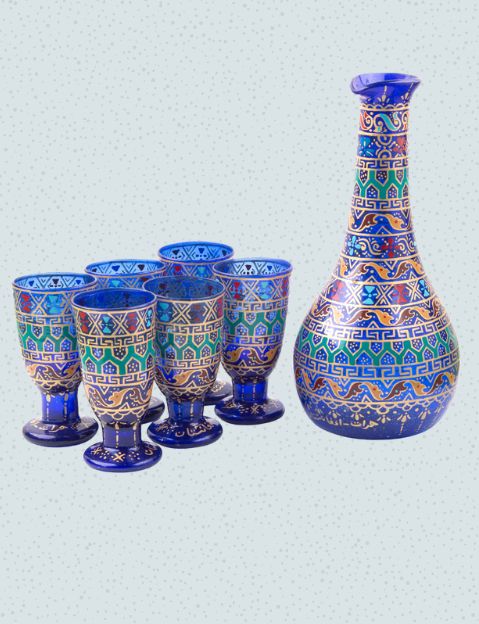
One of the standout entries for 2025 is the Aseel Buy Good Hand-Blown Herati Glassware. This collection represents more than just aesthetic appeal; it is a case study in supporting artisan economies in regions recovering from conflict. Based in Herat, these glassblowers utilize traditional techniques to create durable, reusable tableware. Supporting such initiatives aligns with the United Nations Sustainable Development Goal 8, which promotes decent work and economic growth.
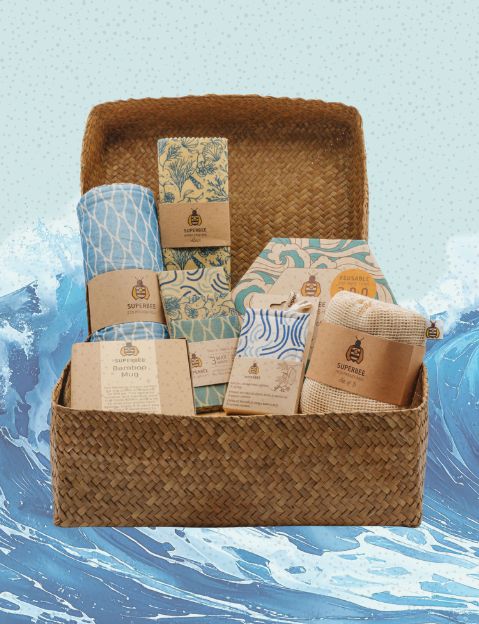
In the realm of kitchen waste reduction, the SuperBee Ocean Action Bundle has emerged as a leader. This set typically includes beeswax wraps—a compostable alternative to plastic cling film—and other reusable storage solutions. According to environmental impact assessments, replacing one roll of plastic wrap with beeswax wraps can prevent approximately 30 square feet of plastic from entering landfills annually.
Furthermore, coffee consumption remains a significant source of waste due to paper filters and plastic components. The Pure Over French Press, constructed from high-quality borosilicate glass, offers a plastic-free brewing experience. By eliminating the need for disposable filters, this product addresses the estimated 750 million paper filters discarded daily in the United States alone.

Sustainable Domesticity and the "Cozy Living" Trend
The concept of "cozy living" has been redefined in 2025 to incorporate wellness and environmental health. This category focuses on products that improve the home environment without introducing volatile organic compounds (VOCs) or microplastics.
Delilah Home has set a high standard for domestic textiles with its organic cotton bath towels. Conventional cotton production is one of the most chemically intensive processes in agriculture; however, organic cotton utilizes 91% less water and zero synthetic pesticides. This makes it a preferred choice for consumers concerned with both skin health and soil preservation.

Similarly, the transition toward non-toxic cookware has seen the Caraway Tea Kettle become a staple of the sustainable kitchen. Traditional non-stick coatings often contain per- and polyfluoroalkyl substances (PFAS), known as "forever chemicals" because they do not break down in the environment. Caraway utilizes a ceramic-based coating that is PTFE-free, ensuring that no harmful fumes are released during heating.
For home fragrance and ambiance, the 2025 guide highlights PF Candle Co. Unlike paraffin candles, which are petroleum-based and can release soot and toxins when burned, these candles utilize 100% domestically grown soy wax. This renewable resource provides a cleaner burn and supports domestic agriculture, reducing the carbon footprint associated with international oil shipping.
The Mobile Environmentalist: Travel and Outdoor Solutions
As global travel rebounds to pre-pandemic levels, the "leave no trace" philosophy has extended into the travel gear sector. The 2025 traveler demands equipment that is both high-performance and low-impact.
The Coalatree Quest Duffle Bag is a primary example of "circular fashion." Many products in this line are manufactured using recycled materials, such as spent coffee grounds and recycled plastic bottles. This process not only diverts waste from landfills but also requires significantly less energy than producing virgin nylon or polyester.

Personal care while traveling often involves miniature plastic bottles that are rarely recycled. To combat this, EcoRoots Shampoo Bars have gained traction. A single bar can replace up to three 250ml plastic bottles of liquid shampoo. When multiplied across millions of travelers, the potential reduction in plastic waste is substantial.
Similarly, the Leaf Shave Razor Kit addresses the 2 billion disposable razors thrown away in the U.S. each year. By utilizing a durable metal handle and replaceable steel blades, the kit offers a lifetime solution to a traditionally "disposable" grooming habit. For minor injuries on the trail, the Patch On-The-Go Travel Kit provides biodegradable bandages made from organic bamboo fiber, ensuring that even medical waste can return to the earth without leaving behind plastic residues.

Economic and Environmental Impact Analysis
The shift toward sustainable gifting carries significant economic implications. The holiday season traditionally accounts for a 25% increase in household waste between Thanksgiving and New Year’s Day, totaling approximately 1 million extra tons of trash per week in the U.S. alone. By opting for consumable, durable, or recycled gifts, consumers are actively mitigating this seasonal spike in landfill contributions.
From an economic perspective, supporting small, ethical businesses like Big Lot Bags or Seaside Naturals fosters a more resilient and diverse marketplace. These companies often operate on shorter supply chains, which are less susceptible to global disruptions and have a lower overall carbon intensity.

Experts in retail psychology suggest that gifting a sustainable item also has a "multiplier effect." A study published in the Journal of Marketing found that when individuals receive an eco-friendly gift, they are 30% more likely to seek out sustainable options for their own future purchases. This suggests that the 2025 Sustainable Gift Guide serves as a catalyst for long-term behavioral change.
Strategic Implementation: Packaging and Logistics
The sustainability of a gift is often undermined by its packaging. In 2025, the "zero-waste" ethos extends to the presentation of the gift itself. Traditional wrapping paper is frequently coated in plastic or contains glitter, making it non-recyclable.

The guide recommends several sustainable wrapping strategies:
- Furoshiki: The Japanese art of fabric wrapping using scarves or scrap cloth.
- Upcycled Materials: Utilizing newsprint, old maps, or brown paper bags decorated with natural elements like dried citrus or twine.
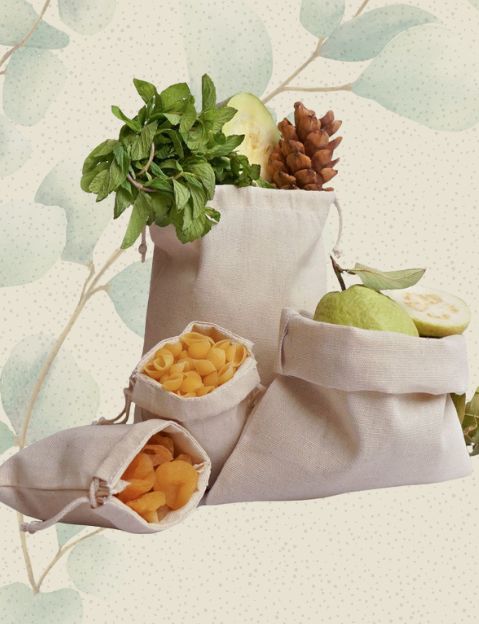
- Reusable Containers: Using the gift itself—such as a muslin bag or a decorative tin—as the packaging.
Logistically, many of the brands mentioned in this guide have implemented carbon-neutral shipping programs. By partnering with organizations that fund reforestation or renewable energy projects, these companies offset the emissions generated during the delivery process. Trees for a Change, for instance, allows gift-givers to plant a tree in a U.S. National Forest in the recipient’s name, providing a gift that literally grows in value and environmental benefit over time.

Conclusion: The Future of Gifting
As the 2025 holiday season concludes, the data suggests that the "green" revolution in retail is permanent. The brands highlighted in this guide represent a new standard of accountability and innovation. Whether through the use of organic fibers, the elimination of single-use plastics, or the support of artisan communities, these gifts reflect a sophisticated understanding of the interconnectedness of global ecosystems.
For the modern consumer, the act of giving has evolved into an act of stewardship. Choosing an eco-friendly gift in 2025 is not merely a personal preference; it is a contribution to a collective effort to preserve natural resources for future generations. As sustainable technology continues to advance, the distinction between a "normal" gift and a "sustainable" gift is expected to disappear, with environmental responsibility becoming the baseline for all global commerce.