The global wellness economy, currently valued at over $5.6 trillion, has seen a significant surge in the sector of traditional and complementary medicine, with home-based herbalism emerging as a primary driver of consumer interest. As the final quarter of the fiscal year approaches, the demand for botanical supplies, educational resources, and apothecary equipment has reached a cyclical peak. This comprehensive guide outlines the essential components for supporting the modern herbalist, ranging from foundational raw materials to sophisticated laboratory equipment and pedagogical tools. The transition toward self-reliant health practices and "clean beauty" has transformed herbalism from a niche hobby into a mainstream lifestyle choice, prompting a robust retail response for the holiday season.

The Evolution of the Modern Apothecary: Market Trends and Consumer Behavior
The resurgence of herbalism is not merely a cultural shift but a measurable economic phenomenon. According to the American Botanical Council’s 2022 Herb Market Report, sales of herbal supplements in the United States alone have consistently surpassed $12 billion annually. This growth is mirrored in the DIY sector, where consumers are increasingly seeking the raw components necessary to manufacture their own tinctures, salves, and infusions. The motivation behind this movement is dual-faceted: a desire for transparency in ingredient sourcing and a resurgence of interest in traditional botanical knowledge.
Historically, the practice of herbalism was passed down through oral tradition and localized apprenticeship. However, the digital era has democratized this information, leading to a high demand for specialized equipment that allows practitioners to replicate professional-grade extractions at home. The holiday season represents a critical period for this demographic, as practitioners look to both replenish their stocks of organic matter and upgrade their processing hardware.
Foundational Requirements: High-Quality Bulk Botanicals
The cornerstone of any herbal practice is the quality of the raw plant material. Industry analysts note that "organic" and "ethically wildcrafted" are no longer optional descriptors but mandatory requirements for the discerning herbalist. Companies such as Mountain Rose Herbs have set the industry standard by providing rigorous testing for purity and potency.
Essential Botanical Stocks
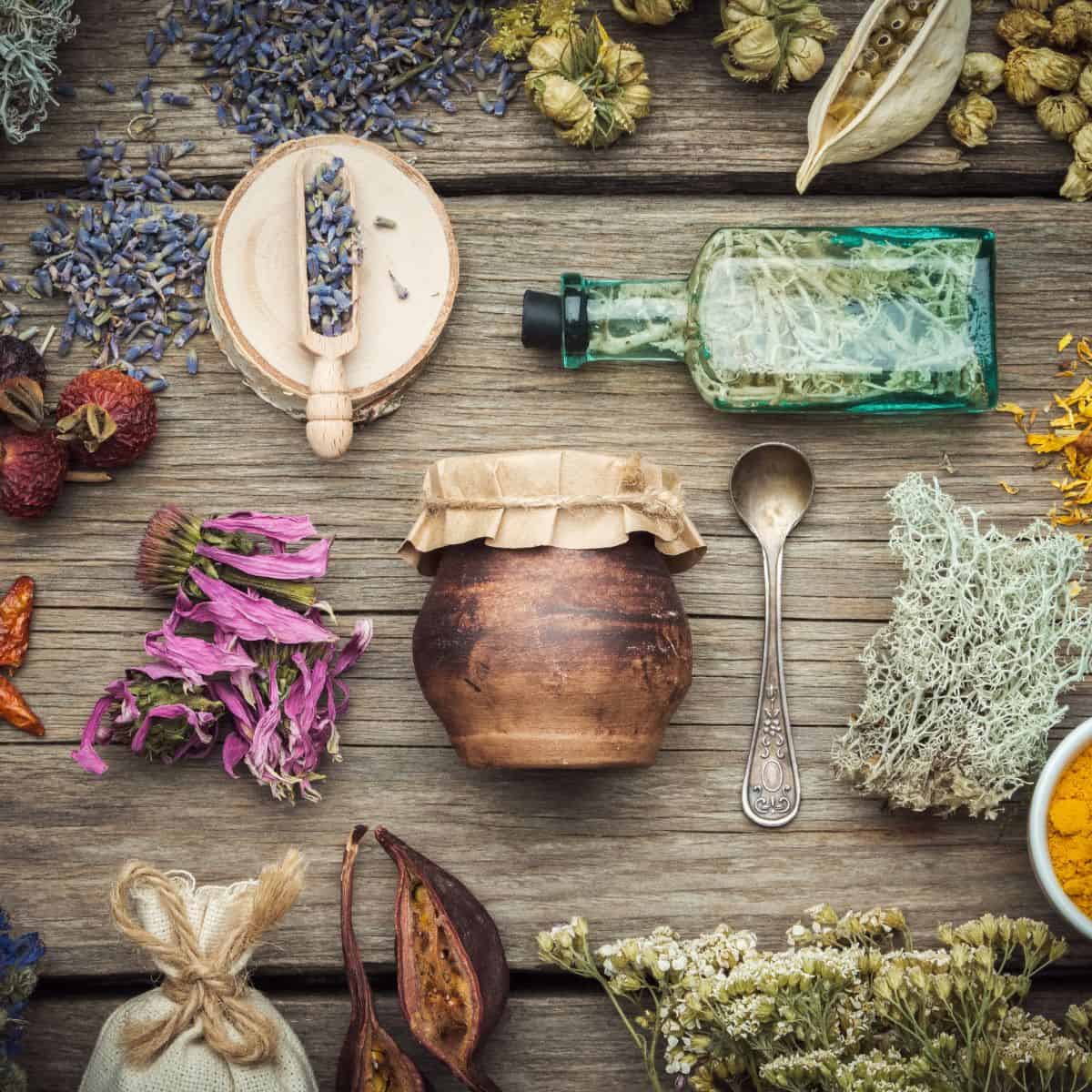
For the aspiring practitioner, a foundational inventory typically includes several versatile species known for their broad range of applications:
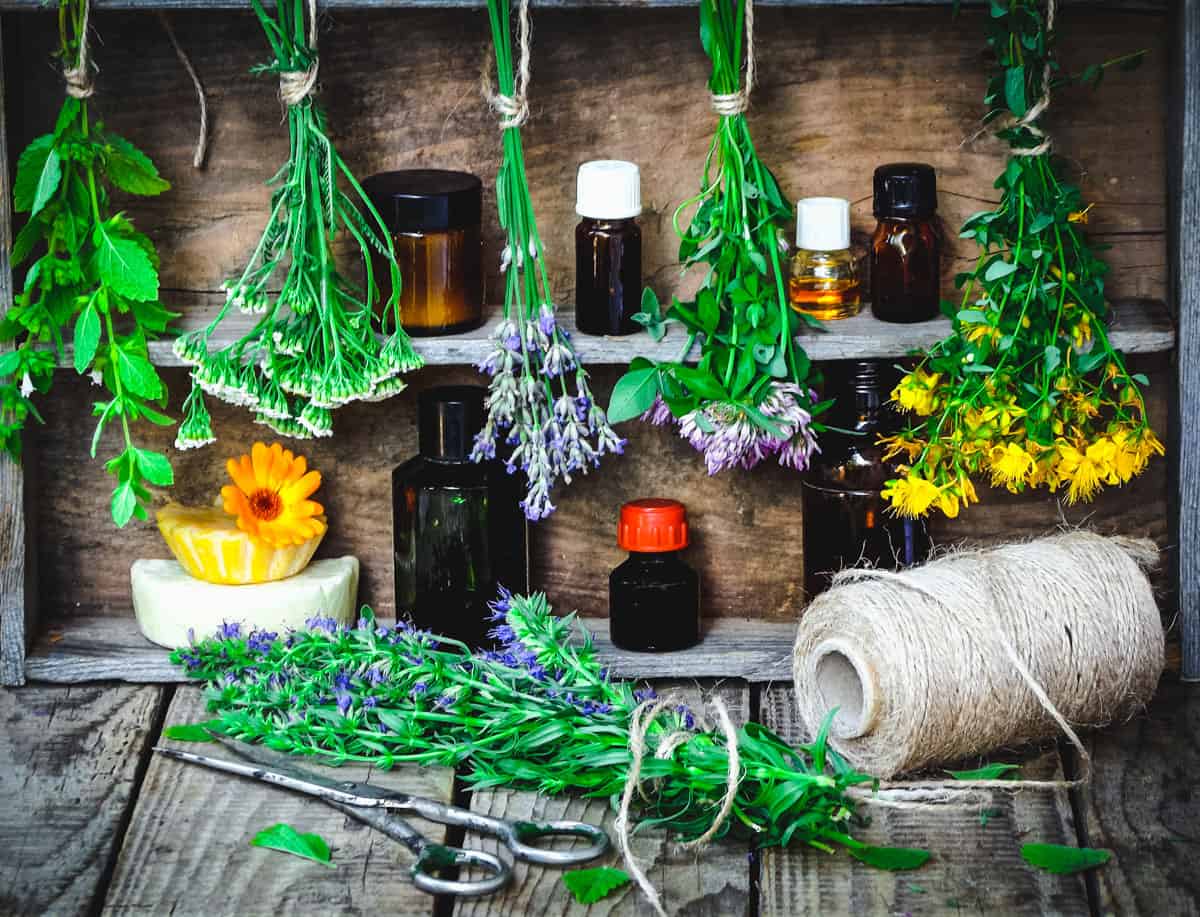
- Calendula (Calendula officinalis): Highly sought after for its dermatological applications and vulnerability to synthetic pesticide contamination, making organic sourcing paramount.
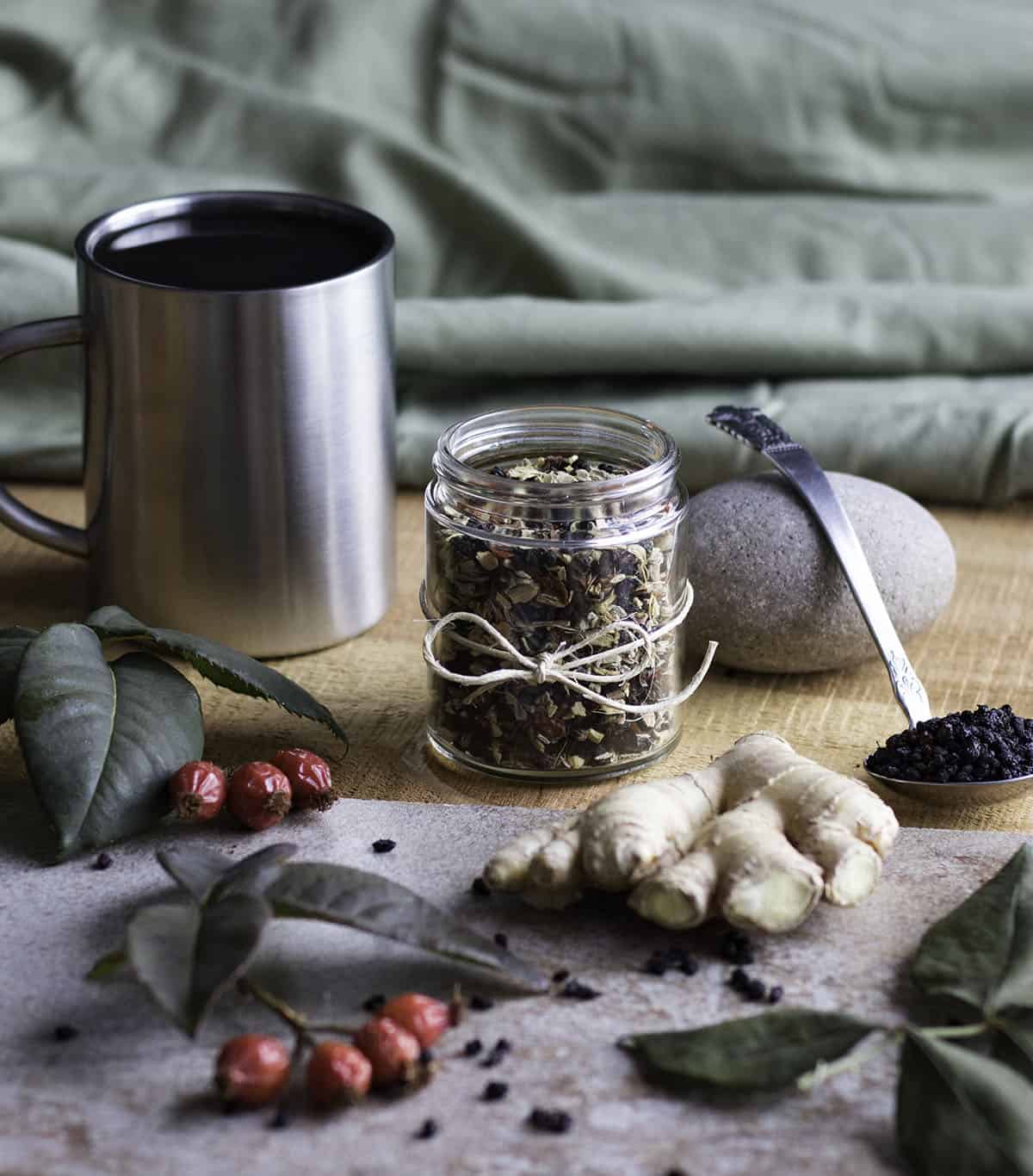
- Elderberry (Sambucus nigra): A staple of the "immune support" market, which sees its highest sales volume during the winter months.
- Lavender (Lavandula angustifolia): A primary aromatic used in both topical formulations and nervous system support.
- Nettle (Urtica dioica): Valued for its high mineral content and use as a nutritive tonic.
The trend toward "Ailment Kits" has also gained traction. These curated collections of herbs are designed to address specific physiological systems, such as digestion, respiratory health, or sleep hygiene. By grouping botanicals like peppermint and ginger for digestion, or valerian and skullcap for relaxation, retailers are catering to the consumer’s need for functional, goal-oriented gifting.
Apothecary Infrastructure: Storage and Processing Equipment
As herbalism moves from simple tea preparation to complex galenical formulation, the need for specialized laboratory-adjacent equipment has increased. The "maker" movement has popularized the use of high-quality glassware, which serves the dual purpose of preservation and aesthetic appeal.
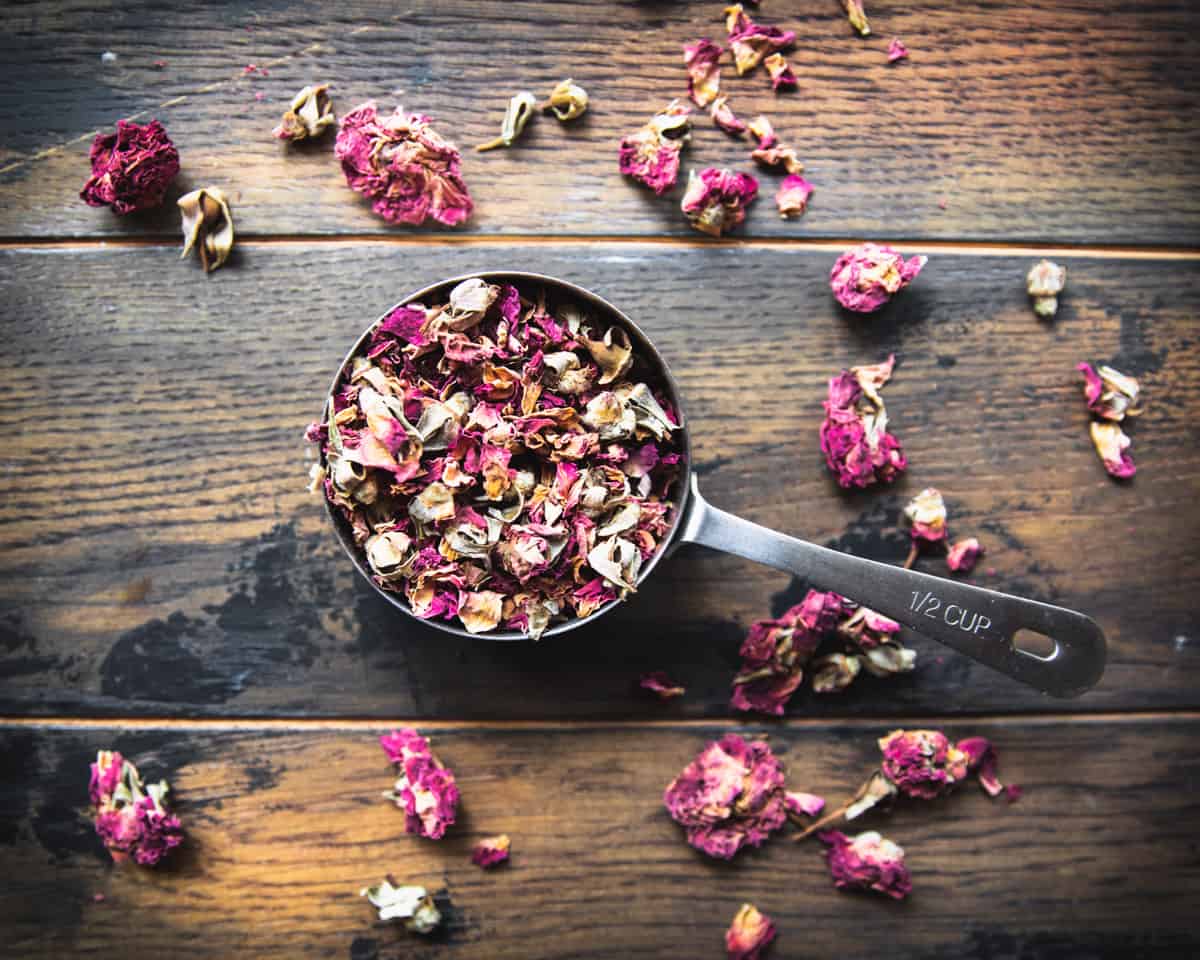
Precision Glassware and Storage Solutions
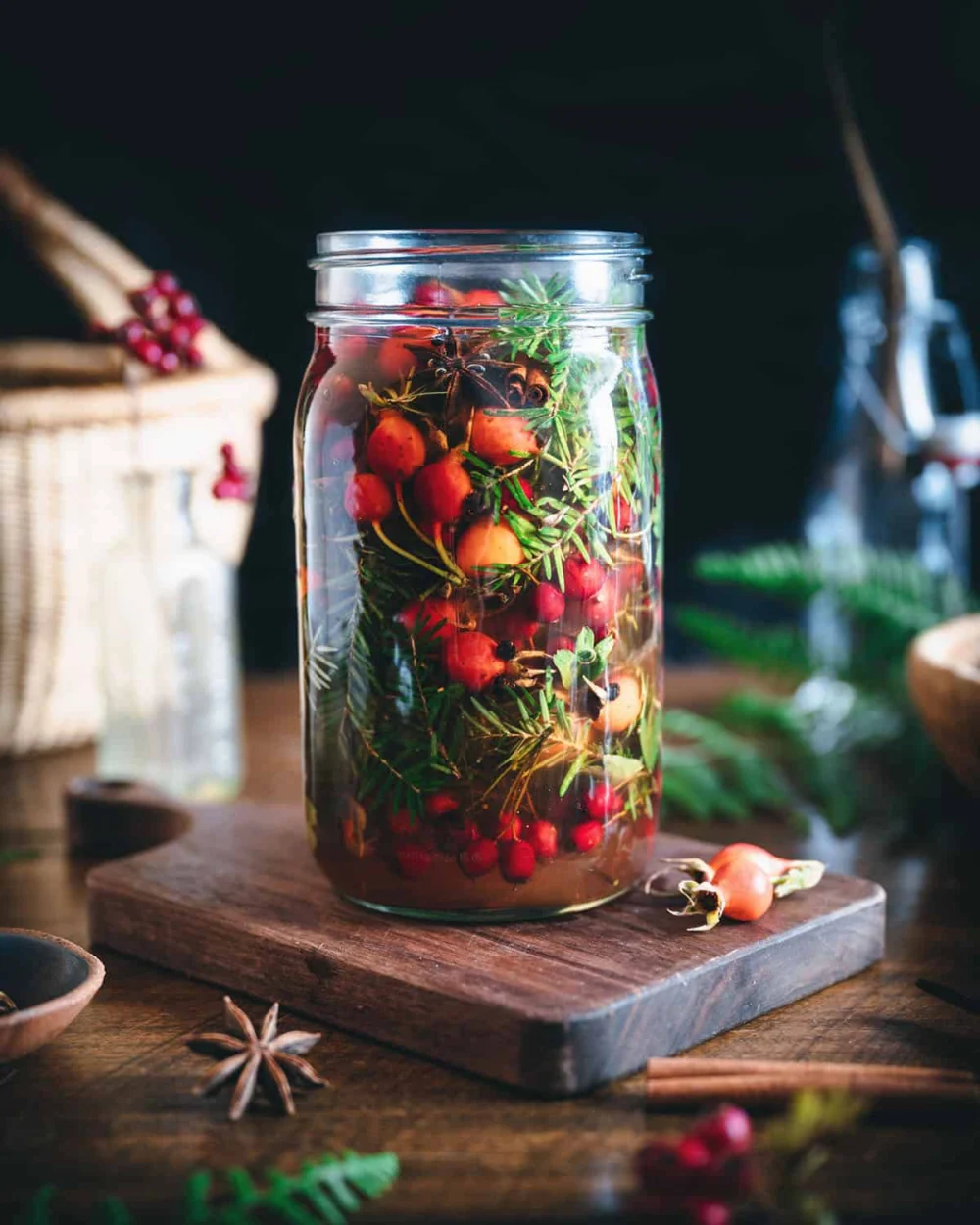
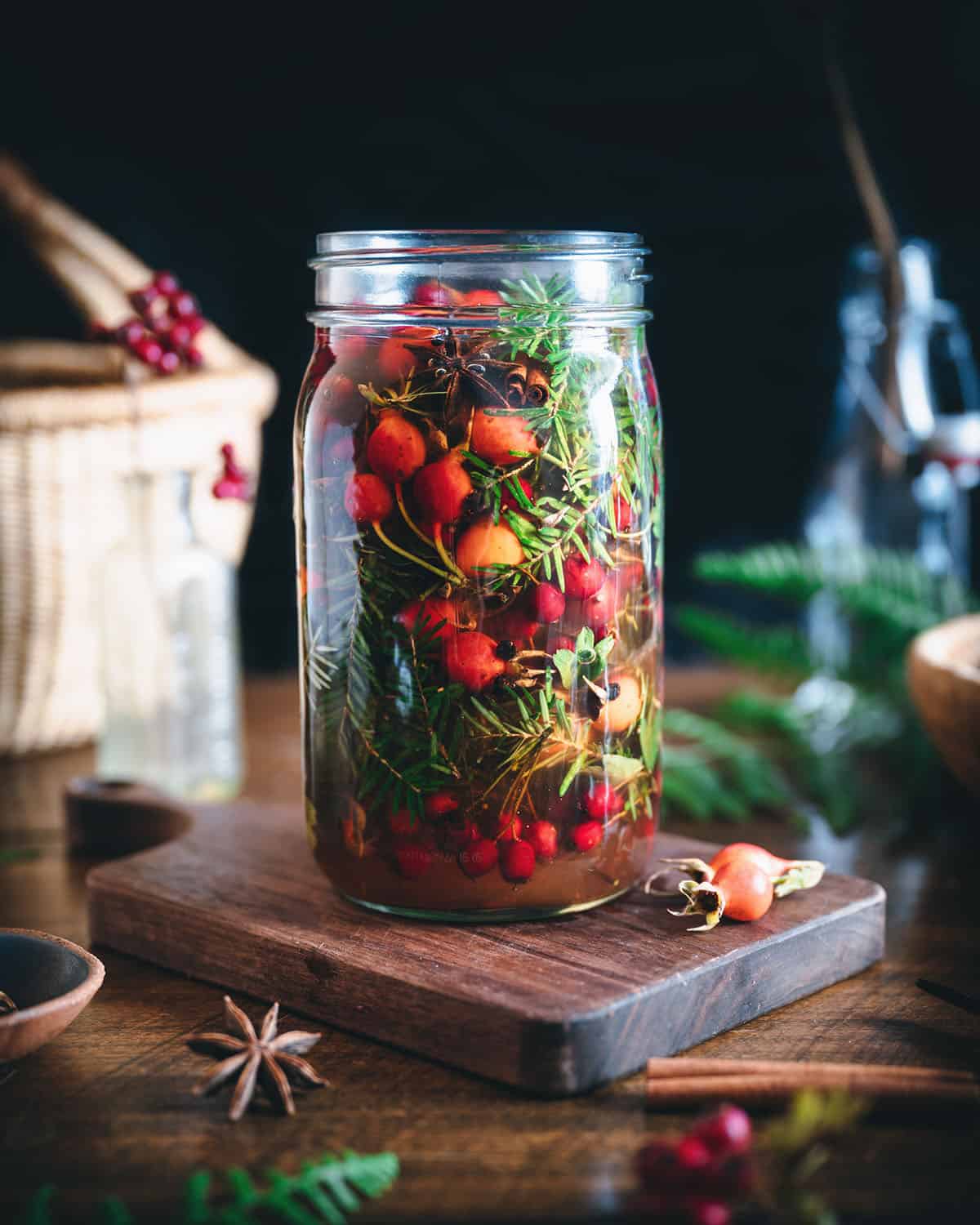
The preservation of volatile oils and active constituents requires specific storage conditions. Mason jars remain the industry standard for infusion, but the introduction of specialized components has improved efficacy:
- Leak-Proof Storage Lids: Traditional two-piece canning lids are prone to corrosion when exposed to the acidic environment of herbal vinegars or the moisture of tinctures. High-quality, BPA-free plastic storage lids have become a preferred alternative for preparations that require frequent agitation.
- Amber Glass Tincture Bottles: UV protection is critical for the long-term stability of ethanol-based extracts. Sets of one-ounce and two-ounce "Boston Round" bottles equipped with glass droppers are essential for the accurate dosing of finished products.
- Artisanal Vessels: For syrups and elixirs, there is a growing market for aesthetically pleasing glassware, including spherical and square bottles with natural cork closures, which elevate the presentation of homemade remedies.
Filtration and Transfer Tools
Efficiency in the herbal laboratory is often determined by the quality of the filtration system. Stainless steel fine-mesh strainers and graduated funnel sets are vital for ensuring the clarity of oils and tinctures. The shift away from plastic toward stainless steel reflects a broader industry commitment to reducing endocrine-disrupting leachable materials in health products.
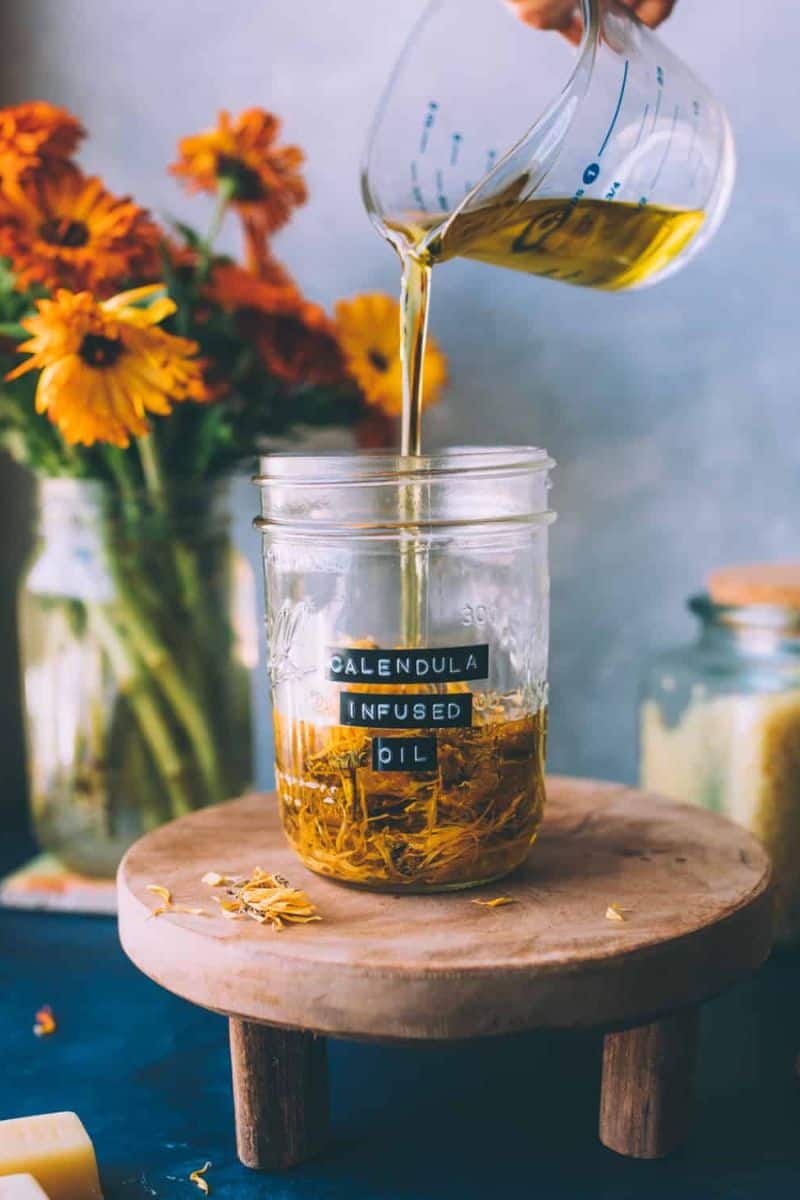
The Ritual of Infusion: Tea Culture and Technology
Herbal tea remains the most accessible entry point for botanical medicine. However, the modern tea consumer is increasingly wary of the environmental and health impacts of traditional tea bags, many of which contain polypropylene plastics. This has led to a significant increase in the sales of loose-leaf tea accessories.
Advanced Brewing Hardware
- Borosilicate Glass Teapots: These allow the practitioner to observe the "agony of the leaves"—the process of rehydration and color extraction—which is both a functional and meditative aspect of herbalism.
- Cast Iron (Tetsubin) Vessels: Valued for their superior heat retention, these are ideal for long-decoction roots and barks.
- Infuser Technology: The market has seen a diversification in infuser designs, from stainless steel baskets that fit standard mugs to ceramic infuser mugs that provide an all-in-one solution for the office or home environment.
Formulation Raw Materials: The "Clean Beauty" Influence
A significant subset of herbalists focuses primarily on topical applications, contributing to the "clean beauty" movement. This requires a different set of raw materials, primarily lipids and waxes used as carriers for botanical extracts.
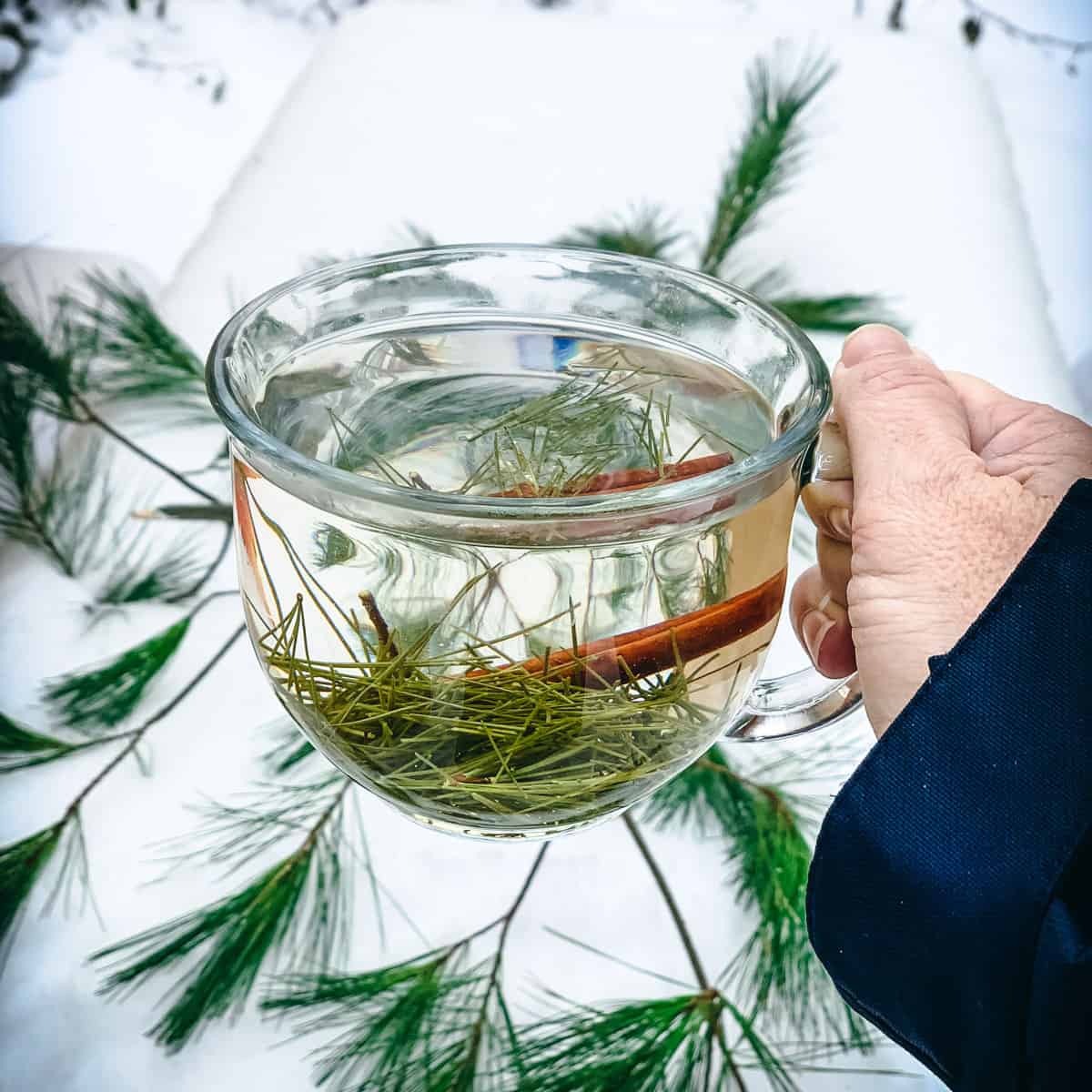
Lipid Carriers and Texturizers
The quality of a salve or body butter is dependent on its base. The most requested supplies in this category include:
- Beeswax: Preferentially sourced as "cappings" or filtered pellets, beeswax provides the structural integrity for balms and lip products.
- Carrier Oils: Cold-pressed organic oils such as Jojoba, Sweet Almond, and Avocado oil are favored for their shelf stability and skin-penetration profiles.
- Essential Oils: While used sparingly in traditional herbalism, high-purity essential oils are a staple for scenting and enhancing the therapeutic properties of topicals.
Pedagogical Resources: Literature and Continuing Education
As the legal and safety landscape of herbalism becomes more complex, formal education has become a priority for many practitioners. The "gift of knowledge" through online courses and reference literature is a significant trend in the Q4 educational market.
Online Educational Platforms
Institutions such as The Herbal Academy have pioneered the digital delivery of botanical education. Their curriculum ranges from introductory "Pathfinder" courses to advanced clinical programs. These courses often include high-production-value video content, downloadable monographs, and community forums, providing a structured environment for learning that was previously difficult to access.
Essential Literature
Despite the rise of digital media, the "herbal library" remains a point of pride and a necessary reference for practitioners. Key texts that have shaped the modern landscape include:
- "Healing Herbal Infusions" by Colleen Codekas: A modern classic that focuses on practical, accessible recipes for the home apothecary.
- "The Herbal Medicine-Maker’s Handbook" by James Green: A foundational text for those interested in the technical aspects of pharmacy and extraction.
- "Alchemy of Herbs" by Rosalee de la Forêt: A popular resource that connects common kitchen spices to therapeutic applications.
- "Botanical Skin Care Recipe Book": A specialized resource for the formulation of high-end natural cosmetics.
Broader Impact and Industry Implications
The growth of the herbal gift market reflects a deeper societal shift toward "slow medicine" and environmental stewardship. By choosing to create or purchase artisanal herbal products, consumers are supporting a decentralized economy that prioritizes sustainability and biodiversity.
From a journalistic perspective, the "Herbalist Gift Guide" is more than a list of consumer goods; it is a roadmap of a burgeoning industry that bridges the gap between ancient tradition and modern science. As more individuals seek to integrate botanical wisdom into their daily lives, the demand for high-quality supplies, rigorous education, and ethically sourced materials is expected to continue its upward trajectory well beyond the holiday season. The professionalization of the home apothecary is a testament to the enduring relevance of plant-based medicine in the 21st century.