
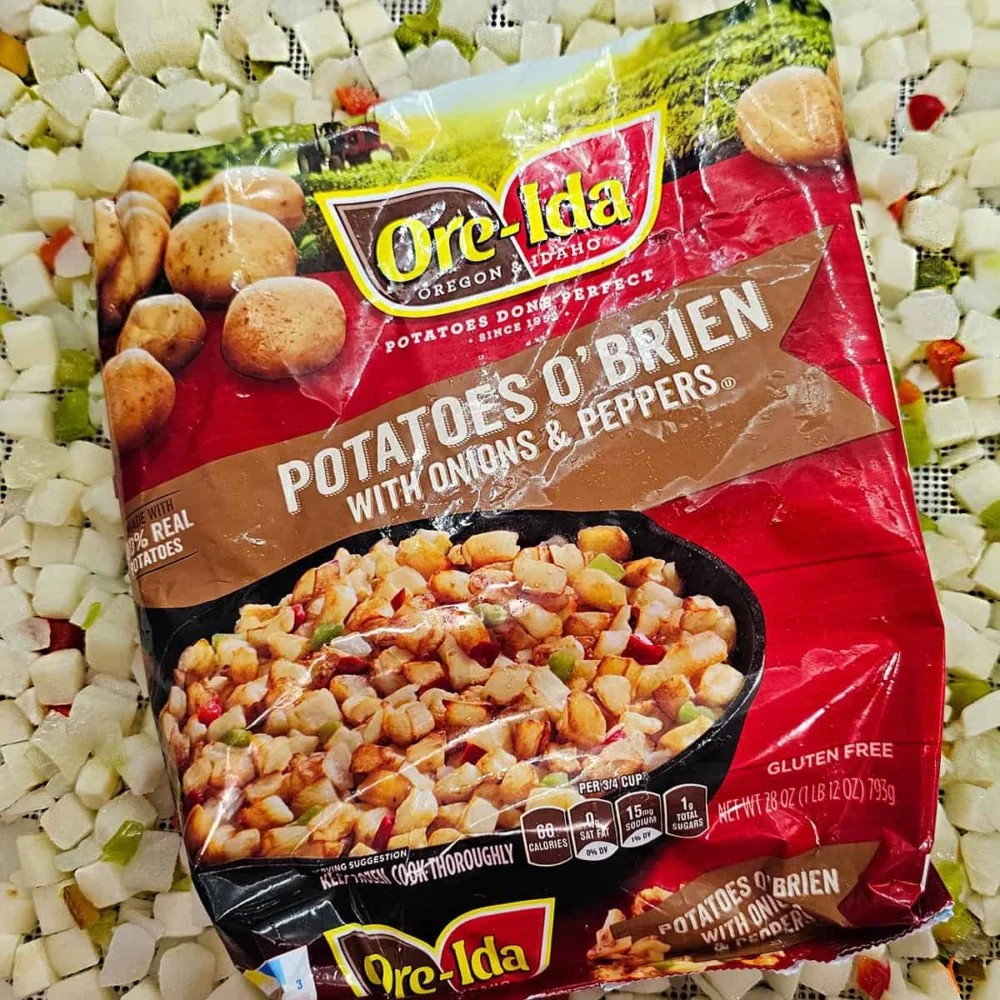
The practice of food preservation has seen a significant resurgence as households seek to mitigate the impact of rising grocery costs and improve food security through the development of robust home pantries. Among the most efficient methods for maximizing storage capacity is the dehydration of pre-processed frozen goods, specifically frozen potato products such as Potatoes O’Brien. This method transforms perishable, energy-dependent frozen items into shelf-stable staples, effectively reclaiming valuable freezer space while maintaining the nutritional integrity and culinary versatility of the produce. By leveraging the fact that commercial frozen potatoes are already blanched and diced, home preservationists can bypass the most labor-intensive stages of traditional dehydration, creating a streamlined path toward a more resilient food supply.
The Strategic Shift from Freezer to Pantry
The primary motivation for dehydrating frozen potatoes lies in the optimization of storage logistics. Modern residential freezers are often limited in volume, and storing bulky bags of frozen vegetables can lead to inefficiencies, particularly when prioritizing items that cannot be easily made shelf-stable, such as meats or dairy products. Dehydration offers a solution by reducing the volume of the product by approximately 70% to 80%. A standard two-pound bag of frozen diced potatoes, which occupies significant cubic footage in a freezer, can be reduced to a single quart-sized glass jar once the moisture is removed.
Furthermore, the transition to shelf-stable storage serves as a safeguard against power outages. Frozen inventories are highly vulnerable to grid instability; a prolonged loss of electricity can result in hundreds of dollars of food waste within 48 to 72 hours. In contrast, dehydrated potatoes stored in airtight containers are immune to temperature fluctuations, ensuring that the caloric and nutritional value remains available regardless of the operational status of the home’s appliances.
Technical Advantages of Using Frozen Pre-Processed Potatoes
One of the most significant barriers to successful home potato dehydration is the enzyme-driven oxidation process. When raw potatoes are exposed to air, they quickly turn brown or black due to the reaction of polyphenol oxidase. To prevent this in traditional dehydration, raw potatoes must be meticulously peeled, sliced, and then blanched in boiling water to "set" the starch and deactivate these enzymes.
Frozen potato products, such as Potatoes O’Brien—a blend of diced potatoes, onions, and peppers—undergo commercial blanching before they are flash-frozen. This industrial processing ensures that the potatoes will not discolor during the dehydration cycle or subsequent storage. Because the labor of peeling, uniform dicing, and blanching has already been completed by the manufacturer, the home cook is presented with a "ready-to-dry" product. This significantly reduces the preparation time from hours to mere minutes, as the potatoes can be moved directly from the freezer bag to the dehydrator trays without the need for thawing.
Chronology of the Dehydration Process
The process of converting frozen potatoes into a shelf-stable format follows a specific technical timeline to ensure safety and quality.
Preparation and Tray Loading
The process begins with the selection of the product. While Potatoes O’Brien are ideal due to the inclusion of aromatic vegetables, plain diced hash browns or shredded varieties are also suitable. It is critical to avoid frozen potato products that contain high amounts of added fats or oils, such as seasoned fries or tater tots, as fats do not dehydrate and can lead to rancidity in storage.
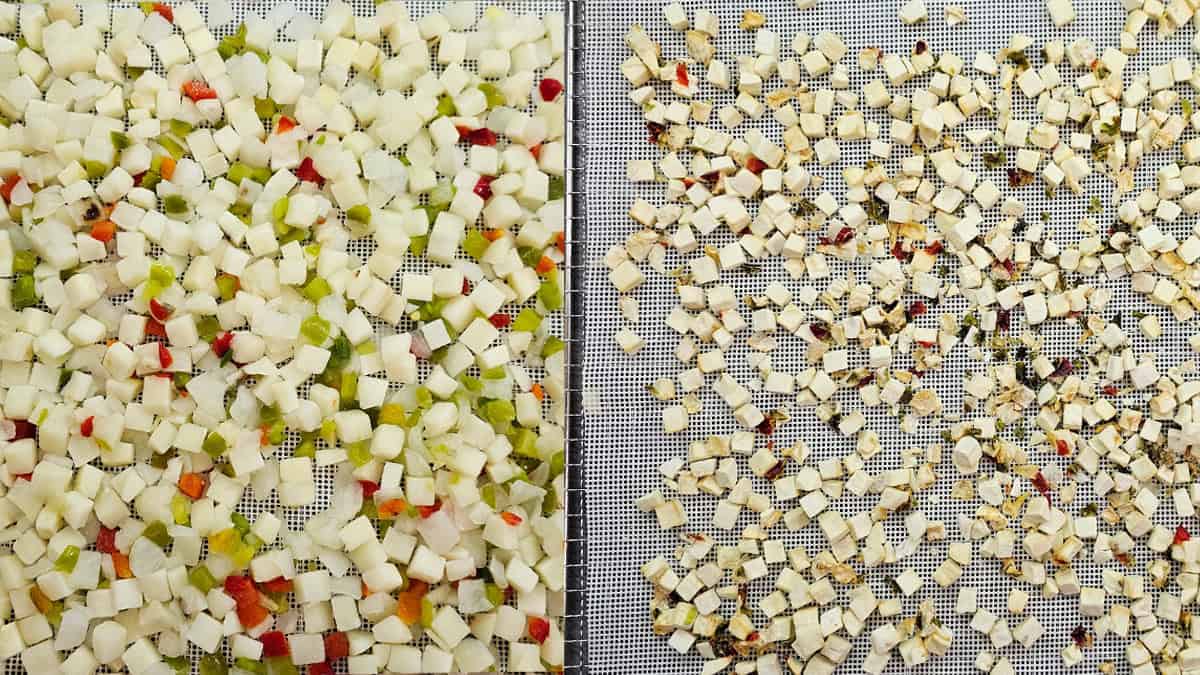
The frozen pieces are spread in a single layer across the dehydrator trays. While a slight overlap is permissible initially, as the potatoes lose moisture and shrink, air circulation will improve. Using mesh tray liners is recommended to prevent smaller pieces from falling through the grates as they contract.
The Dehydration Cycle
The dehydrator is typically set to a temperature between 125°F and 135°F (52°C to 57°C). This range is high enough to inhibit microbial growth while low enough to prevent "case hardening"—a condition where the exterior of the food dries too quickly, trapping moisture inside and leading to internal mold.
The duration of the cycle generally spans 8 to 12 hours, depending on the ambient humidity and the specific model of the dehydrator. During this window, the moisture content is reduced to below 10%. The potatoes are considered "done" when they are brittle and translucent, snapping easily when pressured rather than bending.
Conditioning and Final Storage
Once the cycle is complete, the potatoes must undergo a "conditioning" phase. They are placed in a sealed glass jar for 24 to 48 hours and monitored for any signs of condensation. If moisture appears on the glass, the product must be returned to the dehydrator. Once fully dry, the potatoes are stored in airtight containers, often with oxygen absorbers, in a cool, dark environment. Under these conditions, the shelf life can extend from 12 to 24 months, far exceeding the typical six-month quality window for frozen potatoes.
Economic and Nutritional Analysis
From a financial perspective, dehydrating frozen potatoes allows consumers to take advantage of bulk sales and "loss leader" pricing at supermarkets without being constrained by freezer capacity. According to consumer price index data, frozen vegetables often provide a lower price-per-pound than fresh counterparts during off-seasons, and the ability to preserve these items at their peak quality locks in the value.
Nutritiously, dehydration is one of the gentlest forms of food preservation. While some heat-sensitive vitamins, such as Vitamin C, may see a moderate reduction, the essential minerals—including potassium and fiber—remain concentrated. Because the potatoes are blanched before freezing, the nutritional profile is "locked in" at the moment of peak freshness, often making them more nutrient-dense than "fresh" potatoes that have spent weeks in transport and warehouse storage.
Culinary Integration and Rehydration Strategies
The utility of dehydrated Potatoes O’Brien extends across various culinary applications, ranging from emergency rations to everyday meal preparation. Rehydration is the critical step in returning the product to a palatable state.
For liquid-based dishes such as soups, stews, and chowders, no pre-rehydration is necessary. The dried potatoes can be added directly to the simmering pot, where they will absorb the surrounding broth over 15 to 20 minutes. This makes them an excellent thickening agent and a source of texture in slow-cooker recipes.
For "dry" applications, such as breakfast hash or casseroles, the potatoes should be soaked in hot water for approximately 20 to 30 minutes. Once they have regained their original volume, it is essential to pat them dry with a towel before frying. This removal of surface moisture is vital for achieving a Maillard reaction—the browning process that provides the characteristic crispness and flavor of fried potatoes.
Expert Perspectives on Food Security
Food preservation experts, including Darcy Baldwin, author of the Dehydrating Basics & Journal, emphasize that the goal of home preservation is to create a "purposeful pantry." Baldwin advocates for the dehydration of frozen goods as a bridge for beginners who may be intimidated by the complexities of processing raw produce. By utilizing frozen staples, individuals can build confidence in their equipment and techniques while contributing to a zero-waste household.

Industry analysts note that the trend toward home dehydration is part of a larger shift in consumer behavior. As global supply chains face increasing pressures from climate volatility and geopolitical instability, the "just-in-time" grocery model is being supplemented by "just-in-case" home reserves. The dehydration of frozen potatoes represents a practical, high-yield entry point into this lifestyle of preparedness.
Broad Implications for Sustainability and Waste Reduction
Beyond individual household benefits, the dehydration of frozen foods has broader environmental implications. Food waste is a significant contributor to landfill methane emissions; by extending the life of frozen products that might otherwise be forgotten and suffer from freezer burn, consumers directly reduce their environmental footprint.
Furthermore, the reduction in weight and volume associated with dehydrated foods lowers the energy required for transport, should the items be used for camping, backpacking, or mobile living. As society continues to grapple with energy efficiency, the move toward low-energy, shelf-stable food storage represents a logical evolution in domestic management.
In conclusion, the dehydration of frozen potatoes such as Potatoes O’Brien is more than a simple kitchen hack; it is a strategic approach to modern resource management. By converting energy-intensive frozen goods into durable pantry staples, households can enhance their culinary flexibility, save money, and ensure a reliable food supply in an increasingly unpredictable world. The combination of industrial pre-processing and home dehydration technology offers a highly efficient path to a more sustainable and prepared future.


