
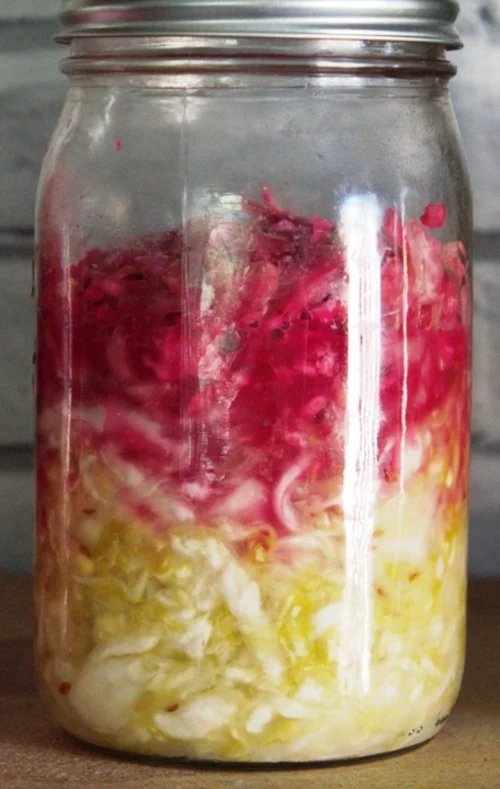
The intricate world of fermentation, a process driven by microscopic organisms, hinges critically on one fundamental environmental factor: temperature. Far from being a mere detail, temperature dictates the speed, safety, and ultimate success of fermentation, influencing everything from microbial growth rates to the resulting flavor profiles and probiotic content of fermented foods and beverages. Understanding and controlling this variable is paramount for both ancient practitioners and modern enthusiasts seeking to harness the transformative power of microbes.
The Science Behind Temperature and Microbial Activity
At its core, fermentation is a metabolic process where microorganisms convert carbohydrates into alcohol, gases, or organic acids. This biochemical transformation is catalyzed by enzymes, whose activity is highly sensitive to temperature fluctuations. Most of the beneficial microbes responsible for common fermentations, such as lactic acid bacteria (LAB) and yeasts, are mesophilic, meaning they thrive in moderate temperatures, typically ranging from 68°F to 104°F (20°C to 40°C). Within this range, enzymatic reactions proceed efficiently, leading to robust and predictable fermentation.
When temperatures fall below this optimal window, microbial metabolism slows significantly. For instance, if a home environment is consistently below 68°F (20°C) during colder months, fermenting vegetables like sauerkraut or kimchi may take an extraordinarily long time to transform, or in some cases, fail to ferment adequately. The enzymes within the microbes become less active, prolonging the process and potentially leaving the food susceptible to spoilage before sufficient acidification occurs. Conversely, excessively high temperatures can accelerate fermentation too rapidly, leading to off-flavors, undesirable microbial growth, or even killing off the beneficial cultures. Beyond a certain threshold, high heat can denature the enzymes, rendering the microbes inactive and halting the process entirely.
The impact of temperature extends to the delicate balance of microbial communities within a ferment. Different strains of bacteria and yeast have varying temperature preferences. Slight changes in temperature can favor certain microbes over others, leading to shifts in the final product’s acidity, aroma, texture, and probiotic diversity. For example, in sourdough starters, temperature can influence the ratio of yeast to lactic acid bacteria, affecting the bread’s rise and sourness.
Historical Perspectives: Ancestral Wisdom in Temperature Management
Long before the advent of modern appliances like refrigerators or sophisticated temperature-controlled fermentation vessels, humanity relied on ingenious natural methods to manage the conditions for food preservation. Our ancestors, exhibiting remarkable ingenuity, understood the principles of temperature control through observation and trial-and-error.
A prime example is the widespread use of basements, cellars, and root cellars. These subterranean structures provided a consistently cool environment, typically maintaining an "earth temperature" of around 55°F (13°C) year-round, irrespective of external seasonal changes. This stable, cool temperature was ideal for long, slow fermentation processes. Vegetables packed into crocks or barrels, like those used for sauerkraut or root vegetables, would ferment gradually over the entire winter and spring. This extended fermentation time often resulted in deeper, more complex flavors and exceptional keeping qualities, providing vital nutrition during periods of scarcity. The image of a barrel of "kraut-chi" being put up at Sandor Katz’s Fermentation Residency in Tennessee in 2011, using reused barrels, echoes these traditional practices, demonstrating the enduring relevance of such methods.
Across different cultures, similar adaptations emerged. In northern climates, buried caches or ice cellars were used. In regions with stable cave systems, these were utilized for aging cheeses or fermenting beverages. This historical context underscores that temperature control, even without advanced technology, has always been a cornerstone of successful and safe fermentation, critical for food security and culinary heritage.
Modern Applications: Refrigeration as a "Pause Button"
In contemporary fermentation, refrigeration plays a dual role. While it’s too cold for active fermentation for most cultures, it serves as an indispensable "pause button" or "super-slow-mo button" once a ferment is deemed "finished." At refrigerator temperatures, typically between 35°F and 40°F (1.7°C to 4.4°C), microbial activity slows down dramatically. The beneficial bacteria and yeasts are not killed off; rather, their metabolic processes are significantly inhibited. This allows for the preservation of the probiotic value, flavor, and texture of the fermented food or beverage, extending its shelf life for weeks or even months without further significant transformation.
This cold storage method is crucial for managing the sourness and texture of finished ferments. For instance, a batch of sauerkraut, once it reaches its desired acidity and texture, can be transferred to the refrigerator to halt further fermentation, preventing it from becoming overly sour or mushy. This modern convenience offers a level of control and flexibility that was unimaginable to our ancestors, allowing for precise management of fermented products from the home kitchen to commercial production facilities.
Navigating Home Fermentation Challenges: Practical Temperature Solutions
For the modern home fermenter, maintaining ideal temperatures can be a challenge due to varying indoor climate controls and seasonal shifts. An average home temperature might fluctuate, making consistent fermentation difficult. This is where simple, effective tools become invaluable.
One highly effective and inexpensive device, surprisingly borrowed from the gardening world, is a seedling mat. These mats are designed to provide gentle, consistent heat to promote seed germination, typically raising the ambient temperature of items placed on them by about 10°F (5.5°C). This subtle increase can be precisely what a ferment needs to reach its optimal temperature range, especially in a cooler home environment. The criteria for an ideal fermentation aid—inexpensive, durable, easy to clean, and multi-purpose—are perfectly met by a seedling mat. For example, if a room is consistently at 60°F (15.5°C), placing a ferment on a seedling mat could bring its temperature up to 70°F (21°C), moving it squarely into the ideal zone for many mesophilic ferments like kombucha or water kefir.
Other home solutions include insulated fermentation chambers, purpose-built heating wraps for fermentation vessels, or even simply finding the warmest spot in one’s home (e.g., on top of a refrigerator, near a water heater, or in a pantry). Accurate monitoring tools, such as stick-on thermometers or digital probe thermometers, are essential to ensure the ferment stays within its target range, preventing both under-fermentation and overheating.
Diverse Ferments and Their Specific Temperature Requirements
The diversity of fermented foods globally reflects a wide array of microbial preferences and, consequently, specific temperature requirements. Understanding these nuances is key to successful fermentation.
- Brined Vegetables (Sauerkraut, Kimchi, Pickles): These rely predominantly on lactic acid bacteria. An ideal range of 55°F to 80°F (13°C to 27°C) allows for robust fermentation. Cooler temperatures within this range (55-65°F / 13-18°C) often yield crisper textures and more complex, nuanced flavors over a longer fermentation period, as seen in traditional cellar ferments. Warmer temperatures (68-80°F / 20-27°C) accelerate the process, resulting in quicker acidification but sometimes a softer texture.
- Kefir (Dairy): The symbiotic community of bacteria and yeasts in kefir grains thrives best between 72°F and 76°F (22°C to 24°C). Temperatures too low will significantly slow the culturing, while temperatures too high can lead to an overly sour product and an imbalance in the microbial community.
- Koji: This fermentation, driven by the filamentous fungus Aspergillus oryzae, demands precise conditions. An optimal range of 86°F to 91°F (30°C to 33°C) is critical, along with high humidity (around 75%). These specific conditions promote the fungus’s growth and its production of powerful enzymes (amylases, proteases, lipases) essential for creating miso, soy sauce, sake, and other Japanese culinary staples. Any deviation can lead to poor enzyme development or contamination.
- Kombucha (Primary Fermentation): The SCOBY (Symbiotic Culture of Bacteria and Yeast) in kombucha performs best between 68°F and 80°F (20°C to 27°C). This range supports the balance between acetic acid bacteria and yeast, crucial for the characteristic tangy flavor and slight effervescence. Cooler temperatures slow fermentation, potentially leading to mold, while warmer temperatures can accelerate acetic acid production, making the kombucha overly vinegary.
- Kombucha (Secondary Fermentation): For bottling and carbonation, a slightly warmer range of 76°F to 80°F (24°C to 27°C) is often preferred. This encourages yeast activity to produce carbon dioxide, creating fizz, and allows infused flavors to meld effectively.
- Tempeh: This Indonesian staple, made from soybeans fermented by the fungus Rhizopus oligosporus or Rhizopus oryzae, requires a consistent warm environment of 85°F to 91°F (30°C to 33°C) and high humidity (around 75%). These conditions are vital for the rapid growth of the mycelium, which binds the soybeans into a firm, edible cake. Without sufficient warmth and humidity, the mold may not grow properly, resulting in loose, unfermented beans.
- Water Kefir (Tibicos): Similar to dairy kefir, water kefir grains, a different consortium of bacteria and yeasts, prefer temperatures between 68°F and 78°F (20°C to 25°C). This range facilitates the conversion of sugars into lactic acid, acetic acid, and carbon dioxide, producing a refreshing, probiotic-rich beverage.
- Yogurt (Bulgarian): Traditional Bulgarian yogurt relies on thermophilic cultures, primarily Lactobacillus bulgaricus and Streptococcus thermophilus, which require significantly higher temperatures, typically around 110°F (43°C), to coagulate milk effectively and produce its characteristic thick texture and tart flavor. Maintaining this specific temperature is critical for successful yogurt making.
Expert Perspectives and Industry Standards
Food safety experts and culinary professionals universally underscore the non-negotiable importance of temperature control in fermentation. Dr. Austin Durant, founder of Fermenters Club and author of "Fearless Fermenting," whose insights form the basis of this discussion, emphasizes that "temperature is perhaps the most crucial variable in successful fermentation." Organizations like the Food and Drug Administration (FDA) and the United States Department of Agriculture (USDA) provide guidelines for commercial food production, including fermented foods, where strict temperature monitoring is mandated to prevent the growth of pathogens and ensure product consistency and safety.
Renowned fermentation revivalist Sandor Katz, often cited as a guru in the field, frequently highlights how temperature influences the microbial ecology of a ferment, shaping its sensory characteristics and nutritional profile. He advocates for understanding the "sweet spot" for various ferments, recognizing that slight variations can lead to distinct outcomes. In commercial probiotic industries, precise temperature control throughout the fermentation, drying, and storage processes is critical to guarantee the viability and count of live probiotic cultures, which directly impacts the product’s efficacy and market value. The economic implications are substantial, as a spoiled batch due to improper temperature can result in significant financial losses.
Broader Impact and Implications
The diligent management of temperature in fermentation carries far-reaching implications beyond the immediate production of food.
- Food Security and Sustainability: Historically, fermentation has been a cornerstone of food preservation, reducing waste and extending the usability of perishable goods. In modern times, with growing concerns about food waste, re-embracing and optimizing fermentation through temperature control offers a sustainable pathway to enhance food security.
- Nutritional Value: Proper temperature ensures that beneficial microbial communities thrive, leading to optimal production of probiotics, enzymes, and enhanced bioavailability of nutrients. A ferment that experiences temperature stress may have a compromised probiotic count or nutrient profile.
- Culinary Diversity and Innovation: The nuanced control of temperature allows for the creation of a vast spectrum of fermented flavors and textures. From the crisp sourness of a low-temperature kraut to the umami depth of a high-temperature koji, temperature is a key lever for culinary exploration and innovation across global cuisines.
- Economic Impact: The global market for fermented foods and beverages is experiencing significant growth, driven by consumer demand for health-promoting and flavorful products. Consistent and safe production, heavily reliant on temperature control, is fundamental to the economic success of this industry, from small artisan producers to large-scale manufacturers.
- Empowering Home Fermenters: Providing accessible knowledge and tools, such as the seedling mat, empowers individuals to confidently and safely engage in home fermentation, fostering a deeper connection to their food and promoting healthier eating habits.
In conclusion, temperature is not merely a variable but the conductor of the microbial orchestra within fermentation. From the ancient cellars of our ancestors to the controlled environments of modern kitchens and industrial facilities, its mastery is essential. By understanding the scientific principles and applying practical solutions, fermenters can unlock the full potential of microbial transformation, ensuring safe, delicious, and nutritionally rich foods for generations to come.


