For those yearning for the unparalleled taste and texture of authentic deli-style brisket pastrami, this comprehensive guide offers a detailed walkthrough of the entire process. Moving beyond the convenience of pre-packaged options, this recipe empowers home cooks to achieve a result that rivals, and often surpasses, the offerings from traditional delis. The journey involves a multi-day curing process, a robust spice rub, and a patient, low-and-slow smoking technique, culminating in exceptionally juicy and perfectly sliceable pastrami.
The Art of Pastrami: A Culinary Tradition
Pastrami, a cornerstone of Jewish delis and a beloved cured meat worldwide, boasts a rich history steeped in preservation techniques and flavor innovation. While modern interpretations often focus on beef brisket, its origins trace back to the Ottoman Empire, where Turks developed methods for preserving meat using spices. Eastern European Jewish immigrants later adapted these techniques, bringing their unique flavor profiles to the United States, most notably in New York City. The defining characteristic of pastrami, distinguishing it from its close relative corned beef, is the final smoking stage, which imparts a distinctive smoky depth and creates the signature peppery crust.
The most common cuts for pastrami are beef brisket and beef navel. However, culinary enthusiasts have explored other beef cuts, such as chuck roast, to achieve similar results. Historically, pastrami was not exclusively a beef product; articles on the history of pastrami reveal its past iterations made from goat, mutton, and even geese, showcasing the adaptability of this ancient preservation method.
Mastering the Pastrami Process: A Step-by-Step Approach
The creation of exceptional pastrami is a labor of love, requiring patience and attention to detail. The process can be broadly categorized into curing, seasoning, and smoking, each playing a crucial role in developing the final flavor and texture.
Step 1: The Foundation – Trimming the Brisket
The initial step involves preparing the brisket. This typically means trimming excess fat. A properly trimmed brisket ensures even curing and smoking, leading to a more consistent and tender final product. While a full packer brisket offers both the flat and point muscles, many recipes focus on the flat for its leaner profile and ease of slicing into traditional pastrami strips. For this recipe, an untrimmed brisket weighing approximately 10-11 pounds is recommended to yield a finished product of about 6 pounds after trimming and cooking.

Step 2: The Transformation – Curing the Brisket
The heart of pastrami preparation lies in the curing process. This stage involves immersing the brisket in a corned beef brine, a salt-based solution that not only preserves the meat but also begins to tenderize it and infuse it with flavor. A classic corned beef brine recipe, typically made with a gallon of water, is essential. The brisket is placed in a meat preparation bag and fully submerged in the cooled brine. This immersion period lasts for a significant duration, generally between 5 to 7 days, under refrigeration. This extended cure is critical for developing the characteristic texture and allowing the salt and spices to penetrate the meat.
Step 3: Building the Crust – Seasoning the Brisket
Following the curing period, the brisket undergoes a transformation through seasoning. It is removed from the brine and thoroughly rinsed to eliminate excess salt. Patting the brisket dry is a crucial step to ensure the pastrami rub adheres effectively. The meat is then generously coated with a specially formulated pastrami rub. This rub is known for its bold, peppery profile, often featuring ingredients like black pepper, coriander, and other aromatic spices. After seasoning, the brisket is typically returned to the refrigerator, uncovered, for an additional day. This overnight rest allows the rub to meld with the meat and further dry-brine the surface, preparing it for the smoking process.
Step 4: The Smoke – Low and Slow Cooking
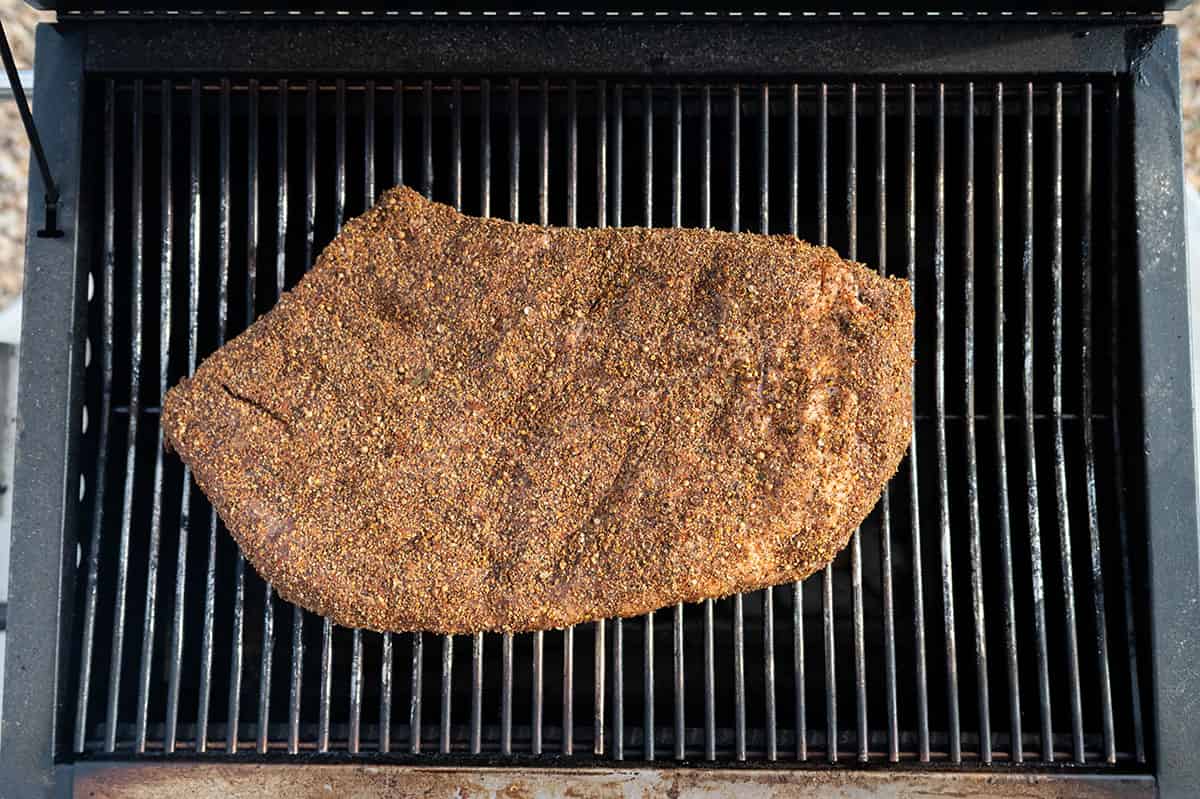
The smoking stage is where the brisket truly becomes pastrami. The grill or smoker is preheated to a temperature range of 225-275°F (107-135°C), utilizing an indirect heat setup to ensure the meat cooks evenly without direct flame exposure. The seasoned brisket is then placed on the smoker. During this phase, a spritzing routine is employed, typically using apple cider vinegar, every 30 minutes. This helps to keep the surface moist, promoting smoke adhesion and preventing the bark from drying out too quickly.
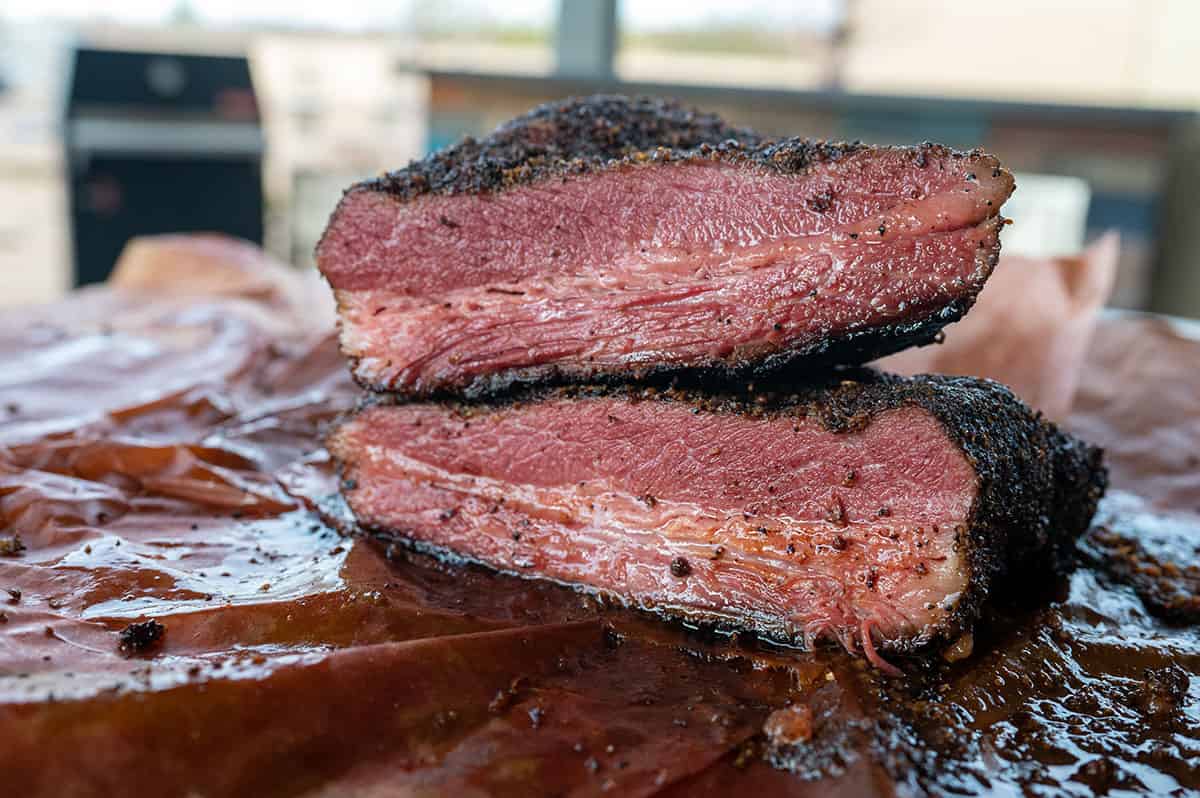
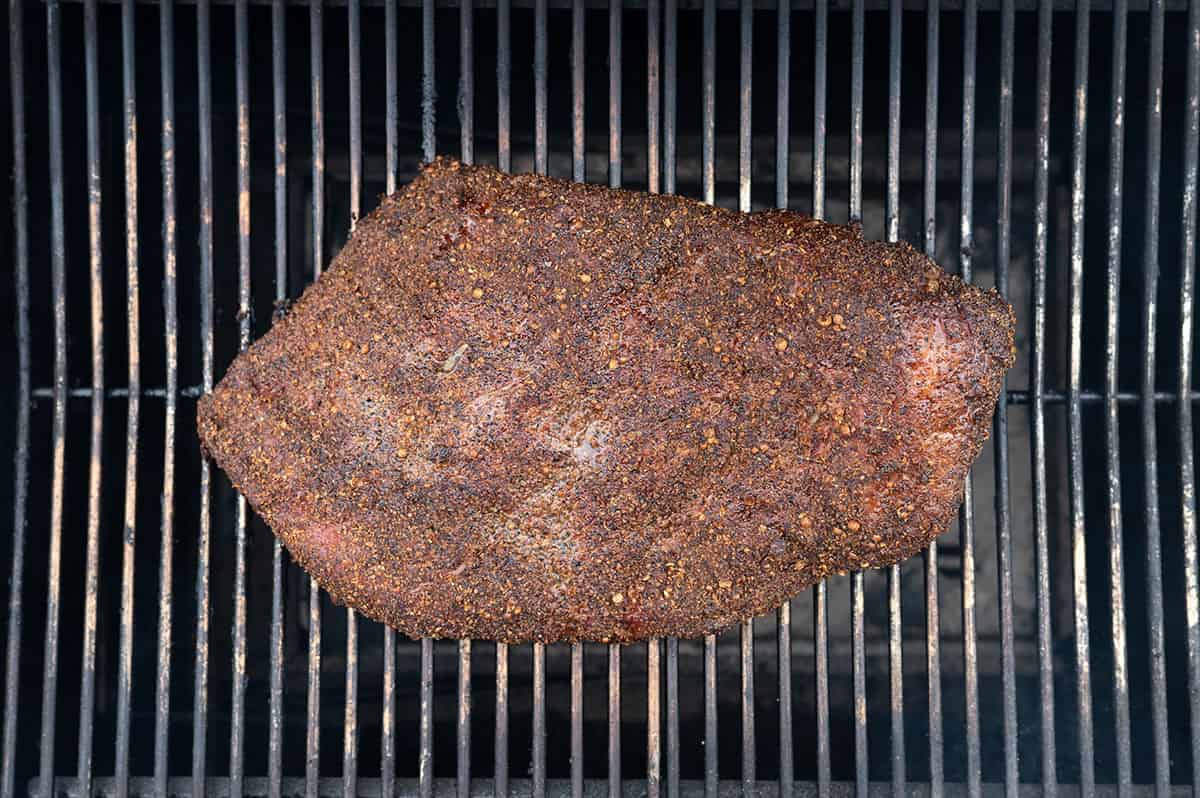
A key indicator of progress is the development of a desirable bark – a dark, flavorful crust that forms on the exterior of the meat. This typically occurs when the brisket reaches an internal temperature of 160-170°F (71-77°C). For a brisket weighing around 6 pounds, this stage can take approximately 4 hours at 250-275°F (121-135°C), or slightly longer at lower temperatures.
Step 5: The Wrap – Enhancing Moisture and Tenderness
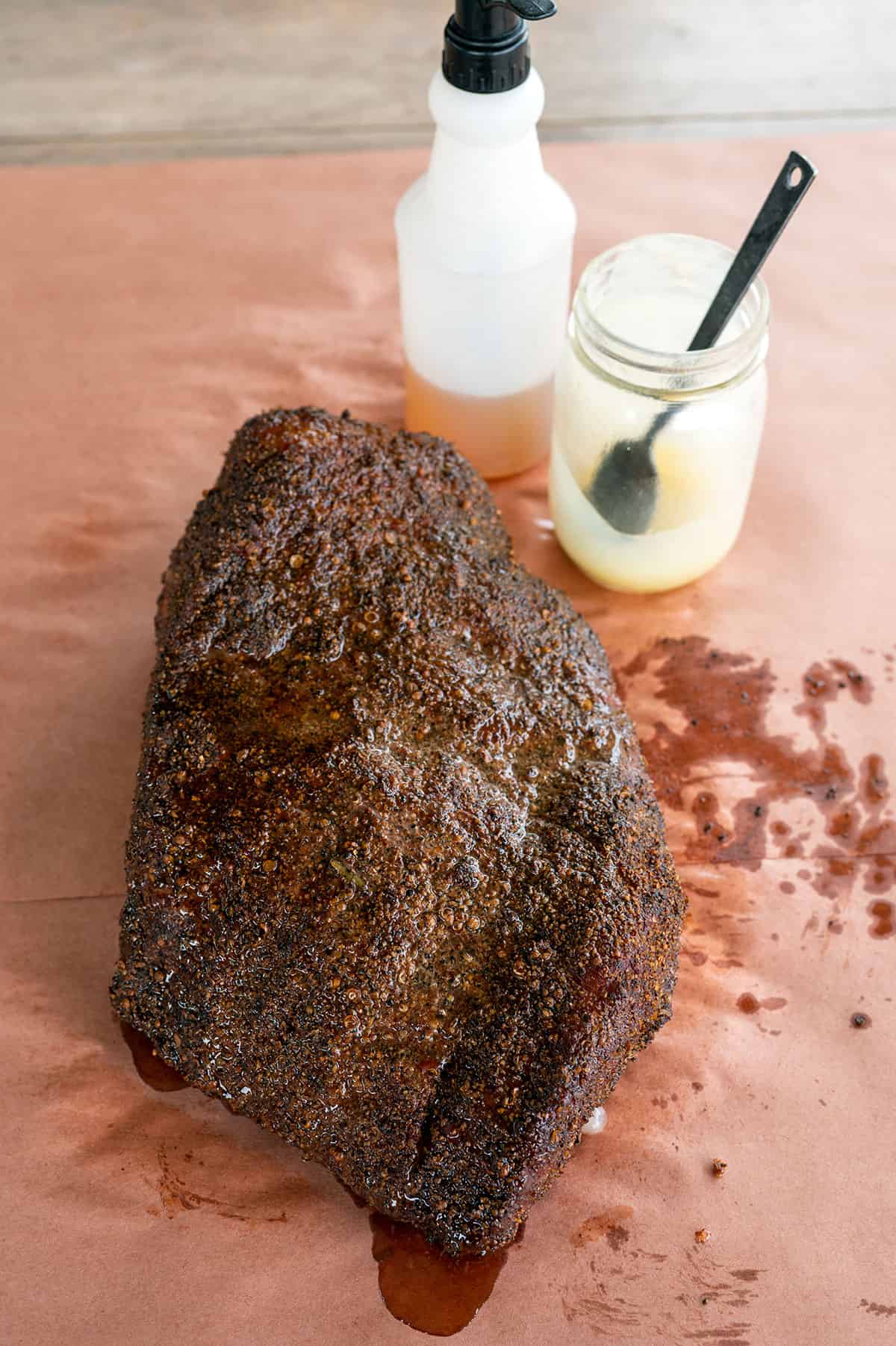
Once the brisket has achieved its target internal temperature and developed a satisfactory bark, it is removed from the smoker. The next step is to wrap it, a technique that braises the meat in its own juices, further enhancing moisture and tenderness. Two sheets of butcher paper are typically used for this purpose. The brisket is placed on the paper, and a final spritz of apple cider vinegar is applied. To further enrich the moisture content, a few tablespoons of beef tallow are often added on top of the brisket before it is tightly wrapped in the butcher paper. The wrapped brisket is then returned to the smoker.
Step 6: The Finish – Reaching Perfect Tenderness
The cooking process continues after wrapping until the brisket reaches its final target internal temperature, usually between 205-210°F (96-99°C). This temperature range signifies that the connective tissues within the meat have broken down, resulting in a supremely tender and succulent pastrami.
Step 7: The Crucial Rest – Allowing Flavors to Meld
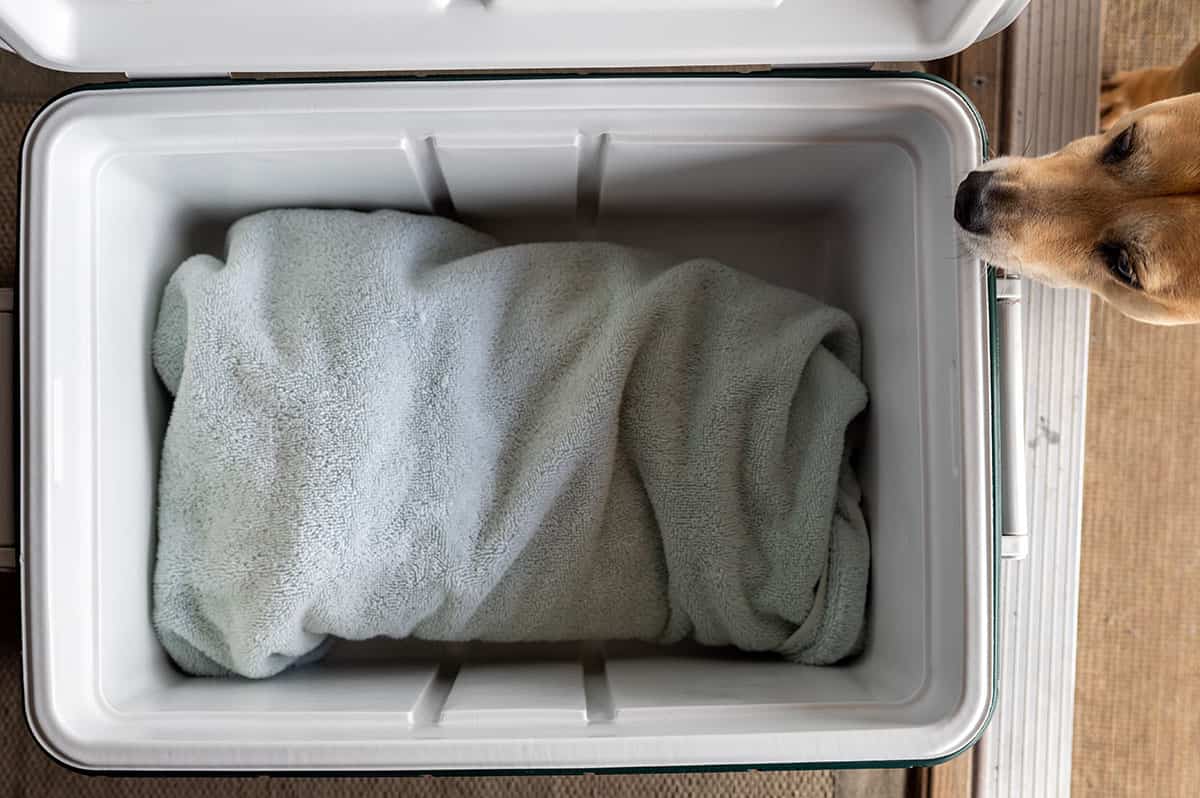
The final, and arguably one of the most critical, steps in the pastrami-making process is the rest. Once removed from the smoker, the brisket, still wrapped, is placed in a clean cooler without ice. This acts as an insulated holding oven, allowing the meat to rest for at least one hour. During this resting period, the juices, which have been pushed towards the center during cooking, redistribute throughout the meat. This redistribution is essential for achieving a moist and flavorful final product, preventing the juices from escaping upon slicing.
Serving Your Homemade Pastrami: A Culinary Canvas
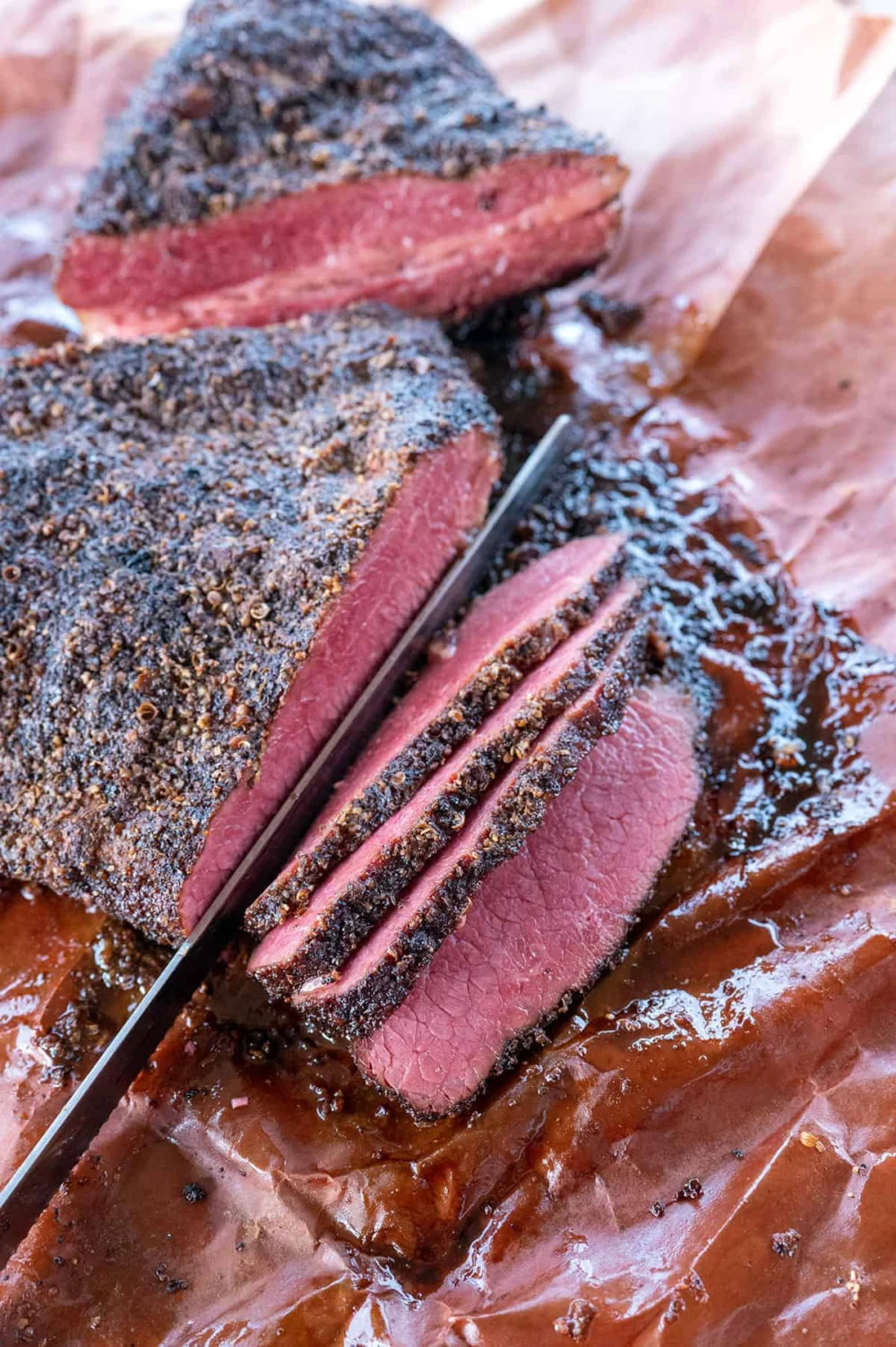
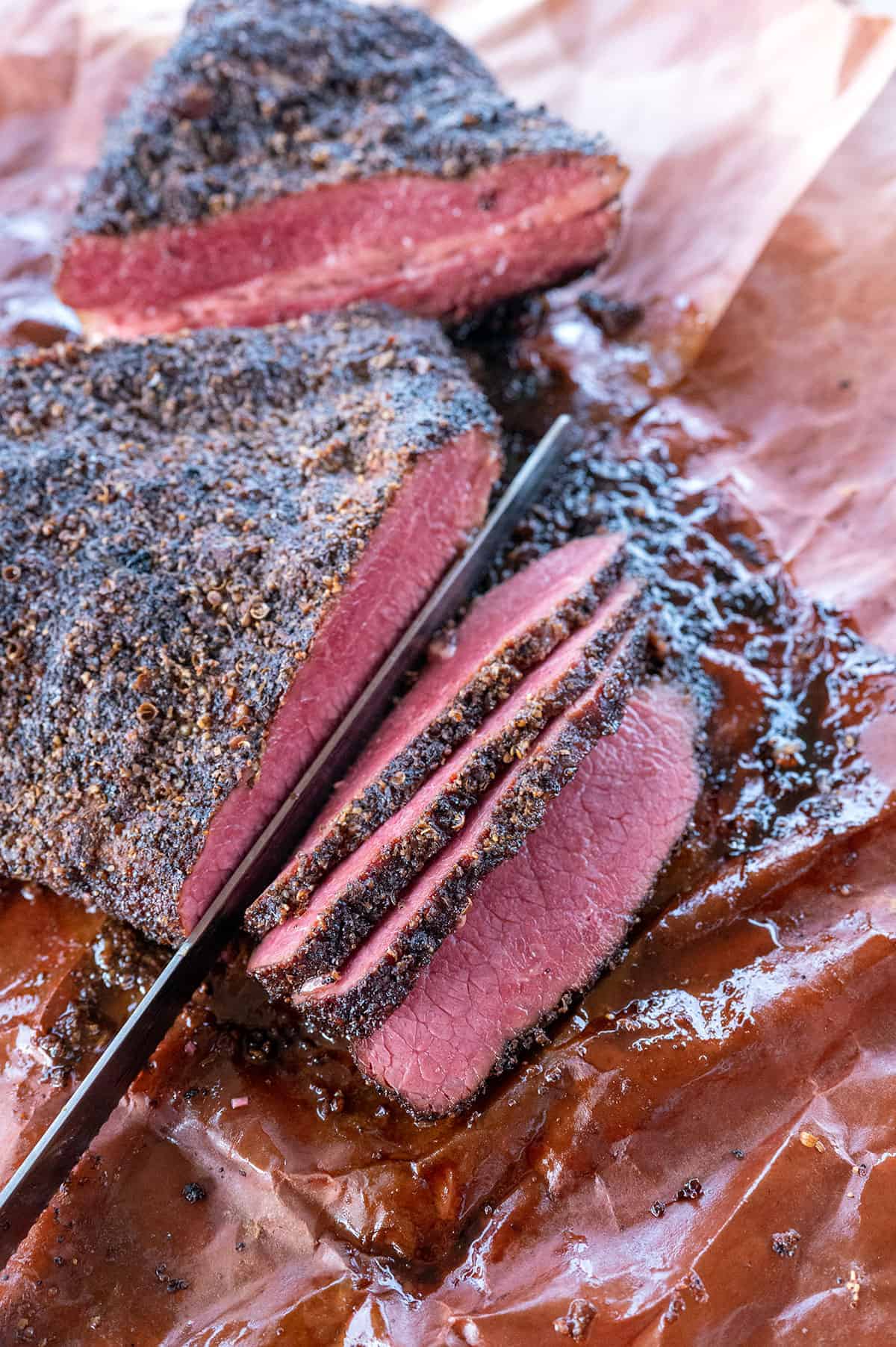
The presentation of homemade pastrami can elevate its enjoyment. For brisket pastrami, precision slicing is key. The flat end of the meat should always be sliced against the grain. The thickness of the slices can be adjusted to personal preference, with thinner slices being ideal for classic pastrami sandwiches.
The point meat, often richer and more marbled, can be expertly pulled apart or shredded, offering a different textural experience. Similarly, if pastrami is prepared from other cuts like pork shoulder or lamb shoulder, pulling or shredding is generally the preferred method.
For those seeking the ultra-thin, almost translucent slices characteristic of high-end delis, chilling the meat for approximately an hour after resting can aid in achieving this. Employing a meat slicer set to a very thin setting will yield these perfect shaved pieces.
The classic pastrami sandwich is a culinary icon, typically assembled on rye bread with generous layers of pastrami, Russian dressing, Swiss cheese, and sauerkraut. However, the versatility of pastrami extends far beyond the sandwich. It is a delightful addition to breakfast hashes, a decadent component in macaroni and cheese, a unique ingredient in stir-fried rice, or a sophisticated topping for pizza. Its rich flavor profile also makes it a star on charcuterie boards, whether served warm or cold.
Storage and Leftover Potential
Proper storage ensures the longevity and enjoyment of homemade pastrami. According to USDA guidelines, cured and cooked pastrami can be safely stored in an airtight container in the refrigerator for up to 40 days. For longer preservation, freezing is an excellent option, allowing pastrami to retain its quality for several months.
Leftover pastrami opens up a world of culinary possibilities. Its robust flavor can revitalize dishes such as breakfast hashes, adding a smoky, savory depth. It can be incorporated into comfort food classics like macaroni and cheese, or used to add a gourmet twist to pizzas. For those who enjoy international flavors, pastrami can be a unique addition to fried rice or other Asian-inspired dishes.
Frequently Asked Questions: Demystifying Pastrami
What’s the difference between pastrami vs. corned beef?
The fundamental distinction lies in the cooking method. Corned beef is cured and then cooked without smoke, often by simmering or baking. Pastrami, on the other hand, is cured and then smoked, which imparts a distinctive smoky flavor and contributes to its characteristic crust.
Is pastrami healthy?
The health profile of pastrami is contingent on the cut of meat used and the preparation method. Meats with higher fat content, such as brisket, will naturally be less healthy than leaner options like poultry or pork loin. Furthermore, pastrami is typically high in sodium due to the curing process. Individuals monitoring their blood pressure should consume pastrami in moderation.
Can dogs eat pastrami?
While a small, occasional taste of pastrami is unlikely to cause severe harm to a dog, it is strongly advised to keep pastrami out of a dog’s regular diet. The high salt and fat content can be detrimental to canine health. For specific dietary advice concerning pets, consulting a veterinarian is always recommended.
This detailed exploration into crafting homemade brisket pastrami offers a rewarding culinary experience, transforming a beloved deli staple into a testament to the home cook’s skill and dedication. The multi-day process, from meticulous curing to patient smoking, culminates in a deeply satisfying and authentically delicious product.