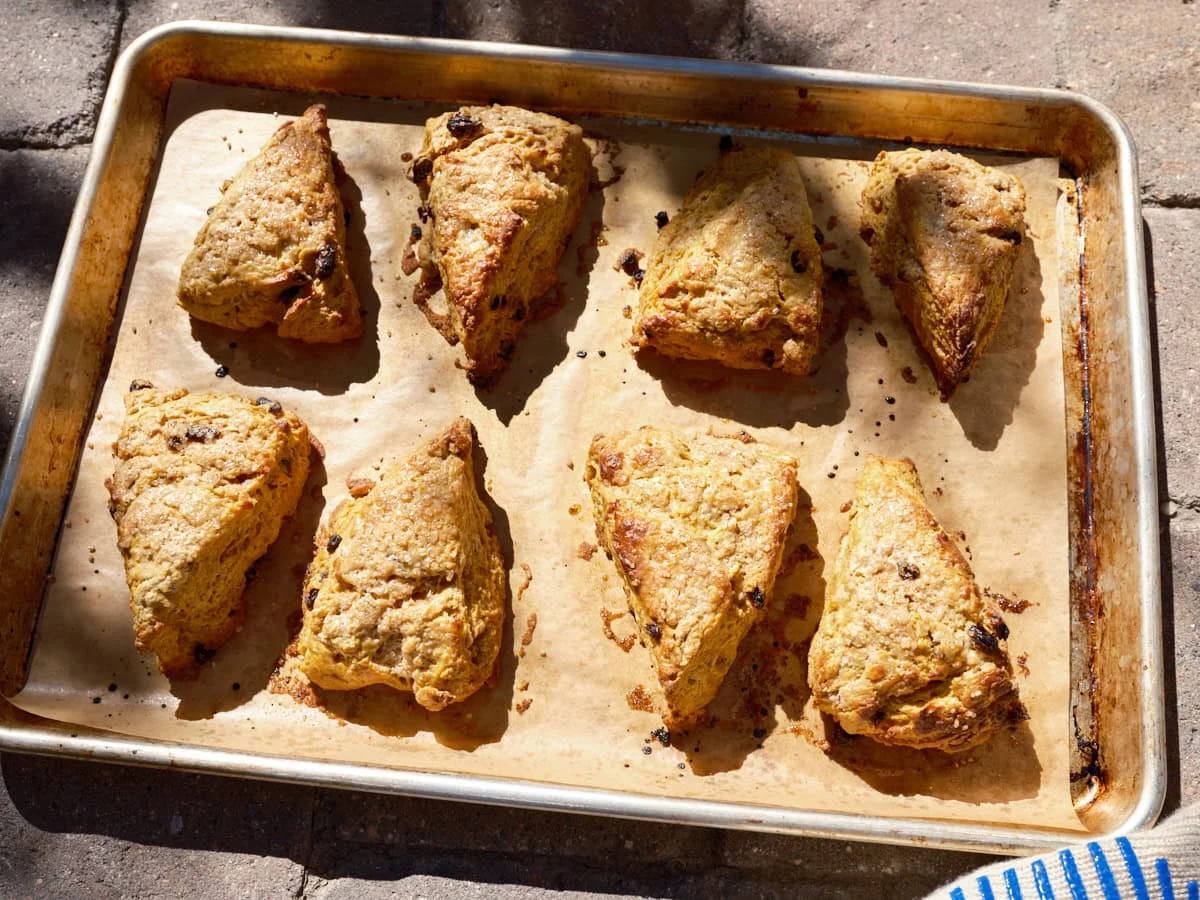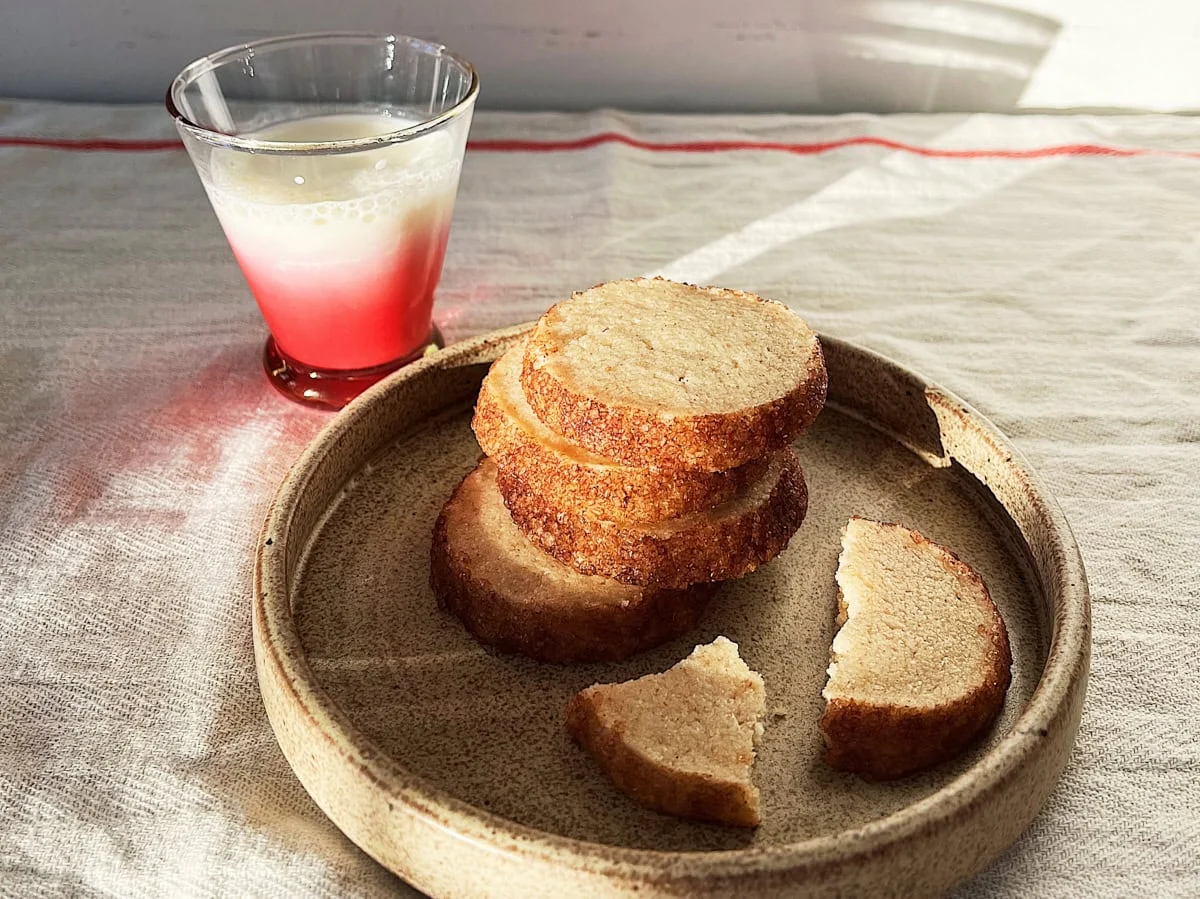
A unique two-week culinary journey through Northern Italy concluded in September 2025, offering participants an unparalleled immersion into the region’s rich gastronomic traditions, with a particular focus on the art of sourdough baking and artisanal food production. Led by the acclaimed baker behind "The Perfect Loaf," Maurizio Leo, alongside Matt Rodbard of TASTE and Food Time, and experienced Italian tour director Angela, the program attracted a diverse group of enthusiastic bakers and food lovers. The expedition traversed the culinary epicenters of Emilia-Romagna and Lombardy, including Bologna, Riolo di Terme, and Milan, providing hands-on workshops, exclusive behind-the-scenes tours of renowned producers, and a deep dive into the cultural fabric that defines Italian food.

The Genesis of a Culinary Expedition

Building on the success of a previous trip to Puglia, Italy, this Northern Italian itinerary was meticulously designed to offer a blend of practical skill development and authentic cultural discovery. Emilia-Romagna, often dubbed Italy’s "Food Valley," served as the primary backdrop, a region celebrated globally for its Protected Designation of Origin (PDO) and Protected Geographical Indication (PGI) products, including Parmigiano Reggiano, Prosciutto di Parma, and Traditional Balsamic Vinegar. This rich culinary heritage provided an ideal environment for participants to not only taste but also understand the intricate processes behind these iconic foods. The tour aimed to fulfill a philosophy often articulated by culinary figures like Anthony Bourdain: to experience a place not merely as a tourist, but as a traveler, and in this case, crucially, as a baker.
Preparing the Foundation: The Sourdough Starter’s Journey

The journey began even before arrival, with the meticulous preparation of the sourdough starter, a living organism crucial to the workshops. Recognizing the inherent challenges of international travel for such a sensitive ingredient, the lead baker employed a robust strategy: mixing the starter to a stiff consistency (50% water to total flour) for carry-on luggage, and preparing a backup batch for checked baggage. Upon landing in Bologna, the immediate priority was to acquire local flour from a Carrefour supermarket, followed by re-activating the starter with equal parts flour, starter, and warm water. This careful regimen ensured the starter was vibrant and ready for use within hours, a testament to the dedication required in sourdough artistry. The first practical application involved a test batch of sourdough baguettes, allowing for an initial assessment of the local ingredients and baking equipment.
Week 1: Bologna’s Sourdough Immersion

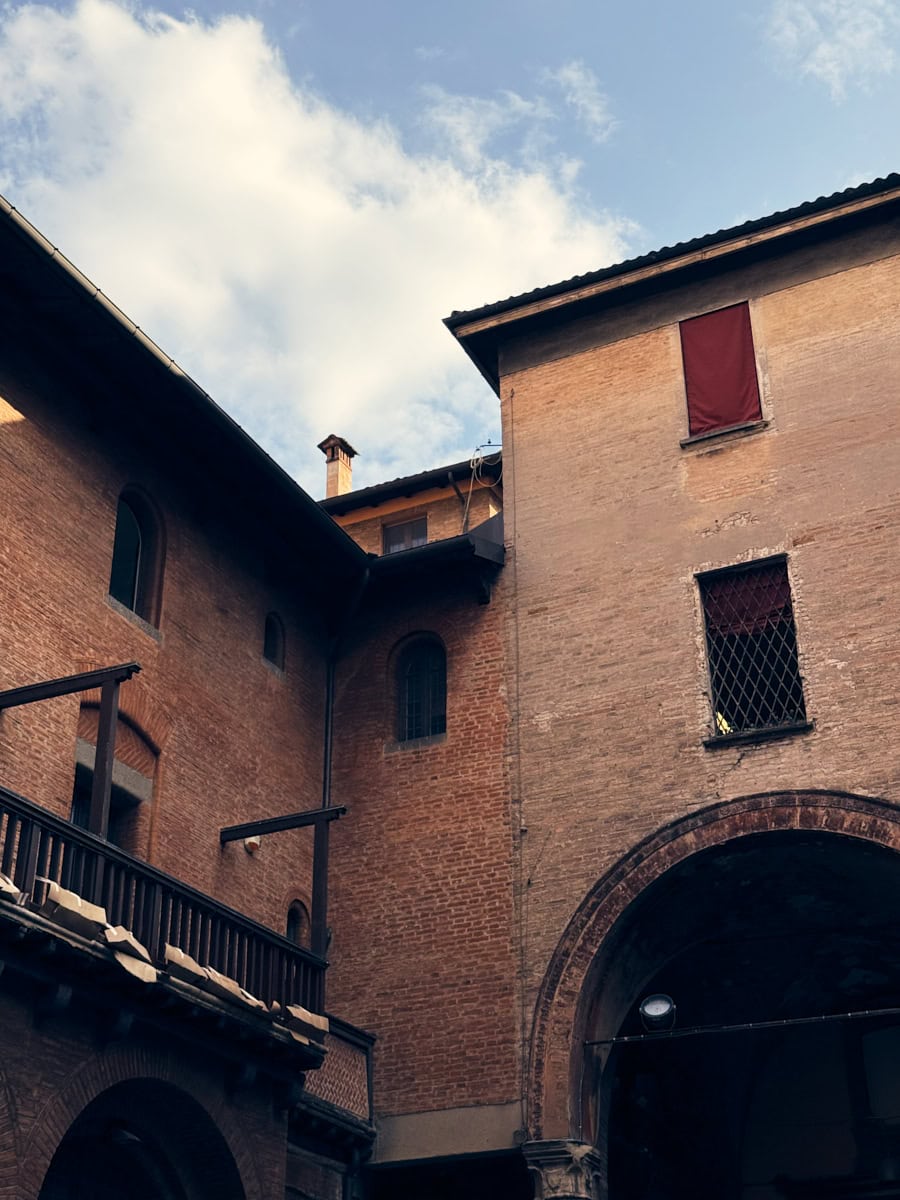
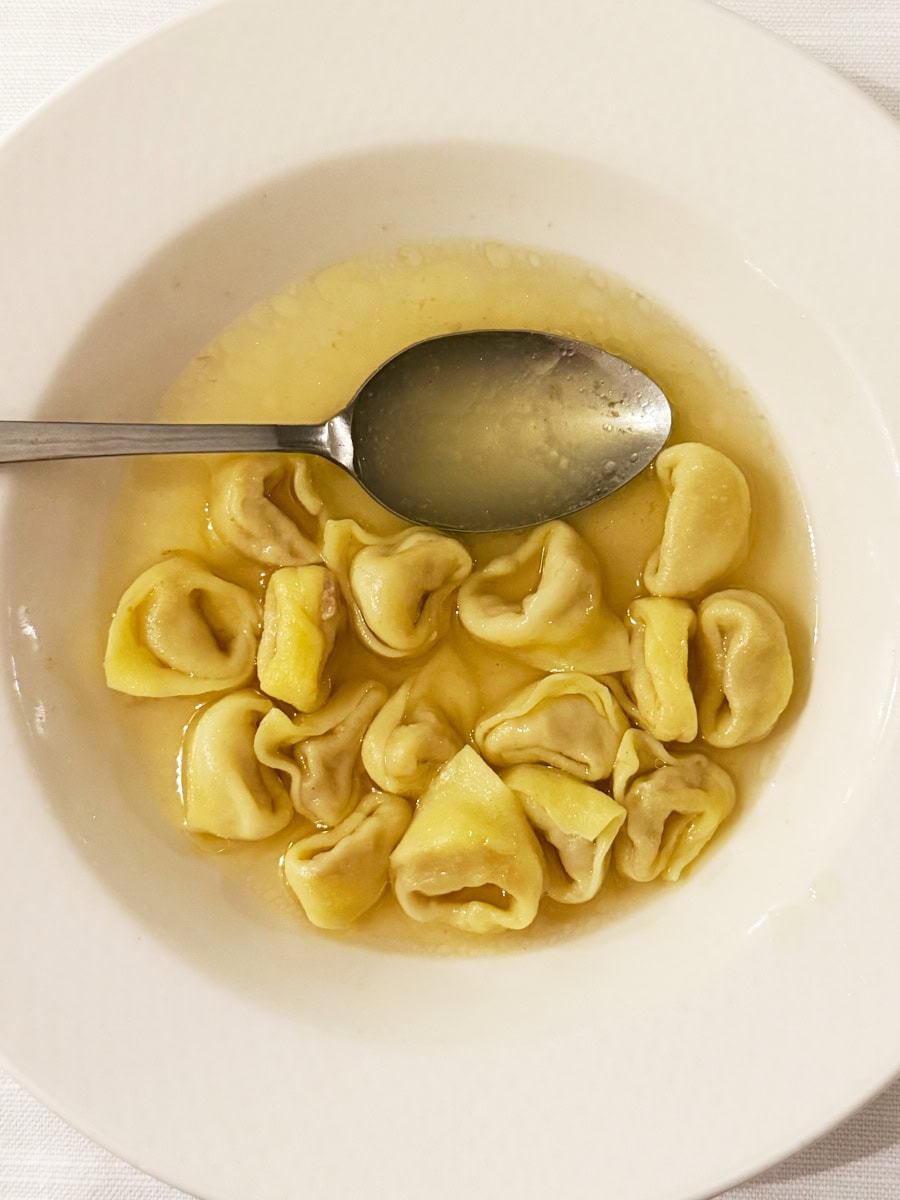
Bologna, affectionately known as "La Grassa" (The Fat One) for its opulent cuisine, served as the home base for the first week’s intensive sourdough workshop. The city holds personal significance for Leo, whose family resides nearby and whose brother attended university there, providing a deep, familial connection to its culinary landscape. Prior to the workshop, a traditional Bolognese dinner at Antica Osteria del Mirasole, featuring classics like tagliatelle with ragù and tortellini in brodo, set a high culinary bar, foreshadowing the exquisite group lunches planned throughout the week.
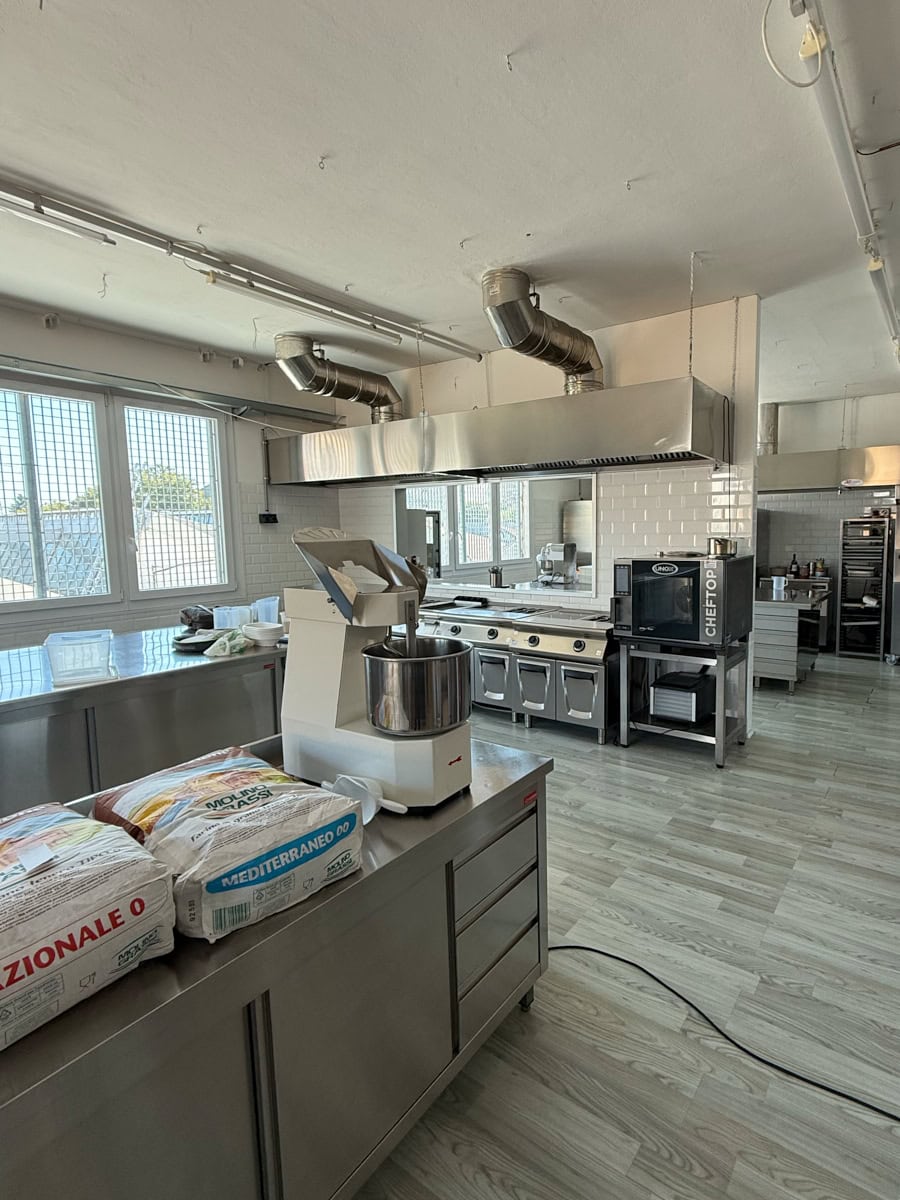
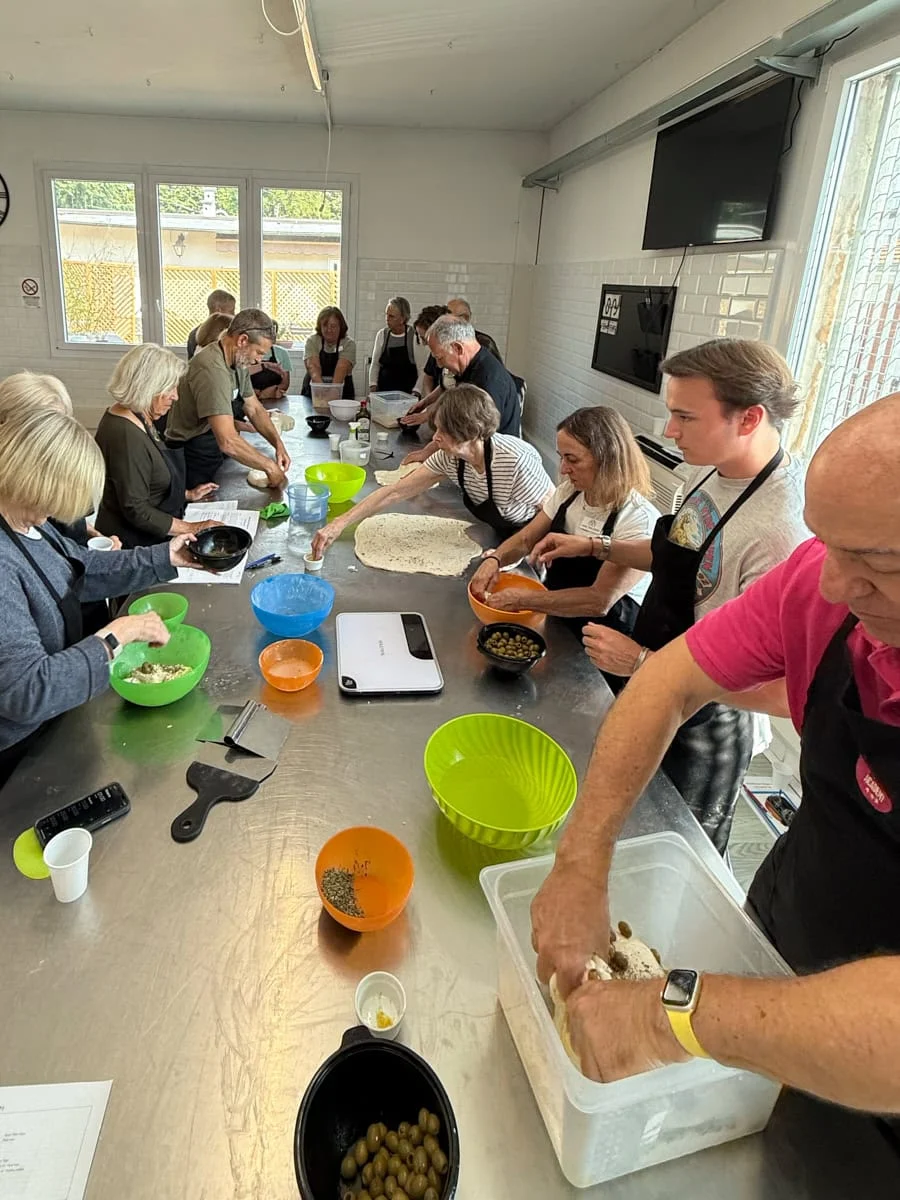
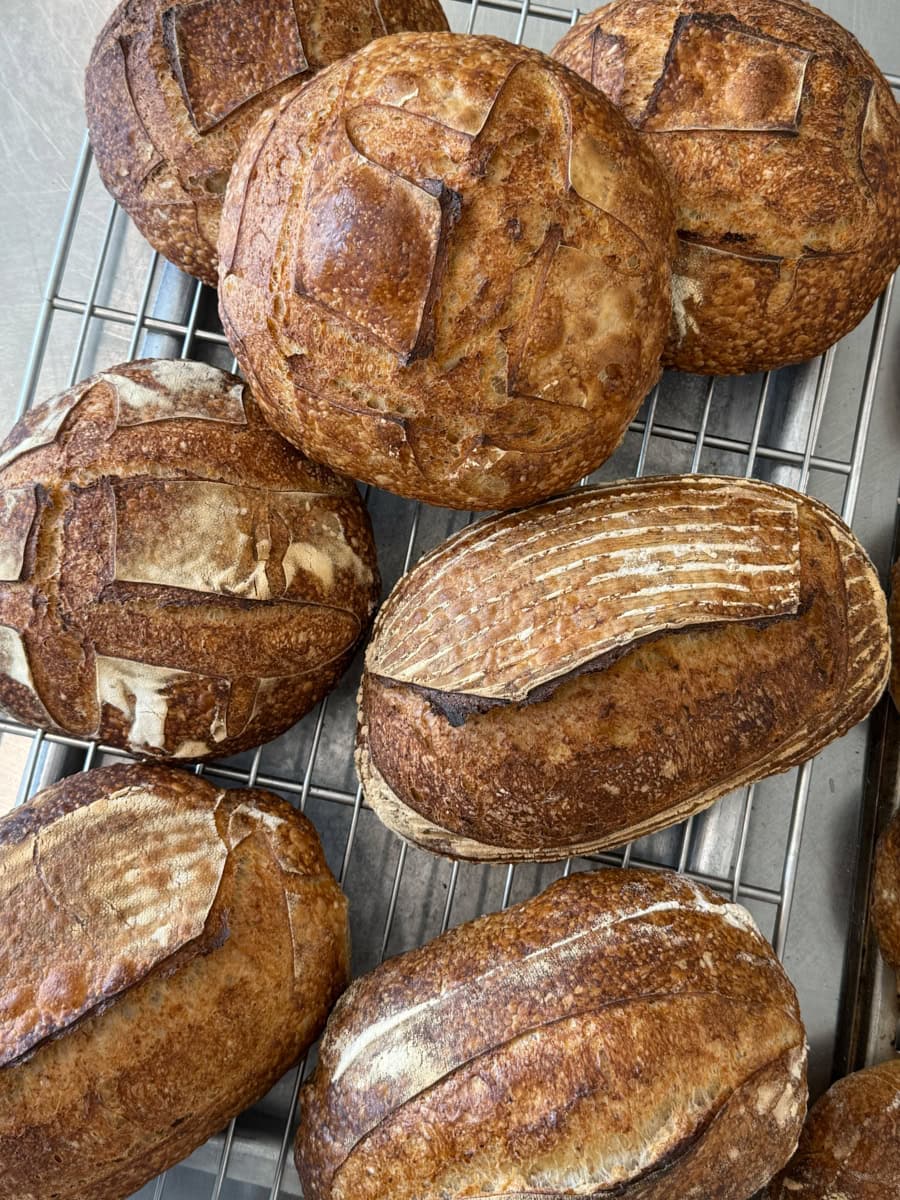
The workshop, hosted in a local cooking school, aimed to maximize hands-on engagement. Despite initial challenges with equipment scale for the group size, local facilitators Maolo and Fabiola ensured smooth operations. The curriculum was comprehensive, covering a diverse range of sourdough breads: baguettes, rustic country loaves, airy ciabatta, and classic pizza. The emphasis was on developing an intuitive understanding of dough, moving beyond written instructions to direct observation and tactile experience. "Poking dough with your own finger is worth a thousand words," a guiding principle, underscored the value of this direct interaction. Beyond practical shaping and baking, discussions extended to sourdough starter maintenance, the role of levain, and essential troubleshooting techniques, equipping students with a holistic understanding of the craft.
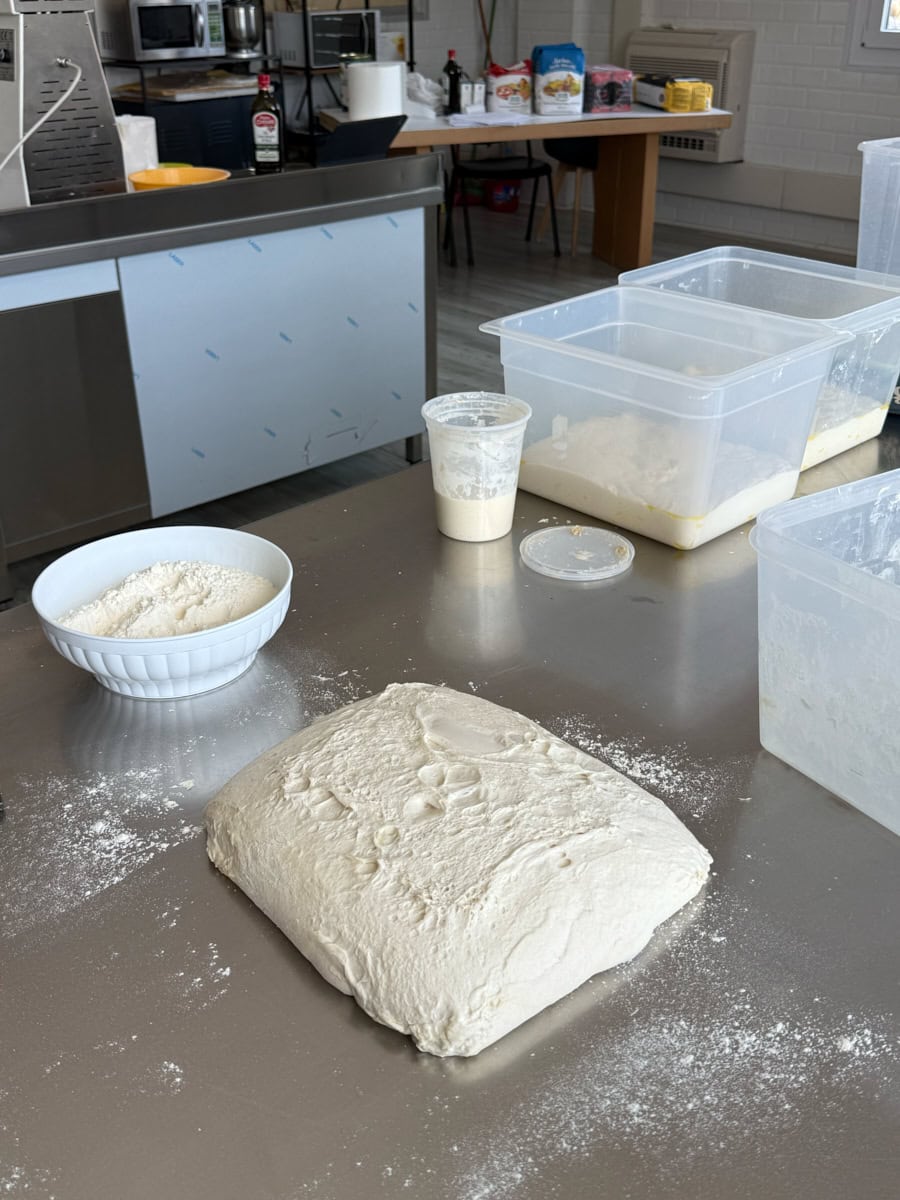
A key pedagogical point was demonstrating the versatility of a single base dough, the "Rustico" from Leo’s cookbook. This adaptable country-style dough could be modified by swapping grains, adjusting hydration for different crust and crumb textures, or shaping into various forms. In the workshop, the Rustico served as the foundation for both lean loaves and enriched versions featuring local olives, herbs, and lemon zest, showcasing the endless possibilities within sourdough baking.
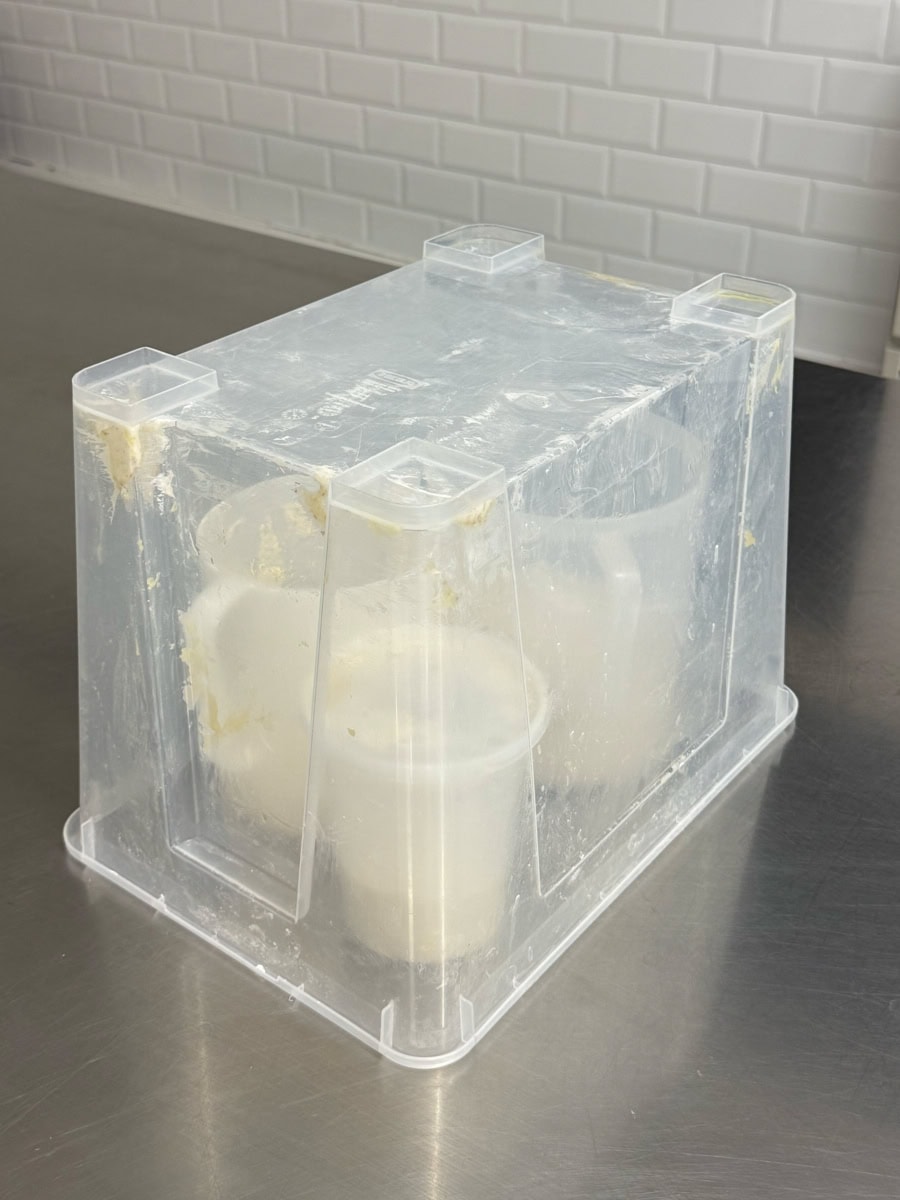
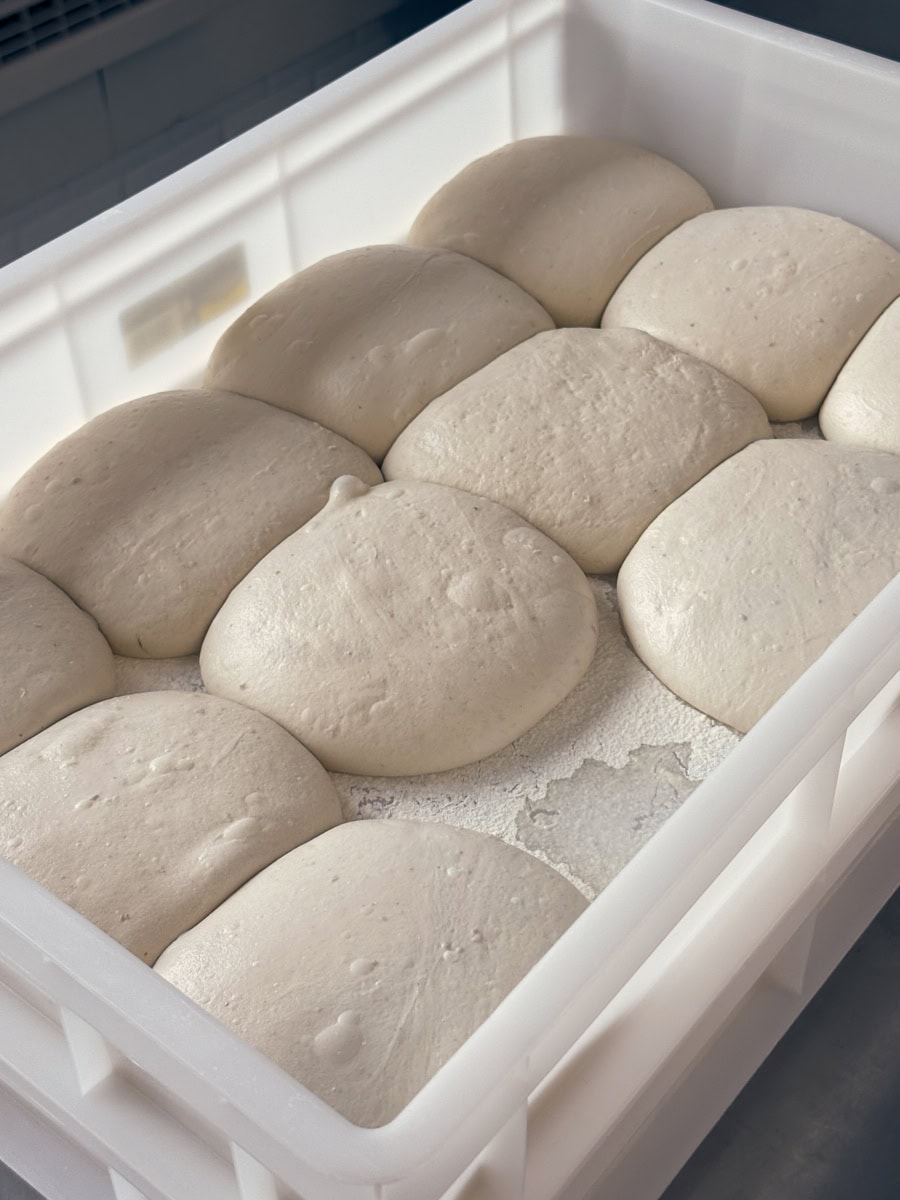
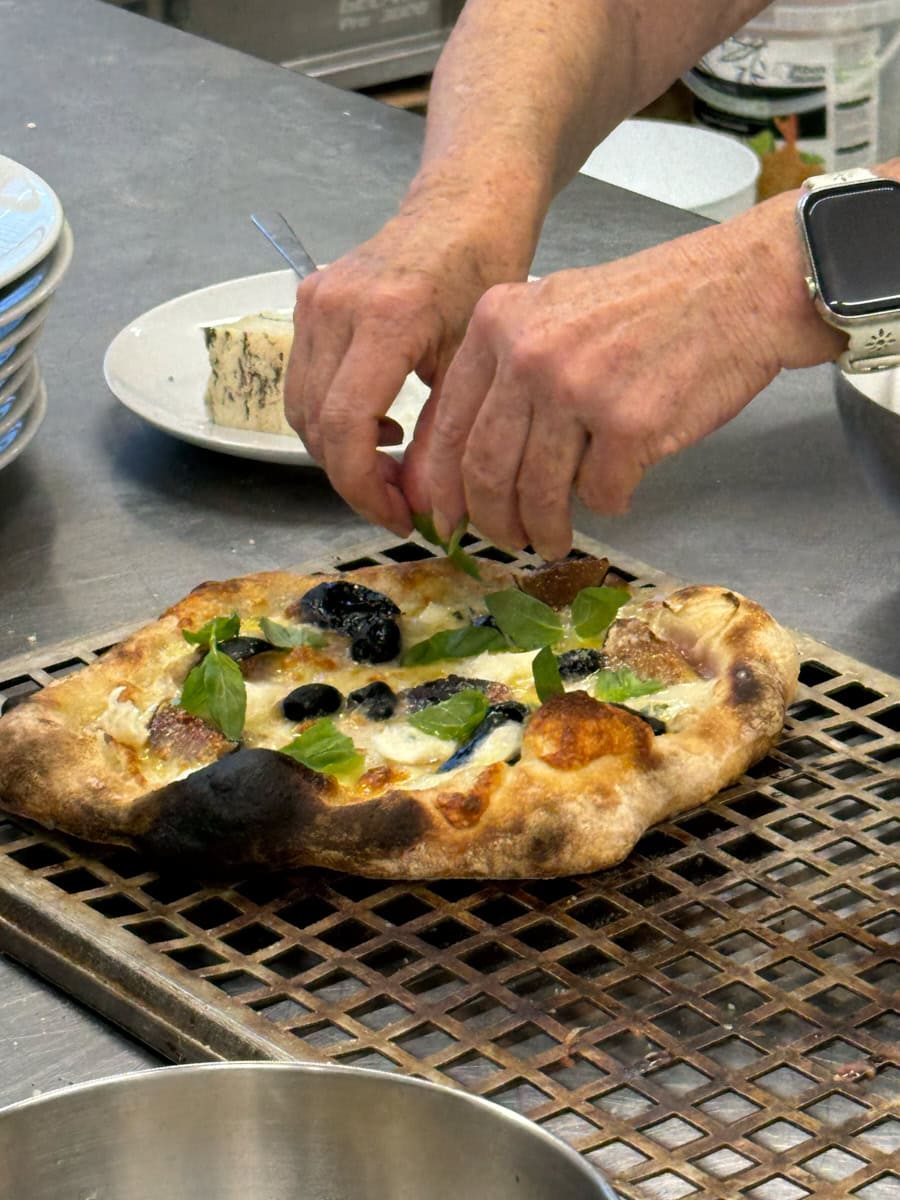
A significant learning experience arose from working with the local Italian Type 00 flour. Known for its low protein content, it proved less tolerant to high hydration levels than anticipated, even after initial recipe adjustments. The humid environment and limited mixer speeds compounded this, transforming it into a valuable teaching moment. Participants learned to adapt by increasing folds during bulk fermentation or performing a second preshape, illustrating how bakers can strengthen dough and troubleshoot issues in real-time—a crucial skill for any artisan. The week culminated in a lively pizza party, where over twenty sourdough pizzas were baked in a bread oven. Participants stretched their own dough and adorned them with an incredible spread of local ingredients, fostering camaraderie and a shared celebration of their newfound skills.

Interlude: A Taste of Panettone Perfection
Following the intensive first week, a brief two-day interlude allowed Leo and Rodbard to visit Olivieri, a renowned panettone baker near Verona. This excursion served as crucial research and inspiration for the upcoming panettone workshop in Milan, highlighting the continuous pursuit of excellence and learning that underpins these culinary journeys.
Week 2: From Emilia-Romagna’s Countryside to Milanese Chic
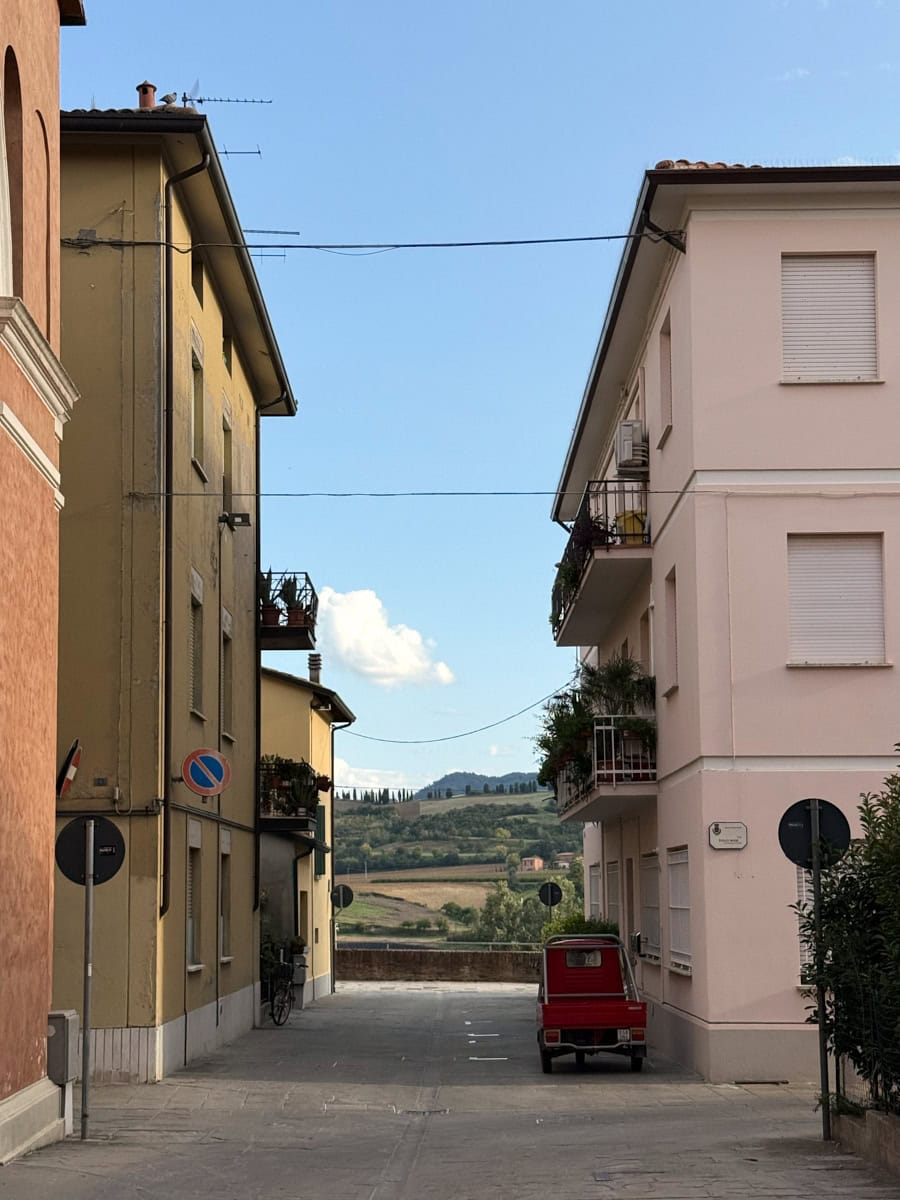
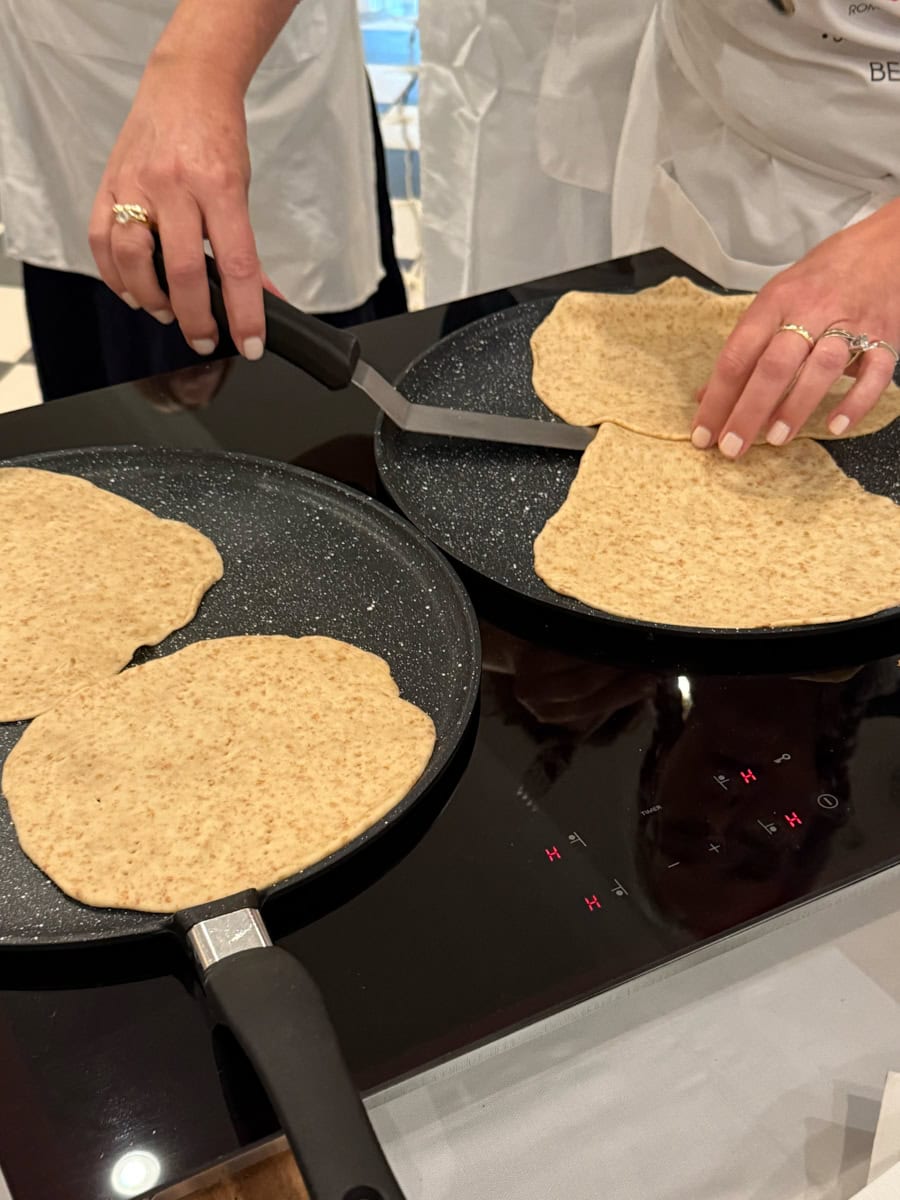
The second week commenced in Riolo di Terme, a serene spa and wellness hotel outside Bologna, offering a tranquil contrast to the bustling city. The tour began with an engaging piadine workshop, where participants crafted sourdough versions of the local flatbread, served traditionally with prosciutto and regional cheeses—a perfect icebreaker and introduction to the local flavors.
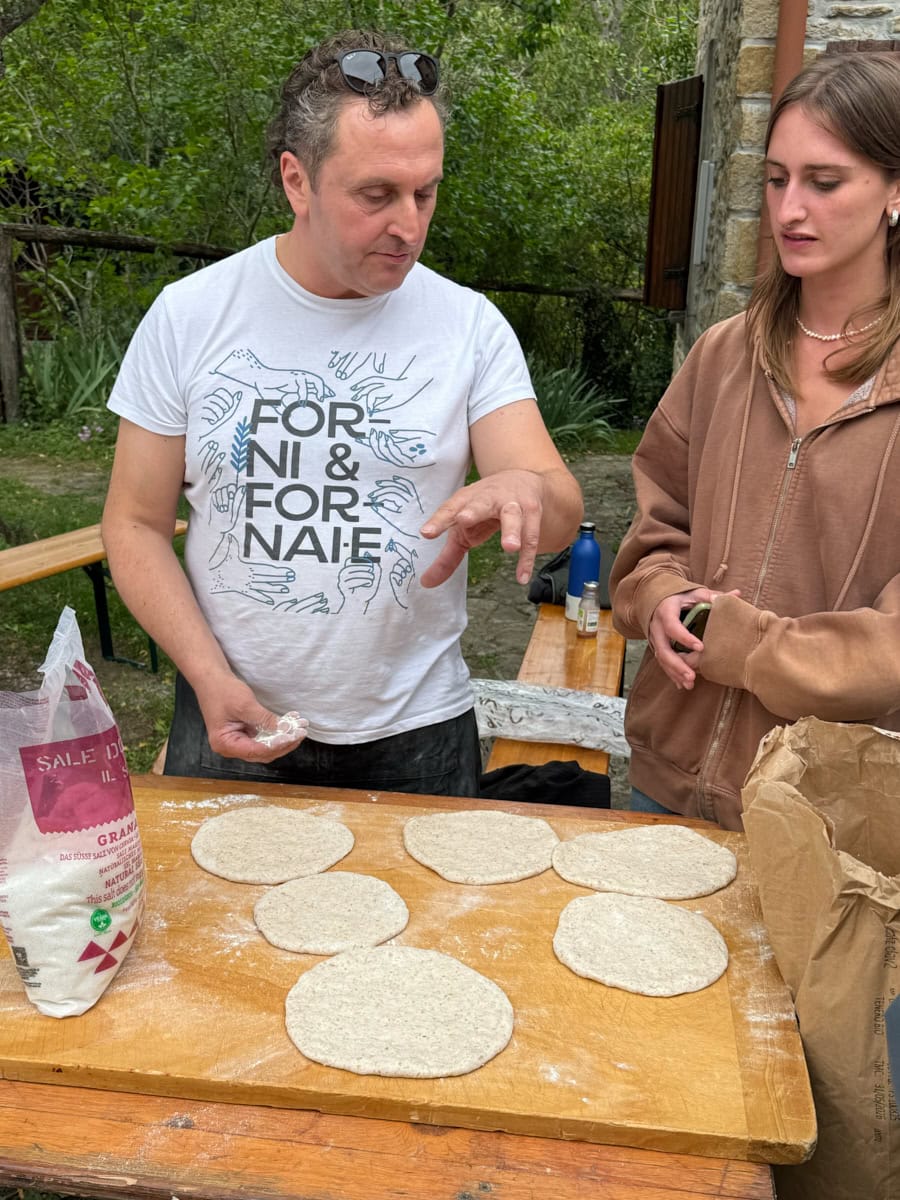
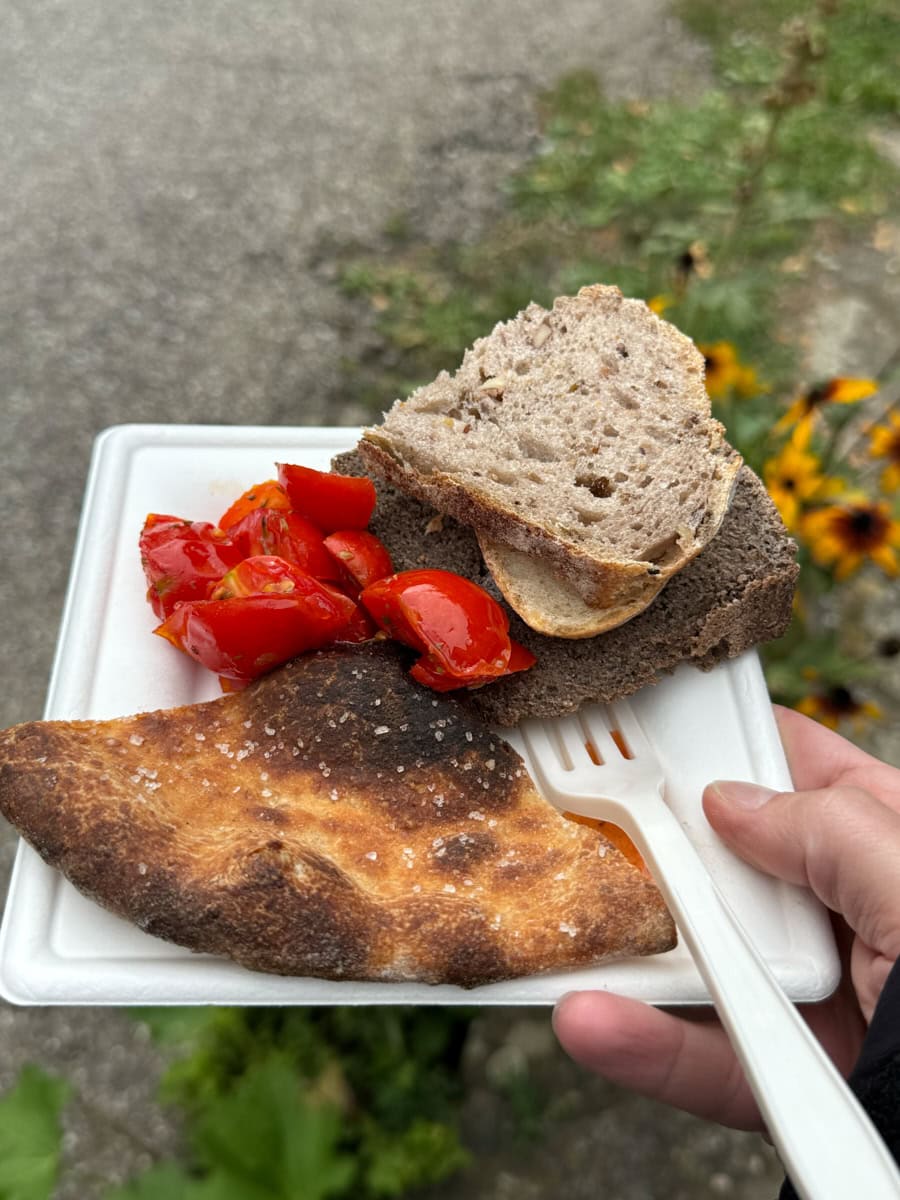
The next day brought an excursion to Monghidoro, where the group explored an ancient chestnut flour mill and traditional stone mills, connecting directly with the origins of their primary ingredient. This was followed by a visit to Forno Calzolari, a local bakery where Matteo and his family hosted a sourdough starter workshop, a dough shaping session, and a bake-off in their traditional wood-fired oven. This intimate experience provided an authentic glimpse into a family operation dedicated to locally grown and milled grains, emphasizing healthful bread for their community. The wood-fired breads and roasted tomatoes were particularly memorable, embodying the simple yet profound flavors of regional Italian cuisine. That evening, an impromptu aperitivo at the hotel, featuring bakery delights and an Olivieri panettone, further cemented the group’s bond amidst the vibrant local music and spritz.
A change of pace led the group to VSB (Vecchia Scuola Bolognese) for a hands-on workshop in rolling sfoglia (pasta dough) with Maestra Spisni. While mastering this ancient craft, akin in depth to bread-making, takes years, the session provided a joyful introduction to creating fresh tagliatelle, tortellini, and tortelloni. These "Queens of Emilia-Romagna" were then enjoyed for a group lunch, reinforcing the connection between learning and savoring. A subsequent guided walking tour of Bologna delved into historical sites, vibrant food markets, and further opportunities to taste freshly made tortellini. The day concluded with a visit to Cremeria La Vecchia Stalla for gelato, though Cremeria Cavour remained a top contender, demonstrating the delightful challenge of choosing favorites in a city renowned for its frozen treats. A delightful meal at Ristorante Da Cesari, replete with excellent pasta and ragù, ensured everyone was thoroughly carb-loaded for the next day’s explorations.
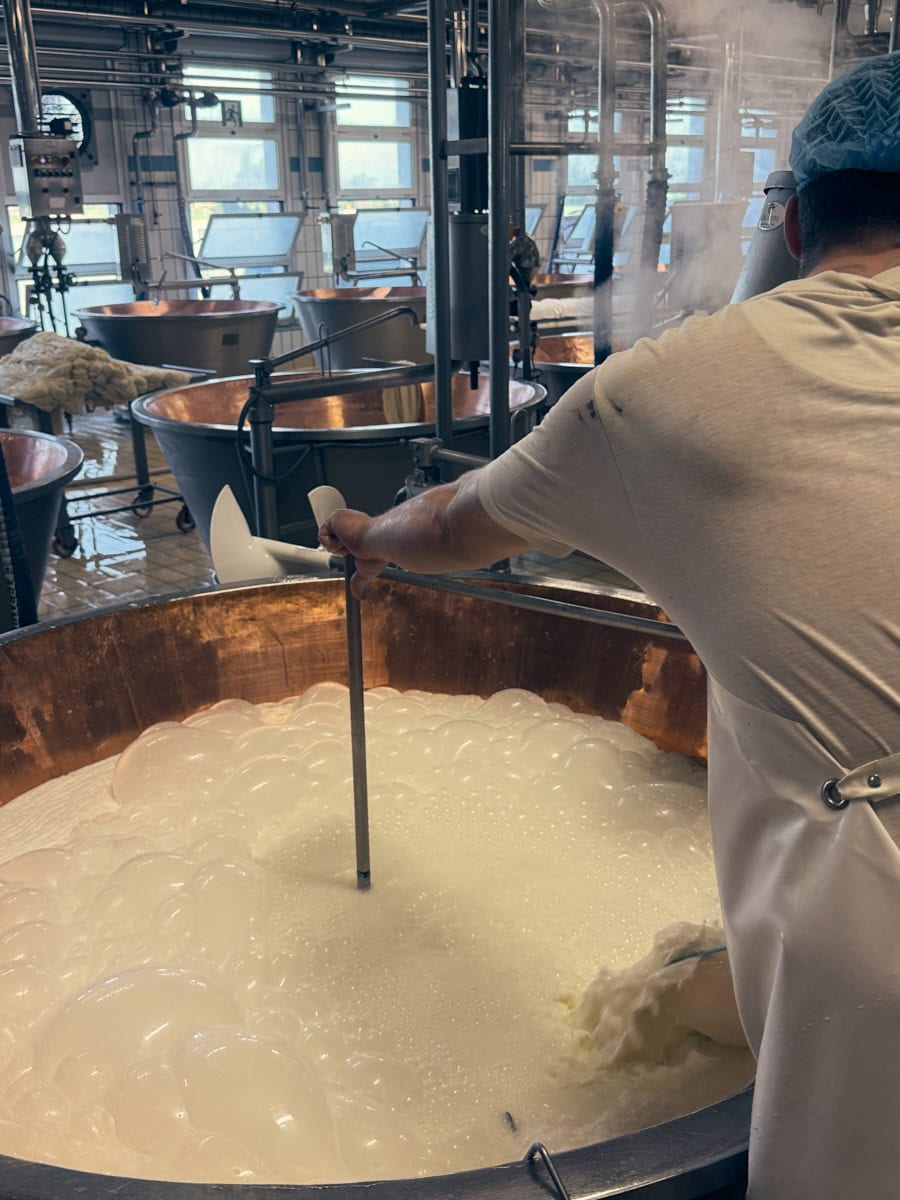
The following day was dedicated to two of Emilia-Romagna’s most celebrated exports: Parmigiano Reggiano and Aceto Balsamico. A private tour of Latteria La Grande, a major Parmigiano Reggiano producer, offered a captivating insight into the artisanal process of transforming raw milk into large, aged wheels of cheese. The sight of towering cheese wheels left many participants in awe, prompting a flurry of purchases and inspiring several to acquire additional luggage for their return journey, underscoring the irresistible allure of authentic regional products. This was followed by a tour and balsamic vinegar tasting at Acetaia Leonardi, where participants enjoyed a lunch showcasing balsamic vinegar in various dishes, from cheeses and bread to pasta and even panettone, highlighting its incredible versatility.

The tour then transitioned to Milan, a city representing a distinct shift from Bologna’s traditional, meat-and-pasta-heavy culinary identity to a more contemporary landscape characterized by industry, fashion, and innovative cuisine. Risotto, cotoletta, and a trendy aperitivo scene define Milan’s gastronomic pulse. Before delving into the panettone workshop, a stop at Pasticceria Marchese for espresso and a slice of exceptional panettone offered a benchmark for quality. The panettone, praised for its light, open crumb, perfectly balanced candied fruit, and absence of glaze (a Milanese preference), stood out as one of the best tasted.
The two-day panettone workshop served as an introduction to what is widely considered one of the most challenging breads to master. The chef provided a comprehensive overview of the complex multi-stage process, incorporating hands-on elements such as dividing, shaping, and scoring the delicate dough. This intensive session, informed by previous learning experiences, underscored the precision and patience required for this iconic Italian sweet bread.

The Grand Finale: Innovation, Community, and Farewell
The final day of the tour brought the completion of the panettone workshop, a casual lunch, and a visit to the inspiring bakery of Davide Longoni. Known for its commitment to sourcing, milling, and utilizing its own grains, Longoni’s bakery felt like a laboratory of innovation. The prototype mill set up for in-house flour production exemplified a dedication to controlling every aspect of the bread-making process, from grain to finished loaf. The enthusiastic and knowledgeable guide conveyed a profound belief in their craft, fostering a welcoming atmosphere focused on crafting exceptional products.

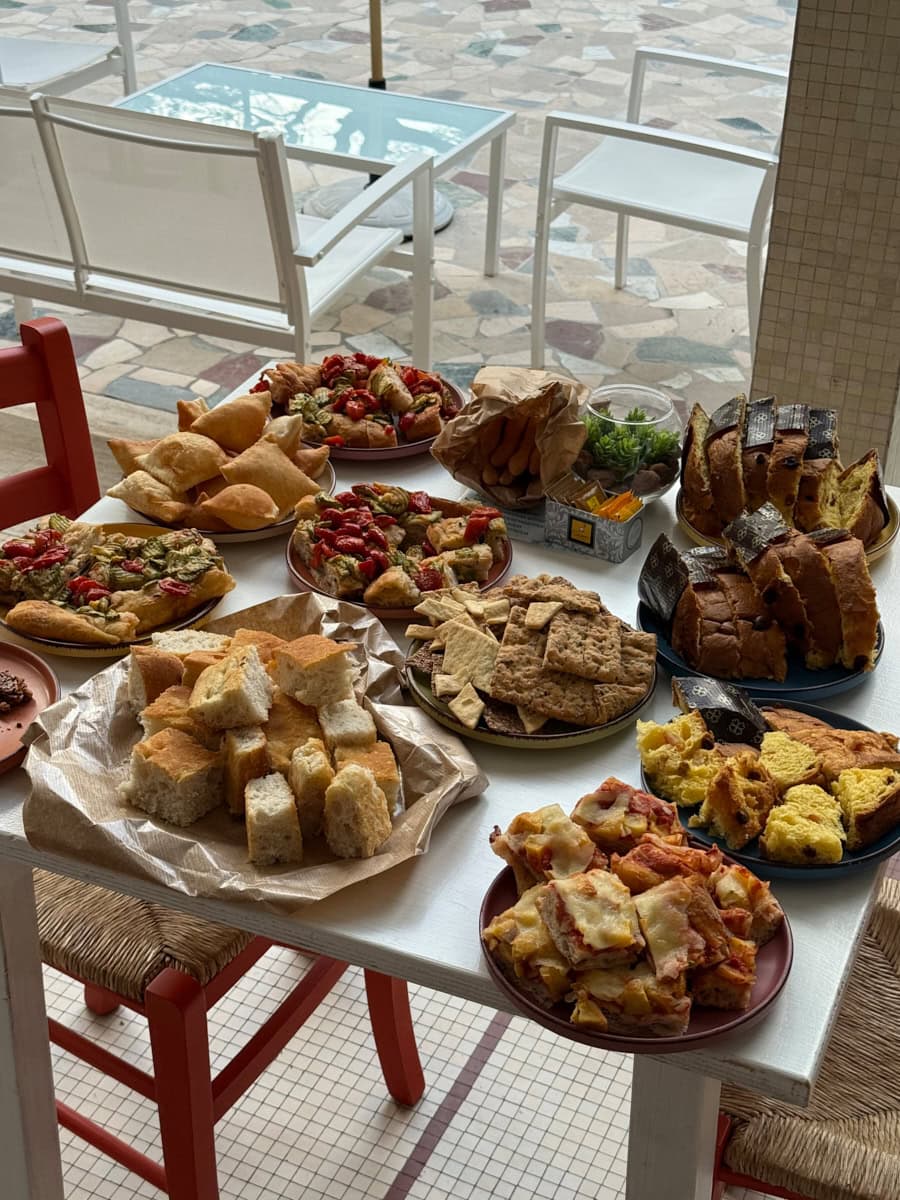
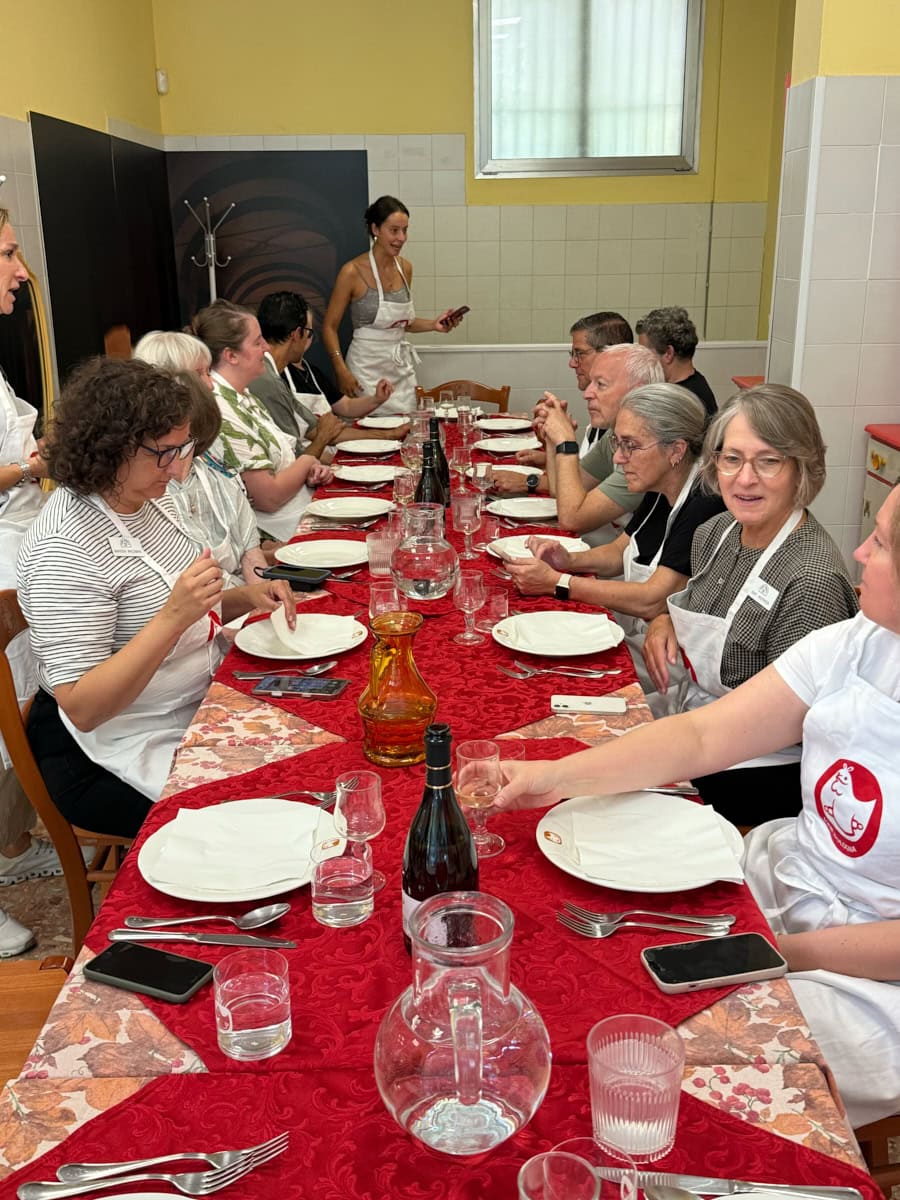
The visit culminated in a group tasting of Longoni’s diverse breads, paired with local cheeses, cured meats, and wines. The "pizza alla palla," or focaccia, particularly impressed with its ethereal lightness and delicate texture. This aperitivo was a highlight, fostering vibrant discussions about bread and culinary passion. The journey concluded with a farewell dinner at Bistrot Da Giacomo, an elegant establishment known for its refined cuisine. Beyond the perfectly executed dishes, this meal crystallized the strong bonds formed during the trip. Traveling with like-minded individuals who share a passion for food and baking has a unique ability to accelerate friendships, creating connections that typically take years, in a matter of days.
Looking Ahead: The Future of Culinary Exploration

The two-week immersion in Northern Italy was a resounding success, offering participants not just new baking skills and culinary knowledge, but also a profound appreciation for Italy’s regional food culture and the camaraderie of shared passion. The detailed itinerary, combining hands-on learning with exclusive tours, epitomized a growing trend in experiential travel, where deeper engagement with local traditions is prioritized over superficial sightseeing. Such specialized culinary tours play a vital role in fostering cross-cultural understanding and enriching the global culinary community.
Plans are already underway for future expeditions. While 2026 is slated for a break, the organizers anticipate a return in 2027 with one or possibly two new trips. Enthusiasts are encouraged to monitor "The Perfect Loaf’s" Travel Page for updates and to share their preferences for future bread destinations, ensuring that these unique culinary adventures continue to evolve and inspire. The success of this Northern Italian journey underscores the enduring allure of authentic food experiences and the power of shared passion to forge unforgettable connections. A presto!