
Achieving the ultimate grilled burger, a culinary icon of summer gatherings and backyard barbecues, requires more than just slapping ground meat onto a hot grill. It’s a delicate balance of ingredient selection, preparation techniques, and precise cooking methods that separate a good burger from a truly exceptional one. This comprehensive guide delves into the secrets of pitmaster Christie Vanover of Girls Can Grill, revealing the essential tips and tricks to ensure every burger patty emerges from the grill with unparalleled juiciness and depth of flavor.
The quest for the perfect grilled burger has a long and storied history, evolving from simple sustenance to a canvas for culinary creativity. Historically, burgers were a more humble affair, often made with less desirable cuts of meat. However, as barbecue culture has flourished and the appreciation for high-quality ingredients has grown, the grilled burger has ascended to gourmet status. This evolution is reflected in the increasing variety of cuts, fat percentages, and seasoning approaches employed by both home cooks and professional chefs. The rise of specialized burger joints and the proliferation of grilling blogs and social media channels dedicated to barbecue further underscore the enduring popularity and continuous refinement of this beloved dish.
Christie Vanover, an award-winning competitive pitmaster and founder of Girls Can Grill, brings a wealth of experience and a passion for barbecue to her burger-making philosophy. Her approach emphasizes simplicity and technique, focusing on maximizing the natural flavors of the beef while ensuring a succulent texture. Vanover’s insights are not merely anecdotal; they are honed through years of competitive cooking and extensive recipe development, offering a practical and effective roadmap for achieving burger perfection.

Key Tips for Crafting Unforgettable Grilled Burgers
The foundation of any great burger lies in its preparation. Vanover’s expertise highlights several critical steps that contribute to a superior outcome:
The Art of Patty Formation: Size and Shape Matter
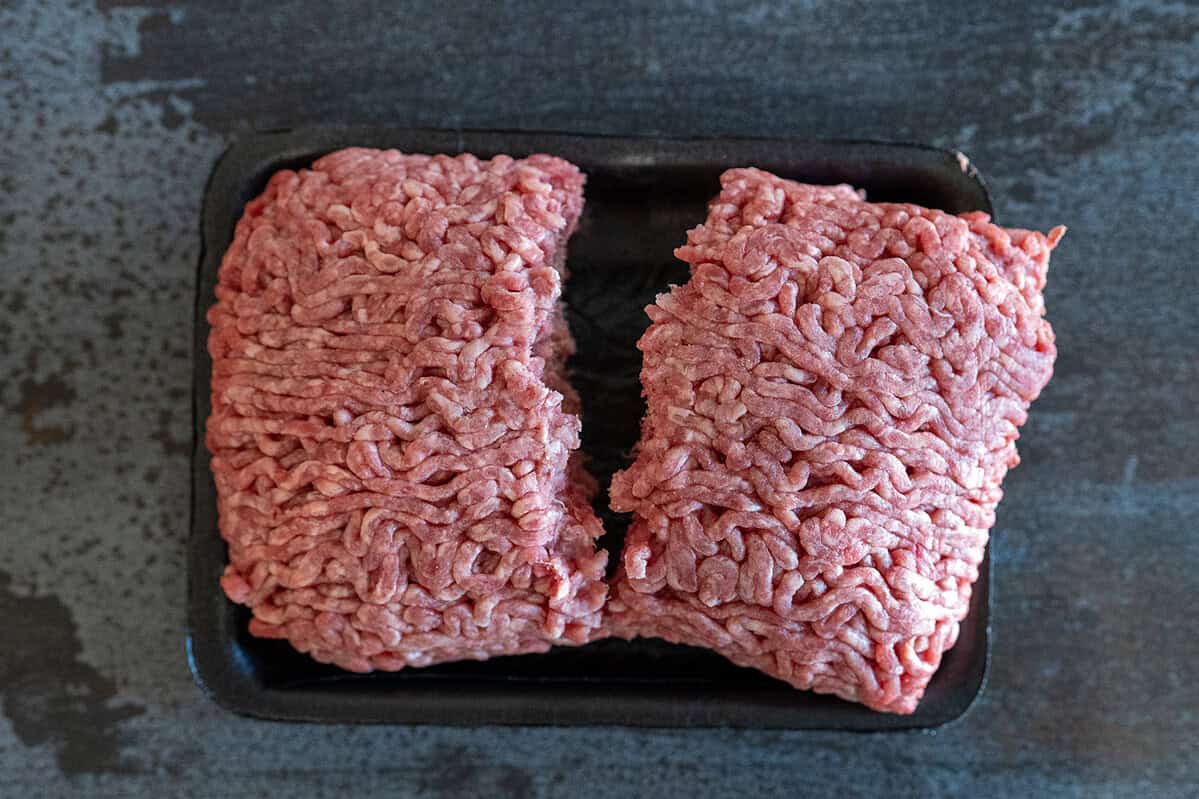
Vanover advocates for substantial, half-pound patties, a departure from the thinner smash burgers that have gained recent popularity. This generous size is crucial for maintaining moisture during the grilling process. "No thin patties," she advises, emphasizing that this technique is reserved for a different style of burger. The patties should be formed to be approximately an inch larger than the intended bun, accounting for shrinkage during cooking.
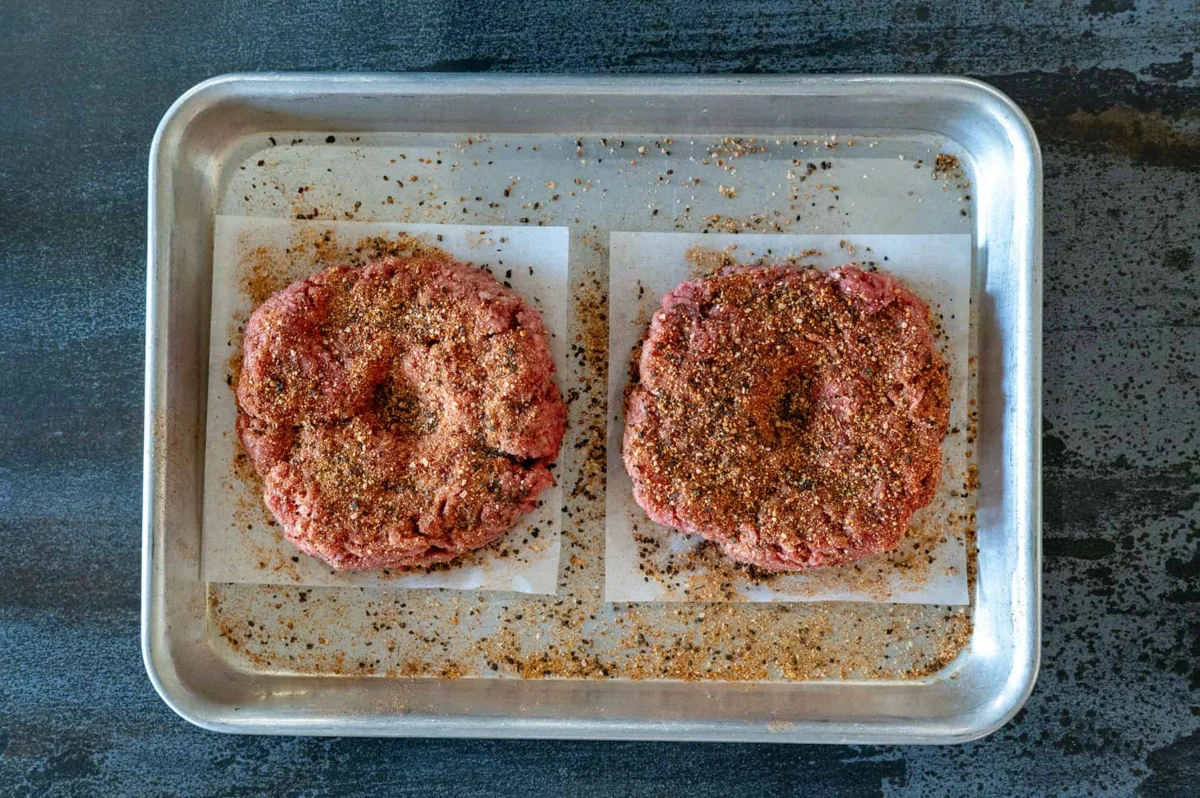
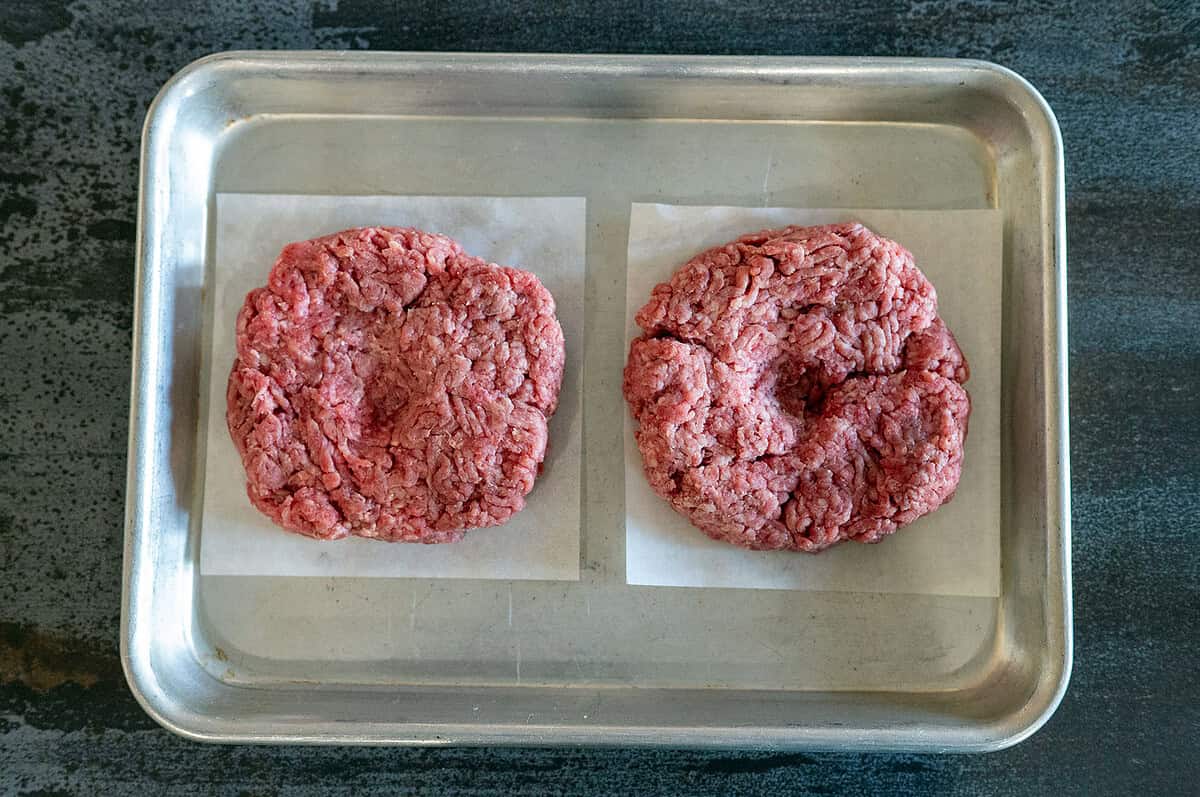
A vital technique for ensuring even cooking and preventing the dreaded "burger dome" is the dimple. Using one’s thumb, a slight indentation is pressed into the center of each patty. This simple yet effective method counteracts the natural tendency of ground meat to swell and puff up on the grill, resulting in a flatter, more evenly cooked burger.
Pro Tip for Optimal Texture: Vanover stresses the importance of not overworking the ground beef during patty formation. Overhandling can cause the beef fat to melt prematurely due to the heat of your hands, leading to a less juicy and flavorful final product. The goal is to keep the fat cold and intact, which will render beautifully during grilling, contributing to both juiciness and taste. Should the patties become too soft and warm, a brief chilling period in the refrigerator for 15 to 30 minutes, covered with plastic wrap, will firm them up and ensure optimal grilling results.
Seasoning Strategy: The Exterior Advantage
A common misconception in burger preparation is the belief that seasonings should be mixed directly into the ground beef. Vanover strongly advises against this, likening it to preparing a meatloaf rather than a burger. "We’re not going for meatloaf patties here," she states, underscoring that incorporating seasonings within the mixture can lead to a denser texture and prevent the development of a desirable crust.
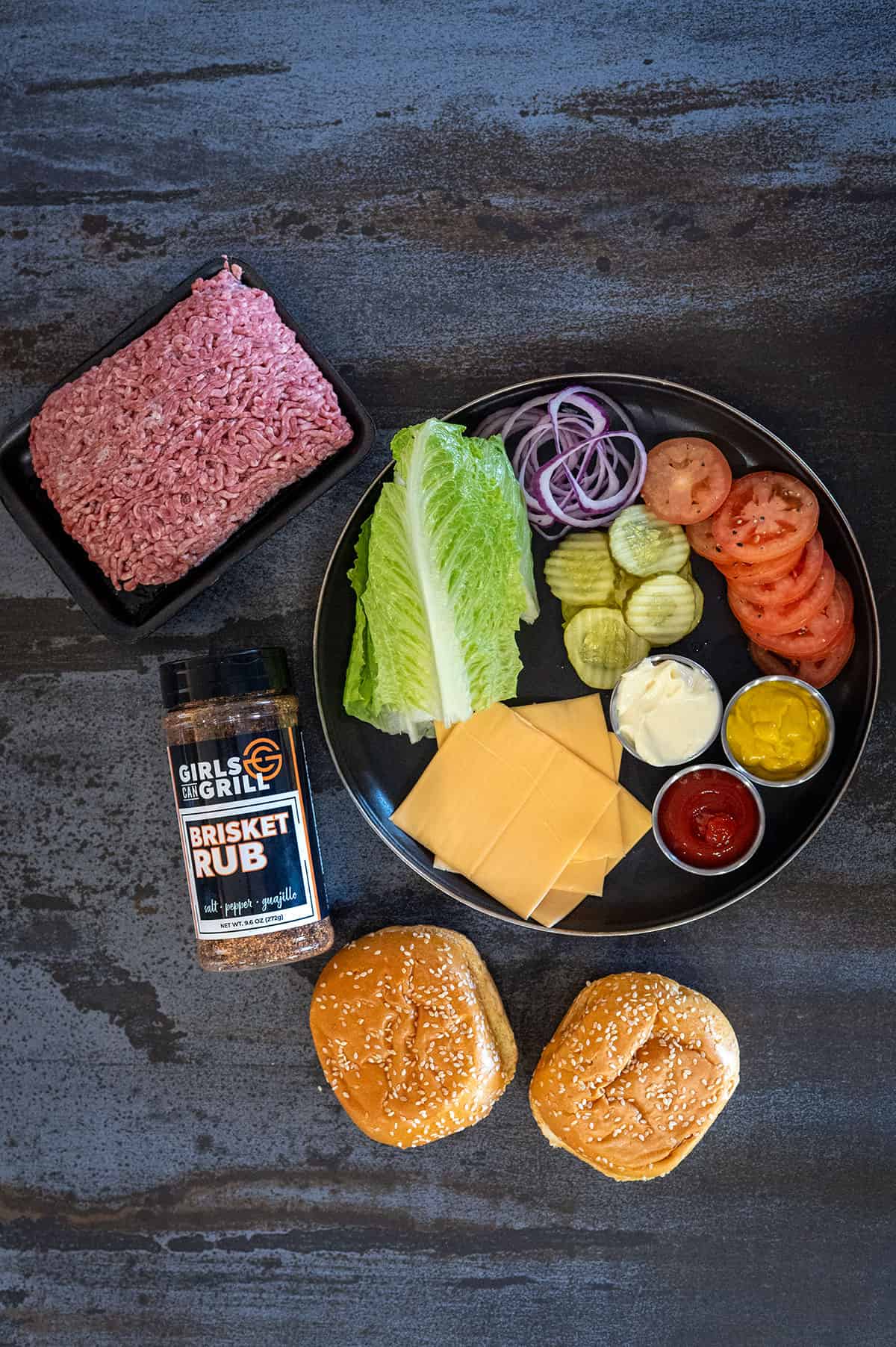
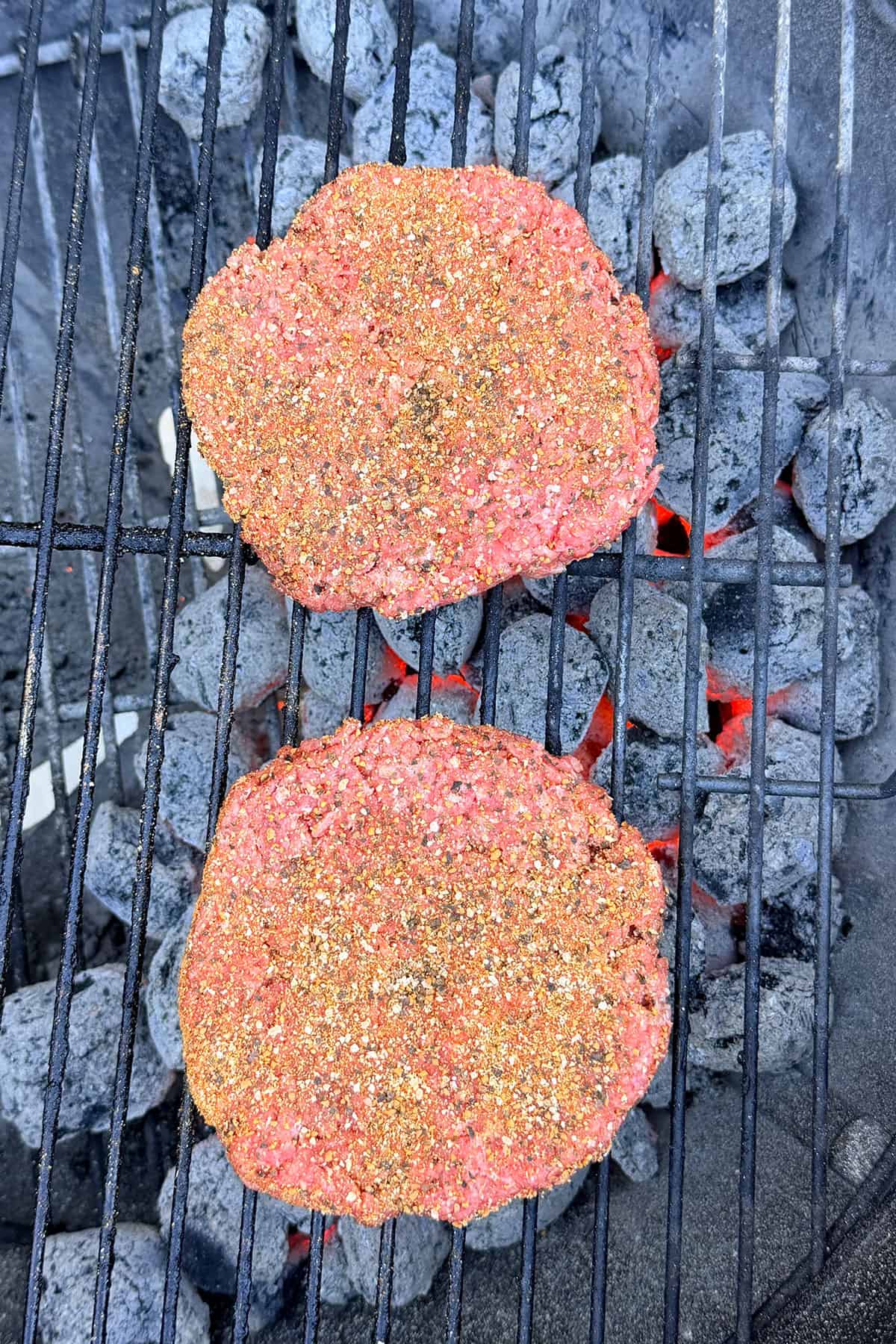
Instead, the optimal approach is to generously coat the exterior of the formed patties with coarse salt and freshly ground black pepper. For those seeking additional flavor complexity, Vanover recommends using a high-quality beef rub, such as the Girls Can Grill Brisket Rub. This external seasoning allows for the formation of a savory, flavorful crust that complements the inherent richness of the beef.

The Charcoal Advantage: Flavor Infusion
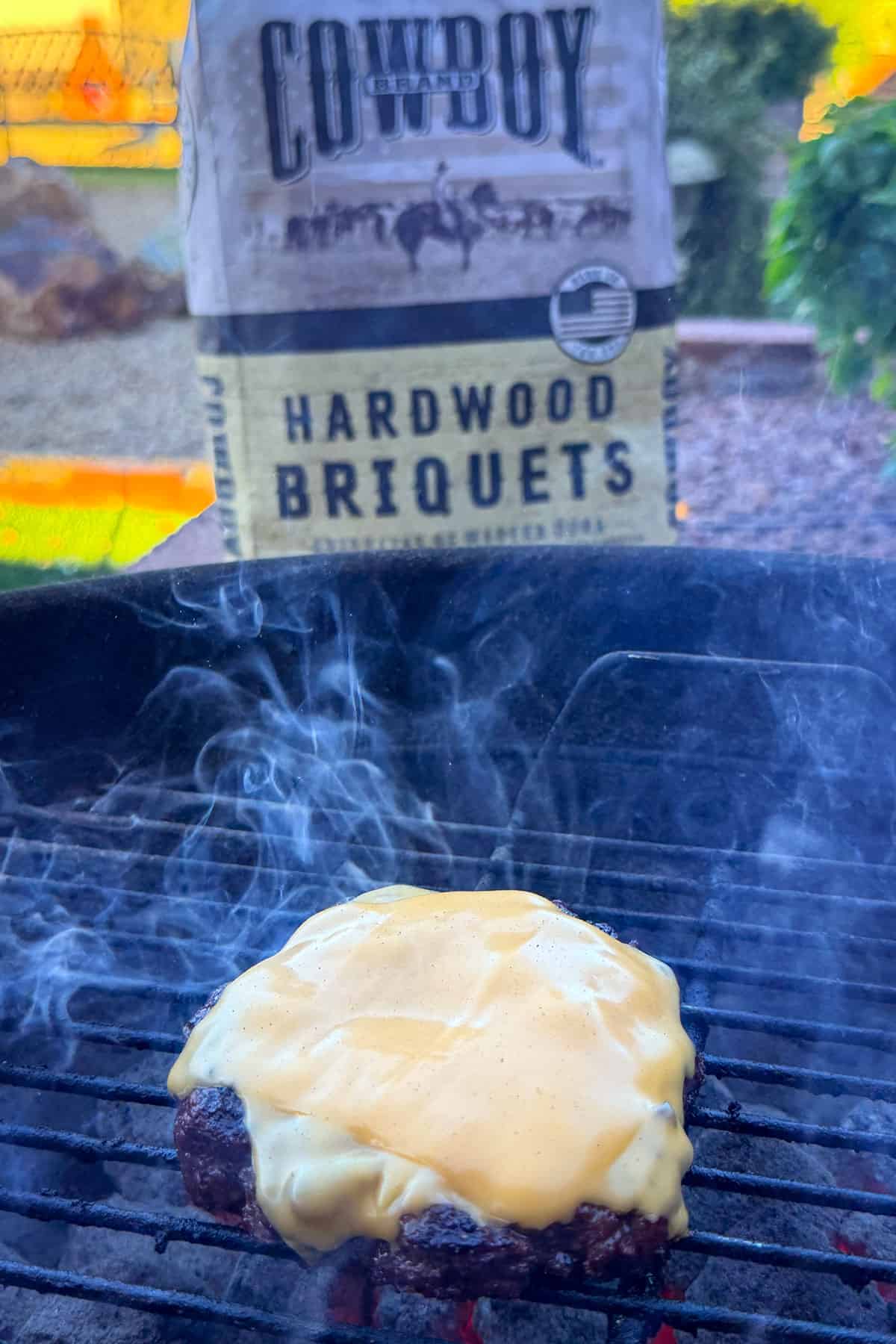
While burgers can be successfully grilled on gas or pellet grills, Vanover expresses a distinct preference for charcoal grilling. The combustion of charcoal imparts a unique smoky flavor that is fundamental to her ideal grilled burger. She specifically recommends Cowboy Charcoal Briquets, known for their consistent heat and clean-burning properties.
To achieve the perfect cooking environment, Vanover advocates for a two-zone grilling setup. This involves igniting the charcoal briquets using a chimney starter. Once the coals begin to ash over, they are carefully distributed to one side of the grill, creating a hot zone for searing and a cooler zone for indirect cooking. The grill grates are then placed over the coals, and the grill lid is positioned to allow the temperature to reach a medium to medium-high range, typically between 350°F and 400°F. This controlled heat environment is essential for achieving a perfect sear without burning the exterior before the interior is cooked through.

The Grilling Process: From Sear to Sizzle
With the grill prepped and the patties ready, the cooking process becomes a carefully orchestrated dance of heat and time.
Step 1: The Initial Sear
Place the seasoned burger patties directly onto the hot side of the grill, ensuring the seasoned side makes initial contact with the grates. This direct heat is crucial for developing that sought-after char and locking in juices. Season the second side of the patty while the first side sears, and re-form the dimple if necessary. This initial searing phase typically lasts for 4 to 5 minutes, depending on the grill’s heat intensity.
Step 2: The Flip and Finish
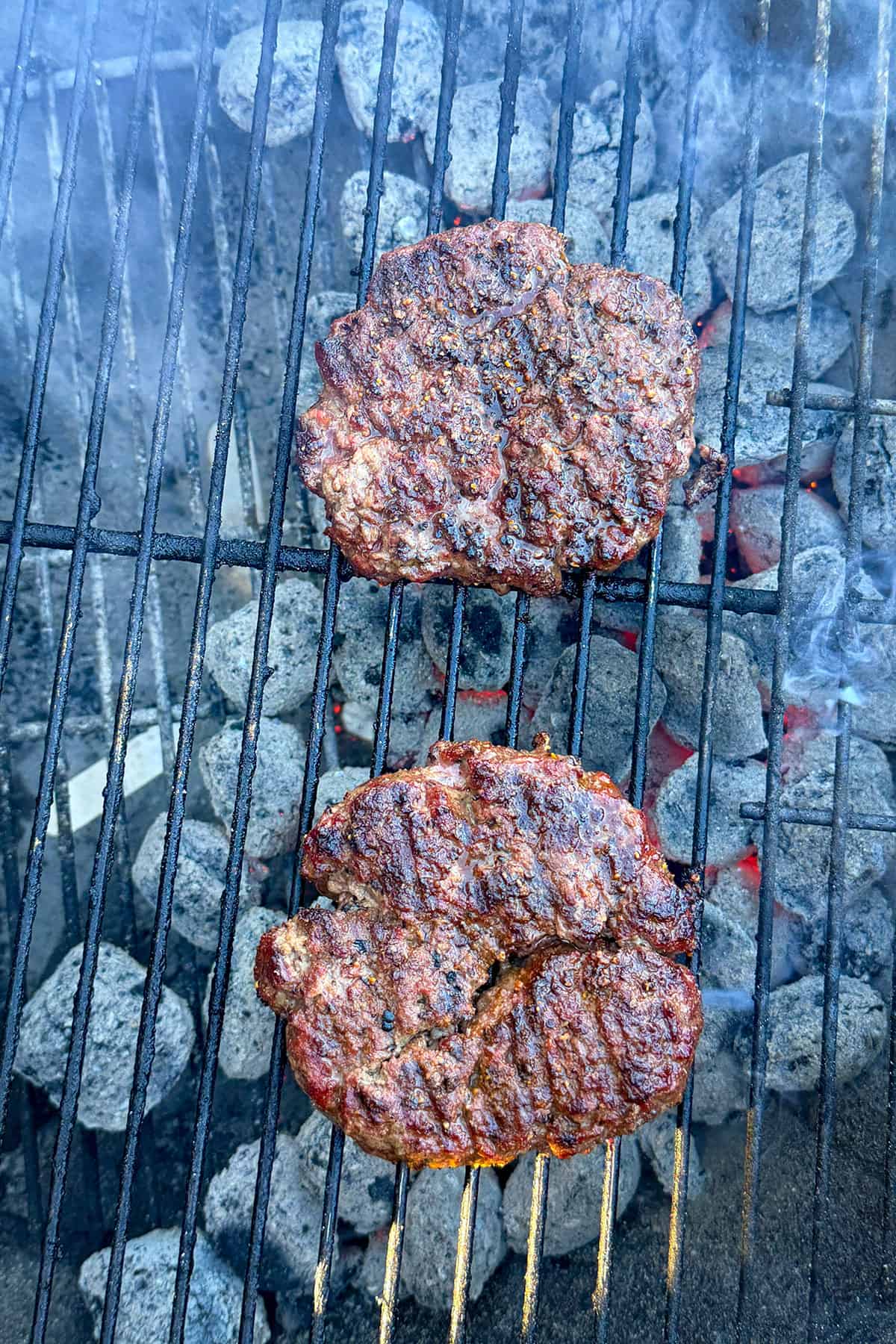
After the initial sear, it’s time to flip the burgers. This is when the second side is exposed to the direct heat. Cook for an additional 3 to 4 minutes. During this stage, it’s time to introduce the cheese. Place slices of your preferred cheese onto the patties, allowing it to melt into gooey perfection. The lid of the grill should be replaced to trap heat and facilitate even cheese melting, while also helping to manage any potential flare-ups from dripping fat.
The total cooking time will vary based on the thickness of the patties and the desired level of doneness. For medium-rare, an internal temperature of around 135°F is ideal, while a medium burger will register closer to 145°F, and a well-done burger will reach 165°F. Utilizing a digital meat thermometer inserted into the side of the burger, towards the center, is the most accurate way to determine doneness.
Serving and Customization: Building Your Masterpiece
The beauty of the grilled burger lies in its versatility. Once cooked to perfection, the burger becomes a blank canvas for a multitude of toppings and condiments, allowing for personalized culinary expression.
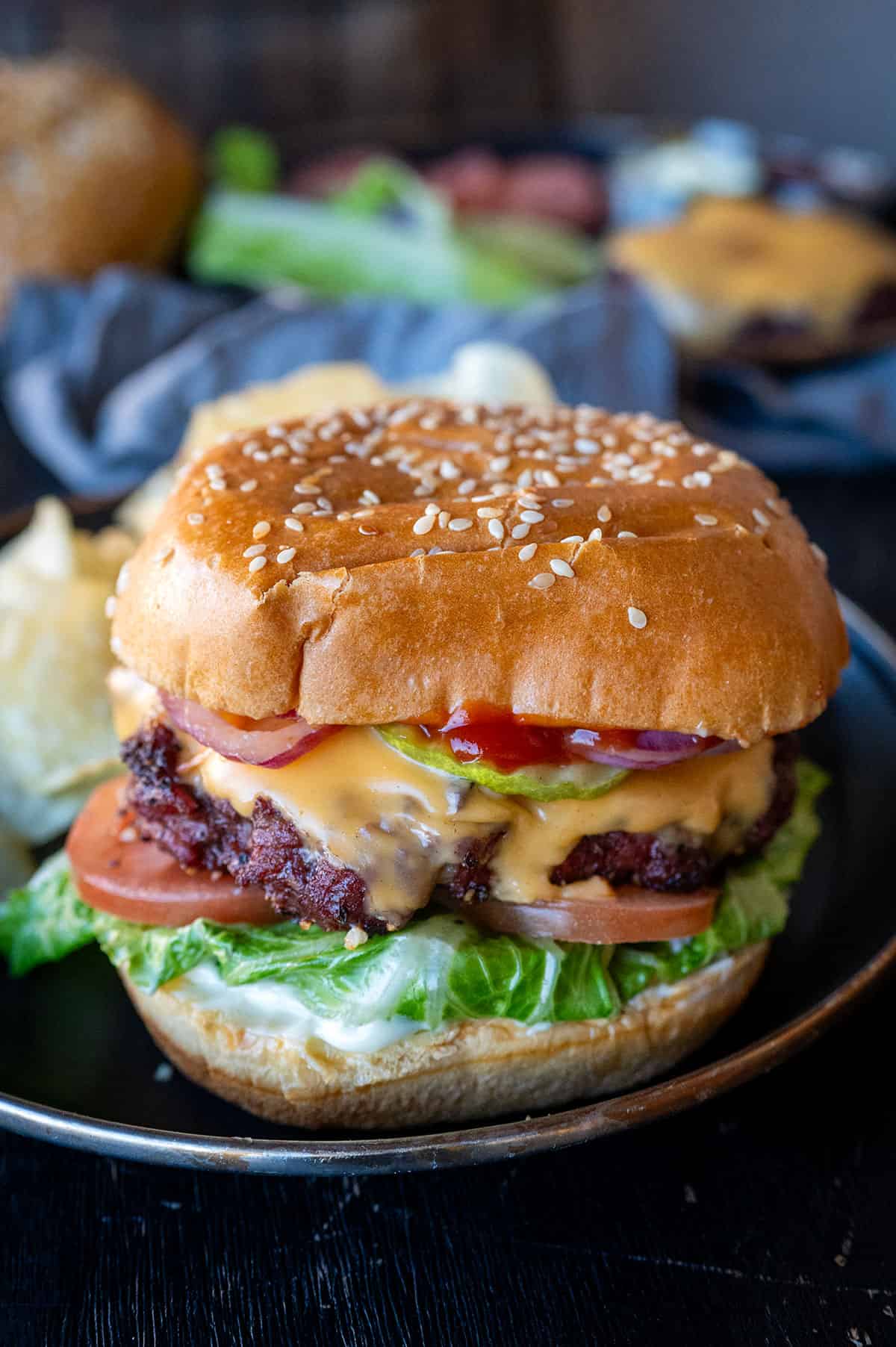
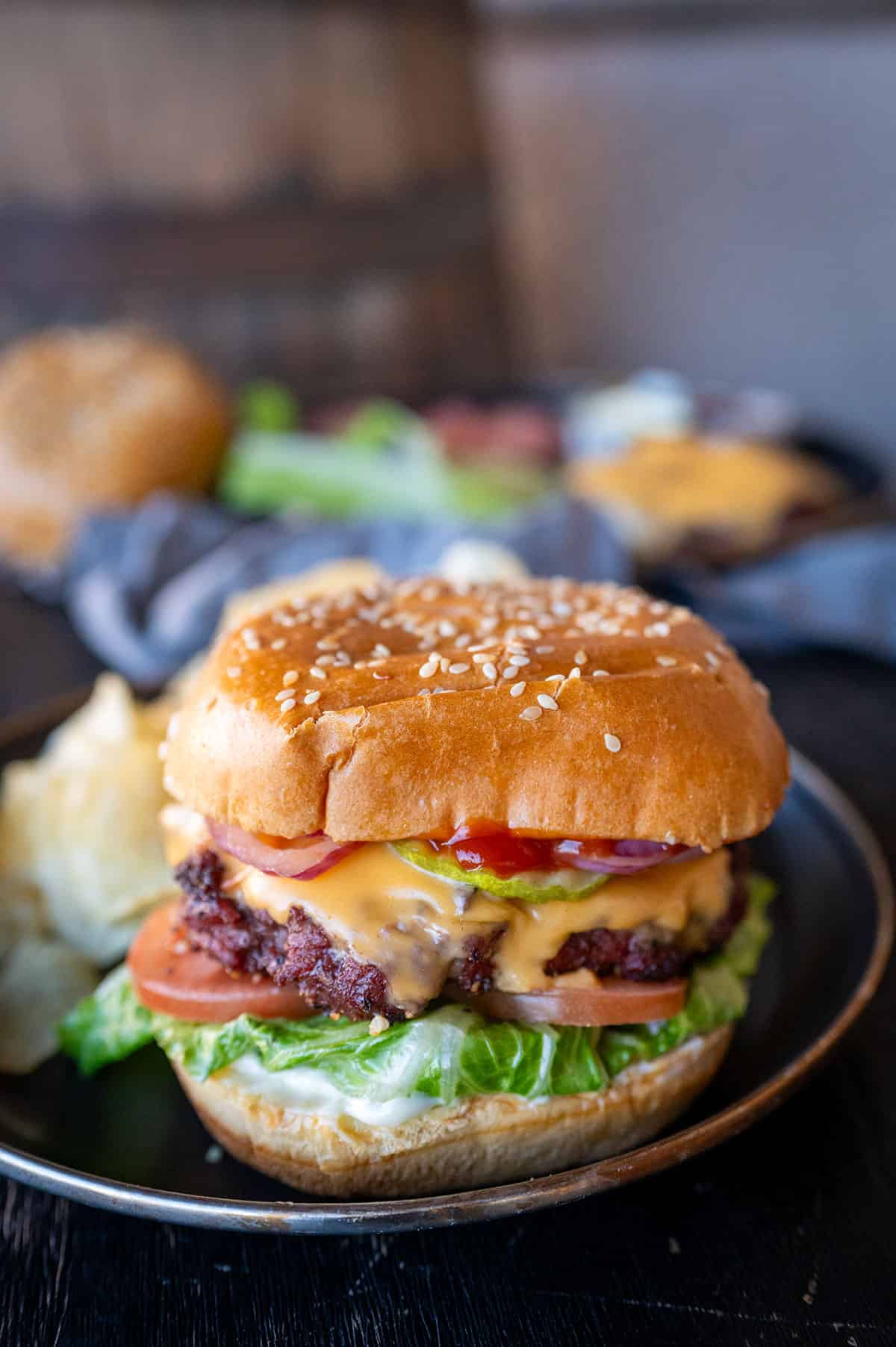
Vanover highlights that the "perfect burger is the one you make yourself." Her husband, for instance, prefers a classic combination of American cheese, mustard, and pickles on a traditional hamburger bun. In contrast, Vanover herself enjoys a more elaborate construction featuring cheese, mayonnaise, ketchup, lettuce, onions, pickles, and tomatoes on a brioche bun.

The possibilities are virtually endless, ranging from simple to gourmet. For those seeking inspiration, exploring restaurant menus can spark creative ideas. Brands like Red Robin offer a vast array of burger combinations that can serve as a jumping-off point for home cooks. Incorporating elements such as barbecue sauce, specialized burger sauces, various cheeses, crispy bacon, pickled onions, or even adventurous additions like peanut butter can elevate a basic burger into a gourmet creation.
Storage and Preparation for Future Feasts
Leftover grilled burger patties can be stored in an airtight container in the refrigerator for 3 to 4 days. For longer storage, cooked burgers can be frozen for several months.
For those who enjoy the convenience of having burgers readily available, Vanover suggests a smart prep-ahead strategy. Purchase ground beef in bulk, shape the patties, and freeze them individually before seasoning or cooking. This allows for quick weeknight meals; simply thaw the frozen patties in the refrigerator, add the dimple, season, and grill.
Frequently Asked Questions About Perfect Burgers
How do you know when grilled burgers are done?
A digital meat thermometer is the most reliable tool. Insert it into the side of the burger towards the center. The USDA recommends 165°F for ground meat safety. For personal preference, medium-rare is around 135°F, and medium is approximately 145°F.
What should I put in my burger mixture?
Vanover strongly advises against mixing seasonings into the beef. The best practice is to liberally coat the outside of the patty with coarse salt, pepper, or a beef rub to create a flavorful crust.
What does a medium burger look like?
Similar to steak, burger doneness varies. A medium burger will exhibit a slightly browned exterior with minimal pink in the center, indicating an internal temperature of around 145°F.
By adhering to these expert techniques, from the meticulous formation of patties to the nuanced art of charcoal grilling and strategic seasoning, any home cook can elevate their grilled burger game. The result is not just a meal, but a testament to the enduring appeal of perfectly executed barbecue, a dish that consistently brings people together and satisfies the most discerning palates.


