
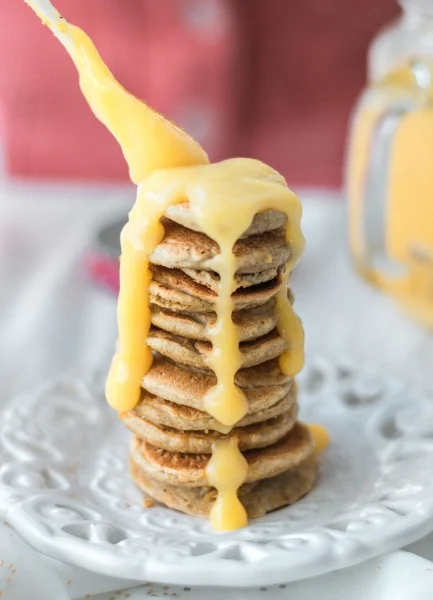
While the image of a towering stack of golden pancakes, generously drizzled with maple syrup and adorned with berries, remains a quintessential breakfast fantasy for many, a significant culinary shift is underway. Increasingly, food enthusiasts and health-conscious consumers are challenging the traditional sweet paradigm of pancakes, exploring savory alternatives that not only tantalize the palate but also offer substantial nutritional benefits. At the forefront of this gastronomic revolution is the strategic incorporation of cheese, transforming the humble pancake into a versatile, protein-rich, and deeply flavorful meal. This re-evaluation of pancake preparation moves beyond simple indulgence, positioning the dish as a more balanced and sophisticated culinary experience suitable for any time of day.
A Historical Perspective: The Pancake’s Global Journey
The concept of flatbreads cooked on a hot surface is ancient, predating recorded history and found in nearly every civilization across the globe. Early forms of pancakes, often made from ground grains mixed with water and cooked over fire, served as staple foods, providing essential sustenance. From the Roman alia dulcia (meaning "other sweets," though often savory) to medieval European crepes and the indigenous American hoe cakes, these flatbreads were adaptable, utilizing local ingredients and cooking methods. Their simplicity and versatility allowed them to evolve into myriad forms: the thin French crêpe, the fluffy American pancake, the yeast-risen Russian blini, the fermented rice and lentil dosa of India, and the complex, savory okonomiyaki of Japan.
For centuries, many of these flatbreads maintained a dual identity, readily accepting both sweet and savory accompaniments. In Europe, savory crepes filled with cheese, ham, or vegetables were common, especially during religious observances like Shrove Tuesday (Pancake Day), which marked a final indulgence before the Lenten fast. The prominence of sweet pancakes in Western breakfast culture largely developed in the 19th and 20th centuries, fueled by the availability of refined sugar, maple syrup, and the marketing of breakfast cereals and convenience foods. This historical context underscores that the current trend towards savory pancakes, particularly those featuring cheese, is not an entirely new invention but rather a return to a more traditional and globally diverse culinary approach.
The Nutritional Imperative: Elevating Breakfast Beyond Sugar
One of the most compelling arguments for integrating cheese into pancakes lies in its superior nutritional profile compared to conventional sugary toppings. A typical serving of maple syrup, often perceived as a natural sweetener, can contain upwards of 50-60 grams of sugar, primarily sucrose, with minimal protein or essential nutrients. While it offers some antioxidants and minerals, its high glycemic load can lead to rapid blood sugar spikes, followed by energy crashes. Over time, consistent consumption of high-sugar breakfasts can contribute to a range of health issues, including insulin resistance, type 2 diabetes, cardiovascular concerns, and digestive discomfort.
Cheese, in stark contrast, offers a robust nutritional package. It is an excellent source of high-quality protein, crucial for satiety, muscle repair, and overall metabolic function. A 1-ounce serving of cheddar cheese, for instance, provides approximately 7 grams of protein. Furthermore, cheese is a significant source of calcium, vital for bone health, nerve function, and blood clotting. It also contains essential vitamins such such as Vitamin B12 and Vitamin A, and healthy fats that contribute to nutrient absorption and sustained energy release.
Nutritionists often advocate for breakfasts rich in protein and fiber to promote sustained energy, mental clarity, and satiety throughout the morning. By replacing or supplementing sugary syrups with cheese, the pancake dish transitions from a carbohydrate-heavy, sugar-laden treat to a more balanced meal. For individuals managing blood sugar levels, seeking weight management, or simply aiming for a more nutritious start to their day, this shift represents a tangible improvement. Even within the category of cheese, healthier alternatives exist; while rich options like Parmesan, blue cheese, or Gruyère offer intense flavor, varieties such as feta, cottage cheese, and Swiss cheese can provide similar nutritional benefits with potentially lower fat or sodium content, catering to diverse dietary needs. The inclusion of cheese also naturally encourages the addition of other beneficial ingredients like fruits or oatmeal to the pancake batter, further boosting fiber intake and micronutrient diversity.
Culinary Versatility: The Art of Savory Pancake Crafting
Beyond its health benefits, cheese unlocks an expansive realm of culinary possibilities for pancakes. Its inherent umami, creamy texture, and diverse flavor profiles – from sharp and tangy to mild and buttery – allow for endless experimentation. Food bloggers, professional chefs, and home cooks alike are increasingly exploring the myriad ways cheese can be incorporated, transforming pancakes from a simple breakfast item into a sophisticated meal.
The integration of cheese can take several forms:
- Into the Batter: Shredded or crumbled cheese can be folded directly into the pancake batter, melting seamlessly during cooking to create pockets of gooey deliciousness and infuse the entire pancake with flavor. This method is particularly effective with semi-hard cheeses like cheddar, Monterey Jack, or Gruyère.
- Layered or Topped: Cheese can be sprinkled over the pancake as it cooks on one side, allowing it to melt into a golden crust before flipping. Alternatively, fresh cheeses like goat cheese, feta, or ricotta can be crumbled or spread over freshly cooked pancakes, offering a contrasting texture and burst of flavor.
- Stuffed: For a truly decadent experience, a filling of seasoned cheese (perhaps mixed with herbs, spinach, or cooked meats) can be enclosed within the pancake, similar to a savory crêpe.
The choice of cheese dramatically influences the final flavor profile. Sharp cheddar pairs wonderfully with savory ingredients like bacon, chives, or jalapeños. Creamy goat cheese offers a tangy counterpoint to roasted vegetables or fresh herbs. Feta cheese, with its salty and briny notes, complements spinach, olives, and Mediterranean flavors. Swiss or Gruyère cheeses melt beautifully, lending a nutty complexity, especially when paired with caramelized onions or mushrooms. Even cottage cheese, often overlooked, can be blended into batters for added protein and moisture, or served as a creamy topping with a sprinkle of black pepper and herbs.
This wide variety allows for a truly personalized culinary experience. Instead of a uniform sweet taste, each cheesy pancake can offer a unique symphony of flavors and textures, making it an exciting alternative to more conventional meals. Chefs on social media platforms and food blogging websites actively demonstrate innovative combinations, encouraging followers to experiment and discover their preferred pairings. Recommendations often include frying pancakes in butter for a richer base before adding cheese, or integrating other savory elements like smoked bacon, fried eggs, or sour cream to elevate the dish further. The principle often reiterated is that simplicity can yield profound flavors; sometimes, just two or three high-quality ingredients are all that’s needed to create an unforgettable savory pancake.
Beyond Breakfast: The Broader Impact and Implications
The growing embrace of savory pancakes with cheese has implications that extend beyond the breakfast table. It reflects a broader culinary trend towards more flexible meal structures, where traditional boundaries between breakfast, lunch, and dinner are blurring. Savory pancakes can easily serve as a light lunch, a satisfying brunch, or even a unique dinner option. This versatility makes them appealing to a wider demographic, including those seeking quick, nutritious, and adaptable meal solutions.
Market Trends and Industry Response:
Food industry analysts observe a discernible shift in consumer preferences towards "better-for-you" options and adventurous flavor profiles. This trend benefits the dairy industry, particularly cheese producers, as it opens new avenues for consumption beyond traditional cheese boards or sandwiches. Restaurants and cafes are responding by diversifying their menus to include savory pancake or crêpe options, often featuring gourmet cheese combinations, locally sourced vegetables, and artisanal meats. This innovation helps keep menus fresh and caters to the evolving tastes of a sophisticated customer base.
The Role of Food Media and Education:
The proliferation of food blogs, cooking shows, and social media platforms has played a crucial role in popularizing savory pancake concepts. These platforms offer visual inspiration, detailed recipes, and foster a community of home cooks eager to experiment. Educational initiatives around nutrition also increasingly emphasize protein-rich breakfasts and the reduction of added sugars, inadvertently promoting alternatives like cheesy pancakes.
The Science of Flavor Pairing: Why Cheese and Fruit are a Match
The article briefly mentions the excellent synergy between cheese and fruits, a concept rooted in sophisticated flavor science. While the primary focus is savory, it highlights how certain cheeses can bridge the gap between sweet and savory, creating complex and harmonious flavor profiles. The success of pairing fruits with cheese stems from several factors:
- Sweetness and Acidity Balance: Fruits often provide sweetness and acidity that cut through the richness and fat of cheese, creating a refreshing contrast. For example, the crisp acidity of apple slices beautifully complements the creamy, nutty notes of cheddar.
- Texture Contrast: The soft, yielding texture of fruits like pears or figs can provide a delightful counterpoint to the firm, crumbly, or creamy texture of various cheeses.
- Aromatic Compounds: Many fruits and cheeses share common aromatic compounds, even if their dominant flavors are different. These shared notes create a sense of familiarity and enhance the overall sensory experience.
- Umami Enhancement: Some fruits, particularly those with a slight tartness or ripeness, can enhance the umami characteristics of cheese, deepening the savory experience.
Specific examples like watermelon cubes with feta, pear with brie slices, apple with shredded cheddar, and mango with goat cheese are classic pairings for a reason. Watermelon’s refreshing sweetness and high water content contrast beautifully with feta’s salty, tangy brine. Pear and brie offer a delicate balance of sweet fruit and creamy, earthy cheese. Mango’s tropical sweetness and slight acidity are surprisingly well-matched with the bright, tangy notes of goat cheese. These combinations demonstrate that cheese is not limited to purely savory applications but can be a versatile ingredient that elevates both sweet and savory components within a dish. Home cooks are encouraged to explore these established pairings or bravely create their own, always with a taste test to ensure harmonious flavors.
Practical Applications for the Home Cook
For those inspired to embark on this savory pancake journey, practical advice can ensure success.
- Cheese Selection: Start with cheeses that melt well and have distinct but not overpowering flavors. Cheddar, Monterey Jack, Gruyère, or even a good mozzarella are excellent starting points. For more adventurous palates, blue cheese or smoked gouda can add incredible depth.
- Incorporation Methods: Experiment with adding cheese directly to the batter for internal melt, sprinkling it on top during the final minutes of cooking for a crispy crust, or folding it into a creamy filling.
- Enhancing the Base: Consider using alternative flours like buckwheat or cornmeal for different textures and flavors in the pancake itself. Adding finely chopped herbs (chives, parsley, dill), minced garlic, or finely diced vegetables (spinach, bell peppers, scallions) to the batter can further enhance the savory profile.
- Cooking Fat: Frying pancakes in butter instead of oil can impart a richer, nuttier flavor that complements cheese exceptionally well.
- Toppings and Garnishes: Think beyond syrup. Sour cream, Greek yogurt, a fried or poached egg, avocado slices, salsa, hot sauce, crispy bacon, smoked salmon, or a simple sprinkle of black pepper and fresh herbs can elevate a cheesy pancake to a gourmet meal.
Conclusion
The notion that a pancake recipe is incomplete without cheese is gaining significant traction, moving beyond a mere culinary preference to a broader understanding of nutrition, flavor innovation, and dietary flexibility. By embracing cheese, pancakes shed their one-dimensional, sugar-laden reputation and emerge as a highly adaptable, protein-rich, and incredibly flavorful meal option. This shift aligns with contemporary dietary trends favoring reduced sugar intake and increased protein, while simultaneously satisfying the modern palate’s desire for diverse and exciting culinary experiences. Whether enjoyed as a healthier breakfast, a satisfying brunch, or an inventive dinner, the cheesy pancake represents a delicious evolution, proving that sometimes, the most profound culinary transformations come from revisiting and reimagining classic comfort foods with a fresh, savory perspective. The American diner experience, typically associated with sweet stacks, is now ripe for a savory reinterpretation, inviting home cooks and professional chefs alike to explore the endless possibilities that cheese brings to the griddle.


