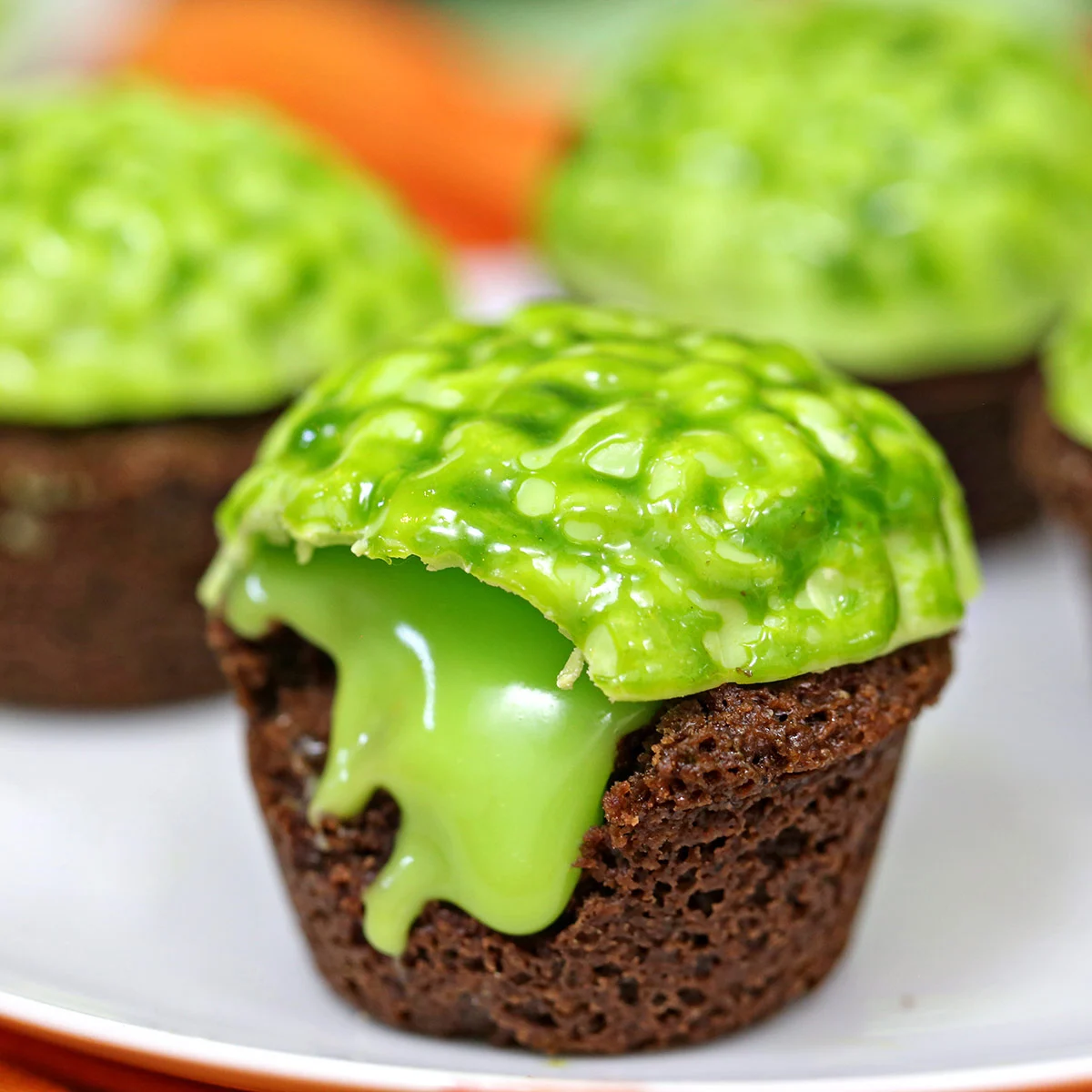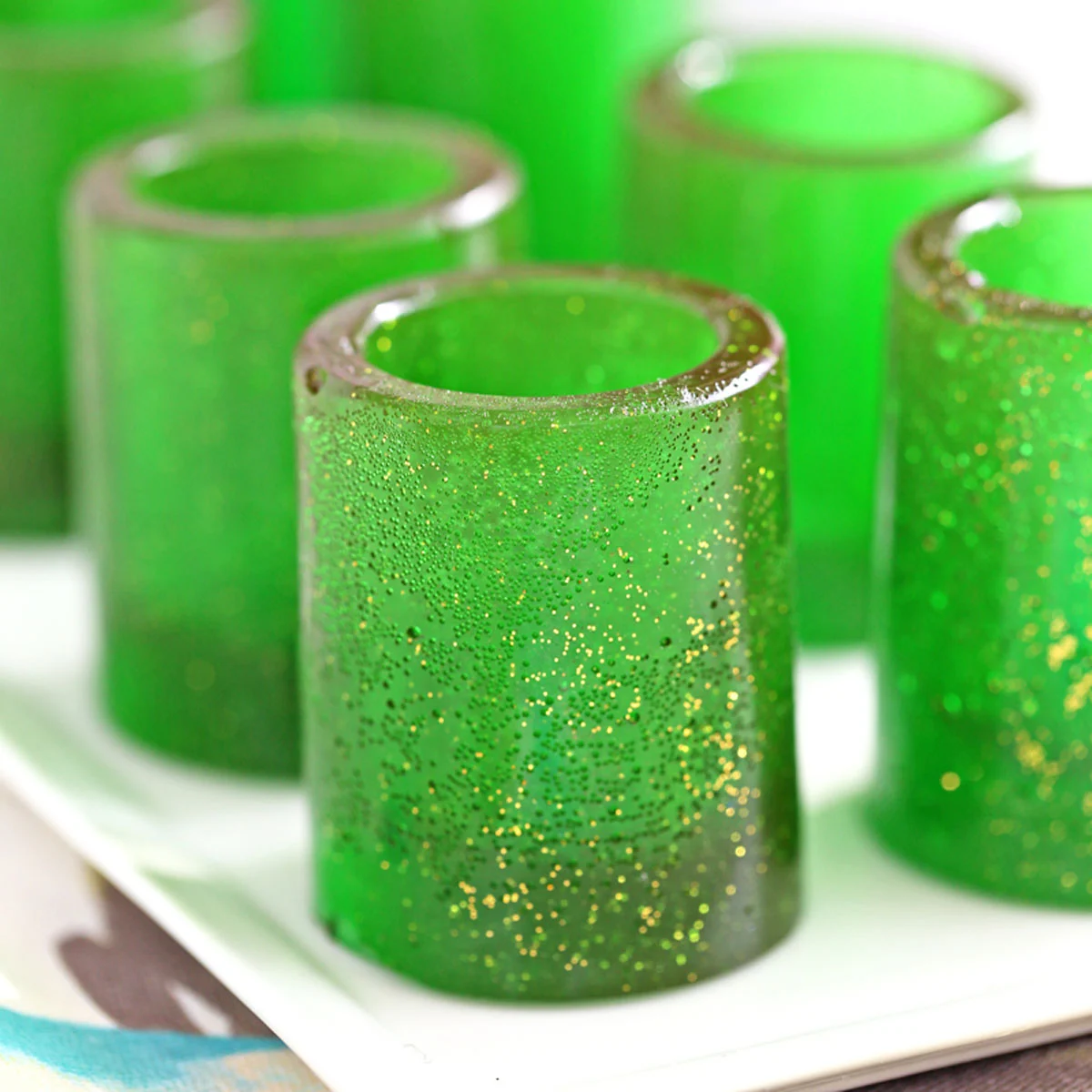
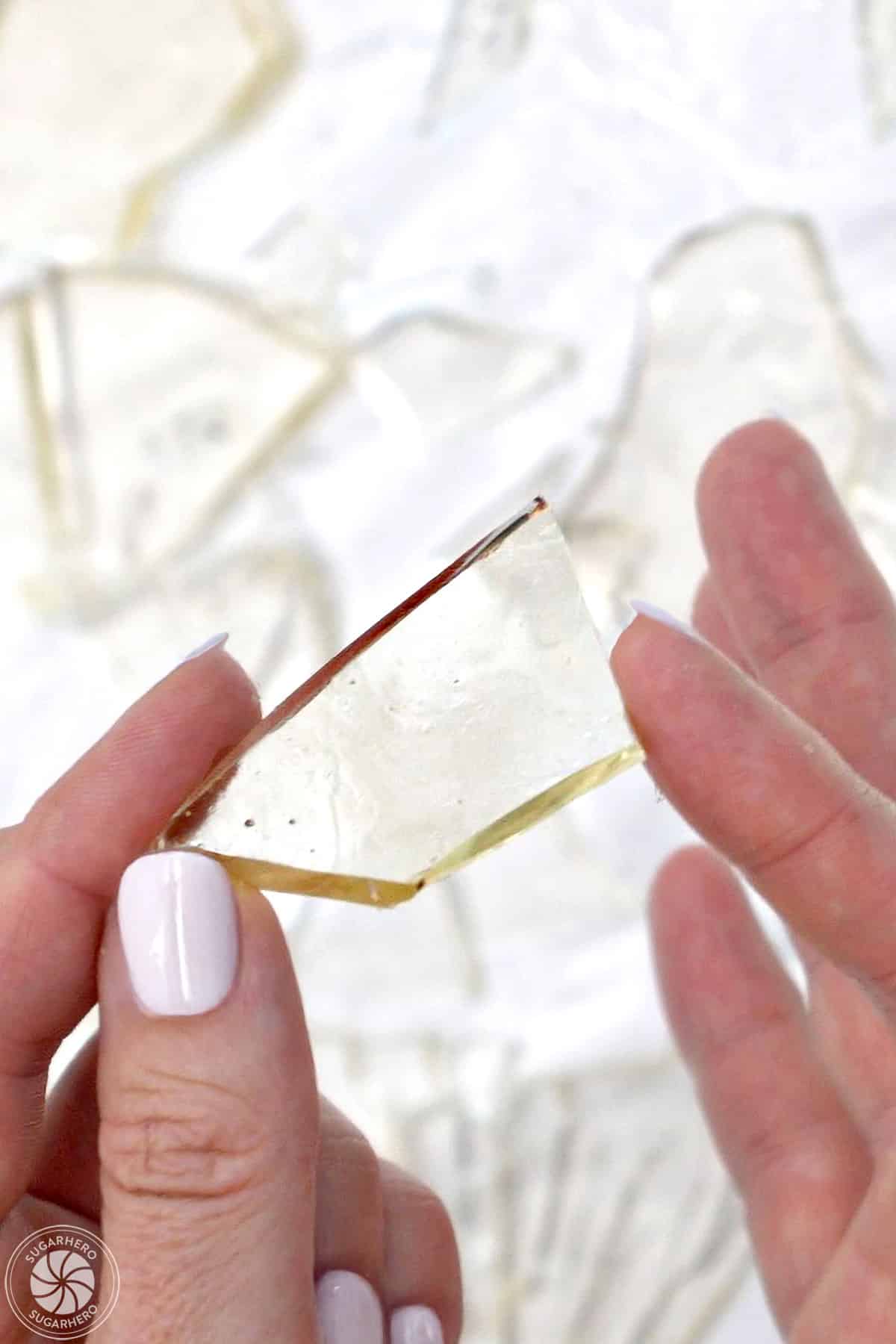
The creation of visually stunning desserts often hinges on the masterful use of decorative elements, and among the most captivating is edible sugar glass. This versatile confection, capable of mimicking clear, brittle glass, offers bakers and confectioners a powerful tool to elevate their creations from ordinary to extraordinary. Whether crafting intricate gingerbread house windows, dramatic shards for Halloween-themed treats, or even replicating the allure of rock candy, a well-executed sugar glass recipe provides a foundation for boundless creativity. This article delves into the process, the science behind its formation, and the key considerations for achieving a flawless, translucent finish.
Mastering the Craft: A Foolproof Approach to Sugar Glass
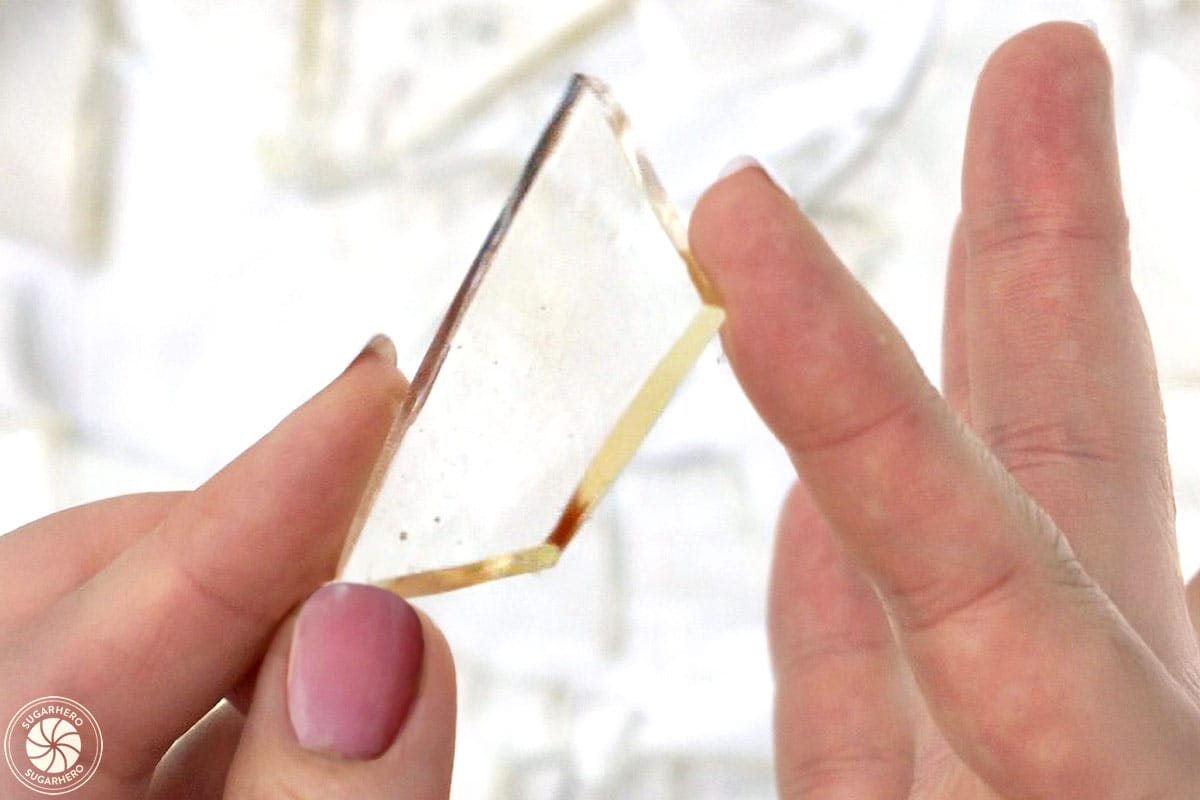
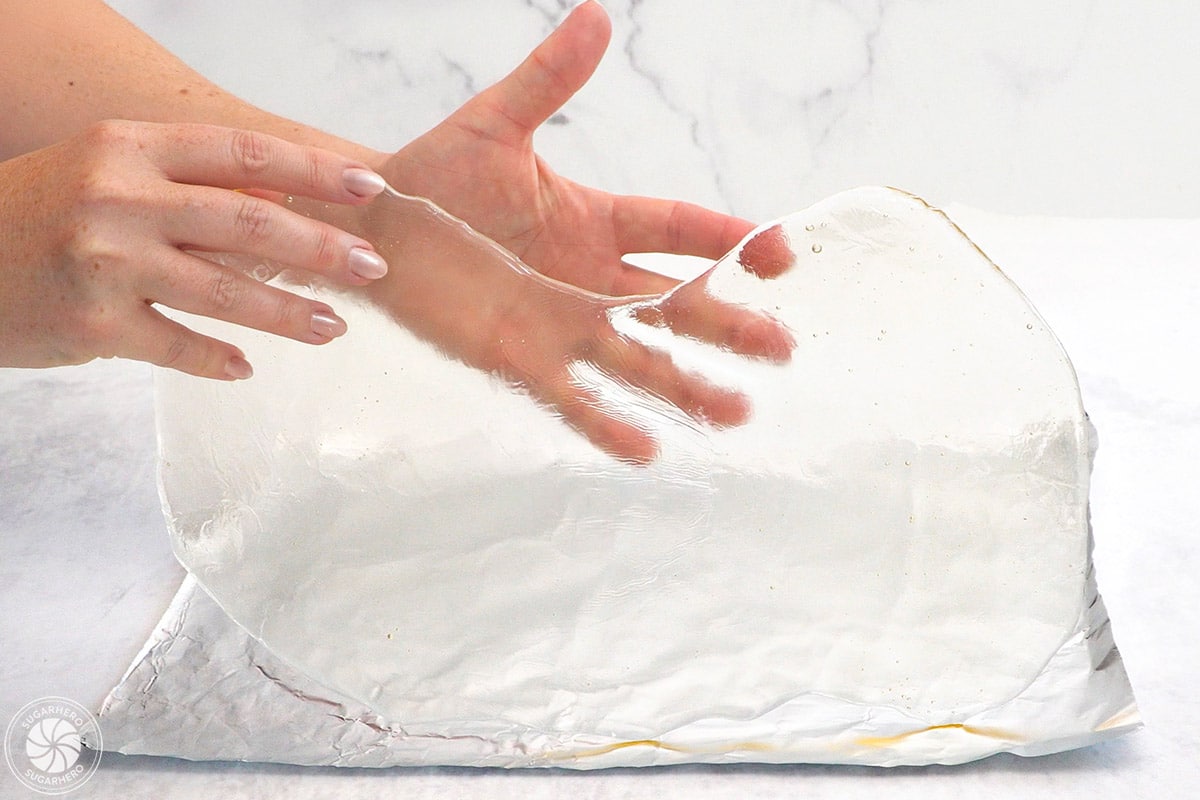
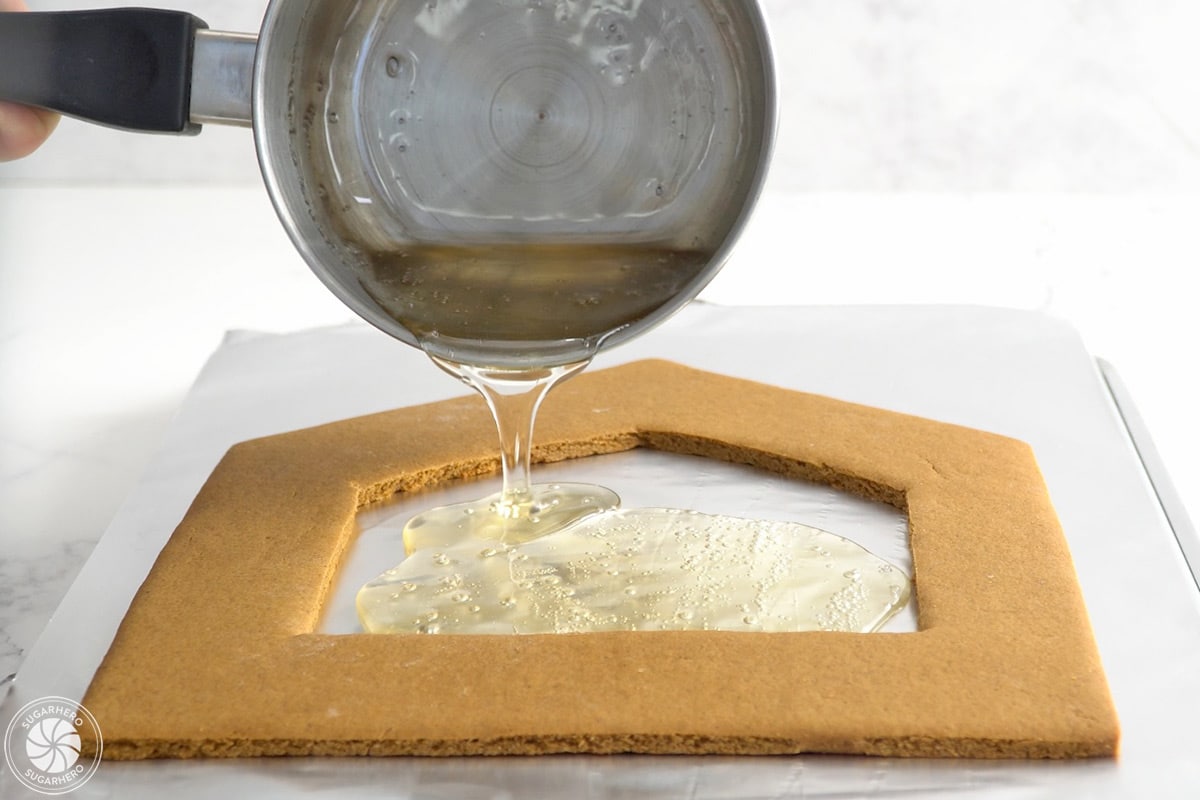
The appeal of edible sugar glass lies in its ability to transform simple baked goods into works of art. Its transparent, hard-candy nature allows for a multitude of applications, from delicate window panes in architectural confections to jagged, realistic-looking fragments that add a touch of drama. The true beauty of this recipe lies in its adaptability; it can be infused with a spectrum of colors and flavors, opening up a universe of aesthetic and gustatory possibilities. Furthermore, its form can be manipulated to suit specific design requirements. It can be poured onto flat surfaces to be broken into irregular pieces, precisely shaped within molds, or directly poured into pre-cut openings in cookies or gingerbread panels to create functional and decorative windows.
The Science Behind the Sparkle: Understanding Sugar Crystallization
Achieving the desired clear, glass-like appearance and hard, brittle texture in edible sugar glass is a delicate balance of chemistry and technique. The primary goal is to prevent the sugar from crystallizing. Sugar, when heated in a liquid solution, has a natural tendency to revert to its crystalline structure. This process, known as crystallization, results in a product that is opaque, crumbly, or sandy, rather than the desired translucent, hard candy.
Several factors contribute to preventing unwanted crystallization. The use of an acid, such as cream of tartar or lemon juice, or an invert sugar like corn syrup or glucose, is crucial. These ingredients interfere with the formation of sucrose crystals by breaking down sucrose into simpler sugars (glucose and fructose). This creates an "invert sugar" solution, which is less prone to crystallization. The recipe’s reliance on corn syrup is therefore a key element in achieving a smooth, glassy texture. Stirring is another critical factor. While initial stirring is necessary to dissolve the sugar, once the mixture reaches a boil, excessive stirring can introduce sugar crystals from the sides of the pan or from utensils, triggering crystallization. Similarly, ensuring the sides of the saucepan are clean and free of stray sugar crystals, often by wiping them down with a damp pastry brush, is essential.
The temperature at which the sugar syrup is cooked is paramount. Reaching the "hard crack" stage, typically between 300°F and 310°F (149°C and 154°C) on a candy thermometer, is vital. At this temperature, most of the water has evaporated, leaving a concentrated sugar solution that will harden into a brittle glass upon cooling. Overcooking can lead to scorching and a bitter taste, while undercooking will result in a sticky, soft candy.
Essential Ingredients and Equipment for Success
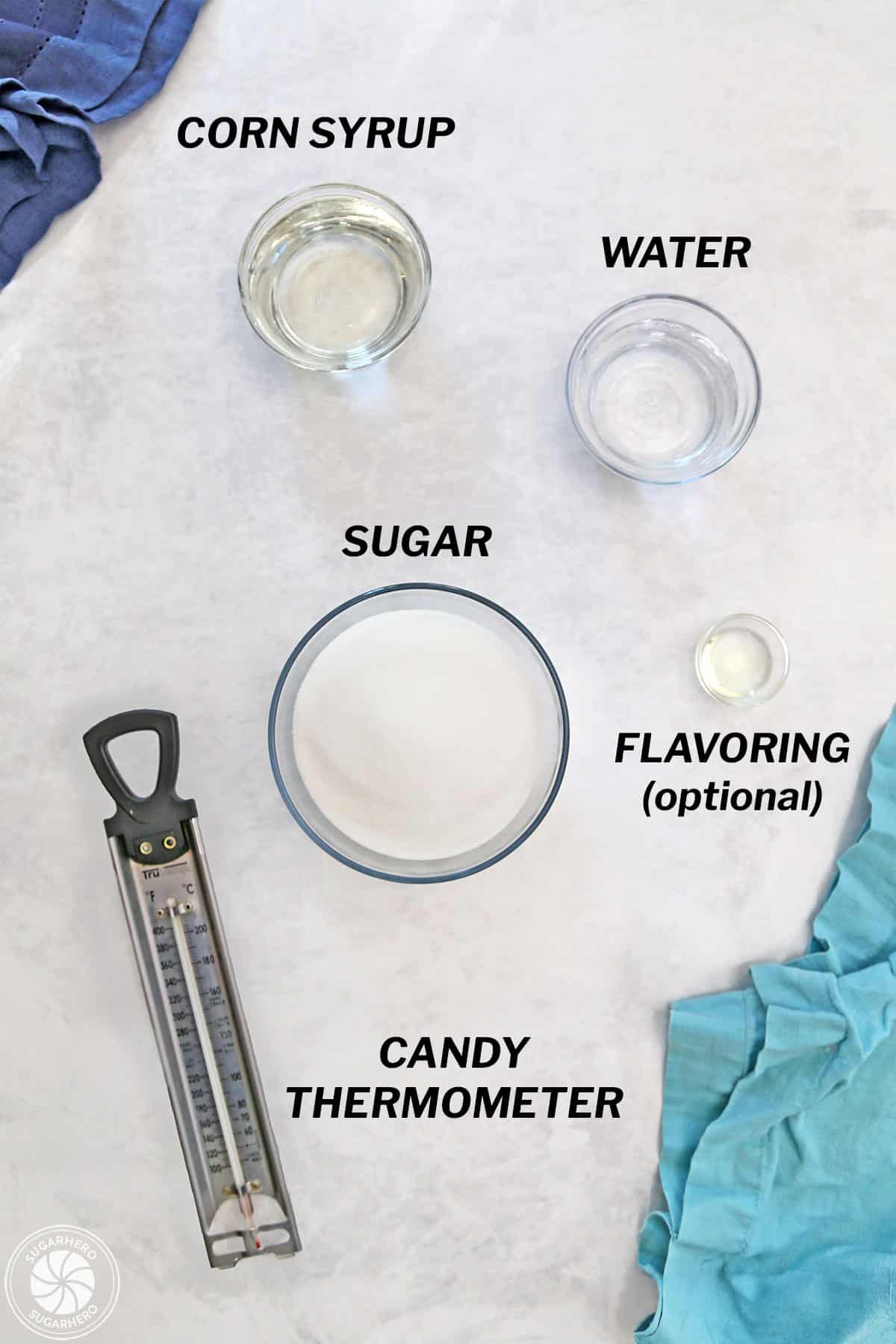
To embark on the journey of creating edible sugar glass, a select group of common pantry staples and specialized tools are required. The fundamental ingredients typically include granulated sugar, corn syrup, and water. The precise ratios are critical for achieving the correct consistency and preventing crystallization.
Key Ingredients:
- Granulated Sugar: The primary building block of the candy, providing sweetness and structure.
- Corn Syrup: A liquid invert sugar that significantly inhibits crystallization, ensuring a smooth and clear final product. Its presence is a cornerstone of successful sugar glass.
- Water: Acts as the solvent to dissolve the sugar and corn syrup, forming the base of the syrup.
- Flavoring Extracts (Optional): To impart desired tastes, such as vanilla, peppermint, or fruit flavors.
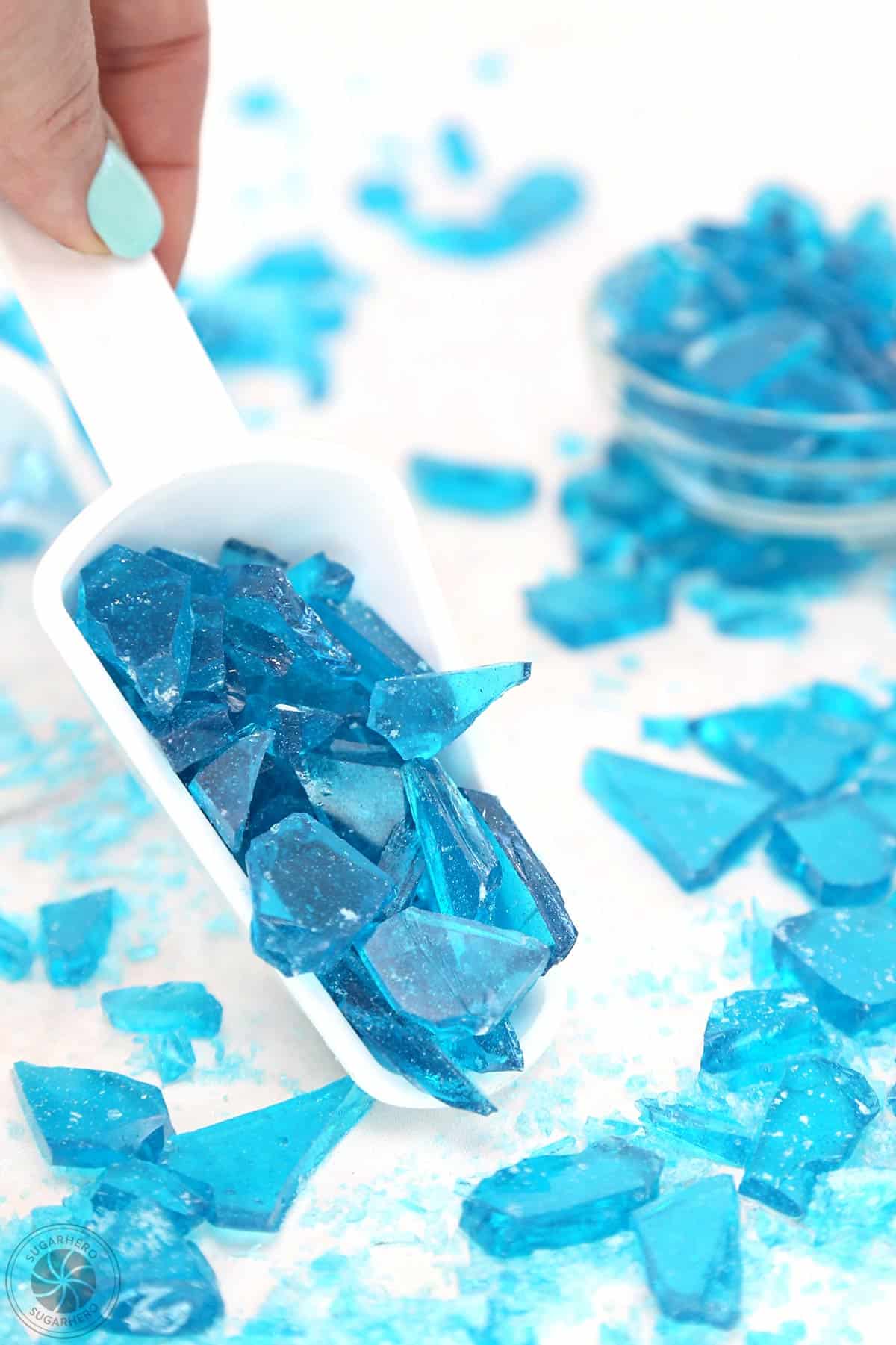
- Food Coloring (Optional): To achieve a vibrant palette for decorative purposes. Gel or liquid food coloring can be used, with gel coloring often preferred for its concentrated pigments.
Essential Equipment:
- Heavy-Bottomed Saucepan: A good quality, heavy-bottomed saucepan distributes heat evenly, preventing scorching and ensuring consistent cooking.
- Candy Thermometer: An indispensable tool for accurately measuring the temperature of the sugar syrup. A reliable candy thermometer is non-negotiable for achieving the correct "hard crack" stage.
- Heat-Resistant Spatula or Spoon: For stirring the ingredients during the initial dissolving phase.
- Baking Sheet: A flat baking sheet is needed as a surface for pouring and cooling the sugar syrup.
- Parchment Paper or Silicone Baking Mat: These are essential for lining the baking sheet, preventing the hot sugar from sticking and facilitating easy removal of the hardened sugar glass.
- Pastry Brush and Water: For cleaning down the sides of the saucepan to remove any sugar crystals.
- Heat-Resistant Gloves: For safe handling of hot sugar and the baking sheet.
- Sharp Knife or Pizza Cutter (Optional): For scoring the sugar glass before it fully hardens, making it easier to break into pieces.
Pro Candy Thermometer Tips for Precision
The candy thermometer is the linchpin of successful sugar glass creation. Its accuracy directly impacts the final texture and appearance. It is advisable to:
- Calibrate Your Thermometer: Before embarking on the recipe, ensure your thermometer is calibrated. A common method is to place the thermometer in boiling water (which should read 212°F or 100°C at sea level) and adjust the reading on the thermometer’s dial if necessary.
- Secure the Thermometer: When using it in the saucepan, ensure the thermometer bulb is submerged in the syrup but does not touch the bottom of the pan, which can lead to inaccurate readings. Secure it to the side of the pan with a clip if necessary.
- Monitor Continuously: Keep a close eye on the temperature as the syrup heats up, especially as it approaches the target range.
- Understand Temperature Variations: Be aware that altitude can affect boiling points. At higher altitudes, water boils at a lower temperature, and candy recipes may need slight adjustments.
Step-by-Step Guide to Crafting Edible Sugar Glass
The process of making edible sugar glass, while requiring precision, is surprisingly straightforward with careful attention to detail.
- Preparation is Key: Line a baking sheet with parchment paper or a silicone baking mat. Ensure all your ingredients are measured out and ready to go, as the cooking process moves quickly.
- Combine and Dissolve: In the heavy-bottomed saucepan, combine the granulated sugar, corn syrup, and water. Stir over medium heat until the sugar is completely dissolved. This initial stirring is crucial for a smooth base.
- Boil and Cook: Once the sugar is dissolved, increase the heat to medium-high and bring the mixture to a boil. Insert the candy thermometer. Do not stir the syrup once it begins to boil.
- Clean the Sides: As the syrup boils, periodically use a damp pastry brush to wash down any sugar crystals that may form on the sides of the pan. This step is critical to prevent crystallization.
- Reach the Hard Crack Stage: Continue to cook the syrup, without stirring, until it reaches the hard crack stage, typically between 300°F and 310°F (149°C and 154°C). This temperature indicates that most of the water has evaporated, and the syrup will harden into a brittle glass.
- Add Color and Flavor (Optional): Once the target temperature is reached, carefully remove the saucepan from the heat. If desired, gently stir in food coloring and flavoring extracts. Be cautious, as the syrup will bubble and steam vigorously.
- Pour and Cool: Immediately and carefully pour the hot sugar syrup onto the prepared baking sheet in a thin, even layer. Work quickly, as the sugar will begin to set as it cools. If you intend to score the glass for breaking, you can do so with a sharp knife or pizza cutter while the sugar is still slightly pliable but firm.
- Allow to Harden: Let the sugar glass cool completely at room temperature until it is hard and brittle. This can take anywhere from 30 minutes to a couple of hours, depending on the thickness and ambient humidity.
- Break and Use: Once fully hardened, carefully break the sugar glass into desired shapes and sizes. Use heat-resistant gloves to handle the pieces.
Frequently Asked Questions for Sugar Glass Success
Addressing common challenges can significantly improve the outcome of your sugar glass creation.
Why is my candy sticky?
Stickiness in sugar glass is almost invariably due to humidity. Sugar is hygroscopic, meaning it absorbs moisture from the air. Therefore, attempting to make sugar glass on a humid or rainy day is strongly discouraged. Once made, sugar glass should be stored in an airtight container at room temperature. For those in particularly humid climates, incorporating silica gel packets into the storage container can help absorb excess moisture.
Why is my candy not hardening?
If the candy remains too soft or does not set properly, it indicates that it has not been cooked to a high enough temperature. Ensure your candy thermometer is accurate and that you have reached the "hard crack" stage. Double-checking ingredient quantities is also important, as incorrect ratios can affect the final consistency.
Why is my glass candy opaque or crumbly?
This is a clear sign of crystallization. Crystallization occurs when sugar molecules begin to reform into their organized crystalline structure during the cooking process. This can be caused by:
- Excessive Stirring: Stirring the syrup once it reaches a boil can dislodge sugar crystals and initiate the process.
- Impure Pan or Utensils: Stray sugar crystals on the sides of the pan, thermometer, or spatula can act as nucleation points for crystallization.
- Insufficient Invert Sugar: If the recipe’s corn syrup content is altered or substituted with an ingredient that does not effectively inhibit crystallization, the likelihood of this issue increases.
While opaque or crumbly candy is still edible, it lacks the desired visual appeal and texture of true sugar glass.
Storage Information
Proper storage is crucial for maintaining the integrity of edible sugar glass. It should be stored at room temperature in a truly airtight container. For best results, consume within 7 days. Refrigeration or freezing is not recommended, as the temperature fluctuations and condensation can cause the sugar glass to become sticky and lose its crispness. In very humid environments, the lifespan may be reduced to 2-3 days, even with careful storage.
The Broader Impact: Edible Artistry and Culinary Innovation
The creation of edible sugar glass is more than just a culinary technique; it represents a fusion of art and science that continuously pushes the boundaries of dessert presentation. Its ability to mimic natural elements like ice, gems, or even shattered glass opens up avenues for themed desserts for holidays, parties, and special events. The visual impact of clear, colored sugar shards or panes can transform a simple cake or cookie into a conversation piece.
The accessibility of this recipe, requiring only a few basic ingredients and common kitchen tools, democratizes a formerly specialized decorating technique. This empowers home bakers to experiment with professional-level embellishments, fostering a culture of creativity and innovation in home kitchens. As culinary trends continue to emphasize visual appeal, the demand for techniques that produce striking and memorable dessert elements like sugar glass is likely to grow. Furthermore, the ability to customize color and flavor ensures that sugar glass can be tailored to any aesthetic or taste profile, making it an enduring and adaptable component of the modern baker’s repertoire. The ongoing exploration of its potential applications continues to inspire new and exciting ways to present sweet creations.