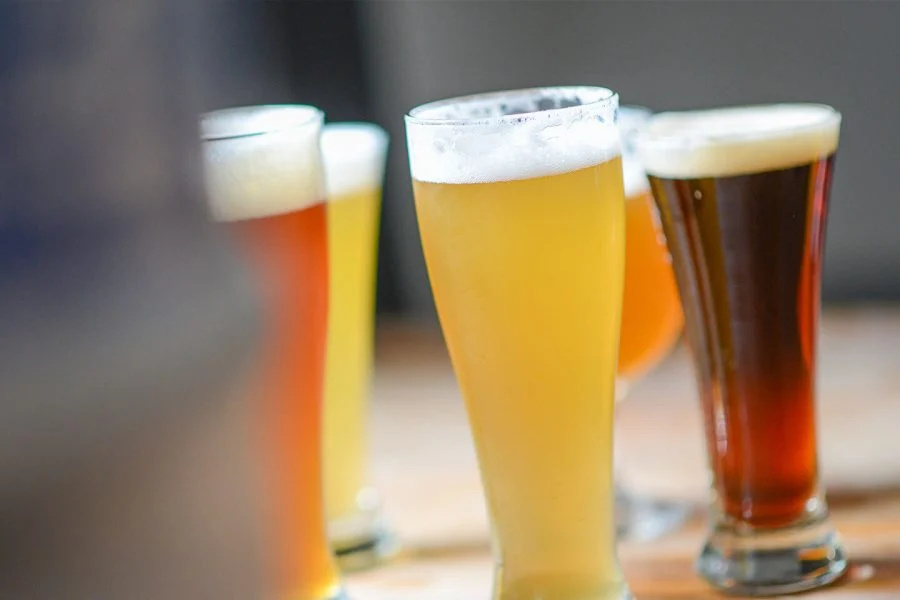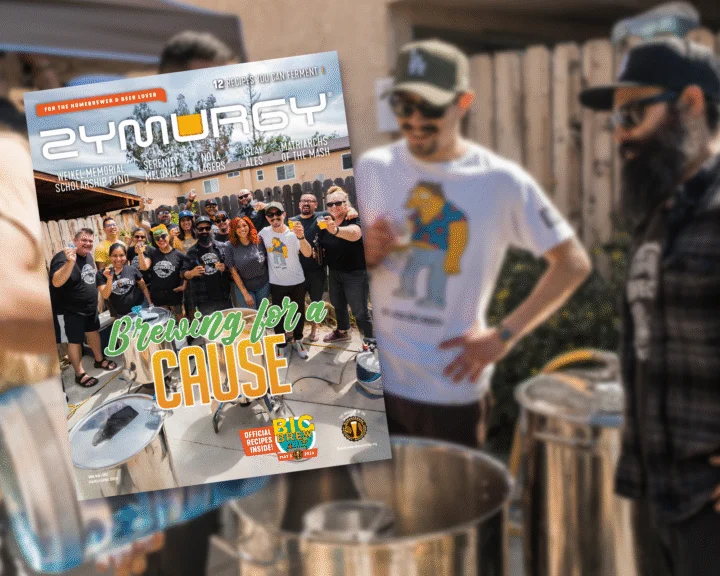
The latest issue of Zymurgy, the esteemed publication of the Homebrewers Association (AHA), delves into the multifaceted challenges and evolving landscape of brewing, with a particular focus on how brewers are adapting to climate change, economic shifts, and the dynamic nature of beer culture. This edition, hitting shelves in March/April 2026, promises a deep dive into these critical themes, offering not only insightful commentary but also twelve meticulously crafted recipes for homebrewers to explore.
Pivoting in the Face of Adversity
The overarching theme of this Zymurgy issue is the concept of the "pivot"—the ability of brewers, both professional and amateur, to adjust their strategies and operations in response to external pressures. This includes navigating the increasingly evident impacts of climate change, which can affect ingredient availability, crop yields, and water resources crucial for brewing. Economic factors, such as fluctuating ingredient costs and consumer spending habits, also demand agile responses from the brewing community. Furthermore, the article highlights the continuous evolution of beer culture itself, with new trends emerging and consumer preferences shifting, requiring brewers to remain innovative and responsive.

The digital preview of the March/April 2026 Zymurgy issue offers a glimpse into the depth of these explorations. While the full content is reserved for AHA members, the preview underscores the magazine’s commitment to providing its readership with timely and relevant information. This focus on adaptation is particularly pertinent given the recent historical context. Over the past decade, the craft brewing industry has faced significant economic headwinds, including supply chain disruptions exacerbated by global events and increased competition. Simultaneously, scientific consensus on climate change has solidified, prompting industries worldwide to re-evaluate their environmental impact and develop more sustainable practices. For brewers, this translates to exploring alternative ingredients, optimizing water usage, and considering energy-efficient brewing methods.
Featured Articles: A Tapestry of Brewing Narratives
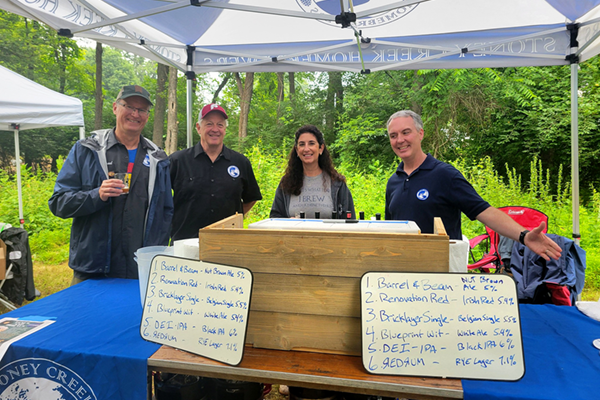
This issue of Zymurgy showcases a diverse range of feature articles, each offering a unique perspective on the brewing world. Among the highlights is a piece titled "The Stoney Creek Homebrewers Weikel Memorial Scholarship Fund," authored by Josh Weikert. This article likely chronicles the establishment and impact of a scholarship fund created by the Stoney Creek Homebrewers club, founded in Philadelphia in 2007. The club’s stated goals of fostering learning and community engagement are central to this narrative, with the scholarship fund serving as a tangible way to give back. The mention of a "tragic death" suggests a poignant origin story for the fund, underscoring the community’s resilience and their commitment to honoring a departed member through educational support. Such initiatives are vital for nurturing the next generation of brewers and ensuring the continued growth and innovation within the homebrewing community.
Another compelling feature delves into the often-overlooked contributions of women to brewing history. The article, illustrated with an evocative image, aims to "paint a global portrait" of "brewsters whose work has been minimized or erased." This exploration is critically important in rectifying historical narratives and recognizing the foundational role women have played in brewing for centuries, predating much of the modern craft beer movement. The piece likely examines historical records, oral traditions, and contemporary female brewers, offering a comprehensive look at their legacy and ongoing influence. This focus aligns with broader societal movements towards greater inclusivity and recognition of marginalized histories, extending its relevance beyond the brewing world itself.
The magazine also journeys to New Orleans, exploring the city’s evolving lager scene. For years, the article suggests, this scene was relatively dormant, with Abita being a notable exception. However, over the past five years, a "growing appreciation of lager" has taken root. This narrative likely details the emergence of new breweries and brewers embracing lagers, perhaps exploring traditional styles or innovating with local influences. The revival of lager brewing in a city with such a rich cultural heritage offers a fascinating case study in how regional tastes can evolve and how historical brewing traditions can be reinterpreted.
A piece titled "Serenity" takes readers to "one of the hottest regions in North America," where indigenous peoples have historically relied on available fruits for fermentation. Art Fitzsimmons’s contribution unveils the "present-day fermenting spirit" of this region. This article promises to connect ancient traditions with contemporary practices, highlighting the ingenuity and resourcefulness of communities in adapting to challenging environments. It could explore the unique ingredients, fermentation techniques, and cultural significance of these beverages, offering a unique anthropological and culinary perspective.
Finally, the issue touches upon the brewing traditions of Islay, Scotland, a region more famously known for its peaty whiskies. Inspired by the local homebrew club, Scottish Craft Brewers, Donald MacKenzie and Mackay Smith are now presenting their own creations, drawing parallels between their island’s iconic spirit and their brews. This feature likely explores how the unique terroir and ingredients of Islay might influence beer styles, perhaps incorporating local grains, water sources, or even subtle smoky notes. It offers a compelling example of how brewers can find inspiration in their surroundings and local heritage.

Recipes: Fueling Homebrew Innovation
A significant component of each Zymurgy issue is its collection of recipes, and this March/April 2026 edition is no exception, featuring twelve distinct recipes. These recipes serve as practical tools for homebrewers, allowing them to experiment with new styles, ingredients, and techniques inspired by the magazine’s thematic content. The inclusion of recipes demonstrates Zymurgy‘s commitment to hands-on engagement, empowering its readers to translate the knowledge and inspiration from the articles into tangible brewing projects. The diversity of these recipes likely reflects the broad scope of the issue, potentially including brews inspired by the featured articles on historical brewing, regional traditions, or even experimental recipes designed to address sustainability concerns.
Supporting the Homebrewing Community
The Homebrewers Association (AHA) plays a crucial role in fostering the growth and development of homebrewing in North America. Zymurgy magazine is a cornerstone of its offerings, providing valuable content that educates, inspires, and connects homebrewers. The prompt within the digital preview that encourages readers to become AHA members highlights the association’s dedication to providing comprehensive resources. Membership unlocks access to a wealth of validated recipes, expert advice, and advocacy for homebrewing rights. The subscription cost of $4.99 for a digital membership underscores the AHA’s commitment to making these resources accessible.
The call to action for new members and the login prompt for existing members ("Login here") are standard practices for online publications to manage content access and encourage community engagement. The "Paywall CTA" event tracking suggests a sophisticated approach to understanding user interaction and optimizing the membership acquisition process.

The Editorial Vision: Dave Carpenter
The leadership behind Zymurgy is personified by its Editor-in-Chief, Dave Carpenter. Carpenter, who began his brewing journey in 2009, brings a passion for both beer and writing to his role. His bio highlights his interests beyond brewing, including hiking and traveling, suggesting a holistic approach to exploring the world of beverages and the experiences that surround them. His ability to connect with readers through his writing and editorial direction is instrumental in shaping the magazine’s content and maintaining its reputation for quality and relevance. The invitation to "Email Dave" provides a direct channel for reader feedback and engagement, further solidifying the editor’s connection with the homebrewing community.
Broader Impact and Implications
The themes explored in this issue of Zymurgy have significant implications for the broader brewing industry and for consumers alike. The focus on climate change adaptation, for instance, signals a growing awareness within the brewing community of its environmental responsibilities. As climate patterns become more unpredictable, brewers will need to develop more resilient supply chains and adopt more sustainable practices. This could lead to innovations in ingredient sourcing, water management, and energy efficiency, ultimately benefiting both the industry and the environment.
The exploration of historical brewing practices, particularly the contributions of women, serves to enrich our understanding of beer’s past and promote greater inclusivity in the present. By recognizing and celebrating the diverse voices and traditions that have shaped brewing, the industry can foster a more vibrant and equitable future.

The evolution of regional beer scenes, as exemplified by the New Orleans lager revival, demonstrates the dynamic nature of consumer preferences and the capacity of brewers to respond to changing tastes. This ongoing evolution ensures that the beer landscape remains diverse and exciting, offering something for every palate.
In essence, the March/April 2026 issue of Zymurgy is more than just a collection of articles and recipes; it is a snapshot of a brewing world in transition, a testament to the ingenuity and resilience of its practitioners, and a valuable resource for anyone passionate about the art and science of brewing. It underscores the enduring spirit of innovation that defines the homebrewing community and its vital role in shaping the future of beer.