Granola, a cherished breakfast staple celebrated for its versatility and wholesome composition, is undergoing a significant culinary evolution with the integration of sourdough starter discard. This innovative approach, championed by platforms like The Perfect Loaf, transforms what was once a byproduct of sourdough baking into a secret ingredient that elevates granola to new heights of flavor, texture, and structural integrity. Far from being a mere novelty, the addition of sourdough discard lends a subtle tang, enhances binding properties, and contributes to an unparalleled crispness, creating a "craveable" concoction that is greater than the sum of its already impressive parts. This development positions sourdough discard granola as a notable advancement in both home baking and sustainable culinary practices.
The Rise of Sourdough and the Discard Dilemma
The past decade, and particularly recent years, has witnessed a global renaissance in sourdough baking. Driven by a desire for artisanal quality, digestive benefits, and the satisfaction of crafting food from scratch, countless individuals have embraced the ancient art of maintaining a live sourdough starter. This fermentation process, involving a symbiotic culture of yeast and bacteria, requires regular feeding and discarding portions of the starter to keep it vigorous and balanced. Historically, this "discard" — unfed starter removed before a fresh feeding — posed a common challenge for bakers: what to do with the excess? While many traditional recipes for sourdough discard have emerged, including pancakes, crackers, and even desserts like cake and brownies, its application in granola represents a more recent and particularly ingenious solution.
The typical sourdough starter discard, a thick liquid mixture of flour and water, might not immediately seem an intuitive fit for a crunchy cereal. However, culinary innovators have recognized its potential beyond merely leavening or adding a sour note. Its unique viscosity and inherent flavor profile offer dual benefits that address common challenges in granola preparation, setting it apart from more conventional binding agents. This practical application directly tackles the issue of food waste, aligning with a broader global movement towards more sustainable kitchen practices and mindful consumption.
Sourdough Discard: A Multi-Faceted Ingredient in Granola
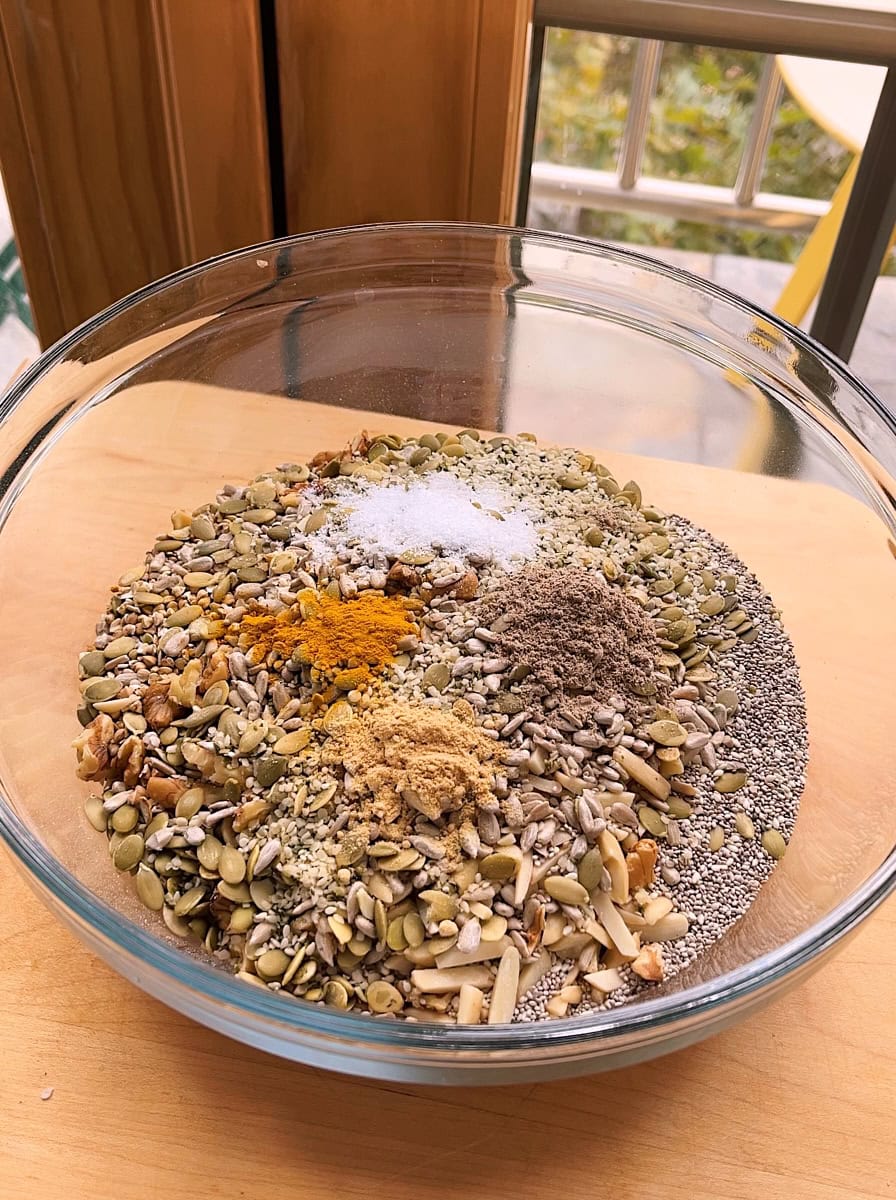
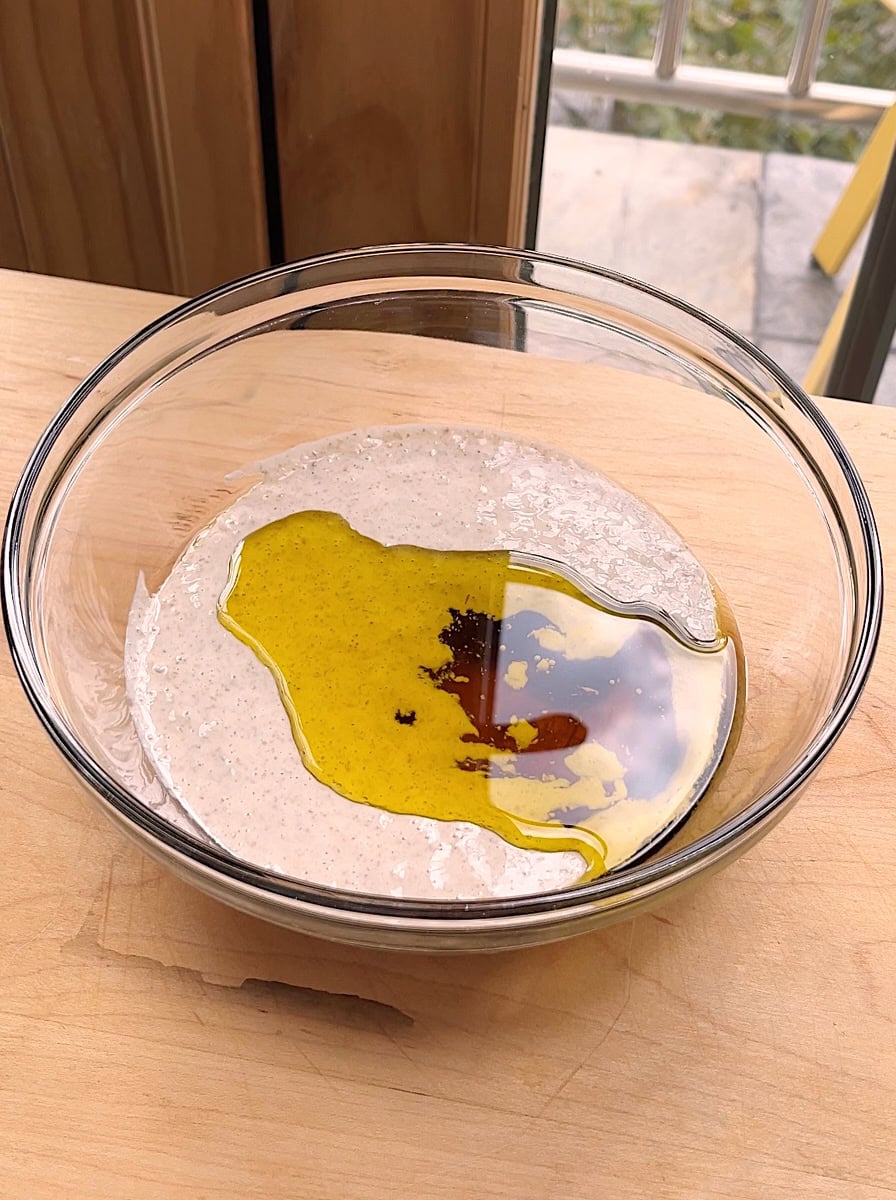
The transformative power of sourdough discard in granola stems from its ability to act as both a flavor enhancer and a superior binding agent. Unlike traditional granola recipes that often rely heavily on sticky sweeteners like maple syrup or honey, or occasionally egg white, to agglomerate the diverse ingredients, sourdough discard brings a nuanced complexity.
From a flavor perspective, the subtle tang characteristic of sourdough imparts an extra layer of depth to the granola. This slight acidity balances the sweetness from other ingredients, preventing the granola from tasting one-dimensional and instead offering a sophisticated, almost savory-sweet profile. This complexity is often sought after in gourmet foods and contributes significantly to the "craveable" quality described by enthusiasts. It’s an umami-like effect that makes the granola more compelling than its standard counterparts.
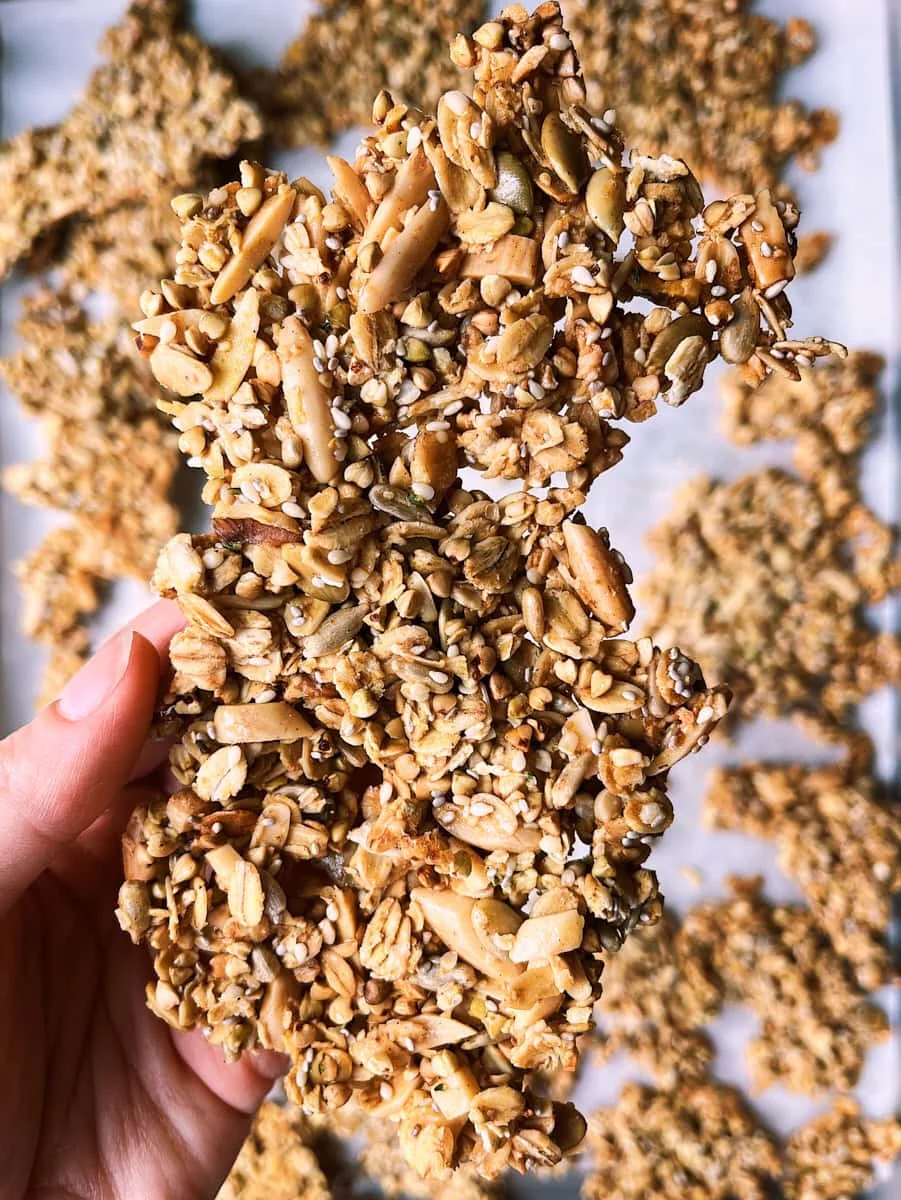
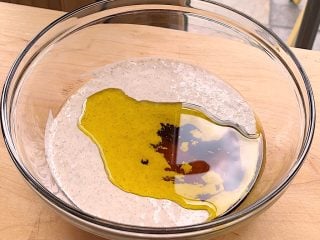
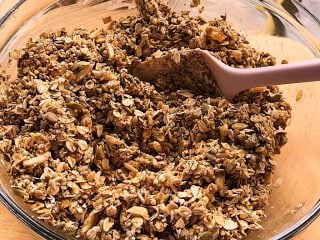
More critically, the thick, viscous nature of the sourdough discard functions exceptionally well as a binding agent. When combined with a judicious amount of fat and sweetener, it coats the dry ingredients — oats, nuts, and seeds — allowing them to adhere together during baking. This leads to the formation of large, desirable clusters, a hallmark of premium granola. The flour-and-water mixture, once baked, creates a sturdy matrix that locks the components into cohesive units. This structural integrity is what allows the granola to achieve an extra-crispy texture that persists long after cooling, reminiscent of a perfectly baked sourdough cracker. The crispness is not merely a fleeting sensation but a lasting quality, ensuring that the granola remains delightful for weeks when properly stored. The precise amount of discard, typically around 110 grams (½ cup), is crucial; too much could result in a dough-like consistency, while too little would fail to provide adequate binding.
The Foundation: Oats and Diverse Mix-ins
At the heart of any excellent granola is a robust base, and sourdough discard granola is no exception. Rolled oats form the traditional backbone, providing a substantial, wholesome foundation. Their neutral flavor profile makes them an ideal canvas for the more assertive notes contributed by other ingredients and the sourdough discard itself. While any brand of rolled oats will suffice, the ratio of oats to other mix-ins is key to achieving a balanced texture and flavor. A common guideline suggests a 2:3 ratio of oats to other components, ensuring a rich variety in every bite.
The "other crunchies" are where customization truly shines. A thoughtful blend of diverse elements contributes significantly to the granola’s overall appeal. Buckwheat groats, for instance, are highly recommended for their earthy flavor and distinct crunch, adding a unique textural dimension that distinguishes the granola. Nuts, such as almonds, walnuts, pecans, or cashews, introduce rich, buttery notes and healthy fats. Coconut flakes offer a tropical sweetness and chewiness, while various seeds like pumpkin, sunflower, and flax contribute additional crunch, nutrients, and flavor nuances.
Smaller seeds, such as hemp or sesame, are often incorporated not just for their subtle flavor and texture but also for their aesthetic appeal, flecking the granola with delicate specks. Flaxseed (whether ground or whole) and chia seeds serve a dual purpose: they add texture and, importantly, possess additional binding properties due to their mucilaginous nature when hydrated. This further reinforces the clumping effect initiated by the sourdough discard, contributing to the coveted large clusters. This thoughtful selection of ingredients ensures a complex flavor profile and a satisfying array of textures.
The Role of Sweeteners and Fats
While sourdough discard significantly aids in binding, sweetness remains a crucial component of granola. Maple syrup is a popular choice, providing a natural, complex sweetness that complements the subtle tang of the sourdough. A moderate amount, around 156 grams (½ cup), is often sufficient to achieve a lightly sweet granola that is versatile enough for various uses, from a breakfast topping over yogurt to a delightful snack mixed with chocolate chips. The reduced need for sticky sweeteners, thanks to the discard, is a distinct advantage, allowing for a healthier profile without compromising on texture or taste.

Fats are indispensable for achieving the desired crispness and richness in granola. Without adequate oil, granola can turn out dry and crumbly rather than golden and crunchy. Olive oil or unrefined coconut oil are often preferred for their distinctive flavors, which can add another layer of complexity to the granola. Olive oil offers a slightly peppery or fruity note, while coconut oil imparts a subtle tropical aroma. For those who prefer a more neutral flavor, avocado oil, algae oil, sunflower oil, or canola oil are excellent alternatives, providing the necessary fat content without overpowering other ingredients. The amount of oil is carefully calibrated to ensure that the granola achieves a beautiful golden hue and a satisfyingly crisp texture, extending its shelf life and enhancing its overall sensory appeal.
Mastering the Baking Process for Optimal Clumping
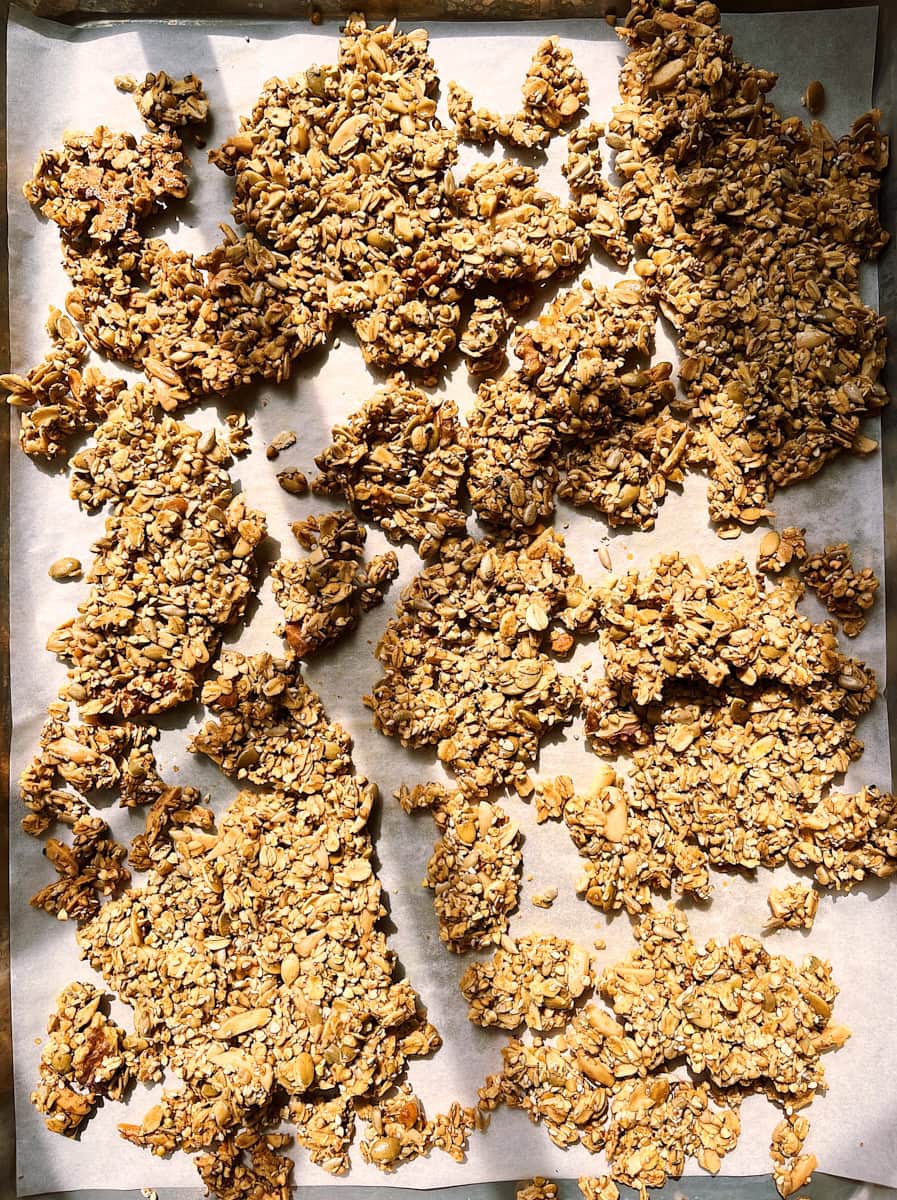
Achieving those coveted large, bark-like clusters in sourdough discard granola relies heavily on a specific baking technique: resisting the urge to stir. While many traditional granola recipes advocate for stirring to ensure even browning, this step is counterproductive when aiming for significant clumps. The sourdough discard, along with other binding agents like maple syrup and flax/chia seeds, works to create cohesive sheets of granola during baking. Disrupting these nascent clusters by stirring would break them apart, resulting in a more loose, crumbly texture.
Instead, the granola mixture should be spread thinly and evenly across two sheet pans. This ensures that heat circulates effectively, allowing all components to bake uniformly without the need for manual intervention. As the granola bakes and cools, the binders solidify, fusing the ingredients into large, intact pieces. Once completely cooled, these "granola barks" can be easily lifted from the pans and then broken into slightly smaller, manageable clusters for storage and consumption. This no-stir method is a critical differentiator, ensuring the textural triumph that defines this innovative granola.
Customization and Versatility: Adapting to Palates
The beauty of sourdough discard granola lies in its adaptability. While the core components provide a solid foundation, bakers can readily customize the recipe to suit individual preferences and dietary needs.
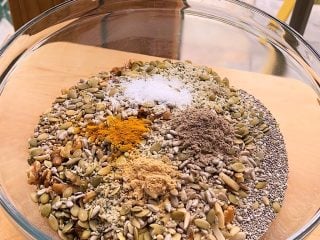
- Nuts and Seeds: The recipe is highly forgiving when it comes to nut and seed substitutions. From hazelnuts and pecans to Brazil nuts and cashews, almost any variety can be incorporated, offering different flavor profiles and nutritional benefits. Seed options are equally flexible, allowing for experimentation with various combinations.
- Sweeteners: Beyond maple syrup, honey can be used for a more floral and pronounced sweetness, though it may result in a slightly chewier texture and a quicker browning time. Agave syrup offers a more neutral sweetness for those who prefer it.
- Fats: As noted, neutral oils like avocado or sunflower oil are perfect substitutes for olive or coconut oil. For adventurous palates, a small amount (up to 25 grams or 2 tablespoons) of a more deeply flavored oil, such as toasted sesame or walnut oil, can introduce intriguing new dimensions.
- Chocolate: For an indulgent treat, chocolate is a welcome addition. Incorporating 30 grams (about ¼ cup) of cocoa powder during mixing can create a rich, chocolatey base. After baking, once the granola has cooled slightly, up to 170 grams (1 cup) of chocolate chips or chopped chocolate can be stirred in, allowing residual heat to melt them slightly before they set.
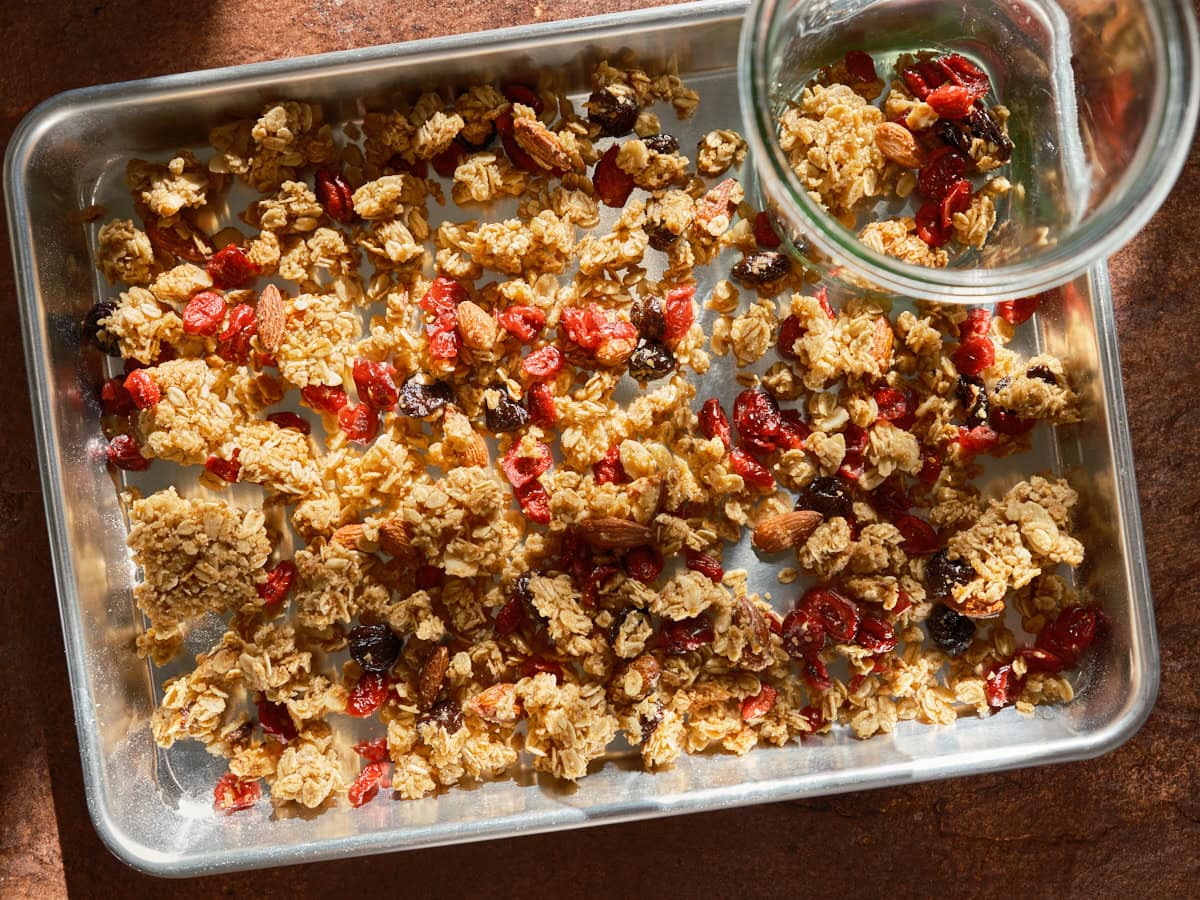
- Dried Fruit: The inclusion of dried fruit is a matter of personal preference. For those who enjoy it, dried fruit like raisins, cranberries, cherries, chopped dates, prunes, or apricots should be added after the granola has been baked and cooled. Baking dried fruit directly often leads to it becoming overly hard, chewy, or even burnt, which can detract from the overall experience. Adding it post-bake preserves its soft, pliable texture. Freeze-dried fruits offer a different textural contrast and burst of flavor. Candied ginger can also provide a delightful spicy-sweet chewiness.
For those with an abundance of sourdough discard, doubling the batch of granola is a straightforward solution, ensuring no valuable starter goes to waste.
Nutritional and Sustainability Implications
Beyond its superior taste and texture, sourdough discard granola carries significant implications for both nutrition and sustainable cooking. From a nutritional standpoint, the base ingredients – rolled oats, a diverse array of nuts and seeds – are powerhouses of fiber, healthy fats, protein, and essential micronutrients. The inclusion of sourdough discard, a fermented product, may also contribute to better digestibility for some individuals, although the fermentation activity is halted during baking. The ability to achieve excellent binding and flavor with less added sugar compared to many commercial granolas also makes it a healthier choice.
Perhaps even more compelling are the sustainability benefits. The deliberate utilization of sourdough discard directly addresses the issue of food waste in the home kitchen. What was once considered a necessary byproduct, often discarded without thought, is transformed into a valuable ingredient. This approach encourages home bakers to view all components of their culinary endeavors as resources, fostering a more mindful and zero-waste cooking ethos. This aligns with broader societal trends emphasizing environmental responsibility and resource efficiency.
Expert Commentary and Storage Longevity
Culinary experts and food writers have increasingly highlighted creative ways to utilize sourdough discard, recognizing it as a versatile ingredient rather than mere waste. The development of sourdough discard granola is seen as a prime example of this innovation, demonstrating how a simple byproduct can lead to sophisticated and satisfying culinary creations. The "Perfect Loaf" blog, a renowned resource for sourdough enthusiasts, exemplifies this spirit of exploration and practical application, providing detailed guidance for home bakers.
Regarding longevity, proper storage is key to maintaining the granola’s crispness. Maurizio, a respected authority in sourdough baking, recommends storing granola in airtight jars, such as Weck Jars, and keeping them in the freezer. This method ensures that the granola remains delightfully crunchy and preserves its quality for an extended period, nearly indefinitely. This practical advice further enhances the appeal of sourdough discard granola, making it a convenient and long-lasting addition to any pantry.
In conclusion, the emergence of sourdough discard granola is more than just a new recipe; it represents a thoughtful culinary innovation that marries flavor complexity with practical sustainability. By transforming a kitchen byproduct into a key ingredient, it offers a superior granola experience characterized by exceptional texture, nuanced flavor, and desirable clumping, all while championing a more resourceful approach to home baking. This development firmly establishes sourdough discard granola as a noteworthy trend in contemporary cuisine.