
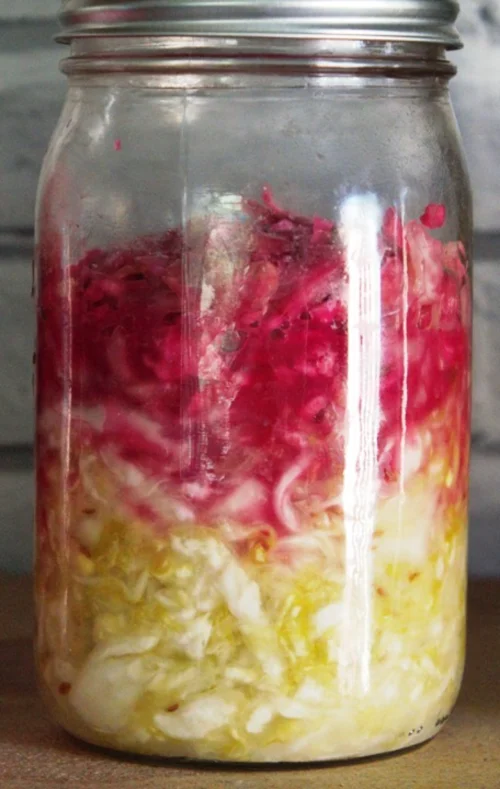
Understanding the longevity of fermented foods is a perpetually relevant query for enthusiasts and newcomers alike, underpinning safe consumption practices and minimizing food waste. Austin Durant, founder of Fermenters Club and author of "Fearless Fermenting," consistently addresses this paramount concern in his workshops, advocating a fundamental principle: "Trust your Senses!" This counsel serves as the cornerstone for evaluating the edibility of living foods, complemented by specific guidelines on refrigerated shelf life for a variety of popular ferments. While fermentation is an ancient preservation technique, modern understanding, coupled with proper storage, extends the utility and enjoyment of these probiotic-rich staples.
The Science of Fermentation and Preservation
Fermentation, at its core, is a metabolic process that converts carbohydrates into alcohol or acids using microorganisms—yeast or bacteria—under anaerobic conditions. This biological transformation not only imparts unique flavors and textures but also acts as a powerful preservation method. The resulting acidification (low pH) creates an environment hostile to spoilage-causing bacteria and pathogens, while beneficial microbes outcompete undesirable ones. Furthermore, some fermenting organisms produce antimicrobial compounds that further enhance preservation.
Key factors influencing the shelf life of a fermented product include the initial salt concentration, the specific microbial cultures involved, the duration and temperature of the active fermentation phase, and critically, post-fermentation storage conditions. Refrigeration significantly slows down microbial activity, preventing further acidification and textural degradation, thereby extending the period during which the food remains palatable and safe. Without refrigeration, most active ferments would continue to sour rapidly, eventually becoming unpleasantly tart or developing undesirable characteristics.
Expert Insights: Beyond the Date – Trusting Your Senses
Durant’s advice to "Trust your Senses" is more than a casual suggestion; it’s an empowerment of the consumer to engage directly with their food. Practically, this involves a multi-sensory evaluation:
- Sight: Observe the appearance. Is there any unusual mold (beyond typical kahm yeast on brined ferments, which is usually harmless but indicates oxygen exposure and can be skimmed off)? Has the color changed dramatically in an unappetizing way?
- Smell: A fresh, pleasant, often tangy or sour aroma is desirable. Off-smells—putrid, rotten, or intensely yeasty/alcoholic notes that weren’t initially present—are clear indicators of spoilage.
- Texture: Is the food still firm or pleasantly yielding? Excessive sliminess, mushiness (beyond what’s expected for aged ferments), or an overly dry, brittle texture can signal degradation.
It’s important to differentiate between a ferment that is "still good to eat" and one that is "past its peak enjoyment." For instance, kimchi or sauerkraut that has become very soft and intensely sour might not be ideal for eating raw, but its robust flavor and beneficial compounds make it excellent for cooking in stews, soups, or stir-fries. Similarly, overly sour milk kefir can be repurposed into baking, marinades, or even cheese, embodying a holistic approach to food utilization that minimizes waste.
Detailed Shelf Life Guidelines for Common Ferments
The following guidelines, based on expert consensus and practical experience, assume refrigerated storage once the primary fermentation process is complete, unless otherwise specified. These are general recommendations, and individual results may vary based on specific recipes, ingredients, and storage fidelity.
Kimchi and Sauerkraut: Fermented Cabbage Staples
Both kimchi and sauerkraut, traditional fermented cabbage dishes, boast a commendable shelf life of approximately 3 months in the refrigerator. Their high lactic acid content and salt concentrations are primary preservatives. As they age, they typically become softer and more intensely sour. While this might be less desirable for fresh consumption for some, it marks a perfect stage for incorporating them into cooked dishes. For example, over-fermented kimchi is a cornerstone of classic Korean kimchi jjigae (stew), where its profound umami and acidity enrich the broth.
Cucumber Pickles: The Brined Crunch
Fermented cucumber pickles generally maintain their quality for about 2 months when refrigerated. The longevity is highly dependent on the salt concentration used during brining. Higher salt content typically equates to a longer shelf life. Additionally, pickles kept whole tend to retain their texture and integrity better than sliced varieties, which have more surface area exposed to the brine and air, potentially accelerating softening.
Pickled Vegetables (Mixed): A Medley of Preservation
A broader category encompassing fermented beans, escabeche, and giardiniera often enjoys an extended shelf life of 4-6 months in the refrigerator. This longer duration is often attributed to the inherent density and structural integrity of vegetables like carrots and cauliflower, which hold up particularly well to the fermentation process and subsequent storage. The varied textures and flavors in mixed pickled vegetables can also evolve interestingly over time.
Kombucha and Water Kefir: Effervescent Beverages
These popular fermented beverages typically have a refrigerated shelf life of about 1 month. However, certain delicate fruit flavors, such as watermelon and strawberry, are more ephemeral and are best enjoyed within 2 weeks to capture their peak freshness and nuanced taste. Beyond these periods, while still safe, kombucha and water kefir tend to become increasingly vinegary and less palatable as residual sugars are consumed by the SCOBY (Symbiotic Culture of Bacteria and Yeast) or tibicos grains.
Milk Kefir: The Dairy Probiotic
Milk kefir, a fermented milk drink, remains enjoyable for approximately 1 month in the refrigerator. After this period, it becomes significantly more sour due to continued lactic acid production, though it remains safe. This overly sour kefir can be creatively repurposed; it makes an excellent substitute for buttermilk in baking, can be used to tenderize meats in marinades, or even processed into soft cheese or labneh.
Miso: The Umami Powerhouse
Miso, a traditional Japanese seasoning paste made from fermented soybeans, stands out with an astonishingly long, virtually unlimited shelf life. When properly sealed and stored, high-quality miso can easily last 10 years or more without significant degradation in flavor or safety. Its high salt content, low water activity, and dense paste consistency create an exceptionally stable environment, making it one of the most enduring fermented products. This longevity is a testament to its ancient origins as a vital food preservation method.
Fermented Hot Sauce: Spicy and Enduring
Fermented hot sauce offers a robust shelf life of up to 2 years when refrigerated. It can also be stored in a pantry, though this will generally reduce its shelf life somewhat and increase the likelihood of surface yeast re-forming due to temperature fluctuations and potential exposure to air. The combination of fermentation-derived acids and the inherent antimicrobial properties of chili peppers contributes to its remarkable stability.
Sourdough Bread: A Different Category
Sourdough bread, while a product of fermentation, operates under different storage principles. Unlike the other items, it is never recommended to store sourdough bread in the refrigerator, as this accelerates the staling process. At room temperature, a well-baked sourdough loaf typically lasts 3-4 days. For longer preservation, it can be frozen for up to 2 months. For optimal convenience and quality, it is advised to pre-slice the bread before freezing and store it in a sealed plastic bag, allowing for easy retrieval and toasting of individual portions.
Broader Impact and Implications
The detailed understanding of fermented food shelf life carries significant implications for both consumers and the broader food industry.
Reducing Food Waste: By extending the usability of fresh produce, fermentation plays a crucial role in mitigating food waste at both household and industrial levels. Knowing how long a product lasts, and how to repurpose it, empowers consumers to make more sustainable choices.
Health and Wellness Trends: The burgeoning interest in gut health and probiotics continues to drive the demand for fermented foods. Accurate shelf life information ensures that consumers can enjoy the maximum health benefits from active, living cultures. The viability of these beneficial microorganisms can decline over time, even if the food remains safe to eat.
Economic Impact and Industry Standards: The global fermented foods market is experiencing substantial growth. For producers, clear labeling and consumer education regarding shelf life are essential for building trust and ensuring product quality. This necessitates rigorous testing and adherence to food safety standards, particularly as the industry scales. Innovations in packaging and storage solutions are also continually being explored to optimize product longevity without compromising quality.
Safety and Consumer Confidence: Providing reliable guidelines helps demystify fermented foods, often perceived with apprehension by those unfamiliar with their dynamic nature. By emphasizing sensory evaluation alongside documented durations, experts like Austin Durant empower individuals to feel confident in their ability to assess food quality, reducing reliance solely on arbitrary "best by" dates. This approach fosters a deeper connection to food and a more intuitive understanding of its lifecycle.
Conclusion
The question of how long fermented foods last is multifaceted, rooted in both scientific principles and sensory wisdom. While general guidelines provide a valuable framework, the ultimate arbiter remains one’s own senses. From the virtually unlimited longevity of miso to the delicate lifespan of fresh fruit kombucha, each ferment has its unique characteristics and optimal consumption window. By embracing expert advice, understanding the underlying science, and developing a keen sensory awareness, consumers can confidently navigate the rich and diverse world of fermented foods, maximizing enjoyment, health benefits, and minimizing waste.


