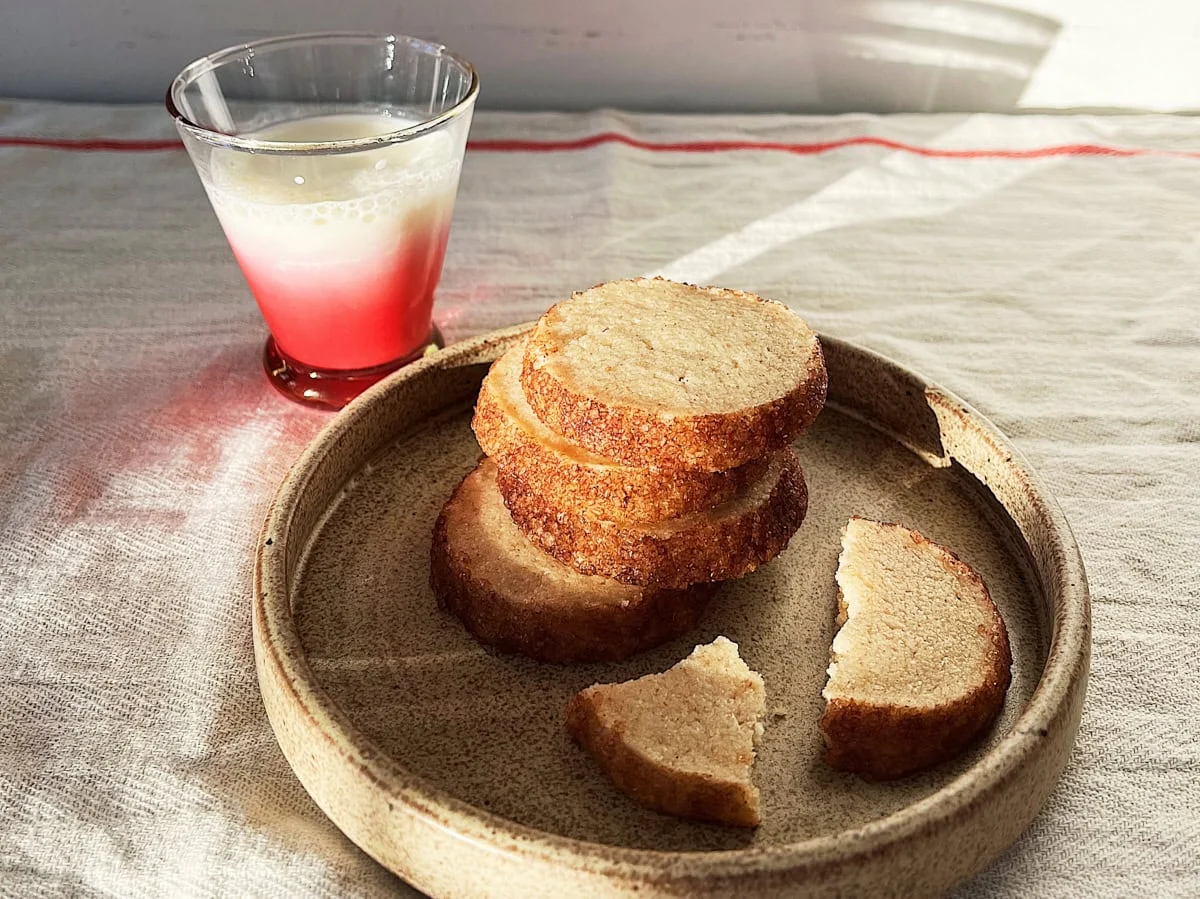
The culinary landscape for home bakers continues to evolve, with a notable development emerging in the form of "Cinnamon Toast Sourdough Discard Cookies." This innovative recipe, featuring a slice-and-bake methodology, addresses several key desires within the contemporary baking community: efficiency, resourceful ingredient utilization, and a comforting yet sophisticated flavor profile. Designed to simplify the often-intricate process of holiday baking, these cookies offer a practical and delicious solution for producing large quantities with minimal fuss, positioning themselves as a compelling option for both novice and experienced bakers.
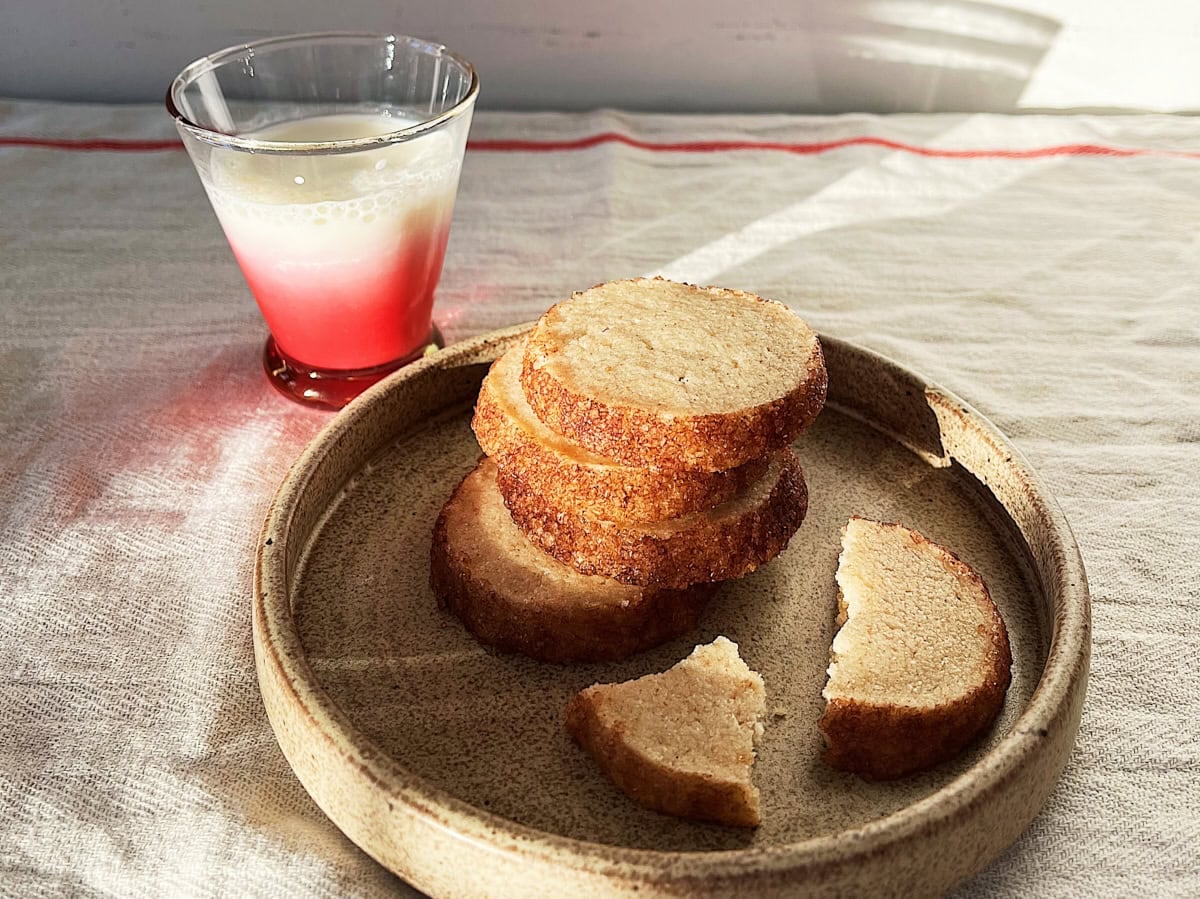
The enduring appeal of slice-and-bake cookies lies in their unparalleled convenience. In an era where time is a premium commodity, the ability to prepare dough in advance and bake on demand is a significant advantage. Unlike traditional drop cookies that require individual scooping or rolled cookies demanding meticulous shaping, the slice-and-bake format streamlines the entire process. The dough, often requiring just a single bowl for preparation, can be made in stages, allowing bakers to integrate the process into busy schedules without committing to extended, uninterrupted kitchen time. This inherent flexibility makes it an ideal choice for large-batch production, such as for holiday gatherings, cookie exchanges, or simply stocking a freezer with homemade treats. The "Cinnamon Toast Sourdough Discard Cookies" perfectly exemplify this efficiency, yielding numerous servings from a single batch, thereby maximizing output while minimizing effort.
A significant trend in recent years has been the resurgence of sourdough baking, bringing with it the perennial challenge of managing sourdough starter discard. For many enthusiasts, the regular feeding cycles of a sourdough starter generate a substantial amount of unfed discard, which, if not used, is often wasted. This recipe offers an elegant and flavorful solution to this common dilemma, transforming what might otherwise be discarded into a valuable ingredient that imparts a subtle tang and unique character to the cookies. By integrating sourdough discard, the recipe promotes a sustainable approach to home baking, aligning with broader movements towards reducing food waste and making the most of every ingredient. This resourceful application elevates the discard from a byproduct to a key flavor contributor, demonstrating the versatility of sourdough beyond bread.
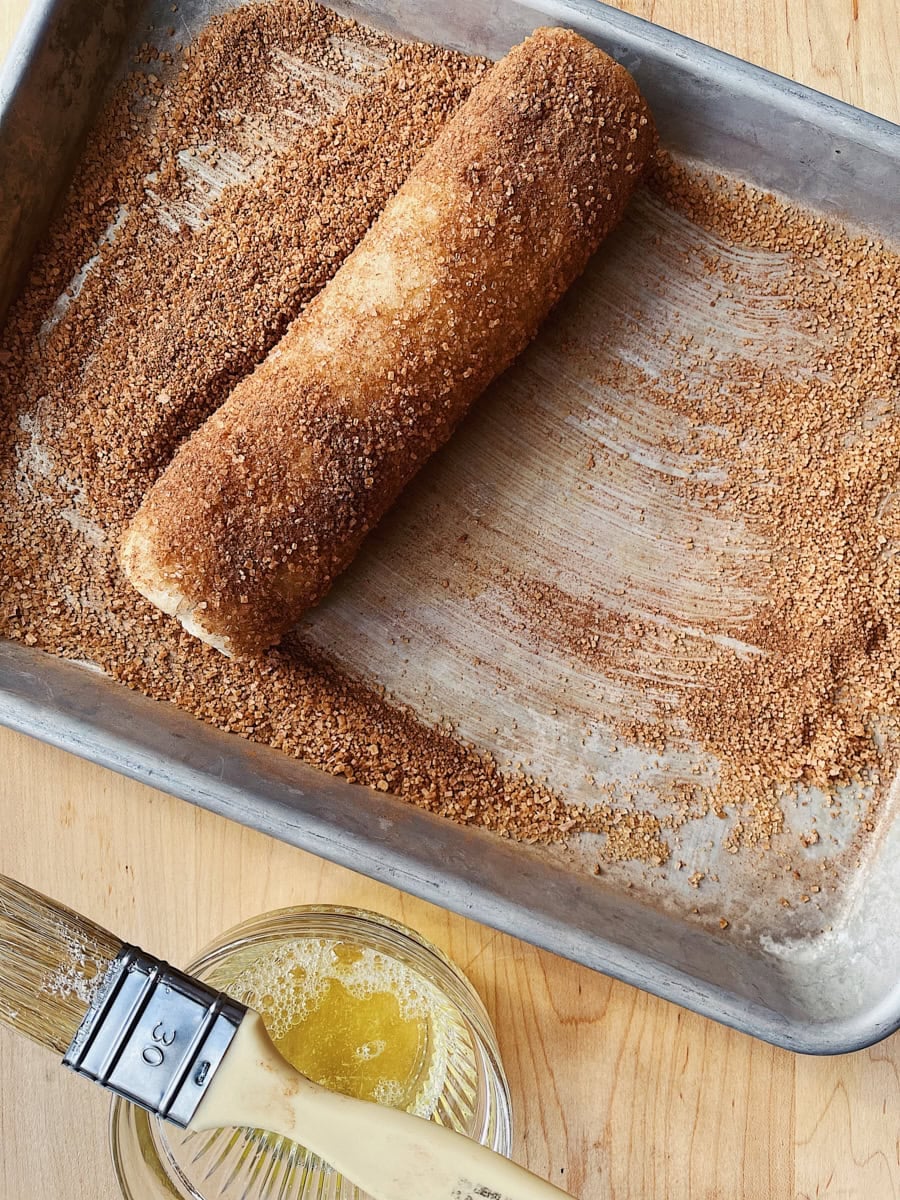
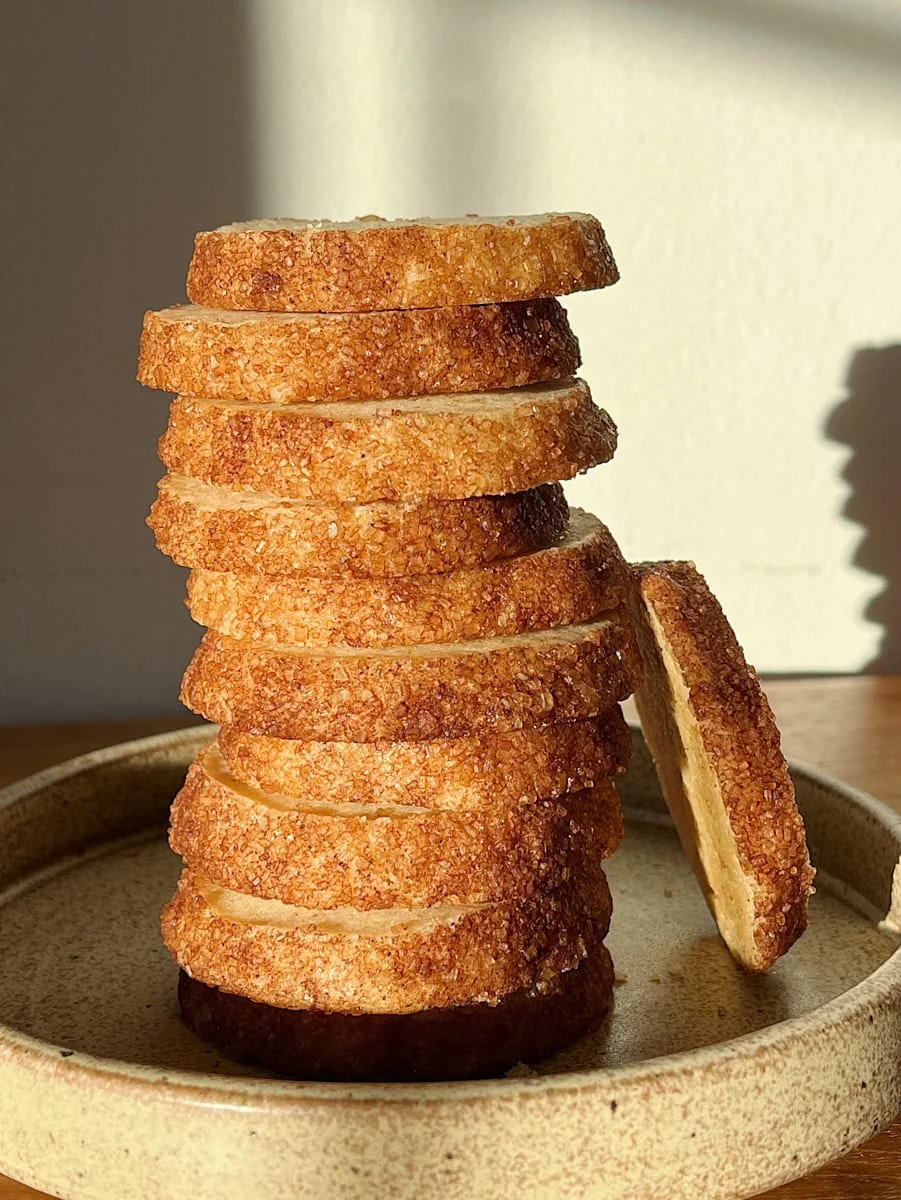
The moniker "Cinnamon Toast Cookies" immediately evokes a sense of nostalgic comfort, and the recipe delivers precisely that experience. A distinctive coating of Demerara sugar and cinnamon forms a crisp, sweet crust that perfectly complements the rich, slightly tangy, and buttery dough. This combination conjures the beloved flavors of cinnamon toast, a simple yet profoundly satisfying treat. While these cookies may eschew the vibrant colors or elaborate decorations often seen on holiday cookie platters, their understated elegance and irresistible flavor profile ensure they are quickly devoured. The sophisticated blend of buttery richness, sourdough tang, and aromatic cinnamon proves that sometimes the simplest presentations can yield the most profound culinary satisfaction, rendering any perceived lack of flashy adornment entirely irrelevant once tasted.
A critical aspect of the cookie’s success lies in its carefully calibrated dough ratio, departing from conventional standards to achieve an optimal texture. The traditional cookie ratio of one part sugar, two parts butter, and three parts flour by weight often results in a stiffer, more floury slice-and-bake cookie, particularly in recipes lacking significant sugar content or the chewiness and aeration provided by eggs. For these "Cinnamon Toast Sourdough Discard Cookies," the developers meticulously adjusted this balance. Utilizing 250 grams (2 cups) of all-purpose flour, augmented by an additional 35 grams from the sourdough starter discard, alongside 150 grams of sugar and 226 grams of butter, the resulting ratio is approximately 1 part sugar to 1.5 parts butter to just under 2 parts flour. This modification is instrumental in producing a more pliable dough that bakes into a tender, less dense cookie, allowing the subtle flavors of butter and sourdough to shine through without being masked by an overly floury texture. This precise adjustment highlights a deep understanding of baking science, ensuring a superior end product.
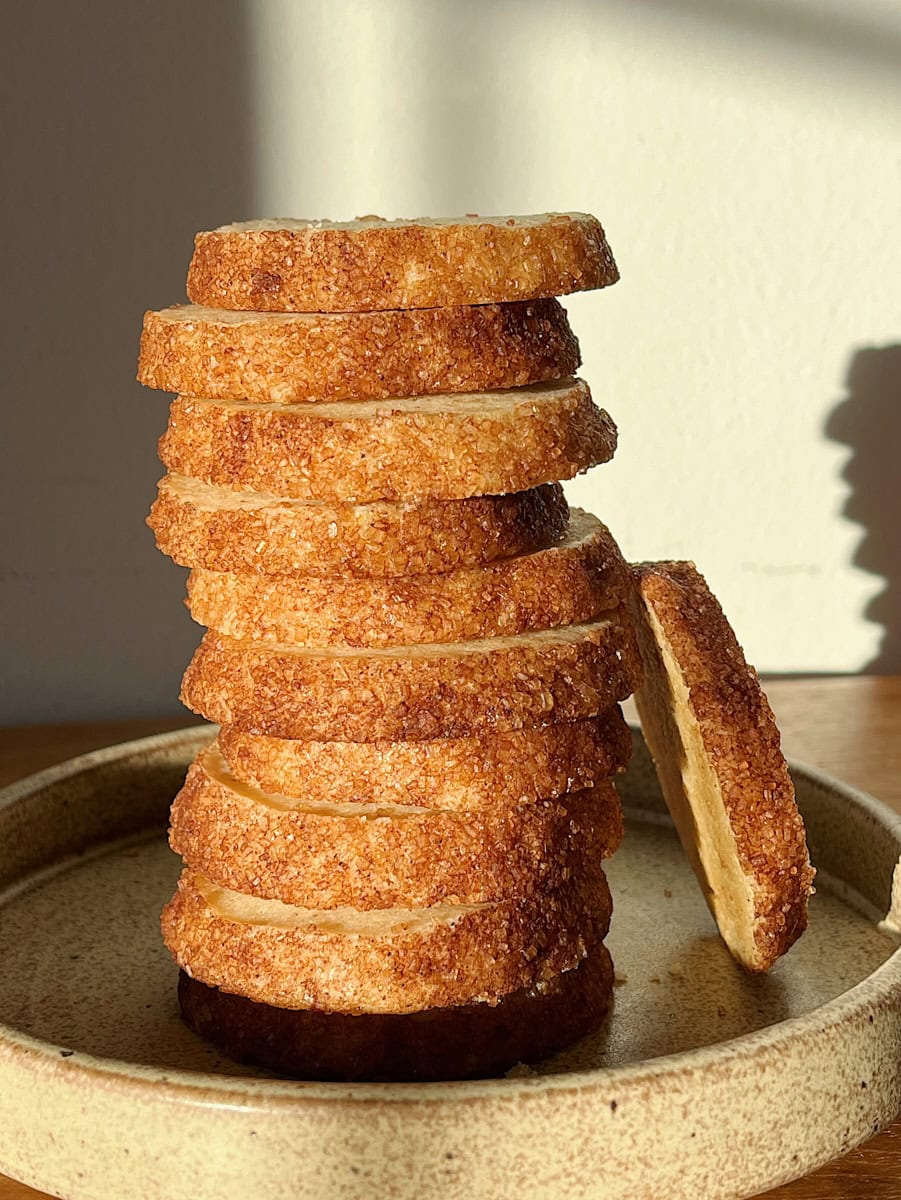
The simplicity of the dough formulation means that the quality of each ingredient significantly impacts the final flavor. In this context, the choice of butter becomes paramount. The recipe strongly advocates for using high-quality butter, with European-style butter being a particularly recommended option. European-style butters typically boast a higher butterfat content and often undergo a culturing process, which imparts a richer, more complex flavor profile compared to standard American butters. This elevated butter quality translates directly into a more pronounced, nuanced buttery taste in the finished cookie, forming the foundational flavor upon which the cinnamon and sourdough notes build. For bakers seeking to further enhance this foundational flavor, browning the butter before incorporating it into the dough presents an intriguing alternative. While this step requires an additional chilling period to return the butter to a room temperature-like consistency, the resulting nutty, caramelized notes would introduce an extra layer of complexity without necessitating other recipe modifications, offering an avenue for culinary experimentation.
The inclusion of sourdough starter discard, while subtle, plays a crucial role in the cookie’s unique character. Shortbread-style cookies, which these closely resemble in their crumbly texture, traditionally do not contain water. However, the sourdough discard, being a hydrated mixture of flour and water, introduces a slight increase in moisture to the dough. This additional hydration, coupled with the mild acidity from the fermentation in the discard, contributes to a delicate tang that perfectly balances the sweetness of the sugar and the richness of the butter. While the recipe acknowledges other methods for managing water content, such as browning butter to evaporate some moisture, the existing waiting periods for chilling the dough mean that direct integration of the discard is a convenient and effective approach. This thoughtful incorporation of discard not only prevents waste but also enriches the flavor and texture of the cookie, differentiating it from conventional shortbreads.
Beyond the core recipe, these cookies offer a remarkable canvas for flavor customization, inviting bakers to personalize their creations. The foundational vanilla flavor can be augmented or entirely replaced with a spectrum of extracts, such as aromatic rose or orange flower water, or nutty almond extract, with a recommended starting point of ¼ teaspoon due to their potency. For those desiring deeper, roasted undertones, a teaspoon of toasted sesame oil can be incorporated. Textural elements can be introduced through up to 130 grams (approximately ¾ cup) of chopped chocolate or toasted nuts. For a more sophisticated twist, instant coffee or espresso, powdered teas like matcha or hojicha, or even finely ground Earl Grey tea leaves can be blended into the dough, offering distinct aromatic profiles. The cinnamon-Demerara sugar coating itself is open to variation; ground cardamom or sumac provide intriguing alternatives to cinnamon, while toasted white or black sesame seeds offer both a visual and textural contrast. This extensive array of options empowers bakers to tailor the cookies to specific tastes or themes, making them suitable for diverse occasions.
For efficient dough preparation, an electric mixer is a highly recommended tool. Whether a hand beater or a stand mixer, these devices significantly streamline the creaming of butter and sugar, a critical step for achieving the proper texture in cookies. Efficient creaming incorporates air into the mixture, contributing to a lighter, more tender crumb. While bakers with robust arm strength can certainly prepare the dough by hand, an electric mixer ensures consistency and reduces the physical effort involved, making the baking process more accessible and enjoyable. The Breville Handy Mixer, cited as a favorite by experts like Maurizio, exemplifies the type of reliable equipment that can elevate the home baking experience, particularly when dealing with stiffer doughs or large quantities.
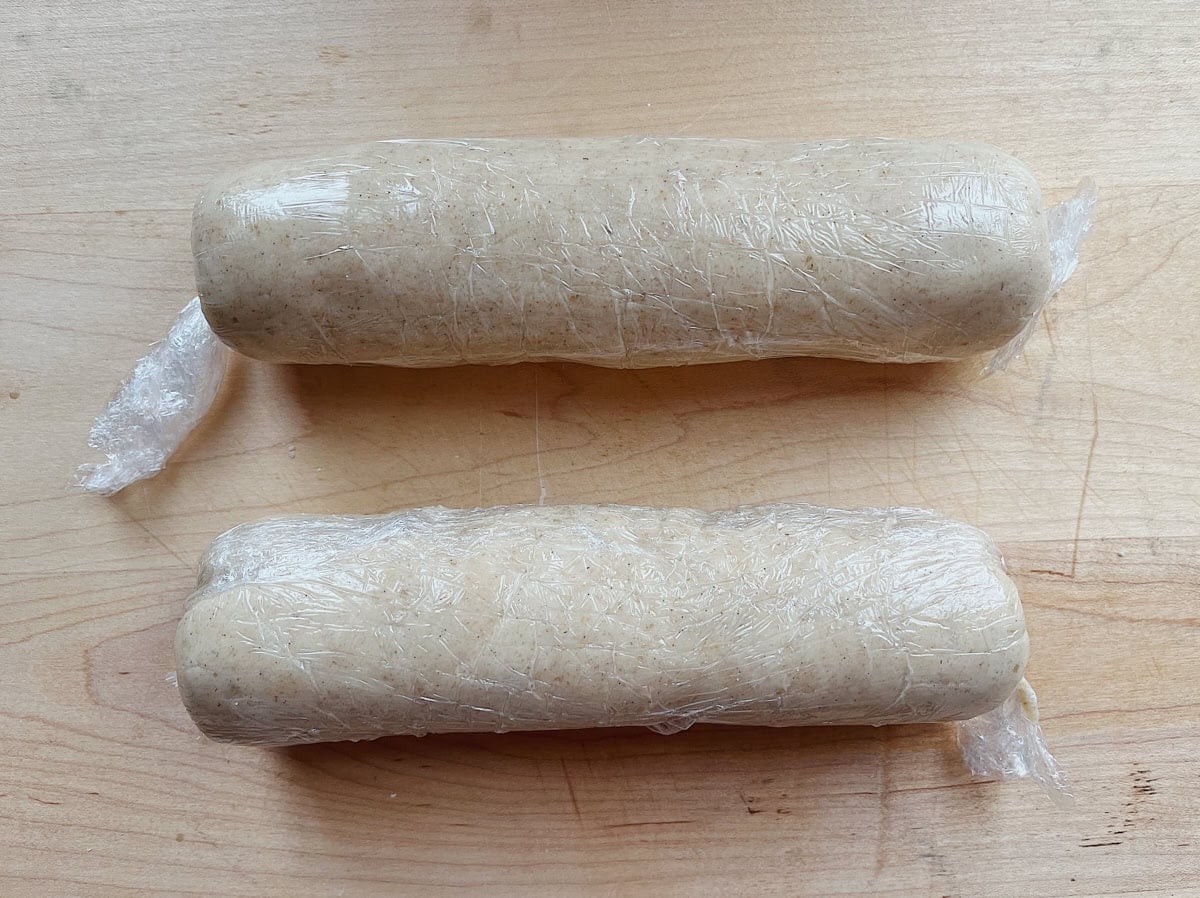
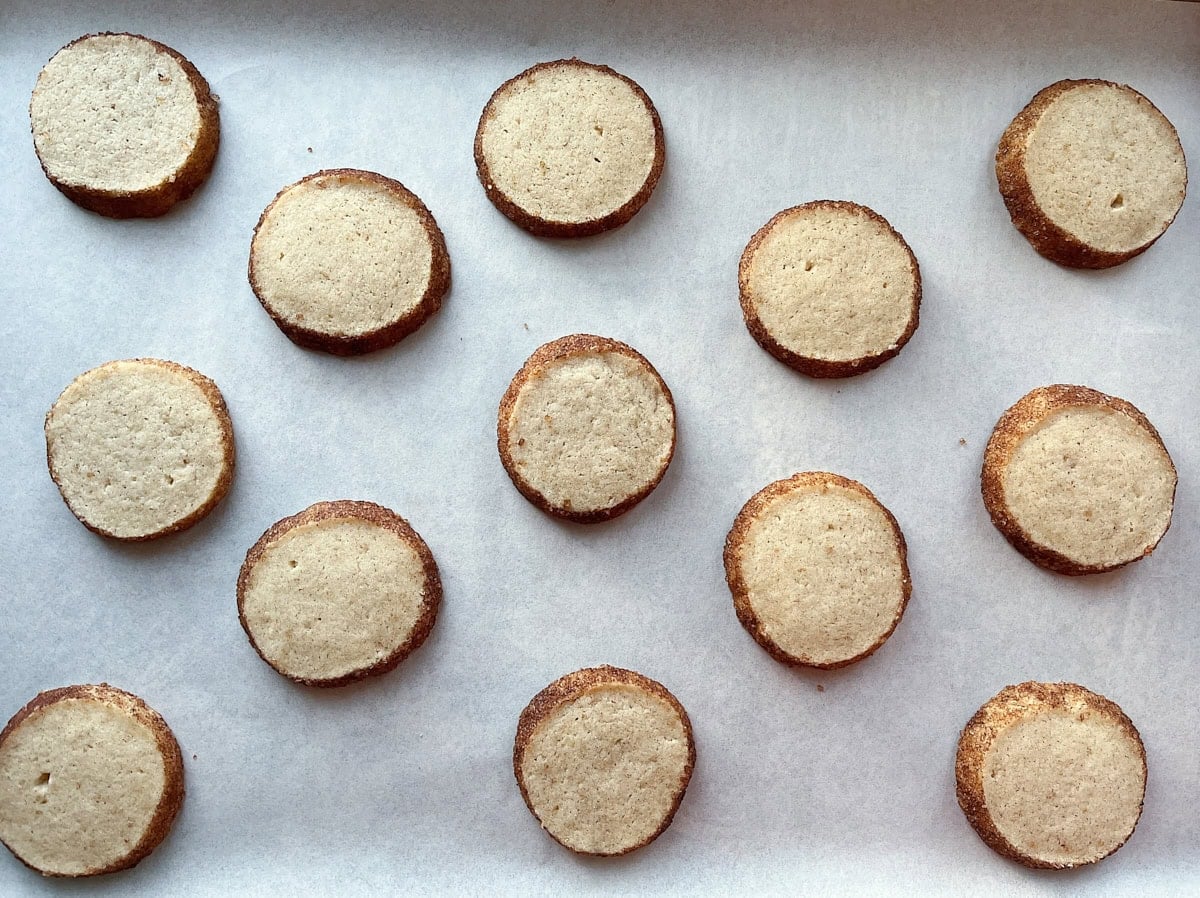
The higher butter-to-flour ratio in these cookies results in a soft and pliable dough, which, if not properly managed, could lead to excessive spreading during baking. To counteract this and ensure neat, perfectly round cookie rounds, adequate chilling of the dough is absolutely crucial. A minimum of two hours in the refrigerator allows the butter to resolidify, firming up the dough and preventing it from spreading prematurely in the hot oven. This process is a non-negotiable step for achieving the desired aesthetic and structural integrity of slice-and-bake cookies. For bakers striving for absolute perfection in shape, a clever post-bake technique involves gently swirling a glass or round biscuit cutter around the warm, freshly baked cookies on the sheet pan. This quick maneuver can coax slightly misshapen cookies into ideal rounds before they fully set, providing a simple yet effective cosmetic fix.
Given the inherent hydration from the sourdough starter discard, these cookies present a unique baking challenge: their tops do not darken significantly in the oven, making it difficult to visually gauge doneness. Unlike gooey chocolate chip cookies where a slightly underbaked center is often desired, an underbaked slice-and-bake cookie tends to be unpleasantly soft and lacks the crispness associated with the style. Therefore, bakers are advised to extend the baking time beyond what might initially seem sufficient. A minimum of 14 minutes is recommended to ensure thorough baking, allowing the cookies to achieve a firm, set texture, particularly on the bottoms, which are the truest indicator of doneness. Patience and careful observation, perhaps even sacrificing an early cookie to check the underside, are key to achieving the perfect crisp-tender result.
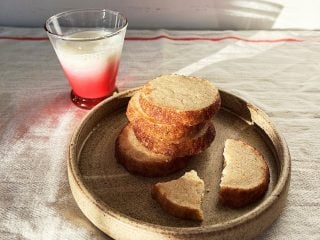
The practical advantages of this recipe extend to storage and ingredient flexibility, further cementing its utility for home bakers. The dough logs, once formed and coated, can be frozen for up to three months. Even better, pre-sliced cookies can be frozen on a parchment-lined sheet pan and then transferred to an airtight container for long-term storage, ready to be baked directly from frozen with just an additional 2-4 minutes of baking time. This "bake from frozen" capability transforms these cookies into an ultimate make-ahead solution, allowing for fresh-baked treats on demand. Furthermore, the recipe is amenable to flour substitutions, offering opportunities for varied textures and nutritional profiles. Up to 60 grams (about ½ cup) of heartier wheat flours like whole wheat, rye, or spelt can be swapped in, or even pseudocereals like earthy buckwheat flour. For an added crunch, 15 grams (about 2 tablespoons) of medium-grind cornmeal can be incorporated. For environmentally conscious bakers, the choice of dough wrap is also addressed; while beeswax-based wraps are generally discouraged due to potential leaching into the dough during extended chilling, parchment paper or specialized washable stretch wraps are presented as viable, reusable alternatives.
In conclusion, the "Cinnamon Toast Sourdough Discard Cookies" represent a thoughtful and innovative contribution to the world of home baking. By skillfully combining the convenience of the slice-and-bake method with the resourceful utilization of sourdough discard and a delightful flavor profile, the recipe offers a compelling solution for producing high-quality, large-batch cookies with remarkable ease. Its adaptability for flavor customization, robust ingredient quality recommendations, and detailed baking science insights underscore its value. This recipe is more than just a sweet treat; it reflects a broader trend towards efficient, sustainable, and creatively engaging baking practices, making it an invaluable addition to any baker’s repertoire, especially as the demand for comforting, homemade goods continues to rise.