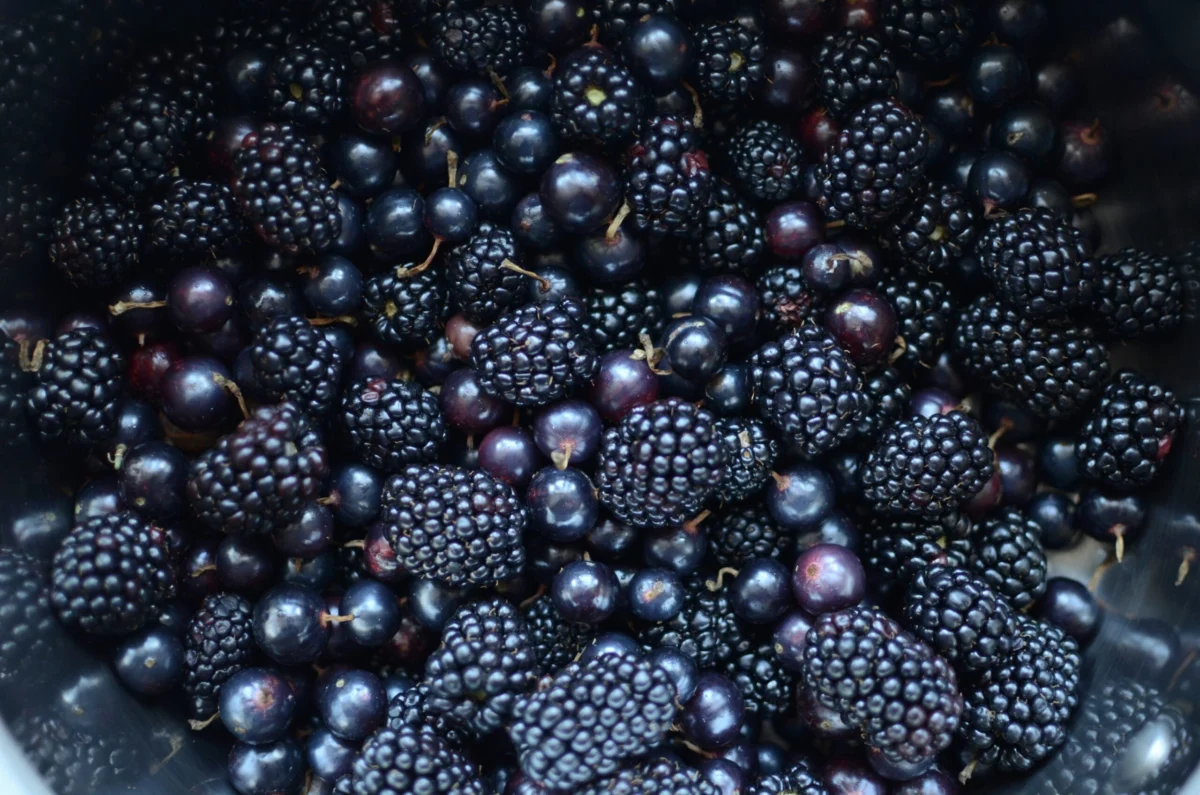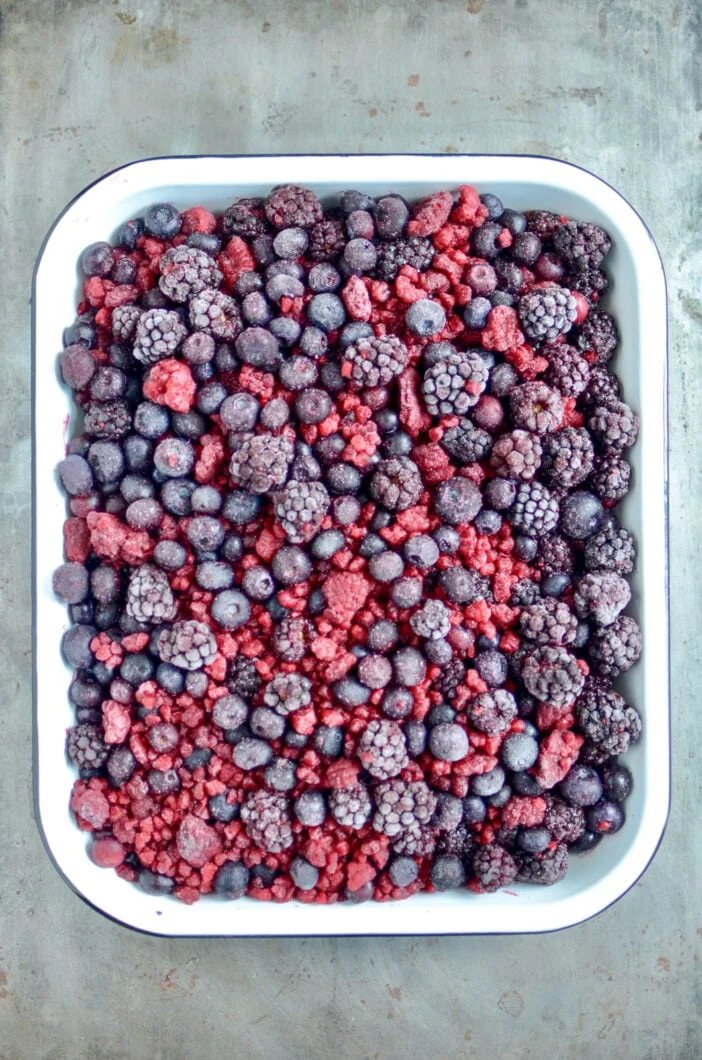
The February Community Canning Challenge, spearheaded by the renowned food preservation platform Food in Jars, has launched its annual initiative, urging home preservers to delve into their deep freezers and transform their accumulated bounty of frozen fruit into delectable, shelf-stable jams, butters, and sauces. This timely call to action serves a dual purpose: to declutter freezers ahead of the spring harvest and to equip households with practical skills for sustainable food management. Participants are encouraged to focus on fruits and vegetables meticulously put away during the peak summer growing season, rather than everyday smoothie ingredients, turning forgotten reserves into culinary treasures. This month’s challenge provides a vital opportunity for enthusiasts to process produce stored with future intentions, ensuring that the labor of summer harvests does not go to waste. For many, the freezer acts as a temporary holding ground, a promise of future projects that often remain unfulfilled. The Community Canning Challenge aims to bridge this gap, offering guidance and motivation to convert these frozen assets into ready-to-use ingredients and finished products. The initiative aligns perfectly with mid-winter, a period when fresh local produce is scarce, making it an opportune time to revisit stored provisions.
The Genesis of the Community Canning Challenge
The Community Canning Challenge is the brainchild of Marisa McClellan, the acclaimed author and founder of Food in Jars, a leading resource for home food preservation. Launched several years ago, the challenge was conceived to foster a vibrant community around the art of canning, encouraging both novice and experienced preservers to tackle specific preservation tasks each month. This structured approach helps demystify canning, breaking down potentially overwhelming projects into manageable steps and providing a supportive network for participants. McClellan’s vision was to move beyond the traditional image of canning as a summer-only activity, promoting year-round engagement with seasonal eating and food sustainability.
Each month, a new theme is introduced, often tied to seasonal availability or common preservation dilemmas. February’s focus on frozen fruit is particularly strategic. By late winter, many home cooks find their freezers brimming with the remnants of last year’s harvests – berries, stone fruits, and even tomatoes – often tucked away with good intentions but lacking a definitive plan. This challenge provides that plan, advocating for a proactive approach to pantry management and resource utilization. The online community aspect, facilitated through blogs, social media, and forums, allows participants to share their progress, troubleshoot issues, and draw inspiration from fellow preservers, enhancing the learning experience and reinforcing the cultural significance of home food preservation. McClellan emphasizes the importance of utilizing these frozen reserves, stating, "That later is now! The intention of the challenge is to turn those forgotten summer treasures into something delicious and ready to use, clearing space for the next season’s bounty."
The Science Behind Freezing and Thawing Fruit
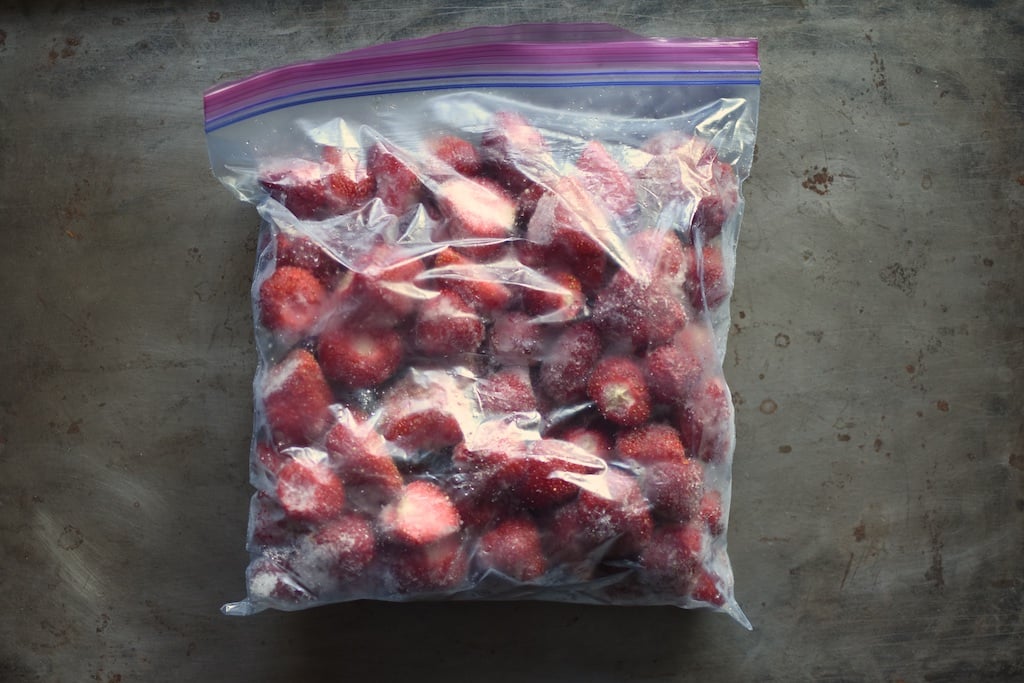
Understanding the fundamental effects of freezing on fruit is crucial for successful preservation. When fresh fruit is frozen, the water within its cells crystallizes. Unlike liquid water, ice expands, and these expanding ice crystals puncture and rupture the delicate cell walls of the fruit. While the fruit remains frozen, this structural damage is largely imperceptible. However, upon defrosting, these compromised cell walls are no longer able to retain the fruit’s internal liquid, leading to a significant release of moisture, often referred to as "weepage." This phenomenon is why defrosted fruit often appears softer and more pliable than its fresh counterpart.
This liquid weepage is a critical factor in canning frozen fruit. A common misconception, and indeed a temptation, is to drain this excess liquid, assuming it will dilute the final product. However, preservation experts, including those at Food in Jars, strongly advise against this practice for most applications. Draining the liquid can drastically alter the water-to-solids ratio in a recipe, potentially leading to an over-set product, particularly in jams and jellies where pectin relies on a specific balance of sugar, acid, and liquid. Removing the liquid can result in a much stiffer consistency or an overall reduction in yield. The liquid that weeps from the fruit is an integral part of its composition and should generally be incorporated into the cooking process to maintain the intended consistency and flavor profile of the final preserved item. McClellan advises, "I find that if you omit the water that weeps out from your frozen fruit, your product can end up overset or without the right consistency because the cooking time was altered." Exceptions exist, such as when making highly concentrated products like tomato paste, where a drier initial product is desired. In such cases, deliberate draining might be appropriate, but it should be a conscious decision based on the specific recipe and desired outcome.
Combating Oxidation: Preserving Color and Flavor
Another significant challenge when working with frozen fruit is the risk of oxidation during the defrosting process. Oxidation occurs when the fruit’s exposed tissues react with oxygen in the air, leading to enzymatic browning and the development of off-flavors. This is particularly noticeable in fruits like apples, peaches, and apricots, which can turn an unappetizing brown or grey if left exposed. This enzymatic browning, caused by polyphenol oxidase enzymes, can degrade the quality and appeal of the final product.

Fortunately, there are effective strategies to mitigate oxidation. For recipes that incorporate sugar, a straightforward solution is to "sugar" the fruit while it is still frozen. This involves combining the frozen fruit directly with the recipe’s sugar. The sugar acts as a protective barrier, limiting the fruit’s exposure to oxygen and inhibiting the enzymatic reactions responsible for browning. This method not only preserves the fruit’s vibrant color but also helps to maintain its fresh flavor, resulting in a higher quality finished product. McClellan notes, "The sugar helps prevent the oxidation from taking place and leaves you with a higher quality product in the end."
For fruit intended for savory applications or recipes where no sugar is added, a slower defrosting method is recommended. Instead of thawing at room temperature or in warm water, which can accelerate oxidation, fruit should be defrosted gradually in the refrigerator. Keeping the fruit in a sealed bag or container during this process further minimizes exposure to air, thereby reducing the amount of discoloration. Adding a small amount of lemon juice or another acidic ingredient to the fruit during defrosting or early in the cooking process can also help to inhibit enzymatic browning by lowering the pH. These proactive measures are essential for ensuring that the visual appeal and taste of the preserved fruit remain optimal.
Optimal Recipe Selection and Preparation Techniques
When selecting recipes for transforming frozen fruit, a key recommendation from Food in Jars is to prioritize those that specify measurements by weight rather than by volume (cups). Frozen fruit, even after defrosting, can be irregular in shape and density, making volumetric measurements imprecise and potentially leading to inconsistencies in the final product. Weighing the fruit directly into the cooking pot eliminates the mess of trying to measure defrosted, often mushy, fruit and ensures accuracy. This precision is vital for canning, where ingredient ratios are often critical for both safety and quality. As McClellan advises, "When you choose a recipe for transforming frozen fruit, your best bet is to look for those that use weight rather than cups as the starting measurement. That’s because frozen fruit is unwieldy."
The challenge highlights several versatile recipes perfectly suited for frozen fruit:

-
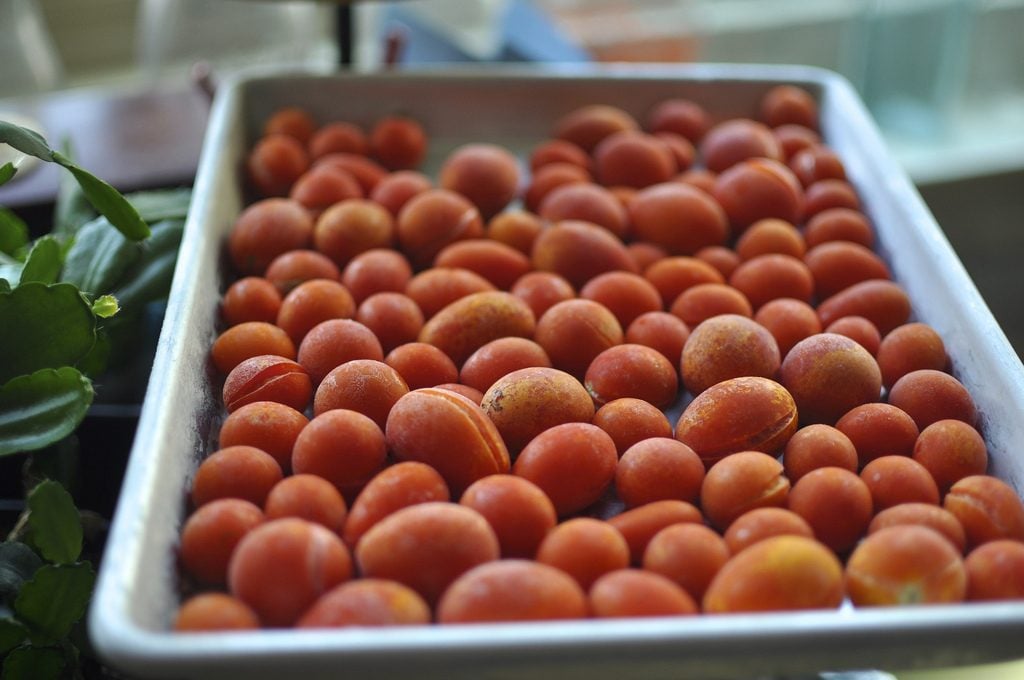
Tomato Jam: A highly acclaimed recipe on the Food in Jars platform, Tomato Jam is an excellent candidate for frozen tomatoes. Requiring five pounds of tomatoes, it offers a substantial way to clear freezer space. The recipe accommodates the unique texture of defrosted tomatoes, transforming them into a savory-sweet spread beloved for its versatility on sandwiches, cheese boards, or as a glaze. The moisture released during defrosting is naturally incorporated, contributing to its rich, spreadable consistency.
-
Slow Cooker Peach Butter: This recipe is highly adaptable for any stone fruit (peaches, nectarines, apricots, plums, cherries) stored in the freezer. The slow cooking process is forgiving, allowing the fruit to break down gently, concentrating flavors without aggressive boiling. For best results with this butter, it is advised to fully defrost the fruit in the refrigerator, keeping the container sealed to prevent oxidation. When ready to puree, adding lemon juice with the defrosted fruit further buffers against discoloration, ensuring a vibrant and flavorful butter ideal for toast, yogurt, or as a dessert topping.
-
Cherry Blueberry Jam: This jam proves that exceptional preserves can be made with store-bought frozen fruit, not just homegrown. For this recipe, the recommended method is to place the frozen fruit directly into the cooking pot, topping it with the sugar. As the fruit slowly defrosts, the sugar begins to draw out moisture, creating a syrupy base. Once fully thawed, the sugar is stirred in, and the remaining ingredients are added, proceeding as usual. This technique effectively manages the liquid release and initiates the sugar interaction, yielding a delightful jam.
-
Mixed Berry Jam: A recipe developed in partnership with Ball Canning, this jam explicitly accounts for the use of frozen fruit. The blog post for this recipe integrates all necessary guidance for working with frozen berries, demonstrating that with the right instructions, the finished product is indistinguishable from one made with fresh fruit, often even surpassing it in convenience during off-season months. The robust blend of berries creates a classic jam perfect for various culinary uses.
-
Pear Vanilla Caramel Sauce: This highly flexible caramel sauce can be made with a variety of fruit purees, including those from frozen pears, strawberries, peaches, or mangoes. Similar to the peach butter, the recommendation is to defrost the chosen fruit in a sealed container within the refrigerator to prevent oxidation before pureeing and proceeding with the recipe. The robust flavors of the caramel complement the fruit notes beautifully, creating a luxurious topping for desserts or breakfast items.
These recipes serve as starting points, demonstrating the wide array of possibilities for converting frozen assets into delicious, practical pantry items. The expert guidance provided by Food in Jars ensures that participants can approach these projects with confidence, minimizing common pitfalls and maximizing success.
Broader Impact: Sustainability, Skill Development, and Community Engagement
The February Community Canning Challenge extends beyond merely emptying freezers; it embodies a larger movement towards sustainable living, culinary self-sufficiency, and community building.
Reducing Food Waste: Food waste is a significant environmental and economic issue. According to the U.S. Department of Agriculture (USDA), an estimated 30-40% of the food supply is wasted, much of it produce that spoils before consumption. By encouraging the preservation of frozen fruit, the challenge directly addresses this problem. It transforms produce that might otherwise be forgotten or freezer-burned into valuable resources, minimizing the environmental footprint associated with food production and disposal. This proactive approach to using up stored food contributes to a more circular and sustainable food system within individual households. For instance, an estimated 133 billion pounds of food, worth $161 billion, was wasted in 2010 in the U.S. alone, highlighting the critical need for initiatives like this challenge.
Enhancing Food Security and Economic Benefits: Home canning empowers individuals and families with greater control over their food supply. Preserving fruit allows households to enjoy seasonal produce year-round, often at a lower cost than purchasing off-season fresh or processed alternatives. It reduces reliance on commercially prepared foods, which often contain higher levels of sugar, salt, and preservatives. By making jams, sauces, and butters from scratch, individuals gain insight into their food’s ingredients, fostering healthier eating habits and potentially significant cost savings over time, especially when utilizing discounted or homegrown produce. This practice resonates with historical traditions of self-sufficiency and modern economic prudence.

Reviving and Modernizing Traditional Skills: In an era dominated by convenience foods, there’s a growing interest in traditional culinary and homesteading skills. The Community Canning Challenge taps into this desire, offering a structured, modern approach to an age-old practice. It teaches valuable skills that can be passed down through generations, connecting participants to a rich heritage of self-sufficiency. McClellan’s approach integrates modern understanding of food science with traditional techniques, ensuring both safety and quality, aligning with recommendations from bodies like the National Center for Home Food Preservation (NCHFP).
Fostering Community and Shared Learning: The "community" aspect of the challenge is perhaps its most unique and valuable contribution. Through online platforms, participants share their successes, challenges, and creative adaptations. This creates a supportive environment where knowledge is exchanged, questions are answered, and a sense of camaraderie flourishes. This collective engagement reinforces the idea that food preservation is not just a solitary chore but a shared passion, fostering a network of like-minded individuals dedicated to mindful eating and living. The shared experience builds confidence and encourages continued exploration of preserving techniques.
Environmental Implications: Beyond waste reduction, using frozen local produce for canning reduces the carbon footprint associated with transporting fresh produce long distances during the off-season. By preserving what’s locally grown and stored, consumers can enjoy seasonal flavors without contributing to "food miles," promoting a more environmentally conscious approach to consumption. This aligns with broader movements towards local food systems and reduced ecological impact.
Looking Ahead: A Foundation for Future Harvests
The February Community Canning Challenge serves as more than a monthly task; it is an educational stepping stone. By successfully transforming frozen fruit now, participants hone their skills and gain confidence, preparing them for the abundant harvests of spring and summer. This continuous cycle of preservation, consumption, and replenishment is central to a truly sustainable kitchen. Marisa McClellan and the Food in Jars team continue to champion these efforts, providing invaluable resources that empower individuals to take charge of their food destiny, one jar at a time. The enthusiasm generated by challenges like this underscores a broader societal shift towards greater food awareness, self-reliance, and a deeper appreciation for the journey from farm to pantry. The freezer, once a silent vault of forgotten intentions, becomes a dynamic larder, yielding forth its treasures to be transformed and enjoyed, proving that the warmth of summer can indeed be captured and savored even in the deepest chill of winter.