The stickiness observed on the exterior of fruit jars post-processing is primarily attributed to a process known as siphoning, which involves the expulsion of small amounts of liquid from the jar during or immediately after the heat treatment. This occurs due to the inherent properties of fruit and the physics of the canning environment. Fruit flesh, especially raw or lightly cooked varieties, contains a significant amount of trapped air. When jars filled with fruit and a liquid medium (such as syrup, juice, or water) are subjected to the high temperatures of a water bath or pressure canner, the air within the fruit expands and attempts to escape. This air, along with steam generated from the heating liquid, creates internal pressure within the jar.
For a successful seal to form, canning rings are tightened only to "finger-tip tight," a crucial step that allows this internal air and steam to vent out of the jar during processing. If the rings are overtightened, the air cannot escape, potentially leading to seal failure or distortion of the lid. As the air and steam are expelled, they can carry with them small amounts of the sugary liquid used to preserve the fruit. This expelled liquid then condenses on the exterior of the jar, creating the sticky residue that prompts concern among canners. This siphoning can continue even after the jars are removed from the canner as they begin their cooling process.
The Science of Siphoning and Pressure Dynamics

To elaborate on the phenomenon, the canning process involves heating jars to a temperature sufficient to destroy spoilage microorganisms and inactivate enzymes, followed by cooling. During heating, the contents of the jar expand, and air is forced out from under the lid. As the jar cools, the remaining contents contract, creating a vacuum that pulls the lid firmly onto the jar, forming an airtight seal. Siphoning occurs when the internal pressure within the jar, combined with the volume expansion of the contents, is strong enough to force some of the liquid out before the seal is fully established and the vacuum forms. The sugary nature of fruit preserving liquids means that even a minuscule amount can leave a noticeable sticky film upon drying. This is particularly common with high-sugar syrups or fruit juices used for peaches, pears, and other delicate fruits.
Ensuring Food Safety Despite Stickiness
The primary concern for any home preserver is food safety. It is critical to differentiate between cosmetic stickiness and actual signs of spoilage. If the jars are sticky but have formed a proper seal—indicated by a concave lid that does not flex when pressed—the contents are generally safe for consumption. The stickiness itself is merely external residue. Once the jars have cooled completely, it is recommended to remove the canning rings, which are only necessary during processing to hold the lid in place, not for storage. The sealed jars should then be gently washed in warm, soapy water to remove the sticky film, rinsed, air-dried, and stored in a cool, dark place. Removing the rings before storage prevents moisture from being trapped, which could lead to rust and potentially compromise the seal over time.
However, if a jar is sticky and also shows signs of a failed seal (e.g., a lid that is not concave, moves up and down when pressed, or can be lifted off easily), it should not be stored. The contents of such a jar should either be reprocessed immediately if within 24 hours and using a new lid, refrigerated for immediate consumption, or discarded. Similarly, any signs of spoilage such as mold, unusual discoloration, off-odors, or bubbling liquid within a sealed jar warrant immediate discard, regardless of external stickiness.

Addressing Significant Liquid Loss
While minor siphoning leading to external stickiness is normal, significant liquid loss within the jar can affect the quality of the preserved fruit, though not necessarily its safety if the seal is intact. If a substantial amount of liquid has been lost, the fruit at the top of the jar may become exposed to air. While still safe if properly sealed, this exposed fruit can experience discoloration (browning) and a change in texture over time. For jars with noticeable liquid depletion, it is advisable to prioritize their consumption. When opening such a jar, any discolored or texturally compromised fruit at the top should be discarded, while the fully submerged fruit remains perfectly edible. This practice ensures the best quality and enjoyment of the preserved goods.
Preventative Strategies to Minimize Siphoning
Experienced canners employ several techniques to mitigate liquid loss and reduce the incidence of sticky jars. These methods primarily focus on managing air content in the fruit and ensuring a stable canning environment.

-
Embrace Hot Packing: One of the most effective strategies is to utilize the "hot pack" method rather than "cold pack" (also known as raw pack). In cold packing, raw fruit is placed directly into jars, and then hot syrup or liquid is poured over it. While convenient, this method means the fruit retains more air. During processing, this air is aggressively forced out, often pushing more liquid with it.
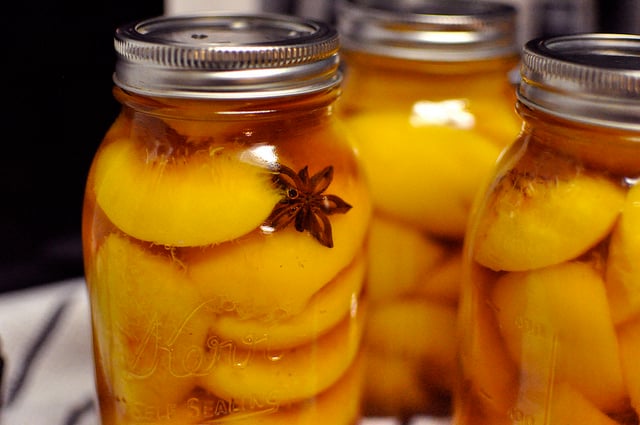
In contrast, hot packing involves briefly heating the fruit in the canning liquid (syrup, water, or juice) before it is transferred to the jars. This pre-cooking step helps to "ex-air" the fruit, meaning a significant portion of the trapped air is released before the jars even enter the canner. Consequently, less air needs to escape during the actual processing, leading to reduced internal pressure fluctuations and significantly less siphoning. Hot packing also allows for a denser, more uniform fill of the jars, as the fruit softens and shrinks slightly during the pre-heating, enabling more fruit to fit into each jar. For instance, recipes for Gingery Pickled Peaches or spiced pears often call for hot packing, resulting in jars with minimal liquid loss.
-
Implement Controlled Cooling: Rapid temperature changes can exacerbate siphoning. After the prescribed processing time is complete, instead of immediately removing the jars from the canner, it is beneficial to allow them to rest in the hot water for 5 to 10 minutes. This gradual cooling period helps to stabilize the internal pressure within the jars and reduces the likelihood of liquid being forcefully expelled. For electric stoves, simply turning off the heat and sliding the canner off the hot burner can achieve this. For gas stoves, turning off the heat is sufficient. If, after the initial rest, a jar is still visibly leaking, returning it to the canner for an additional 5-minute rest can further assist in pressure stabilization.
-
Ensure Proper Headspace: Maintaining the correct headspace—the empty space between the food and the inside of the lid—is paramount. For most fruit canning, a headspace of 1/2 inch is recommended. This space allows for the expansion of food and liquid during heating and the formation of a vacuum seal during cooling. Insufficient headspace can lead to liquid boiling over and siphoning, while excessive headspace can result in inadequate vacuum formation and potential seal failure.
-
Avoid Overtightening Rings: As previously mentioned, canning rings should only be tightened to "finger-tip tight." This means screwing the band down until resistance is met, then tightening slightly further using only the fingertips. Overtightening can prevent air from escaping during processing, leading to pressure buildup and siphoning, or even buckling of the lids.
-
Pre-heating Jars and Lids: While not directly preventing siphoning, ensuring jars are hot before filling with hot contents helps prevent thermal shock, which can cause jars to break. It also contributes to a more stable temperature environment during processing. Similarly, following manufacturer recommendations for preparing lids (often involving simmering in hot water) ensures the sealing compound is pliable and ready to form a strong seal.
Official Guidance and Broader Implications
Authoritative bodies such as the United States Department of Agriculture (USDA) and university extension services, like the National Center for Home Food Preservation (NCHFP), consistently emphasize the importance of following tested, research-based recipes and guidelines for home canning. These resources serve as the gold standard for safe preservation practices, providing detailed instructions that account for factors like headspace, processing times, and preparation methods designed to minimize risks, including siphoning.
The increasing popularity of home canning, driven by interests in food security, local food movements, and cost savings, underscores the need for accessible and accurate information. Misinterpretations of common occurrences like sticky jars can lead to unnecessary discarding of perfectly safe food, contributing to food waste and discouraging new preservers. By demystifying these phenomena, educational resources empower individuals to confidently engage in home food preservation, ensuring both safety and quality.
In conclusion, encountering sticky jars after canning fruit is a widespread and generally innocuous part of the home preservation journey. It is a physical manifestation of air escaping the fruit and liquid during the thermal processing, a process crucial for creating a safe, shelf-stable product. With proper understanding, adherence to tested canning guidelines, and the implementation of preventative measures like hot packing and controlled cooling, home canners can confidently store and enjoy their delicious homemade fruit preserves, free from unwarranted worry. The key lies in verifying the integrity of the seal and understanding that external stickiness, when coupled with a good seal, is simply a sign of a successful vacuum formation, not a defect.