Food preservation has transitioned from a historical necessity to a modern strategic practice for households seeking to mitigate food waste and ensure year-round access to nutritional produce. Among the various methods available to the home consumer, dehydration remains one of the most accessible and effective techniques for extending the shelf life of highly perishable fruits. While common items such as apples and bananas are staples of the drying rack, the dehydration of honeydew melon (Cucumis melo inodorus) represents a specialized application of this technology that transforms a high-water-content fruit into a shelf-stable, nutrient-dense snack.
The Technical Framework of Melon Dehydration
The process of dehydrating honeydew melon is governed by the principles of evaporation and heat transfer. Honeydew melons typically consist of approximately 90% water. To achieve a shelf-stable state, this moisture content must be reduced to a level where microbial growth—specifically mold and bacteria—is inhibited. According to food safety standards for home preservation, fruit should be dehydrated until it reaches a leathery or crisp texture, generally indicating a remaining moisture content of less than 20%.
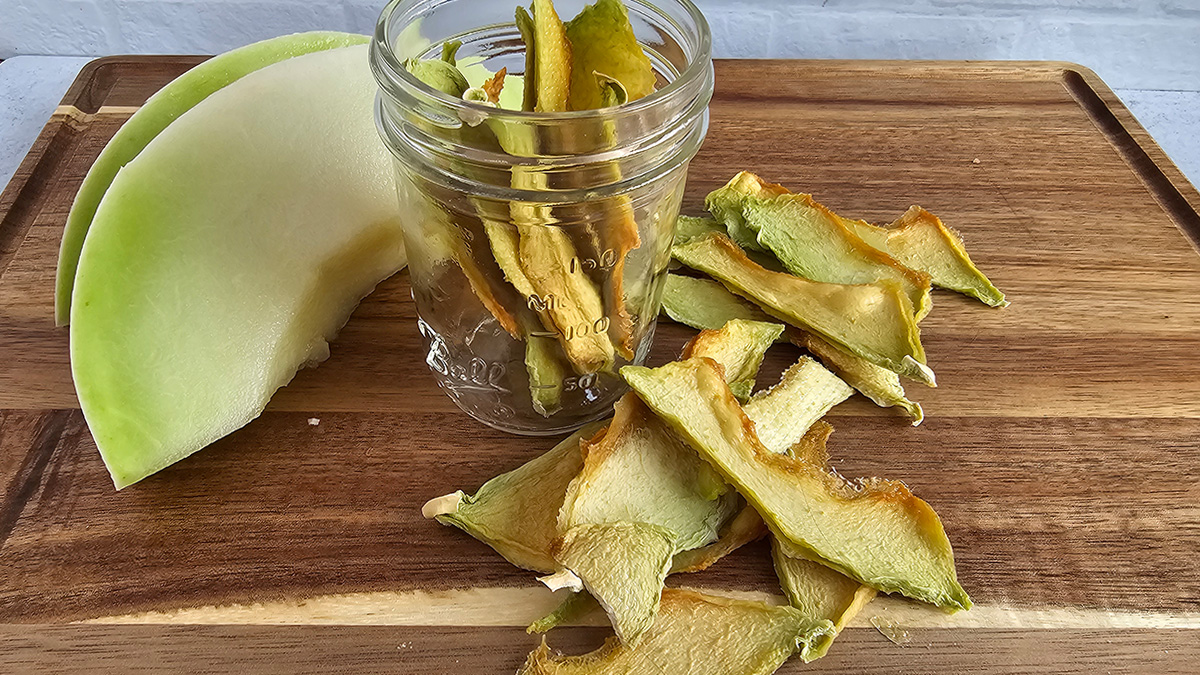
For honeydew melon, the optimal temperature for dehydration is 135°F (57°C). This specific temperature is high enough to facilitate the rapid movement of moisture from the center of the fruit to the surface, yet low enough to prevent "case hardening." Case hardening occurs when the exterior of the fruit dries too quickly, creating a hard shell that traps moisture inside, eventually leading to internal spoilage. The standard duration for this process ranges between 10 and 14 hours, depending on the ambient humidity of the processing environment and the specific sugar content of the fruit.
Chronology of the Preservation Process
The successful preservation of honeydew melon follows a strict chronological sequence to ensure safety and quality.
- Selection and Ripening: The process begins with the selection of a peak-ripe melon. Unlike some fruits that can be processed when slightly underripe, honeydew requires maximum sugar development to ensure the final product is palatable. The concentration of sugars during dehydration is what provides the characteristic "candy-like" flavor of the dried fruit.
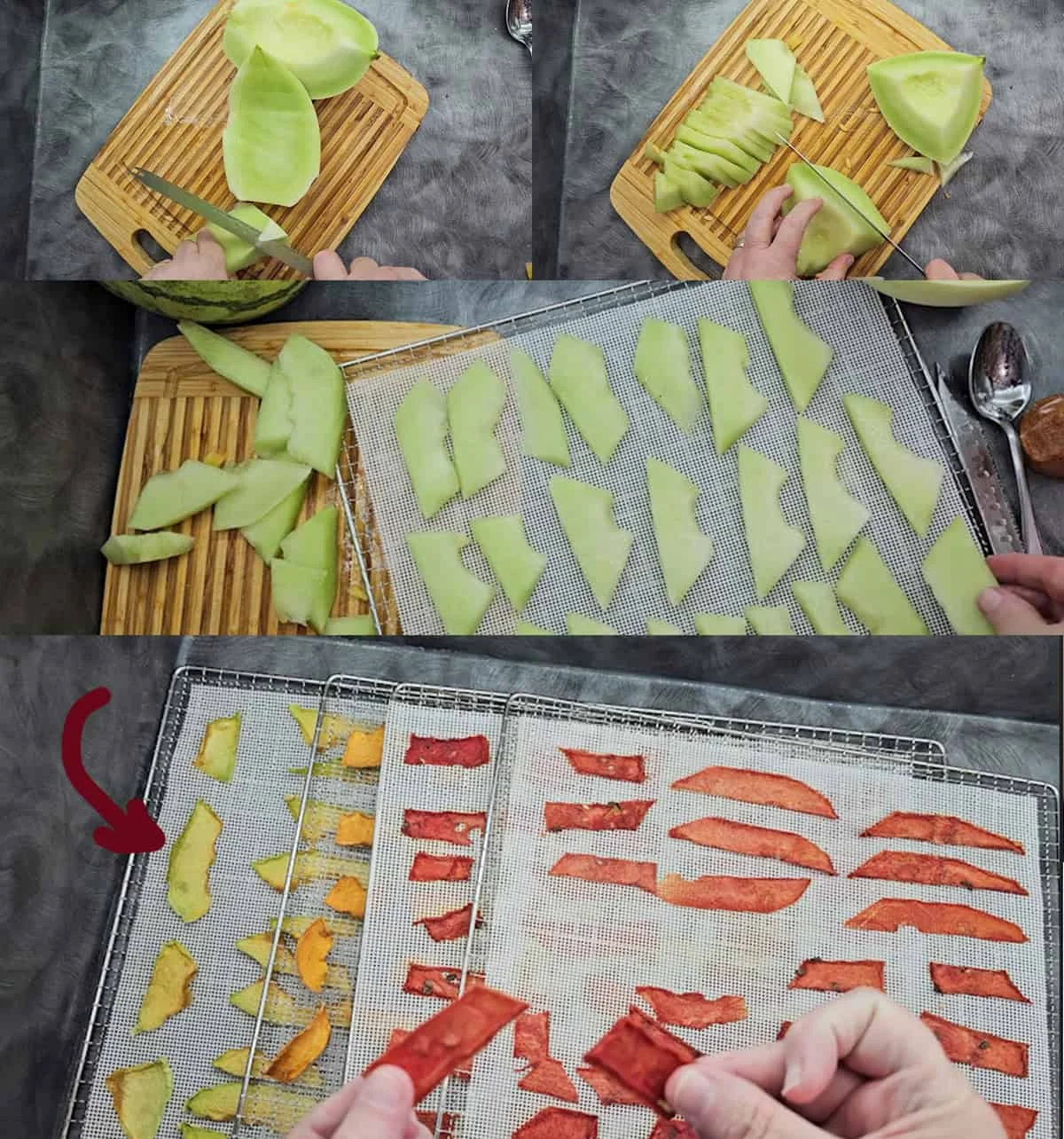
- Pre-Processing and Sanitation: The exterior rind must be thoroughly washed to prevent cross-contamination during slicing. The melon is then halved, seeds are removed, and the flesh is separated from the hard outer rind.
- Slicing for Uniformity: For consistent results, the melon must be sliced into uniform pieces, ideally 1/4-inch thick. Non-uniform slices lead to uneven drying, where some pieces remain dangerously moist while others become over-processed.
- The Dehydration Phase: Slices are arranged on dehydrator trays with sufficient spacing to allow for laminar airflow. During the 10-to-14-hour window, the trays may need to be rotated to account for hot spots within the machine.
- Testing for Dryness: Once the timer has elapsed, a sample piece is cooled to room temperature. A properly dehydrated honeydew slice should be leathery and pliable but should not exhibit any internal moisture when squeezed or torn.
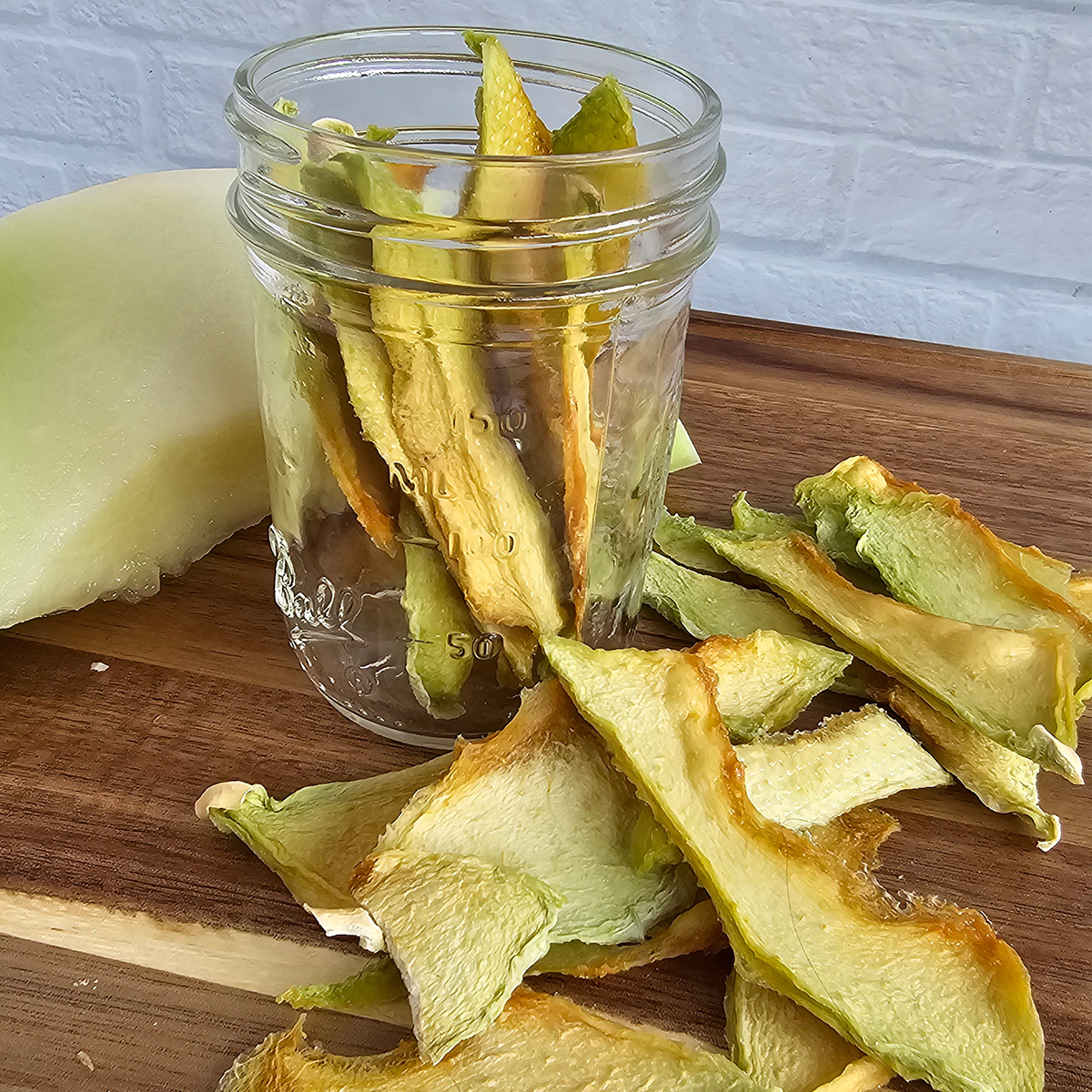
- Conditioning: This is a critical post-dehydration step. The dried pieces are placed in a glass jar for 7 to 10 days. The jar is shaken daily to check for any signs of condensation. If moisture appears, the fruit must be returned to the dehydrator.
Nutritional Data and Comparative Analysis
Dehydration results in a significant concentration of nutrients and calories relative to weight. According to nutritional estimations, a standard serving of fresh honeydew (approximately one cup) contains roughly 60 calories and 14 grams of sugar. When dehydrated, the volume reduces by nearly 75%, meaning the nutrient density per ounce increases fourfold.
A 1/4-cup serving of dehydrated honeydew melon provides approximately:
- Calories: 14–16 kcal
- Carbohydrates: 3–4 g
- Potassium: 63 mg
- Fiber: 0.3 g
- Sugars: 3 g
While the dehydration process does result in the loss of some heat-sensitive vitamins, such as Vitamin C, the mineral content—particularly potassium—remains stable. This makes dehydrated melon an effective electrolyte-replacement snack for high-exertion activities such as hiking or long-distance cycling.
Economic and Environmental Implications
The practice of dehydrating melons carries significant economic weight, particularly in the context of seasonal price fluctuations. Honeydew melons are typically "in season" during the summer months, during which prices are at their lowest and quality is at its peak. By purchasing in bulk during this period and dehydrating the surplus, consumers can effectively lock in summer prices for winter consumption.
From an environmental perspective, food waste is a primary contributor to landfill mass. Melons are often discarded by consumers because they are too large to consume before the onset of spoilage. Dehydration provides a "zero-waste" alternative, converting a bulky, perishable item into a compact, shelf-stable product. Experts in food security, such as Darcy Baldwin, author of Dehydrating Basics & Journal, emphasize that stocking a pantry with home-dried goods reduces reliance on commercially processed snacks, which often involve extensive plastic packaging and long-distance transportation.
Storage Protocols and Longevity
The shelf life of dehydrated honeydew is heavily dependent on storage conditions. To maintain a one-year shelf life, the fruit must be kept in an airtight container, such as a vacuum-sealed bag or a Mylar bag with an oxygen absorber. Glass Mason jars are preferred for short-to-medium-term storage, provided they are kept in a cool, dark, and dry location.
Humidity is the primary antagonist of dried fruit. Because of the high sugar content in honeydew, the slices are hygroscopic, meaning they will actively absorb moisture from the air. If left exposed, the fruit will become sticky and eventually prone to mold. In regions with high relative humidity, the use of silica gel desiccant packs within the storage containers is highly recommended by food preservationists to maintain the integrity of the product.

Alternative Methods: Oven Dehydration
For households without a dedicated countertop dehydrator, the kitchen oven serves as a functional, albeit less efficient, alternative. Most modern ovens have a minimum temperature setting of 170°F (77°C), which is slightly higher than the ideal 135°F. To compensate for this, practitioners recommend propping the oven door open slightly with a heat-resistant silicone tool to allow excess heat to escape and to facilitate air circulation.
The oven method requires closer monitoring to prevent scorching. While it provides an entry point for beginners, it lacks the precise airflow and temperature control of specialized equipment like the Excalibur or Cosori dehydrators, which are designed specifically for the low-and-slow extraction of moisture.
Broader Context in the Preservation Community
The rise in popularity of dehydrating "unconventional" melons like honeydew and watermelon reflects a broader trend in the DIY food movement. What began as a niche hobby for "preppers" and survivalists has moved into the mainstream as a response to global supply chain instabilities and rising grocery costs.

Statements from the food preservation community suggest that the versatility of dehydrated honeydew is a major selling point. Beyond being a standalone snack, the dried fruit can be rehydrated for use in compotes, chopped into salads, or ground into a powder to be used as a natural sweetener and flavoring agent for yogurts and smoothies.
Conclusion
The dehydration of honeydew melon is a scientifically grounded method of food preservation that offers substantial benefits in terms of nutrition, waste reduction, and economic efficiency. By adhering to standardized protocols for temperature, thickness, and conditioning, consumers can successfully transform a seasonal fruit into a year-round pantry staple. As the global focus on food security and sustainable living continues to intensify, the adoption of such home-based preservation techniques is expected to play an increasingly vital role in modern household management. Through the diligent application of heat and airflow, the ephemeral sweetness of a summer melon is successfully captured and preserved for the months ahead.