
The surge in interest regarding foraging and wildcrafting—defined as the practice of harvesting wild plants and fungi for food or medicinal purposes—has transitioned from a niche survivalist skill to a mainstream cultural and economic phenomenon. As the holiday season approaches, the demand for specialized equipment and educational resources has reached unprecedented levels. Market analysts attribute this growth to a broader societal shift toward food sovereignty, sustainable living, and outdoor recreation. This comprehensive guide examines the essential tools, literature, and lifestyle products currently defining the foraging landscape, providing a data-driven look at the items most sought after by practitioners in the field.
The Economic and Cultural Context of Modern Foraging
According to consumer trend reports, the outdoor recreation industry has seen a consistent 5% year-over-year growth since 2020, with specific sub-sectors like "nature-based education" and "mycology" outpacing general categories. Foraging is no longer viewed merely as a hobby but as a component of the "circular economy," where individuals reduce their carbon footprint by sourcing nutrition directly from their local ecosystems. Consequently, the gift market for foragers has evolved to prioritize durability, ethical manufacturing, and scientific accuracy.
Precision Instruments: The Evolution of Foraging Knives
In the hierarchy of wildcrafting equipment, the foraging knife remains the most critical investment. The market is currently dominated by two distinct philosophies: specialized mycological tools and versatile outdoor blades.
The Specialized Mushroom Knife
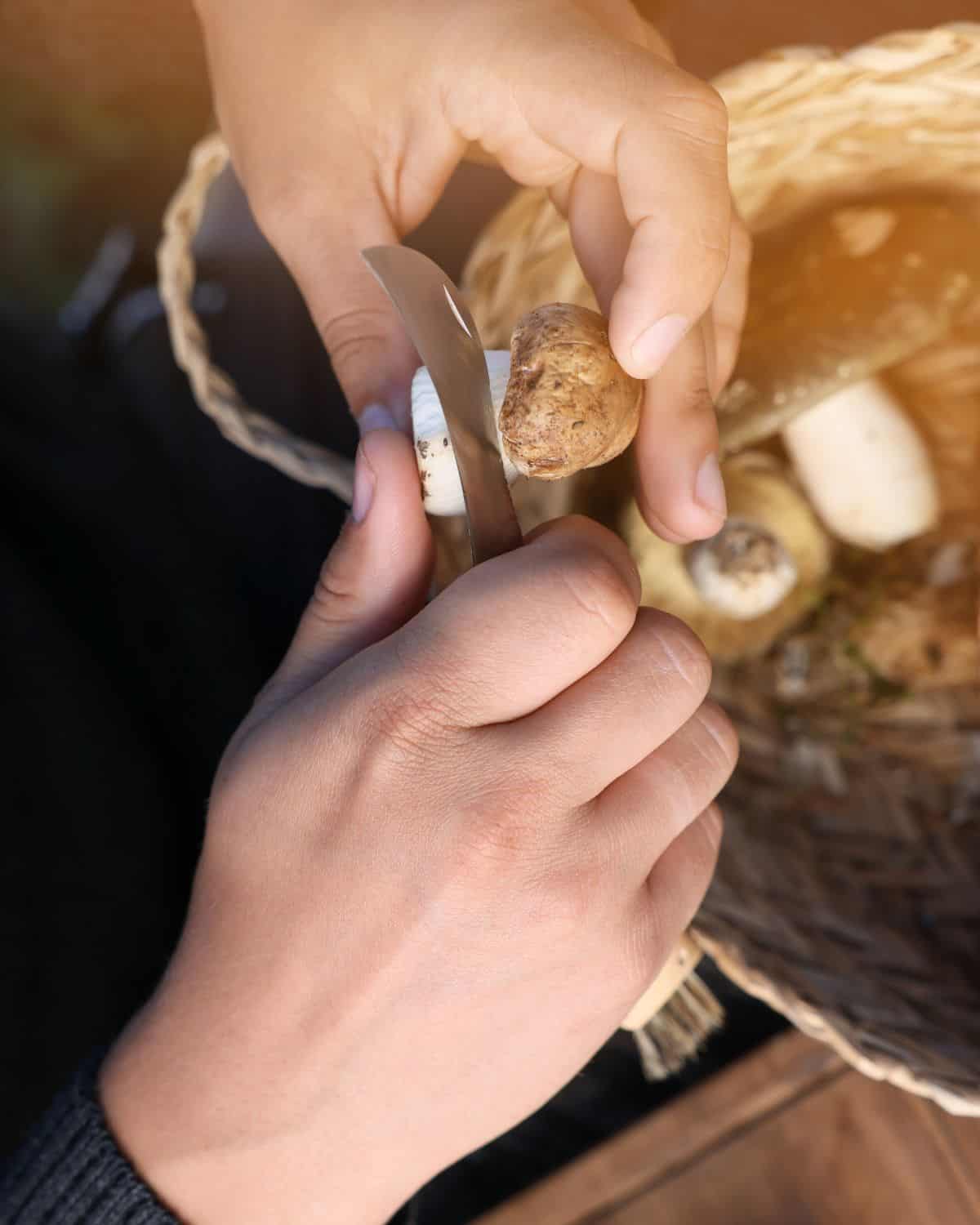
The Opinel Mushroom Knife No. 08 represents the industry standard for mycological harvesting. Developed in the Savoie region of France, this tool features a curved Sandvik stainless steel blade designed to cut delicate stalks without damaging the underlying mycelium. A key functional feature is the integrated boar hair brush at the base of the handle, which allows foragers to clean debris from specimens in the field. This "clean-as-you-go" methodology is not merely aesthetic; it prevents grit from contaminating the gills of other mushrooms in the harvest basket.
The Multi-Purpose Field Knife
For general wildcrafting, which may involve harvesting fibrous roots or thick stalks, industry experts often point to the Morakniv Companion as the benchmark for utility. Manufactured in Mora, Sweden, this knife utilizes high-quality carbon or stainless steel with a Scandi-grind edge. Data from outdoor retailers indicates that the Morakniv Companion is a top-performing gift item due to its high "value-to-durability" ratio. Its ergonomic TPE rubber handle provides a secure grip in wet conditions—a common environment for spring and autumn foraging.
Logistics and Storage: Sustainable Transport Solutions
The method by which wild harvests are transported is vital for both the preservation of the specimens and the health of the ecosystem.
Fair Trade Market Baskets
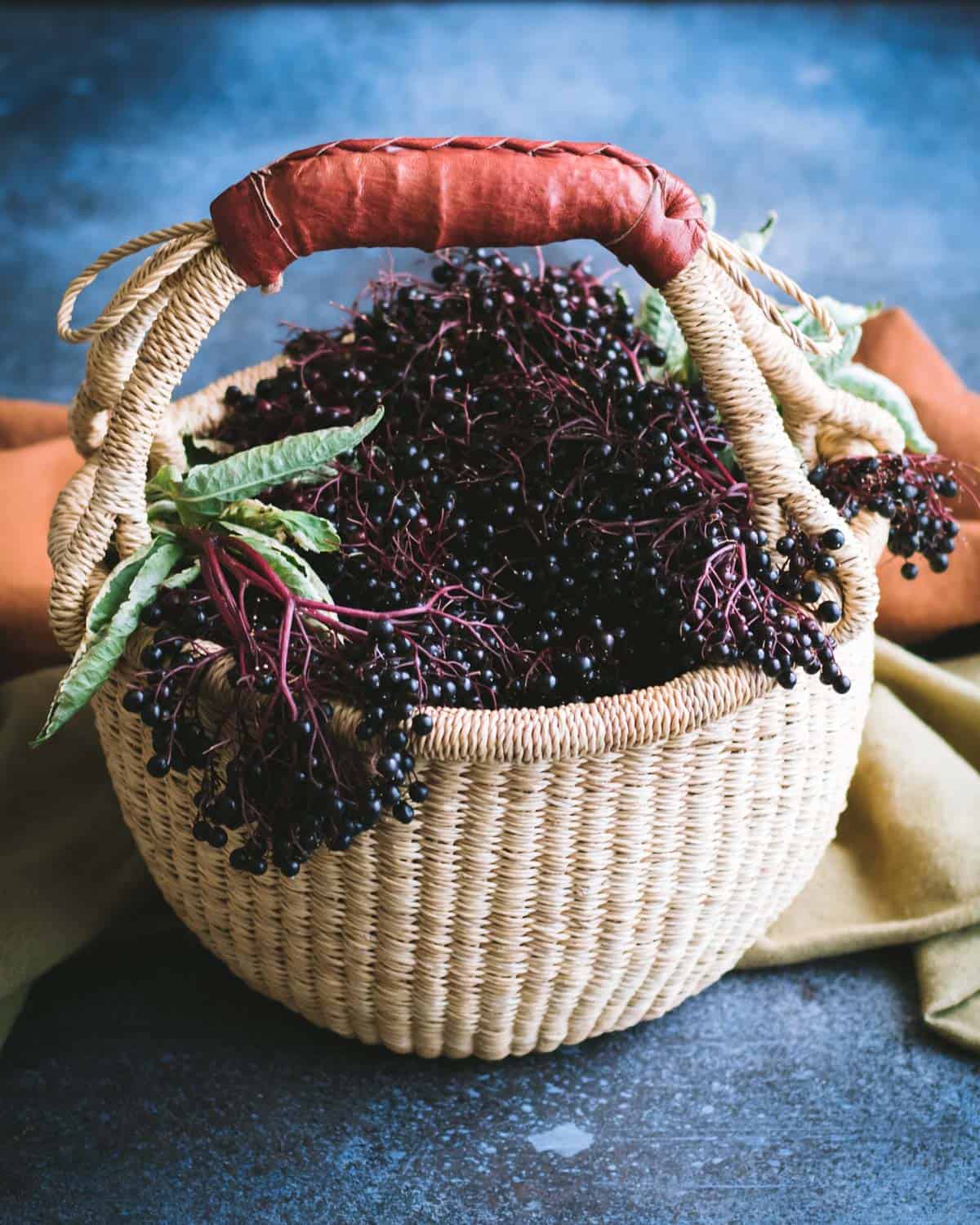
Traditional wicker and grass-woven baskets, particularly Fair Trade Ghanaian Bolga baskets, have become a staple for foragers. Unlike plastic bags, which can cause wild greens to wilt and mushrooms to rot due to moisture retention, the open weave of a basket allows for airflow. Furthermore, mycologists emphasize that baskets allow fungal spores to drop through the weave as the forager walks, effectively reseeding the forest floor.
Lightweight Foraging Bags
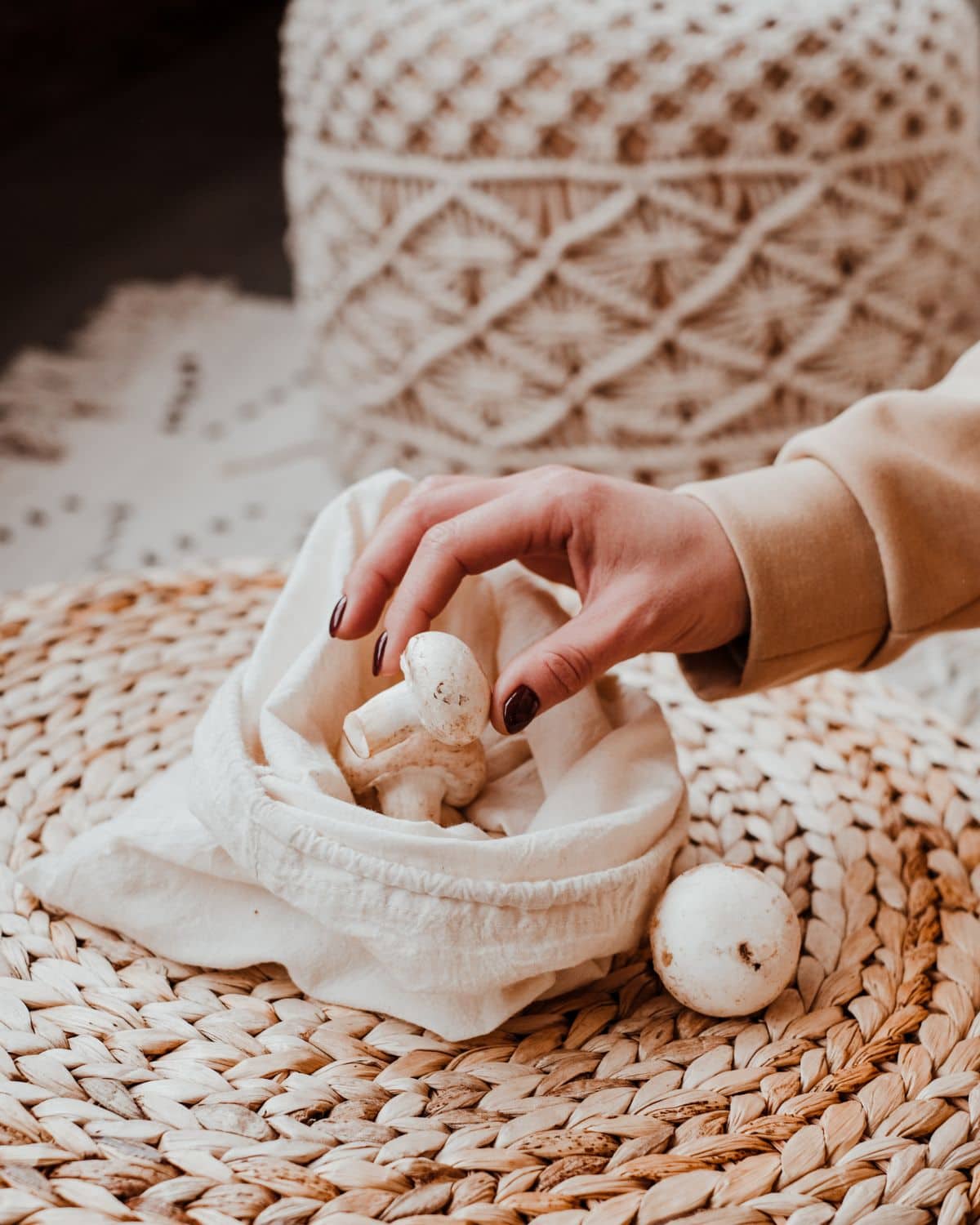
For hikers who engage in "opportunistic foraging," the trend has shifted toward collapsible cloth bags. These items are often made from unbleached cotton or heavy-duty canvas. Logistics data suggests that these bags are preferred by urban foragers and backpackers due to their minimal weight and ease of storage. Many of these products are now marketed as "plastic-free" alternatives for general grocery shopping, aligning with the zero-waste movement.
The Mycology Market: Indoor Cultivation and Functional Foods
As foraging is often a seasonal activity, the market for indoor cultivation kits and mushroom-based consumables has expanded to provide year-round engagement.
Home Cultivation Kits
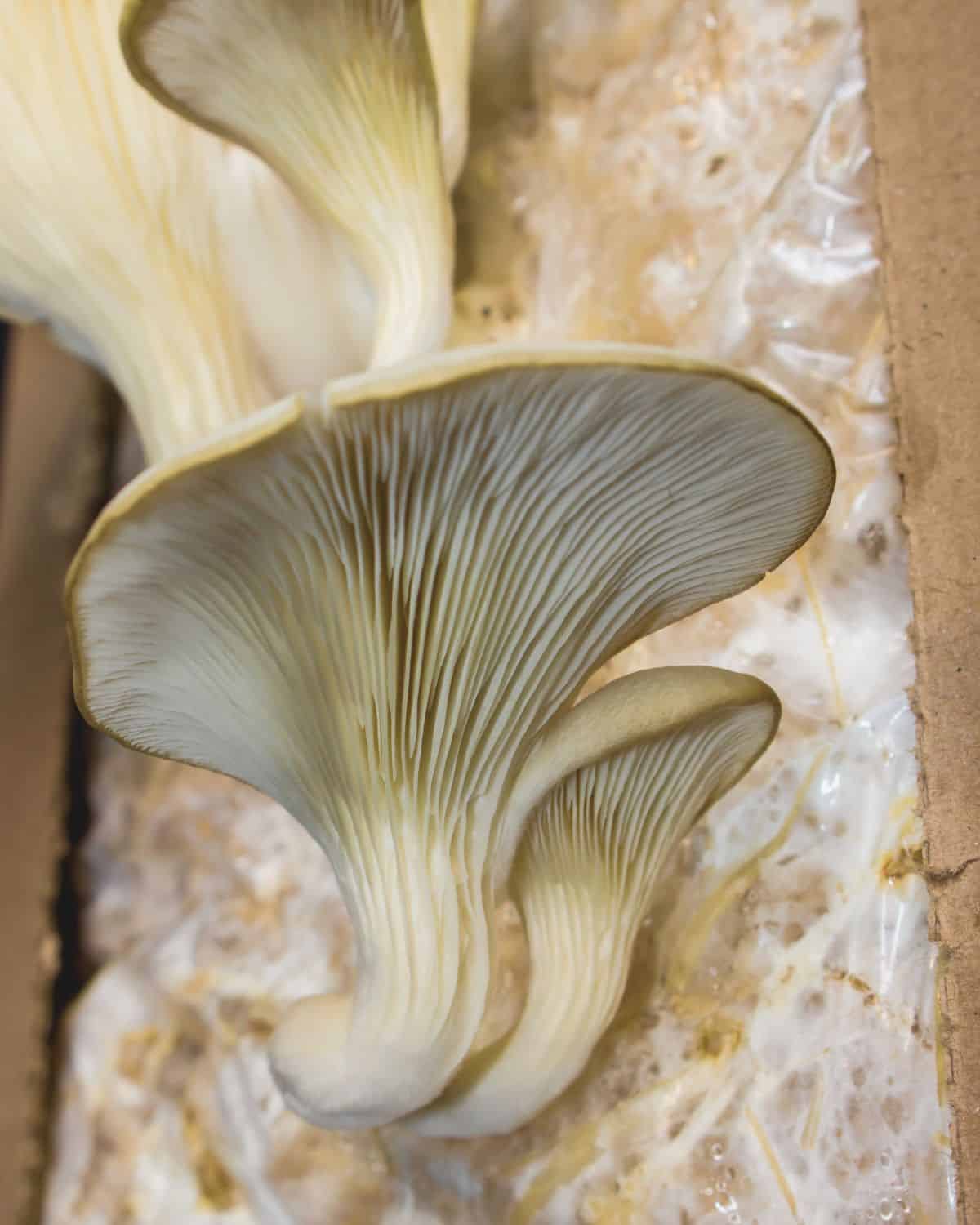
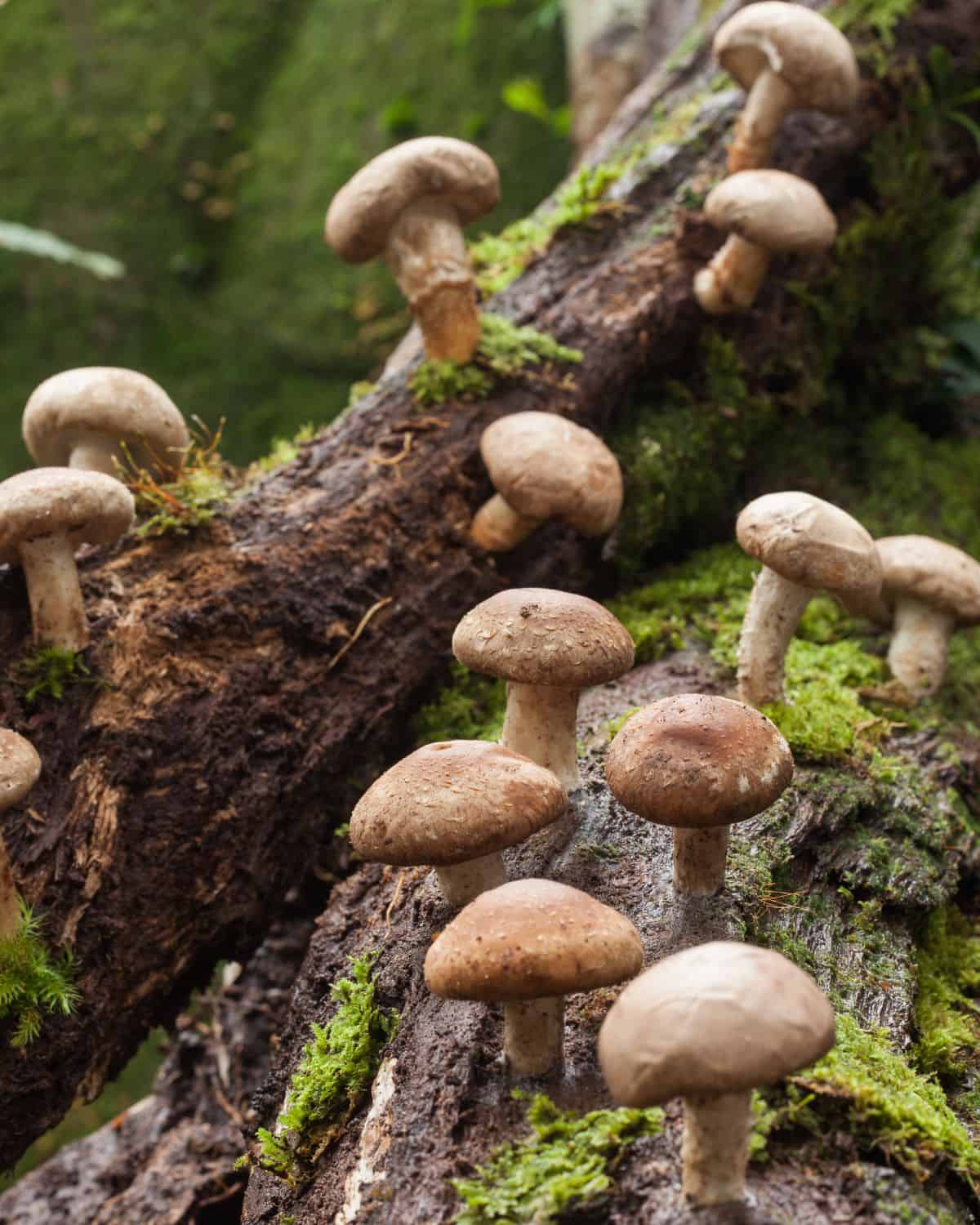
The "Organic Mushroom Mini Farm" concept has democratized mycology, allowing consumers to grow Oyster (Pleurotus ostreatus) or Lion’s Mane (Hericium erinaceus) mushrooms on their kitchen counters. Industry reports suggest that these kits serve as a "gateway" for beginners who may be intimidated by the risks of wild identification. For more advanced practitioners, the gifting of spawn plugs—used to inoculate hardwood logs with Shiitake or Reishi—represents a long-term investment in "backyard permaculture."
Functional Mushroom Beverages
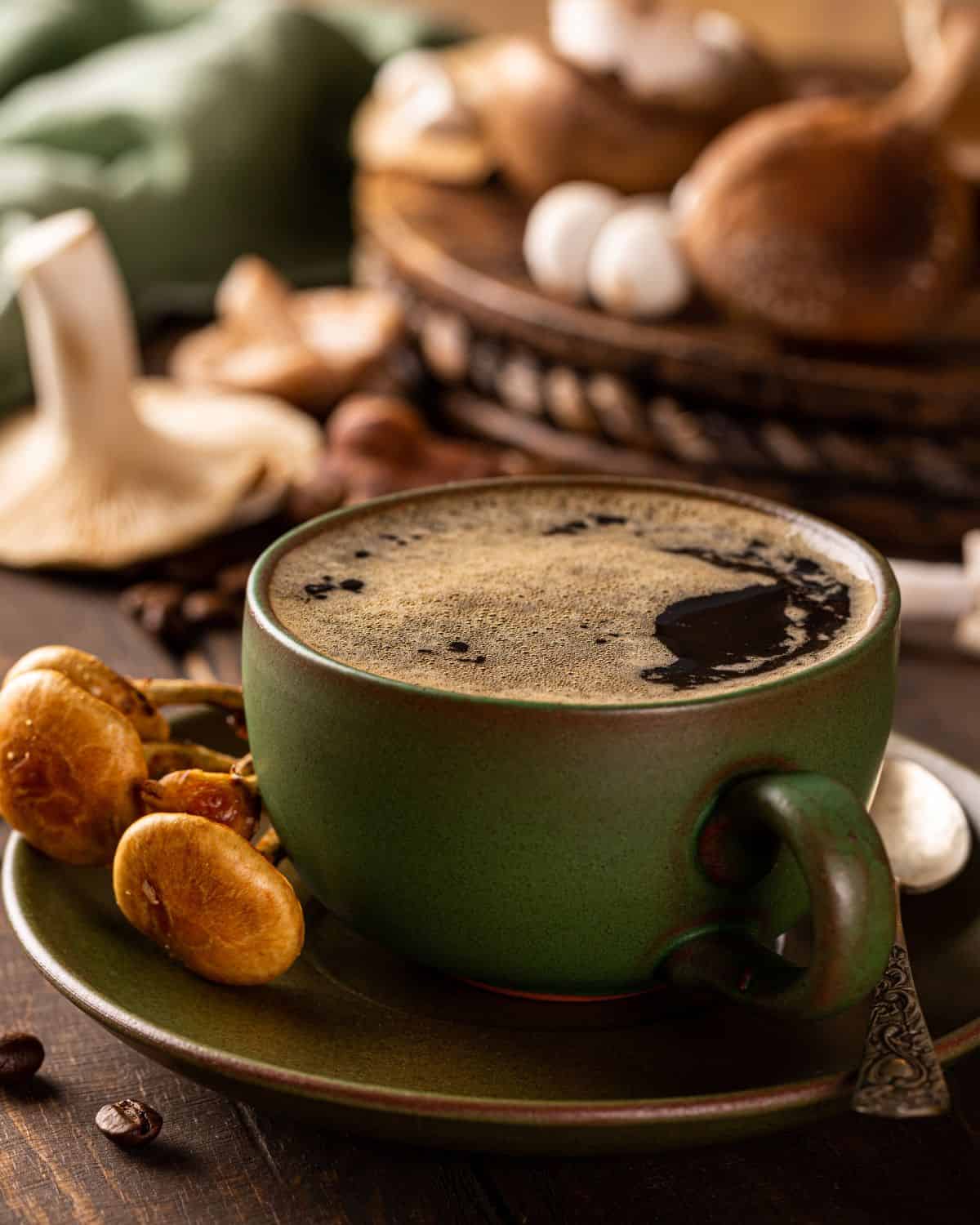
The integration of fungi into the beverage industry is exemplified by brands like Four Sigmatic. Products such as mushroom-infused coffee and hot cocoa utilize adaptogenic fungi, including Chaga (Inonotus obliquus) and Lion’s Mane. Market research indicates that the functional mushroom market is expected to reach a valuation of over $34 billion by 2030, driven by consumer interest in cognitive health and immune support.
Foraging Literature: The Critical Role of Identification
Safety remains the paramount concern in the wildcrafting community. Inaccurate identification can lead to severe illness or fatality, making high-quality guidebooks the most responsible gift for any practitioner.
Regional and General Field Guides
The works of Samuel Thayer, such as "Nature’s Garden" and "The Forager’s Harvest," are widely considered the gold standard for North American plant foraging. Thayer’s methodology emphasizes rigorous observation and the "site-specific" nature of wild plants. For mycologists, David Arora’s "All That the Rain Promises and More" remains a best-seller due to its portable size and technical accuracy. His more comprehensive volume, "Mushrooms Demystified," continues to serve as a foundational textbook for amateur and professional mycologists alike.
The Rise of Youth Education
A significant trend in the 2023-2024 holiday season is the focus on "nature literacy" for children. Educational games like "Wildcraft! An Herbal Adventure Game" teach botanical identification and medicinal uses through cooperative play rather than competition. This shift toward outdoor-centric education is supported by child development experts who advocate for "green time" to combat "nature deficit disorder."
Lifestyle and Aesthetics: The "Cottagecore" Influence
The aesthetic appeal of foraging has permeated home decor and apparel, creating a sub-market for botanical-themed goods.
Botanical Apparel and Kitchenware
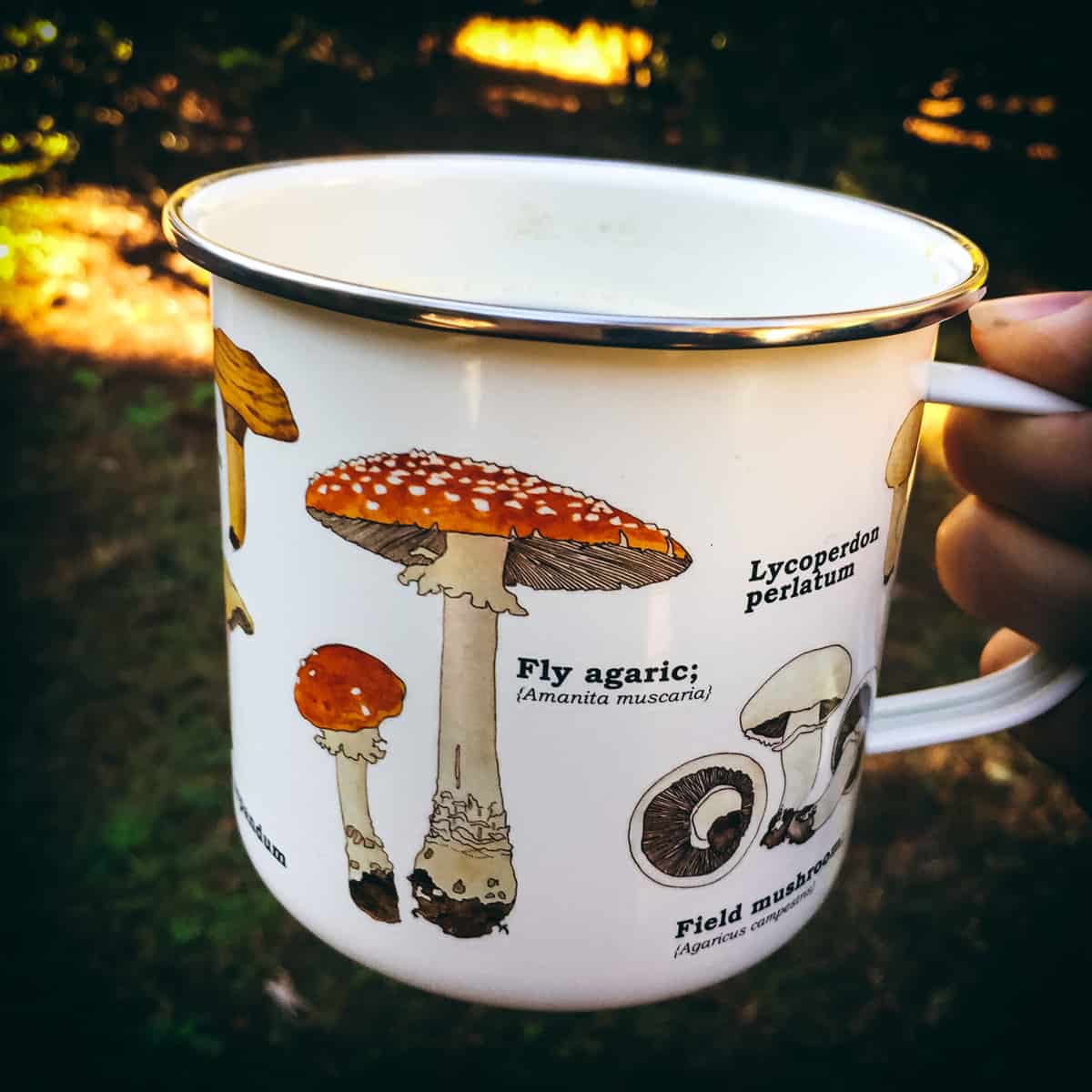
Retailers on platforms like Etsy have reported a 40% increase in searches for "mushroom decor" and "botanical prints." High-quality screen-printed apparel featuring accurate scientific illustrations of yarrow, elderberry, or chanterelles allows practitioners to signal their interests. In the kitchen, mushroom-themed ceramics, tea towels, and oven mitts have moved from "retro kitsch" to high-demand artisanal goods.
Holiday Decorations
Sustainable holiday decor is a growing segment of the wildcrafting market. Hand-felted wool ornaments shaped like acorns or Amanita muscaria mushrooms are popular for their use of natural fibers and biodegradable materials. This reflects a broader consumer rejection of mass-produced plastic holiday decorations in favor of items that reflect the natural world.
Safety and Ethics: Official Responses and Environmental Impact
As foraging increases in popularity, local governments and park services have begun to issue official guidelines to prevent over-harvesting. The "official response" from conservationists highlights the importance of the "1-in-20 rule"—only harvesting one specimen for every twenty found—to ensure species survival.
The Implications of Commercial Foraging
While the gift guide focuses on personal use, the rise of "wildcrafting" has implications for the commercial supply chain. Ethical gifting now often includes a "land acknowledgment" or a donation to conservation groups. The broader impact of this trend is a more informed citizenry that is invested in the health of local forests and wetlands.
Conclusion: The Future of the Foraging Market
The data suggests that the interest in foraging is not a passing fad but a structural change in how consumers interact with nature. The gifts selected for foragers in the current market reflect a sophisticated understanding of ecology, botany, and mycology. By prioritizing high-quality tools and accurate literature, gift-givers are supporting a hobby that promotes physical health, mental well-being, and environmental stewardship. As the market continues to mature, we can expect further innovations in sustainable gear and a continued emphasis on the "slow food" movement that begins in the wild.


