Technical Specifications and Product Design
The Cosori food dehydrator series is characterized by a horizontal airflow system, which is widely considered superior to vertical-flow models found in lower-end appliances. This design utilizes a rear-mounted fan and heating element to distribute air evenly across all trays, eliminating the need for manual tray rotation during the dehydration process.
The 6-tray model, often designated as the CP267-FD, is the flagship unit for residential use. It features a digital control panel that allows for precise temperature adjustments ranging from 95°F to 165°F (35°C to 73°C). The timing mechanism is adjustable in 30-minute increments for up to 48 hours. Constructed primarily of food-grade stainless steel, the unit measures approximately 13.4 x 17.8 x 12.4 inches, making it a countertop-compatible solution for most domestic kitchens.
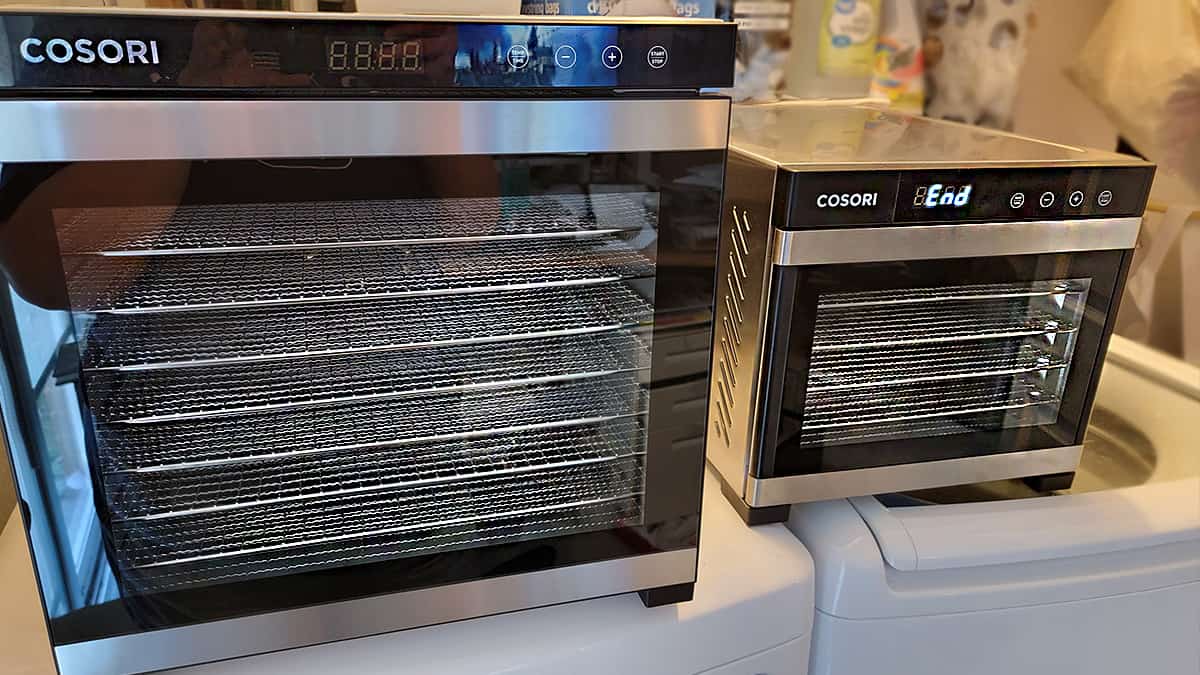
In contrast, the 10-tray variant offers increased volume for high-yield preservation. While the 10-tray model boasts higher wattage to accommodate the larger internal cavity, performance data suggests that the drying speed remains consistent with the 6-tray model; the primary advantage lies in the cubic capacity rather than the velocity of moisture extraction. Both models feature a glass door panel, allowing users to monitor the progress of the dehydration process without opening the unit and losing heat.
Operational Chronology and Best Practices
For optimal results, the operation of a Cosori dehydrator follows a specific chronological sequence designed to ensure food safety and equipment longevity. Upon unboxing, it is standard protocol to perform a "burn-off" run. This involves running the machine empty at its highest temperature setting for approximately 30 minutes to dissipate any manufacturing residues or odors. Following this, the trays should be hand-washed in warm, soapy water.
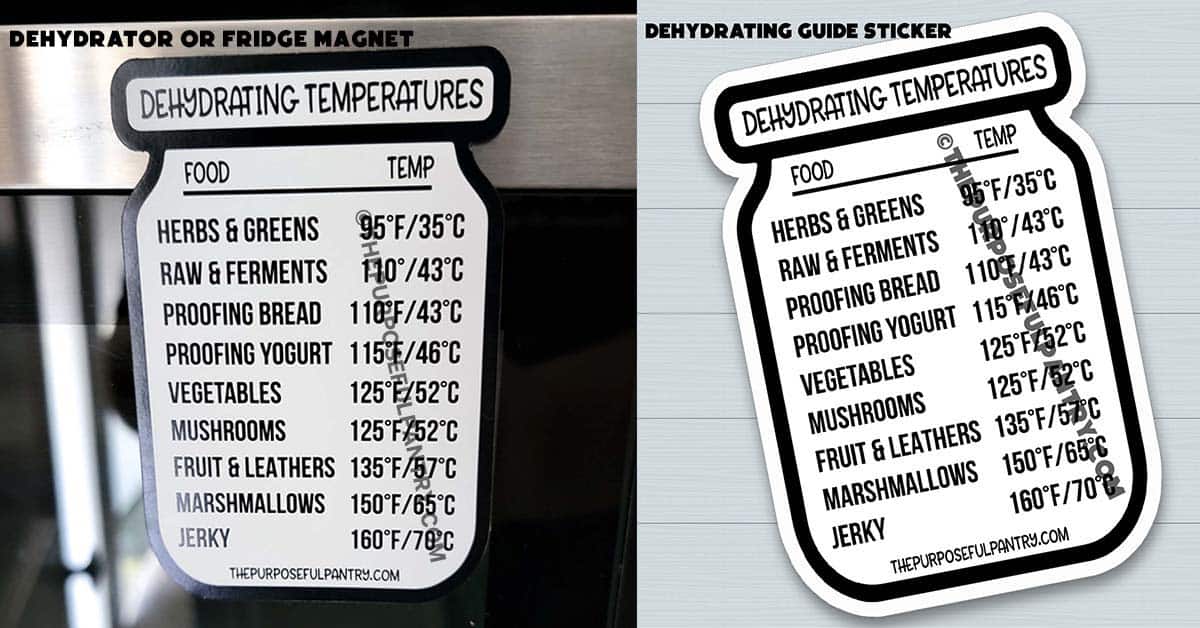
The dehydration process begins with food preparation, which involves slicing items to a uniform thickness—typically between 1/8 and 1/4 inch—to ensure even drying. Once the trays are loaded, the user selects the appropriate temperature based on the food type: 95°F to 115°F for herbs and flowers, 125°F to 135°F for vegetables, and 145°F to 160°F for fruits and meats.
A critical component of the operational cycle is the "rest period." According to the manufacturer’s guidelines, the machine should be allowed to rest for at least two hours after every 48 hours of continuous operation. This prevents the internal components from overheating and extends the mechanical life of the fan motor and heating element.
Market Context and Consumer Reception
Cosori, a brand under the VeSync Co., Ltd umbrella, positions its products as premium yet accessible alternatives to industrial-grade dehydrators. While the brand emphasizes its California-based design team, the manufacturing of the units takes place in China, a common practice for 99% of the contemporary dehydrator market.
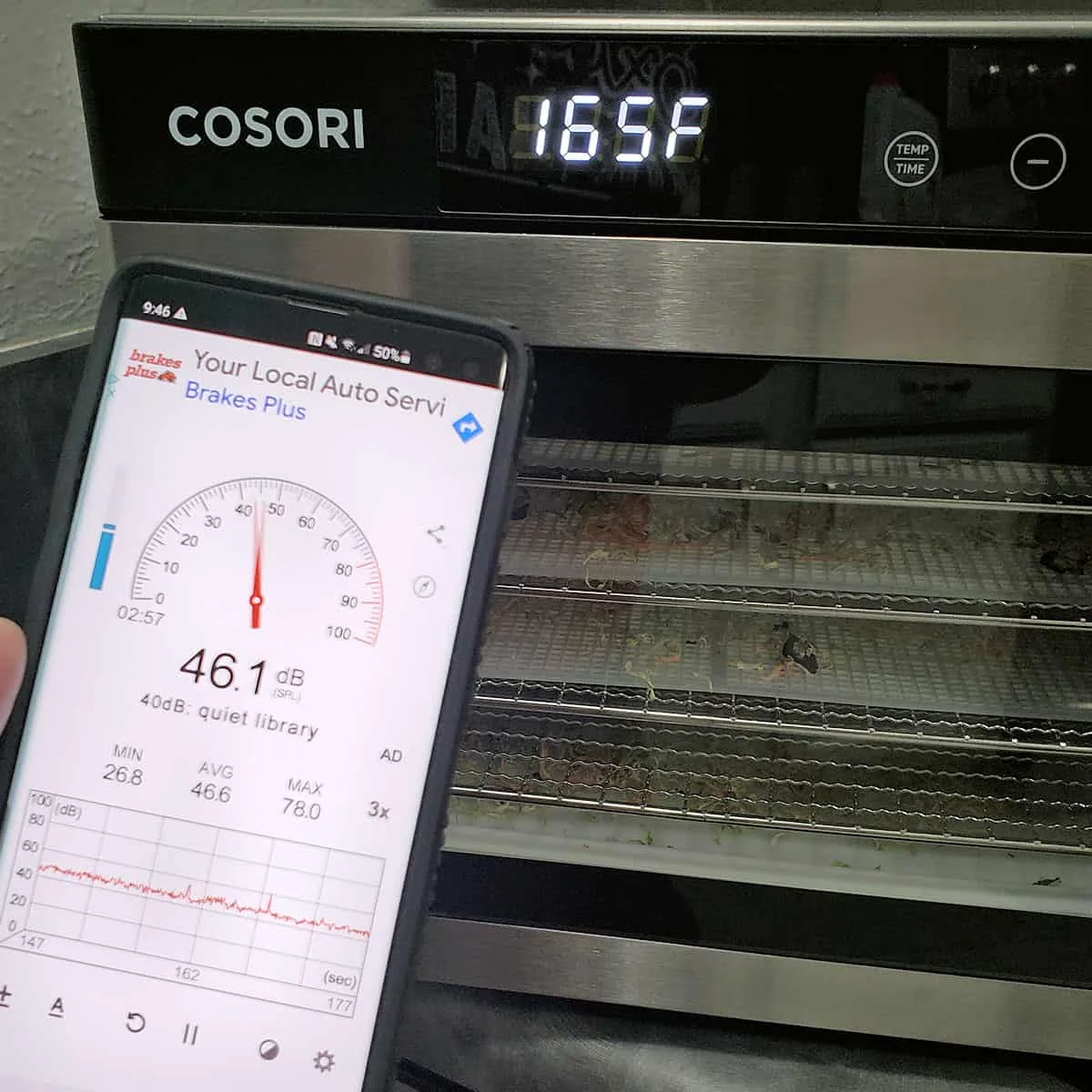
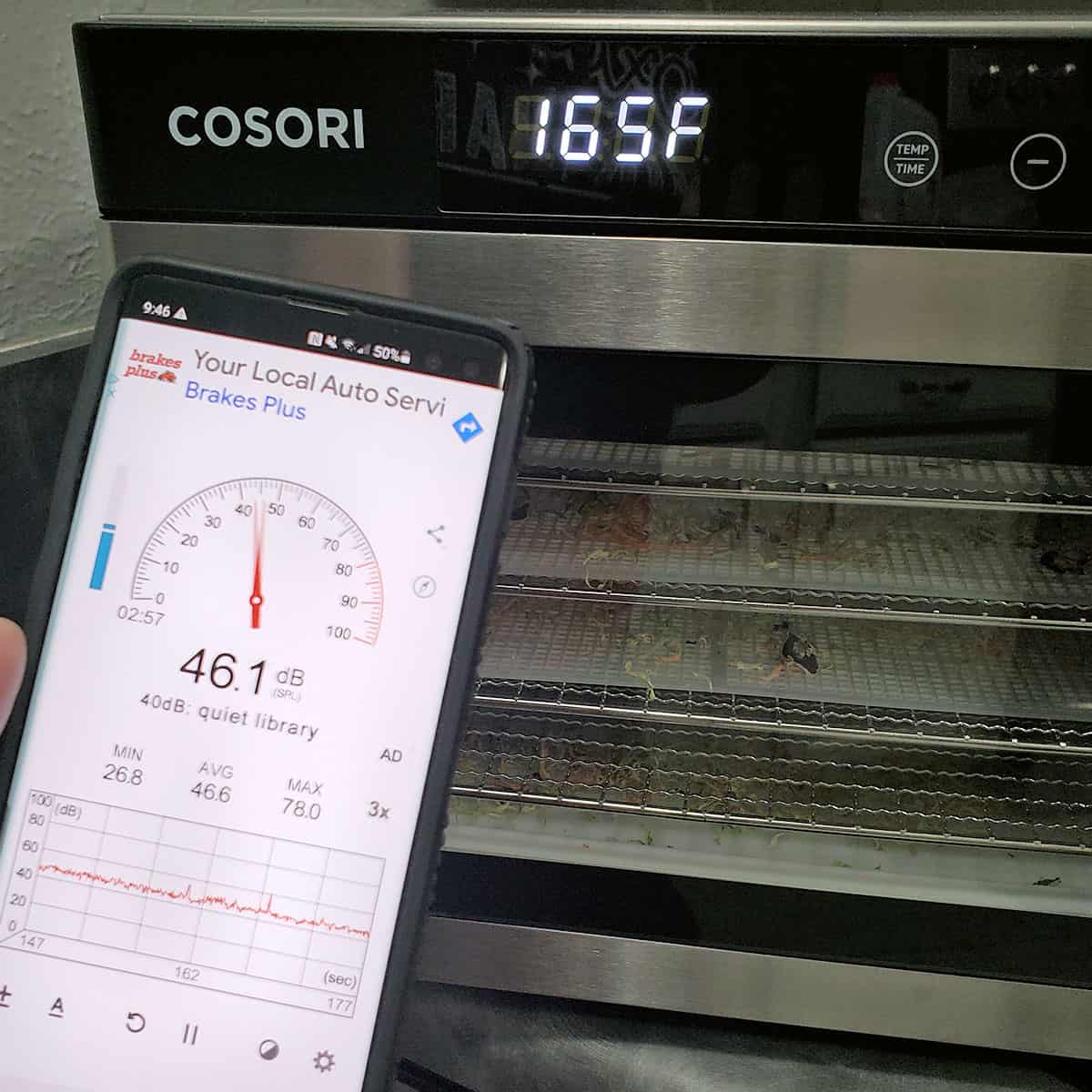
Consumer feedback and independent reviews indicate a high level of satisfaction regarding the noise output of the Cosori units. Decibel testing shows that these machines operate at a level comparable to a quiet hum, which is significantly lower than older, plastic-bodied models. This makes them suitable for overnight operation in residential environments.
However, consumer analysis has identified certain areas for improvement. A frequent point of contention is the inclusion of only one mesh liner and one fruit leather sheet per unit, regardless of the tray count. This often necessitates additional third-party purchases to utilize the machine’s full capacity for small items like berries or liquid-based recipes. Furthermore, seasoned preservationists often advise new users to cross-reference the included recipe manuals with established food safety guidelines, such as those provided by the National Center for Home Food Preservation (NCHFP). Some manufacturer-provided recipes prioritize immediate consumption over long-term shelf stability, recommending storage times that are significantly shorter than those achievable with proper dehydration techniques.
Comparative Performance and Industry Standing
When evaluated against competitors such as Excalibur, Ivation, and Magic Mill, Cosori maintains a competitive edge through its build quality and aesthetic appeal. The stainless steel construction is not only more durable than plastic alternatives but also mitigates concerns regarding BPA (Bisphenol A) leaching at high temperatures.
The 6-tray Cosori model is frequently cited as the optimal "beginner" machine due to its balance of price and performance. While professional-grade units like the Excalibur 9-tray offer larger surface areas, they often lack the quiet operation and digital precision of the Cosori. Conversely, lower-priced plastic stackable units suffer from uneven heating and require constant monitoring.
In the Canadian market, the availability of Cosori products has expanded significantly, providing an alternative to brands like Ivation and Magic Mill, which often share similar internal architectures but differ in interface and customer support structures.
Warranty, Maintenance, and Support
Cosori provides a standard one-year limited warranty on its food dehydrators. This warranty covers manufacturing defects and functional failures under normal use conditions. To maintain the unit, users are advised to clean the interior with a damp cloth and avoid abrasive chemicals that could damage the stainless steel finish.
Customer support for the brand is centralized in North America, with a dedicated service line and email support. Reports from the user community suggest that the company is responsive to "dud" units—a phenomenon where electronic components fail shortly after purchase—often opting for full unit replacement rather than individual part repair. This "replace-over-repair" strategy is indicative of modern consumer electronics manufacturing but emphasizes the importance of registering products immediately upon purchase to ensure warranty coverage.
Broader Implications for Food Security and Sustainability
The adoption of high-efficiency dehydrators like the Cosori line has broader implications for domestic food security and the reduction of municipal waste. Food dehydration allows households to process seasonal gluts from home gardens or bulk purchases from local farmers, effectively "locking in" nutritional value at the peak of freshness.
From a sustainability perspective, dehydration is a low-energy method of preservation compared to freezing, which requires a constant power supply to maintain food safety. Once dehydrated, food is shelf-stable and requires no further energy input for storage. Furthermore, the reduction in food volume (often by 80-90%) reduces the storage footprint, allowing for the accumulation of significant food reserves in limited spaces.
The rise of the "purposeful pantry" movement—a shift toward intentional food stockpiling and home processing—has been bolstered by the availability of reliable, consumer-grade technology. As supply chain volatility continues to impact global food prices, the ability to preserve food at home is transitioning from a hobby to a strategic household necessity.
Conclusion
The Cosori food dehydrator series represents a significant advancement in home preservation technology, offering a blend of industrial-grade materials and consumer-friendly digital controls. While it is not without minor drawbacks—such as the limited number of included accessories and the need for a mandatory cooling period—its performance metrics, particularly regarding noise levels and heat distribution, place it at the forefront of the market. For the modern consumer looking to enhance their food security and embrace a more sustainable lifestyle, these units provide a reliable and efficient means of long-term food storage. As the market for home preservation equipment continues to evolve, the emphasis on stainless steel construction and digital precision set by Cosori is likely to remain the benchmark for the industry.