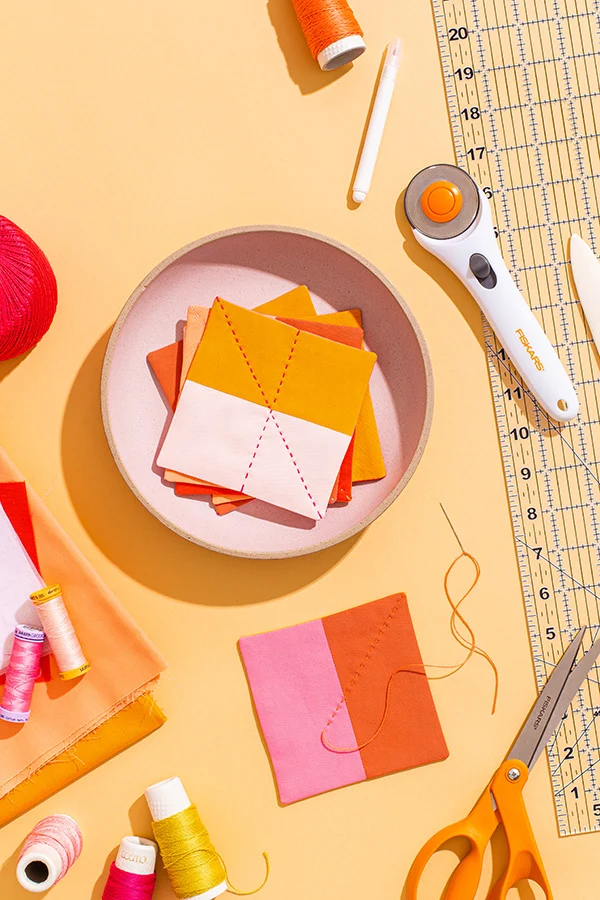
The transition into the autumn season traditionally signals a shift in interior design priorities, moving away from the airy minimalism of summer toward textures that evoke warmth, comfort, and artisanal craftsmanship. As daylight hours shorten and residential life moves increasingly indoors, the demand for personalized home accents has seen a significant resurgence. In a strategic collaboration designed to bridge the gap between professional-grade textile tools and accessible home DIY projects, Fiskars has highlighted a modern patchwork coaster project that integrates traditional quilting techniques with contemporary aesthetic sensibilities. This initiative reflects a broader trend within the domestic arts sector, where "slow crafting" and hand-finished details are being utilized to enhance the ritual of seasonal gatherings.
The Resurgence of Domestic Textile Arts
The craft and hobby industry has experienced a transformative period of growth over the last several years. According to market analysis data from the Association for Creative Industries (AFCI), the global sewing and textile arts market has seen a steady compound annual growth rate, driven largely by a younger demographic seeking sustainable alternatives to mass-produced home goods. The patchwork coaster project serves as a microcosmic example of this trend, combining the utility of home protection with the narrative value of handmade art.
Patchwork, a technique with roots stretching back centuries across various cultures, was originally born out of economic necessity—a way to repurpose fabric scraps into functional warmth. In the modern context, however, patchwork has evolved into a deliberate design choice. The current project utilizes a palette of autumnal tones, including terracotta, apricot, and various shades of pink and orange, to create a visual warmth that complements the "hygge" lifestyle movement. By employing high-precision tools such as rotary cutters and acrylic rulers, crafters can achieve a level of geometric accuracy that was once the exclusive domain of professional quilters.

Technical Specifications and Material Requirements
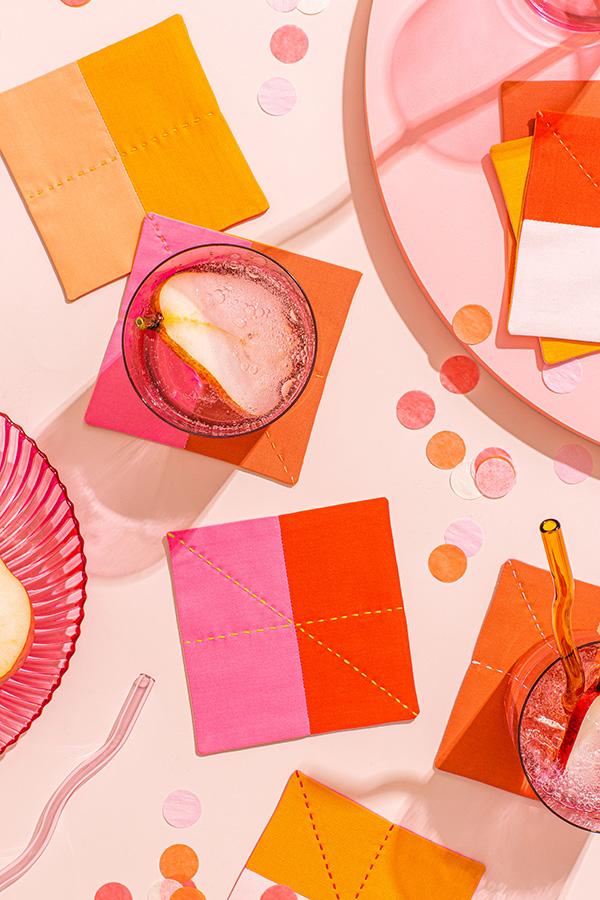
To execute a professional-grade patchwork coaster, the selection of materials is as critical as the assembly process. The project specifically calls for high-quality quilting cotton, a fabric favored for its stable weave and ability to hold a crisp crease when pressed. Unlike synthetic blends, 100% cotton provides the heat resistance necessary for coasters intended to hold hot seasonal beverages.
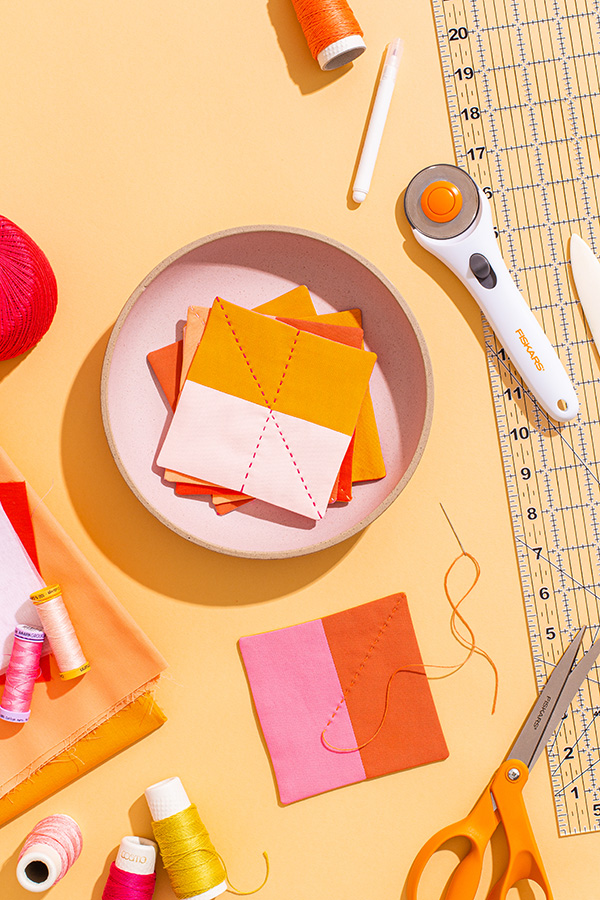
The primary toolset recommended for this endeavor includes the Fiskars 45mm Stick Rotary Cutter and an 18” x 24” Cutting Mat. The rotary cutter, a staple in the quilting industry since its invention, allows for continuous, fluid motion that prevents the fabric shifting often associated with traditional scissors. When paired with a 6” x 24” Acrylic Ruler, the user can maintain a 90-degree alignment, ensuring that the resulting 5-inch squares are perfectly uniform—a prerequisite for successful patchwork alignment.
In addition to the exterior fabric, the project utilizes lightweight interfacing, specifically cotton organdy. Interfacing acts as a structural stabilizer, providing the coaster with enough "body" to protect furniture surfaces without becoming overly bulky. The inclusion of Sashiko thread—a heavy-duty Japanese cotton thread traditionally used for reinforcement and decorative embroidery—adds a final layer of texture that elevates the piece from a simple utility item to a work of textile art.
Chronological Methodology: A Six-Phase Execution
The construction of the modern patchwork coaster follows a logical progression that balances machine efficiency with hand-finished precision.
Phase I: Precision Cutting and Preparation
The process begins with the reduction of bulk fabric into manageable 5-inch squares. For a single coaster, the technician must prepare three squares of quilting cotton in contrasting or complementary colors and one square of interfacing. This phase relies heavily on the rotary cutter and acrylic ruler. In professional textile production, the "measure twice, cut once" adage is facilitated by the grid lines on the cutting mat, which allow the crafter to align the fabric grain with the cutting path, preventing future warping of the finished product.
Phase II: Structural Assembly and Seaming
The second phase involves the creation of the patchwork face. Two of the cotton squares are stacked right-sides together and joined with a straight machine stitch down the center. Journalistic observation of the craft process highlights the importance of the "press-as-you-go" philosophy; once the center seam is sewn, it must be pressed open with an iron. This reduces bulk at the seam line, a critical step for ensuring the coaster sits flat on a table surface.
Phase III: Layering and Stabilization
Once the patchwork face is completed, the third square of cotton (intended for the coaster’s back) and the interfacing are integrated. The layers are stacked in a specific sequence: the patchwork face, the backing fabric, and finally the interfacing. This "sandwich" method ensures that the structural stabilizer is hidden within the interior of the coaster once the piece is inverted.
Phase IV: Perimeter Stitching and Corner Management
Using a standard 5/8-inch seam allowance, the perimeter of the square is stitched. A 1.5-inch gap is intentionally left along one side to facilitate the turning of the fabric. A key technical detail in this phase is the trimming of the corners. By removing excess fabric at the vertices before inverting, the crafter ensures that the corners of the finished coaster are sharp and geometric rather than rounded or "dog-eared."
Phase V: Inversion and Finishing
The coaster is flipped right-side out through the 1.5-inch gap. Professionals recommend the use of a point turner or a bamboo skewer to gently push out the corners from the inside. Following inversion, the piece is pressed again to set the shape and prepare the surface for decorative stitching.
Phase VI: Decorative Sashiko Detailing
The final phase introduces the hand-quilted element. Using Sashiko or embroidery thread, a running stitch is applied down the center of the coaster. This is not merely aesthetic; it serves to quilt the layers together, preventing the internal interfacing from shifting during use or laundering. The 1.5-inch gap is then closed using an invisible ladder stitch or, for those seeking a quicker finish, a high-strength fabric adhesive.
Analysis of the "Hand-Quilted" Appeal
The inclusion of hand-stitching, particularly the Sashiko-inspired running stitch, represents a significant shift in consumer preferences. In an era of high-speed digital manufacturing, the "imperfection" of a hand-sewn stitch carries a premium value. This technique, known as "visible mending" or decorative quilting, provides a tactile contrast to the clean lines produced by the sewing machine.
From a design perspective, the Sashiko detail serves as a focal point, drawing the eye to the center of the patchwork. It also reinforces the seasonal theme; the act of hand-sewing is often marketed as a mindful, meditative activity suitable for the "cooler nights" mentioned in the project’s conceptualization. Industry analysts suggest that the psychological benefits of such tactile hobbies—including stress reduction and improved fine motor skills—are a primary driver behind the continued popularity of DIY home decor.

Broader Implications for the Home Decor Market
The collaboration between a tool manufacturer like Fiskars and the DIY community highlights a sophisticated marketing strategy that emphasizes empowerment through skill acquisition. By providing "beginner-friendly" yet technically sound projects, brands are able to cultivate long-term loyalty among consumers who view their tools as investments in a lifestyle rather than one-off purchases.
Furthermore, the project underscores a move toward "modular" home decor. Rather than investing in large-scale seasonal renovations, consumers are increasingly opting for small, high-impact accents. A set of handmade coasters allows a homeowner to refresh a living space’s color palette with minimal financial outlay and a high degree of personal satisfaction.
Conclusion: The Intersection of Utility and Art
The modern patchwork coaster project is more than a simple tutorial; it is a reflection of the contemporary intersection between traditional craft and modern lifestyle branding. By utilizing professional-grade tools to create items of daily utility, individuals are reclaiming a sense of agency over their domestic environments. As the fall season progresses, these small tokens of textile artistry stand as a testament to the enduring appeal of the handmade.
In the broader scope of the global economy, the success of such projects reinforces the stability of the craft sector. As consumers continue to prioritize sustainability, personalization, and the mental health benefits of creative labor, the demand for high-quality tools and educational content is expected to remain robust. The patchwork coaster, in its humble functionality, remains a potent symbol of the warmth and color that artisanal effort can bring to the modern home.