

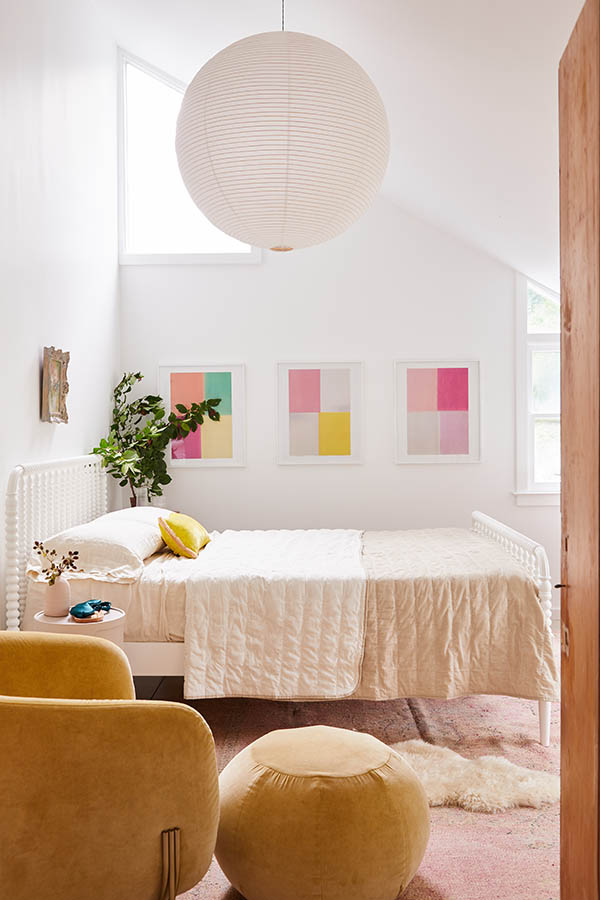
The ongoing revitalization of historic farmhouse properties located within the commuter belt of New York City has highlighted a significant shift in residential design priorities, placing a premium on high-quality guest accommodations as a core component of the home-ownership experience. As urban professionals increasingly migrate toward rural environments—a trend accelerated by the expansion of remote work capabilities—the renovation of secondary or primary residences in areas roughly an hour outside of Manhattan has become a focal point for the construction and interior design industries. In these projects, the guest room is no longer an afterthought but is instead being reimagined as a professional-grade hospitality suite. This evolution in residential planning is exemplified by current renovation projects that prioritize the completion of guest quarters even as primary utility spaces, such as kitchens and bathrooms, remain under construction. By establishing a functional and aesthetic baseline for visitors early in the renovation timeline, homeowners are able to foster social connections and provide a sanctuary for guests amidst the logistical complexities of large-scale property updates.
The Context of Rural Residential Revitalization
The surge in farmhouse renovations within a 60-mile radius of New York City reflects broader economic and social shifts. Data from the U.S. Census Bureau and real estate market analyses indicate that the Hudson Valley and surrounding regions experienced a 15% to 20% increase in property values between 2020 and 2023. This influx of capital has led to the systematic restoration of 19th and early 20th-century structures. These projects often face unique challenges, including the integration of modern climate control systems into historic frames and the remediation of aging plumbing and electrical infrastructure.

In the hierarchy of renovation, the guest bedroom occupies a unique position. Unlike kitchens or master bathrooms, which require intensive plumbing and structural interventions, bedrooms can often be finalized with cosmetic updates and high-quality furnishings. This allows homeowners to utilize the property for social hosting much sooner than if they waited for a total project completion. Industry experts suggest that this "phased occupancy" model reduces the psychological stress of long-term renovations by creating "finished zones" within active construction sites.
Strategic Partnership and the Science of Sleep
Central to the modernization of the guest room is the integration of advanced sleep technology. A notable trend in the sector is the collaboration between lifestyle influencers and mattress innovators, such as the partnership with Purple, a company specializing in proprietary pressure-releasing technology. The efficacy of a guest room is fundamentally measured by the quality of rest it provides, shifting the focus from purely aesthetic decor to functional wellness.
Purple’s utilization of the "GelFlex Grid" represents a departure from traditional memory foam or innerspring models. From a technical perspective, this hyper-elastic polymer is designed to support the spine while cushioning pressure points like shoulders and hips. In a guest room setting, where visitors may have diverse physical needs and sleeping positions, the versatility of the mattress becomes a critical variable. Furthermore, the inclusion of high-performance pillows—engineered for airflow and temperature regulation—addresses common guest complaints regarding overheating in unfamiliar environments. Market data suggests that consumers are increasingly willing to invest in premium sleep surfaces for guest rooms, viewing it as a long-term investment in the property’s hospitality value.
Implementation of Professional Hospitality Standards
To achieve a standard of hosting that mirrors professional boutique hotels, designers and homeowners are adopting a series of specific, actionable strategies. These interventions are designed to anticipate guest needs and minimize the friction associated with staying in a foreign environment.
1. Integration of Professional Infrastructure
The introduction of a luggage rack is perhaps the most direct way to signal a professional hosting intent. From an ergonomic standpoint, a luggage rack prevents guests from having to bend down to the floor to access their belongings, while simultaneously protecting expensive bedding and upholstery from the dirt and germs often found on the wheels of travel cases. In the context of a farmhouse renovation, where floor space may be at a premium or historic wood floors are being preserved, the luggage rack serves both a functional and a protective role.
2. Prioritization of the Core Sleep Surface
As previously noted, the mattress and pillow selection serve as the foundation of the guest experience. For a limited time, stakeholders in the design community have utilized promotional incentives, such as the "OHD10" discount code for Purple products, to facilitate the acquisition of high-end sleep systems. A guest room equipped with a high-performance mattress ensures that visitors wake up without the stiffness often associated with "spare" or "hand-me-down" furniture. This focus on sleep quality is a primary driver of positive guest feedback.

3. The Turndown Service Protocol
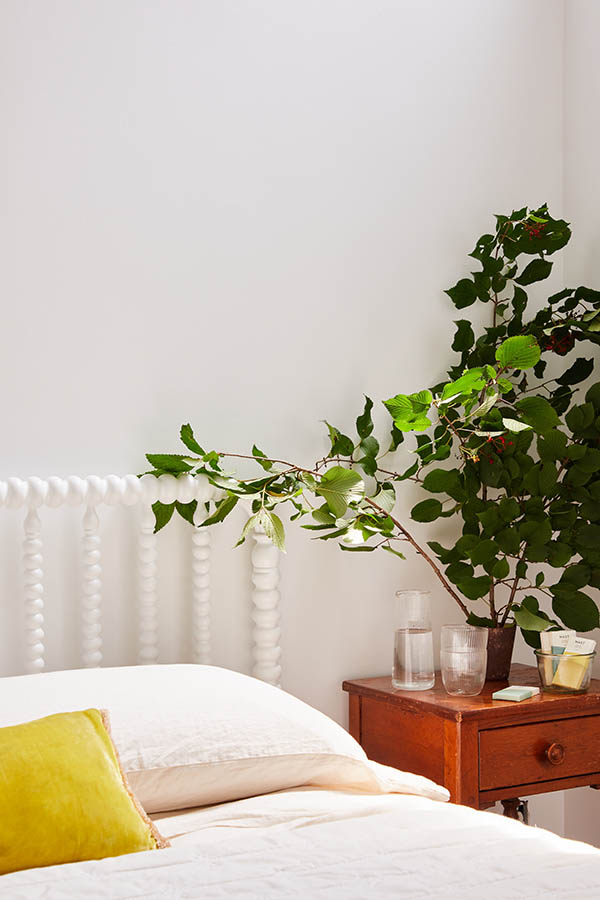
The psychological impact of small-scale amenities cannot be overstated. Providing a dedicated water carafe on the bedside table and a high-quality chocolate on the pillow mimics the turndown service of five-star hotels. These gestures serve a dual purpose: they provide immediate comfort and signal to the guest that their presence was anticipated with care. In rural settings, where a kitchen might be located on a different floor or through a dark hallway, having water readily available at the bedside is a significant practical convenience.
4. Biophilic Design and Local Integration
Incorporating "a touch of the wild" through the use of local flora—such as a sprig of greenery or a small bouquet of wildflowers from the property’s yard—connects the guest to the specific geographic context of the home. Biophilic design principles suggest that the presence of natural elements indoors reduces cortisol levels and enhances the overall sense of well-being. For a farmhouse renovation, this also serves as a low-cost, high-impact way to celebrate the surrounding landscape.
5. Seamless Digital Connectivity
In the modern era, the most frequent point of friction for a guest is the acquisition of Wi-Fi credentials. Providing a printed or handwritten card with network names, passwords, and general information about the stay (such as breakfast times or instructions for the thermostat) eliminates the need for guests to ask repetitive questions. This fosters a sense of independence and privacy for both the host and the visitor.

6. Intellectual and Cultural Curation
A guest room should offer more than just a place to sleep; it should provide a curated environment for relaxation. Selecting specific books from the home library that align with a guest’s interests adds a layer of personalization to the stay. This "analog" form of entertainment is particularly valued in rural retreats, where guests are often seeking a "digital detox" from the fast-paced environment of cities like New York.
7. The "Dry Run" Quality Assurance Method
The final and perhaps most critical step in guest room preparation is the "dry run." By sleeping in the guest room for at least one night, homeowners can identify deficiencies that are not apparent during the day. This includes testing for light leaks that may require blackout shades, identifying cold spots in the room’s heating profile, or detecting intrusive noises from the home’s plumbing or mechanical systems. This proactive approach ensures that the first guest’s experience is optimized and free of avoidable discomforts.
Economic and Social Implications
The trend toward high-end guest room renovations carries broader implications for the real estate and hospitality sectors. As homeowners improve their properties to professional standards, the line between private residences and short-term rental properties (such as those found on Airbnb or Vrbo) continues to blur. Properties that feature professionally designed guest suites command higher resale values and offer greater flexibility for multi-generational living.
Furthermore, the focus on hospitality in the "commuter belt" supports local economies. Guests visiting these renovated farmhouses contribute to the local ecosystem by patronizing nearby restaurants, farmers’ markets, and artisan shops. This "micro-tourism" is a vital component of the economic health of rural communities surrounding major metropolitan hubs.
From a social perspective, the emphasis on creating a welcoming guest environment reflects a post-pandemic desire for deeper, more meaningful interpersonal connections. By investing in the comfort of others, homeowners are effectively investing in their social capital. The farmhouse, once a site of agricultural labor, is being redefined as a site of social labor—a place where the stresses of urban life are mitigated by the thoughtful application of design and hospitality.
Conclusion
The renovation of a farmhouse outside New York City serves as a case study in the modern "guest-first" philosophy of home design. Through strategic partnerships with industry leaders like Purple and the implementation of meticulous hosting protocols, homeowners are transforming the traditional "spare room" into a sophisticated sanctuary. While the larger work of kitchen and bathroom renovation continues, the completion of these guest spaces ensures that the home can fulfill its primary purpose: serving as a vessel for community, rest, and the celebration of rural life. As this trend persists, the standards of residential hospitality will likely continue to rise, making the "professional host" model the new benchmark for homeowners nationwide.


