The universal appeal of cheese is undeniable, a culinary staple savored across cultures and cuisines. From the rich, creamy texture of grated mozzarella enhancing a classic pizza or pasta dish to the subtle, nutty notes of Monterey Jack elevating a burger, salad, or even a simple snack, its ability to transform a meal is remarkable. This dairy product’s versatile nature makes it a household favorite, frequently employed in kitchens worldwide. However, the delightful experience of preparing cheese-laden dishes often culminates in a less appealing task: cleaning the cheese grater, an intricate tool notorious for trapping sticky, greasy residues in its sharp grooves. This seemingly minor chore, if neglected, poses significant health risks, underscoring the critical importance of effective cleaning solutions in the modern kitchen.
The Culinary Delight and Its Aftermath: Why Cheese Graters Pose a Unique Cleaning Hurdle
Cheese, while a gastronomic pleasure, presents unique challenges when it comes to kitchen cleanup. Its inherent fat content and tendency to melt and solidify upon exposure to air make it particularly adhesive, especially when finely grated. The design of a typical cheese grater, featuring numerous small, sharp perforations, is optimized for efficient shredding but inadvertently becomes a perfect trap for these greasy cheese particles. These remnants, stubbornly clinging within the grater’s crevices, resist casual rinsing and can become hardened and difficult to remove if left to dry. The immediate inclination might be to vigorously scrub with a sponge, an action that, while seemingly effective, can often be counterproductive. Not only does it risk injury from the sharp edges, but the abrasive fibers of a sponge can also get lodged in the grater’s holes, exacerbating the cleaning challenge and potentially compromising future food preparation.
A Historical Perspective on Kitchen Sanitation and Tool Evolution
The challenge of cleaning kitchen tools is as old as cooking itself. Early culinary implements, often crude and made from materials like wood or stone, were difficult to sanitize effectively. As metallurgy advanced, so did the complexity and variety of kitchen tools, including graters, which emerged to process ingredients like cheese, nutmeg, and ginger more efficiently. For centuries, cleaning these tools relied on rudimentary methods: soaking, manual scrubbing with brushes or abrasive materials like sand, and boiling water. While these methods offered some degree of sanitation, they were often labor-intensive, time-consuming, and not always fully effective, particularly for tools with intricate designs like graters. The evolution of kitchen sanitation has paralleled societal advancements in understanding microbiology and foodborne illnesses, driving the demand for more effective and user-friendly cleaning solutions for all kitchenware.
The Health Imperative: Unseen Risks of Neglected Kitchen Tools
Beyond the aesthetic inconvenience of a dirty grater lies a far more serious concern: public health. Food safety experts consistently emphasize the critical role of proper utensil hygiene in preventing foodborne illnesses. When food residues, particularly dairy products, are not thoroughly removed from kitchen tools, they create an ideal breeding ground for bacteria such as Salmonella, E. coli, and Listeria. These microorganisms can proliferate rapidly, especially in the warm, moist environments often found in kitchens. Subsequent use of a contaminated grater, even for a different food item, can lead to cross-contamination, transferring harmful bacteria directly into a meal. The consequences of consuming contaminated food can range from mild gastrointestinal upset, such as nausea, vomiting, and diarrhea, to severe allergic reactions or life-threatening conditions, particularly for vulnerable populations like young children, the elderly, and individuals with compromised immune systems. According to the Centers for Disease Control and Prevention (CDC), millions of Americans experience foodborne illnesses annually, with a significant portion linked to improper food handling and sanitation in home kitchens. This underscores the imperative for every household to adopt rigorous cleaning practices for all food-contact surfaces and utensils.
Modern Solutions: The Rise of the Pull-Down Kitchen Faucet
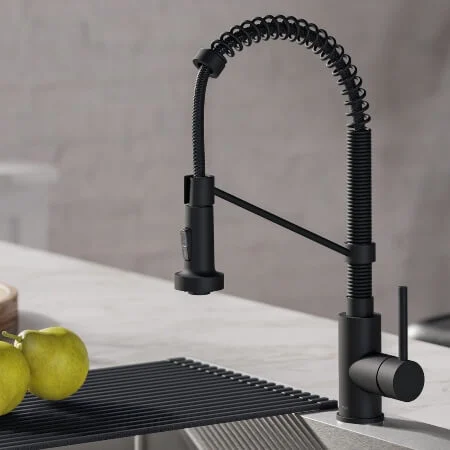
In response to the perennial challenges of kitchen cleaning and the growing awareness of food safety, modern kitchen appliance technology has delivered sophisticated solutions. Among the most impactful innovations is the pull-down kitchen faucet, a fixture that has revolutionized the efficiency and effectiveness of kitchen cleanup. Unlike traditional fixed faucets, pull-down models feature a spray head that can be detached from the main body and extended into the sink area, offering unparalleled flexibility and reach. This design is not merely a convenience; it is a strategic tool in the fight against stubborn food residues.
The core advantage of a pull-down faucet lies in its integrated sprayer function. These sprayers typically offer dual-functionality, allowing users to switch between an aerated stream for tasks like filling pots and a powerful, focused spray. It is this forceful spray that proves invaluable for dislodging tenacious food particles, particularly those trapped in the intricate grooves of a cheese grater. The concentrated stream of water can penetrate tight spaces and exert sufficient pressure to blast away sticky cheese shreds, minimizing the need for abrasive scrubbing and thereby reducing the risk of damage to the grater or injury to the user. Market research indicates a steady increase in the adoption of pull-down faucets in new kitchen installations and remodels, driven by consumer demand for both aesthetic appeal and enhanced functionality that directly addresses common kitchen frustrations.

Optimizing the Cleaning Process: Techniques for a Pristine Grater
Leveraging a pull-down kitchen faucet for grater cleaning involves a systematic approach that maximizes efficiency and hygiene. The process begins immediately after use to prevent cheese residues from drying and hardening, a critical step in making the subsequent cleaning significantly easier.
- Immediate Rinse and Pre-Soak: As soon as grating is complete, give the grater a quick rinse under running water to remove loose particles. For more stubborn or greasy cheese, a brief pre-soak in hot water for 5-10 minutes is highly recommended. The hot water helps to soften and melt the fat in the cheese, making it easier to dislodge. Some culinary experts suggest adding a small amount of dish soap to the soaking water for enhanced degreasing action.
- Targeted Spray with Hot Water: Once pre-soaked, position the grater under your pull-down faucet. Activate the powerful spray function and direct the hot water stream precisely onto the areas with trapped cheese. The combination of hot water, which further aids in melting fats, and the high-pressure spray is remarkably effective at dislodging even the most persistent residues from the grater’s holes. The flexibility of the pull-down hose allows for precise targeting of every nook and cranny, ensuring comprehensive cleaning.
- Natural Abrasives for Extra Tough Spots: For exceptionally sticky or dried-on cheese, natural cleaning agents can be employed. Lemon, with its natural acidity, is an excellent degreaser. Rubbing a cut lemon half directly over the grater’s surface and through its holes can help break down fatty residues. For added abrasive power, sprinkle a coarse salt (like kosher salt or sea salt) onto the lemon before scrubbing. The salt crystals act as a gentle yet effective abrasive, assisting the lemon’s acidity in loosening the gunk. After applying this treatment, a final rinse with the pull-down faucet’s powerful hot water spray will wash away the loosened particles and any remaining lemon/salt residue.
- Safety First: Avoiding Common Pitfalls: While the pull-down sprayer significantly reduces the need for manual scrubbing, caution remains paramount. The sharp edges of a grater can cause cuts. Always hold the grater securely, ensuring your fingers are away from the sharp surfaces, especially when directing the spray. As previously mentioned, avoid using fibrous scrub pads, as their fibers can snag and become embedded in the grater’s holes, creating a new cleaning headache and potentially contaminating food later. Should this occur accidentally, the focused spray of a pull-down faucet can often be used to dislodge the trapped fibers, highlighting the tool’s versatility.
- Final Rinse and Drying: After thorough cleaning, give the grater a final rinse under the aerated stream or gentle spray to ensure all soap, lemon, or salt residues are completely removed. Dry the grater immediately and thoroughly to prevent water spots and inhibit bacterial growth. Air drying in a well-ventilated area or using a clean towel are both effective methods.
Beyond the Grater: Versatility and Benefits of Advanced Faucet Technology
The utility of a pull-down kitchen faucet extends far beyond cleaning cheese graters. Its design and features make it an indispensable asset for a myriad of daily kitchen tasks, significantly enhancing overall kitchen efficiency and hygiene. The extended reach of the hose allows for easy rinsing of all sink corners, cleaning oversized pots and pans that might not fit comfortably under a fixed faucet, and even filling tall pitchers or watering plants on the countertop without moving them to the sink. The ability to switch between an aerated stream and a powerful spray provides optimal water flow for various needs – the gentle stream for delicate washing or filling, and the strong spray for tough rinsing jobs on dishes, produce, or the sink basin itself. Many modern pull-down faucets also incorporate features like magnetic docking for secure sprayer head return, advanced ceramic disc valves for drip-free performance and longevity, and options for touchless activation, further elevating the user experience.
Choosing the Right Tool: Key Considerations for a Modern Kitchen Faucet
Selecting a pull-down kitchen faucet involves more than just aesthetics; it requires careful consideration of functionality, durability, and compatibility with one’s lifestyle.
- Single vs. Double Handle: While some homeowners prefer the traditional aesthetic and separate temperature control of a double-handle faucet, single-handle pull-down models are increasingly popular for their ease of use. A single lever typically controls both water flow and temperature, allowing for quick adjustments with one hand, which is particularly convenient when cooking or handling messy ingredients.
- Material and Finish: Durability and ease of maintenance are paramount. Stainless steel, particularly "spot-free" finishes, is a popular choice due to its resistance to corrosion, tarnishing, and fingerprints. Such finishes are designed to repel water spots and grease, making them easy to wipe clean and maintain their pristine appearance. Other options include chrome, bronze, and matte black, each offering distinct aesthetic appeal and varying levels of maintenance.
- Spray Head Features: Beyond the basic dual-function spray, some advanced models offer specialized spray patterns, such as a sweep spray that creates a blade of water for powerful rinsing, or pause buttons that temporarily stop water flow, conserving water and preventing splashes when moving the spray head between tasks.
- Hose Length and Reach: Consider the size of your sink and the range of tasks you anticipate. A longer hose offers greater flexibility and reach, which is particularly beneficial for larger sinks or for cleaning items outside the immediate sink area.
- Installation and Compatibility: Ensure the faucet you choose is compatible with your existing sink configuration (number of holes) or plan for any necessary modifications during a renovation.
Expert Insights and Industry Trends: Shaping the Future of Kitchen Hygiene
Industry experts and kitchen designers consistently highlight the pull-down faucet as a pivotal element in the modern, hygienic kitchen. "The evolution of kitchen faucets from mere water dispensers to sophisticated cleaning tools reflects a broader societal shift towards enhanced home hygiene and convenience," states Maria Chen, a leading kitchen appliance consultant. "Consumers are increasingly savvy about the health implications of kitchen cleanliness, and manufacturers are responding with innovative designs that integrate advanced functionality without compromising on style."
The trend towards "smart kitchens" further amplifies the role of such appliances. Features like touchless activation, which minimizes the spread of germs from hands to faucet handles, and pre-programmed water temperatures for specific tasks are becoming more common. These advancements, while seemingly minor, collectively contribute to a more sanitary and user-friendly cooking environment. The market for kitchen gadgets and appliances that streamline chores and promote health continues to grow, driven by consumer demand for products that deliver both efficiency and peace of mind.
Conclusion: Elevating Everyday Kitchen Practice for Health and Convenience
The humble cheese grater, a simple tool for enhancing culinary creations, paradoxically presents one of the more frustrating cleaning challenges in the kitchen. However, with the advent of modern kitchen technology, particularly the pull-down faucet with its powerful spray capabilities, this once-daunting task has been transformed into a manageable and efficient process. By understanding the unique properties of cheese residues and employing the targeted cleaning power of a modern faucet, coupled with smart preparation techniques and natural cleaning aids, households can ensure their graters remain pristinely clean and hygienically safe. Beyond the grater, the versatility and ergonomic advantages of pull-down faucets elevate the entire kitchen experience, underscoring how thoughtful design and technological innovation contribute significantly to healthier, more convenient, and ultimately, more enjoyable culinary endeavors. Investing in such a fixture is not merely an upgrade; it is a commitment to superior kitchen hygiene and a more efficient lifestyle.