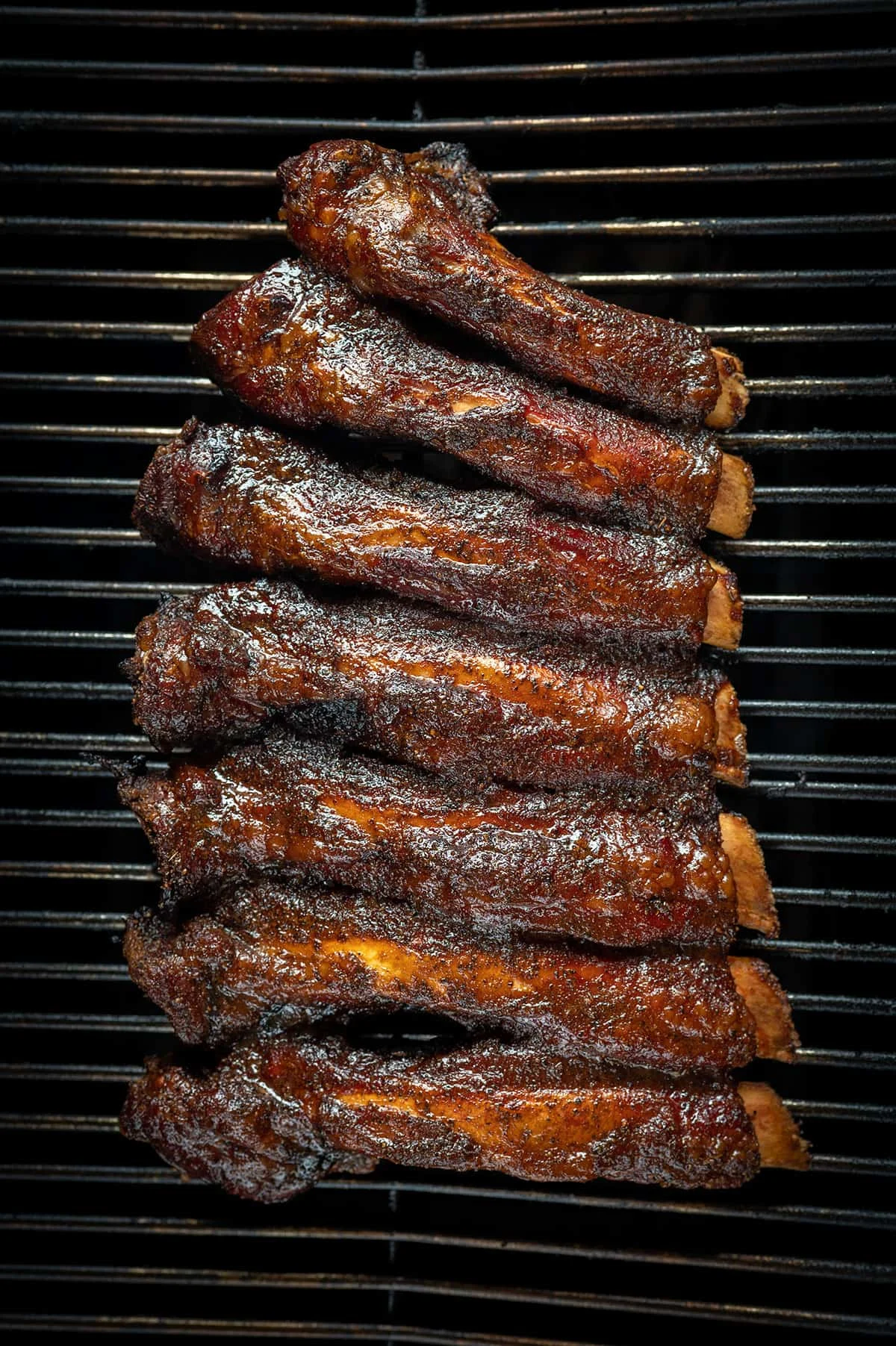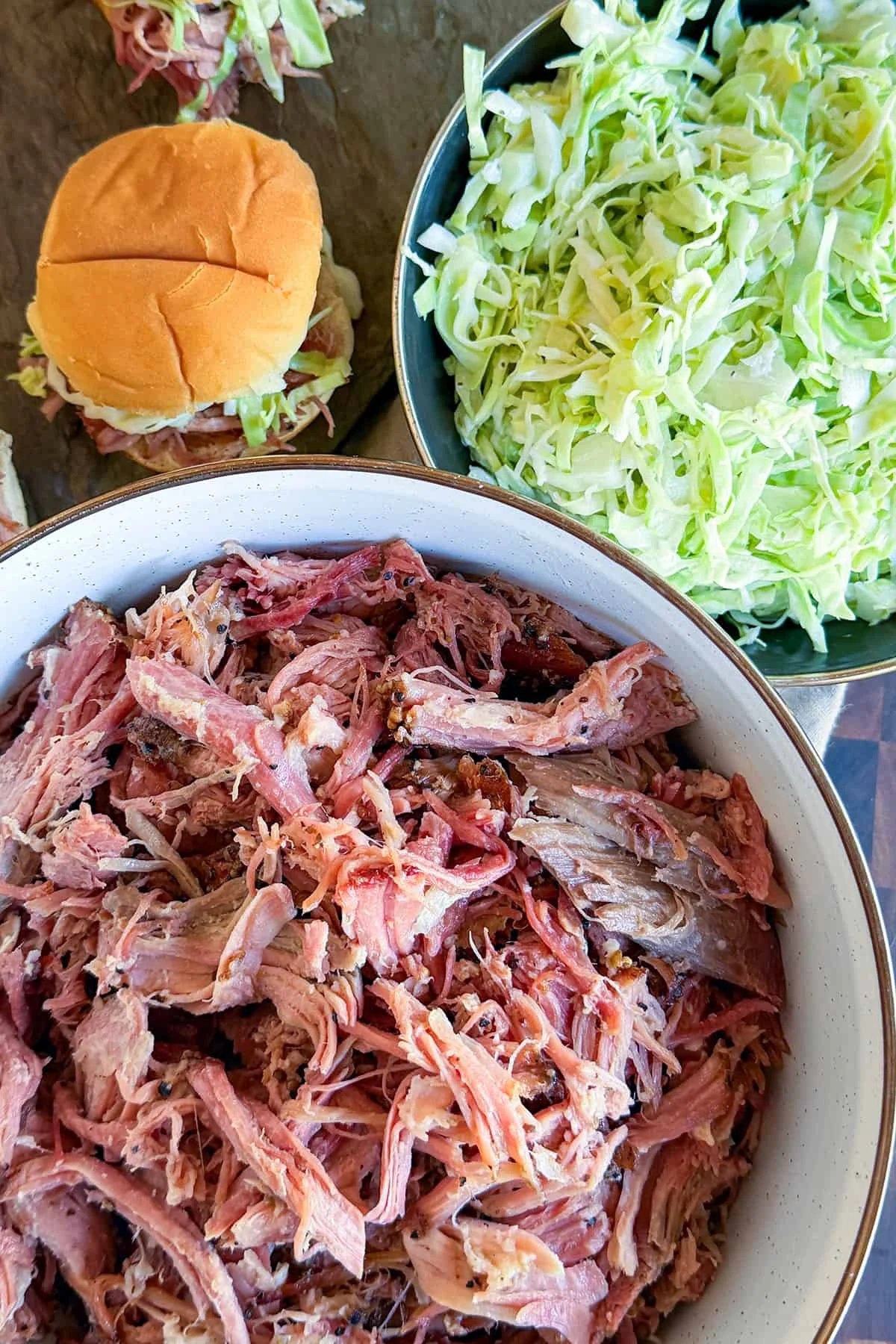
For barbecue enthusiasts and culinary adventurers alike, the quest for the perfect smoked meat is a continuous journey. While beef brisket traditionally dominates the pastrami landscape, a lesser-known but equally rewarding path lies in transforming humble pork shoulder into a succulent, flavor-packed delicacy. This article delves into the meticulous process of creating pork pastrami, from its initial brining and meticulous seasoning to its final, smoky transformation, culminating in mouthwatering pulled pork pastrami sandwiches.
Understanding Pastrami: A Versatile Protein Preparation
Pastrami, a cured and smoked meat, is renowned for its complex flavor profile and tender texture. Historically, its origins are often traced to Romanian Jewish immigrants who brought the technique to North America. Traditionally, beef brisket or navel is the protein of choice, cured and then coated in a distinctive spice rub before being smoked. However, the beauty of pastrami lies in its adaptability. Various cuts of pork, including shoulder, loin, and belly, can be transformed into pastrami, with fattier cuts like the shoulder and belly lending themselves particularly well to the curing and smoking process, resulting in a richer, more decadent final product.
The Pork Pastrami Process: A Step-by-Step Culinary Expedition
Creating exceptional pork pastrami is not a hurried endeavor. It demands patience, precision, and a commitment to time-honored techniques. The entire process, from the initial brine to the final rest, can span nearly a week, ensuring that every molecule of flavor is infused into the pork.
Step 1: The Essential Brine – Laying the Foundation of Flavor
The journey begins with the brine, a critical step that imbues the pork with moisture and essential seasoning. This is where the magic of preservation and flavor infusion truly starts. A typical pastrami brine involves a careful balance of kosher salt, brown sugar, and a blend of pickling spices, often including coriander, mustard seeds, and peppercorns. For this particular preparation, a specific "Pastrami Brine" recipe is employed.
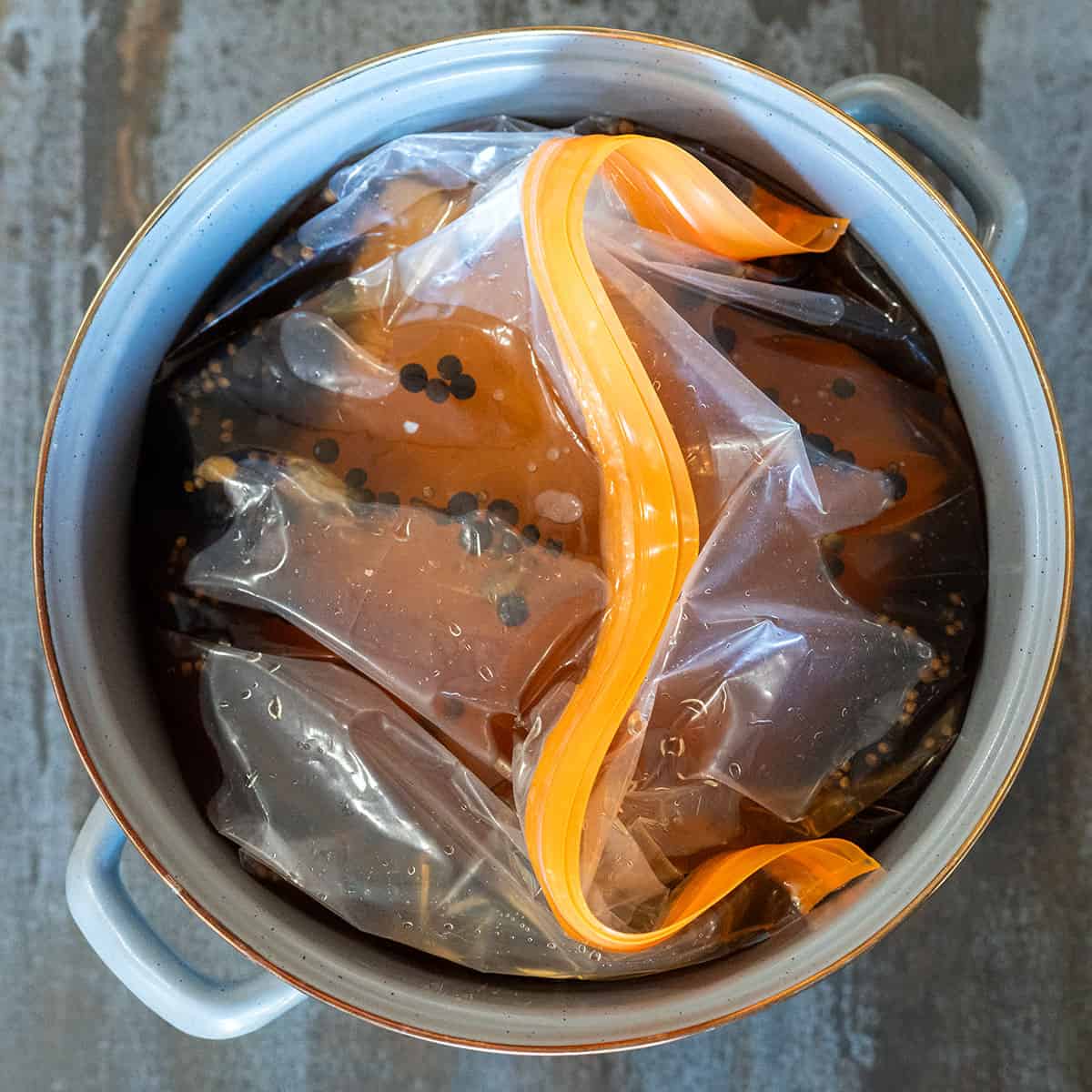
The process involves simmering these ingredients with a gallon of water until the salts and sugars are fully dissolved. It is crucial to allow this brine to cool completely before introducing the pork. Once cooled, a substantial pork shoulder, ideally between 8 to 10 pounds, is placed into a specialized meat preparation bag. The cooled brine is then poured over the pork, ensuring complete submersion. Any excess air is carefully removed from the bag before it is sealed and refrigerated. This brining period is not a short one; it typically lasts for five to six days, allowing the curing agents and seasonings to penetrate deep into the meat, tenderizing it and preparing it for the subsequent stages.
Pro Tip: To ensure the pork remains fully submerged and evenly brined, it is highly recommended to place the sealed meat bag within a larger, sturdy pot or bowl. This containment strategy not only aids in even brining but also prevents any potential leaks from compromising the refrigerator’s cleanliness.
Step 2: The Curing and Seasoning Ritual – Building the Crust
Following the extensive brining period, the pork shoulder is removed from its salty bath. A thorough rinsing under cold water is essential to remove any excess brine from the surface. The meat is then meticulously patted dry with paper towels, ensuring a clean canvas for the next layer of flavor.
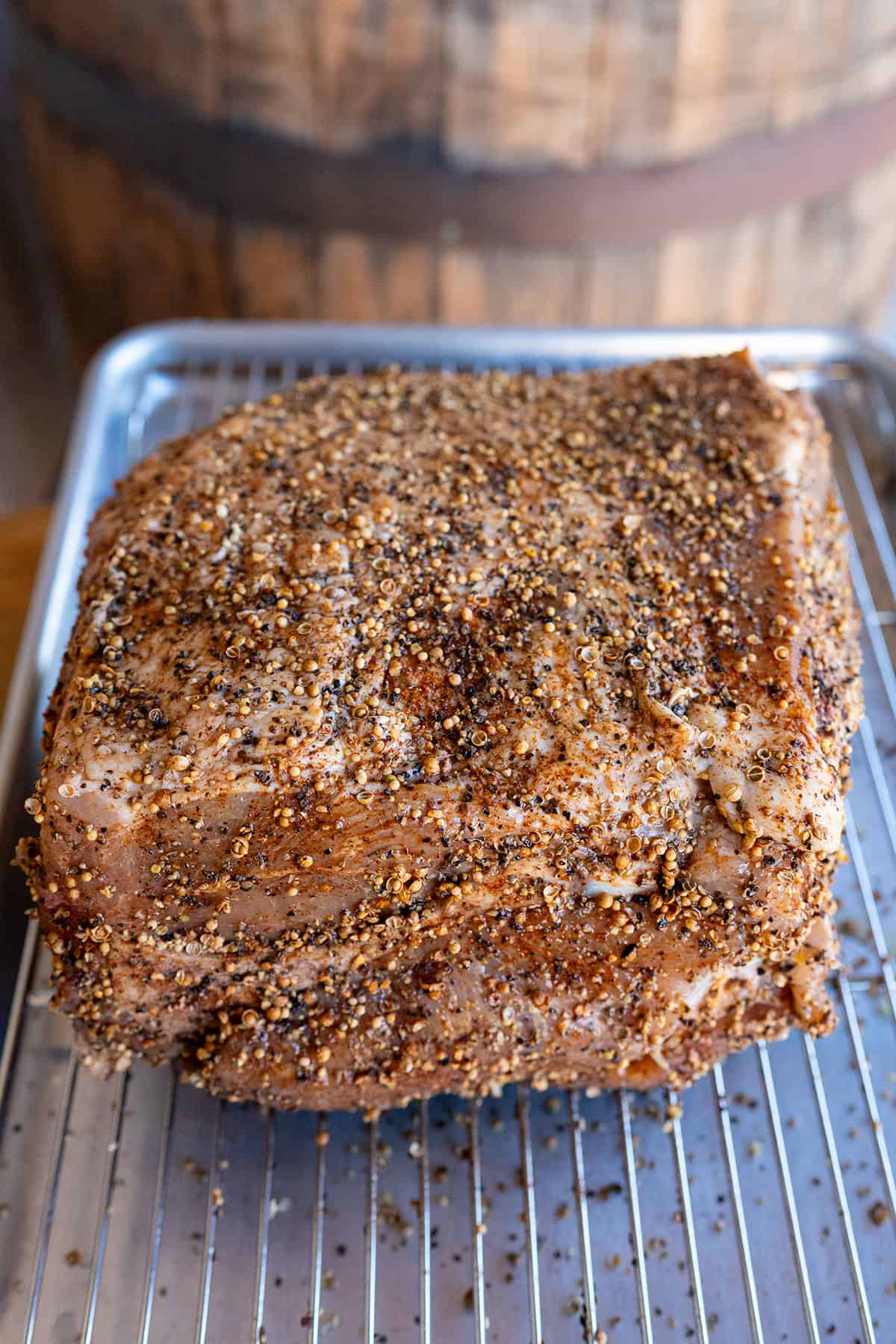
This is where the characteristic pastrami crust begins to form. The pork shoulder is generously coated on all sides with a "Pastrami Rub." Unlike many barbecue rubs, a classic pastrami rub often features a salt-free blend, highlighting the complex interplay of spices. Key components typically include coarsely ground black peppercorns, coriander seeds, mustard seeds, a touch of sugar for caramelization, paprika for color and subtle sweetness, and garlic for an aromatic punch.

After its spice coating, the seasoned pork is placed on a wire rack set inside a baking sheet. It is then returned to the refrigerator, this time uncovered. This "dry cure" period, lasting for an additional day, allows the exterior of the pork to dry out further, creating an ideal surface for smoke adhesion and contributing to a superior bark formation during the smoking process.
Step 3: The Art of Smoking – Imparting Deep, Rich Flavor
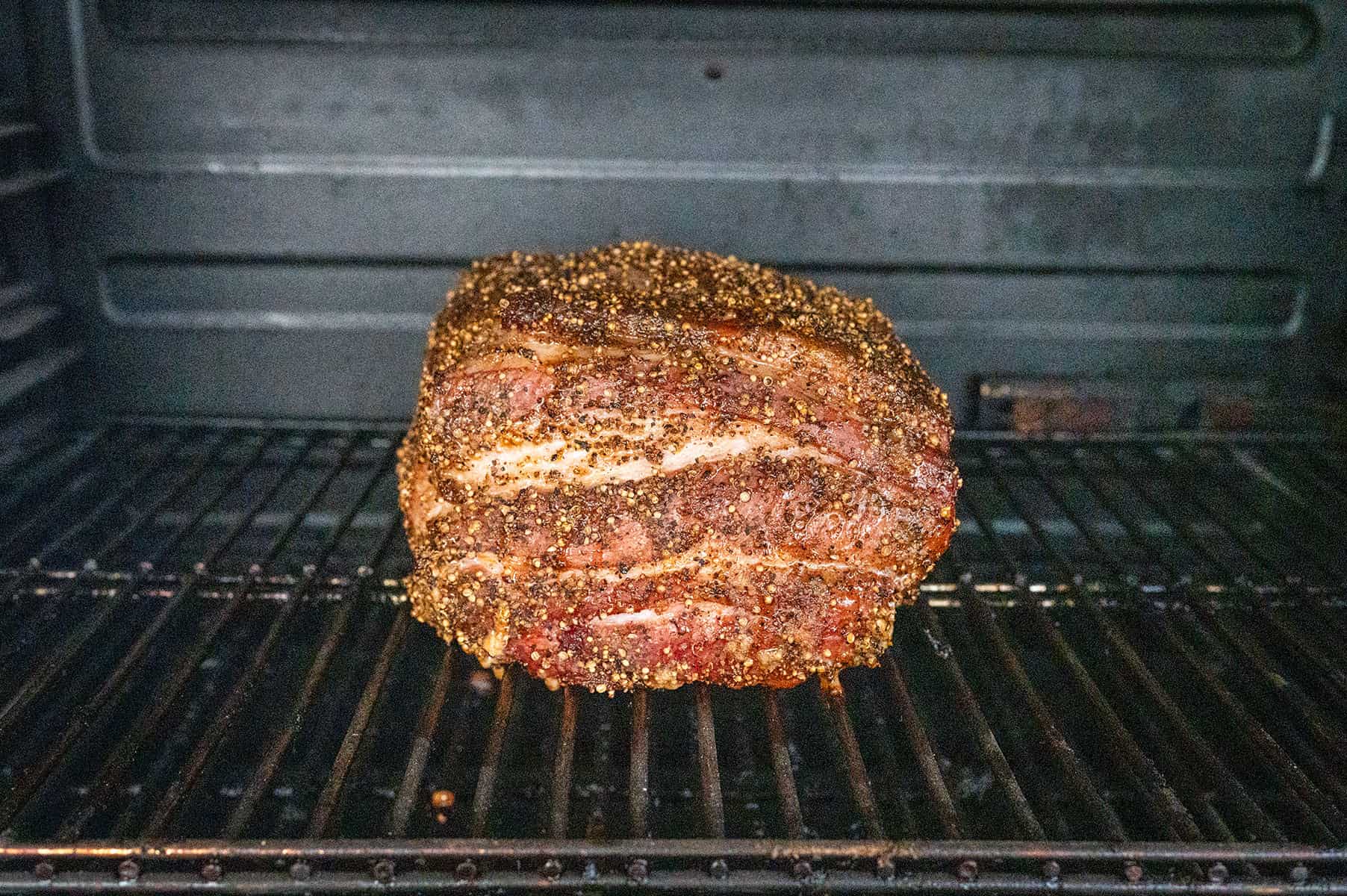
With the preparation stages complete, the pork pastrami embarks on its smoky transformation. The smoker is preheated to a steady 275°F (135°C), a temperature that allows for efficient rendering of fat while preventing the meat from drying out too quickly. The seasoned pork shoulder is placed directly onto the smoker grates, positioned fat-side up to allow the melting fat to baste the meat as it cooks. The cooking is done over indirect heat, ensuring a consistent and even smoke penetration without direct flame exposure.
The initial smoking phase aims to reach an internal temperature of 150-160°F (65-71°C). This can take approximately four hours, though the exact duration will depend on the size and thickness of the pork shoulder. Monitoring the internal temperature with a reliable meat thermometer is crucial during this stage.
Step 4: The Wrapping Technique – Enhancing Tenderness and Moisture
Once the pork has reached the target internal temperature and developed a desirable initial bark, it’s time for the wrapping stage. This technique, often referred to as the "Texas Crutch" in barbecue circles, helps to push the meat through the stall – a period where the internal temperature plateaus – and further tenderizes the pork.
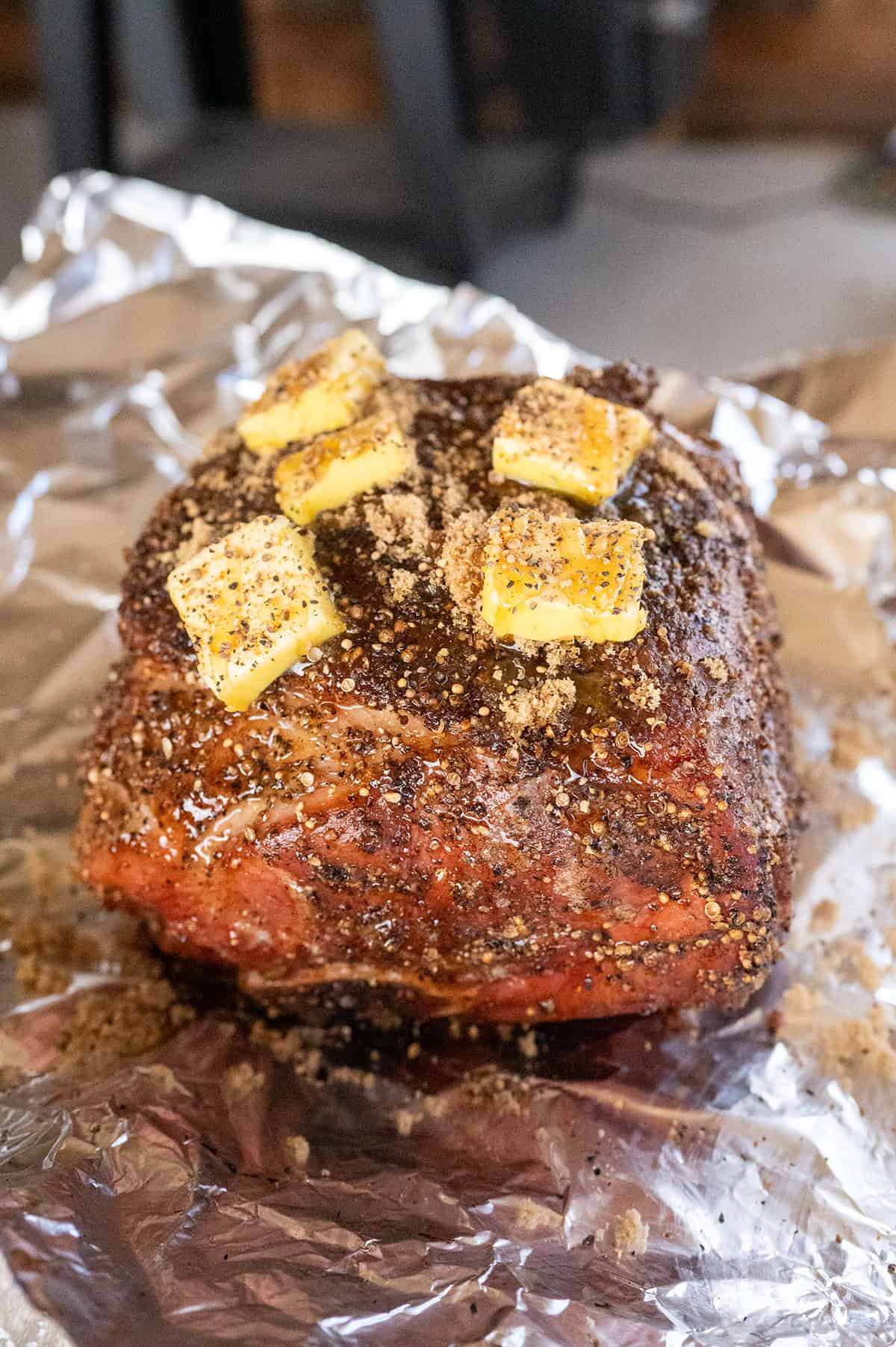
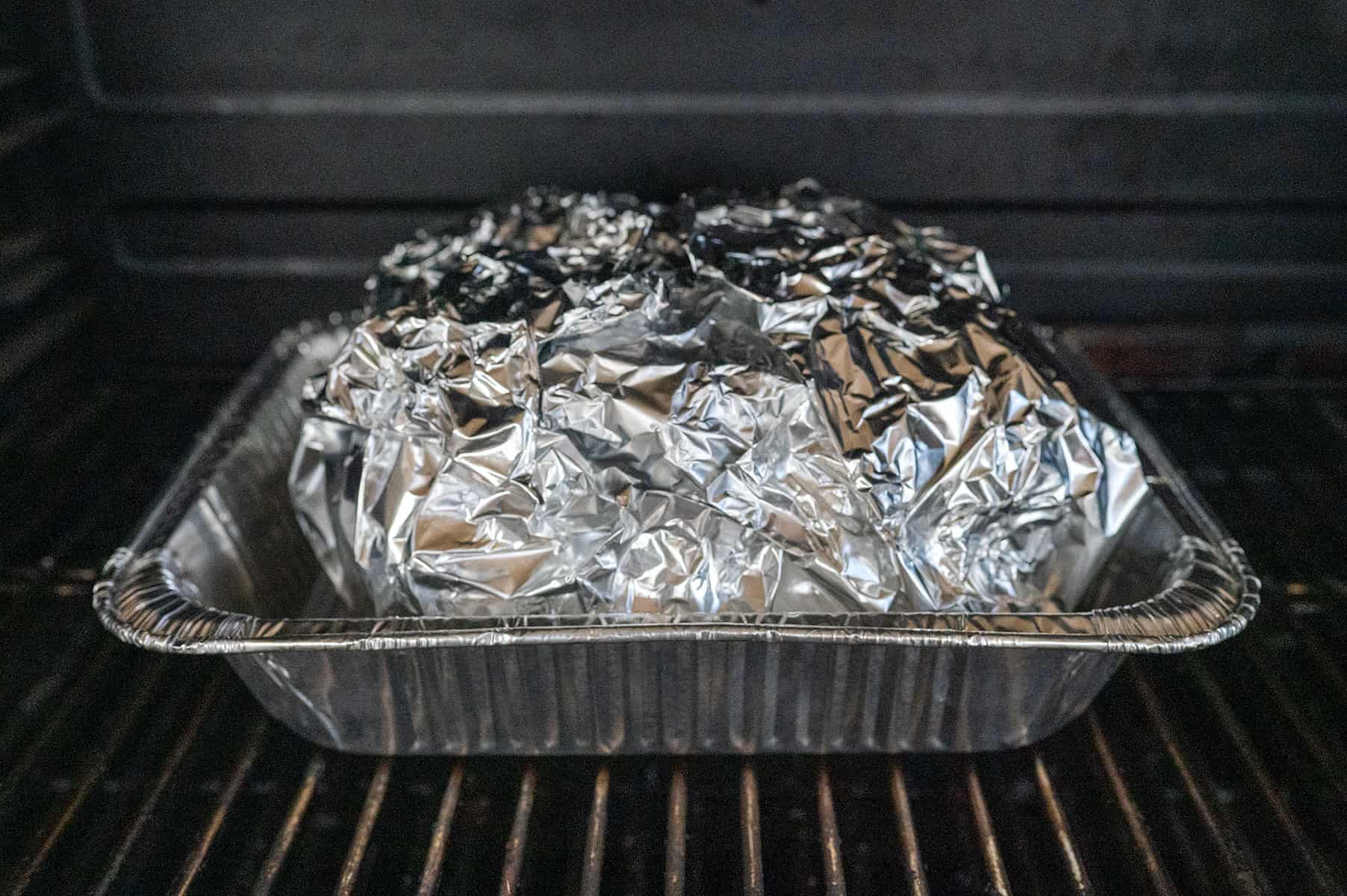
Two large sheets of heavy-duty aluminum foil are laid out. The partially smoked pork shoulder is placed fat-side up on the foil. A generous topping of brown sugar, a few pats of butter, a drizzle of honey, and another light sprinkle of the Pastrami Rub are then added directly onto the pork. The foil is then wrapped tightly around the pork, creating a sealed packet that will allow the ingredients to braise the meat in its own juices.
The wrapped pork butt is then returned to the smoker, continuing the cooking process. The goal is to achieve a final internal temperature between 195-205°F (90-96°C). This range signifies that the connective tissues within the pork have broken down, resulting in exceptionally tender and shreddable meat. This second phase of smoking typically takes an additional three to four hours.
Step 5: The Crucial Rest – Allowing Flavors to Meld
The culmination of the smoking process is the rest. Once the pork reaches its target internal temperature, it is removed from the smoker. It’s imperative to allow the pork to rest for at least 30 minutes. This resting period is vital for allowing the juices, which have been driven to the center of the meat during cooking, to redistribute throughout the entire roast. Skipping this step can lead to dry, less flavorful meat.
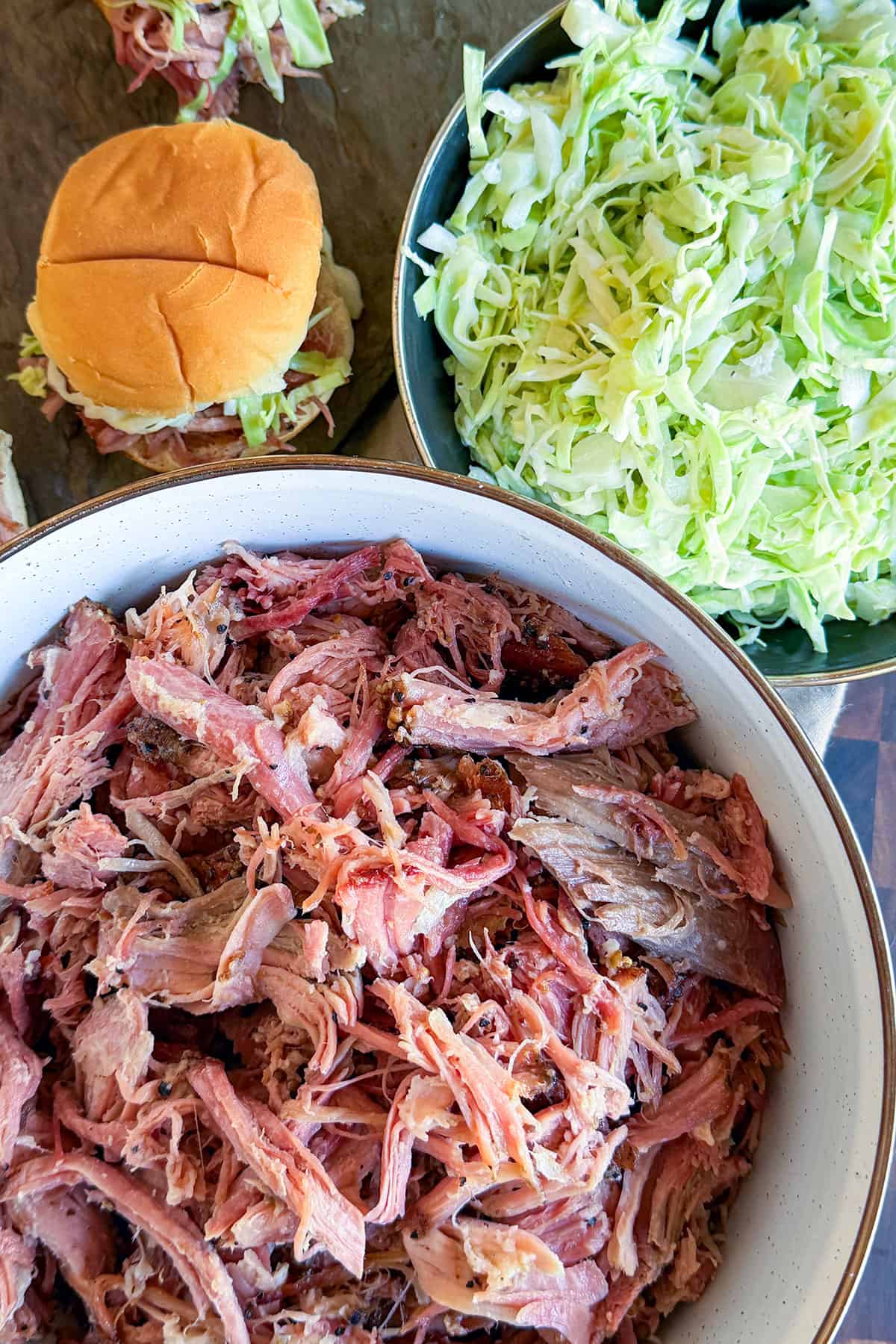
After resting, the pork butt is transferred to a large bowl, pan, or pot. The bone is easily removed at this stage, and the succulent meat is then shredded. The juices collected within the foil packet are then poured over the shredded pork, further enhancing its moisture and flavor. This ensures every strand of meat is coated in the rich, smoky essence.
Serving Suggestions: From Classic Sides to Delectable Sandwiches
The versatility of pork pastrami is evident in its serving options. It can be presented as a robust main course, accompanied by traditional barbecue sides such as smoked mac and cheese or hearty baked beans. These classic pairings complement the rich, savory notes of the pastrami, creating a satisfying meal.
However, the true revelation often lies in the creation of pork pastrami sandwiches. The tender, shredded meat is piled high on soft slider rolls or classic sandwich buns. These are often topped with a tangy coleslaw, a creamy mayonnaise, and a sharp yellow mustard or a robust whole grain mustard. The combination of the rich pastrami, the crisp coleslaw, and the zesty condiments creates a symphony of textures and flavors that is both comforting and exciting.
Storage and Preservation
Leftover pork pastrami can be stored in an airtight container in the refrigerator for approximately four to five days, maintaining its quality and flavor. For longer storage, it freezes exceptionally well for several months, making it an excellent option for meal prepping or enjoying this culinary masterpiece at a later date.
Nutritional Insights
A typical serving of this pork pastrami (approximately 3.5 ounces or 100 grams) offers a substantial protein punch, with around 34 grams per serving. It also provides approximately 15 grams of fat, including 6 grams of saturated fat, contributing to its rich mouthfeel. Carbohydrates are minimal, at around 7 grams, with a single gram of fiber. The sodium content can be significant due to the brining process, often around 1025 mg per serving, which is a factor to consider for those monitoring their sodium intake. The calorie count hovers around 308 kcal per serving.
Expert Insights and FAQs
What is pastrami brine?
Pastrami brine is a carefully formulated mixture designed to cure and season meats, typically containing kosher salt, brown sugar, pickling spices, and a curing salt like sodium nitrite (pink salt #1). It is essential for both preserving the meat and imparting a foundational layer of flavor.
What is pastrami rub?
A pastrami rub is the exterior spice blend applied to the cured and smoked meat. While some rubs include salt, a traditional pastrami rub often emphasizes a salt-free blend of spices like black pepper, coriander, mustard seeds, and garlic, creating a distinct crust.
How long do you need to brine pork to make pastrami?
For larger cuts of pork, such as an 8-10 pound pork shoulder, a brining period of five to six days is recommended. For smaller, thinner cuts like pork tenderloin, a shorter brining time of three to four days is usually sufficient.
What is pink curing salt?
Pink curing salt, also known as Prague powder, is a food-grade salt mixture containing sodium nitrite and/or sodium nitrate. Pink salt #1 (sodium nitrite) is commonly used for curing meats like pastrami, bacon, and lunch meats, contributing to preservation, color, and a characteristic cured flavor. Pink salt #2 (containing sodium nitrate) is typically used for longer-cured products like salami and pepperoni.
Creating pork pastrami is a rewarding culinary journey that transforms a readily available cut of pork into a gourmet experience. By adhering to the meticulous steps of brining, seasoning, smoking, and resting, home cooks and pitmasters can unlock a depth of flavor and a tenderness that rivals, and in some cases surpasses, traditional beef pastrami. The result is a versatile dish perfect for sharing, whether served as a hearty main course or as the star of an unforgettable sandwich.