
The global fight against environmental degradation has found a critical and often overlooked front: the retail and domestic food supply chain. Recent initiatives aimed at mitigating the carbon footprint of the culinary industry have highlighted the role of surplus food management, not only as a logistical necessity but as a creative opportunity for sustainable living. Central to this movement is the emergence of digital platforms designed to bridge the gap between commercial food waste and consumer needs. One such entity, Too Good To Go, has recently garnered attention for its model of connecting local restaurants and grocery stores with consumers to prevent the disposal of edible surplus. This approach addresses a staggering reality: food waste is currently responsible for approximately 10% of all global greenhouse gas emissions.

The environmental impact of food waste extends far beyond the physical loss of nutrients. When food is discarded, the entirety of the resources used in its production—including water, land, labor, and fuel for transport—is effectively squandered. Furthermore, food rotting in landfills is a primary source of methane, a greenhouse gas significantly more potent than carbon dioxide in the short term. By redirecting surplus food from the waste stream to the dinner table, technology-driven solutions are offering a tangible method for individuals to lower their personal environmental impact while realizing significant economic savings.
The Mechanics of the Surplus Food Economy
The operational framework of surplus food apps revolves around the concept of the "surprise bag." Unlike traditional retail experiences where consumers select specific items, this model allows businesses—ranging from gourmet grocery stores to specialized juice bars—to bundle their daily unsold inventory into packages sold at a fraction of the original retail price. In a recent demonstration of this model’s efficacy, participants engaged with high-end retailers to secure surplus goods for one-third of their market value.

This unpredictability, rather than being a deterrent, has fostered a new culture of "creative conservation." For the consumer, the surprise bag represents a culinary challenge that encourages the use of diverse ingredients that might not have been part of their standard shopping list. For the retailer, it provides a streamlined method to recoup costs on "shrink"—the industry term for inventory lost to expiration or damage—while maintaining brand integrity by ensuring their products are consumed rather than discarded.
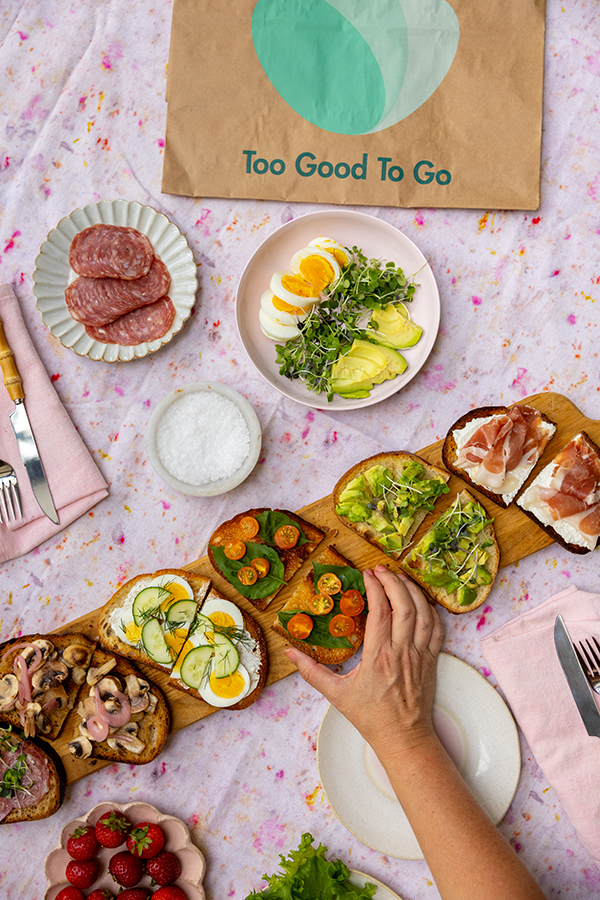
The recent case study involving a gourmet grocery store and a juice store highlights the versatility of these surplus items. By acquiring a variety of breads, produce, and artisanal toppings, the participants were able to host a sophisticated social gathering centered on the concept of "waste-free" entertaining. The process involved a systematic approach to food preparation: toasting surplus bread in bulk and utilizing various pantry staples to create a wide array of gourmet toppings.

Chronology of a Sustainable Gathering
The transition from a surplus bag to a curated social event follows a logical progression that mirrors larger trends in the circular economy. The process begins with the identification of local partners via the digital interface. Once the surplus is secured, the culinary focus shifts to preservation and presentation.
In this instance, the chronology of the event was as follows:
- Procurement: Surplus bags were collected from local vendors, including a high-end grocer and a juice specialist, ensuring a mix of carbohydrates, fresh produce, and potentially perishable dairy or protein items.
- Assessment and Inventory: The "surprise" elements were cross-referenced with existing household staples, such as garden-grown basil and tomatoes, to minimize the need for additional commercial purchases.
- Bulk Preparation: To maximize efficiency and ensure even texture, all bread products—regardless of their initial state—were toasted simultaneously in a central oven. This technique is a recognized method for reviving bread that is past its peak freshness but remains perfectly safe for consumption.
- Assembly and Service: A "DIY" station was established, allowing guests to interact with the ingredients and customize their food. This method not only reduces the labor required by the host but also ensures that only the food intended for immediate consumption is prepared, further reducing potential waste.
Culinary Repurposing: From Surplus to Gourmet
The versatility of surplus ingredients is best demonstrated through the variety of "toppings" or "tartines" that can be created with minimal fresh intervention. The recent initiative identified several high-value combinations that utilize common surplus items:
- Ricotta and Prosciutto: Utilizing dairy and cured meats that are often found in gourmet surplus bags, finished with a drizzle of "hot honey" to balance the salt and creaminess.
- Avocado and Sprouts: A staple of modern cafes, these items are highly perishable and frequently appear in surplus inventories. Enhanced with lemon and salt, they provide a nutrient-dense option.
- Classic Tomato and Basil: Leveraging garden-fresh herbs with retail tomatoes to create a Mediterranean-style bruschetta.
- Egg and Cucumber: A protein-forward option utilizing sliced eggs, cucumbers, and fresh dill, often found in the produce sections of surplus bags.
- Mushroom and Melted Cheese: Sautéed mushrooms provide an earthy profile that pairs well with various cheeses found in deli-counter surplus.
- Soppressata and Jalapeño: A spicy, robust option that makes use of charcuterie and peppers.
Supporting Data: The Scale of the Challenge
The push for waste-free gatherings is supported by data from the Food and Agriculture Organization (FAO) of the United Nations, which estimates that one-third of all food produced for human consumption is lost or wasted globally. This amounts to roughly 1.3 billion tons per year. In developed nations, a significant portion of this waste occurs at the retail and consumer levels.

According to research by the World Resources Institute (WRI), reducing food loss and waste is a "triple win." It saves money for farmers, companies, and households; it helps feed more people in a world where hunger remains a systemic issue; and it alleviates pressure on climate, water, and land resources. The 10% figure cited by Too Good To Go regarding greenhouse gas emissions is a critical benchmark; if food waste were a country, it would be the third-largest emitter in the world, trailing only the United States and China.
Broader Impact and Industry Implications
The success of surplus-sharing platforms indicates a shift in consumer psychology. There is a growing "eco-consciousness" among younger demographics who view the consumption of surplus food not as a sign of scarcity, but as a badge of environmental stewardship. This shift is forcing traditional retailers to rethink their supply chain management.

Industry analysts suggest that the integration of third-party waste-reduction apps is becoming a standard part of Corporate Social Responsibility (CSR) profiles for major food brands. By participating in these programs, businesses can provide "proof of concept" for their sustainability claims. Furthermore, the data collected by these apps provides retailers with insights into which items are consistently overstocked, allowing for more precise ordering in the future.
Strategic Recommendations for Waste-Free Hosting
To scale the impact of these individual efforts, culinary experts and environmental advocates suggest several "best practices" for hosting gatherings that leave a minimal ecological footprint:

- Audit Existing Inventory: Before purchasing new items, hosts should perform a thorough audit of their refrigerator and pantry to identify items nearing their expiration date.
- Utilize Surplus Platforms: Incorporating a "surprise bag" into the menu planning can reduce costs by 60% to 70% while introducing high-quality artisanal products into the meal.
- Adopt "Nose-to-Tail" Vegetable Preparation: Utilize vegetable scraps for stocks or garnishes, and revive wilted greens in ice water.
- Implement Interactive Food Stations: As seen in the bread-and-toppings model, allowing guests to assemble their own plates prevents over-plating and subsequent waste.
- Standardize Composting: For the small amount of waste that is unavoidable (such as citrus peels or eggshells), a localized composting system ensures that nutrients return to the soil rather than entering a landfill.
Conclusion: The Future of the Circular Food Economy
The partnership between consumers and surplus-reduction platforms represents a significant step toward a circular food economy. By transforming the "problem" of retail surplus into a "solution" for affordable, high-quality entertaining, these initiatives prove that sustainability does not require a sacrifice in quality or social experience. As global populations continue to rise and the pressures of climate change intensify, the ability to extract maximum value from every calorie produced will be a defining characteristic of a resilient society. The move toward waste-free gatherings is more than a culinary trend; it is a necessary evolution in how humanity interacts with its most vital resource.