
The Republic of Iceland has solidified its position as a global leader in "intentional travel," a burgeoning sector of the tourism industry where travelers seek specific emotional or psychological outcomes through curated experiences. Industry analysts report a significant rise in specialized itineraries, such as wellness retreats and "divorce trips," designed to provide emotional closure and rejuvenation. A recent high-profile excursion involving a full circumnavigation of the island’s Ring Road has highlighted the country’s unique blend of geothermal wellness, sustainable agriculture, and geological phenomena as a blueprint for modern therapeutic travel. This trend comes as Iceland continues to leverage its natural assets—ranging from active volcanic eruptions to state-of-the-art geothermal baths—to attract a demographic of travelers looking for more than traditional sightseeing.

The Evolution of Intentional Travel in the North Atlantic
Travel experts define intentional travel as a departure from passive tourism toward a model of active engagement with a destination’s environment to facilitate personal growth or healing. In the context of Iceland, this often involves the "Ring Road" (Route 1), a 1,332-kilometer (828-mile) highway that circles the entire island. While many tourists opt for the shorter "Golden Circle" route near the capital, Reykjavik, an increasing number of visitors are committing to the full ten-to-fourteen-day journey to experience the remote Eastern Fjords and the rugged Northern coast.
The concept of the "divorce trip" or "healing journey" has gained traction as a method for individuals to process major life transitions. By providing a structured itinerary that includes physical challenges, such as hiking, and restorative practices, such as geothermal bathing, Iceland offers a comprehensive environment for emotional recalibration. This shift in traveler motivation is supported by data from the Icelandic Tourist Board, which indicates that visitors are staying longer and venturing further from the capital than in previous decades.
A Chronology of the Icelandic Experience: The Ring Road Itinerary
A standard high-impact itinerary for a circumnavigation of Iceland typically spans ten days, though tourism officials recommend extending this period to allow for deeper engagement with local communities. The chronology of such a trip generally follows a counter-clockwise path from Reykjavik, moving through the South Coast, the East Fjords, Akureyri in the North, and finally returning via the West.
-
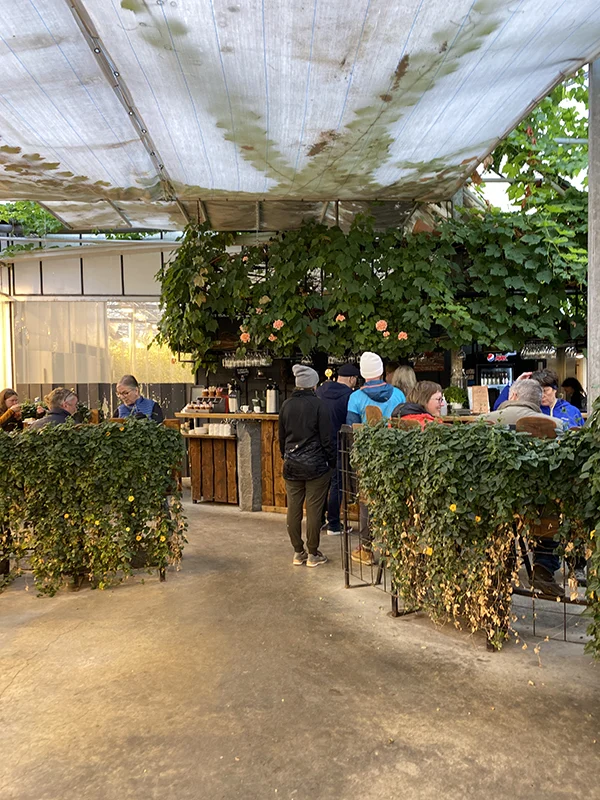
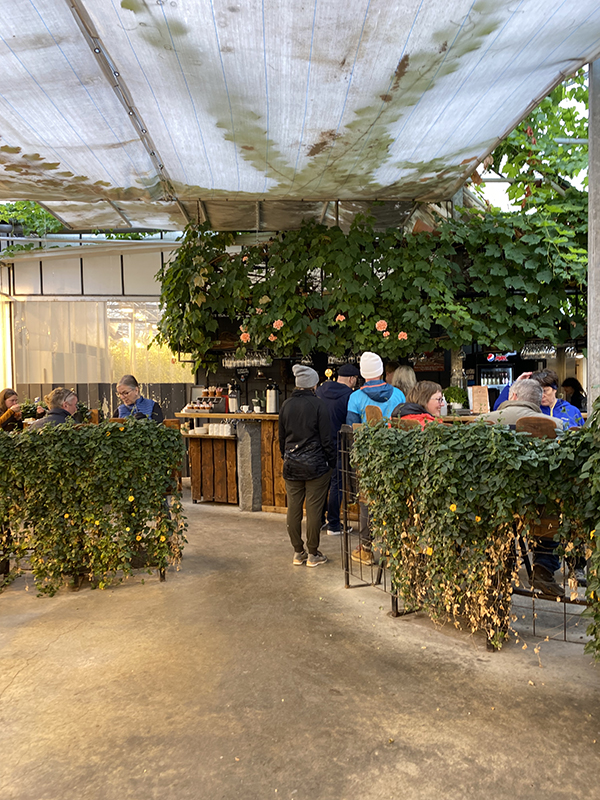
Phase One: The South Coast and Agricultural Innovation. The journey begins with a focus on the "Golden Circle," but quickly transitions to the South Coast’s unique infrastructure. A primary highlight in this region is the Friðheimar Tomato Greenhouse. Utilizing 100% renewable geothermal energy, this facility represents the pinnacle of Icelandic agricultural technology. It serves as a restaurant where diners eat among the tomato plants, illustrating the synergy between Iceland’s volcanic heat and food security.
-
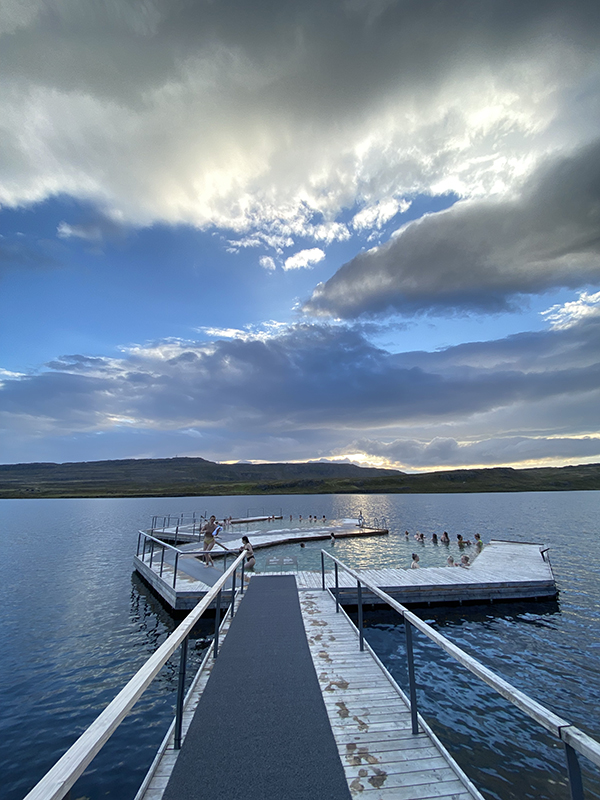
Phase Two: The Eastern Fjords and Geothermal Advancement. As travelers move east, the landscape becomes more rugged. The recent opening of the Vök Baths on Lake Urriðavatn has transformed the tourism profile of East Iceland. These floating geothermal pools are built directly onto a cold-water lake, allowing for a thermal shock experience—jumping from the freezing lake into 40°C (104°F) water—which is a cornerstone of Nordic wellness culture.
-
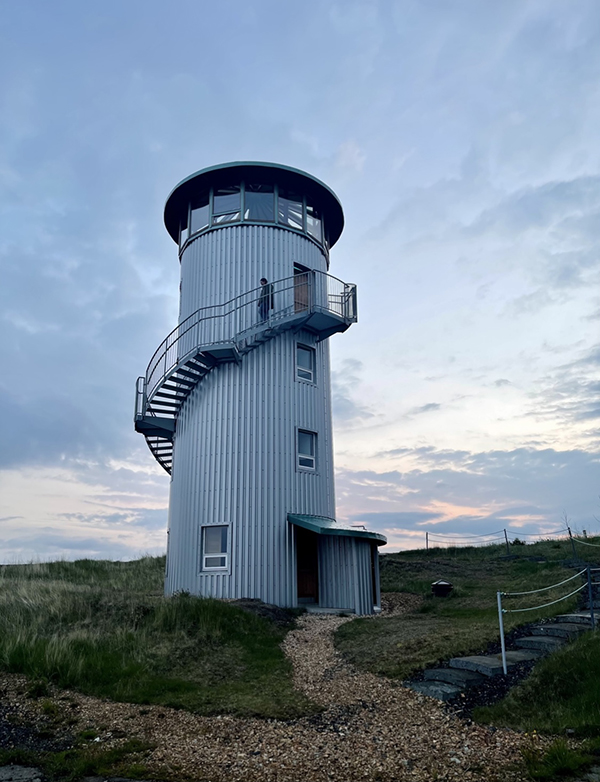
Phase Three: Northern Exploration and Unique Accommodations. The northern region offers a slower pace, with landmarks like the Klettar Tower providing specialized lodging. This converted lighthouse offers 360-degree views of the horizon, a feature specifically designed for viewing the Aurora Borealis (Northern Lights) during winter months.
-
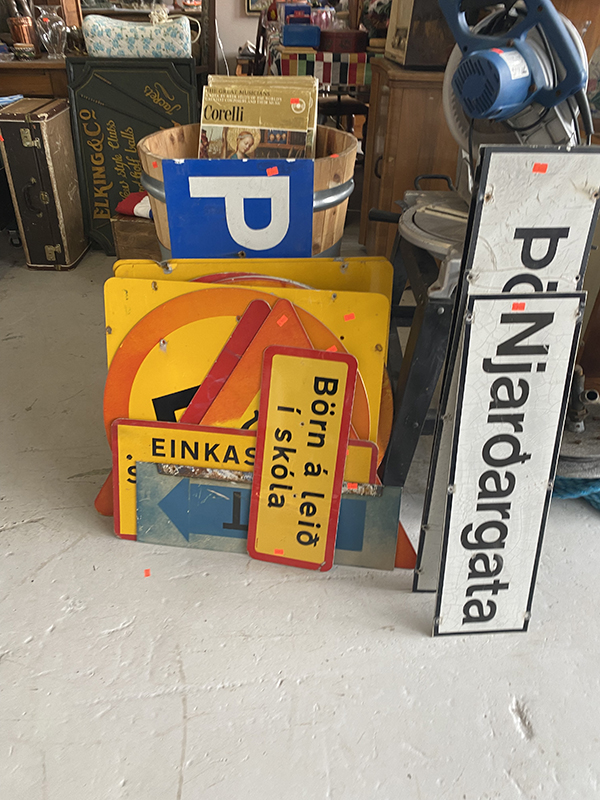
Phase Four: Return to Reykjavik and Urban Culture. The final leg of the journey focuses on the capital’s culinary and social scene. Establishments like Matur og Drykkur, located in a historic salt fish factory, have modernized Icelandic cuisine, while the Kolaportið Flea Market provides a hub for local commerce and sustainable shopping.
Data Analysis: The Economic and Cultural Impact of Geothermal Tourism
The Icelandic economy is heavily reliant on its geothermal resources, not only for domestic heating and electricity but as the primary driver of its tourism sector. According to 2021-2022 economic reports, the "spa and wellness" segment of the industry saw a 25% increase in year-over-year growth.
| Facility Type | Average Temperature | Regional Impact |
|---|---|---|
| Traditional Hot Springs | 38°C – 40°C | High local engagement; foundational to Icelandic social life. |
| Geothermal Spas (e.g., Vök) | 36°C – 42°C | High international draw; drives infrastructure in remote areas. |
| Community Pools | 28°C – 44°C | Critical for cultural integration; low cost for travelers. |
Furthermore, the agricultural sector’s integration into tourism, as seen with Friðheimar, contributes significantly to the local GDP. Iceland currently produces approximately 700 tons of tomatoes annually, a feat made possible by the 10,000 bumblebees imported for pollination within the greenhouses and the artificial lighting that mimics the sun during the dark winter months.
Geological Events as Tourism Catalysts
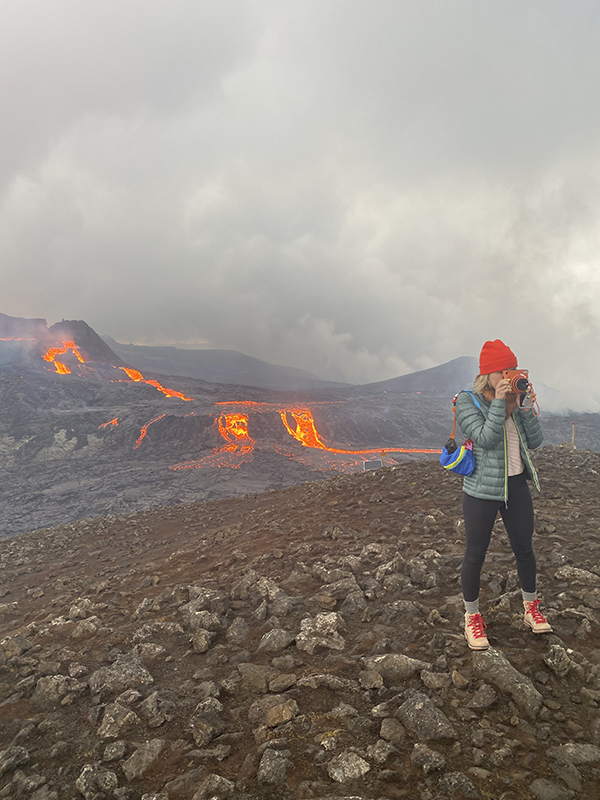
The presence of active volcanic activity remains one of Iceland’s most potent draws. The 2021 eruption at Fagradalsfjall in the Reykjanes Peninsula served as a major case study in "volcano tourism." Unlike more explosive eruptions, this effusive eruption allowed for relatively safe viewing.
Tourism operators quickly pivoted to offer helicopter tours and guided hikes to the eruption site. This event highlighted the "living earth" aspect of Iceland, where the formation of new land becomes a tangible experience for visitors. Scientific reports suggest that the Reykjanes Peninsula may have entered a new era of volcanic activity that could last for decades, providing a long-term, albeit unpredictable, attraction for the nation.
Professional Perspectives and Official Responses
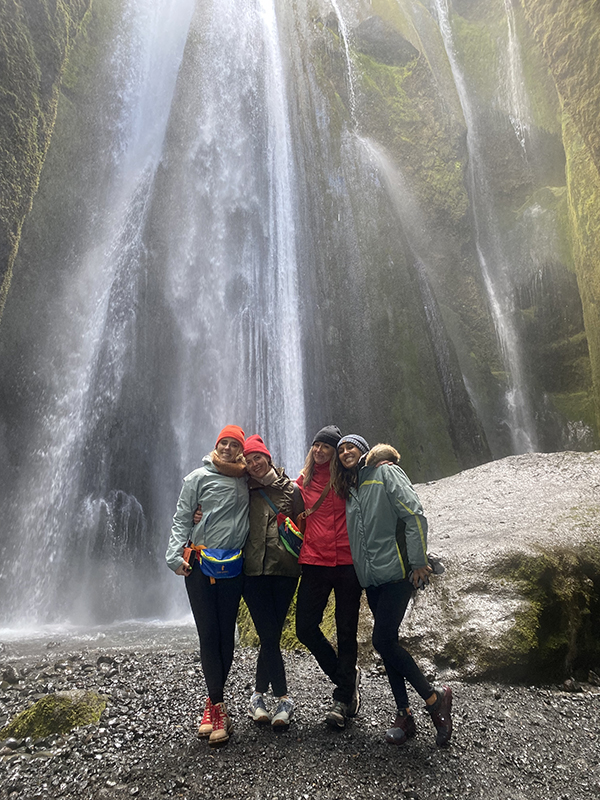
Representatives from the Icelandic Travel Industry Association (SAF) emphasize that while natural attractions are the primary draw, the "intentionality" of the trip is what creates lasting value. "We are seeing a shift from ‘check-list tourism’ to ‘experiential tourism,’" stated a senior industry consultant. "The goal for many visitors is no longer just to see the Skógafoss waterfall, but to understand the silence of the East Fjords or the community spirit in a Reykjavik public pool."
Psychologists specializing in travel therapy note that the "divorce trip" phenomenon is rooted in the need for a "pattern interrupt." The stark, alien landscapes of Iceland provide a dramatic sensory shift that can assist in the cognitive processing of grief or life changes. The physical act of driving the Ring Road—a literal circle—can symbolize a sense of completion or a new beginning.
Broader Impact and Environmental Implications
The rise in intensive tourism, particularly trips that involve circumnavigating the island, places a unique strain on Iceland’s infrastructure and environment. The "Leave No Trace" campaign and the "Icelandic Pledge" are official initiatives aimed at educating visitors on the fragility of the sub-arctic ecosystem.

- Infrastructure Strain: The Ring Road is largely a two-lane highway. Increased traffic requires constant maintenance, especially in the face of extreme weather conditions.
- Sustainability: The use of geothermal energy for tourism facilities is highly sustainable, but the carbon footprint of air travel to the island remains a point of contention for climate-conscious travelers.
- Local Integration: As cities like Reykjavik become more tourist-centric, maintaining the authenticity of local markets like Kolaportið is essential for preserving the "social fabric" that intentional travelers seek.
Conclusion: The Future of the Icelandic Model
The success of Iceland’s intentional travel model lies in its ability to offer a diverse range of high-sensory experiences that cater to emotional and physical well-being. From the architectural novelty of the Klettar Tower to the high-tech sustainability of Friðheimar and the raw power of an active volcano, the country provides a multifaceted backdrop for personal reflection.
As the global travel market continues to evolve, Iceland’s strategy of combining natural wonders with sophisticated, wellness-oriented infrastructure serves as a benchmark for other destinations. The "Divorce Trip" or "Healing Journey" is no longer a niche concept but a significant driver of high-value tourism that benefits both the traveler and the local economy. For those seeking to navigate the "tricky times" of life, the circular path of the Ring Road offers a compelling route toward recovery and renewal.


