
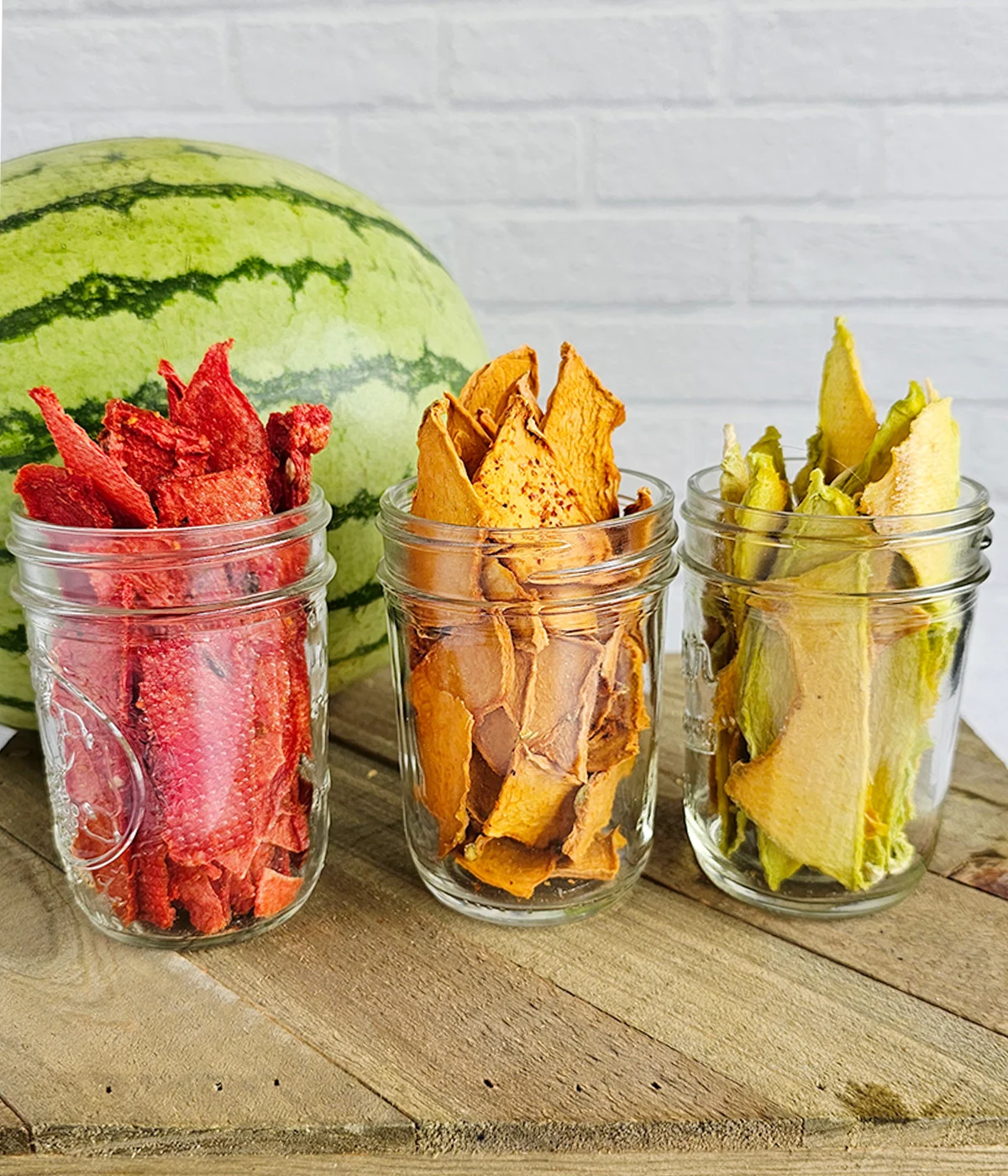
The practice of dehydrating melons has emerged as a cornerstone of modern home food preservation, offering a strategic solution to the perennial problem of seasonal fruit spoilage and household food waste. As consumers increasingly seek shelf-stable, nutrient-dense alternatives to processed snacks, the transformation of high-moisture fruits like watermelon, cantaloupe, and honeydew into leathery, concentrated treats has transitioned from a niche hobby to a mainstream culinary trend. By removing the significant water content of these fruits—often exceeding 90% in their fresh state—home preservers can extend the shelf life of melons from a few days in the refrigerator to over a year in the pantry. This comprehensive approach to food management not only addresses economic concerns regarding grocery costs but also aligns with global sustainability efforts to reduce the environmental footprint of organic waste.
The Context of Food Waste and the Rise of Preservation
The impetus for the growing interest in melon dehydration is rooted in staggering statistics regarding food loss. According to data from the United States Department of Agriculture (USDA), approximately 30 to 40 percent of the food supply in the United States goes to waste. Melons, characterized by their large size and rapid maturation, are frequently cited by consumers as a primary source of refrigerator-based waste. Once sliced, a standard watermelon or cantaloupe begins a rapid process of cellular breakdown, often becoming unpalatable before a single household can consume the entirety of the fruit.
Food preservation experts, such as Darcy Baldwin of The Purposeful Pantry, have identified dehydration as the most accessible and energy-efficient method for mitigating this loss. Unlike freezing, which requires constant energy consumption and can be compromised by power outages, or canning, which often involves high heat that can alter the delicate flavor profile of melons, dehydration utilizes low, controlled temperatures to create a product that is both lightweight and biologically stable.
Technical Specifications and Equipment Standards
To achieve professional-grade results in melon dehydration, a standardized set of equipment and environmental controls is required. While traditional sun-drying remains a practice in some climates, modern electrical dehydrators provide the consistency necessary for food safety and texture quality.
Required Instrumentation
The process necessitates a high-quality food dehydrator, preferably one with an adjustable thermostat and horizontal airflow to ensure even drying across all trays. Additional requirements include:
- Sharp Chef’s Knife or Mandoline Slicer: Essential for maintaining a uniform thickness of 1/4 inch (6 mm) to 1/2 inch (12 mm).
- Airtight Storage Containers: Glass Mason jars or vacuum-sealed bags are preferred for long-term stability.
- Conditioning Jars: Clear containers used for the mandatory post-dehydration stabilization period.
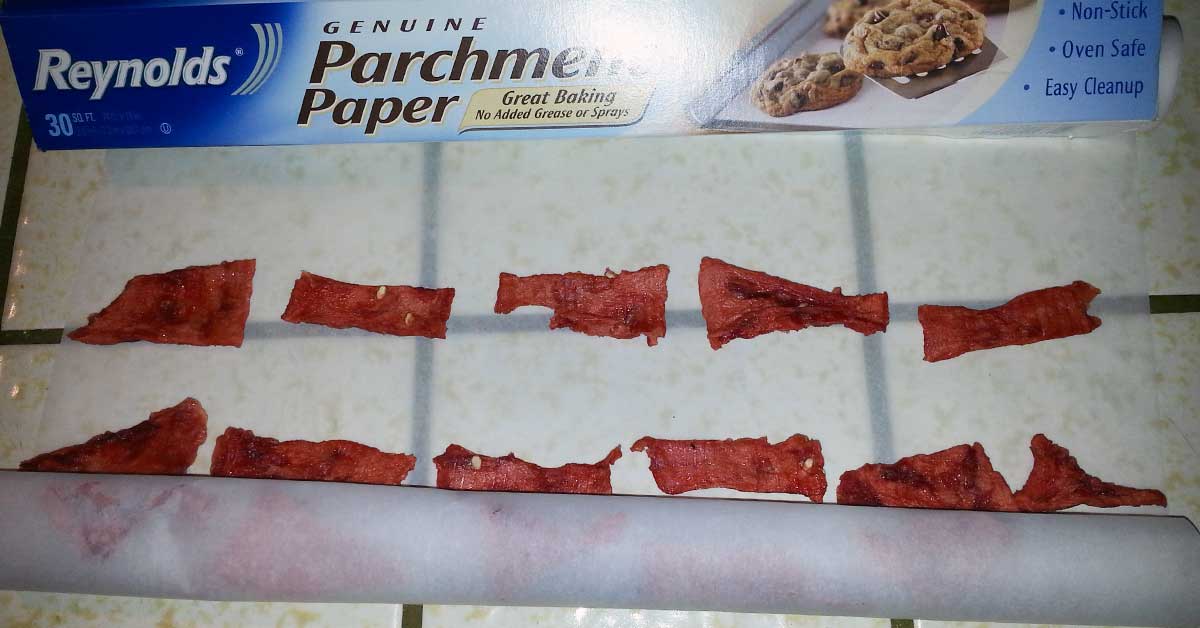
- Optional Enhancements: Parchment paper or non-stick silicone mats, particularly for watermelon, which possesses a high sugar content that can lead to sticking.
A Chronological Guide to the Dehydration Process
The transition from fresh fruit to shelf-stable snack follows a rigorous chronological path. Adherence to these stages is critical to preventing "case hardening," a condition where the exterior of the fruit dries too quickly, trapping moisture inside and leading to eventual mold growth.
Phase 1: Selection and Preparation
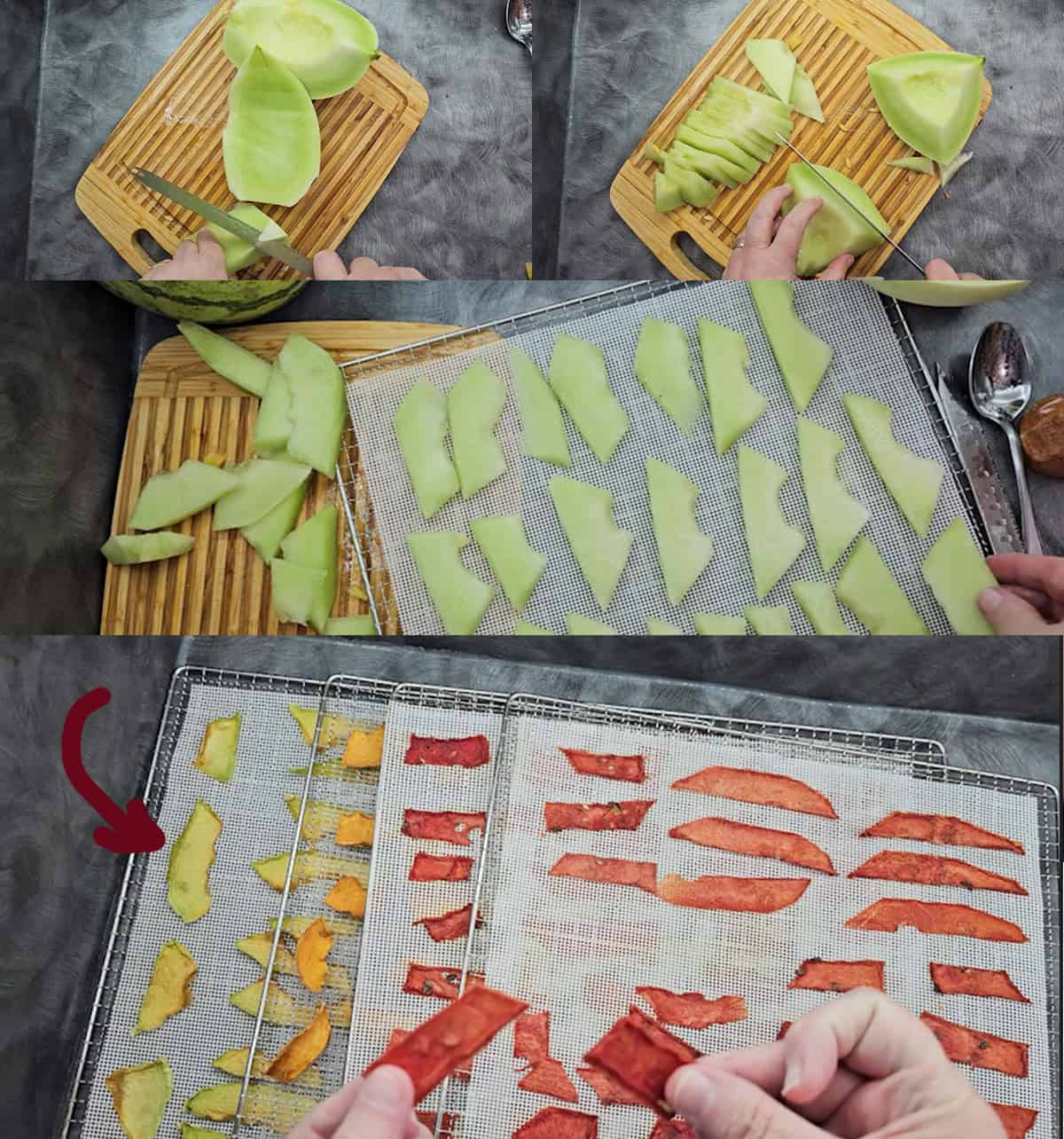
The quality of the final product is directly proportional to the ripeness of the raw material. Melons must be at their peak sugar content; under-ripe melons lack flavor when concentrated, while over-ripe specimens may have a compromised cellular structure. The fruit must be thoroughly washed to prevent cross-contamination from the rind to the flesh during slicing. After removing the rind and seeds, the flesh is partitioned into uniform slices or wedges.
Phase 2: The Dehydration Cycle
Once arranged on trays with adequate spacing for airflow, the dehydrator is set to 135°F (57°C). This specific temperature is the industry standard for fruits, as it is high enough to inhibit enzymatic activity and spoilage organisms but low enough to preserve vitamins and natural sugars. The duration of this phase typically spans 10 to 14 hours. The high water content of melons means they will undergo significant shrinkage, often reducing to a fraction of their original volume.
Phase 3: Determining Dryness
Melons are considered fully dehydrated when they reach a "leathery" or "taffy-like" consistency. They should not be sticky to the touch, and when bent, they should not exude any visible moisture. Watermelon, in particular, becomes highly concentrated in sugar, resulting in a flexible, jerky-like texture that is often compared to natural fruit candy.
Phase 4: The Conditioning Period
Perhaps the most overlooked step in the chronology of preservation is conditioning. Even when melons appear dry, residual moisture may be unevenly distributed. For seven days following dehydration, the fruit is placed in a clear jar and shaken daily. If condensation appears on the glass, the fruit must be returned to the dehydrator. If no moisture is detected after a week, the product is deemed safe for long-term storage.
Nutritional Analysis and Comparative Data
The dehydration process significantly alters the caloric and nutrient density of the fruit. Because the water is removed, the remaining sugars and nutrients are concentrated.
Comparative Nutritional Estimates (Per 1/4 Cup Dried vs. 1 Cup Fresh):
- Calories: Approximately 14–20 kcal.
- Carbohydrates: 3–5g.
- Sugars: Concentrated natural fructose, providing a high-energy density.
- Micronutrients: Cantaloupe retains significant levels of Vitamin A (as beta-carotene) and Vitamin C, though some heat-sensitive vitamins may decrease slightly during the 10-hour exposure.
Data suggests that the glycemic load of dehydrated melon is higher per gram than fresh melon, a factor that should be considered by individuals monitoring blood glucose levels. However, as a natural alternative to refined sugar snacks, dehydrated melons offer a superior profile of fiber and antioxidants.
Varieties and Flavor Profiles
While the methodology remains largely consistent across the melon family, each variety yields a distinct sensory experience:

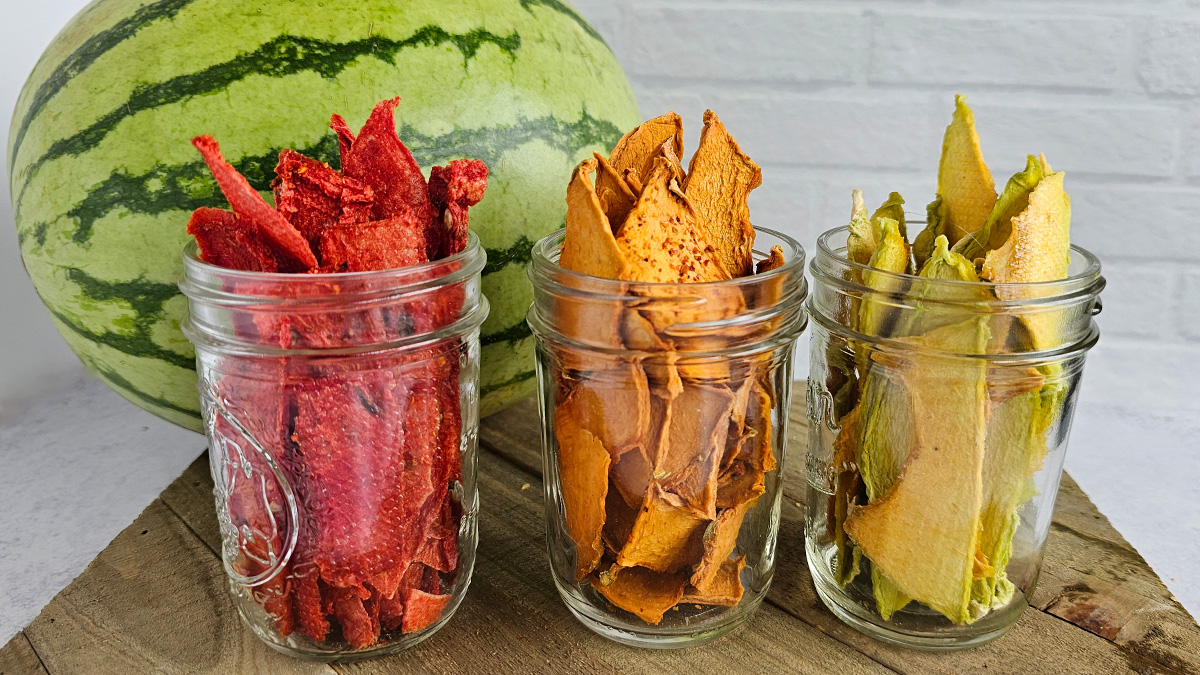
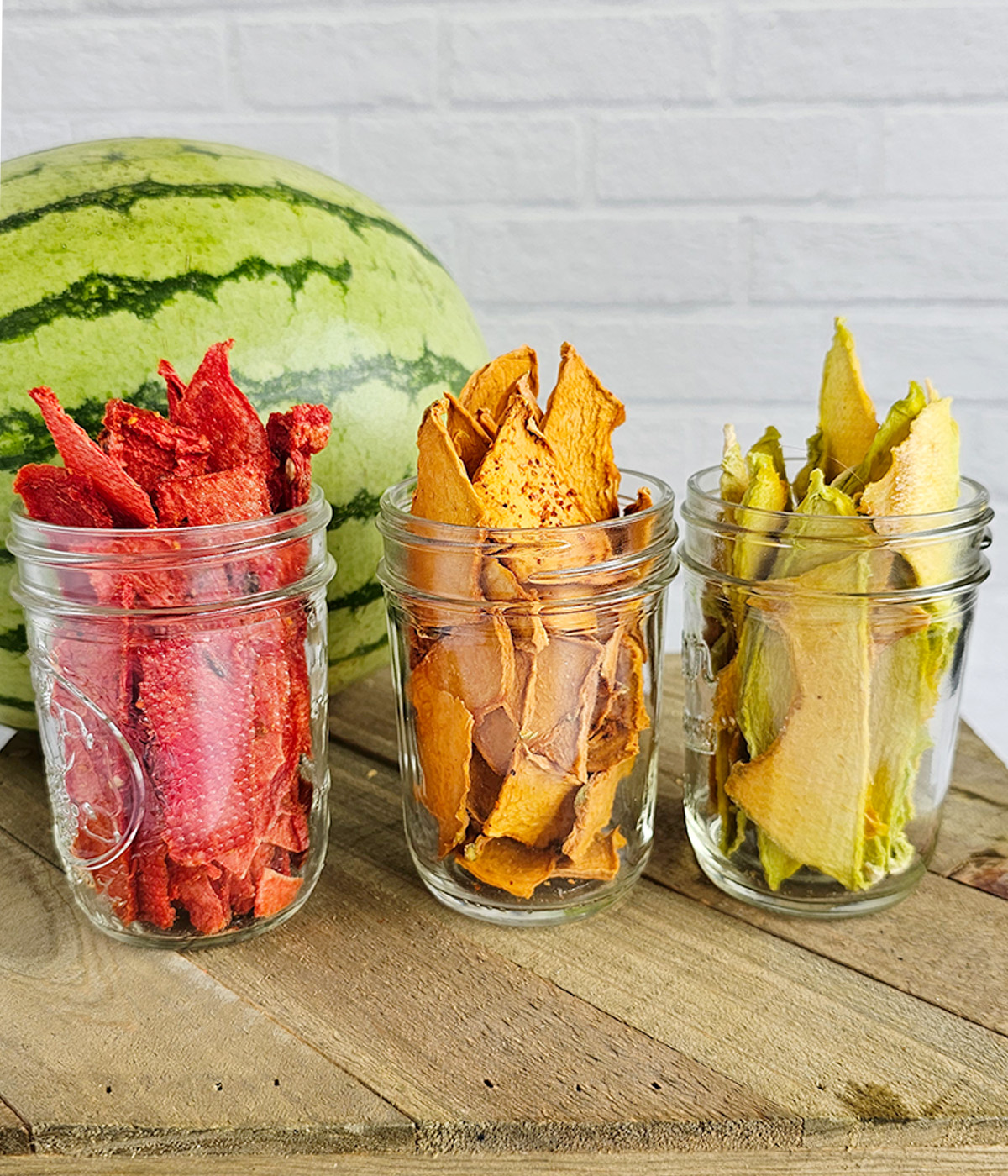
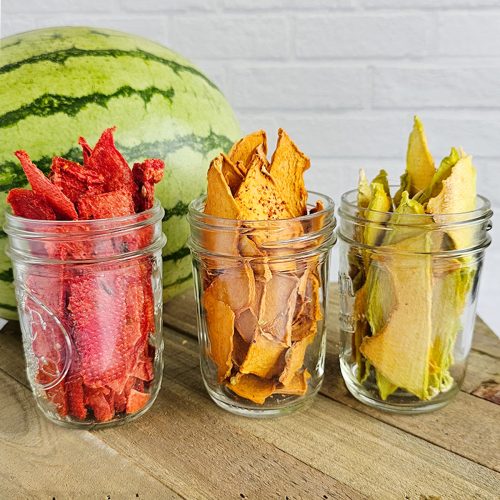
- Watermelon: Known for transforming into "watermelon jerky," it offers the most dramatic flavor concentration, moving from a refreshing water-based fruit to an intense, sweet confection.
- Cantaloupe: Provides a musky, floral sweetness. When dehydrated, its texture is often sturdier than watermelon, making it an excellent addition to trail mixes.
- Honeydew: Offers a subtle, clean sweetness. It is frequently seasoned with lime juice or citric acid prior to drying to brighten its mild flavor profile.
Economic and Environmental Implications
The move toward home dehydration represents a shift in consumer behavior toward a "circular" household economy. By purchasing melons in bulk during peak harvest seasons—when prices are at their lowest—and preserving the surplus, households can realize a 50-70% cost savings compared to purchasing commercially dried fruit or out-of-season fresh produce.
Environmentally, the impact is two-fold. First, it reduces the volume of organic waste sent to landfills, where decomposing fruit produces methane, a potent greenhouse gas. Second, it reduces the demand for the plastic packaging and transportation energy associated with store-bought snacks.
Safety Protocols and Alternative Methods
For households without a dedicated dehydrator, the conventional oven serves as a viable alternative, though it requires stricter supervision. Most modern ovens do not have a setting as low as 135°F; therefore, the lowest possible setting (often 170°F) must be used with the door slightly propped open to facilitate moisture escape. This method is less energy-efficient and requires frequent rotation of trays to prevent scorching.
Storage Standards
To maintain a shelf life of up to 12 months, dehydrated melons must be kept in a cool, dark, and dry environment. Oxygen absorbers or silica gel packets are recommended for those living in high-humidity regions, as the high sugar content of the fruit makes it hygroscopic—meaning it will readily absorb moisture from the air, leading to stickiness and potential spoilage.
Conclusion: The Future of Home Preservation
The dehydration of melons is more than a culinary curiosity; it is a practical response to the modern challenges of food security and waste management. As technology for home preservation continues to advance and the cultural shift toward "slow food" and self-sufficiency gains momentum, the sight of glass jars filled with vibrant, dried melon slices is likely to become a staple of the modern pantry. Through the application of scientific principles and disciplined processing, the fleeting flavors of summer can now be captured and sustained throughout the year, proving that sustainability and gourmet snacking are not mutually exclusive.


