
The American Homebrewers Association (AHA) has officially transitioned into a new chapter of its organizational history, marked by a significant strategic partnership with Strategic Association Management (SAM) and a revitalization of its core publication, Zymurgy. This move signals a deliberate effort to foster greater member-driven growth and address the evolving landscape of the homebrewing hobby as an independent nonprofit entity.
Strategic Partnership with SAM to Drive Operational Efficiency
In August, the AHA announced the selection of Strategic Association Management (SAM), an accredited Association Management Company (AMC) based in Austin, Texas, to oversee its day-to-day operations. This partnership, which officially commenced in July, aims to leverage SAM’s professional expertise and best practices to enhance the efficiency and effectiveness of the AHA’s services for its more than 20,000 members.
Association Management Companies like SAM provide comprehensive support services to a wide range of professional and trade organizations. Their role typically encompasses areas such as membership management, financial oversight, event planning, marketing and communications, and strategic development. By engaging SAM, the AHA seeks to streamline its administrative functions, allowing its internal leadership and dedicated staff to concentrate on higher-level strategic initiatives and the pursuit of ambitious goals for the homebrewing community. This collaboration is expected to bolster the AHA’s capacity to serve its members more effectively and to invest resources in initiatives that directly benefit the hobby.
Revitalized Zymurgy Team Poised to Elevate Publication
Complementing the operational enhancements, the AHA has also made significant additions and confirmations to the editorial team responsible for Zymurgy, the association’s flagship publication. Amahl Turczyn will continue in her role as editor-in-chief, a position she has held with distinction, guiding the publication’s content and vision. Adriana Torres will remain as copyeditor, ensuring the quality and accuracy of Zymurgy‘s articles. The team has also welcomed back Dave Harford as art director, a move expected to bring renewed visual appeal and a cohesive aesthetic to the magazine.
This dedicated team, operating under the oversight of the AHA’s founding board and Executive Director Julia Herz, is tasked with continuing to deliver high-quality content that informs, inspires, and engages homebrewers. Zymurgy has long served as a critical resource for the homebrewing community, offering technical advice, brewing techniques, ingredient spotlights, and news from the world of craft beer and home fermentation. The strengthened editorial team signals a commitment to maintaining and enhancing the publication’s reputation as a leading authority in the field.
A New Chapter: Independence and Member-Driven Future
The integration of SAM and the strengthened Zymurgy team are integral components of the AHA’s broader strategic vision following its transition to an independent nonprofit organization. In 2024, the AHA underwent a deliberate and thorough process to separate from the Brewers Association (BA), with which it had been affiliated in various forms since 1982, having originally been founded in 1978. This decision was the culmination of careful consideration of all available options to chart a future that would be more impactful and driven by the needs and desires of its member base.
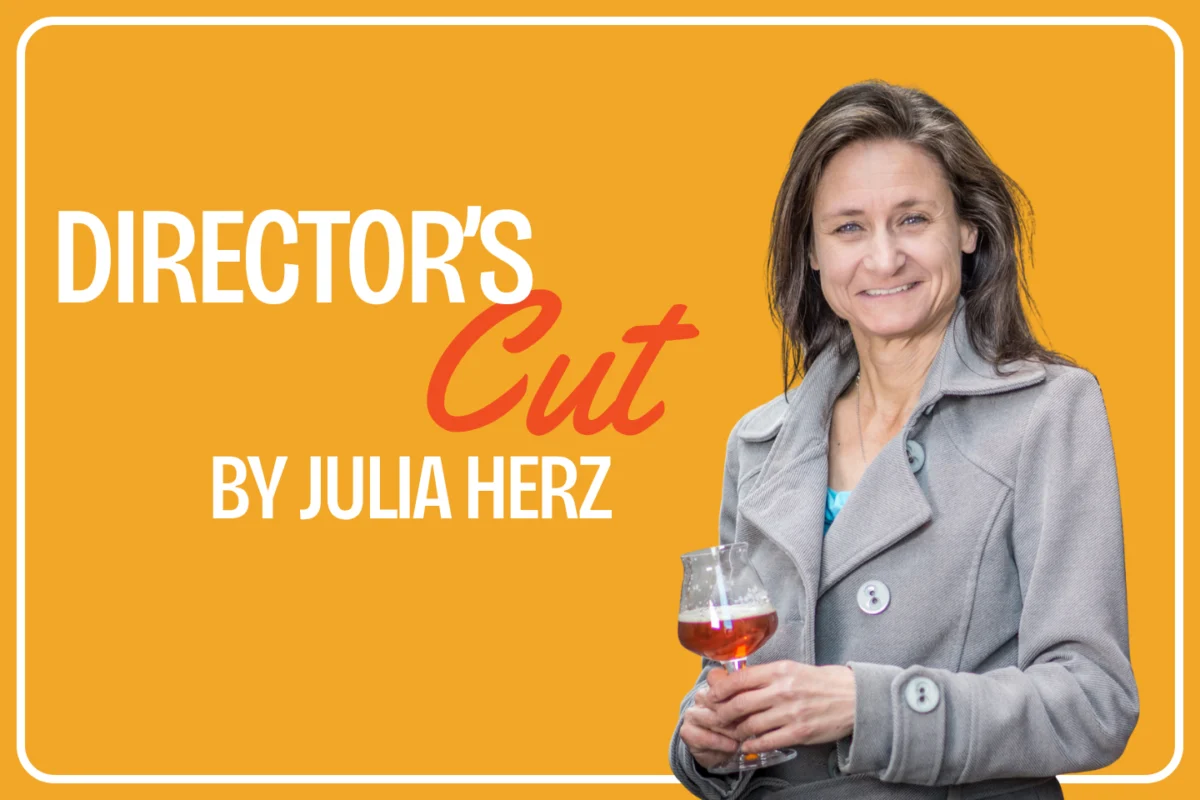
Executive Director Julia Herz has emphasized the significance of this independence, stating that it presents both substantial opportunities and considerable challenges. "With independence, we have BIG work ahead to evolve and be successful as a stand-alone nonprofit," Herz commented. "The hobby of homebrewing also faces real challenges. But with your help, we can and will address them." This sentiment underscores the AHA’s commitment to actively engaging with its members and working collaboratively to overcome obstacles and advance the interests of homebrewers.
Understanding the Role of an Association Management Company (AMC)
The appointment of an AMC like SAM is a strategic decision designed to optimize organizational capacity. AMCs are professional service firms that provide a comprehensive suite of management and administrative services to trade and professional associations. They are accredited by industry bodies, signifying adherence to rigorous standards of professionalism and ethical conduct. For organizations like the AHA, particularly those navigating a transition to independence or seeking to enhance operational efficiency, an AMC can provide access to specialized expertise and economies of scale that might be difficult to achieve independently.
The core function of an AMC is to act as an extension of the association’s staff, handling essential operational tasks. This allows the association’s leadership and board to focus on its core mission, strategic planning, and member engagement. In the case of the AHA, SAM’s involvement is expected to facilitate a more agile and responsive organizational structure, enabling the AHA to pursue its ambitious goals for the homebrewing community more effectively. This includes fostering innovation, advocating for the hobby, and developing new programs and resources for its members.
Historical Context of the AHA’s Independence
The American Homebrewers Association has a long and storied history, dating back to its founding in 1978. For over four decades, it has been a cornerstone of the homebrewing community, providing resources, education, and a platform for enthusiasts to connect and share their passion. Its affiliation with the Brewers Association, which began in 1982, represented a period of shared advocacy and growth for both organizations within the broader beer industry.
However, as the homebrewing hobby matured and the craft beer industry evolved, the AHA recognized the strategic imperative to operate as a distinct and independent entity. This decision was not made lightly and followed extensive deliberation and a thorough review of various organizational models. The transition process was designed to ensure a smooth and responsible separation, allowing the AHA to define its own path forward while maintaining its commitment to its members. This newfound autonomy is intended to empower the AHA to be more responsive to the specific needs and interests of homebrewers, unhindered by potential conflicts or differing priorities.
Implications for the Homebrewing Community
The strategic shifts at the AHA have several potential implications for the homebrewing community:
- Enhanced Member Services: With SAM managing day-to-day operations, the AHA can potentially invest more resources into developing and delivering enhanced member benefits, educational programs, and advocacy efforts. This could translate to more accessible resources, improved communication channels, and a stronger voice for homebrewers.
- Increased Focus on Advocacy: As an independent entity, the AHA can more directly and decisively advocate for policies and regulations that support homebrewing. This could include efforts related to ingredient sourcing, brewing equipment accessibility, and the legal framework surrounding home production.
- Innovation in Content and Programs: The revitalized Zymurgy team, coupled with the operational efficiencies gained from SAM, could lead to more innovative content and new program development. This might involve expanded online resources, new brewing competitions, or workshops focused on emerging trends in fermentation.
- Strengthened Community Engagement: The AHA’s commitment to a "member-driven future" suggests an increased emphasis on gathering member feedback and incorporating it into strategic decision-making. This can foster a greater sense of ownership and participation within the community.
Challenges and Future Outlook
While the transition to independence and the partnership with SAM represent a significant step forward, the AHA acknowledges the challenges ahead. The homebrewing hobby, like many grassroots movements, faces ongoing challenges, including changing consumer preferences, regulatory landscapes, and the need to continually attract and retain new enthusiasts.
However, the AHA’s proactive approach, characterized by strategic partnerships and a renewed focus on its core mission, positions it well to address these challenges. The organization’s leadership, including Executive Director Julia Herz, whose personal engagement with the homebrewing community is evident through her social media presence on Instagram (@ImmaculateFermentation), appears committed to fostering a vibrant and sustainable future for homebrewing.
The coming months and years will likely see the AHA implementing a series of initiatives designed to solidify its independent status and expand its impact. The success of these efforts will ultimately depend on the continued engagement and support of its dedicated membership, who remain the driving force behind the American Homebrewers Association and the enduring passion for home fermentation. The AHA’s journey as an independent nonprofit is a testament to its resilience and its unwavering dedication to the art and science of homebrewing.


